REVIEW · PAIHIA
Bay of islands Waterfall Cruise Kayaking Tour
Book on Viator →Operated by Bay of Islands Night Kayaking Ltd · Bookable on Viator
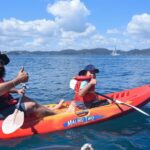
Kayaking to a waterfall feels like a postcard. This Bay of Islands paddle tour takes you from Waitangi into sheltered water, threading through mangrove forests and past sea birds that nest in trees over the river, then guiding you to where a waterfall pours into the sea. I really like the way the guides bring the places to life with cultural and historical context, and I like that instruction is practical enough for first-timers.
One consideration: you’re not just coasting. The paddle to the waterfall and back can be a medium-to-high effort, and if the group has a slower pace you may feel it. The good news is there’s a comfortable safety option standing by if you need a rest.
In This Review
- Key Points Worth Knowing Before You Go
- Where You Paddle: Waitangi’s Bay of Islands Waterways
- The 2.5-Hour Flow: From Shore Time to the Waterfall Run
- Mangrove Paddling and Birdlife That Actually Changes What You Notice
- The Waterfall Drop Into the Sea: Your Payoff Moment
- Guides and Coaching: How This Stays Fun for First-Timers
- What to Bring (and What to Wear) So You’re Not Miserable
- Price and Value at $60.82: What You’re Getting for the Money
- Cruise-Ship Days and Getting There Without Stress
- Group Size, Pace, and Fitness: The Stuff That Makes or Breaks It
- Who Should Book This Bay of Islands Waterfall Kayaking Tour
- Should You Book This Bay of Islands Waterfall Cruise and Kayaking Tour?
- FAQ
- How long is the Bay of Islands Waterfall Cruise Kayaking Tour?
- Where does the tour start and end?
- Do I need prior kayaking experience?
- Is a warm jacket and towel really necessary?
- Is lunch included in the price?
- Is hotel pickup or drop-off included?
- What should I bring for the paddle and waterfall?
- Are there photo souvenirs available?
- What’s the maximum group size?
- What happens if weather is poor?
Key Points Worth Knowing Before You Go
- Beginner-friendly kayaking, with a safety boat always nearby so you can rest without the day falling apart
- Mangrove paddling + bird spotting gives you more to notice than just the scenery
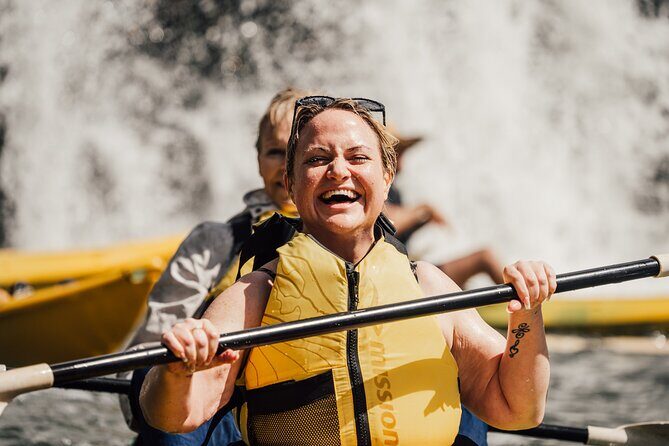
- A real waterfall moment where you reach the falls and see them in motion and scale
- Group pace matters since up to 40 people can be on the water
- Bring the right comfort items (towel, warm layer, sunscreen, water, small snacks) for a smooth outing
Where You Paddle: Waitangi’s Bay of Islands Waterways
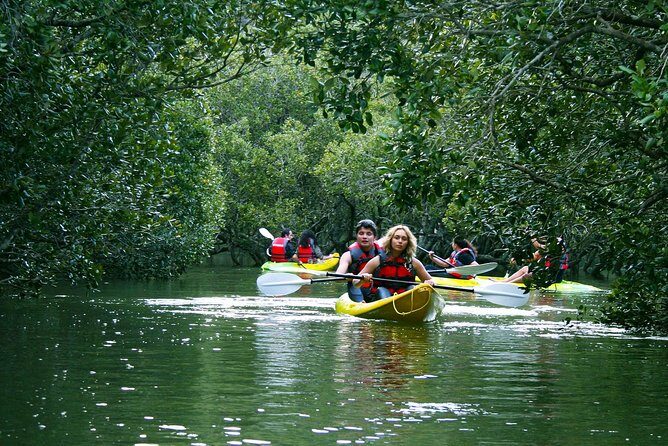
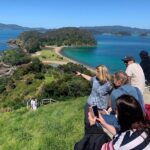
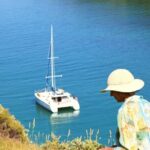
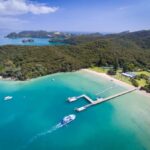
If you picture the Bay of Islands as only beaches and boats, this tour adds another side. You’ll spend time on quiet river-like water where mangroves line the banks and overhanging branches can hold nests for sea birds. That mix of sheltered water and wildlife watching makes it feel more like a nature walk you can steer than a typical sightseeing cruise.
This is also a good choice if you like being close to what you’re seeing. With kayaking, you’re not watching from the edge of a tour boat—you’re moving through the same space as the birds, the mangroves, and the river current. Even when you stop paddling for a photo, you still feel connected to the water, not separated by glass or railings.
You start at 1 Tau Henare Drive, Waitangi 0293, and the tour ends back at the meeting point. There’s no hotel pickup or drop-off, so plan on getting yourself there on your own schedule. The good part: this makes it easier to slot into a half-day, especially if you’re staying in or near Waitangi.
You can also read our reviews of more boat tours in Paihia
The 2.5-Hour Flow: From Shore Time to the Waterfall Run
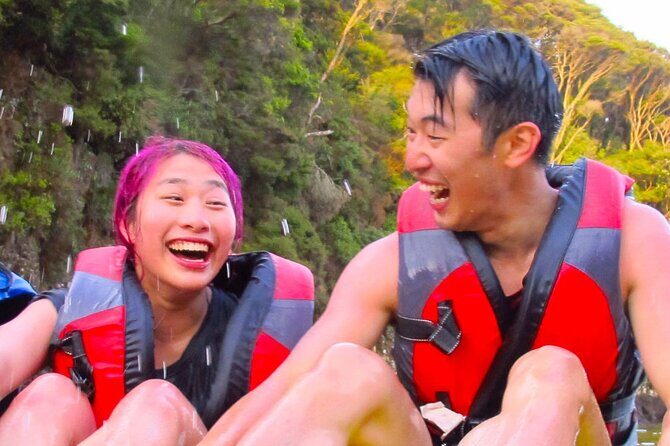
The tour runs about 2 hours 30 minutes, with a usual summer schedule around 10am, 1pm, and 4pm (times can vary). That timing is long enough to feel like an outing, but not so long that you’re wiped out for the rest of your day.
Here’s the practical rhythm of what you should expect:
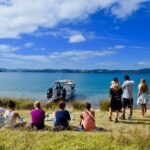
First, you meet your local guide at the shore and get set up. You’ll be briefed on paddling basics and safety expectations right up front. Then you’ll spend time on the water moving toward the waterfall area. Some people describe the experience as cruise-and-kayak, while others feel it’s more of a support boat situation while you paddle. Either way, the core experience is the same: you’re kayaking along the river, and you’re heading to the waterfall that drops into the sea.
Once you reach the waterfall destination, you’ll be there long enough to take in what you came for. After that, you paddle back. In a perfect day, it feels like a loop: calm water going in, the falls moment at the turnaround point, then a steady return.
The biggest “watch this” detail is fitness. Even though you don’t need prior experience, you do need enough energy for a longer paddle round-trip. One person didn’t reach the full route and estimated they only made it about a third of the way before switching to the boat option, which shows you the day is flexible—but your effort still matters.
Mangrove Paddling and Birdlife That Actually Changes What You Notice
The mangroves aren’t just decoration here. When you paddle through them, you slow down naturally because you’re threading through branches, shallow-feeling edges, and the bends of the river. That slower speed is what makes the bird spotting more than a quick glance.
One of the standout parts you’ll get is the chance to photograph sea birds that nest in trees hanging over the river. You’re not just hoping for sightings; you’re moving through the kind of habitat where nests can be directly above your kayak line. That gives you a different kind of wildlife experience than you’d get from a distant lookout.
I also like that the tour doesn’t treat nature as background. The guide time is used to explain historical and cultural significance along the route. That matters because it turns the trip from photo-stop hopping into a story you understand while you’re on the water.
And if your group includes someone who’s not as confident in kayaking, this tour is built to handle it. There’s a safety vessel available if you need to rest, which helps you keep the focus on the experience instead of pure endurance.
The Waterfall Drop Into the Sea: Your Payoff Moment
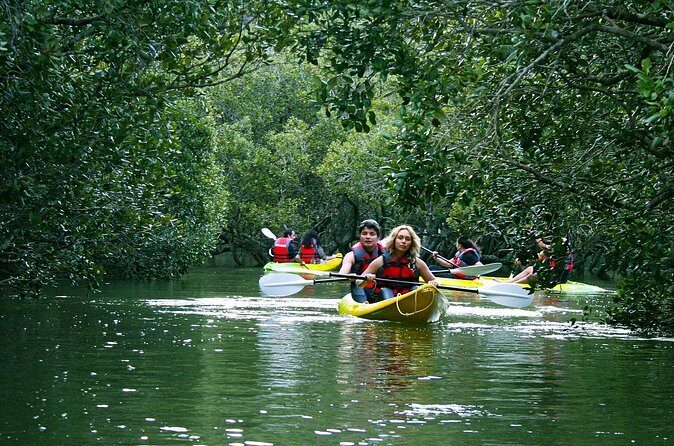
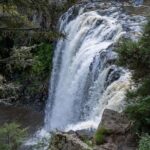
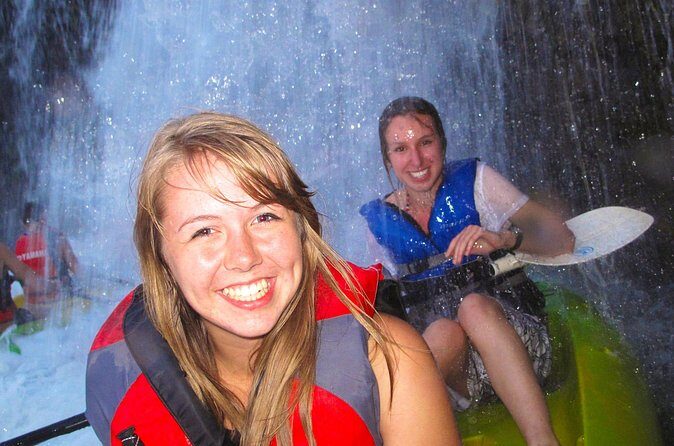
The “wow” payoff is the waterfall where it drops into the sea. That’s the final destination, and it’s not presented as an abstract goal. You go to it on the water, close enough that you can feel how the water changes the whole scene—wind, mist, and the way the river energy meets the ocean.
One helpful reality check: waterfalls change with rainfall. If it has been dry, the waterfall may look and feel different than it does after rain. That means the day can vary, and the best-looking waterfall often follows wetter weather.
When the conditions line up, this is the moment you’ll remember. Several people singled out how gorgeous the falls were, especially after rain, and how they loved getting that close view compared with typical sightseeing.
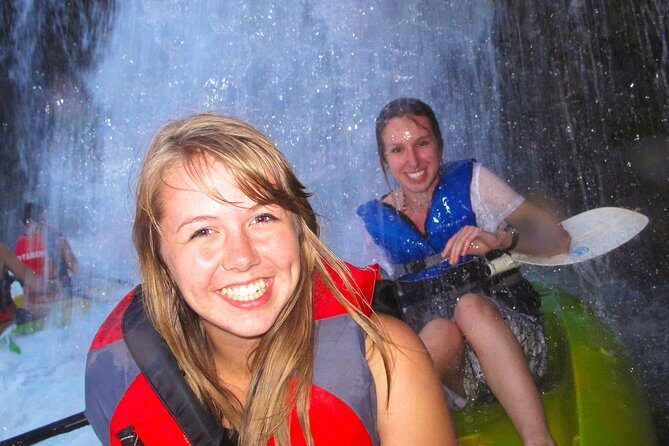
If you’re worried about getting chilly, plan for it. Even in summer, you can end up damp or splashed, and the waterfall area can be cooler with spray and movement. A warm jacket is specifically recommended, and in practice it’s one of those items you’ll be glad you packed once you’re on the water.
Guides and Coaching: How This Stays Fun for First-Timers
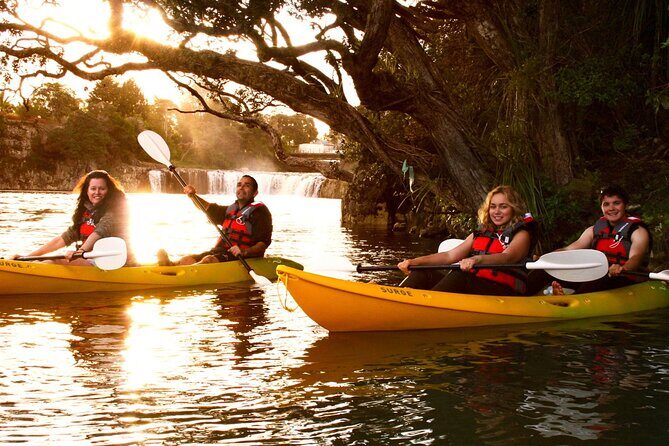
This tour earns its high rating because it’s set up to teach without making you feel like you’re behind. You don’t need prior kayaking experience, and that’s not just marketing. People consistently mention clear instructions and considerate guidance.
In particular, I’d pay attention to what the guides do once you’re actually paddling. One guide is described as taking a 10-year-old along on the kayak and coaching in a way that made it doable for someone new. Another first-timer experience credits the team captain named Kayd for coaching and being considerate. There’s also a guide named Cade mentioned as funny, friendly, and genuinely positive, which is great because calm confidence matters when you’re learning something new.
Another practical strength: your stuff. You’re kayaking, so you’ll want your camera and personal items handy but secure. Several people mention that the guides help look after belongings using the safety boat if needed. That’s a real comfort factor when you’re juggling sunscreen, a towel, water, and possibly a phone in a waterproof case.
And yes, the safety boat is a big deal. It’s described as comfortable and operating in calm waters, staying on hand for rests. That doesn’t mean you’ll need it. It does mean you’re not trapped if you fatigue early.
A few more Paihia tours and experiences worth a look

What to Bring (and What to Wear) So You’re Not Miserable
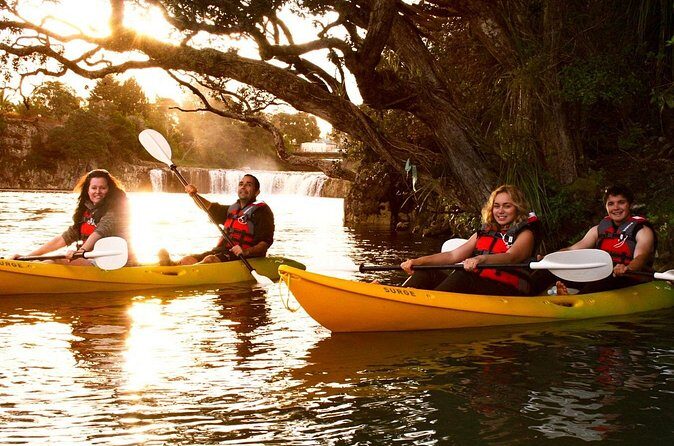
This tour is simple, but it does have a few very specific comfort needs. You’ll be on water, near splash zones, and potentially close to the falls.
Here’s what to pack based on the recommended list and the common “wish I had” from people’s notes:
- Towel: you will get damp, even if you don’t expect to
- Change of clothes or wear swimwear: it’s often easier than drying off with whatever you brought
- Warm jacket: especially if the weather turns or the waterfall mist cools things down
- Sunscreen and sun protection: mangrove shade helps, but you’ll still be in open sun at times
- Camera: there are lots of photo moments, including birds and the falls
- Drinking water and nibbles in a small bag: keep energy steady for the paddle back
If you want extra photo safety, bring a waterproof case you can hang around your neck. One person specifically recommended this setup to avoid the classic camera slip worry.
Also consider timing and weather. The tour requires good weather, and that’s why the clothing layer matters. If conditions are cooler or breezier, you’ll be glad you brought something warm.
Price and Value at $60.82: What You’re Getting for the Money
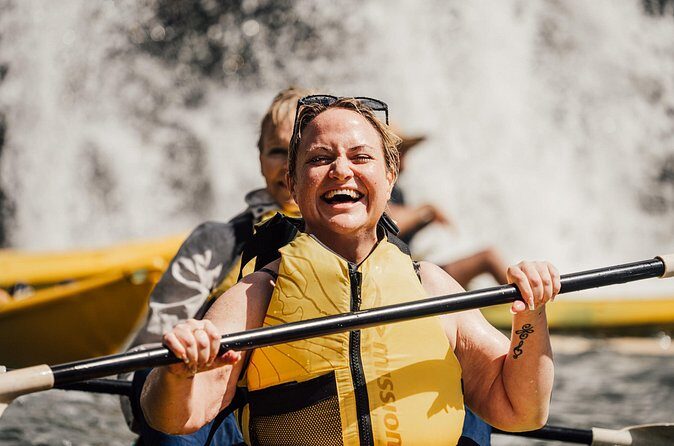
At $60.82 per person, this isn’t a bargain-fare excursion, but it’s also not priced like a premium private adventure. The value comes from a few clear things:
You’re getting a local guide, time on calm waters, and guided access to places that are hard to reach on your own. The mangrove paddle and the waterfall payoff are the “product,” and the guide turns that into a meaningful route rather than just moving from point A to point B.
You’re also paying for safety structure. The safety vessel being on hand all the time is worth something, especially if you’re a beginner or if someone in your group has less confidence. The option to rest keeps the day enjoyable even if your effort level isn’t what you expected.
The tour cost does not include lunch or souvenir photos. That’s normal for a 2.5-hour activity, but it does affect your planning. Bring small snacks so you don’t end up hungry right when you’re still paddling.
If you can book a private tour, that can be even better value for families or groups who want a steadier pace and more personal attention. Private options depend on minimum numbers, so check what’s available for your dates.
Cruise-Ship Days and Getting There Without Stress
This tour can work well for cruise itineraries because it’s designed around short port-day realities. One person praised how the team was flexible with a cruise ship’s short port day, and another noted they had a shuttle delay and asked for advice about whether staff could wait.
My practical take: if you’re arriving by cruise ship tenders or you’re dependent on a shuttle schedule, communicate early. Don’t wait until the last minute. Even short delays can affect water-based activities because you don’t want to show up scrambling with wet gear.
It also helps that the meeting point is near public transportation, and the tour uses a mobile ticket. That reduces friction: no complicated printouts, fewer last-minute hurdles.
In general, plan to arrive a bit early so you can settle in, put on your swim-ready clothes, and get your towel and water sorted before you’re on the water.
Group Size, Pace, and Fitness: The Stuff That Makes or Breaks It
The tour has a maximum of 40 travelers. That’s not tiny, and you can feel group dynamics on a paddle.
Here are the two realities to plan around:
1) Pacing can be uneven. One lower-rated experience pointed out that some kayakers were much slower, which made the trip boring for people who wanted more movement. With up to 40 people, you may spend some time waiting or moving at a group pace.
2) Fitness expectations are real. Even though you don’t need experience, the paddle is long enough that some people only make part of the route. If you’re unsure, start with a conservative mindset and treat the safety boat rest option as a normal plan, not a failure.
The good news is that safety is there. The tour is set up for beginners, and you can recover the day’s enjoyment even if you fatigue. But you still need to bring enough energy for a full return paddle if you want the full waterfall experience.
If you have a mixed group—some confident, some less so—this tour is a fair choice because the safety vessel provides a safety net. If everyone wants maximum speed and minimal waiting, you might want to consider private options when available.
Who Should Book This Bay of Islands Waterfall Kayaking Tour
This tour is best for:
- First-time kayakers who want coaching and a safety structure
- Families with kids who can follow directions and handle a longer paddle stretch
- People who care about wildlife, mangroves, and birds as much as they care about the waterfall
- Travelers who like guided explanations and cultural context, not just scenery
It may be a tougher match if:
- You want a mostly leisurely paddle with lots of drifting and minimal effort
- You get easily bored if the group pace is slower
- Everyone in your group needs full control of speed and route (private is a better fit if you can make it work)
The sweet spot is a relaxed-adventure day: you’ll paddle, you’ll learn, you’ll see birds and mangroves up close, and you’ll reach the waterfall moment that makes the whole trip worth the effort.
Should You Book This Bay of Islands Waterfall Cruise and Kayaking Tour?
I think you should book if your priority is a close-up nature experience with real coaching. The combination of mangrove paddling, birdlife, and a waterfall that drops into the sea is a strong set of memories for a half-day outing. Plus, the presence of a safety boat keeps this beginner-friendly in a practical way.
Book with confidence if you can handle a longer paddle and you pack smart—especially a towel, warm layer, sunscreen, and water. If you’re doing this with a group and you want a steadier pace, ask about private options early.
If the waterfall is your must-see and you’re picky about conditions, time your trip around weather when you can. Either way, this is the kind of Bay of Islands experience you’ll talk about long after you’ve left the water.
FAQ
How long is the Bay of Islands Waterfall Cruise Kayaking Tour?
The tour lasts about 2 hours 30 minutes.
Where does the tour start and end?
It starts at 1 Tau Henare Drive, Waitangi 0293, New Zealand, and ends back at the same meeting point.
Do I need prior kayaking experience?
No. The tour is designed for beginners, and a safety boat is on hand if you need a rest.
Is a warm jacket and towel really necessary?
Yes. The guidance says to bring a towel and a warm jacket, because you may get closer to the waterfall than you plan and you can end up damp.
Is lunch included in the price?
No. Lunch is not included, so bring snacks if you want to stay comfortable during the paddle and return.
Is hotel pickup or drop-off included?
No. Hotel pickup and drop-off are not included.
What should I bring for the paddle and waterfall?
Bring sunscreen and sun protection, a camera, drinking water, and nibbles in a small bag. Also bring a towel and change of clothes or wear swimwear, plus a warm jacket.
Are there photo souvenirs available?
Yes. Souvenir photos are available to purchase, but they are not included.
What’s the maximum group size?
The tour has a maximum of 40 travelers.
What happens if weather is poor?
The tour requires good weather. If it’s canceled due to poor weather, you’ll be offered a different date or a full refund.