REVIEW · WHANGAMATA
Discover Whangamata – Boat Tour
Book on GetYourGuide →Operated by Surfsup Kayaks Ltd · Bookable on GetYourGuide
There is something about seeing Whangamata from the water. I like that this tour focuses on two standout places you just can’t reach on foot: Whenuakura Island (Donut Island) and the volcanic Tunaiti Caldera. You’ll also get a calming nature pause with a complementary kawakawa tea and time for photos. One thing to plan for: the whole trip depends on weather, so conditions can change quickly.
You’ll be in a very small group (up to 4 people), which means it feels more like a guided coastal outing than a cattle-call cruise. The live guide shares what to watch for as you go, including wildlife cues and the changing colors of the Pacific. The only real drawback I’d flag is the short duration: you’ll see a lot, but you won’t have hours to linger at any single spot.
In This Review
- Key highlights worth showing up for
- Whangamata by boat: what 90 minutes looks like
- Whenuakura Island (Donut Island) and its turquoise lagoon
- Tunaiti Caldera: a volcanic formation seen the best way
- Wildlife spotting and coastal clues your guide will point out
- Small-group comfort: up to 4 people matters more than you think
- Price and value: is $62 per person a good deal?
- What to bring: simple gear that keeps you comfortable
- Getting to the boat: Whangamata Wharf timing that works
- Weather reality: the one variable you can’t control
- Who this tour suits best (and who should skip it)
- Should you book the Discover Whangamata Boat Tour?
- FAQ
- How long is the Discover Whangamata boat tour?
- Where does the tour start?
- How many people are on the boat?
- What’s included in the price?
- What languages are the live guides speaking?
- Is pickup included?
- Do I need to bring anything?
- Are food and drinks included?
- What items are not allowed?
- Is the tour affected by weather?
Key highlights worth showing up for
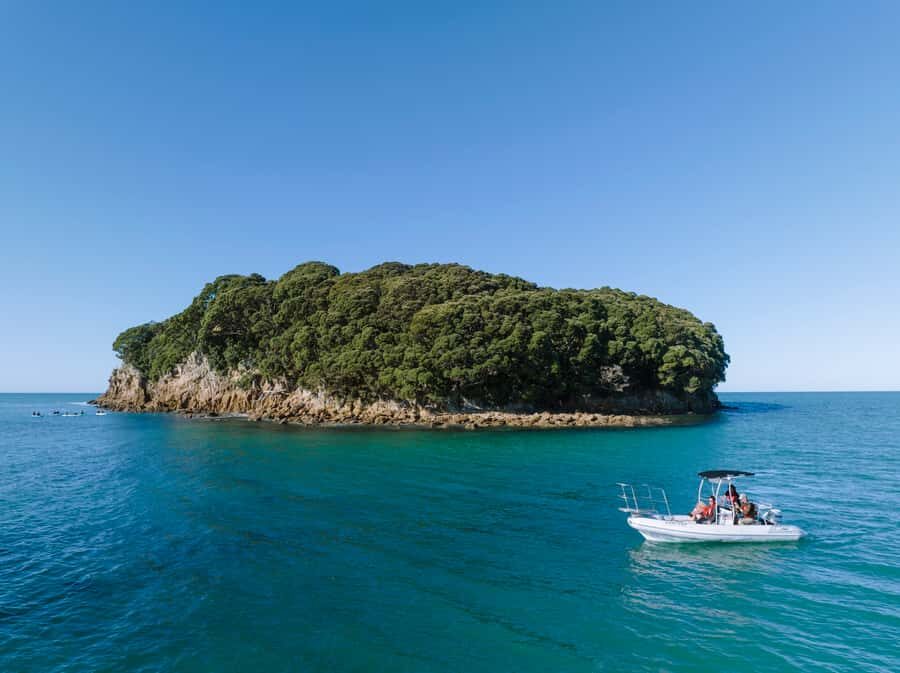
- Whenuakura Island (Donut Island): a water-only wildlife sanctuary with a turquoise lagoon at its heart
- Tunaiti Caldera: an ancient volcanic formation you can spot just off the coast near Whiritoa
- Hidden bays and coastline views: quieter angles of the Coromandel coast that you don’t get from shore
- Small-group pacing: limited to 2–4 passengers, so you’re not competing for space
- Kawakawa tea included: a simple local touch that adds warmth to the ride
- A guide who talks: live explanations in English and Portuguese that help you understand what you’re seeing
Whangamata by boat: what 90 minutes looks like
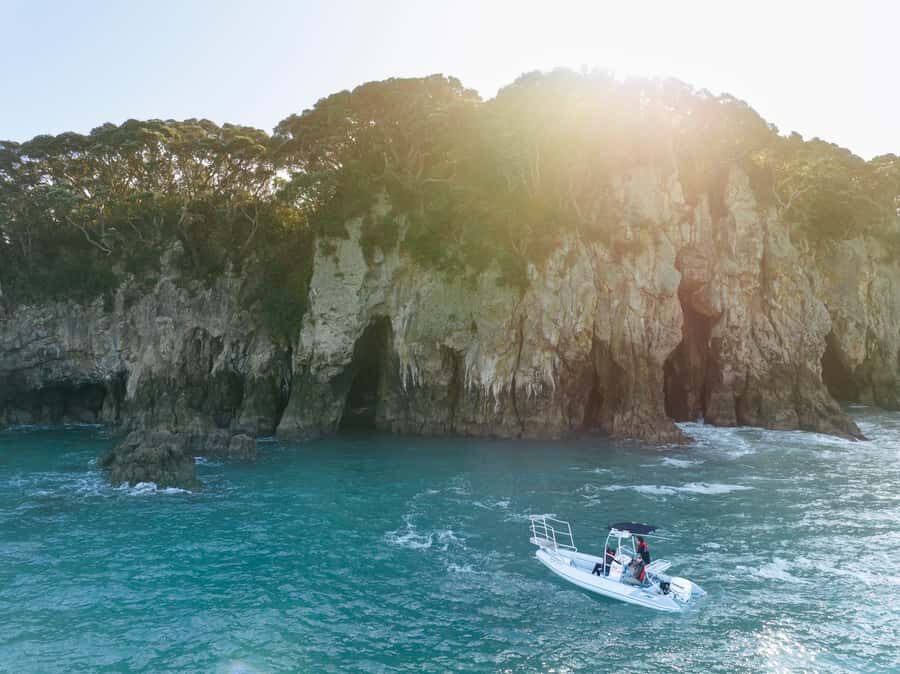
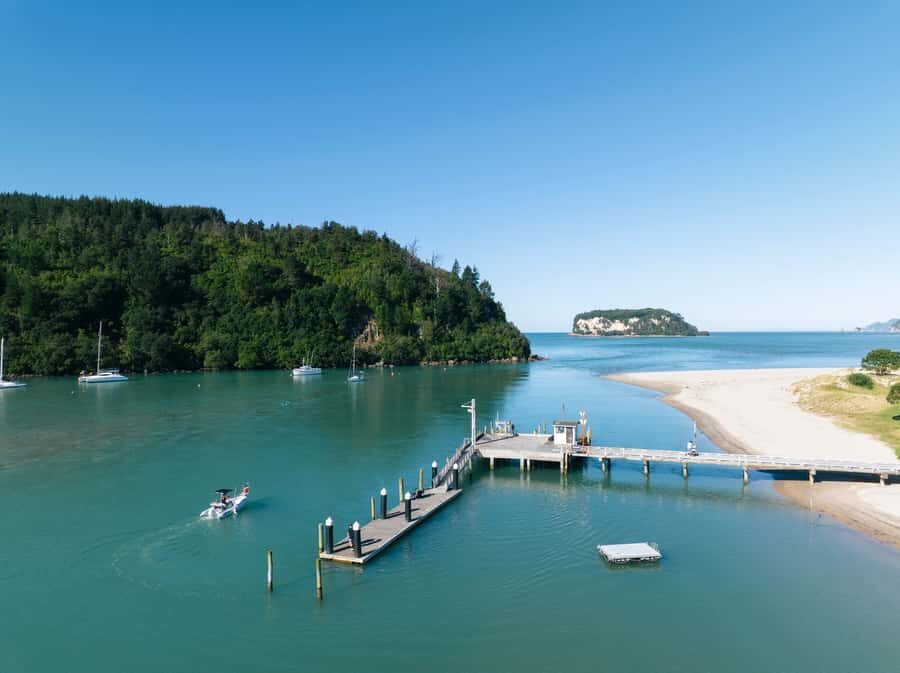
This is the kind of tour that makes sense when you want ocean views without losing an entire day. The full experience runs about 90 minutes, starting at Whangamata Wharf near the end of Port Road. You’ll want to arrive about 10 minutes early so you can get sorted smoothly—life jacket on, disclaimer completed, then you’re out.
The route is built around two “main characters” in the scenery. First, you head to Whenuakura Island, then you move north toward the Tunaiti caldera area near Whiritoa. Between those anchors, you’re cruising along the coast in a way that keeps you looking outward, not down at paperwork or waiting for a long lineup.
Because the group max is 4, you usually get better sightlines. On tours with bigger boats, you often spend time shifting for a decent photo. Here, you’re more likely to keep your camera up and just enjoy the ride.
Whenuakura Island (Donut Island) and its turquoise lagoon
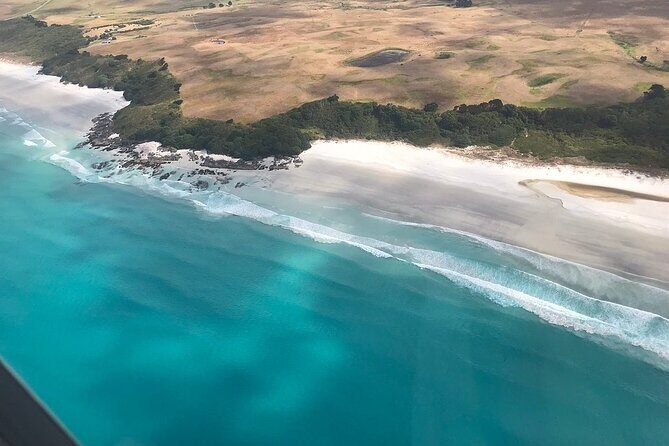
Whenuakura Island is sometimes called Donut Island, and I get why. The standout feature is the water-only access. You’re not walking onto the island and exploring for hours. Instead, the experience is about watching it from the boat and taking in the setting—especially the turquoise lagoon in the center area.
This stop works well even if you’re not a “big island explorer.” It’s a quiet, wildlife sanctuary type of place. You’re there to notice details: how the water color changes around the island, the way seabirds move above the boat, and the calm feel you get when you’re circling somewhere that’s not meant for crowds.
If you’re traveling with kids or anyone who gets bored easily, this stop is friendly. It’s scenic and short. You’ll also want to have your camera ready, because the lagoon and the surrounding coastline angles are exactly the kind of thing that looks even better from moving water.
Tunaiti Caldera: a volcanic formation seen the best way
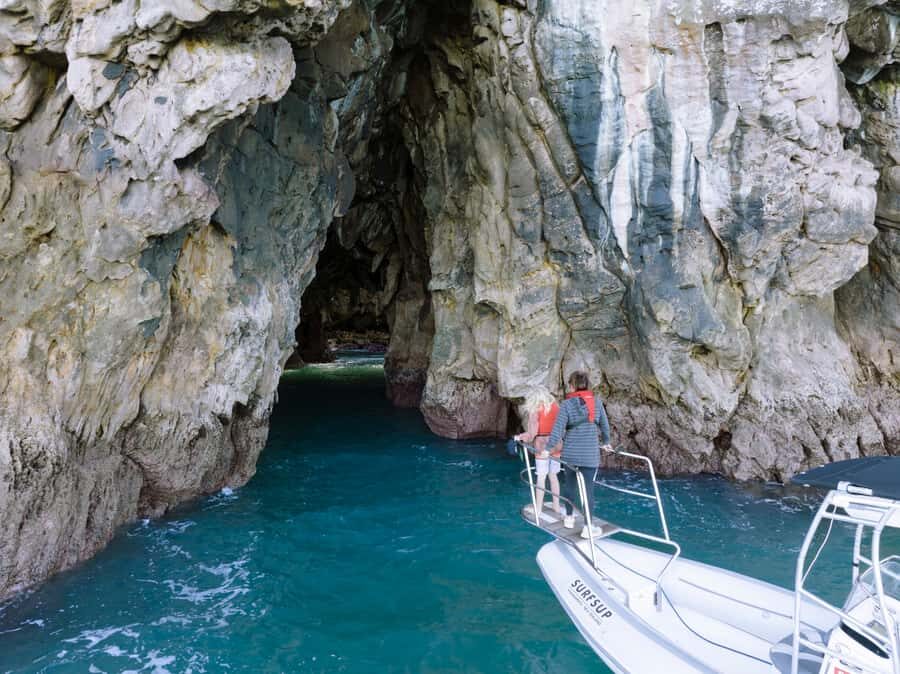
After Whenuakura, the tour heads north toward the Tunaiti caldera, located just off the coast of Whiritoa. This is one of those natural features that’s hard to understand from shore because the most interesting parts are partially underwater.
From the boat, you can get a glimpse of the geological story. The caldera is described as ancient volcanic formation, partially submerged beneath the ocean surface. That means your “viewing angle” is everything. You’re not just looking at rock. You’re seeing how landforms meet water over time.
This stop also tends to reward the people who like marine life watching. The guide encourages you to keep an eye out for playful marine life and seabirds soaring overhead. Even if you don’t spot something instantly, the constant motion helps: you’re always getting a new perspective, and the ocean hues keep shifting as you go.
Wildlife spotting and coastal clues your guide will point out
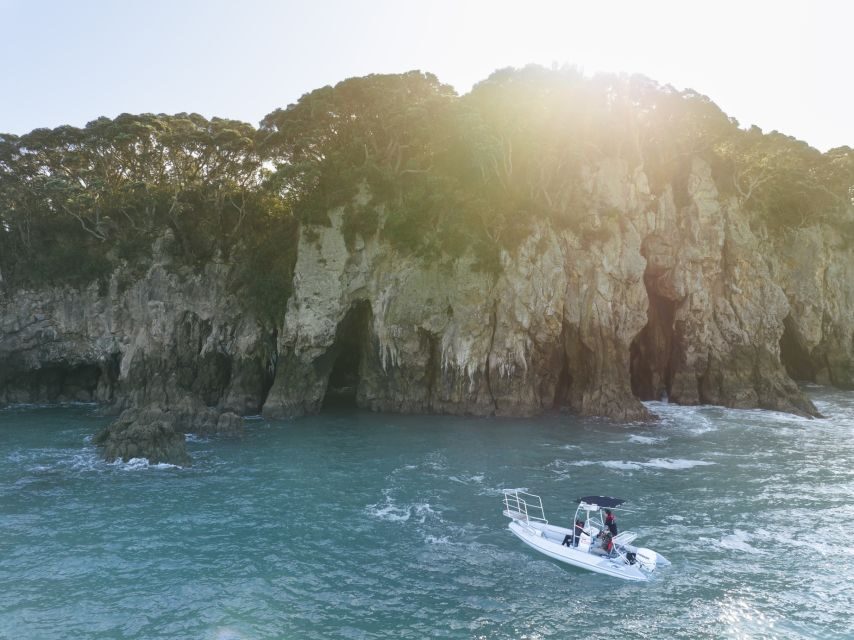
A big part of why this tour is worth it is the explanation quality. The best-rated comments focus on the guide-style narration—clear comments, friendly pacing, and helpful area knowledge. That’s exactly what you want on a short boat ride: you don’t have time to guess.
On this tour, you’re given cues about what to watch for while cruising: marine life, seabirds, and the way the coast changes. Having those cues makes the scenery feel more meaningful. Instead of only taking photos, you start noticing patterns—where birds concentrate, how the coastline bends, and which stretches look calmer for wildlife activity.
You can also treat this as an orientation trip. If you plan to explore Whangamata and the Coromandel Peninsula later, this gives you a mental map from a different angle.
Small-group comfort: up to 4 people matters more than you think
The tour is capped at a maximum of 4 participants, which changes the experience in a few practical ways.
First, you get a calmer boat atmosphere. Fewer people means fewer distractions and less pushing for photo angles. Second, it’s easier for the guide to manage the group—especially for making sure life jackets are fitted correctly and everyone is aware of the safety basics.
The tour also lists a minimum of 2 people, and that’s a good sign for couples, small families, and solo travelers who don’t want to end up sharing a small boat with dozens of strangers.
One practical note: the tour is not suitable for people over 95 years. If you’re in that range or traveling with someone who may have mobility or balance concerns, double-check what the operator considers safe for boarding and riding.
Price and value: is $62 per person a good deal?
At $62 per person for about 90 minutes, you’re paying for three things: time on the water, a guided nature/route story, and access to places only reachable by boat.
If you were doing this independently, you’d still need transport and a plan for where to go. The tour includes life jackets and a local kawakawa tea, which helps justify the price for a short outing. It’s not a full-day extravaganza with food and drinks included, but it’s also not trying to pretend it is. This is a focused “see the coast from a new angle” experience.
Where the value can vary is weather. Since tours are weather dependent, you’ll want to stay flexible mentally and be ready for possible schedule changes. That doesn’t mean the tour is overpriced—it means your best value comes when you pick a day with better conditions.
Also, check your expectations based on the rating. The overall average is 2.8 across 4 reviews. Two reviews are glowing about friendly, informative guidance, but the overall score suggests quality may not be perfectly consistent for everyone. I’d book if you mainly care about the boat views and the guide narration, and I’d keep your plans flexible.
What to bring: simple gear that keeps you comfortable
The operator’s list is short and smart. Bring a wind breaker, sun block, and a hat. Even on a “nice” coastal day, wind can make the boat feel cooler than you expect, and the sun near open water can be strong.
Pack a bottle of water. You’re out for 90 minutes, so you won’t need a picnic, but thirst sneaks up once you’re enjoying the ride and snapping photos.
Optional swim clothes can be useful in summer. The activity is described as including a chance to watch and navigate waters around islands and formations. If you’re hoping to cool off, summer timing is usually when that’s most realistic, but the tour data doesn’t promise swimming time. Treat it as optional readiness rather than a guarantee.
And yes, bring your camera. The lagoon area on Whenuakura Island and the caldera viewing angles are the kind of scenes you’ll want to capture quickly, before the boat moves on.
Getting to the boat: Whangamata Wharf timing that works
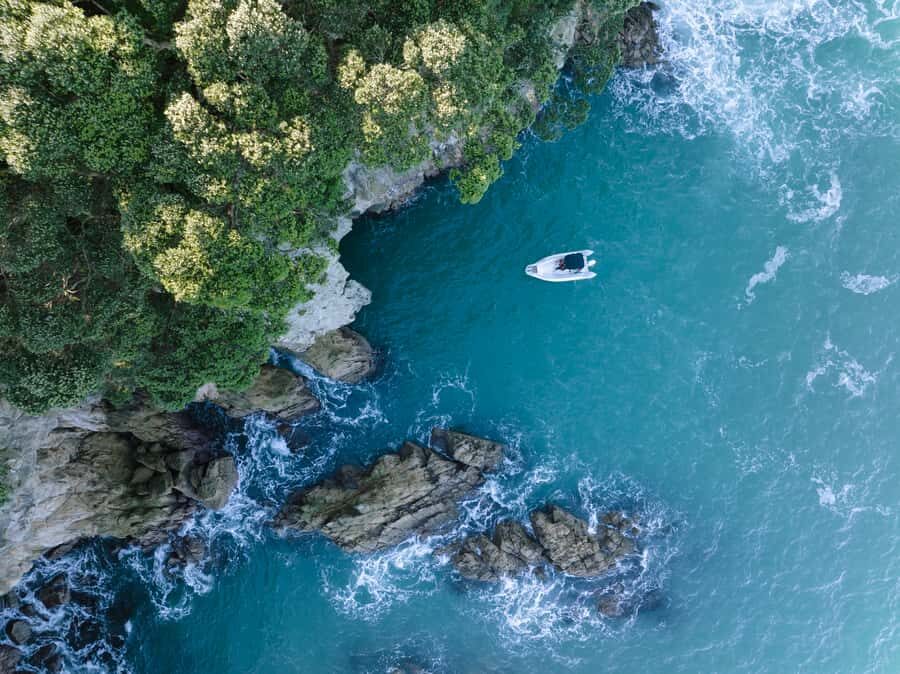
The tour starts at Whangamata Wharf, at the end of Port Road. Plan on arriving around 10 minutes before your booking so you have time to fit your life jacket and complete the required disclaimer.
Because there’s no pickup listed, you’ll need your own way to get there. This is a good setup if you’re already staying in Whangamata or planning to explore nearby. If you’re coming from farther out, you’ll want to build in transport time so you don’t feel rushed at check-in.
Also remember: no alcohol and drugs. Oversize luggage isn’t allowed either. This is meant to be a light, nature-focused outing, not a moving storage unit.
Weather reality: the one variable you can’t control
Weather matters here. The tour explicitly states that conditions are weather dependent, and that they can change daily and even hourly. The operator asks customers to call before heading out to confirm bookings.
If you’re the type who plans tightly, this is where you need a backup plan. If a weather cancellation happens, you’ll likely be able to adjust because the tour is short and flexible, but there’s still no point pretending the ocean will follow your schedule.
A good approach: choose a day with a less strict itinerary, and be willing to shift if conditions aren’t right.
Who this tour suits best (and who should skip it)
I think this tour fits best if you want coastal scenery, short-and-sweet timing, and a guided nature angle.
You’ll likely enjoy it if:
- you like wildlife spotting from the boat
- you want great photo opportunities without a full day plan
- you’re traveling in a small group or as a couple
- you want local context from a live guide in English or Portuguese
You might want to skip or rethink if:
- you’re not comfortable with weather-dependent schedules
- you expect food and drinks to be part of the price
- you’re in the age range listed as not suitable (over 95 years)
- you’re carrying lots of luggage (oversize luggage isn’t allowed)
Should you book the Discover Whangamata Boat Tour?
If your priority is a guided, small-group boat ride that shows you Whenuakura Island and the Tunaiti caldera, I’d say it’s worth considering. The value comes from the combination of two water-based highlights plus included life jackets and a local kawakawa tea. Add in the strong feedback about friendly, informative guidance, and it’s the kind of tour that tends to feel good even when the time is short.
Just book with your eyes open. The overall rating is modest at 2.8 from 4 reviews, and weather can affect whether you get the exact outing you planned. If you can be flexible, you’ll likely get the best experience from this tour.
FAQ
How long is the Discover Whangamata boat tour?
It runs for about 90 minutes.
Where does the tour start?
You meet at Whangamata Wharf, at the end of Port Road. Arrive about 10 minutes before your booking.
How many people are on the boat?
The experience is limited to a maximum of 4 participants (minimum 2).
What’s included in the price?
Life jackets are included, along with complementary kawakawa tea.
What languages are the live guides speaking?
The live tour guide speaks English and Portuguese.
Is pickup included?
No pickup is listed.
Do I need to bring anything?
Bring a wind breaker, sun block, a hat, and a bottle of water. Optional swim clothes are suggested for summer, and you’ll want a camera for photos.
Are food and drinks included?
No food and drinks are listed as included.
What items are not allowed?
Alcohol and drugs are not allowed, and oversize luggage isn’t allowed.
Is the tour affected by weather?
Yes. Tours are weather dependent, and you’re asked to call before the tour starts to confirm your booking.