REVIEW · WAIKANAE BEACH
Kapiti Island: Classic Guided Day Tour
Book on GetYourGuide →Operated by Kapiti Island Nature Tours · Bookable on GetYourGuide
Kapiti Island turns into a wildlife lesson fast. In about 6 hours, you get a guided walk on a predator-free reserve at Waiorua Bay, where you can watch New Zealand’s endangered birds up close, plus hear the island’s human and ecological story from people who live this topic every day. I especially like the way the guide connects the birdlife to the work behind it, so it feels earned, not just scenic.
This tour also scores big on comfort and culture. You’ll enjoy a cooked lunch at the Lodge and experience Māori hospitality as part of the day, not as an afterthought. The main thing to consider is seasonal timing: the coastal walk is generally closed from 1 October to 31 March due to nesting seabirds, so your bird-viewing route may be shorter than you hoped.
In This Review
- Key points to know before you go
- Waiorua Bay on Kapiti Island: what makes this day work
- The ferry ride and the small-group feel (up to 10 people)
- The guided walk: expert stories you can connect to bird sightings
- Bird viewing close-up: what you can expect and how to get the best odds
- Lunch at the Lodge: the smart break that keeps the day enjoyable
- Māori hospitality and island stories: the human side of conservation
- Seasonal route limits: planning around the coastal walk closure
- Price and value: is $178 per person worth it
- What to bring so the day goes smoothly
- Who this Kapiti day tour is best for
- Should you book Kapiti Island Classic Guided Day Tour?
- FAQ
- How long is the Kapiti Island Classic Guided Day Tour?
- What’s included in the price?
- Is hotel pick-up or drop-off included?
- Are there seasonal changes to the walking route?
- How big is the group?
- What should I bring?
Key points to know before you go
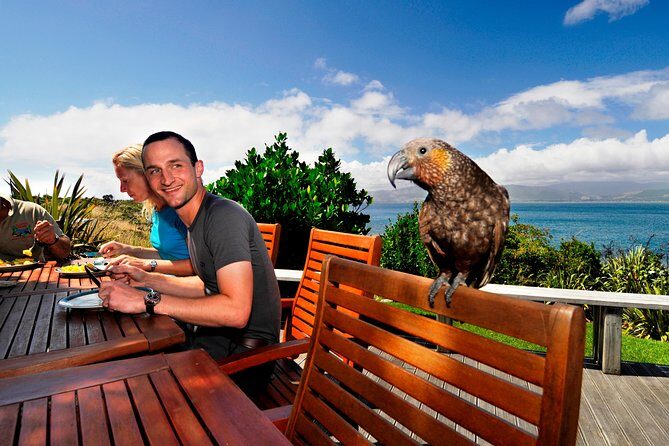
- Predator-free conservation setting: You’re visiting a nature reserve designed to protect birds from introduced predators.
- Guided walk with a local expert: Expect clear, practical explanations tied to what you’re seeing.
- Waiorua Bay focus: The day is built around one area of the island, so you’re not constantly hopping around.
- Cooked lunch at the Lodge: You’ll eat on-site with enough time to recharge before more walking and photos.
- Seasonal closure of the coastal walk (1 Oct–31 Mar): Plan around the fact that seabird nesting affects routes.
- Small group capped at 10: Easier movement, better attention from the guide, and less crowding on trails.
Waiorua Bay on Kapiti Island: what makes this day work
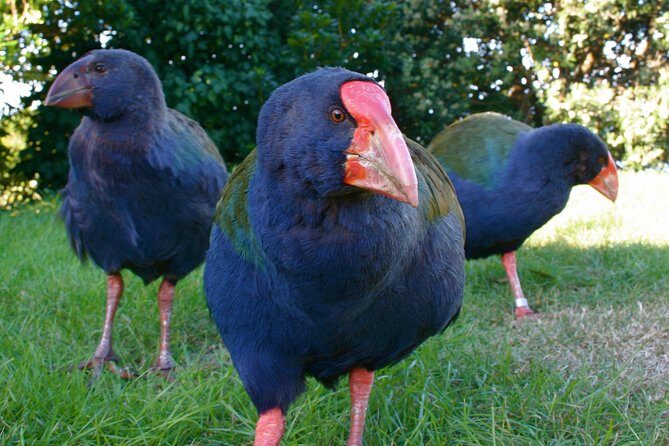
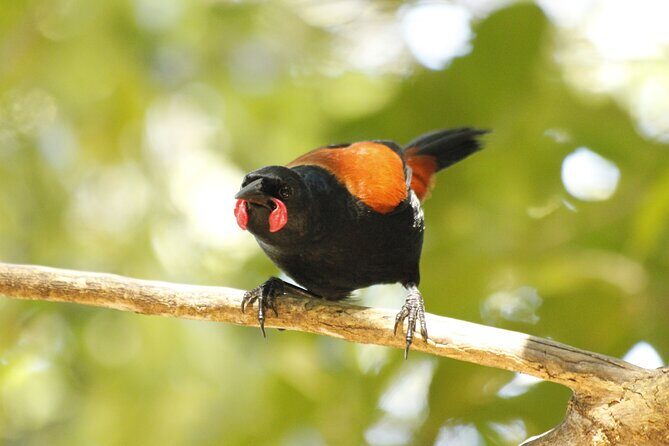
Kapiti Island is one of those rare places where you can feel the conservation purpose in your bones. The tour centers on Waiorua Bay, and the whole day is built around seeing birds in a setting that’s actively protected from predators. That matters, because bird encounters here feel different from random roadside wildlife spotting. You’re on a schedule and a path designed for respectful viewing and education.
I also like the pacing on paper. With a total duration of 6 hours and about 5.5 hours on the island, you’re not stuck in a quick-hit model where you barely get shoes on before it’s time to leave. You get enough time to slow down, take photos, and actually follow the guide’s explanations without feeling rushed.
One more value point: you’re not just learning science facts. You’ll hear about the island’s human story too, including the arrival of the first Māori and the eradication of the last rat. Those details help you understand why this place is so focused on birds, rather than treating wildlife as a random attraction.
The ferry ride and the small-group feel (up to 10 people)
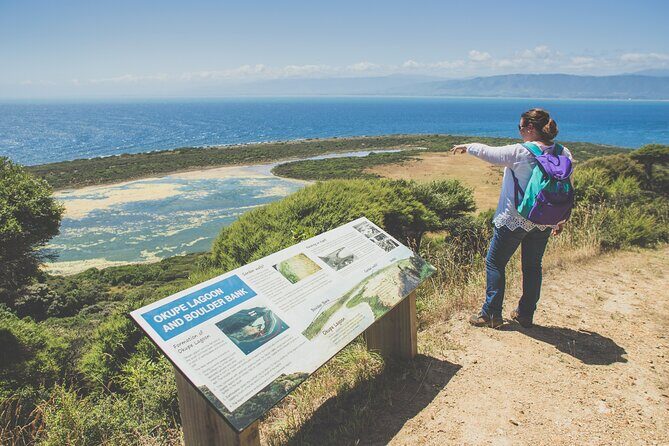
This is a ferry day, round-trip, and the transport is included. That sounds basic, but on Kapiti it’s part of the experience because you’re physically transitioning from the mainland world into a protected island environment.
The small-group cap of 10 participants is one of the practical reasons this tour tends to feel better than big-bus-style nature trips. On trails, fewer people means you can hear the guide more clearly, and the group can spread out without turning the walk into a bottleneck. In a place where you’re waiting for bird moments, crowd pressure is the enemy.
Also note the start and end logistics: hotel pick-up and drop-off aren’t included. If you’re staying in Wellington or the Kapiti area, you’ll want to plan your own timing to reach the departure point. It’s not hard, but it’s the kind of detail that can ruin a morning if you assume everything is handled.
The guided walk: expert stories you can connect to bird sightings
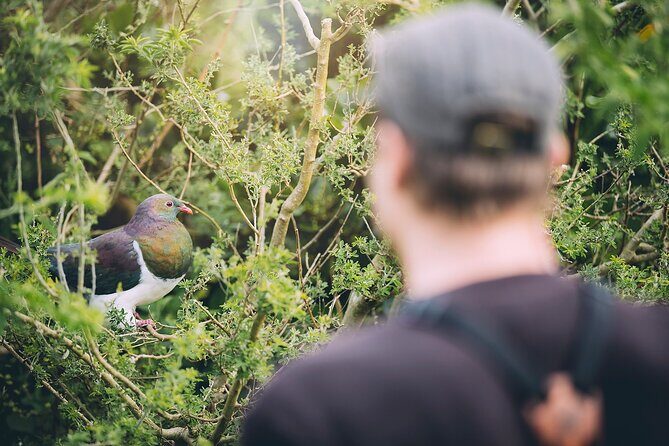
The heart of this day is the guided walk with a local expert. Your guide doesn’t just point at birds. You’ll hear how the island’s conservation efforts changed outcomes for wildlife, including the removal of the last rat and what that shift made possible.
This is where the tour becomes more than a checklist. When you understand the “why” behind predator-free efforts, even a short bird encounter feels meaningful. You also get ecological context for what you see and why certain areas may or may not be accessible.
Here’s what I’d watch for as you walk: your guide’s timing and positioning. Bird-friendly viewing isn’t random. You’ll likely stop when something is active, and you’ll hear why the guide chooses those spots. Bring your camera and keep it ready, but also give the guide a chance to talk before you start shooting nonstop. You’ll get more out of the experience that way.
Bird viewing close-up: what you can expect and how to get the best odds
The tour promises close encounters with endangered birds, and the predator-free setting is the reason that’s realistic here. In other words, you’re not gambling your day on luck alone. You’re in an ecosystem managed to support bird survival.
That said, I’ll be honest about one limitation: a day tour can’t replace the time you get on an overnight stay. If you’re a serious bird-focused visitor, a longer on-island visit gives you more chances to see different activity patterns, and it also gives you room to wander more independently between guided moments. On this classic day tour, you’ll be guided for much of the value, which is great for learning, but it can feel like less free-roaming time if that’s your top priority.
Seasonal closures make that even more relevant. Because the coastal walk is generally closed from 1 October to 31 March due to nesting seabirds, your route options may be reduced. If your ideal plan includes every shoreline view and the longer coastal stretch, go in with the expectation that the season can change what you get.
Lunch at the Lodge: the smart break that keeps the day enjoyable
You’ll get a cooked lunch at the Lodge, and this is one of those “small detail” inclusions that makes a big difference. On guided island days, hunger is disruptive. Having lunch handled for you means you can stay in the flow, listen to the guide, and not lose momentum scrambling for food.
Lunch also matters for your energy. You’ll have sturdy footwear demands and enough walking to justify a proper meal. This is not a sit-down-by-the-water-and-then-leave day. You’ll likely be moving, stopping, and photographing, so a cooked lunch helps you avoid the mid-afternoon slump that turns nature tours sour.
One more note: the Lodge setting is part of the day’s rhythm because it places your break inside the reserve environment rather than cutting you back to the mainland. That keeps the experience cohesive and makes the time on island feel continuous.
Māori hospitality and island stories: the human side of conservation
This tour leans into genuine Māori hospitality, which I take to mean you’re treated as more than a paying spot. The guide shares the island’s stories in a way that connects people, land, and wildlife. You’ll hear about the arrival of the first Māori, and you’ll also learn how island management became an answer to the survival problem birds faced when rats arrived and spread.
Those details matter because conservation isn’t just removal of threats. It’s also relationship, decision-making, and long-term care. When you hear both sides—human history and ongoing ecological work—you leave with a clearer sense of what predator-free management is actually doing.
If you care about respectful travel, this portion of the tour is likely one of the highlights. It’s not only about seeing birds; it’s about learning what the island means and why care for it is taken seriously.
Seasonal route limits: planning around the coastal walk closure
There’s a specific, practical catch you should plan for: the coastal walk is generally closed between 1 October and 31 March because seabirds are nesting. That’s not a reason to avoid the tour, but it is a reason to set expectations properly.
If you’re traveling in that window, you may spend time walking other sections with the guide, and you’ll still get your bird encounters and learning. But the shoreline-focused part of the experience can be shorter than you might expect from a summer photo you saw online.
My advice is simple: when you book, think of this as a guided wildlife day anchored at Waiorua Bay, not a guarantee of every coastal viewpoint. If coastal walking is your top priority, you could also consider timing outside the closure period or looking at longer stays when available.
Price and value: is $178 per person worth it
At $178 per person for a 6-hour day, the price is not budget. But it also isn’t random pricing. Here’s what you’re paying for based on what’s included:
- Ferry transport to and from Kapiti Island
- A guided tour with a local expert
- Cooked lunch at the Lodge
- A small group setting (up to 10 people)
That combination is the value. If you tried to DIY this with separate ferry tickets, a guide, and lunch, the cost would likely climb fast. And the guide isn’t optional here; the real payoff is understanding what you’re seeing and why the island is managed the way it is.
Where you could question value is if you’re the type who loves maximum independent roaming time. This is a guided format, and there’s limited time on island if you compare it to an overnight option. If you want long solo walks and lots of chance to wander off-script, you might find the classic day tour a bit structured.
What to bring so the day goes smoothly
You’ll have a better day if you pack like you expect to walk and photo a lot. The tour calls for:
- Comfortable shoes
- Camera
- Water bottle
- Comfortable clothes
- Sunhat
- Jacket
Bring the jacket even if the forecast looks kind. Island weather can shift. Also, don’t overpack. You’ll want hands free for the camera and comfort for the guided walk stops.
Who this Kapiti day tour is best for
This tour fits best if you want a guided, education-forward day with real wildlife access. If you like birds, conservation work, and respectful nature travel, you’ll probably feel happy with the format.
It’s also ideal for:
- People who prefer small group attention over crowd scenes
- Visitors who want history and ecology connected, not taught as separate topics
- Anyone who’d rather have lunch handled than plan food logistics on an island
If you’re a hardcore birder chasing maximum variety, or you’re trying to photograph nesting activity at every possible hour, an overnight visit may suit you better because you’ll have more time and more chances to see what the island does across a longer window.
Should you book Kapiti Island Classic Guided Day Tour?
I’d book this if you want a focused Waiorua Bay day that combines bird viewing, guided expertise, and an on-island cooked lunch, all in a small group. The predator-free setting is the big draw, and the guide-led stories add depth without turning it into a lecture.
I’d think twice if your trip window is 1 October to 31 March and coastal walking is the main reason you booked. The seasonal closure is real, and it can change how much shoreline time you get. I’d also reconsider if your top goal is free-roaming time; this day tour is structured for learning and managed viewing, not maximum independent wandering.
If you fit the first group, this is a strong day plan. You’ll come away understanding what makes Kapiti Island special and what it takes to keep endangered birds alive.
FAQ
How long is the Kapiti Island Classic Guided Day Tour?
The tour duration is 6 hours, with around 5.5 hours on Kapiti Island.
What’s included in the price?
The tour includes ferry transport to and from Kapiti Island, a guided tour with a local expert, and a cooked lunch at the Lodge.
Is hotel pick-up or drop-off included?
No. Hotel pick-up and drop-off are not included.
Are there seasonal changes to the walking route?
Yes. The coastal walk is generally closed between 1 October and 31 March due to nesting seabirds.
How big is the group?
It’s a small group limited to 10 participants.
What should I bring?
Bring comfortable shoes, a camera, water, comfortable clothes, plus a sunhat and a jacket.