REVIEW · ORAKEI KORAKO
Taupo: Orakei Korako Geothermal Park and Cave Entry Ticket
Book on GetYourGuide →Operated by Orakei Koraoko Geysersland Resort · Bookable on GetYourGuide
Volcano steam, and a real walk in the fumes. At Orakei Korako near Taupo, I like that the visit is self-guided, and the big draw is Ruatapu Cave, which drops about 35 metres to a clear hot pool. You’ll also get an up-close look at boiling hot springs, bubbling mud pools, and silica terraces in a pocket of the Taupo Volcanic Zone that feels refreshingly off the main drag.
Here’s the one main thing to plan for: it’s boardwalk walking with lots of steps, so wear proper shoes and keep a little buffer for fatigue, especially if the weather is wet.
In This Review
- Key things that make Orakei Korako worth your time
- Orakei Korako’s Hidden Valley location: Taupo geothermal without the big-tour herding
- Tickets, timing, and value of the $34 price tag
- Visitor centre first: quick safety briefing, then coffee-and-time
- The on-demand ferry: a tiny ride that changes the mood
- Self-guided geothermal walking: where the 2.5 km trail, steps, and signs actually matter
- Up close with geysers and colorful minerals (without the motion sickness part)
- Ruatapu Cave: the rare 35-metre geothermal drop and why it feels prehistoric
- Weather strategy: how to pack for all conditions and still enjoy yourself
- Who should book Orakei Korako—and who should think twice
- Should you book Orakei Korako Geothermal Park and Ruatapu Cave?
- FAQ
- How long does the Orakei Korako geothermal park and cave visit take?
- Is this a guided tour or self-guided?
- Do I ride a ferry to get to the geothermal area?
- What time does the ferry start, and when are the last trips?
- What should I bring for Orakei Korako?
- Are dogs allowed at Orakei Korako?
- Is Orakei Korako wheelchair accessible?
Key things that make Orakei Korako worth your time
- Ruatapu Cave drops ~35 metres into a geothermal “sacred hole” with a clear hot pool at the bottom
- Up to 23 active spurting geysers can fire while you’re on the trails
- Self-guided exploration lets you set your pace on the geothermal boardwalks
- On-demand ferry rides (about 3 minutes each way) add a small “escape” feel without fuss
- It works in all weather, so bring layers and stay ready for mist and damp
- Dogs are welcome, which is rare for geothermal spots
Orakei Korako’s Hidden Valley location: Taupo geothermal without the big-tour herding
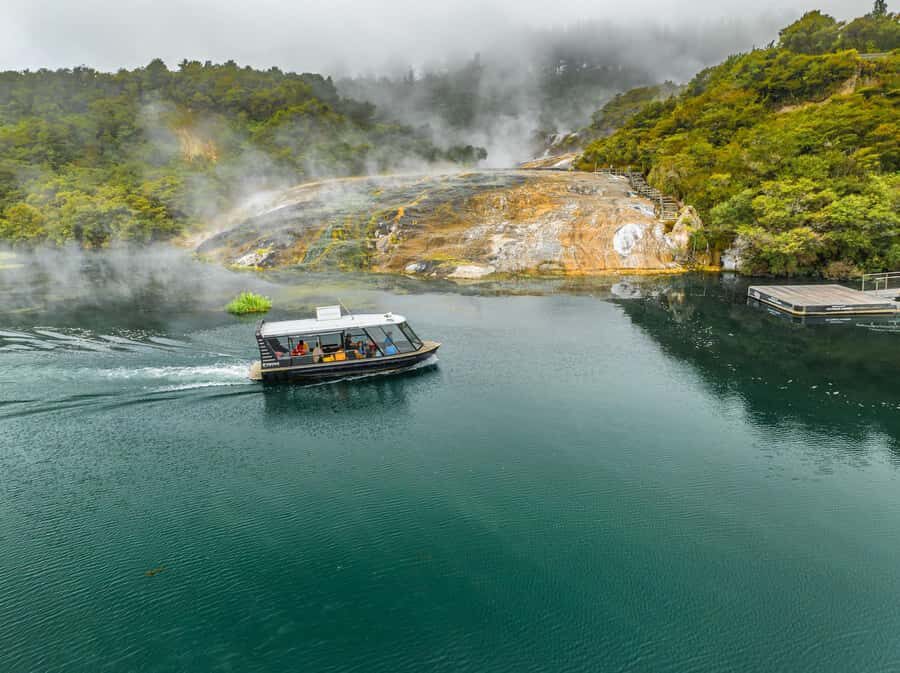
Orakei Korako is often called Hidden Valley, and that name fits. It sits in the Taupo Volcanic Zone between Taupo and Rotorua, but the park experience doesn’t feel like you’re standing in the middle of a tourist grid. Instead, you’re walking through a working geothermal area—steam, heat, mineral colors, and constant small sights that keep changing as the day goes on.
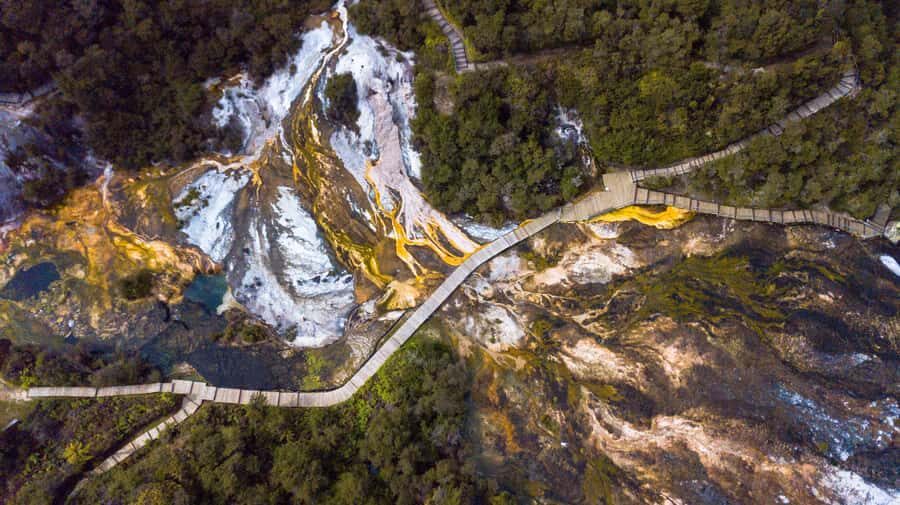
What I like most is that the geothermal activity isn’t just a single viewpoint. You move along boardwalks built for getting close to mud pools, gushing hot springs, and geyser activity. That motion matters. Stationary attractions can feel like a photo stop. Here, the activity is more like a slow “watch and walk” flow: you get nearer, then you shift to another feature, then another, and suddenly it feels like you’re inside the heat itself.
Also, this park is known for having some of the most active geysers in New Zealand. If you’re doing geothermal parks while you’re in the North Island, Orakei Korako is a strong pick because it mixes the common geothermal elements (steam, hot water, terraces) with one truly special stop: Ruatapu Cave.
Tickets, timing, and value of the $34 price tag
The ticket price is about $34 per person, and for a one-day outing that includes entry to both the thermal park and the cave area plus return ferry rides, it tends to feel like solid value. The math is simple: you’re paying for more than just a walk. You’re paying for guided-free access to a protected geothermal zone, and you’re also paying for the ferry service that moves you to the geothermal area.
Your total visit time is listed as 1 day, but the active touring piece is short and pleasant:
- A self-guided walk through the geothermal areas (about 1.5 hours)
- Time around the visitor centre (safety + breaks + food/shopping)
- Two short ferry trips (about 3 minutes each way)
If you’re traveling with limited time, this schedule is friendly. It’s not an all-day grind. You can do it even if you’ve got other stops planned in Taupo or Rotorua.
One more reason the price feels fair: this isn’t just “look from over there.” The trails are set up so you can get close to the thermal features while staying on safe paths. You spend your money on the experience, not on transportation across town and back.
Visitor centre first: quick safety briefing, then coffee-and-time
Your visit starts at the Orakei Korako Geothermal Park & Cave visitor centre. The safety briefing is short—about 2 minutes—so you don’t lose your morning to a lecture. The main point is to help you handle geothermal conditions safely and follow where you’re allowed to walk.
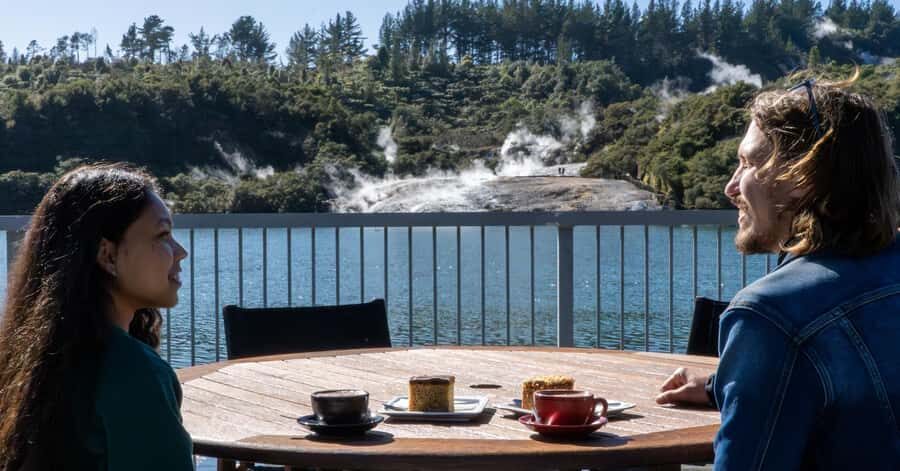
After that, you’ll have time for food and downtime. The visit includes opportunities for brunch and lunch, plus shopping at the visitor centre. This matters more than it sounds. Geothermal parks can involve standing, warm air, and a lot of slow walking. Eating earlier helps you enjoy the thermal area without getting that “we should have grabbed something” feeling.
There’s also a break period back at the visitor centre on the way back. You’re not racing the clock at every moment.
A small practical tip: even if you plan to eat later, use the visitor centre time to check the weather and decide what layers to wear. Orakei Korako operates in all weather, so you want to be prepared before you step onto the boards.
The on-demand ferry: a tiny ride that changes the mood
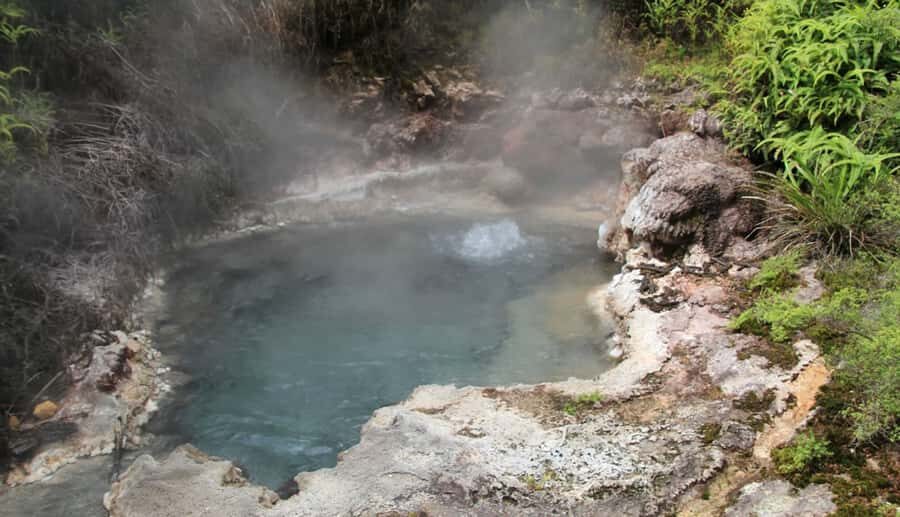
To reach the geothermal area, you’ll take a short ferry ride. It’s only about 3 minutes, and it runs on demand from 8:00 am each morning. In winter months, the last trips leave at 4:00 pm; during daylight saving, it’s 4:30 pm.
This ferry is more than a transit detail. It creates a clean mental shift: you move away from the visitor centre, then suddenly you’re in the thermal zone. Even the short crossing helps make the park feel like its own pocket of place rather than just another roadside stop.
Also, since the ferry runs on demand, you can usually choose a start time that fits your day. That flexibility is useful if you’re doing multiple attractions in the Taupo–Rotorua area.
Self-guided geothermal walking: where the 2.5 km trail, steps, and signs actually matter
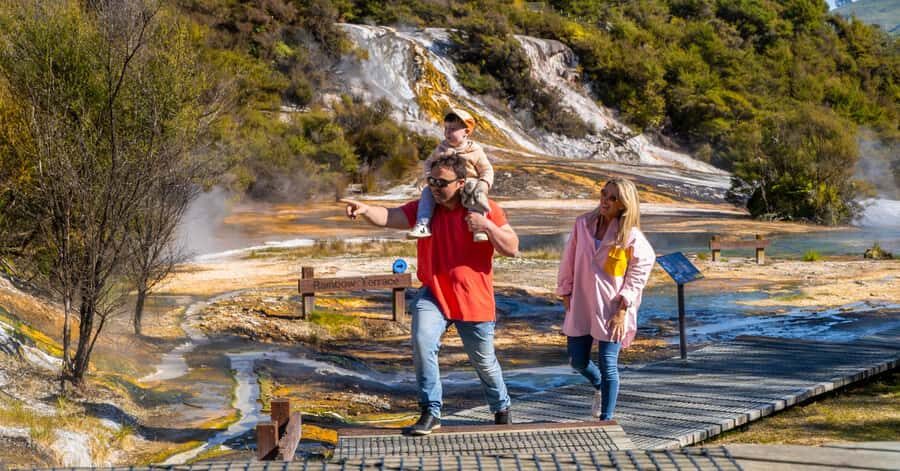
Once you’re in the thermal park area, you explore at your own pace. The walk time is listed at about 1.5 hours, but in real life the time stretches depending on how often you stop, how photos-heavy you get, and how your legs handle the steps.
Here’s what to expect as you wander:
- Mud pools that bubble and shift
- Boiling hot springs with active flow
- Silica terraces with mineral patterns
- Up to 23 active natural spurting geysers, depending on what’s firing during your visit
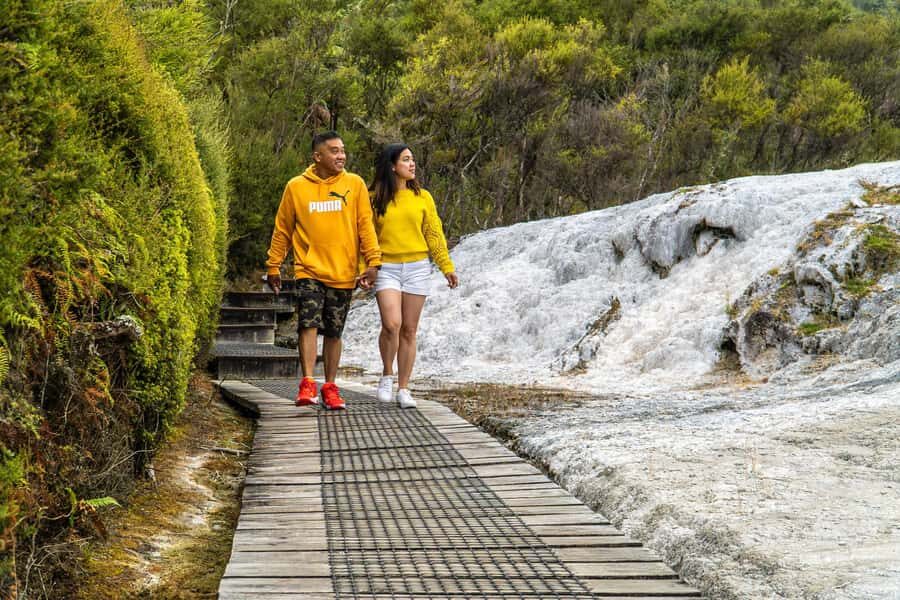
Many parts of the route are on boardwalks, which makes the footing more manageable than rough ground. But don’t treat it as a flat stroll. There are lots of steps, and the park includes enough elevation changes that your pace needs to be realistic.
You’ll also see signs and points of interest along the way. The trails are designed so you’re not guessing what you’re looking at. That info turns the experience from scenery into understanding—why something is happening, what kind of thermal feature you’re seeing, and what makes this place different.
One review pattern I’d take seriously: if you want to stay comfortable, wear trainers rather than flip-flops, and bring plenty of water. Heat and mist can make you feel like you’re not sweating much, but dehydration can still creep up fast.
Up close with geysers and colorful minerals (without the motion sickness part)
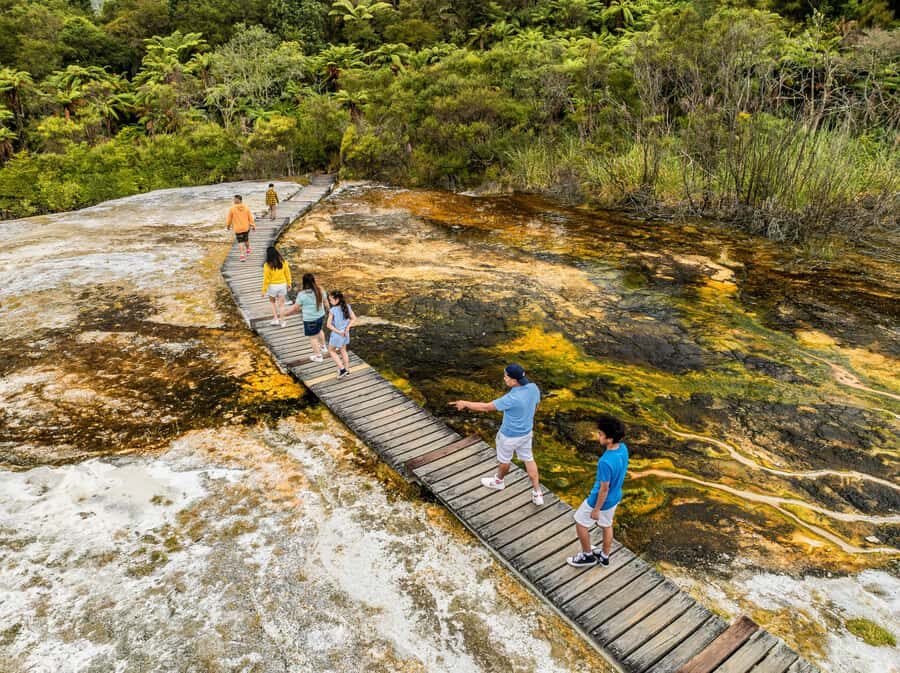
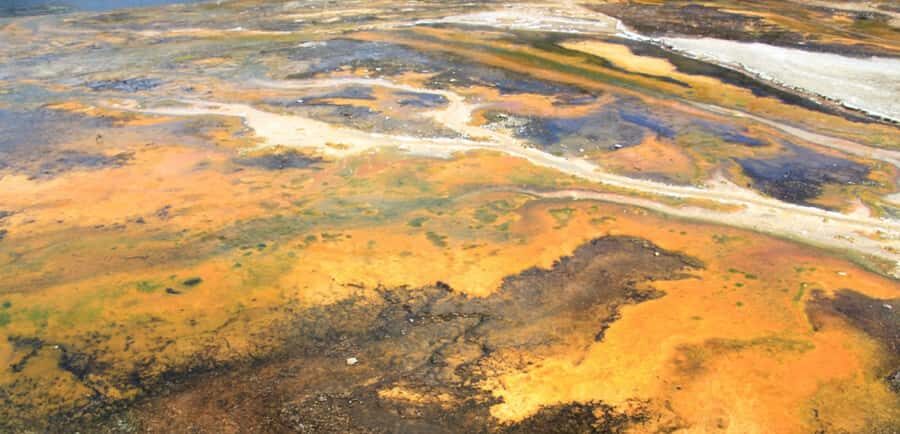
Orakei Korako has a particular kind of visual rhythm. You’ll see gushing water and geyser bursts, then shift your view to mud pools, then catch the mineral colors on terraces. The colors aren’t just decoration—they’re your clue that minerals are changing and depositing as water and steam move through the ground.
The smell is part of geothermal reality, so go in expecting that volcanic note in the air. What you’re buying is that closeness. Instead of watching geothermal activity from a distance, the boardwalk route keeps you close enough to feel the heat and watch the action closely.
This is also why the self-guided format works so well. You can slow down when the most active geysers are firing, and you can take a longer look at a feature that has your attention. If you’re the type who gets annoyed by a rigid group pace, Orakei Korako is the opposite. You’re free to pause and look without being pushed.
One caution: geothermal activity can vary day to day. If activity looks quieter in your moment, keep walking to the next feature. The point is that the park is full of thermal micro-zones, and your best views can still come as you move.
Ruatapu Cave: the rare 35-metre geothermal drop and why it feels prehistoric
The standout “must-do” inside the park is Ruatapu Cave, also called Sacred Hole. This is described as one of two thermal caves in the world, and it’s extremely rare.
You’ll see how it works as a geothermal feature: the cave experience plunges about 35 metres down to a clear hot pool at the bottom. That vertical change is the whole story. It doesn’t feel like another boardwalk stop. It feels like a step into a different scale—heat and water and rock, focused into a single dramatic place.
Why this matters for your trip: geothermal parks can blur together if you only see surface features. Ruatapu Cave gives you a totally different perspective. You’re not just walking through steam and minerals now—you’re seeing geothermal power channelled into a cave system.
Also, the cave is a great anchor for planning. If you’re short on time or tired, make sure you prioritize the cave and then enjoy the rest of the park around it. You’ll get the rare, memorable core experience either way.
Weather strategy: how to pack for all conditions and still enjoy yourself
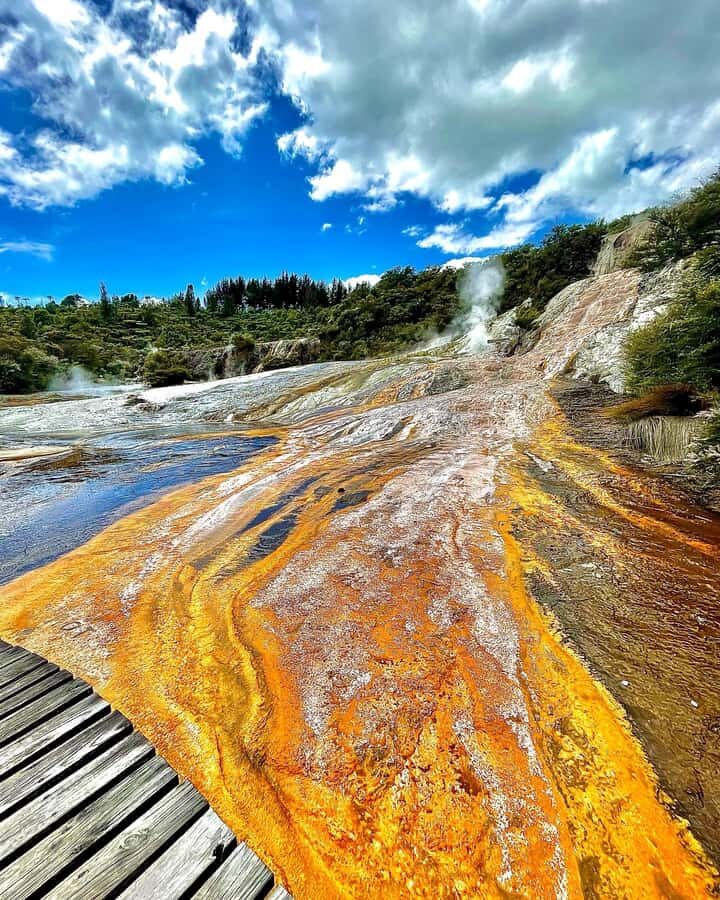
Orakei Korako operates in all weather conditions, which means you should plan for wet boards, mist, and cooler air even on mild days. This isn’t a “cancel if it’s cloudy” type of activity.
Pack for practicality:
- Comfortable shoes you can grip on damp boards
- Water
- Weather-appropriate clothing (layers help)
Cool or rainy weather can actually make the thermal area more enjoyable. When the air is cooler, standing near heated pools can feel more pleasant and less overwhelming. You still need to be comfortable on your feet, though, because slick steps are not the kind of thing you want to negotiate in the wrong footwear.
If you’re sensitive to smells, bring a small dose of patience. Geothermal parks involve natural steam and gases. The trade-off is the closeness to real activity, not a recreated show.
Who should book Orakei Korako—and who should think twice
This is a strong day trip for families and people who like exploring without a strict schedule. The experience is set up as a self-guided walk, and dogs are welcome at the park too. If you’ve got a travel style that includes pacing, pausing, and taking photos when something fires off, this fits well.
That said, it requires some physical capability. The guidance calls for moderate physical fitness, and the route includes many steps. There are also notes that unaccompanied minors aren’t allowed, so kids need an adult with them.
It’s also not suitable for wheelchair users. If mobility access is a key requirement for your group, you’ll need to look at other options.
One more “fit” point: the park is described as off the beaten track and can feel quiet and low key. If you’re hoping for a peaceful day with space to wander, that’s exactly what Orakei Korako tends to deliver.
Should you book Orakei Korako Geothermal Park and Ruatapu Cave?
Book it if you want:
- A geothermal day that’s self-guided and flexible
- Up-close access to hot pools, geysers, mud pools, and silica terraces
- A rare attraction like Ruatapu Cave with a major vertical wow factor
Think twice if:
- You need step-free access (the route includes lots of steps and it’s not for wheelchair users)
- You’re not comfortable walking for about 1.5 hours on boardwalk terrain, even at an easy pace
For most people in the Taupo–Rotorua region, this ticket hits the sweet spot: memorable geothermal action, a short day schedule, and a pricing level that feels reasonable for what’s included—especially the ferry and the cave.
FAQ
How long does the Orakei Korako geothermal park and cave visit take?
The experience is listed as 1 day, with about 1.5 hours of self-guided walking time in the geothermal area. You’ll also spend short periods at the visitor centre and on the ferry.
Is this a guided tour or self-guided?
It’s self-guided. You’ll have a short safety briefing at the visitor centre, then you explore the geothermal park at your own pace.
Do I ride a ferry to get to the geothermal area?
Yes. You take return on-demand ferry rides from the visitor centre to access the geothermal area. The ferry trips are about 3 minutes each way.
What time does the ferry start, and when are the last trips?
The ferry runs on demand from 8:00 am each morning. In winter, the last trips leave at 4:00 pm, and during daylight saving, the last trips leave at 4:30 pm.
What should I bring for Orakei Korako?
Bring comfortable shoes, water, and weather-appropriate clothing. The park operates in all weather conditions.
Are dogs allowed at Orakei Korako?
Yes. Dogs are welcome at the park.
Is Orakei Korako wheelchair accessible?
No. It’s listed as not suitable for wheelchair users.