REVIEW · TWIZEL
Twizel: Stargazing Tour with an Astronomer and Telescope
Book on GetYourGuide →Operated by Stargaze Mackenzie · Bookable on GetYourGuide
Twizel at night feels unreal. I love how this laser-guided tour makes the sky feel easy to follow, and I love the telescope time where planets and deep-sky targets get real explanations. The main thing to plan around: it only runs in clear conditions, and Mackenzie nights can still be very cold.
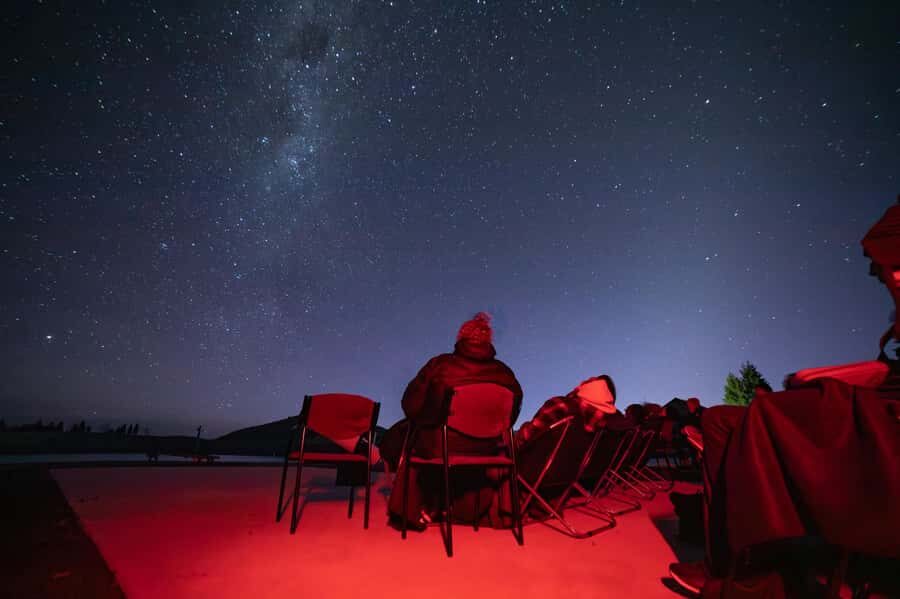
This Aoraki Mackenzie International Dark Sky Reserve setting is the big draw. You sit in comfortable outdoor chairs with blankets, so you can focus on the sky instead of juggling gear. In 75 minutes, the evening is paced to keep you learning without rushing.
The tour ends with a personal astrophoto of you under the stars, which is a nice reminder of what you just learned. If you want your stargazing in Twizel to be more than just looking up, this is built for that.
In This Review
- Key Things to Know Before You Go
- Twizel’s Dark Sky Reserve: The Real Star of the Show
- Meeting Point and the 75-Minute Game Plan
- Laser-Guided Sky Tour: Learning the Constellations You’ll Actually Remember
- Telescope Time: What You Can See Through the Big Scope
- The Science and Meaning Behind the Stars (Not Just the Wow Factor)
- The Personal Astrophoto: A Real Souvenir, Not Just Phone Chaos
- Comfort Tips for Cold Nights in Mackenzie Country
- Price and Value: Is $59 Worth 75 Minutes of Astronomy?
- Who This Stargazing Tour Is Best For
- Should You Book the Twizel Stargazing Tour?
- FAQ
- How long is the stargazing tour in Twizel?
- What is the price per person?
- Where do I meet the guide?
- What’s included in the ticket?
- Are there toilets on-site?
- What should I bring?
- Are blankets provided?
- Is the tour wheelchair accessible?
- Is there a minimum age?
- Is flash photography or alcohol allowed?
Key Things to Know Before You Go
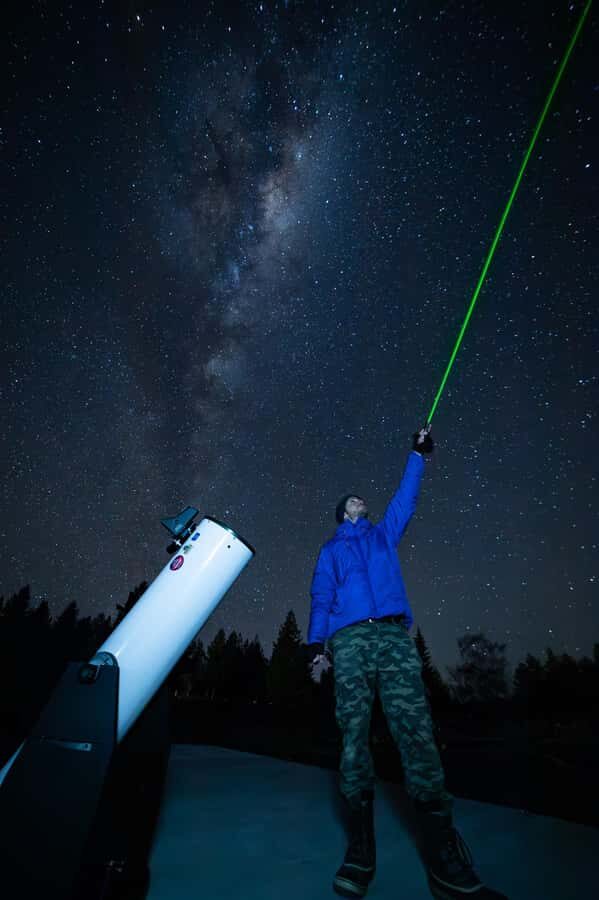
- Dark Sky Reserve views: You’re under some of the darkest skies in the world, which makes Milky Way detail and faint objects much more realistic.
- Laser-guided orientation: The guide uses a laser to help you track constellations and planets night-sky style, not just by pointing and hoping.
- Two-part experience: First you learn the sky, then you get telescope observations matched to what’s visible that time of year.
- Small group vibe (10 max): You get time at the telescope instead of waiting your turn in a huge crowd.
- Personal astrophoto finale: You leave with a photo taken as part of the tour, not just phone pics you struggle to get.
- Pack for cold, not comfort: Blankets are provided, but you still need layers, hats, and gloves.
Twizel’s Dark Sky Reserve: The Real Star of the Show
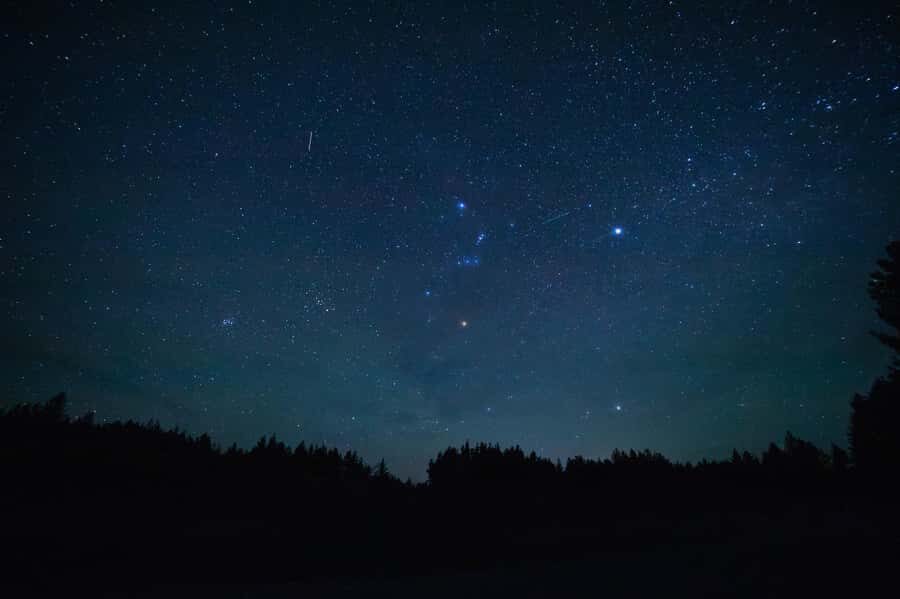
The sky here is the headline. Twizel sits in the Aoraki Mackenzie International Dark Sky Reserve, which is exactly what you want for stargazing: less light pollution, more contrast, and a much clearer view of stars that would normally be washed out elsewhere.
That matters because astronomy is a game of noticing small differences. When the sky is truly dark, you can separate star patterns from random points of light, and you start to see why people get emotional about the Milky Way. In this kind of conditions, even basic targets—like familiar constellations such as Orion—feel like a whole new experience.
It also changes how the guide teaches. With a dark sky as your classroom, the science explanation lands better. Instead of talking about ideas in the abstract, the guide can point to what’s actually overhead that night.
Meeting Point and the 75-Minute Game Plan
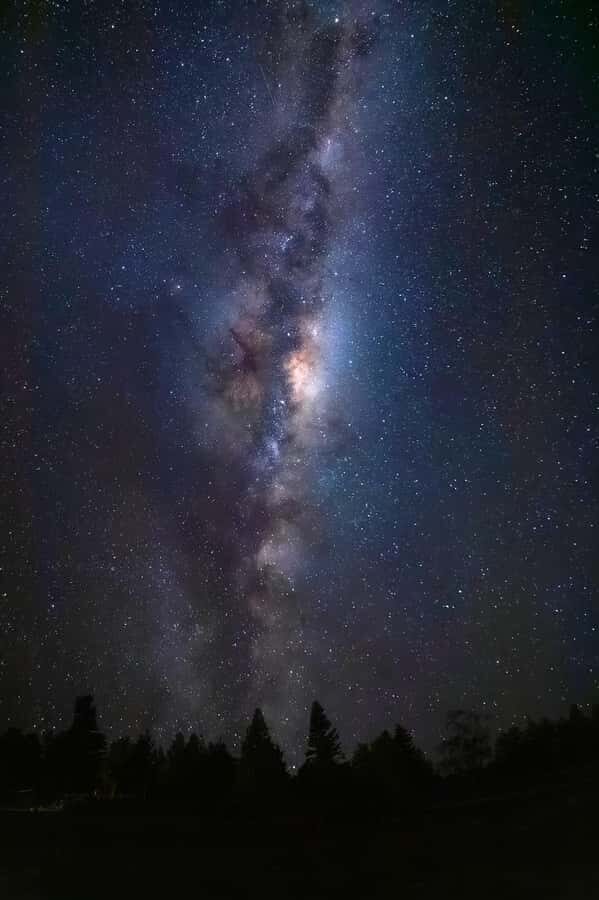
Plan for a tight schedule. The tour runs for 75 minutes, so it’s not a slow hangout where you can show up late and still get the full value.
You meet a guide at the car park on the first left as you enter Lake Front Road. The starting address listed for reference is 50 Kate Cameron Drive, but in practice, follow the meeting instructions and arrive on time.
Check-in timing is important because the tour includes both a guided sky session and telescope observing. If you’re late, you miss part of the explanation, and telescope time usually doesn’t stretch.
Also note the practical limits: there are no toilets on-site. Use facilities before you arrive, then get ready to stay outside for the night-sky portion.
Laser-Guided Sky Tour: Learning the Constellations You’ll Actually Remember
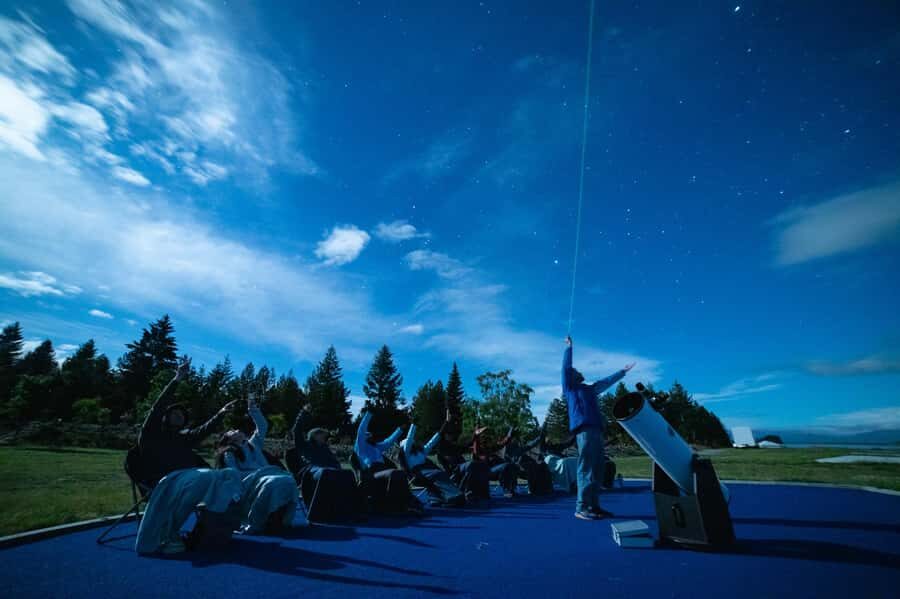
This first phase is where you build your night-sky map. You’ll sit in comfortable outdoor seating with blankets, and the guide leads a laser-guided tour of celestial objects visible that evening.
Expect classic tour elements like:
- Star patterns and what they mean in the sky
- Planet highlights, introduced with science context
- Constellations visible in the southern hemisphere and how to locate them
A standout detail from the guide style is clarity. Guides often use long explanations, but this one focuses on keeping you oriented. You’re not just hearing facts; you’re learning how to connect what you’re seeing with why it matters.
From the experiences shared, the tour often builds from easy wins (constellations you can recognize, like Orion) to bigger awe factors (bright planets and their features). One person even described the view of Jupiter’s bands and moons, which is exactly the kind of moment where the earlier orientation pays off—because you know what you’re looking at.
Telescope Time: What You Can See Through the Big Scope
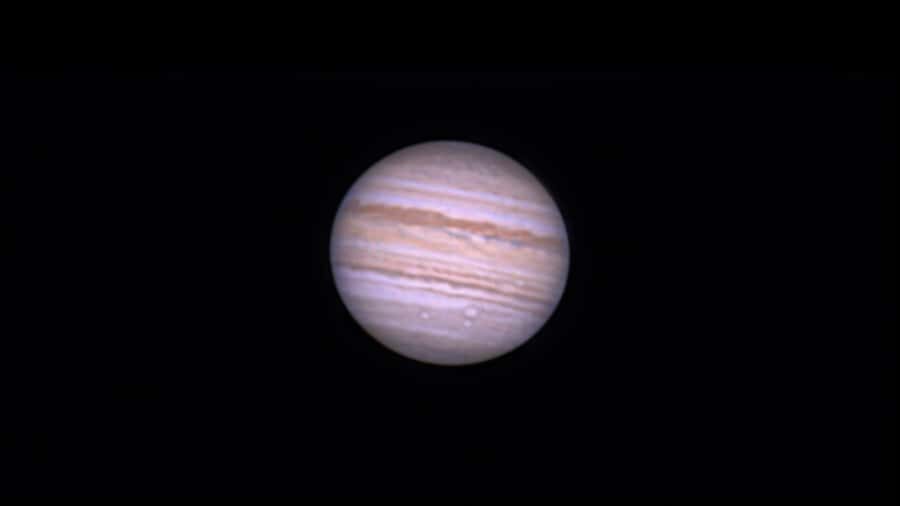
After you get your bearings, the second part turns the lights on—figuratively—because the telescope is where the sky shifts from pretty to detailed.
This section is tailored to what’s visible that time of year, but you can expect targets in several categories:
- Planets
- Nebulae
- Star clusters
- Galaxies
- Plus whatever is bright and clear that night
Based on reported highlights, telescope viewing can include things like Saturn and its rings, Saturn’s moons, and deep-sky sights such as the Tarantula Nebula and Alpha Centauri. You might also see the Milky Way in a more structured way than you can with the naked eye.
Here’s why that matters for your enjoyment: a telescope doesn’t just make objects bigger. It changes the whole feel of scale. People describe it as seeing light traveling from far away—sometimes framed as a time-machine effect—because the objects you’re observing aren’t just distant; their light left them long before Earth ever had you.
And even when the sky isn’t perfect, the guide can still use the telescope time to show you what’s possible under current conditions. That’s part of why small groups matter here.
The Science and Meaning Behind the Stars (Not Just the Wow Factor)
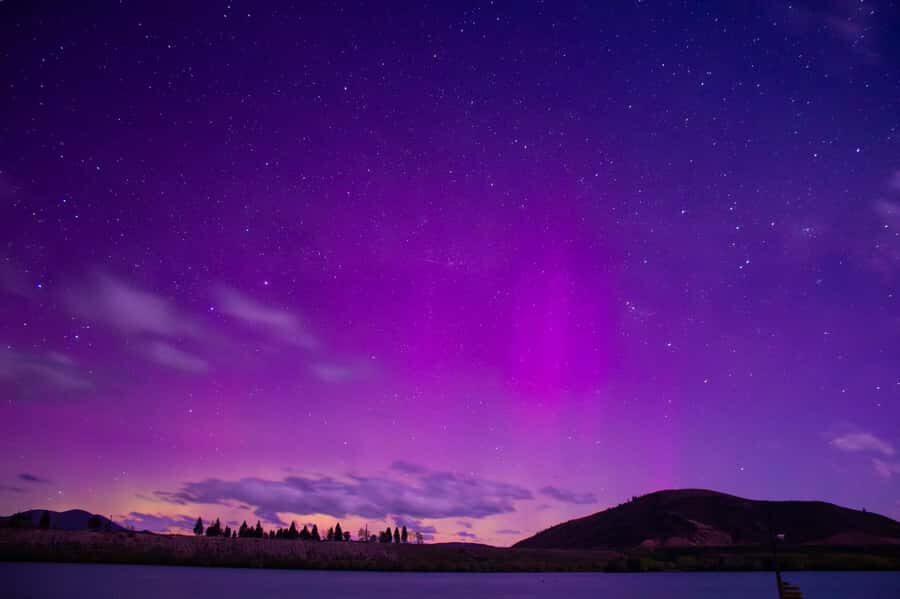
You don’t just get pretty pictures of space—you get the “why.” The tour includes cultural, scientific, and environmental significance of the night sky, tied to the preservation values of the Aoraki Mackenzie Dark Sky Reserve.
That’s more than a feel-good add-on. Dark sky conservation has practical impact: it protects the conditions that make stargazing possible here at all. When light pollution rises, the sky becomes less informative—fewer stars show up, and faint objects become harder or impossible to see.
So the tour message is simple: you’re not only watching the sky; you’re experiencing a resource that needs protecting. If you care about nature-friendly travel, this angle makes the evening feel grounded, not just starry-eyed.
The Personal Astrophoto: A Real Souvenir, Not Just Phone Chaos
The night ends with a personal astrophoto of you under the stars. That’s a smart touch, because phone photos in dark-sky conditions are tricky.
Even if you’ve tried astrophotography before, there’s a lot to manage: steadiness, exposure, timing, and framing. Having the photo taken as part of the tour reduces that stress. You also get results that match what you actually saw—especially the darker-sky context that makes the Milky Way and bright planets pop.
Several people mention being impressed by how the photos look—colors and clarity were a big deal. So treat this as a planned part of the experience, not an optional extra.
Comfort Tips for Cold Nights in Mackenzie Country
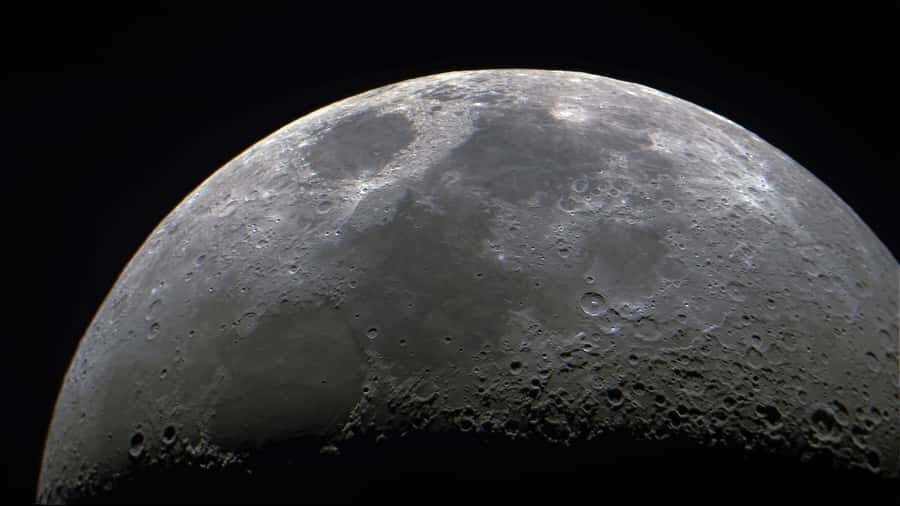
The tour gives seating and blankets, but you still need to dress for real outdoor cold. The guidance is straightforward: even in summer, nights around Twizel and the Mackenzie region can get cold enough that you’ll feel it if you’re underdressed.
Bring warm layers, plus:
- a hat
- gloves
- anything that keeps your core warm
Why this matters: if you’re shivering, your brain stops caring about star science and starts counting minutes. You’ll enjoy the explanations and telescope viewing more when you’re comfortable.
One more practical note: flash photography is not allowed. It’s not just a rule to be annoying—flashes can ruin night vision for you and for others, and it messes with the dark-sky experience.
Price and Value: Is $59 Worth 75 Minutes of Astronomy?
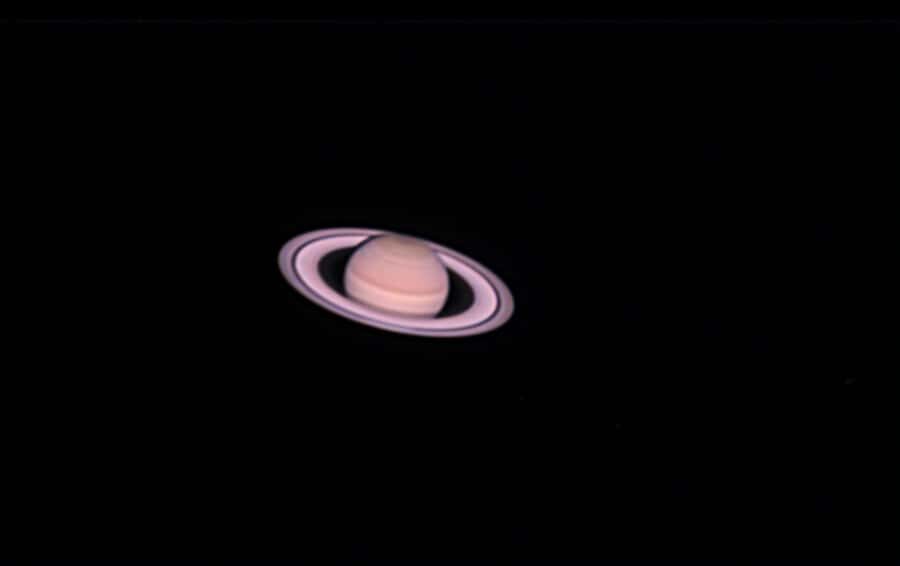
At $59 per person for 75 minutes, you’re paying for three things you’d struggle to replicate on your own:
- A qualified astronomer guiding you through what’s visible tonight
- A powerful telescope (not just binoculars)
- Laser-based orientation plus a personal astrophoto
If you tried to do this independently, you’d need a reliable dark-sky location, the right equipment, and a way to identify objects quickly. Even then, you’d likely spend most of your time guessing. Here, you get a structured experience that helps you understand what you’re seeing—then confirms it with telescope views.
The small group limit (10 participants) also protects value. You’re not sharing the telescope with a huge line of people, and the guide can keep the pace comfortable.
The only value trade-off is the weather dependence. If skies are unclear, the tour won’t run as planned. But if it does run, the price feels fair for what you get: science, guidance, equipment, and photos.
Who This Stargazing Tour Is Best For
This fits best if you want more meaning than a casual lookout.
You’ll especially like it if:
- you’re new to stargazing and want an easy way to learn constellations
- you want telescope views with explanations, not silent “here it is” viewing
- you care about dark sky conservation and learning why it matters
- you like a calm, paced experience with a small group
It’s also a good choice if you’re traveling as a couple, friends, or solo and want a guided night experience without complicated planning.
Age-wise, it’s for kids age 6 and up. It’s not suitable for children under 6.
Should You Book the Twizel Stargazing Tour?
If your goal is to leave with a real understanding of the night sky—and not just a few blurry photos—then yes, book it. The combination of the Dark Sky Reserve, laser-guided learning, telescope time, and the personal astrophoto makes this more complete than most short stargazing options.
Before you click confirm, do two things:
- Check that you can dress warmly and stay outside for about an hour-plus.
- Be honest about weather. You’ll get the best experience in clear conditions.
If you want a night where astronomy feels approachable and the sky looks like it does in your imagination, this Twizel tour is a strong bet.
FAQ
How long is the stargazing tour in Twizel?
The tour lasts 75 minutes.
What is the price per person?
The price is $59 per person.
Where do I meet the guide?
A guide meets you at the car park on the first left as you enter Lake Front Road. The starting address is listed as 50 Kate Cameron Drive.
What’s included in the ticket?
You get a guided stargazing tour with a qualified astronomer, laser-guided pointing with science-based explanations, use of a powerful telescope, seating, and a personal astro photo.
Are there toilets on-site?
No. There are no toilets on-site, so plan to use facilities before you arrive.
What should I bring?
Bring warm clothing. Layers, hats, and gloves are especially helpful since the nights in the Mackenzie region can be very cold.
Are blankets provided?
Yes. Seating and blankets are provided for outdoor comfort.
Is the tour wheelchair accessible?
Yes, the tour is wheelchair accessible.
Is there a minimum age?
Yes. The tour is for ages 6 and above. It is not suitable for children under 6.
Is flash photography or alcohol allowed?
Flash photography is not allowed. Alcohol and drugs are also not allowed, and intoxication is not permitted.