REVIEW · PAIHIA
Waitangi Treaty Grounds Admission
Book on Viator →Operated by Waitangi Treaty Grounds · Bookable on Viator
Stand where New Zealand began. This admission gets you onto the Treaty of Waitangi signing spot area, plus a well-structured mix of film, a guided walkthrough, and a live cultural welcome and performance. You’ll also get full access across the grounds and the Te Kōngahu Museum, which is where many taonga (treasures) tied to Waitangi are now housed.
Two things I really like: the way the story is laid out step-by-step (film first, then a guide on the ground), and the cultural performance itself, with the powhiri welcome at the meeting house and a high-energy show afterwards. One heads-up: if you arrive partway through the day, you can have a wait before the next guided tour slot because the tour runs on a regular hourly schedule.
In This Review
- Quick hits before you go
- The place that turns history into a real location
- How the two-day pass changes your planning game
- First stop: the intro film and why it’s worth your time
- The 50-minute guided tour: hourly departures, big payoff
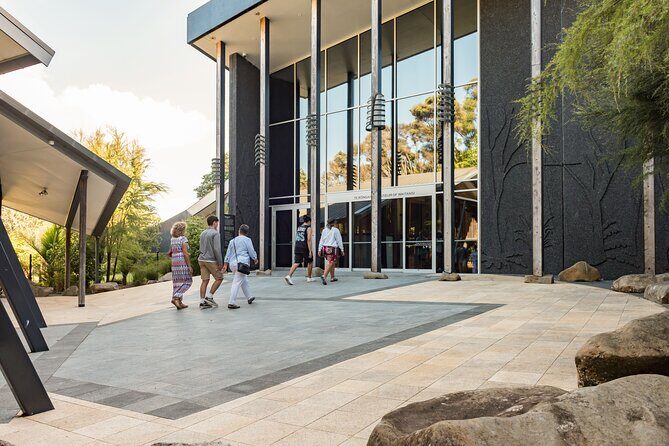
- Te Kōngahu Museum of Waitangi: museum time that doesn’t feel like homework
- The powhiri welcome and the performance outside the meeting house
- What you’ll likely notice around the grounds (waka, heritage buildings, memorials)
- Price and value: where the $45.92 really goes
- Timing tips: avoid the mid-day “next tour isn’t for a bit” problem
- Getting there from the Bay of Islands: don’t overthink it
- Who this admission is best for
- Should you book Waitangi Treaty Grounds admission?
- FAQ
- What does the Waitangi Treaty Grounds admission include?
- Is the ticket valid for one day or two?
- How often do the guided tours run?
- How long are the guided tour and cultural performance?
- What are the opening hours?
- Is food included in the ticket price?
- What’s the cancellation policy for a full refund?
Quick hits before you go
- Two consecutive days means you can spread the museum time out instead of rushing.
- Film + 50-minute guided tour helps you understand what you’re seeing before you wander.
- Te Kōngahu Museum of Waitangi (opened 2016) houses taonga and uses modern multimedia displays.
- Powhiri welcome and performance happens outside the meeting house, led by Te Pitowhenua.
- Headsets are provided so you can hear the guide clearly on the outdoor parts.
The place that turns history into a real location
Waitangi Treaty Grounds isn’t just “a thing to see.” It’s a set of outdoor spaces and heritage buildings built around a single idea: this is where New Zealand’s founding document was signed in 1840. That matters because you’re not only learning from panels. You’re standing on the actual grounds where the treaty story happened, and that changes your pace.
I like that the admission is built to do two jobs at once. First, you get context (the intro film). Then you get a guided path (the 50-minute tour) so you’re not trying to connect the dots yourself. Once you’ve heard the framing, the grounds feel less like scattered exhibits and more like a connected timeline.
Also, the site leans into the human side of the story. The guided tour includes things like an authentic ceremonial war canoe and a chance to stand where the treaty signing took place. And the day ends with a live cultural performance—so you leave with both the documentary history and the living cultural expression that still shapes how people understand this place today.
You can also read our reviews of more tours and experiences in Paihia.

How the two-day pass changes your planning game
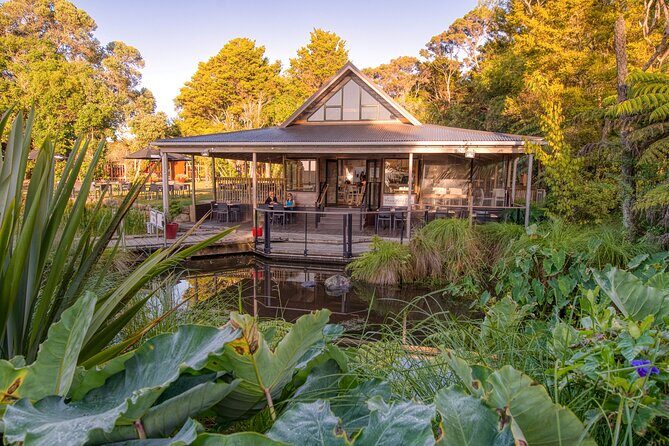
The ticket isn’t a quick one-and-done. Your admission is valid for two consecutive days, which is a big deal for value and comfort. Instead of compressing everything into a tight morning, you can fit the day around your energy and your schedule.
If you’re the type who likes to do museums properly (not just “see the highlights”), the two-day format is exactly what you want. There’s enough to justify returning for a second round at the Te Kōngahu Museum and any heritage buildings you didn’t linger on the first day.
You don’t need a complicated plan, either. Many people use day one to do the intro film and guided tour, then use day two to take their time with the exhibits and multimedia displays. Even if you only have a few hours on each day, the second day helps you avoid the classic problem: walking out feeling like you skimmed.
One practical thing: the guided tour runs every hour on the hour. That means your arrival time matters. If you show up right after a tour departs, you might wait for the next one.
First stop: the intro film and why it’s worth your time
Your visit starts with the intro film, Waitangi – Birthplace of a Nation. This is where the treaty story gets explained in plain terms—specifically how the Treaty of Waitangi was created between the British Crown and Māori chiefs.
What I like about starting with the film is that it reduces the “tour guide guessing game.” When you later walk the grounds and hear the guide explain details, you’re not trying to figure out what you’re looking at. You already understand the big picture: why negotiations mattered, who the parties were, and how the treaty came into being.
It also sets the emotional tone without turning the day into pure heaviness. You’ll move from creation and negotiation into the physical spaces on the grounds—then later you’ll shift into the cultural performance. That contrast makes the experience easier to follow.
If you’re sensitive to heavy historical topics, it’s still a thoughtful, guided approach. The film gives you context up front, so the rest of the day doesn’t feel random or sudden.
The 50-minute guided tour: hourly departures, big payoff
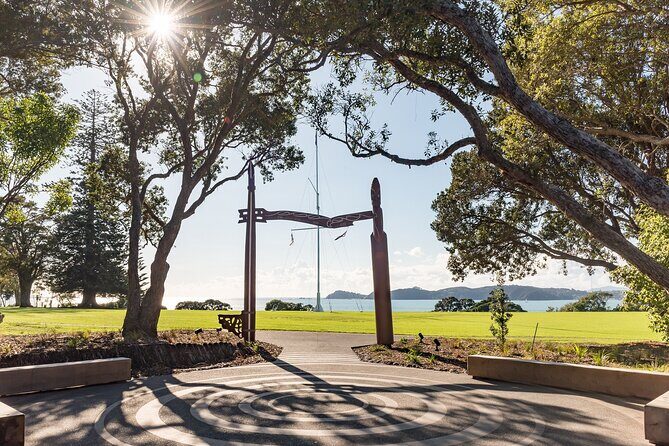
After the film, you’ll join a guided tour. It’s scheduled as 50 minutes, and it runs every hour on the hour. You’ll also be given headsets so you can hear the guide clearly—especially helpful on outdoor paths.
This is the part that usually turns a “nice day trip” into a “this made sense” day.
On the tour you can expect to:
- see a copy of the treaty in the Visitor Centre area
- learn about the ceremonial war canoe
- stand on the spot associated with the treaty signing
- get guided interpretation of the grounds and heritage buildings
The experience leans on a real sense of place. For example, standing where the signing happened isn’t just a photo moment. The guide’s narrative helps you understand what that location represents in the broader story.
One helpful detail from guide experiences you’ll hear on-site: guides such as CC and Cece have a strong ability to explain how the treaty was formed while also connecting it to the people involved. Another guide name that comes up is Sisi (Amanda), who’s noted for packing in a lot of information without making it feel like a lecture.
Te Kōngahu Museum of Waitangi: museum time that doesn’t feel like homework
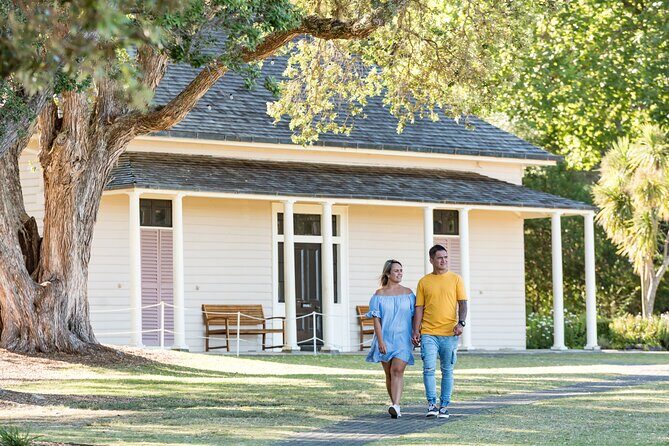
Once you’ve got context from the film and tour, the Te Kōngahu Museum of Waitangi is where the experience expands. This museum opened in 2016, and it’s designed for visitors who want more than one or two exhibits and a quick read.
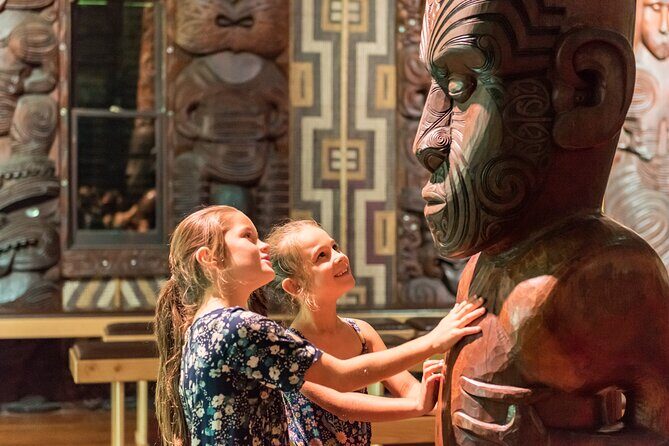
You get access to permanent and changing exhibits, plus an education center on the first floor. The museum uses multimedia and visual displays, which helps the story land in different ways—especially if you learn better by seeing and listening than by reading text only.
A key point for understanding value: significant taonga connected to Waitangi were scattered around New Zealand, and the museum brings them together in one place. That means you’re not just looking at objects. You’re seeing how cultural treasures connect to the historical record and to ongoing identity.
A couple reviews highlight the museum’s emotional impact, describing it as moving and fair without bias. That lines up with what the museum is trying to do: show history in a way you can sit with, reflect on, and talk about after you leave.
If you’re short on time, focus on the areas that use the most media and visual storytelling first. If you have two days, take the slow route. Museum time here is better when you can pause.



The powhiri welcome and the performance outside the meeting house
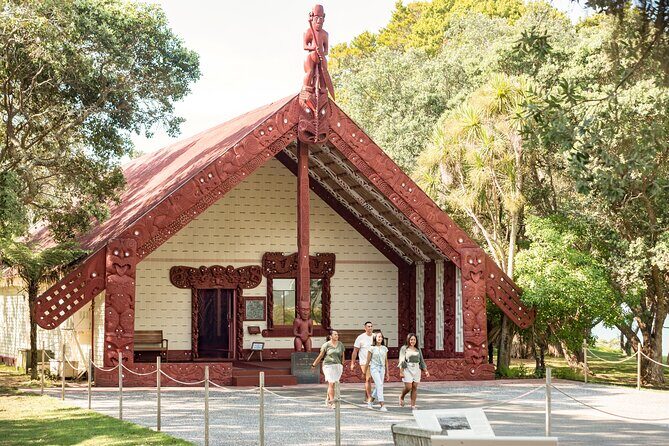
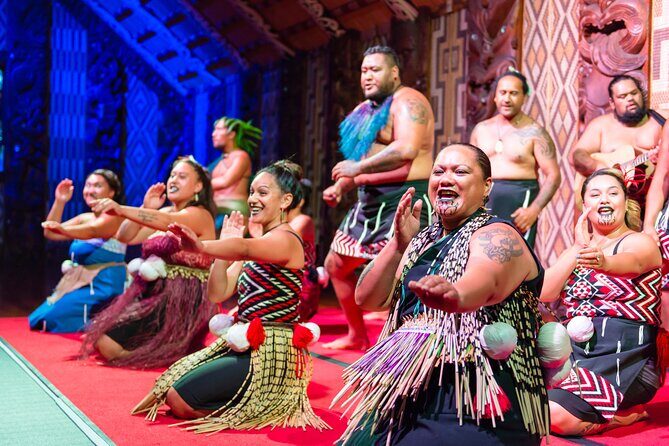
This is one of the most memorable parts of the admission. The cultural performance is 30 minutes and happens outside the meeting house where Te Pitowhenua, a resident performing arts group, welcomes you in with a powhiri (traditional Māori welcome).
Then, you move into the show space in carved surroundings that reflect history and genealogy. Expect a lively performance that combines:
- poi twirling
- Māori weaponry and stick games
- strong singing (harmonies)
- and the haka dance
What makes this section work for a first visit is the structure. You get the ceremonial welcome first, then the performance becomes a full-on show with energy and clear action. Even if you don’t know the meaning of every element yet, the atmosphere makes the experience easy to understand and hard to forget.
After the show, there’s an opportunity to meet the performers, ask questions, and take photos. That’s a nice bonus if you want to learn respectfully and directly from people doing the work.
One balanced note: a small number of experiences mention that the show may feel more tourist-friendly than other cultural performances they’ve seen, and one person felt the show didn’t match their expectations compared with similar events. So go with the mindset that this is both cultural expression and public performance for visitors—still meaningful, but in a format built for visitors.
What you’ll likely notice around the grounds (waka, heritage buildings, memorials)
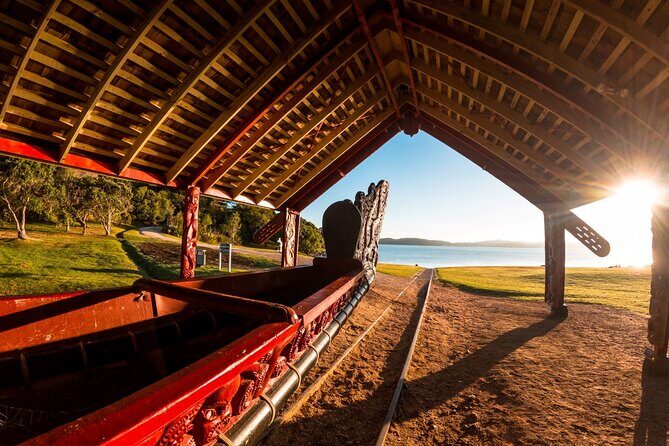
Admission includes full access to the historic site, including heritage buildings and the world’s largest ceremonial waka. That waka is a standout because it gives you a sense of scale and craftsmanship that you can’t really get from photos.
You’ll also find authentic ceremonial elements as part of the tour stops, including an authentic ceremonial war canoe. And the Visitor Centre areas help connect the cultural and historical themes so you’re not just seeing artifacts without context.
One review calls out the memorial to Māori servicemen and women as a beautiful addition. That kind of place makes the day feel bigger than just 1840 negotiations. It brings the story forward and helps you connect past and present in a way that’s hard to replicate elsewhere.
Another review highlights the Mission House as beautiful spiritually and aesthetically. That’s the kind of heritage building you’ll want to slow down for—because even if you don’t read every sign, you’ll feel the difference between “museum display” and “lived-in heritage space.”
Dress matters here. The site operates in all weather, so you’ll be outdoors between film, tours, and performances. If rain is possible, wear shoes that can handle damp ground and bring layers.
Price and value: where the $45.92 really goes
At $45.92 per person, this ticket isn’t just paying for entry. You’re paying for a packaged experience:
- intro film
- guided tour with headsets
- cultural performance
- full access to the grounds and the Te Kōngahu Museum
That’s why the two-day validity is such good value. In practice, you’re not only buying “one tour.” You’re buying the option to return and re-process what you learned—especially useful for museum exhibits and multimedia sections that benefit from time.
If you’re visiting the Bay of Islands with limited time, this admission can still be worth it because you get multiple modes of learning in one place: film, guided storytelling, and live cultural performance. If you only had admission to the grounds with no guided structure, it would be harder to connect everything. Here, the structure is part of the deal.
One more value angle: headsets help keep the tour experience smooth. That may sound small, but it improves the day when you’re outdoors and listening matters.
Timing tips: avoid the mid-day “next tour isn’t for a bit” problem
The guided tour runs hourly, and the experience happens during operating hours (9:00 AM to 5:00 PM). If you arrive at an odd moment, you could be waiting until the next departure. I’d plan to arrive with a margin so you can watch the film and start the guided portion without stress.
If your schedule is tight, use the flow this way:
- Get to the grounds early enough to catch the film segment
- Aim to join the next hourly guided tour
- Save museum time for after your tour, or spread it across the two days
Also, note that some experiences mention restrictions on videoing. The safest approach is to assume you’ll need to follow site rules closely. Bring your phone, but don’t plan on filming everything everywhere.
Finally, because it’s an all-weather site, keep an eye on conditions. Layers, a rain jacket, and dry socks if you’re walking in wet patches make the visit more comfortable.
Getting there from the Bay of Islands: don’t overthink it
This is a Bay of Islands main stop, so it’s well-connected to the region’s visitor routes. If you’re arriving by boat tender, there are shuttle buses available from the tender drop-off point, and it’s also described as about a 10 to 15 minute walk. That gives you options depending on weather and how much time you have.
Inside the grounds, expect a mix of outdoor walking and indoor museum time. The site asks for a moderate physical fitness level, so if you have mobility limitations, plan for walking paths and time in larger buildings.
The site is clear about basics: service animals are allowed, children must be accompanied by an adult, and the experience runs in all weather conditions. So dress for outside time, not just for the show.
Who this admission is best for
This is a great choice if you want:
- a guided, structured introduction to New Zealand’s founding story
- a museum visit that includes cultural treasures and visual storytelling
- a live Māori performance with a powhiri welcome
It’s also a smart pick if you’re traveling with mixed interests. The film and guided tour satisfy the history-and-context crowd. The museum appeals to visitors who want exhibits and multimedia. And the performance delivers the energy that keeps the day from feeling like only lectures.
If you’re the type who hates time pressure, the two-day pass helps a lot. If you only want a quick stop for photos, you may feel like you’re paying for more programming than you use—but even then, the hourly tour and film do a lot of heavy lifting.
Should you book Waitangi Treaty Grounds admission?
Book it if you want a day (or two) that’s more than a photo stop. The combination of film, guided tour with headsets, Te Kōngahu Museum, and the cultural performance with powhiri is strong value, especially because your pass lasts for two consecutive days. It’s ideal for first-timers to the Bay of Islands who want an honest sense of place and a clear way to understand what you’re seeing.
Skip it only if your schedule is so tight you can’t handle the hourly tour rhythm, or if cultural performances don’t fit your travel style. If that’s you, you might prefer a lighter itinerary. Otherwise, this is one of the few stops in New Zealand where history, culture, and built heritage are all happening in the same visit.
FAQ
What does the Waitangi Treaty Grounds admission include?
Your day pass includes admission to the Waitangi Treaty Grounds historic site, an intro film, a guided tour with a local guide, headsets to hear the guide clearly, and a cultural performance. It also includes entry to the Te Kōngahu Museum of Waitangi.
Is the ticket valid for one day or two?
It’s valid for two consecutive days, so you can return the next day to revisit exhibits and take more time.
How often do the guided tours run?
The guided tour runs every hour on the hour.
How long are the guided tour and cultural performance?
The guided tour is 50 minutes, and the cultural performance is 30 minutes.
What are the opening hours?
For both date ranges listed, opening hours are Monday through Sunday from 9:00 AM to 5:00 PM.
Is food included in the ticket price?
No. Food and drinks are not included.
What’s the cancellation policy for a full refund?
Free cancellation is available up to 24 hours in advance for a full refund. If you cancel less than 24 hours before the start time, the amount paid isn’t refunded.