REVIEW · WILLOWBANK WILDLIFE RESERVE
Willowbank Wildlife Reserve Day Entry Ticket
Book on GetYourGuide →Operated by Willowbank Wildlife Reserve · Bookable on GetYourGuide
Kiwis without glass change everything. Willowbank Wildlife Reserve packs New Zealand’s star natives—especially kiwi—into a 4-hour visit with a farm-style walk you can do at your own pace. I especially love the guaranteed kiwi viewing setup, and the chance to see the country’s “Big 5” native wildlife all in one place. One thing to consider: the kiwis are nocturnal, so your best moments cluster around the Kiwi Nocturnal House time window.
Getting here is also refreshingly easy. Willowbank sits just 5 minutes from Christchurch Airport and about 20 minutes from the Christchurch CBD, so it works well as a real activity, not just a rushed stop. I like that the reserve is designed for different ages, and the grounds give you room to slow down.
If you’re visiting on a busy day or during rainy weather, you may want sensible footwear and a bit of patience for outdoor walking between enclosures. The experience still shines, but it’s not a “sit down and watch from one spot” kind of day.
In This Review
- Key things you’ll notice right away
- Kiwi Nocturnal House and the Big 5, in one 4-hour window
- Start time choices, opening hours, and how to plan the day
- What the kiwi experience actually feels like
- The alpine kea enclosure: up close with New Zealand attitude
- Tuatara, takahe, and kaka: when the reserve gets serious
- The farm walk and hand-feeding: fun, but do it thoughtfully
- Cafe breaks, restrooms, and keeping the day comfortable
- Location and logistics: why Willowbank fits Christchurch travel days
- Who this ticket is best for (and who may want a different plan)
- Value: why $21 for 4 hours can feel like a bargain
- A few practical tips to help your visit go smoothly
- Should you book the Willowbank Wildlife Reserve Day Entry Ticket?
- FAQ
- Where is the meeting point for Willowbank Wildlife Reserve?
- How long is the Willowbank Wildlife Reserve day entry ticket?
- Is kiwi viewing guaranteed, and when is the Kiwi Nocturnal House open?
- What wildlife is included in New Zealand’s Big 5 at Willowbank?
- Can I buy food for hand-feeding the animals?
- What are the reserve’s opening hours and is cancellation available?
Key things you’ll notice right away
- Guaranteed kiwi viewing in the Kiwi Nocturnal House, with no glass between you and the birds
- New Zealand’s Big 5 wildlife in one reserve: kea, kaka, takahe, tuatara, and kiwi
- Up-close encounters in large enclosures, including the alpine kea area
- A hands-on farm walk, with optional hand-feeding (small extra cost for food)
- Built-in breaks like the onsite cafe and a view over the deer paddock
Kiwi Nocturnal House and the Big 5, in one 4-hour window
Willowbank is built around one simple promise: you should be able to see kiwi. Not just hear about them, not just hope for luck. Your ticket includes guaranteed Kiwi viewing, and the viewing is done in a specially constructed facility where you can see the birds with no glass to ruin the moment.
That single design choice matters a lot. Kiwi are famously hard to spot in the wild, and even in zoos the glass can turn the encounter into a distant guess. Here, the setup is made for real viewing, so you get a closer, more natural feel.
Then there’s the bigger payoff: the reserve is one of the only places where you can see New Zealand’s “Big 5” native wildlife in the same outing. You’ll be looking for kea, kaka, takahe, tuatara, and kiwi—the key species people come to New Zealand to hear about, but rarely see all together. In a single half-day, you get the kind of variety that would normally mean hopping between multiple spots.
The visit is scheduled for 4 hours, which is a sweet spot. Long enough to explore without feeling herded, short enough that it’s realistic on a travel day in Christchurch.
Start time choices, opening hours, and how to plan the day
Willowbank is open daily from 9:30 AM to 5:00 PM, closed on Christmas Day. The Kiwi Nocturnal House is open from 10:30 AM daily, so if kiwi is your priority, plan your arrival so you can catch that window.
You’ll also want to think about your order of operations. Kiwi viewing has a specific place in the visit, so it’s smart to treat the rest of the reserve as your warm-up and then build around the nocturnal experience. If you go in late, you might spend more time in daylight enclosures and less time around kiwi—still good, but not the best use of the ticket.
A helpful detail: you can visit at different starting times (your schedule will depend on availability), and the total experience is designed to fit a 4-hour flow. That’s practical if you’re moving through Christchurch and want wildlife without derailing your whole day.
What the kiwi experience actually feels like
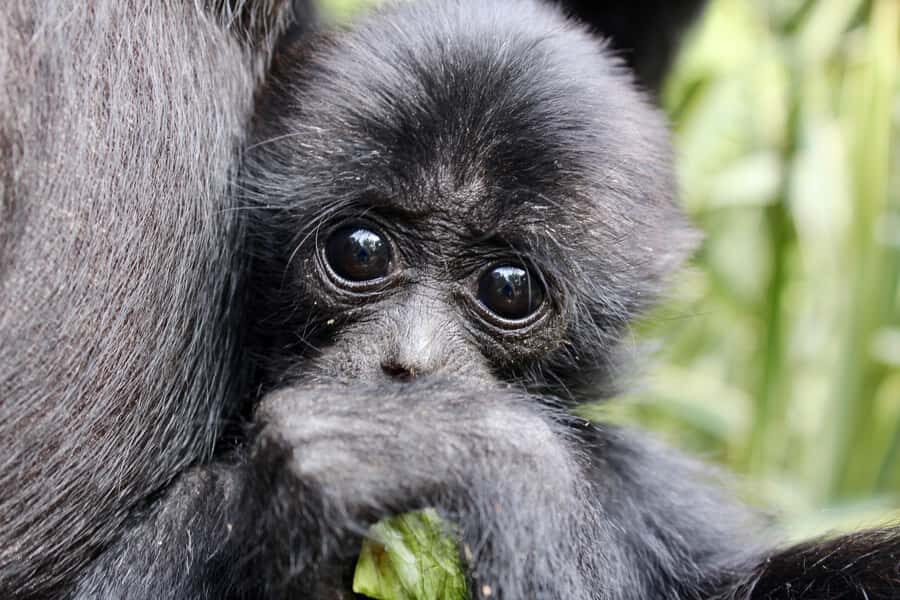
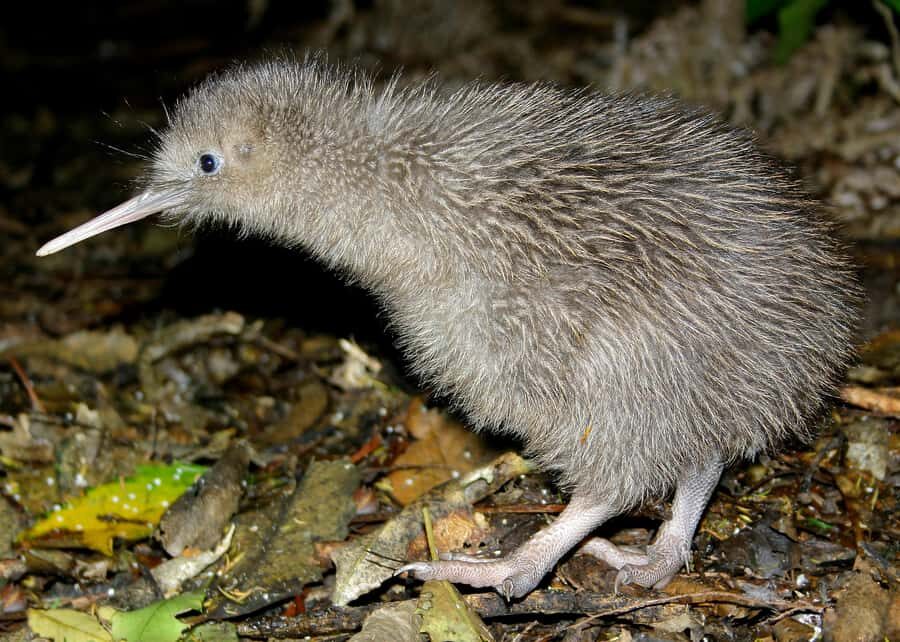
The Kiwi Nocturnal House is the star of Willowbank. It’s not just a dark room with a couple of silhouettes. The viewing facility is designed specifically for visibility, and you’re guaranteed to see kiwi. The experience is also geared to reduce barriers—again, no glass.
Even if you’re not a “night creatures” person, the framing helps. You get to focus on animal behavior rather than fighting with a pane of glass or trying to spot a bird from across a tank. This is the kind of place where you can feel calmer, watching at an animal’s pace.
Bring your patience for the pacing. Kiwi aren’t performing on cue. But the whole set-up is made so your time still lands on the birds you came for.
The alpine kea enclosure: up close with New Zealand attitude
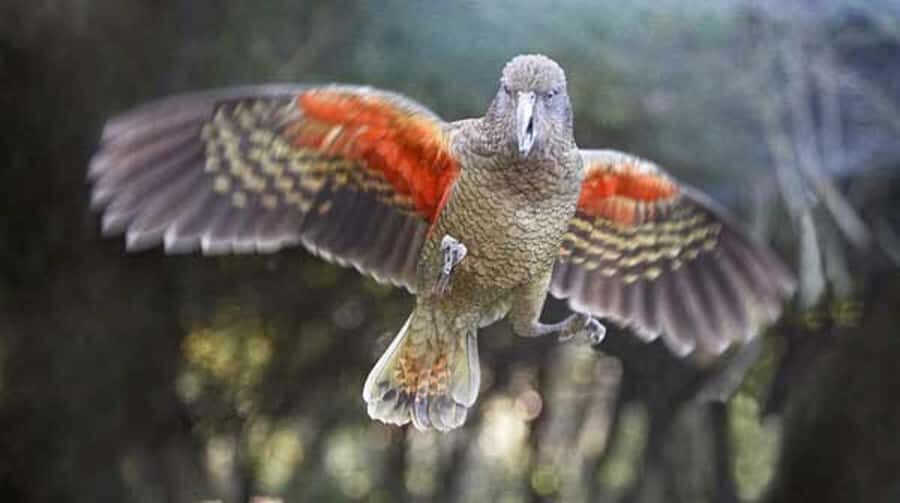
Next up is one of the most memorable enclosures on the grounds: the massive kea enclosure. Kea are famous for being curious, bold, and a little mischievous—an alpine parrot that doesn’t act like the average bird.
Walking alongside a large kea space is one of those “I get it now” wildlife moments. Instead of only seeing kea from behind thick separation, you’re in the environment where their behavior is easier to notice. You also get the benefit of being able to watch without rushing: the reserve gives you time to circle back and re-check what you missed.
If you’re traveling with kids, kea are often a winning draw because they feel active and characterful. If you’re traveling solo or as a couple, kea give you that quick emotional payoff that makes the rest of the reserve feel extra worth it.
Tuatara, takahe, and kaka: when the reserve gets serious
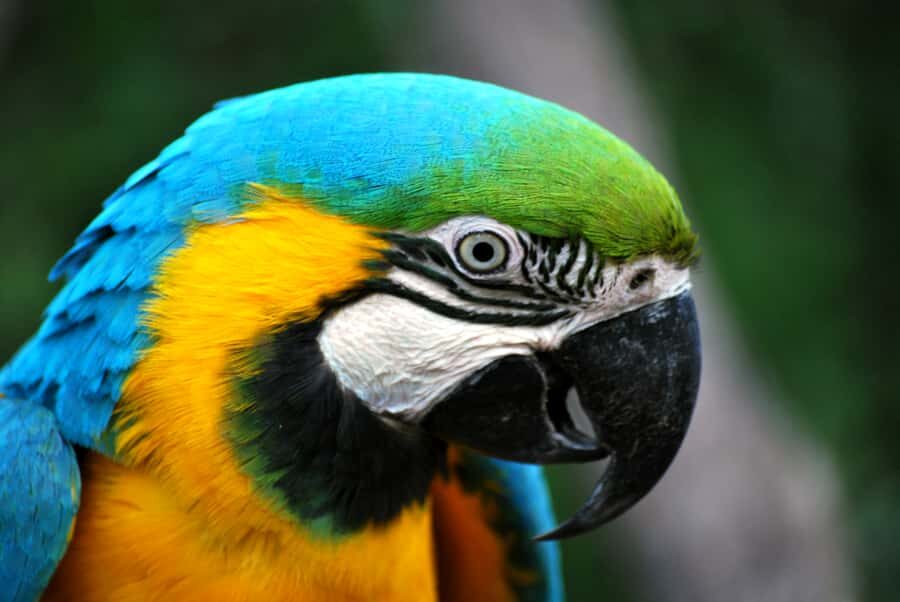
The Big 5 concept comes alive once you start shifting from “wow, look at that bird” to “wait, this is rare.”
- Tuatura: Willowbank highlights the tuatara as the world’s only living dinosaur. That’s a mind-bending label, but what you’ll likely appreciate is the chance to see a species that feels truly distinct from the rest of the avian world.
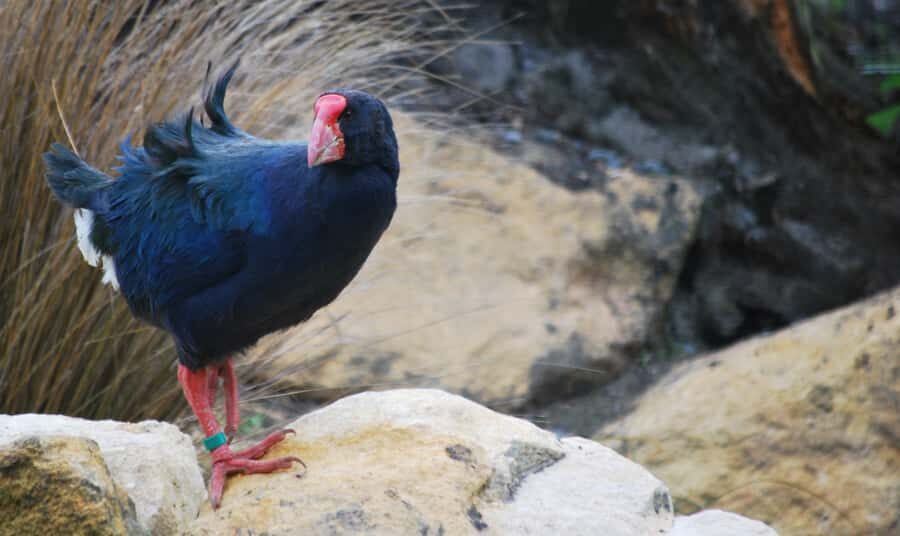
- Takahe: This is presented as one of the rarest birds in the world. Seeing it in a dedicated reserve environment is one way to understand why conservation work matters beyond a simple animal photo.
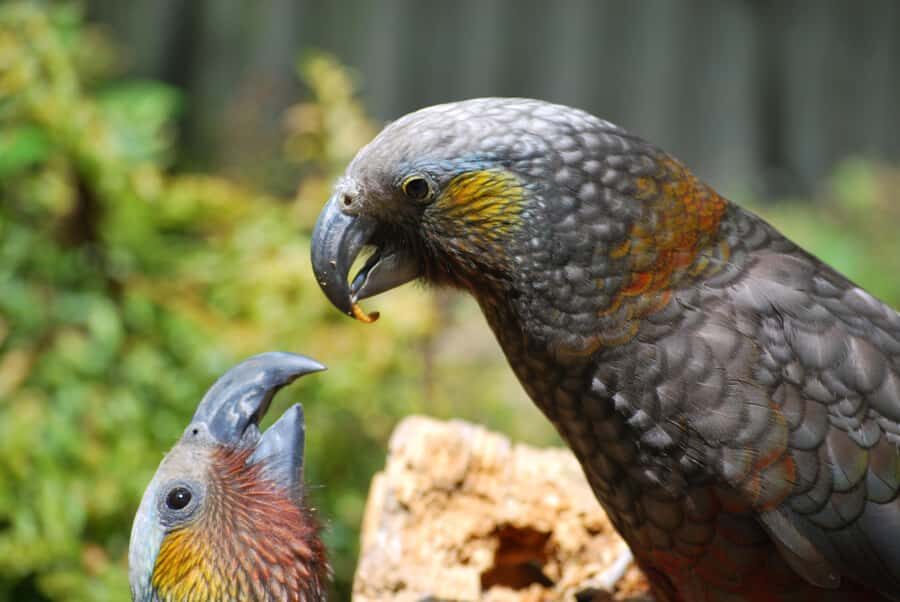
- Kaka: The reserve also showcases kaka, a rare bush parrot. Even if you’re not familiar with it now, you’ll probably leave remembering the name and wanting to read more later.
What makes these stops valuable is that they’re not just “look, there’s an animal.” They’re framed as part of New Zealand’s conservation story. The reserve is involved in conservation efforts, and the grounds are built to help you connect endangered wildlife with real-world protection.
The farm walk and hand-feeding: fun, but do it thoughtfully
One of Willowbank’s strongest advantages is that it doesn’t stay purely in animal-enclosure mode. You also get a unique farm experience as you wander the grounds.
Hand-feeding is optional, and food for hand feeding can be purchased for a small cost on the day for the farm animals, wild eels, and birds you encounter. This is where your visit becomes more interactive. You’re not just looking through barriers—you’re participating in a safe, controlled way that brings you closer to how these animals move and respond.
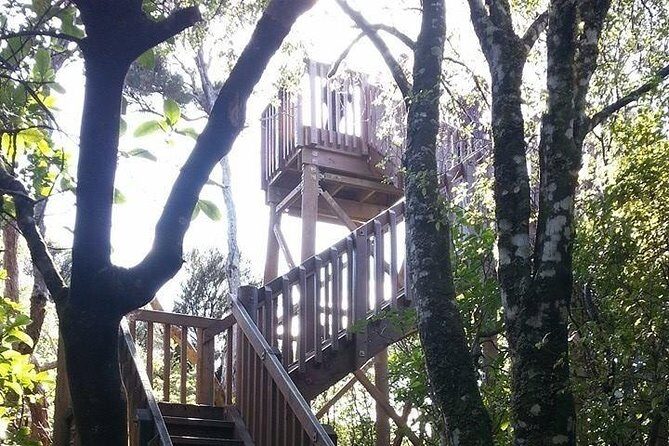
There’s also a simple pleasure in the walk itself. You can relax and take breaks, including time overlooking the deer paddock. In winter, the onsite ambience gets extra cozy with a roaring open fire by the end of your exploring loop.
The best approach is to treat the feeding as part of the education, not a stunt. Use the hand-feeding moments when you’re close and calm, and watch staff cues. That keeps it enjoyable for you and safer for the animals.
Cafe breaks, restrooms, and keeping the day comfortable
Wildlife reserves are great, but they can make you forget time. Willowbank helps you avoid that problem with practical downtime: there’s an onsite cafe and bar where you can take a break before, during, or after your reserve walk.
If you’re traveling with kids (or anyone who gets restless), this kind of stop matters. It turns the visit from a continuous shuffle into something more like a real half-day outing with breaks. The deer paddock view is another small but useful feature—an easy place to pause and reset.
If it’s raining, the reserve is still a solid choice, but wear weather-appropriate clothing and sensible footwear. The experience is outdoor-walk heavy, so comfort helps you enjoy the animal time instead of thinking about your shoes.
Location and logistics: why Willowbank fits Christchurch travel days
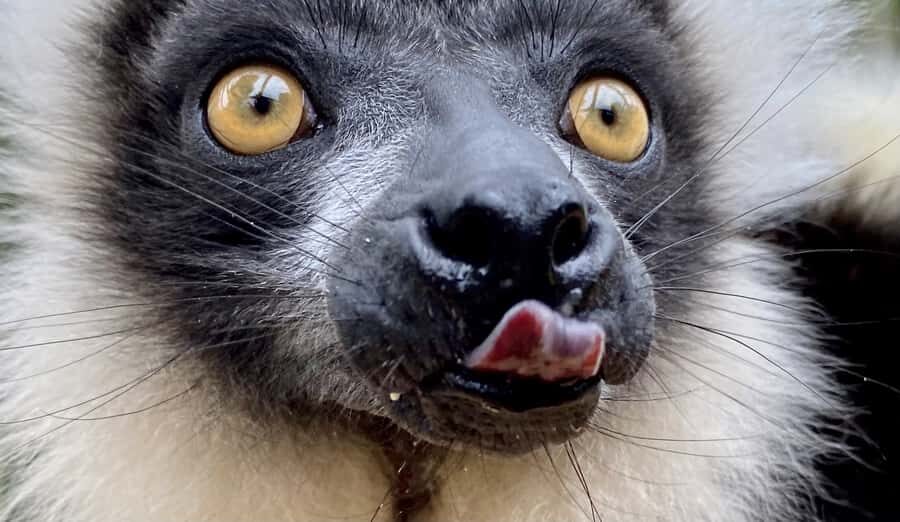
Willowbank’s location makes it a low-friction option. You’re about 5 minutes from Christchurch Airport and roughly 20 minutes from the Christchurch CBD, which means you can slot it in without complicated planning.
That’s a big deal when you’re optimizing a short trip. Many Christchurch activities are spread out. Willowbank is concentrated and easy to reach, so you spend less time commuting and more time watching wildlife.
The meeting point is straightforward: Willowbank Wildlife Reserve, 60 Hussey Road, Northwood, Christchurch.
If you’re staying near the city or flying in and out, this is the kind of reserve ticket that helps you get a memorable experience without turning your day into a logistics puzzle.
Who this ticket is best for (and who may want a different plan)
Willowbank works for a lot of people, but it’s especially strong for three groups:
- Families who want a wildlife day that includes both enclosures and a hands-on farm-feeding element.
- Kiwi-focused visitors who want a realistic chance of seeing kiwi, not just hoping.
- Nature lovers with limited time in Christchurch who want multiple species without hopping between distant areas.
You might consider a different plan if you’re the type who prefers long, slow hikes or you want minimal walking. This is more of a walk-and-watch reserve experience, and it’s designed to fill about four hours.
Wheelchair accessibility is noted, so if mobility is a concern, you’ll likely find the layout workable. The reserve is designed for a range of visitors, and the experience is suitable for all ages.
Value: why $21 for 4 hours can feel like a bargain
At $21 per person, the ticket is easy to justify, especially given what’s included. Your entry includes the reserve experience plus guaranteed kiwi viewing.
That guarantee changes the value equation. In wildlife experiences, the hardest part is uncertainty. Here, the kiwi part is built into the ticket as a core inclusion. Add the chance to see the Big 5, plus the farm walk and optional hand-feeding, and you get a lot for one half-day slot.
You’ll also likely spend a bit extra if you choose to buy food for hand-feeding, but even that doesn’t radically change the overall math. The reserve is already structured so you can enjoy the wildlife without needing lots of add-ons.
If you’re counting every activity cost during a New Zealand trip, Willowbank is the kind of stop that tends to feel sensible. Not flashy. Not complicated. Just good value for real animal time.
A few practical tips to help your visit go smoothly
These are small choices, but they make a difference:
- If kiwi is non-negotiable, build your timing around the Kiwi Nocturnal House open time (10:30 AM daily).
- Wear sensible footwear. The reserve is outdoor walking with enclosures between stops.
- Plan for optional hand-feeding food you can purchase on the day. It’s not required, but it can be a highlight.
- Use the cafe/bar as a checkpoint if you’re traveling with kids or anyone who needs a break.
- Keep expectations flexible for animal behavior. Kiwi and some other species aren’t going to perform on schedule, but the setup is designed so your time still pays off.
The staff are also clearly a big part of the experience vibe—people appreciate how friendly and helpful the team is. That matters in a reserve setting where you may want quick answers about where to go next.
Should you book the Willowbank Wildlife Reserve Day Entry Ticket?
If you want one Christchurch wildlife outing that delivers real variety fast, I’d book Willowbank. The biggest reason is the guaranteed kiwi viewing with no glass. That’s the kind of inclusion that removes stress from a destination that can be unpredictable.
You should also book if the idea of seeing keа, kaka, takahe, tuatara, and kiwi in one place appeals to you. The reserve makes conservation feel practical—something you can learn from while you watch.
Skip it only if you’re looking for a long hiking day or a purely indoor museum-style experience. Willowbank is a walk-and-watch reserve with farm interaction, and the best results come from embracing that format.
Quick note on flexibility: plans can change, and the ticket information includes free cancellation up to 24 hours in advance with a full refund, plus a reserve-and-pay-later option.
FAQ
Where is the meeting point for Willowbank Wildlife Reserve?
The meeting point is Willowbank Wildlife Reserve, 60 Hussey Road, Northwood, Christchurch, New Zealand.
How long is the Willowbank Wildlife Reserve day entry ticket?
The duration is listed as 4 hours. You’ll be able to choose a starting time based on availability.
Is kiwi viewing guaranteed, and when is the Kiwi Nocturnal House open?
Kiwi viewing is guaranteed. The Kiwi Nocturnal House is open from 10:30 AM daily.
What wildlife is included in New Zealand’s Big 5 at Willowbank?
The reserve highlights New Zealand’s Big 5 native wildlife as kea, kaka, takahe, tuatara, and kiwi.
Can I buy food for hand-feeding the animals?
Yes. Food for hand feeding can be purchased for a small cost on the day for the farm animals, wild eels, and birds as you wander the grounds.
What are the reserve’s opening hours and is cancellation available?
Willowbank is open daily from 9:30 AM until 5:00 PM, except Christmas Day we are closed. The ticket also includes free cancellation up to 24 hours in advance for a full refund.