REVIEW · NELSON
18,000ft Tandem Skydive over Abel Tasman
Book on Viator →Operated by Skydive Abel Tasman · Bookable on Viator
Skydiving over Abel Tasman is pure wow. I love the big, panoramic views over Abel Tasman and beyond, and I also love how everything runs like a simple plan—flight to jump handled for you. One thing to think about: the freefall can feel cold, so you may want extra face/heat protection advice, especially if you’re older.
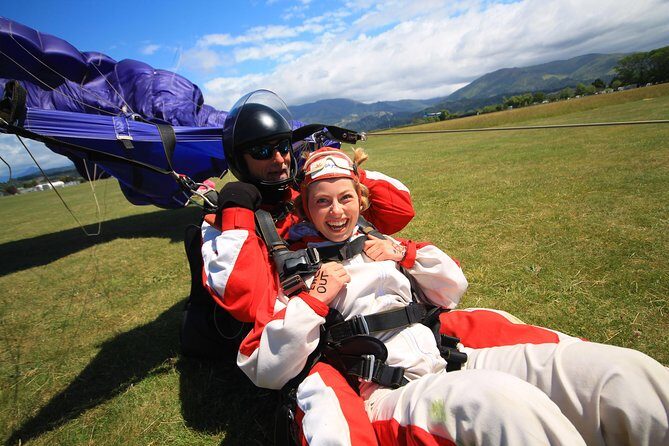
You’ll rise to 18,000ft on a tandem setup with an instructor attached from start to finish. Once you’re in position, you get freefall for up to 80 seconds, then your instructor deploys the parachute for a calmer, float-down back to earth.
This is also a practical choice if you want the thrill without DIY stress. The day starts from a central Nelson meeting point, and the group size is capped at 8 travelers, which usually means less waiting and more attention to your jump order and briefing.
In This Review
- Key Things to Know Before You Jump
- The 18,000-Foot Angle: Why This Jump Is About the Views First
- Nelson Morning Setup: Meeting Point, Pickup, and a Tight Group
- From Motueka to the Plane: How the Day Feels Before Takeoff
- Inside the Plane Ride Over Abel Tasman: The Build-Up You’ll Want to Watch
- Freefall Up to 80 Seconds: Cold Air and How to Stay Focused
- Parachute Time Over National Parks: When You Can Finally Look Around
- Photography Package: Optional, But Think About It Beforehand
- Tandem Instructor Control: Why This Feels Safer Than DIY
- Price and Value: Is $1,080 Fair for a 15-Minute Experience?
- Weather and Practical Rules: The Stuff That Can Affect Your Day
- Who Should Book This Skydive Over Abel Tasman?
- Should You Book This Skydive?
- FAQ
- Where does the skydive start and end?
- How long is the experience?
- How high is the skydive?
- How long is the freefall?
- Is the jump done with an instructor?
- Is hotel pickup included?
- Is the photography package included?
- What happens if the weather is poor?
Key Things to Know Before You Jump
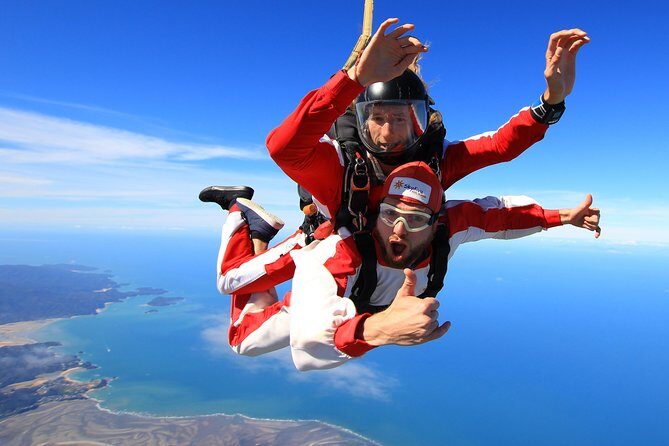
- 18,000ft tandem skydive with freefall lasting up to 80 seconds
- Abel Tasman views plus Mount Arthur on show, with claims of seeing both islands from the air
- Small group size (max 8 travelers), so you’re not shuffled around in a crowd
- Tandem instructor leads the entire jump, making it ideal for first-timers
- Optional photography package if you want a ready-made memory without dealing with camera timing
- Plan for cool air during freefall; ask about face/eye protection
The 18,000-Foot Angle: Why This Jump Is About the Views First
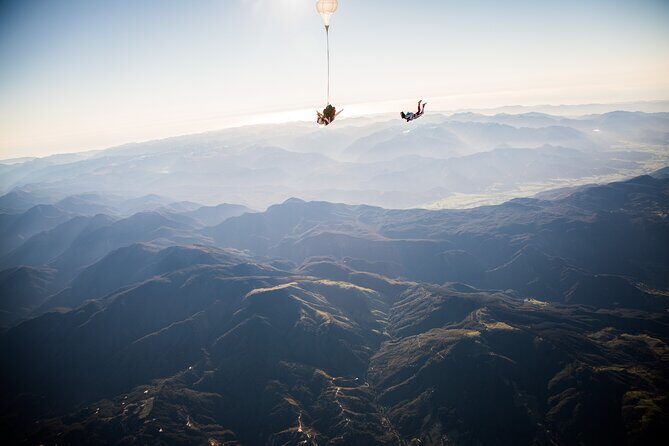
This skydive is built for people who want scenery more than they want trivia. From the sky, you get sweeping views over Abel Tasman National Park’s peaks and coastline, and you’ll also see Mount Arthur during the ride and descent. It’s the kind of experience where the landscape matters because it shapes what you notice when you’re looking out the door.
There’s also a special hook here: the operator positions this drop zone as one where you can view two national parks from above, and they also market the chance to see both islands from the air. Whether you think that sounds too good to be true or exactly what you want, the point for you is simple: you’re paying for a jump where the scenery is part of the product, not a bonus.
The timing of the experience also helps. A lot of skydiving experiences feel like “then this happens, then that happens.” This one is quick on the ground and then focuses on the sky time—flight views, brief freefall, then a longer look-around under parachute.
You can also read our reviews of more tours and experiences in Nelson.
Nelson Morning Setup: Meeting Point, Pickup, and a Tight Group
Your day starts back in Nelson, at a central meeting point. If you’re staying in the city, this is a nice change from tours that make you drive all over to meet someone—Nelson is easy to reach and you’ll be near public transportation.
There’s limited hotel pickup, but it’s only for selected hotels. So if you’re not sure whether your accommodation is included, double-check ahead of time and be ready to make your way to the Nelson meeting point yourself if needed.
The operation keeps the group small: up to 8 travelers. That matters more than it sounds. With fewer people, you’re more likely to get clear communication about when you’ll go, and the whole process tends to feel smoother instead of rushed.
From Motueka to the Plane: How the Day Feels Before Takeoff
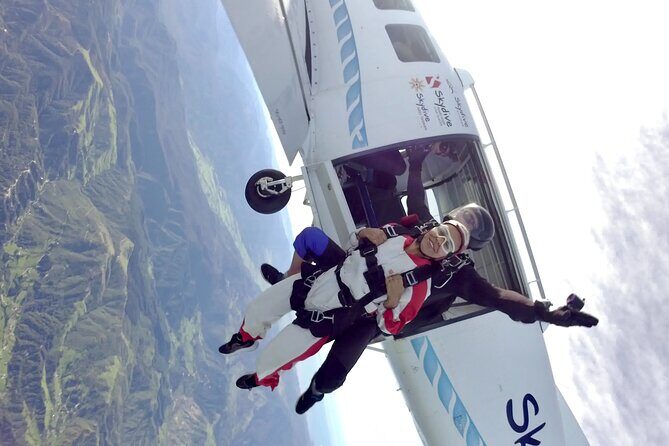
Even though you meet in Nelson, the drop zone is tied to central Motueka. In practical terms, that means you’re getting transferred from the city base to the jumping area, then brought into the pre-jump flow.
Tandem skydive logistics are the reason this is such a relief for first-timers. You don’t have to research equipment, figure out training steps, or manage the timing yourself. An instructor handles the core job—your job is to listen, follow directions, and get ready for the moment.
There is also a safety admin piece you should take seriously: you must share your passenger weight at booking, and the maximum is 220 lbs (100 kg). This isn’t the kind of detail you want to improvise. If you’re hovering near the limit, sort it out early so you don’t risk last-minute complications.
Inside the Plane Ride Over Abel Tasman: The Build-Up You’ll Want to Watch
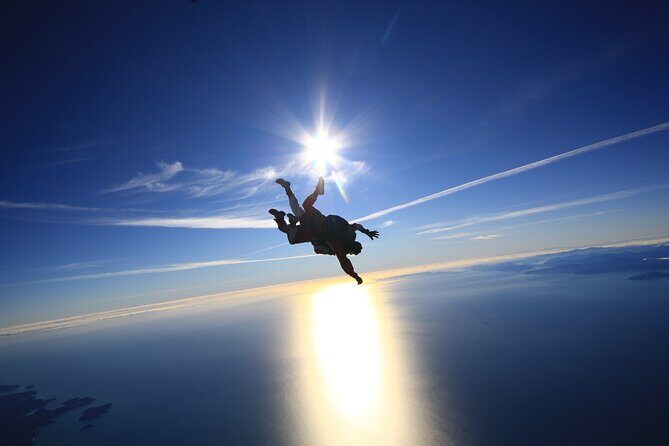
Boarding the aircraft is where the experience starts to feel real. You’ll take in sweeping scenery before you jump, including Abel Tasman’s peaks and coastline from above. For a lot of people, the emotional payoff starts here—before you jump, you’re already impressed.
The ride also sets you up to look intelligently instead of just screaming at the view. When you’re up there, keep your eyes on the coastline and the shape of the terrain. It’s the best time to understand what you’re seeing, because freefall is so fast you won’t get that clarity later.
The operator highlights that this drop zone can show views of both islands from the sky. That’s not something you can control, but it tells you the flight path is chosen for scenery. Even if your exact sightlines vary, the underlying idea stays the same: you’re going up for a reason, and that reason is what’s under you.
Freefall Up to 80 Seconds: Cold Air and How to Stay Focused
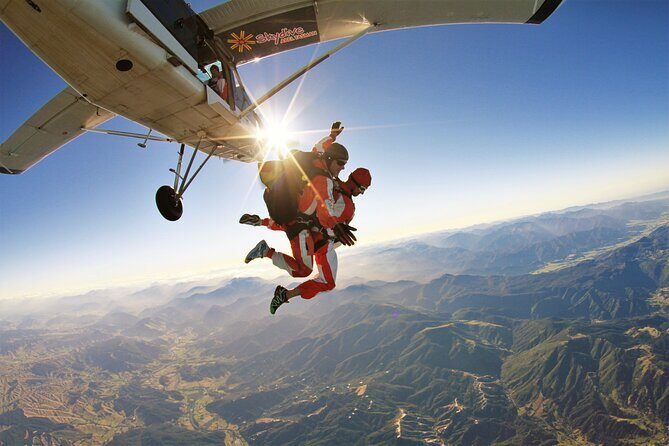
The main thrill is the freefall: up to 80 seconds. That’s long enough to feel the adrenaline spike and still short enough that you’re not stuck in the moment forever. Most importantly, you’re not doing anything complicated while it happens—you’re in a tandem setup, with your instructor in control.
One caution that really stood out is comfort in colder air. A past participant specifically said they found the freefall unpleasant because they probably needed more protection for the cold, even calling out a need for a helmet. Another person strongly recommended face protection, especially for older clients. So treat comfort prep as part of the plan.
What should you do with that? Ask the staff what they provide for warmth and face protection, and what they recommend you wear. Even if you’re not “cold sensitive,” freefall can feel harsher than you expect because you’re moving fast and exposed for longer than a quick thrill ride.

Parachute Time Over National Parks: When You Can Finally Look Around
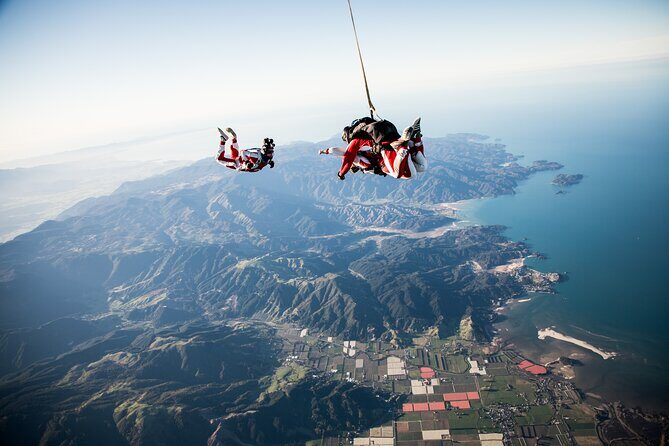
After freefall, your instructor deploys the parachute. This is the shift you’ll feel immediately: the speed drops, your body relaxes, and the view becomes the main event. Instead of a blur, you get time to track features—coastline lines, mountain shapes, and the overall layout of Abel Tasman National Park from above.
This is also where you’ll notice the full “two parks” pitch. You’re not just getting a vertical drop—you’re getting a guided, scenic flight experience that includes a calmer glide back down. With your instructor steering, you can focus on looking out instead of worrying about what’s next.
Because parachute time is steadier, it’s the part where a photography package (if you buy one) tends to make more sense. The instructor is managing flight and safety, so the camera work can focus on capturing you against the scenery rather than scrambling to keep up.
Photography Package: Optional, But Think About It Beforehand
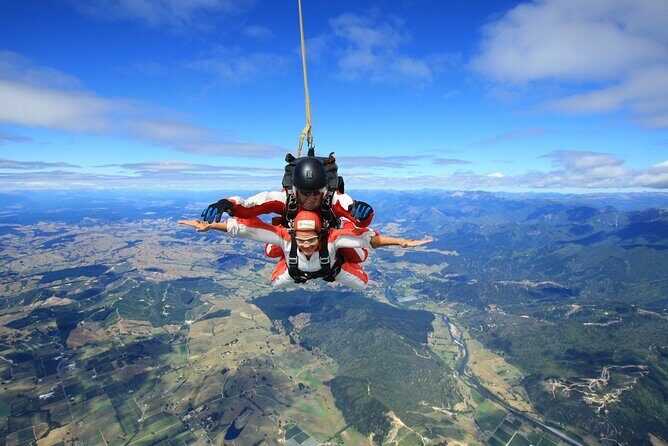
Photography is available as an add-on, but it’s not included. That means you’re choosing between paying for processed memories or taking your own photos and living with whatever you manage from the air.
Here’s my practical take: if you’re the type who wants one less thing to think about, the package can be worth it. With tandem skydiving, you have enough to manage—listening, boarding, positioning—so outsourcing the “did my camera actually capture anything?” stress can feel like value.
On the flip side, if you’re traveling light and want to keep costs down, you can skip it and still get the emotional memory. The views and the tandem instructor experience are the core product here, not the camera product.
Either way, decide before you show up. Waiting until the day-of often turns into a rushed choice while you’re trying to stay calm.
Tandem Instructor Control: Why This Feels Safer Than DIY
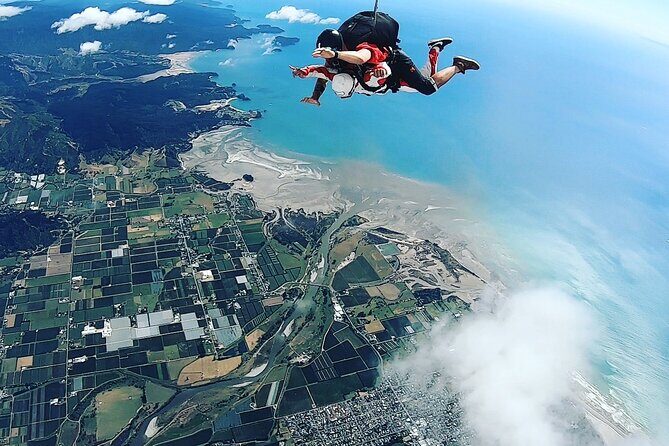
What makes this experience work for most people is that it’s not a solo planning project. You go tandem with an instructor who leads the jump, handles the technical parts, and guides you through the sequence.
The staff approach also matters. One strong theme from participant feedback is that the team is friendly and professional, with instructors who are helpful and informative. People also noted they’re told when they’ll jump and whether they’re next in line, which is a small detail that makes a big difference to your nerves.
You’ll want that clarity. Skydiving can be intimidating if the process feels vague. When you know what stage you’re in—briefing, boarding, waiting, jumping—it helps your brain stay steady.
Also, tandem is ideal if you’ve never done it before. You don’t need training, you just need to show up, listen, and follow directions. That’s the value of choosing a drop zone that handles all the moving pieces.
Price and Value: Is $1,080 Fair for a 15-Minute Experience?
Let’s talk money honestly. At $1,080, this isn’t a bargain. It’s a premium activity price, and the question is whether you’re paying for something you can’t easily replace elsewhere.
You are paying for:
- Aircraft flight to 18,000ft
- Tandem instructor time and jump operations
- Safety equipment and a staffed drop zone
- The specific scenic route over Abel Tasman with major views, including Mount Arthur and the claim of two national parks
The duration is about 15 minutes (approx.), but remember what that usually means in skydiving: a short, concentrated window where the “product” is the vertical jump sequence and the air time, not a long walking tour.
So when does it feel like value? If you’re set on skydiving and you want the kind of jump where the scenery is doing heavy lifting, this can be a strong choice. If you just want a “bucket list moment” and you’re price-sensitive, it may be hard to justify.
Also consider the optional photo package cost on top. If you buy it, your total spend rises, but you may gain a memory you don’t have to create yourself in a chaotic moment.
Weather and Practical Rules: The Stuff That Can Affect Your Day
This experience requires good weather. That matters because skydiving isn’t just a weather preference—it can become impossible or unsafe when conditions are wrong. The good news is that if the operator cancels due to poor weather, you’ll be offered a different date or a full refund.
There’s also a clear weight requirement (220 lbs / 100 kg). If you’re within range, you’ll be fine, but don’t ignore it. The operator needs your weight at booking so equipment and safety planning are right.
Timing-wise, the activity operates within a daily window from 8:00 AM to 5:00 PM. So you’re picking a morning or afternoon slot. If you’re planning other Nelson activities, leave breathing room in your schedule because weather and jump order can shift your exact experience time.
Who Should Book This Skydive Over Abel Tasman?
This is a great fit if you want:
- A first-time tandem experience without DIY stress
- A skydive with a strong chance of major scenery over Abel Tasman National Park
- A small group setup (max 8) where communication is likely clearer
It’s also a smart choice if you care about professionalism. People specifically highlighted the instructors as professional yet friendly and informative, with a safety feeling that comes from knowing what’s happening and who’s in charge.
I’d pay extra attention to comfort if you’re prone to feeling cold or if you’re an older client. The feedback calling out face protection and cold freefall means you should ask what protection is available and what they recommend you wear.
Finally, consider this if you’re doing a New Zealand trip where you want one headline adrenaline experience. Nelson and the Abel Tasman region give you that mix of dramatic nature and a world-class activity, with the logistics handled for you.
Should You Book This Skydive?
If you’re excited by the idea of jumping from 18,000ft with up to 80 seconds of freefall and then floating down over Abel Tasman scenery, I think this is worth serious consideration. The combination of scenic payoff, tandem simplicity, and a small group setup adds up to a smoother day than trying to organize a jump on your own.
I’d only hesitate if $1,080 feels too steep for your budget, or if cold-weather comfort is a big concern and you’re not willing to ask staff about face/heat protection. If you handle those two points, you’re set up for an experience that’s mostly sky, mostly views, and very guided.
FAQ
Where does the skydive start and end?
The skydive starts in Nelson and ends back at the meeting point.
How long is the experience?
It runs for about 15 minutes (approx.).
How high is the skydive?
You jump from 18,000ft.
How long is the freefall?
Freefall is up to 80 seconds.
Is the jump done with an instructor?
Yes. This is a tandem skydive, and an instructor leads the experience.
Is hotel pickup included?
Limited hotel pickup and drop-off are available for selected hotels only.
Is the photography package included?
No. The photography package is available to purchase separately.
What happens if the weather is poor?
The experience requires good weather. If it’s canceled due to poor weather, you’ll be offered a different date or a full refund.