REVIEW · MOUNT COOK
Mount Cook: Scenic Helicopter Flight with Alpine Landing
Book on GetYourGuide →Operated by INFLITE Mt Cook Ski Planes & Helicopters · Bookable on GetYourGuide
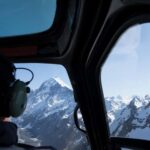
Helicopter landings in Mt Cook feel unreal. This short flight turns the sky into your viewpoint, with a scenic route up the Tasman Valley and an alpine landing aimed right toward Aoraki/Mount Cook. I love the up-close flying time you get for the money, plus the pilot’s in-the-moment guidance so the scenery makes sense instead of being just “wow.”
I also like that you actually step onto the mountain surface and take in the views after landing, not just look out a window. The one drawback to factor in: snow landings can’t be guaranteed all year, especially in summer when snowfall is lower.
In This Review
- Key things that make this flight worth your time
- Why a Mt Cook helicopter alpine landing beats a quick sightseeing stop
- What happens at Mount Cook Aerodrome before you ever lift off
- The sky route: Tasman Valley and glacier lake views you can’t get on foot
- The alpine landing: what it’s like after the helicopter touches down
- Pilots, narration, and getting the best seat for the view
- Price and value: $226 for 25 minutes that actually adds up
- Who this helicopter flight is best for (and who should skip it)
- Quick practical checklist before you go
- Should you book this Mt Cook helicopter with alpine landing?
- FAQ
- How long is the Mt Cook helicopter flight?
- Where do I meet for the tour?
- Is the snow or alpine landing guaranteed year-round?
- How many people are in the group, and is narration included?
- What should I bring, and are bags allowed?
- What happens if weather cancels the flight?
Key things that make this flight worth your time
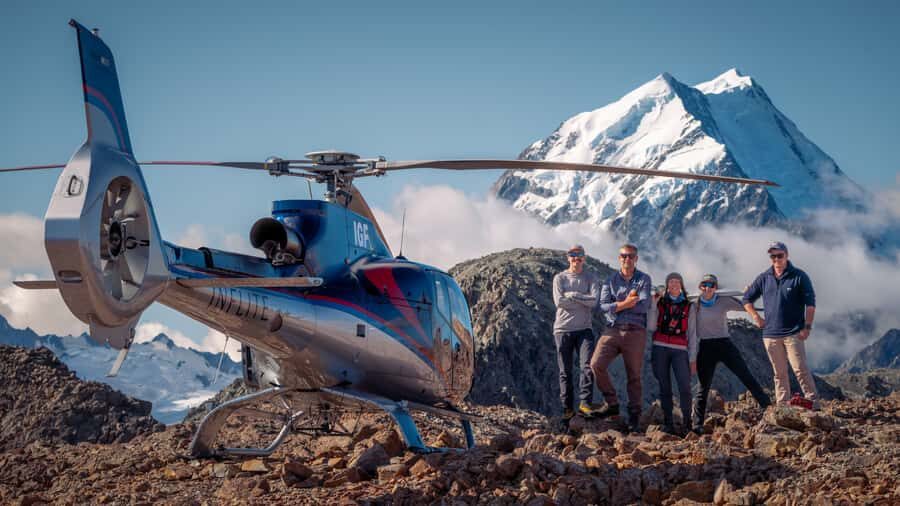
- Alpine landing near Aoraki/Mt Cook National Park instead of only hovering overhead
- Tasman Valley + glacier lake views from a flight path you can’t replicate from the road
- Pilot commentary in English that helps you spot what you’re seeing
- Small group size (max 6) for a calmer, more personal feel
- Camera-friendly flight where phone and camera use are allowed during the flight
- Weather flexibility with rescheduling if conditions don’t cooperate
Why a Mt Cook helicopter alpine landing beats a quick sightseeing stop
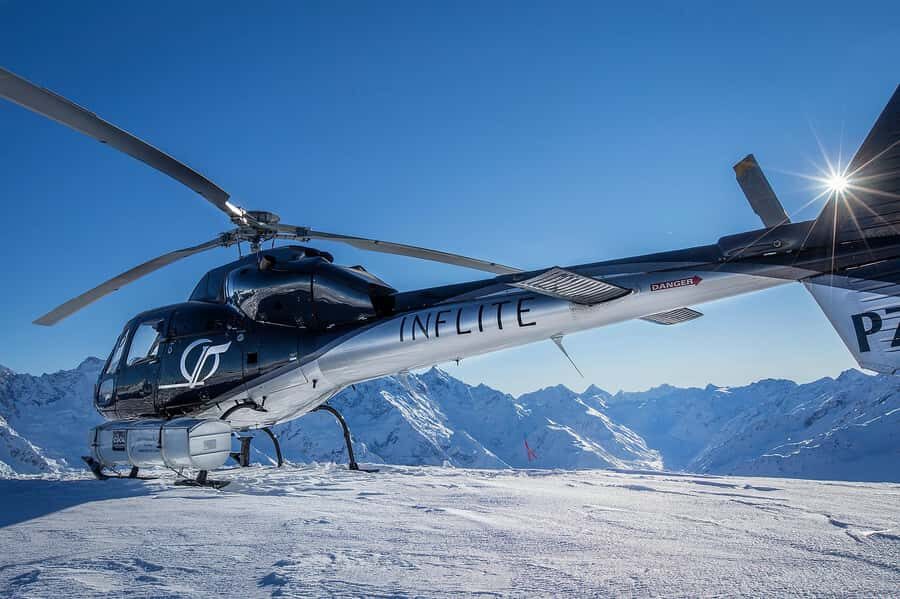
In the Mt Cook area, it’s easy to fill a day with hikes and viewpoints. This is different. Instead of earning views with hours on foot, you trade time for altitude. In just 25 minutes, you get a bird’s-eye tour of the Southern Alps, plus that rare moment when the helicopter sets down on an alpine spot.
What makes this option stand out is the combination of flight + landing. From the air, you can see the shape of valleys and the way glaciers carve the terrain. On the ground, you feel the scale in a more physical way—wind, cold air, and that close-up “I’m really here” feeling. One rider even noted the top time can be a meaningful chunk of the overall ride, not a quick photo-and-go.
It’s also built for people who don’t want to gamble a whole day. You’re not signing up for a long, weather-dependent trek. You’re booking a controlled, guided aerial experience that can be rescheduled when conditions require it.
A few more Mount Cook tours and experiences worth a look
What happens at Mount Cook Aerodrome before you ever lift off
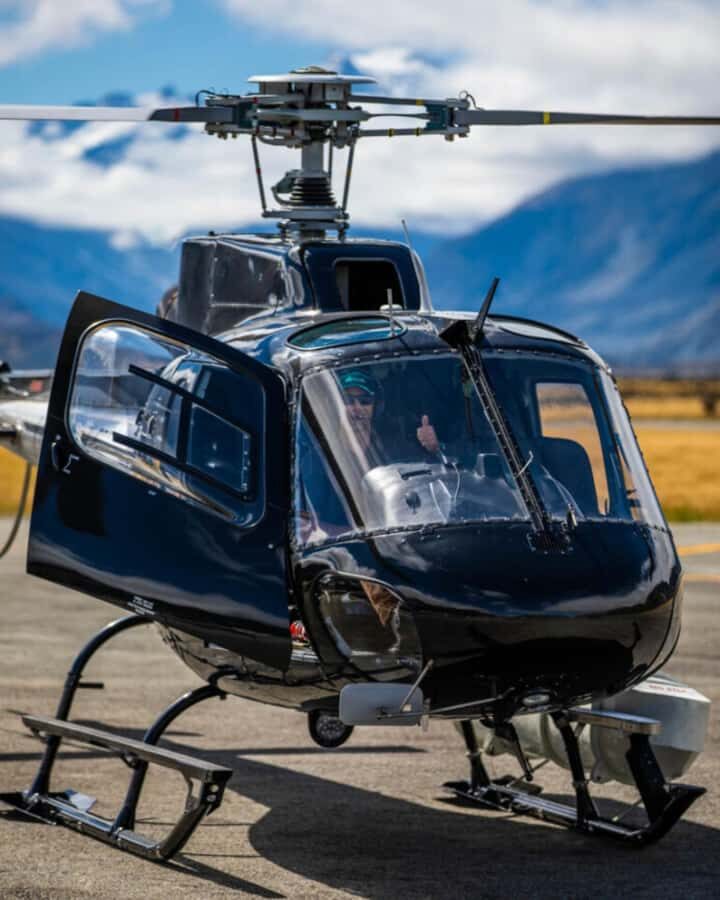
Your starting point is Mount Cook Aerodrome on Mount Cook Road (Mount Cook 7999). Plan to show up early. Check-in closes 45 minutes before departure, and that matters because aircraft weight limits and seating assignments are part of the process.
A few practical notes that you’ll want to follow:
- Bring sunglasses and closed-toe shoes.
- Bags aren’t allowed, so keep your load minimal.
- You can use your camera and phone during the flight.
- The tour is small group (limited to 6 participants) and the pilot provides live English commentary.
Weather is the other big reality check. You might get a reschedule if conditions don’t allow safe flight plans or a landing on snow. People reported clear communication and easy rebooking when the morning went sideways. Still, don’t book this as the single fixed “must-do” with no backup plans.
The sky route: Tasman Valley and glacier lake views you can’t get on foot
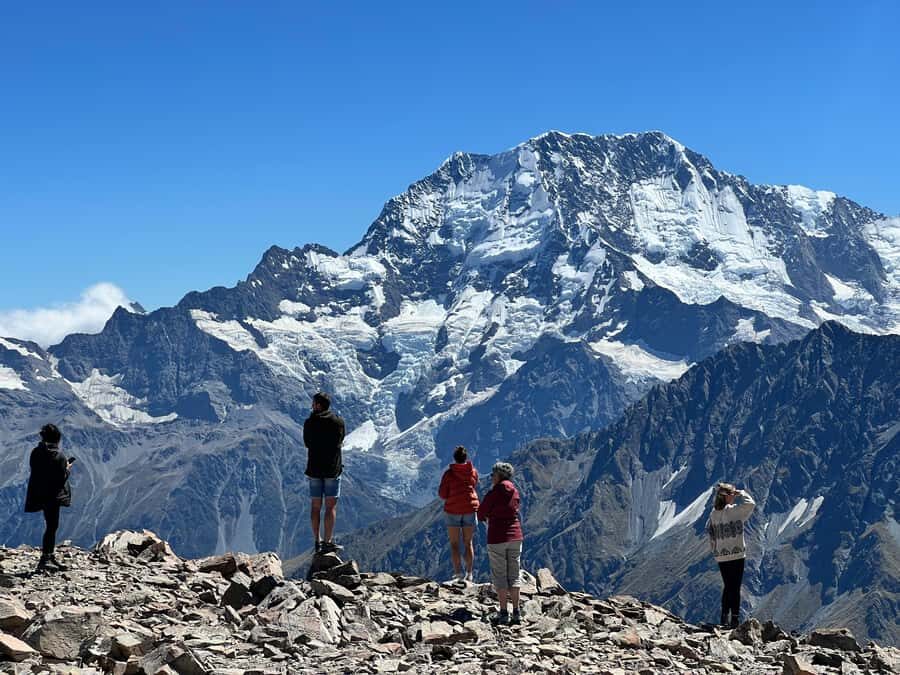
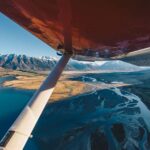
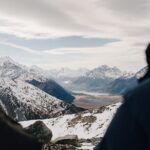
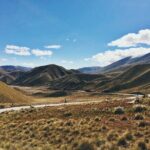
Once you’re in the air, the experience is all about angles. The flight route takes you through the Tasman Valley, then into views of a glacier lake—including that striking blue look you only really understand from above.
From a storytelling standpoint, this part is where you start to connect landmarks:
- The Tasman Valley shows you how the mountains channel weather and shape the “channels” of the region.
- The glacier lake makes the ice feel real—color, edges, and the way water sits against ice and rock.
This is where pilot skills matter. Riders mentioned pilots like Jake and Mark giving clear facts along the way, not just casual chatter. Others called out how pilots like Simon added both information and good humor, which helps when you’re watching your surroundings race past at helicopter speed.
If you’re the type who likes to photograph, remember the best shots often happen quickly—during the transition from valley to lake to the approach toward Mt Cook. Keep your camera ready, but don’t rush your view. Even with the short duration, you can still take in what you’re seeing before the next turn.
The alpine landing: what it’s like after the helicopter touches down
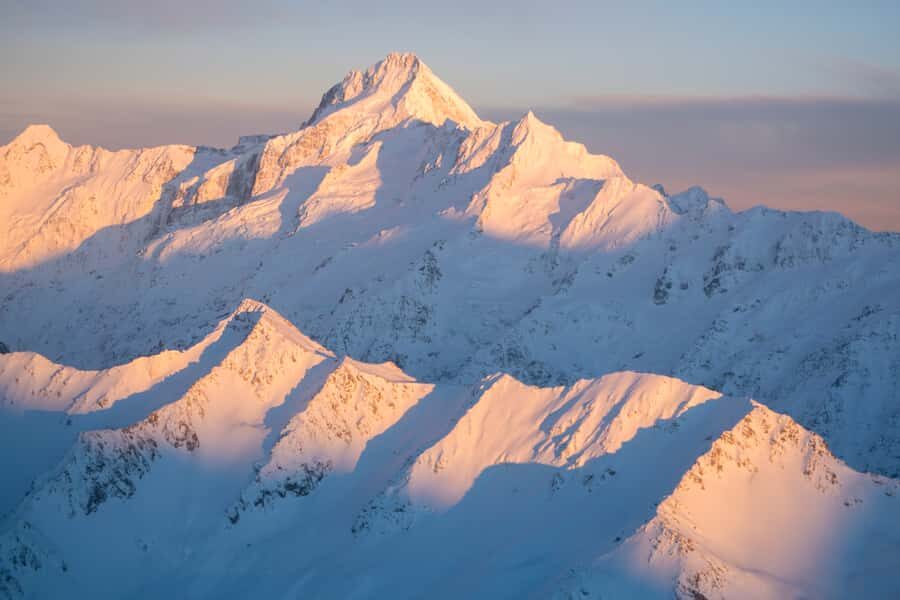
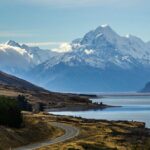
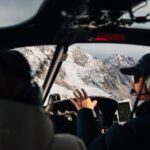
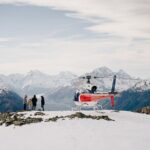
The headline moment is the alpine landing in the Mount Cook National Park area, with views looking toward Aoraki/Mt Cook. You’ll disembark and spend time at the elevated spot before returning to the helicopter.
A few details help you set expectations:
- Snow landing chances are very high (around 95% of the year), but not guaranteed all year round. Summer is the main challenge because snowfall can be lower.
- You should assume it can be cold and windy on top. One rider specifically noted the airport felt warm while the landing area was cold and windy—so layers are smart.
- There’s no cafe or facilities out there. It’s outdoors, photo time, and a quick stretch of “wow” before you head back.
How long you’ll have on the ground can vary by conditions and how the flight is managed. One traveler felt they spent about 15 minutes up top, which is long enough to get multiple photos and just stand there for a minute.
And yes, the landing itself is the point. Even if you’ve taken a helicopter before, this is the kind of landing that makes your brain stop doing normal travel math. You’re not just above mountains—you’re in the mountains.
Pilots, narration, and getting the best seat for the view
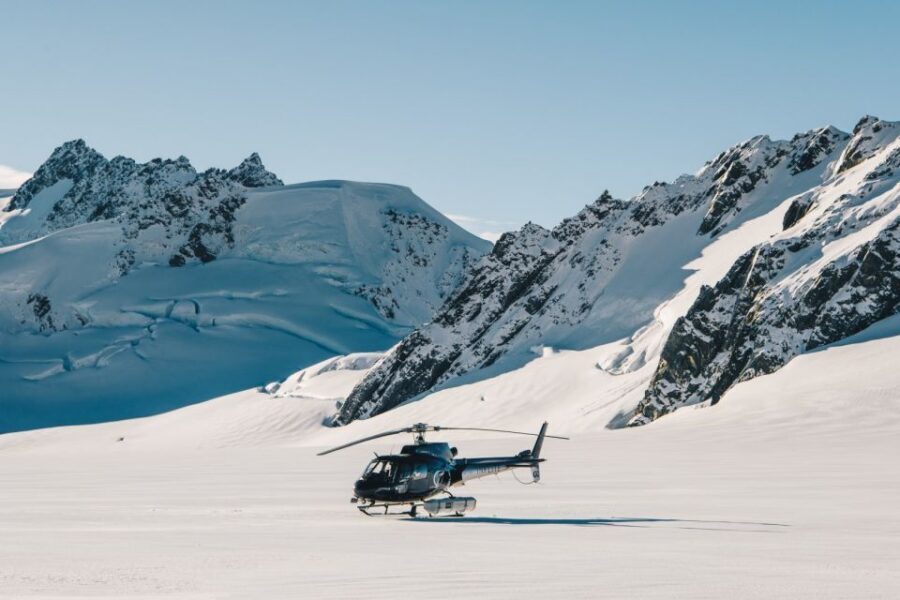
The flying is only half the equation. The other half is how the pilot turns the scenery into something you can actually read.
In the feedback, pilots were repeatedly praised for:
- Safety-first flying
- Clear, calm explanation of what you’re seeing
- Keeping the group comfortable during the landing
Names that came up include Jake, Simon, Mark, Will, Sam, Zippy, Dylan, Andrew, and Jordan. That variety matters: it suggests this isn’t a one-off situation. Different pilots still deliver the same overall standard—information with a friendly tone.
Seat position also changes the feel. One rider said they were lucky enough to sit in front, which improved their view. Another noted the back can feel cosier, with some people mentioning it felt tight when the aircraft wasn’t especially spacious.
Here’s the practical takeaway: if Mt Cook’s view is the main goal, prioritize any chance you get to be closer to the front of the cabin. If you’re traveling with someone and you want to sit together, keep in mind that seating isn’t always perfectly paired—one couple noted they didn’t sit together even though they still thought it was worth it for the front view.
Price and value: $226 for 25 minutes that actually adds up
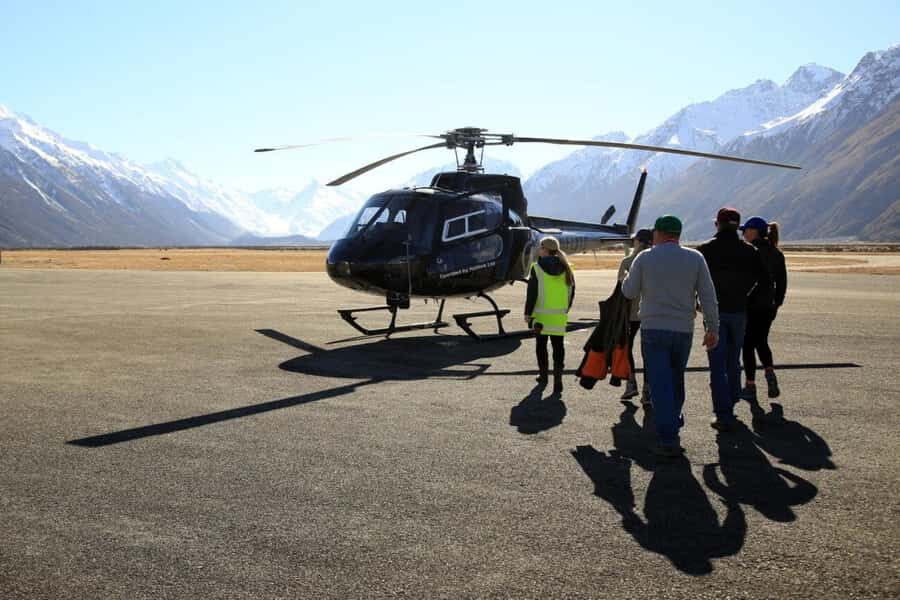
At $226 per person for a 25-minute flight, this isn’t “cheap.” One traveler even felt the time passed fast and questioned whether it was expensive compared with other options.
Here’s the value argument you can make with your own priorities:
- If your goal is maximum wow per hour, the helicopter wins. You’re buying altitude and access, not a longer time commitment.
- If your goal is time on ice and mountains as a main activity, this can still work because you do get a meaningful landing moment on top, not just a drive-by from the air.
- If you hate weather uncertainty, you’ll need to go in with flexibility. Snow landings aren’t guaranteed in every season, and weather can lead to rescheduling.
What you’re paying for is specialized flying plus an alpine landing that’s possible only with a capable aircraft and pilot team. That’s not the same as a standard scenic flight without a touchdown.
If your budget is tight, you might compare helicopter vs. ski-plane options. But based on how often people described this as a highlight, the practical message is clear: if you can afford it, this is one of those Mt Cook experiences that tends to feel worth it.
Who this helicopter flight is best for (and who should skip it)
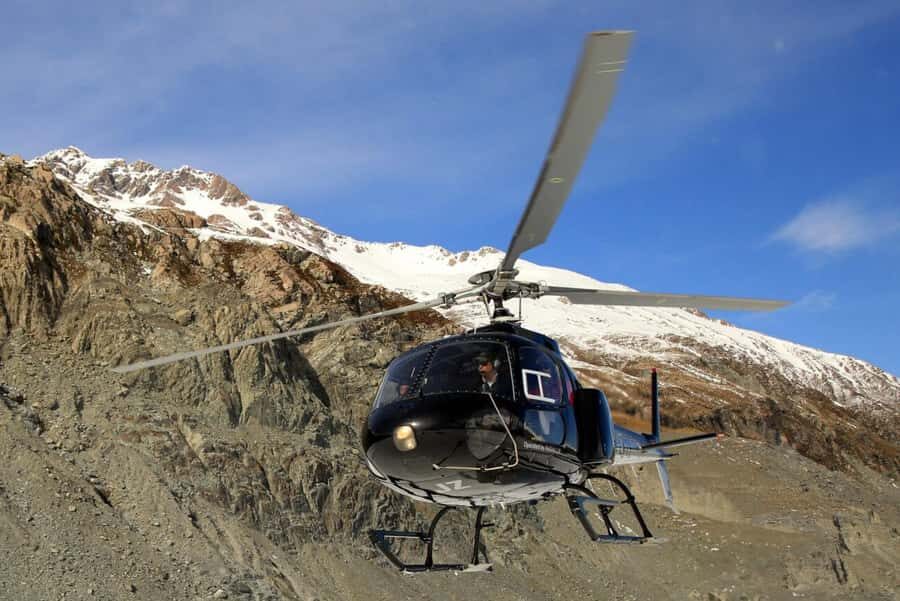
This tour suits you if:
- You want Aoraki/Mt Cook views from above and the chance to land on the alpine site.
- You like learning from the pilot, not just riding silently.
- You prefer a short, guided outing over a half-day hike.
It may not suit you if:
- You’re sensitive to tight space. Some riders noted the cabin can feel cosy.
- You’re expecting a guaranteed snow landing in every season. The year-round likelihood is high, but summer conditions can reduce chances.
- You’re above the aircraft weight and balance limits. The provided limit is 116 kg (255 lb), and it’s also noted as not suitable for people over 254 lb (115 kg).
Quick practical checklist before you go
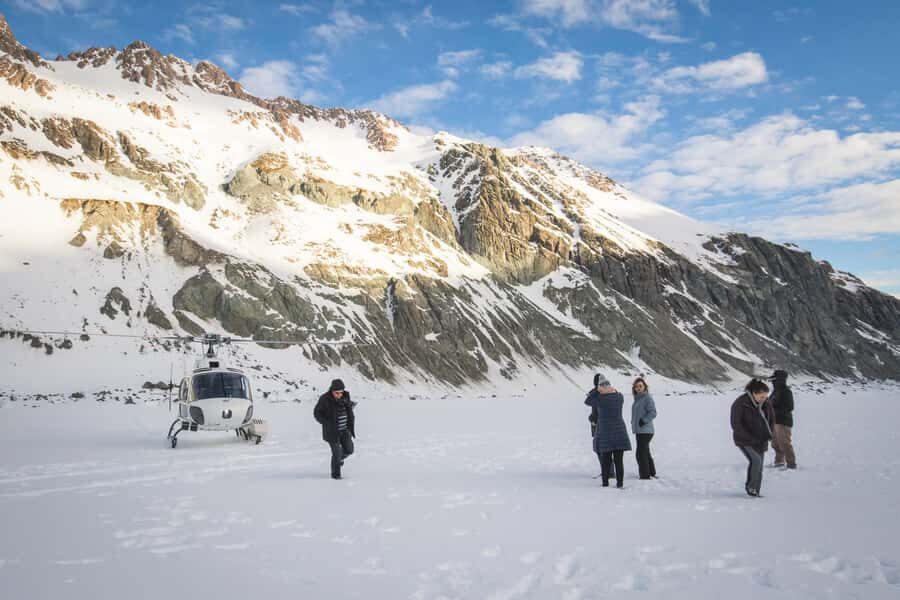
To get the smoothest experience, pack smart:
- Sunglasses
- Closed-toe shoes
- Layers (warm at the aerodrome, colder and windier up top)
- Leave valuables and extra bulk at your accommodation. Bags aren’t allowed.
Also keep expectations realistic on timing. Even if your plan says a specific departure time, the local partner may email you after booking to confirm a specific slot, and it might differ from what you requested. That’s normal for flight planning.
Should you book this Mt Cook helicopter with alpine landing?
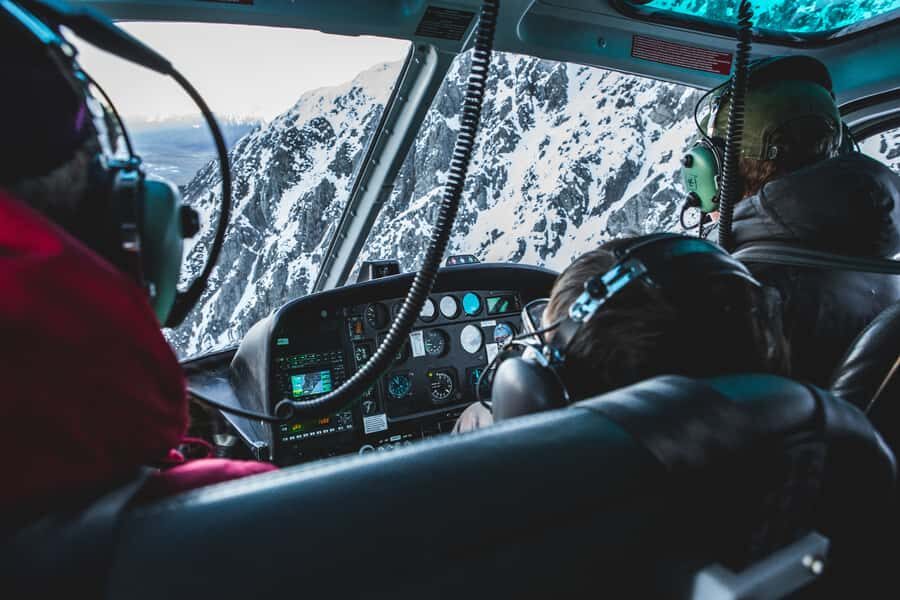
Book it if you want the Mt Cook highlight that mixes flight, geology-scale views, and that rare alpine touchdown moment. It’s especially good for first-time helicopter riders or anyone who’s short on time but wants something genuinely different from road viewpoints.
Skip or reconsider if your priority is guaranteed snow in summer, you’re very budget-sensitive, or you’re counting on the landing being a long ground experience. The landing is a real part of the trip, but it’s still a 25-minute overall adventure.
If you can be flexible with weather and you’re excited by the idea of seeing the Tasman Valley and glacier area from above, this is a strong pick.
FAQ
How long is the Mt Cook helicopter flight?
The flight duration is 25 minutes, including the alpine landing portion.
Where do I meet for the tour?
You meet at Mount Cook Aerodrome, Mount Cook Rd, Mount Cook 7999, New Zealand.
Is the snow or alpine landing guaranteed year-round?
Snow landings are expected about 95% of the year, but they can’t be guaranteed all year round due to seasonality and lower snowfall in summer.
How many people are in the group, and is narration included?
The group is limited to 6 participants, and there’s a live pilot guide providing commentary in English.
What should I bring, and are bags allowed?
Bring sunglasses and closed-toe shoes. Bags are not allowed.
What happens if weather cancels the flight?
If the tour is canceled due to weather conditions, you’ll be offered a full refund or a rescheduled tour.