REVIEW · LYTTELTON
Christchurch: Full or Half-Day Rock Climbing Tour with Guide
Book on GetYourGuide →Operated by Adventure By Nature · Bookable on GetYourGuide
A short drive from Christchurch turns into a full-on adrenaline lesson. This guided rock climbing tour takes you from the historic port town of Lyttelton up to the Port Hills crags, where you’ll learn the basics fast and test them on real routes. I love how safety comes first and gets explained clearly before anyone clips in. I also love the built-in scenery breaks: you get Lyttelton Harbour views plus the option to swap between climbs, abseiling, and a low-key walk or downtime. The one thing to consider is that you’ll be outdoors and active most of the time, with limited toilet access near the climbing areas.
If you’re brand-new, this is a rare mix of friendly teaching and genuine climbing terrain. Your guide sets up climbs that match the group, then keeps building up challenge once you get the system down. The potential drawback: weather can change the exact crags, so you might not climb at Cattlestop Crag specifically if conditions are windy or cold.
In This Review
- Key Things to Know Before You Climb
- Christchurch to Lyttelton: The Ride That Sets the Mood
- Evans Pass Views and a Photo Stop That Actually Helps
- Cattlestop Crag and Other Local Crags: Real Training Grounds
- What the guide actually teaches you
- Coffee, Snacks, and the Pace of Learning
- Abseiling: The Part That Changes Your Confidence Fast
- Full-Day vs Half-Day: How Your Time Changes
- Full-day style (with lunch)
- Half-day style (no lunch included)
- Lunch Views and Break Options: You’re Not Just Waiting
- Getting Back to Christchurch Without Stress
- Value and Price: Is It Worth $178?
- Weather, Alternatives, and the Real Outdoor Reality
- What to Bring (So You Don’t Regret It Later)
- Who This Tour Fits Best
- What I’d Pay Extra Attention To on the Day
- Should You Book This Christchurch Rock Climbing Tour?
Key Things to Know Before You Climb
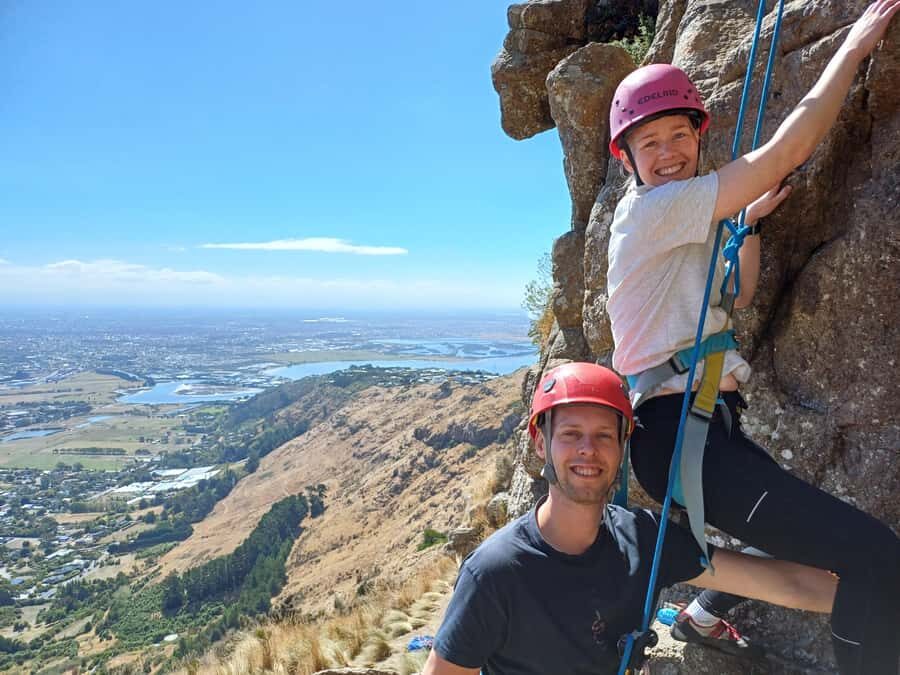
- Port Hills crags close to the city: you’re only about 15 minutes from Christchurch for the climbing-side driving, not a long slog to nowhere.
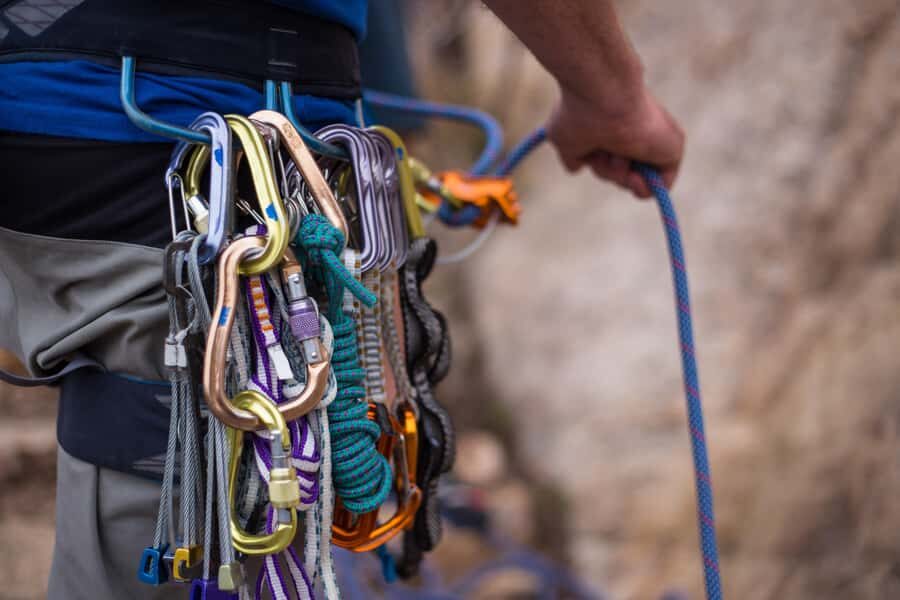
- Equipment and instruction included: shoes, harness, helmet, chalk, plus a proper safety briefing before you climb.
- Abseil try-outs after you’re warmed up: you’ll get a chance to lower yourself down from the top of a cliff.
- Historic Lyttelton stop on the way: you pass through and get time to explore a port town tied to Antarctic voyages.
- You control the vibe a bit: full-day guests get picnic lunch; you can also choose a bush or coastal walk or just hang out and enjoy views.
Christchurch to Lyttelton: The Ride That Sets the Mood
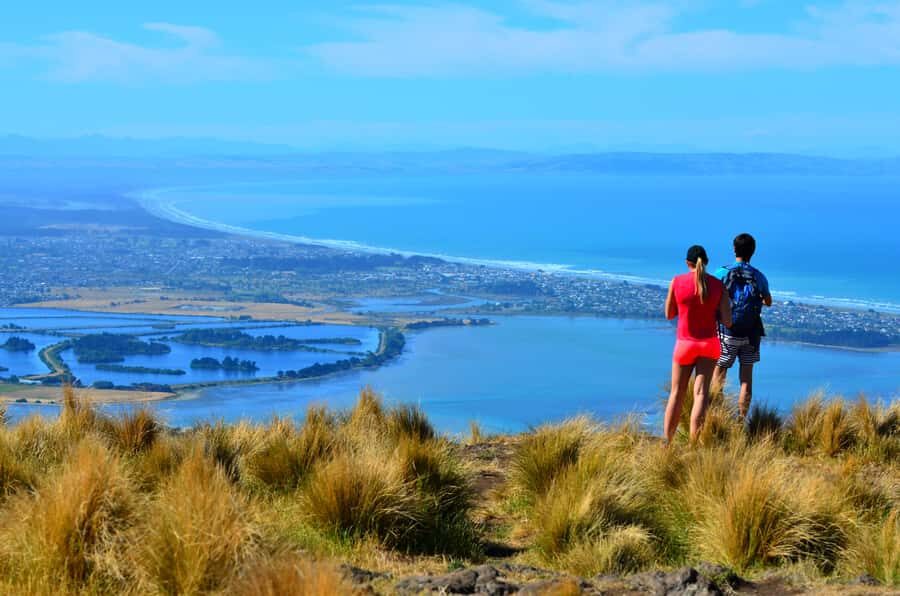
This tour starts with a scenic van ride out of central Christchurch, with pickup in any hotel within 3.5 km of the city center (or you meet at the return/drop-off area near Cathedral Square by the Citizens’ War Memorial). The driving matters here, because you’re not just commuting to climbing. You’re getting your first taste of the geography that makes this area so good for outdoor sports.
You’ll travel through a major road tunnel on the way to Lyttelton. Then you’ll enter the historic port town with time to stretch your legs and poke around. Lyttelton has that slightly quirky, working-port feel, and it’s known as a launching point for many Antarctic exploration voyages. Even if history isn’t your main interest, it adds texture to the day: you’re climbing on rock shaped by place, not just place-shaped like a parking lot.
You can also read our reviews of more tours and experiences in Lyttelton.
Evans Pass Views and a Photo Stop That Actually Helps
After Lyttelton, the road rises steeply up Evans Pass. The views over Lyttelton Harbour and the busy port below are the kind you remember later when you’re standing on a wall thinking, Do I really want to go higher?
There’s also a photo stop (brief, but timed well). I like photo stops that help you orient yourself. In this case, you’re learning the “map in your head” before you go to the crag, so the routes feel connected to the wider area rather than random rock sitting out in the wind.
Cattlestop Crag and Other Local Crags: Real Training Grounds
Once you’re near the Port Hills, you’ll head to a local climbing crag. Cattlestop Crag is a common option, but your guide may use another climbing area if it’s windy or cold. That matters because it keeps the day enjoyable instead of turning into a shiver-based safety test.
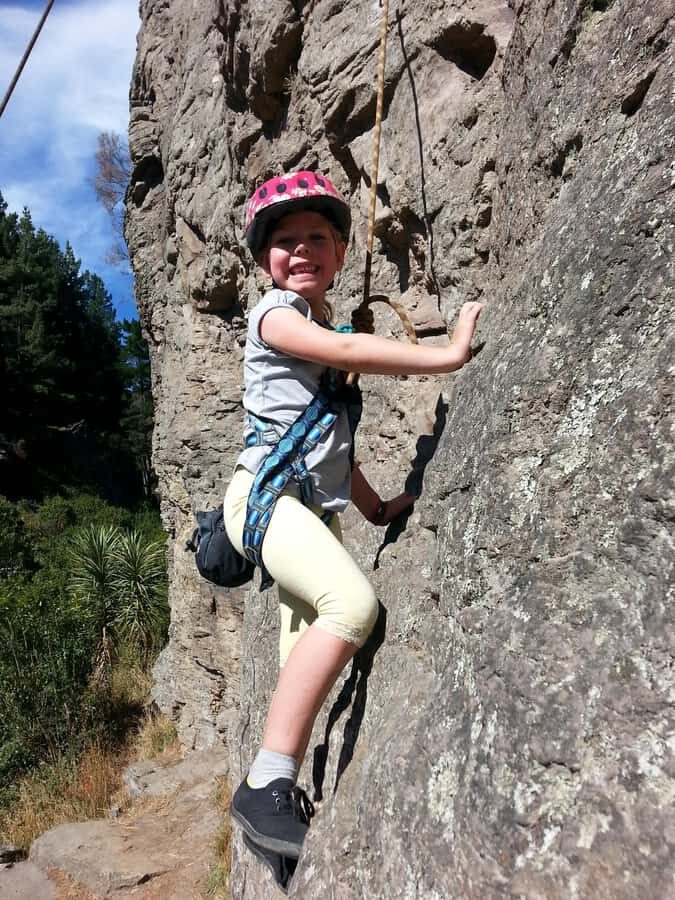
Your guide sets up suitable climbs for the group. The range of routes in the area is huge, and that’s the advantage of being in Christchurch: you can find climbs from very, very easy to extremely hard. Even if you’re starting from zero, that variety means your guide can keep you progressing without tossing you straight onto something you can’t finish.
What the guide actually teaches you
Before you climb, you get a safety briefing and learn how to use the gear. That includes the basics of how your harness and helmet work, how you clip in, and how the team system runs on the rock. When you’re new, this is the part that decides whether the day feels empowering or just confusing.
After everyone gets the hang of the system, the guide sets up appropriately challenging climbs. This is the key rhythm of the tour: brief instruction, structured attempts, then more climbing once you show you can handle the basics.
Coffee, Snacks, and the Pace of Learning
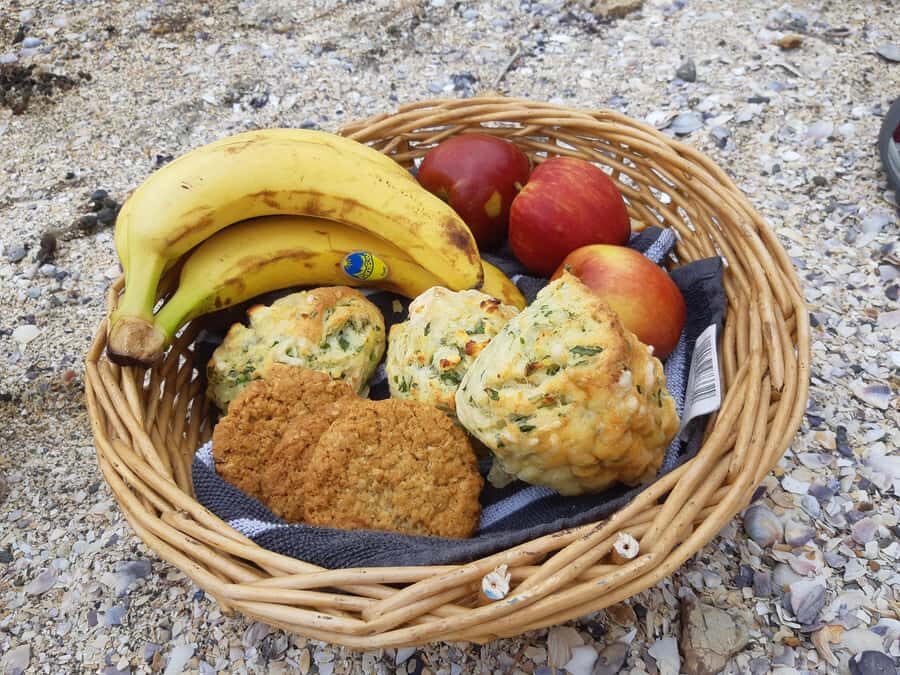
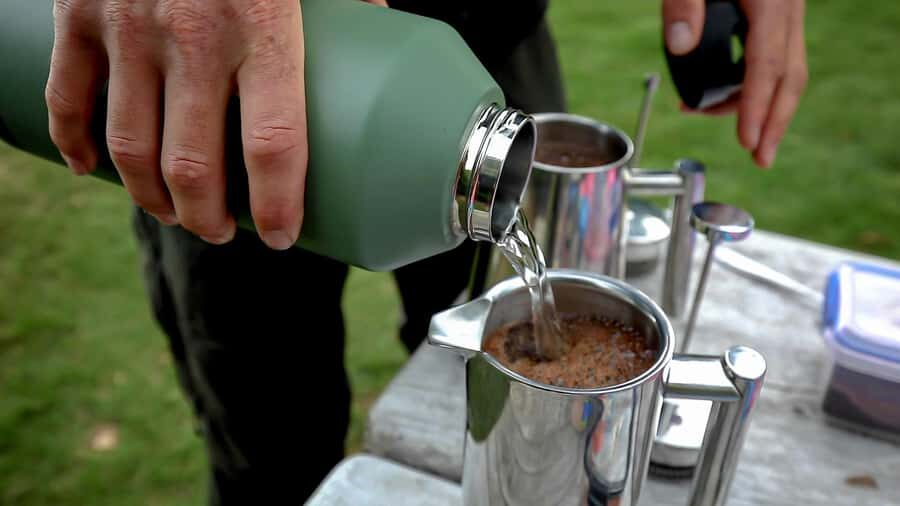
Expect a break period with coffee, tea, and local snacks. This isn’t just to be nice. It helps you reset your grip and focus. Rock climbing is physical and mental at the same time, and you’ll do better when you stop for a moment rather than pushing through pure adrenaline fatigue.
The tour is also built around the idea that you’ll learn by doing. Instead of one long boring lecture, you move between short practice and real climbing experiences. That pacing fits beginners well, because you get quick feedback from your guide and you’re not waiting hours to find out whether you’re actually good at this.
Abseiling: The Part That Changes Your Confidence Fast
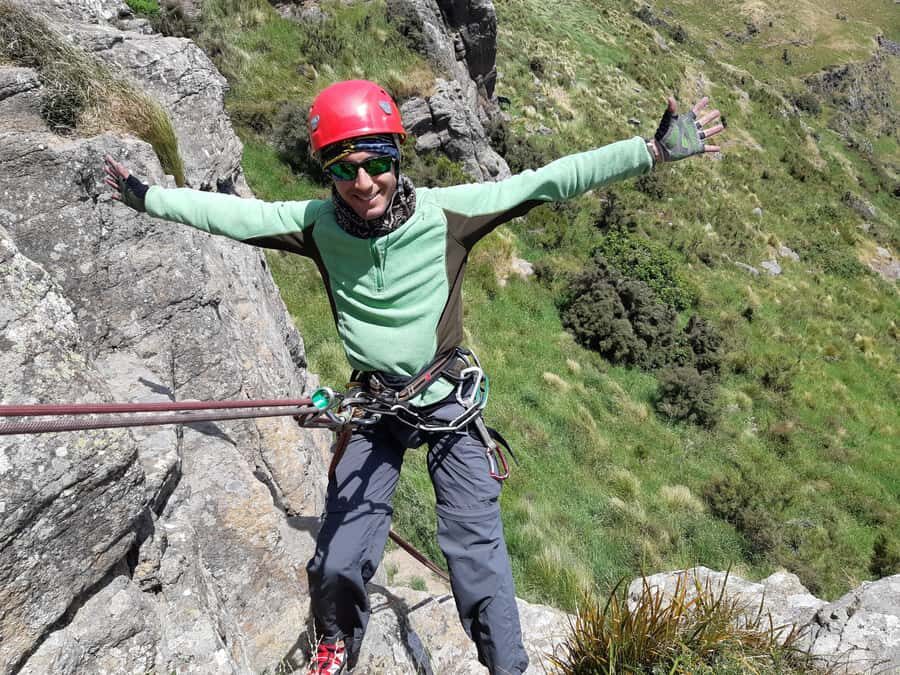
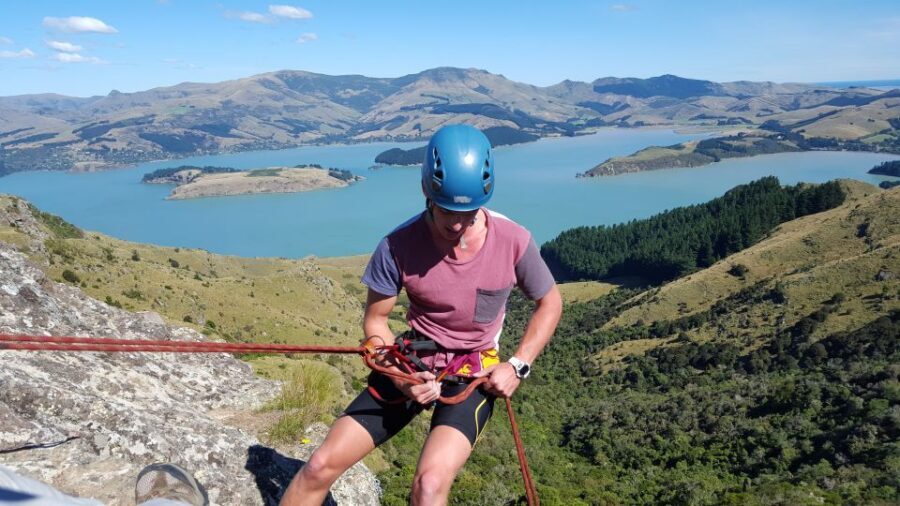
One of the big reasons people choose this tour is the abseil element. After lunch on the full-day option, your guide sets up an abseil so you can try lowering yourself down from the top of a cliff.
Then, after that, you’ll go to another crag in the local area for more climbing and possibly another abseil, depending on timing and conditions. This is smart tour design. It prevents the day from feeling like a one-and-done novelty. You get the thrill, then you keep building your climbing confidence.
Also, abseiling is a great beginner-friendly challenge. You don’t need crazy strength. What you need is calm procedure and trust in the safety setup. If you want a way to feel capable quickly, this is it.
Full-Day vs Half-Day: How Your Time Changes
The tour duration is listed from 3 to 8 hours, and that usually translates into two different pacing styles.
Full-day style (with lunch)
If you book the full-day experience, you’ll have a picnic-style lunch. The lunch happens overlooking Christchurch or Lyttelton depending on the climbing area used. That viewpoint adds value because it turns a break into something scenic rather than a rushed meal.
You’ll also get tea/coffee and the extra structure that comes with a longer day: more chances to climb, plus the full sequence that includes abseil(s).
Half-day style (no lunch included)
On a half-day tour, lunch isn’t included. You’ll still get tea/coffee, water, and snacks, but you should plan around the shorter time window. If you’re the kind of person who gets cranky when you’re hungry, pack your own bite for after the tour.
Either way, you’ll spend the core of your time on rock, learning and trying, not just driving around.
Lunch Views and Break Options: You’re Not Just Waiting
Not every outdoor tour respects downtime. This one does, and it helps you enjoy the climbing more.
On longer days, you get that picnic-style lunch with views. And you may have options for what to do between climbing sessions—like a bush or coastal walk or simply relaxing and enjoying the scenery. That flexibility is a hidden win. It lets you match the day to your energy level, especially if you’re learning and want a slower moment before jumping back into gear.
Getting Back to Christchurch Without Stress
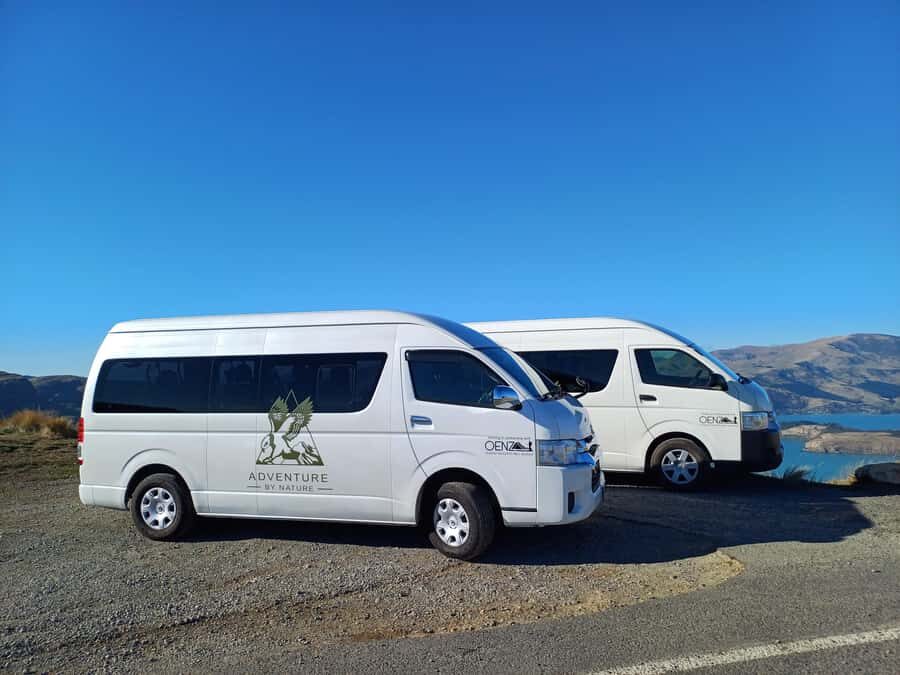
When the crag time is done, your guide drops you back at your hotel or at the meeting point by the Citizens’ War Memorial in Cathedral Square. That’s the kind of logistical clarity that matters when you’re worn out from climbing. You’re not stuck negotiating rides or waiting forever for transport.
Value and Price: Is It Worth $178?
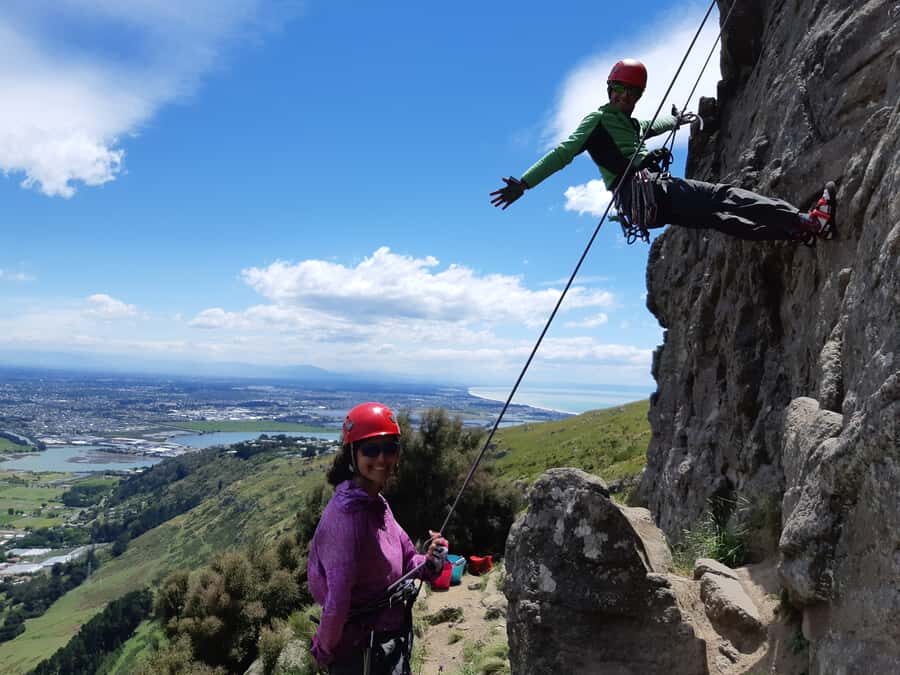
At $178 per person, the value depends on what you’re buying: time on rock with a qualified local guide, full climbing equipment, and guided practice plus abseiling. That’s not just a sightseeing activity. It’s instruction-driven and gear-driven, and it saves you the hassle of renting and figuring out how to safely try climbing as a beginner.
You’re also paying for a tight setup: pickup options in central Christchurch, transportation to the Port Hills, scenic touring through Lyttelton, and structured climbing sessions geared for your group. If you want the experience of learning the ropes without trial-and-error risk, this price starts to make sense fast.
If you’re already an experienced climber with your own gear, you might question the cost. But for first-timers, this is exactly the kind of guided day that turns curiosity into real skills.
Weather, Alternatives, and the Real Outdoor Reality
You should expect outdoors, variable conditions, and a bit of flexibility. The tour notes that it may be held at an alternative climbing area if it’s windy or cold. In poor weather, you’ll be offered a place on another active day tour on the same day or another day.
This is one of those practical details that changes whether you’ll have fun or feel stuck. A good guide plan doesn’t cancel your day and pretend it’s still the same. It adjusts so you still get the climbing you came for.
What to Bring (So You Don’t Regret It Later)
Bring the basics and you’ll feel a lot more comfortable:
- Sunglasses
- Sunscreen
- Weather-appropriate clothing
- Closed-toe shoes
Long pants are recommended. The gear is provided, but clothing affects comfort and friction on rock and during transitions.
Who This Tour Fits Best
This experience welcomes all experience levels, including total beginners. It’s especially good if you want:
- A structured way to learn climbing basics with a guide
- A day that combines active instruction with scenic breaks
- The option to try abseiling even if you’ve never done it
If you have back problems, mobility impairments, are over 264 lbs (120 kg), or use a wheelchair, this tour isn’t suitable. The physical demands of climbing and the logistics around the crags make it a poor fit for those situations.
Also note that toilets are limited at the climbing areas, with about a 15-minute walk away. Plan for that before you commit your energy to the rock.
What I’d Pay Extra Attention To on the Day
Based on the structure and the emphasis on safety in the feedback you were given, the biggest thing to take seriously is listening during the briefing. This is not the kind of activity where you want to half-pay attention, then hope muscle memory saves you.
I’d also pay attention to how your guide sets up climbs for the group. Beginners can sometimes feel they need to “prove” something early. The better move is to focus on clean technique and learning the system. Once you do that, the day tends to feel exciting rather than intimidating.
Should You Book This Christchurch Rock Climbing Tour?
Book it if you’re craving an authentic, active Christchurch experience that teaches you real skills instead of just watching from the sidelines. It’s a strong fit for first-timers because the day is built around clear instruction, included equipment, and progressive climbing. The Port Hills setting, the stop through Lyttelton, and the option to try abseiling make it more than a one-note adventure.
Skip it if you want a relaxed, minimal-effort day. This is hands-on climbing. You’ll be outside, moving, and using equipment for much of your time. And if weather has you hoping for guaranteed perfect conditions, remember the guide may adjust the crags to keep things safe and comfortable.
If you’re ready to learn and you like the idea of combining city-adjacent views with real rock time, this is a great choice.