REVIEW · LEIGH
Goat Island Guided Snorkelling Tour For Advanced
Book on GetYourGuide →Operated by Goat Island Dive & Snorkel · Bookable on GetYourGuide
Goat Island turns snorkelling into real skill. I like this advanced guided session because it has a clear training path: shallow-water practice first, then bigger stretches of the Goat Island Marine Reserve as you prove you’re in control.
You’ll also appreciate the human factor. The guides bring serious sea-life knowledge and calm instruction, and I especially liked how energetic Skye-style enthusiasm shows up in the way they get the whole group ready to go.
One thing to consider: this is not a beginner experience. You need to be a confident ocean swimmer, already comfortable snorkelling, and you should be able to understand safety instructions in English—plus it’s not suitable for kids under 12 or people with certain medical conditions. Advanced is the point.
In This Review
- Quick highlights that make this advanced snorkel lesson worth it
- Where this tour really shines: advanced skills in a controlled setting
- Check-in at the Goat Island Dive & Snorkel Centre (and why arriving ready helps)
- Your gear fit: wet suit, weight belt, and the comfort piece people forget
- The 150-minute structure: training first, then exploring the reserve
- Learning the Goat Island Marine Reserve: why the location matters for your skills
- The practical skills you practise: ear equalizing and clearing your snorkel
- Equalizing your ears
- Clearing your snorkel
- Duck-under technique: how to go under with control (without stress)
- Marine life time: what you should hope to see and how to notice it
- Safety and rules you’ll follow in the reserve
- After the tour: using your equipment for the rest of the day
- Price and value: why $56 can make sense for advanced coaching
- Who should book Goat Island Guided Snorkelling for Advanced?
- Should you book this tour or skip it?
- FAQ
- How long is the Goat Island Guided Snorkelling for Advanced tour?
- Where do I check in and pick up equipment?
- Is the tour guide available in English?
- What snorkeling equipment is included?
- Do I get to use the equipment after the tour?
- What should I bring?
- What requirements do participants need to meet?
- Is it okay to touch marine life?
- What’s the cancellation and payment flexibility?
Quick highlights that make this advanced snorkel lesson worth it
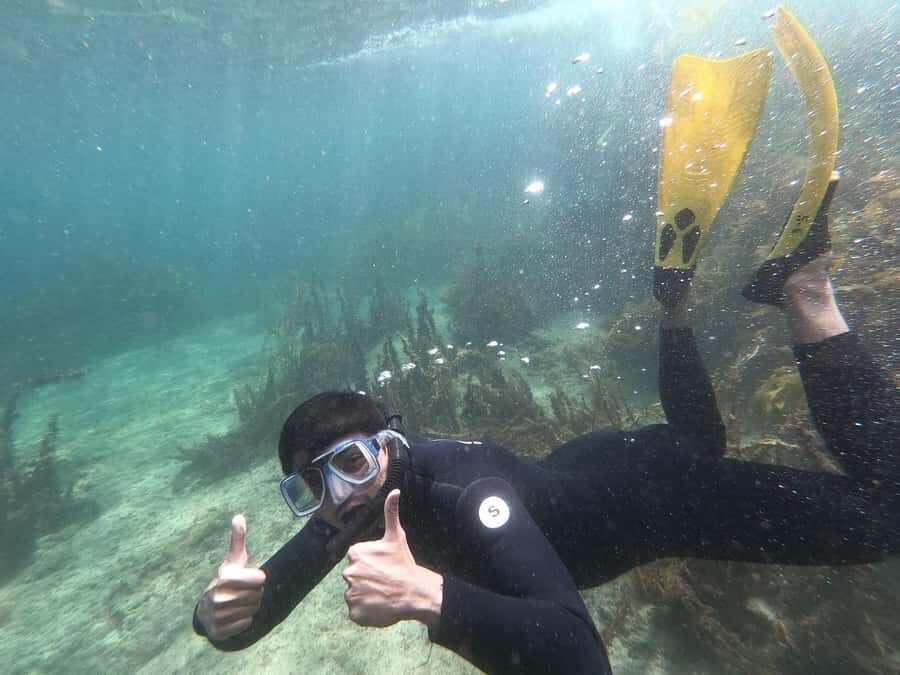
- Duck-under technique coaching so you can go under the surface with more control
- Ear equalizing and snorkel clearing practice built into the session stops
- A trained, certified guide who keeps the group in a safe, structured flow
- Goat Island Marine Reserve training inside New Zealand’s first marine reserve
- Marine life you can actually see from close, steady snorkel time
- Keep the gear for the rest of the day so you can practise after you learn
Where this tour really shines: advanced skills in a controlled setting
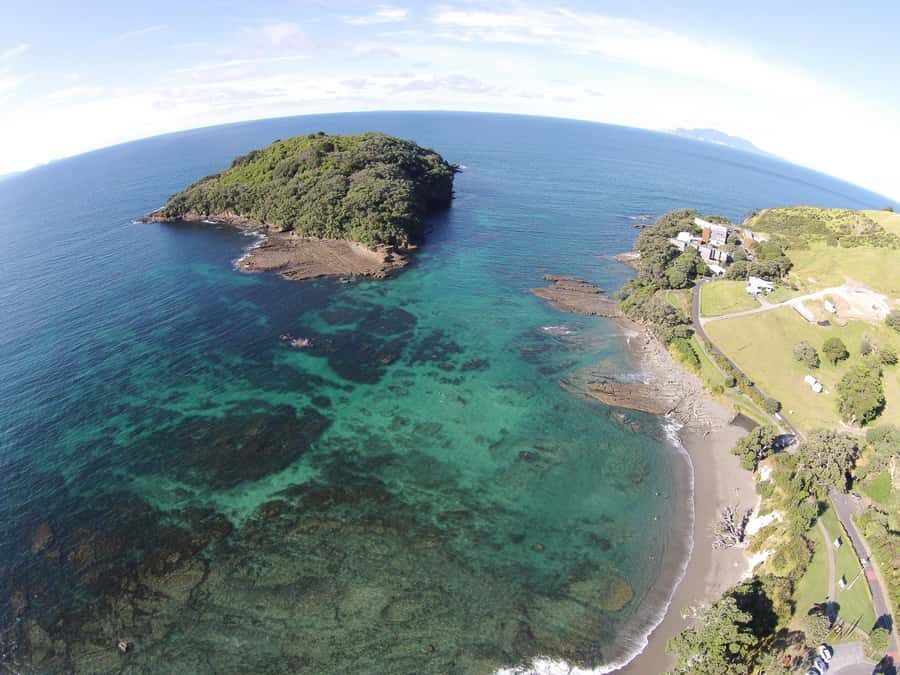
Goat Island is a great place to learn, because conditions in a marine reserve can be more forgiving than random open-water spots. But what makes this tour special is that it treats snorkelling like a skill, not just an outing.
You get a full fit-out first: mask, snorkel, fins, wet suit, and a weight belt. That matters, because advanced problems usually come from small stuff—snorkel position, fin control, staying balanced in the water, and not panicking when you need to adjust. Then the guide works with you in steps so you build confidence before you head out to more interesting areas of the reserve.
I also like the pacing. It’s not “go fast and hope you figure it out.” You start in the shallow water with the group so you can learn the motion patterns safely, then you expand your range once everyone is comfortable.
You can also read our reviews of more guided tours in Leigh
Check-in at the Goat Island Dive & Snorkel Centre (and why arriving ready helps)
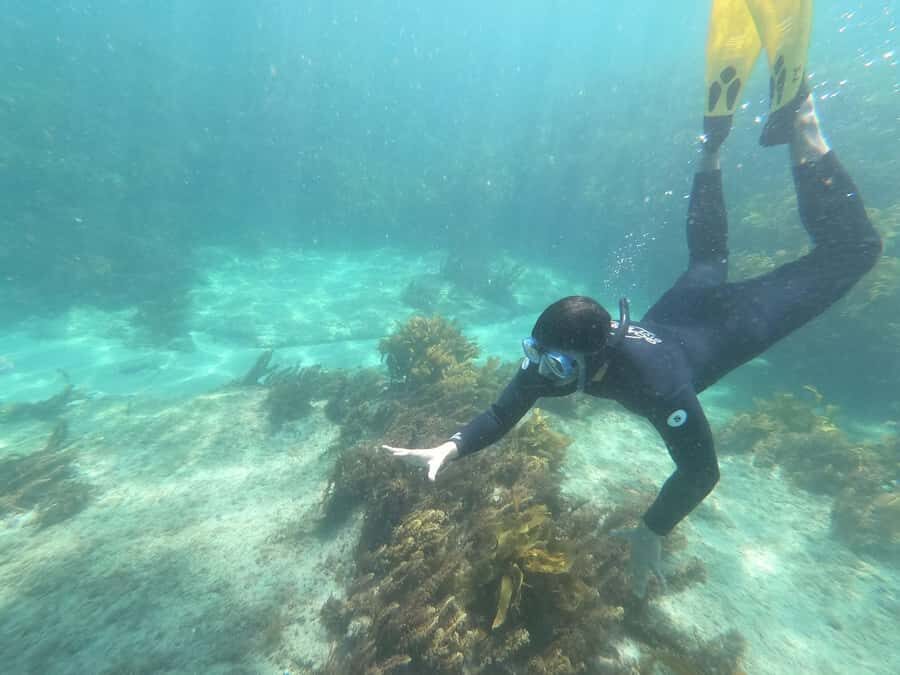
Your day begins with check-in at the Goat Island Dive & Snorkel Centre. This is where you collect what you need before anything water-related happens. It’s also the moment to make life easier for yourself: show up with swimwear on and plan to bring a towel for after.
You’ll be the one driving your own vehicle about 3 km to the Goat Island Marine Reserve. That sounds minor, but it changes the flow of the day. You won’t be waiting around for a vehicle shuffle. You’ll just get gear, listen for the plan, then move over to the water area.
The tour is in English with a live guide. So if English safety instructions are a strain, consider that up front. The rules are straightforward, but you do need to understand them fast.
Your gear fit: wet suit, weight belt, and the comfort piece people forget
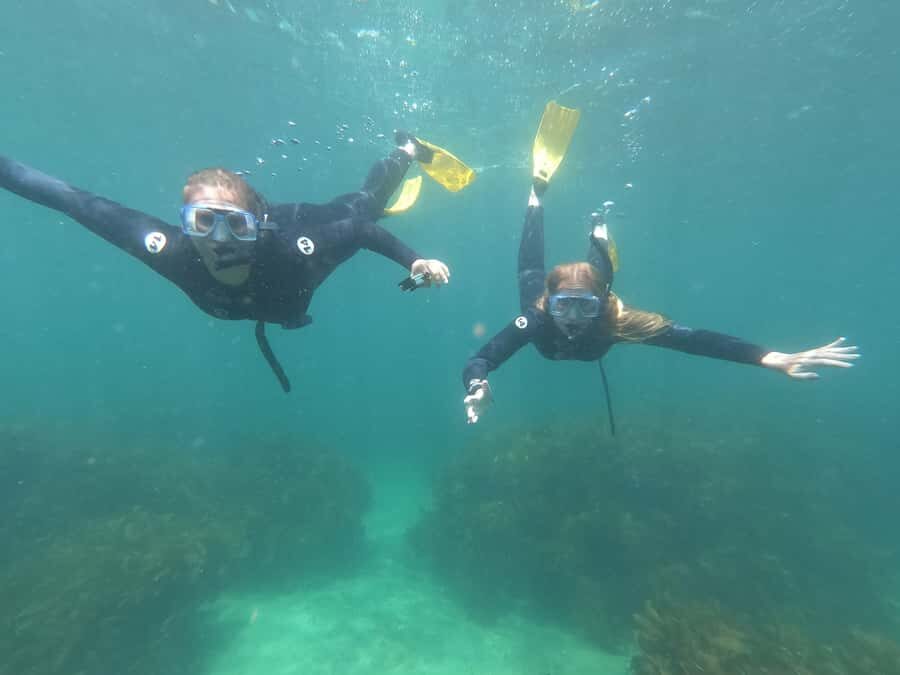
You don’t just borrow snorkelling gear for a quick swim. You get a proper set: mask, snorkel, fins, wet suit, and weight belt. The wet suit isn’t a luxury here—it helps you stay comfortable so you don’t waste energy trying to warm up.
The weight belt is another detail worth taking seriously. The guide’s job is to help you get into a stable, streamlined position so your fins do real work and you aren’t constantly floating, sinking, or fighting the water. If you’ve ever had your snorkel get annoying or your balance feels off, the fit and weight can be the difference between frustration and smooth progress.
If the gear feels strange during the first minutes, that’s normal. Adjust early and ask questions before you start practising the advanced bits.
The 150-minute structure: training first, then exploring the reserve
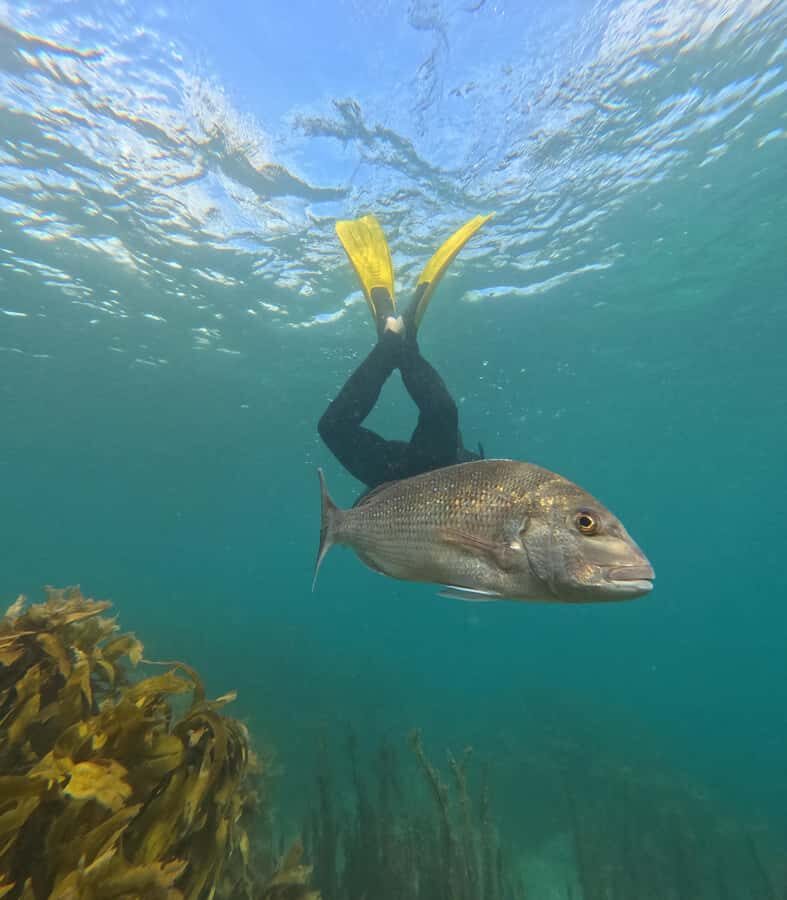
You’ll have a thorough safety briefing before you head into the water. This isn’t a quick chat—it’s the part that makes the rest of the session feel safer and more comfortable.
Then you practise in stages:
- Start in shallow water so you can move naturally and get used to the equipment.
- Once everyone is comfortable, explore more of the reserve.
- Use short stops to practise the new skills again and again until they feel less awkward.
This structure is valuable because advanced snorkelling is mostly muscle memory. You want repeated, calm reps of technique, not one tense attempt.
Learning the Goat Island Marine Reserve: why the location matters for your skills
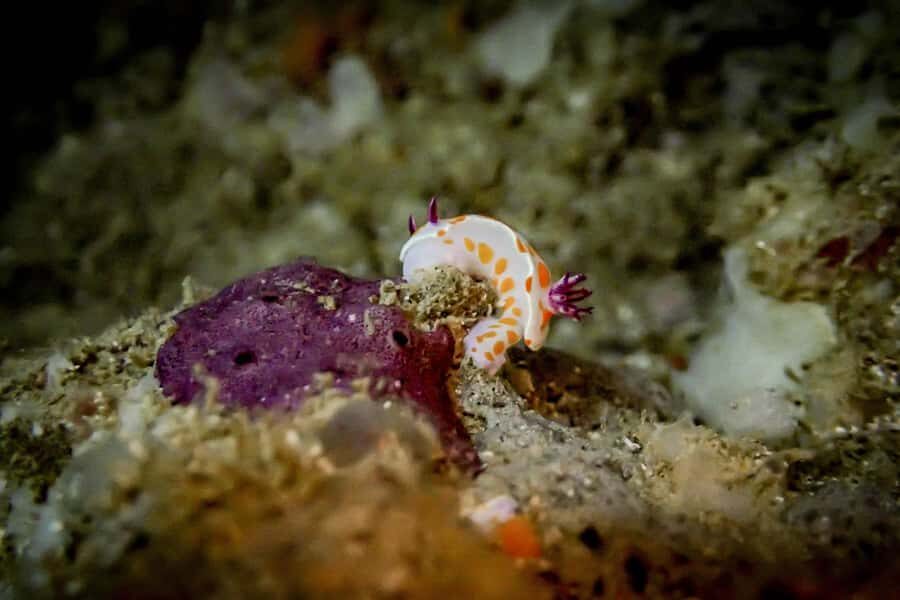
You’ll get introduced to the marine life you’re likely to see and also learn some history about Goat Island and the reserve. Even without specific species guarantees, the point is that you’ll snorkel with intention.
Knowing what you might see changes how you move. Instead of thrashing around for a quick glimpse, you’ll glide, look calmly, and stay oriented. That’s what keeps you from kicking up sand or losing track of your breathing.
And Goat Island is special because it’s New Zealand’s first marine reserve. A reserve setting tends to support healthy marine life and gives you a better chance of seeing animals at close range while still respecting the water.
The practical skills you practise: ear equalizing and clearing your snorkel
The tour focuses on advanced technique, and two of the most useful skills are ear equalizing and snorkel clearing.
Equalizing your ears
When you start going under the surface, pressure changes can make your ears feel blocked if you haven’t practised properly. Here, you learn how to equalize and then you practise it in context during the tour stops. That’s more helpful than learning theory on land.
You’ll want to go at the pace the guide sets. If it doesn’t feel right, you slow down. This is the kind of skill where being patient keeps you comfortable.
Clearing your snorkel
Even experienced snorkelers get water in the snorkel. Clearing it smoothly keeps your breathing steady and helps you avoid panic. The guide teaches you how to clear and then gives you chances to repeat the motion during the session.
If you want one goal for this tour, make it this: practise until the clear feels automatic. Once you can reset your snorkel quickly, you can stay focused on your body position and what’s in front of you.
Duck-under technique: how to go under with control (without stress)
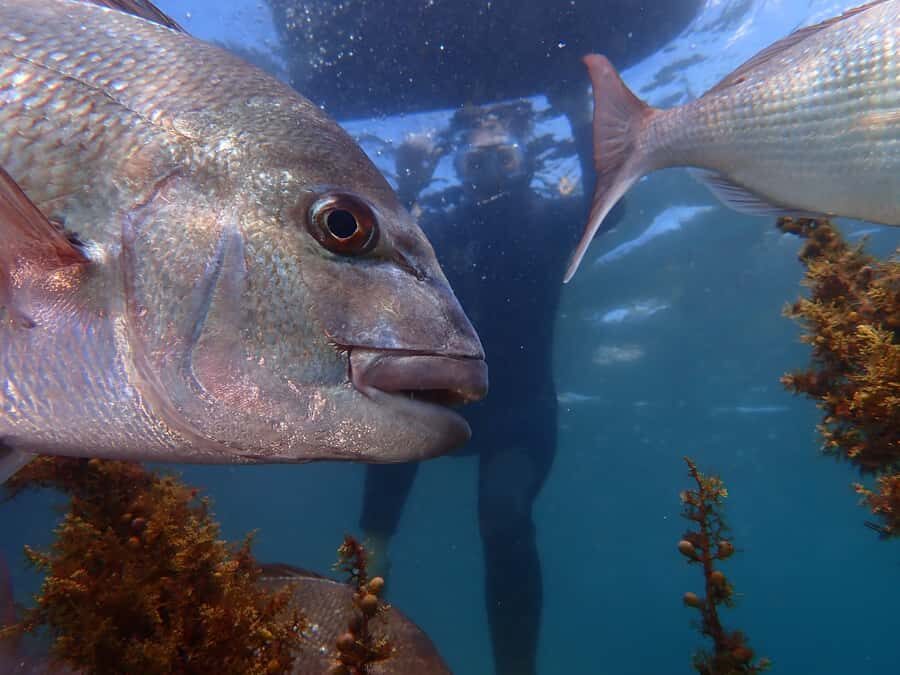
The highlights call out duck diving, but I think of this as a controlled duck-under movement. It’s about going below the surface while keeping your balance and your breathing calm.
Here’s why this matters: if you can’t comfortably go under, your snorkel view stays limited. You miss parts of the water column and you can end up overexerting. With proper technique, going under becomes a planned movement instead of a surprise.
In this tour, the guide teaches the method, then you practise it. You start shallow, so the learning is safer and your recovery is quick. Once you’re comfortable, you carry the skill into exploring more of the reserve.
Also, watch how you use your fins. Duck-under control usually improves when your fin kicks stay consistent and your body stays streamlined.
Marine life time: what you should hope to see and how to notice it
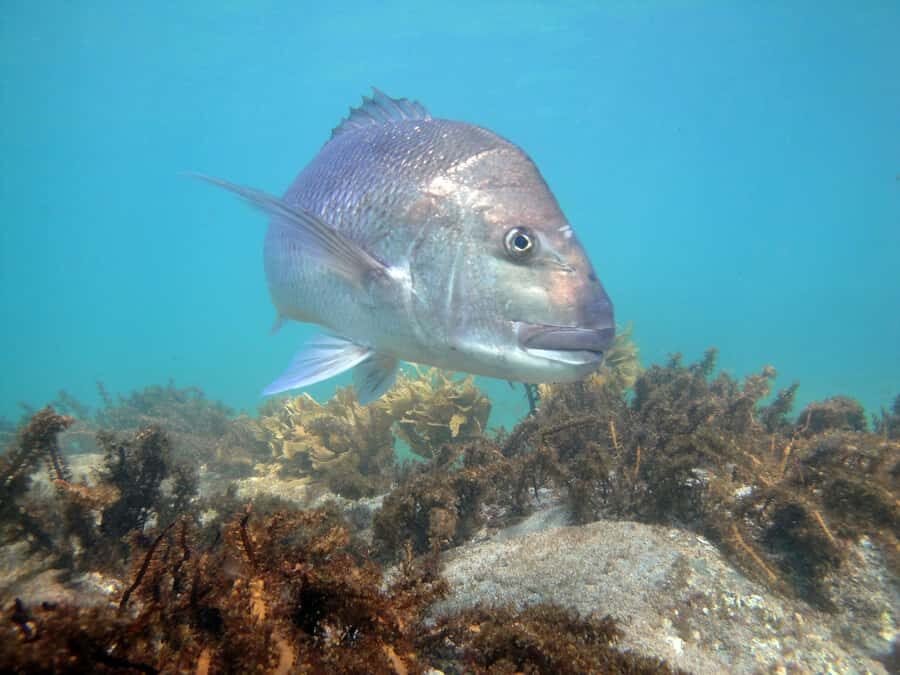
You’ll snorkel around Goat Island while marvelling at the marine life in the reserve. From the experience details you’re given, you’re not expected to guess species—your guide introduces what you’re likely to see.
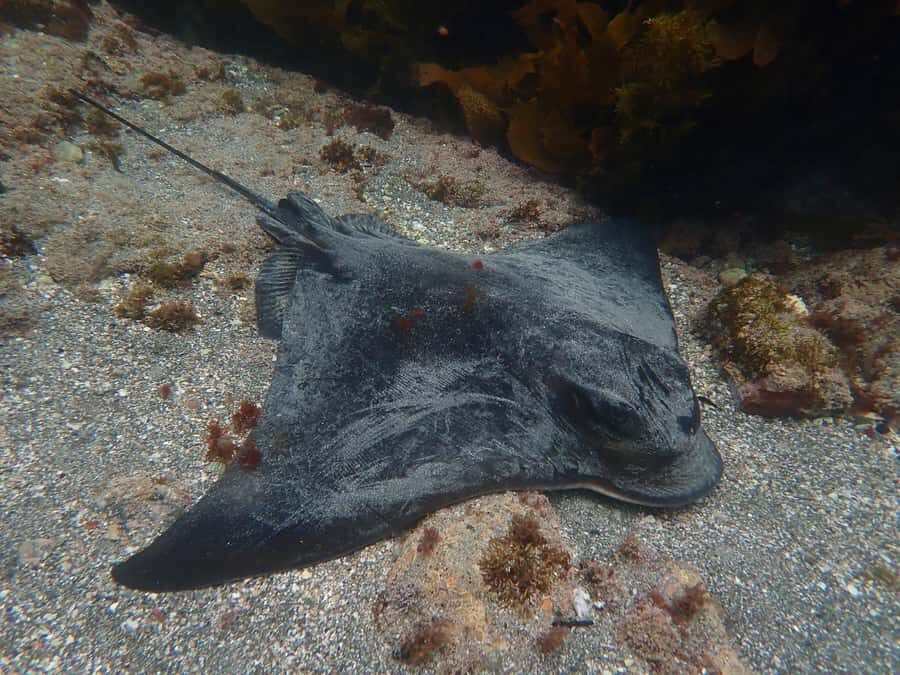
One review mention that really caught my eye: an instructor-led session where a pijlstaartrog (stingray) showed up, along with many other fish. That’s the sort of result you’re aiming for here: not just seaweed and random shadows, but real animals you can observe calmly.
How to make the most of marine life time:
- Keep your head steady and scan slowly.
- Let the guide’s tips shape where you look.
- Practise your breathing first, then your vision.
The best snorkel moments often happen when you stop rushing.
Safety and rules you’ll follow in the reserve
This is a guided, trained-professional environment, and that shows in the rules.
You’re told not to touch marine life. That’s not just a moral rule; it also protects you. Animals can be sensitive, and some creatures can irritate skin if you bump into them.
Alcohol and drugs aren’t allowed. It’s an advanced skills session, so you want your reaction time and judgement sharp.
And you’ll be reminded that the group must understand safety instructions in English. Take that seriously: if anything feels unclear, ask before you enter the water.
After the tour: using your equipment for the rest of the day
A big practical win: you can use the snorkelling equipment for the remainder of the day. That means this isn’t a one-and-done lesson. You can practise again while it’s still fresh.
For advanced snorkel training, repetition is everything. During the tour you learn the techniques; afterward you can try them in the reserve at a relaxed pace—still following the same rules.
Bring your towel, plan to stay nearby, and give yourself time. If you only have a short gap after the session, you won’t get the full value of that extra practise time.
Price and value: why $56 can make sense for advanced coaching
At $56 per person for 150 minutes, this isn’t an expensive “activity add-on.” It’s priced like a skills session with certified instruction and equipment included.
Here’s the value logic I see:
- You’re paying for structured coaching on advanced moves like equalizing, clearing, and controlled duck-under technique.
- Equipment is included: mask, snorkel, fins, wet suit, weight belt. That reduces the hassle and cost of trying to gather gear yourself.
- You keep the equipment afterward for more practice time, which stretches the value beyond the taught portion.
If you’re already comfortable snorkelling and want to level up, this pricing usually feels fair because the main cost is instruction and safety coaching—not just “being in the water.”
Who should book Goat Island Guided Snorkelling for Advanced?
This tour is designed for people who already have a snorkel baseline. It’s a good match if you:
- are confident swimming in the ocean
- have snorkelled before
- want to practise advanced techniques with a guide rather than figuring them out solo
- want to see marine life in a reserve setting while improving control
It’s not for you if you need a true beginner introduction to snorkelling, if you can’t comfortably swim in the ocean, or if your medical situation makes this type of activity unsuitable.
Age matters too: all participants must be over 12, and safety instruction must be understood in English.
Should you book this tour or skip it?
Book it if you want an advanced snorkel session with real technique coaching in the Goat Island Marine Reserve. The two big reasons: you practise key skills in a safe, staged way, and you get equipment to keep practising afterward. That combination turns a fun outing into actual improvement.
Skip it if you’re still working on basic snorkel confidence. This is about advanced control: equalizing, clearing, and controlled duck-under movement. If you haven’t snorkelled before, you’ll be carrying too much uncertainty for the training to land well.
If you’re on the fence, be honest about your comfort in open water. If you can handle that, you’re set up for a rewarding day.
FAQ
How long is the Goat Island Guided Snorkelling for Advanced tour?
The tour lasts 150 minutes.
Where do I check in and pick up equipment?
Check in at the Goat Island Dive & Snorkel Centre to collect your snorkeling equipment before driving 3 km to the Goat Island Marine Reserve.
Is the tour guide available in English?
Yes. The live tour guide speaks English.
What snorkeling equipment is included?
The tour includes snorkeling equipment: mask, snorkel, fins, a wet suit, and a weight belt.
Do I get to use the equipment after the tour?
Yes. You can use the equipment for the remainder of the day to keep practising and enjoying the reserve.
What should I bring?
Bring swimwear and a towel.
What requirements do participants need to meet?
All participants must be over 12 years old, understand safety instructions in English, be confident swimming in the ocean, and have snorkelled before. People with pre-existing medical conditions may not be suitable.
Is it okay to touch marine life?
No. Touching marine life is not allowed.
What’s the cancellation and payment flexibility?
Free cancellation is available up to 24 hours in advance for a full refund. You can also reserve now and pay later.