REVIEW · HANMER SPRINGS
Hanmer Springs Star Tours at Manuka Skies
Book on Viator →Operated by Kara · Bookable on Viator
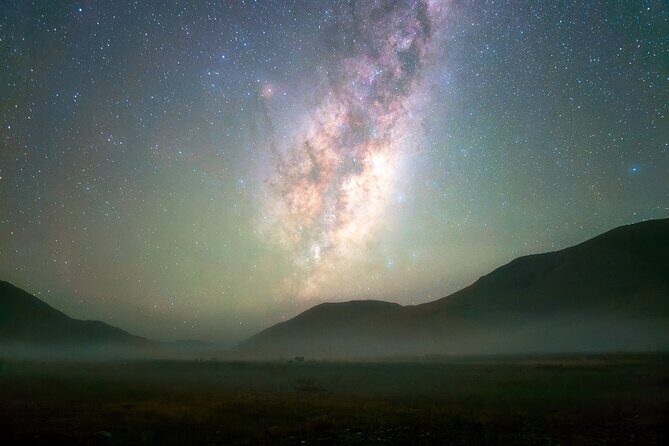
Hanmer Springs night skies feel close to home. That’s the appeal of Manuka Skies at Manuka Skies: minimal light pollution in a native-forest setting, plus the quiet “soundtrack” of a spring-fed stream while you look up. I also like the fact that the tour mixes naked-eye constellations (like the Southern Cross) with hands-on viewing options, so it works whether you’re brand new to astronomy or you just want better views fast.
You’ll be in a small group and guided all the way through the evening, which helps keep the pace easy and the sky time useful. The main consideration is that this experience depends on good weather, so if clouds roll in, you may have to reschedule or get a refund.
In This Review
- Key Highlights at Manuka Skies in Hanmer Springs
- Under Hanmer Springs Stars: What Makes This Setup Special
- A Typical 2-Hour Flow: From Southern Cross to Deep-Sky Views
- Equipment: How the Telescopes and Binoculars Work for Real People
- Celestron electronically guided telescope
- Manual telescopes for a free-roam feel
- Astro binoculars on lounges
- Interactive star finder
- The Nature Add-On: Stream Sounds, Native Forest, and Morepork Owls
- Price and Value: Is $80.05 for Two Hours a Smart Buy?
- Logistics That Matter: Pickup, Small Groups, and Tickets
- If the Weather Turns: What You’re Really Signing Up For
- Who Should Book This Tour (and Who Might Want Something Else)
- The Guide Experience: Brent’s Passion and the Kara-led Care
- Should You Book Manuka Skies at Manuka Skies?
- FAQ
- How long is the Manuka Skies star tour?
- Is pickup available for the tour?
- What’s the group size?
- What equipment do you use during the tour?
- Do I need to know anything about astronomy?
- What happens if weather is poor?
- What is the cancellation policy?
Key Highlights at Manuka Skies in Hanmer Springs
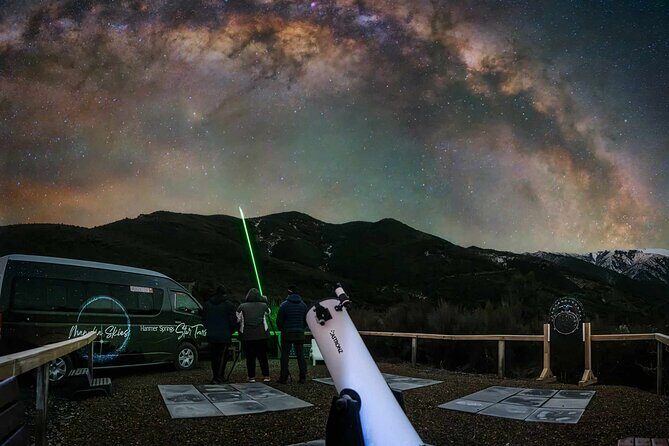
- Low light pollution for clearer constellations and darker-sky viewing
- Two-step observing plan: start with the naked eye, then move to telescopes
- Celestron electronically guided telescope for deep-sky targets
- Lounge-style astro binoculars so you can relax while you scan the sky
- Native forest and wildlife focus, including the chance to hear Morepork owls
- Small group size (max 10) for more personal guide attention
Under Hanmer Springs Stars: What Makes This Setup Special
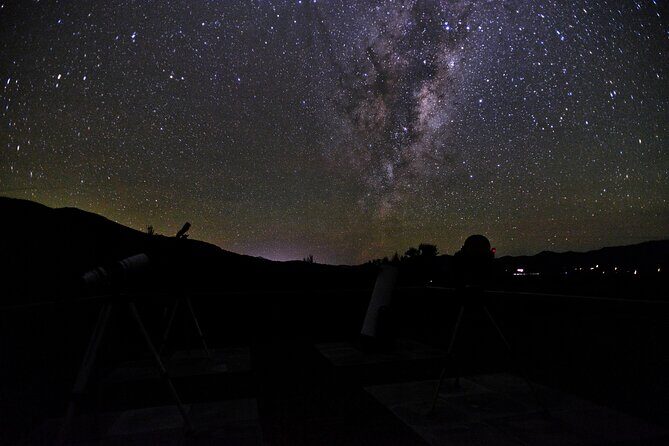
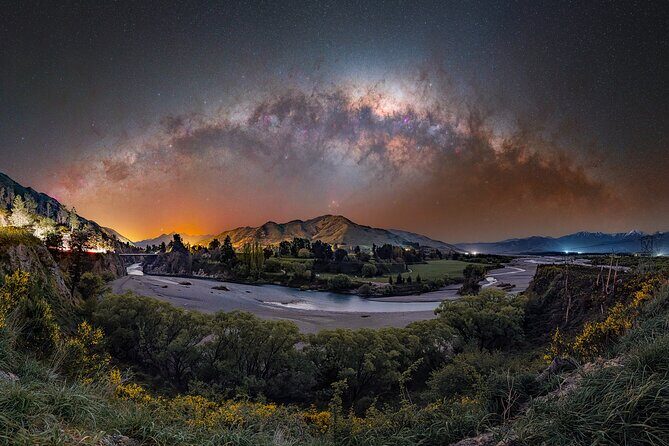
Hanmer Springs is already a pretty place for an evening outing, but Manuka Skies leans hard into what stargazing needs: dark skies and a setting that helps you slow down. The tour is set in native forest with minimal light pollution, so you’re not fighting streetlights. Instead, you’re watching the sky in a quieter pocket of the hills, where wildlife can be part of the experience, not just background noise.
There’s also a thoughtful nature element built into the way the night is framed. Manuka Skies describes itself as a kaitiaki of the sanctuary, meaning they act as guardians responsible for caring for the place. If you care about travel that feels tied to land and place (not just a checklist), that framing matters. It puts you in the right mindset: you’re going out to learn the sky, but also to respect the environment you’re standing in.
Now, a practical note: Manuka Skies is built for an evening of clear sky viewing, not a long daytime excursion. The tour runs about 2 hours, so you’re planning a focused block. If you’re the type who wants a full evening of wandering, you might wish it lasted longer. But the upside is that you’re not stuck for hours waiting for the best views.
You can also read our reviews of more tours and experiences in Hanmer Springs.
A Typical 2-Hour Flow: From Southern Cross to Deep-Sky Views
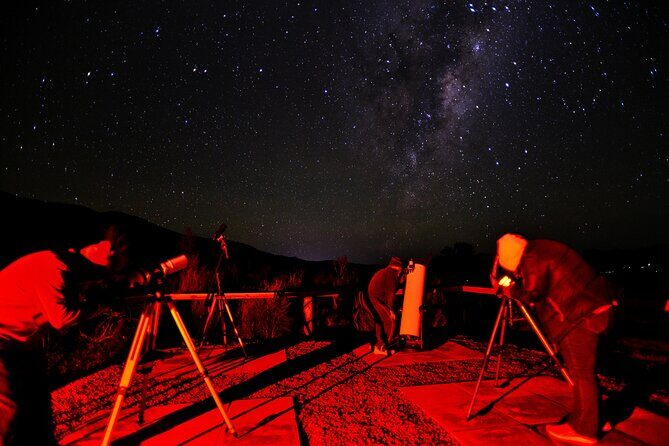
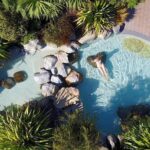
The evening is designed like a guided path you can follow even if you don’t know a single constellation. You start with a tour using the naked eye. That first step is important. It helps your eyes adjust and gives you context for what you’ll be seeing later through the telescope.
The guide talks through stars and constellations as you navigate the night. One highlight mentioned is the Southern Cross, which is a classic Southern Hemisphere anchor. You’ll also get help connecting the dots—literally—so the sky doesn’t feel like random dots. This is the part that helps beginners feel competent quickly, without feeling rushed or left behind.
Then the tour shifts from “finding” to “seeing.” You’ll get up close with a quality Celestron electronically guided telescope. The idea is simple: some objects aren’t bright enough to spot with the naked eye, even if your skies are dark. With the telescope, you can target specific deep-sky objects that would otherwise stay invisible.
Examples given for what you can look for include the Omega Cluster and the Sombrero Galaxy. Those names are for many people “astronomy trivia”—until you see what they mean visually. The value here isn’t just the objects; it’s that you’ll understand why telescopes matter in real, concrete terms.
After the telescope portion, there’s room to shift into a more relaxed style of observing with manual telescopes and astro binoculars. This matters because stargazing can be intense if it’s all standing and scanning. Being able to switch modes keeps the night fun instead of tiring.
Equipment: How the Telescopes and Binoculars Work for Real People
One reason Manuka Skies sounds like a strong value is that it doesn’t rely on one viewing method. You get several ways to observe, and each one fits a different kind of viewer energy.
Celestron electronically guided telescope
The electronically guided setup is built for deep-sky targets—objects that can be hard to locate manually. If you’re not confident finding things in the dark, this is a relief. You can focus on the viewing, not on the frustration of trying to “hunt” the sky.
Manual telescopes for a free-roam feel
Manual telescopes let you experiment more. This is where you can test what you learned earlier. You’re not completely dependent on automation. If you like the idea of actively trying to align, aim, and learn, this portion gives you that chance.
Astro binoculars on lounges
This is a detail I really like: the astro binoculars work great on lounges, meaning you can lie back and gaze up comfortably. Stargazing is better when your body isn’t fighting you. Sitting or standing for a long stretch can make the experience feel longer than it is. Lounge-style viewing turns the whole thing into a calmer night.
Interactive star finder
You’ll also get an interactive star finder and the chance to test your navigation skills. That’s a subtle but smart inclusion. You start the evening learning how to orient yourself, and you end with a way to practice—so the knowledge sticks for next time you look up.
Bottom line: the equipment mix means this tour isn’t one-size-fits-all. It’s designed to keep multiple comfort levels happy, from casual viewers to people who want to tinker.
The Nature Add-On: Stream Sounds, Native Forest, and Morepork Owls
Most stargazing tours focus only on astronomy. Manuka Skies adds a nature layer, and that can be a big difference on the ground. You’re not just transported to a field and told to look up. You’re in a native forest environment, and the tour includes the soundscape of a spring-fed stream flowing down the mountain. It’s a gentle detail, but it helps the whole evening feel real and place-based.
There’s also a specific wildlife cue: native Morepork owls nest in the area, and you’ll be encouraged to listen out for them. You can’t plan on a wildlife sighting like you can plan on a telescope view, but the tour’s attention to listening works well with the quiet rhythm of stargazing. Even when you don’t see an owl, it can make the night feel alive.
This is part of the kaitiaki approach too. It frames the tour as stewardship of the sanctuary—guardianship, not extraction. For many visitors, that’s what makes the night stick in memory: you’re looking at the sky while also being aware of the ecosystem around you.
Price and Value: Is $80.05 for Two Hours a Smart Buy?
At $80.05 per person for about 2 hours, the price isn’t “cheap,” but it can be fair value depending on what matters to you. The value case here is the combination of dark-sky location, a multi-tool observing setup, and a small maximum group size (10). Dark-sky sites and quality equipment don’t come free, and the tour doesn’t look like it’s trying to pack in dozens of people.
Another factor: the tour is booked in advance at an average of 44 days. That’s not a guarantee of sell-out, but it suggests people plan for this experience and that the schedule tends to get filled. If stargazing is a priority for your Hanmer Springs trip, I’d treat this like a book-early activity rather than a last-minute gamble.
Also worth noting: there’s a strong track record in the provided info. The tour shows a 5-star rating with 100% recommended, based on 11 reviews. I put more weight on patterns than one-off comments, and in this case the top feedback points to two things: the tour experience itself and excellent communication when weather doesn’t cooperate.
So, the real question for you is simple: do you value a guided stargazing night with real astronomy equipment and comfort, not just a generic “look up at the sky” stop? If yes, the price starts to make sense.
Logistics That Matter: Pickup, Small Groups, and Tickets

Manuka Skies offers pickup, which is a big practical win in a place like Hanmer Springs. Night tours are when driving can get annoying—especially if you’re tired, you’re unfamiliar with the area, or you just don’t want to think about parking and timing. Pickup reduces that mental load so you can focus on the evening.
The group size is capped at maximum 10 travelers. That’s important for star tours. More people can mean longer waits at telescopes and less time for questions. A smaller group generally helps the guide keep pace and make sure you’re actually viewing instead of just observing from a distance.
You’ll also get a mobile ticket, and confirmation happens at booking time. None of this is flashy, but it helps the experience stay smooth.
One more practical detail: the meeting start point is in Hanmer Springs, New Zealand. That keeps this experience grounded in the area you’re already visiting, rather than being a full-day road trip.
If the Weather Turns: What You’re Really Signing Up For
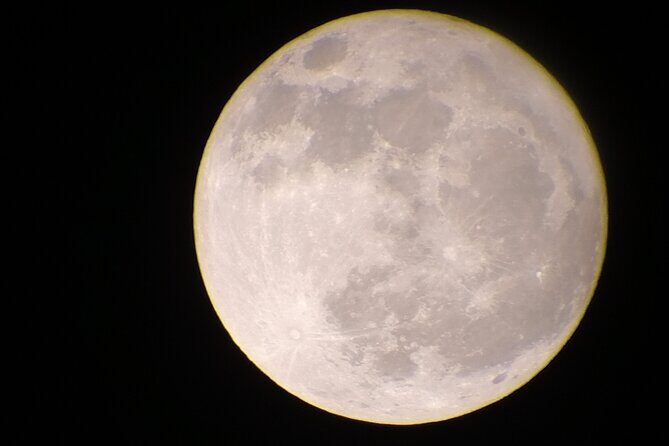
This tour needs good weather. That’s not a flaw—it’s reality. Stargazing in clouds is like hiking with your eyes closed. The good part is how the experience handles it: if it’s canceled due to poor weather, you’ll be offered a different date or a full refund.
There’s also a safety net for planning. Free cancellation is available if you cancel at least 24 hours before the experience’s start time. For me, that means you can book now to protect your schedule, then keep an eye on the forecast without feeling trapped.
My advice is to think of this as a two-step plan:
- Book it because the sky might be perfect.
- Keep flexibility in your trip, so rescheduling doesn’t ruin the rest of your itinerary.
If weather is the one thing you can’t flex at all, then any stargazing tour—anywhere—becomes a gamble.
Who Should Book This Tour (and Who Might Want Something Else)
This star tour fits best if you want a guided night that helps you learn without turning it into a lecture. You’ll get structure: naked-eye navigation first, then telescope viewing, then relaxed observing with binoculars and lounges. That makes it a strong match for couples, first-timers, and people who want a guided astronomy experience without needing prior skills.
It also suits you if you like the idea of a small group and a thoughtful nature setting. The Morepork owl listening and the spring-fed stream add character beyond the astronomy alone.
On the other hand, if you want a long, multi-stop evening with lots of walking and extra stops, this may feel a bit short at about 2 hours. Also, if you’re traveling when weather flexibility is impossible, be aware you could be rescheduled.
Accessibility note from the provided info is that most travelers can participate. Still, like any nighttime outdoor activity, expect it to be in natural terrain and in low-light conditions.
The Guide Experience: Brent’s Passion and the Kara-led Care
A big part of why stargazing tours feel good is how someone explains what you’re seeing. One guide name that shows up in the feedback is Brent, described as passionate and knowledgeable about what can be seen. That lines up with the way the tour is structured: it gives you context first, then helps you connect it to actual telescope views.
The experience provider listed is Kara, which adds a human anchor to the operation. In small-group tours, the guide voice matters more than you might expect. The best nights usually come from guides who keep things friendly, organized, and focused on helping you look up successfully.
Should You Book Manuka Skies at Manuka Skies?
I’d book this if your priorities are clear: dark skies, a guided start with constellations, quality telescope viewing for deep-sky objects, and a comfortable way to observe. The price doesn’t scream bargain, but it also doesn’t feel inflated for what’s included: a small group, pickup, a multi-equipment astronomy setup, and a nature setting with listening cues like Morepork owls and the sound of a spring-fed stream.
If you’re choosing between a simple stargazing outing and one with actual equipment and a plan, this one leans more serious while still staying approachable. Just be honest about one thing: the sky depends on weather, so keep some flexibility in your trip.
FAQ
How long is the Manuka Skies star tour?
It runs for about 2 hours.
Is pickup available for the tour?
Yes, pickup is offered.
What’s the group size?
The tour has a maximum of 10 travelers.
What equipment do you use during the tour?
You’ll start with naked-eye stargazing, then view through a Celestron electronically guided telescope. There are also manual telescopes, astro binoculars on lounges, and an interactive star finder.
Do I need to know anything about astronomy?
No prior knowledge is required in the information provided. The tour includes a guided approach that starts with learning constellations and navigation.
What happens if weather is poor?
The experience requires good weather. If it’s canceled due to poor weather, you’ll be offered a different date or a full refund.
What is the cancellation policy?
Free cancellation is available up to 24 hours in advance for a full refund.
If you tell me your travel dates (and whether you’ll have one or two nights you can swap for weather), I can help you decide the best way to fit this into a Hanmer Springs itinerary.