REVIEW · HOKITIKA
Hokitika: The National Kiwi Centre Tickets
Book on GetYourGuide →Operated by The National Kiwi Centre Limited · Bookable on GetYourGuide
Kiwi secrets stay put for good reasons. At The National Kiwi Centre you’ll get hands-on style viewing of New Zealand icons in a controlled setting, with giant eel feeding as a real highlight. I especially like the close-up kiwi viewing in the nocturnal house and the way the team connects what you see to conservation. The main drawback: on a shorter visit, you might not see lots of kiwi out at once, since they’re notoriously hard to catch on their schedule.
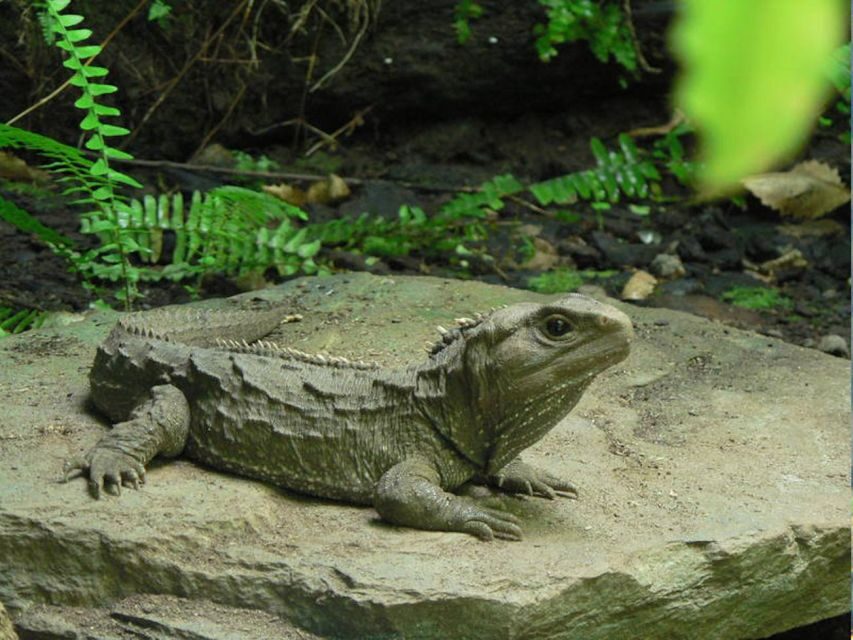
You’ll meet the centre’s star acts in a compact, easy-to-follow hour. Expect both Brown Kiwi and Little Spotted Kiwi in the purpose-built nocturnal setup, plus other native wildlife like tuatara, giant eels, crayfish, and whitebait. Plan around feeding times if you want the best shot at seeing the most action during your visit.
In This Review
- Key highlights at a glance
- A 1-hour kiwi encounter in Hokitika
- Entering the nocturnal kiwi house (and what that actually means)
- Giant eel feeding: the most energetic moment of the hour
- More than kiwi: tuatara, crayfish, and whitebait
- Interactive displays and a team that actually teaches
- Photos, treats, and the little rules that protect wildlife
- Price and planning: is it good value?
- Who should book this and who might skip it
- Quick practical tips before you go
- Should you book The National Kiwi Centre tickets?
- FAQ
- Where is The National Kiwi Centre located?
- How long does the visit take?
- What’s included in the Hokitika National Kiwi Centre ticket?
- When do the giant eel feedings happen?
- Is food or drinks included?
- Is the centre wheelchair accessible?
Key highlights at a glance
- Purpose-built nocturnal kiwi house with Brown Kiwi and Little Spotted Kiwi
- Giant eel feeding included with your ticket
- Tuataras, crayfish, and whitebait that round out the story beyond kiwi
- Interactive exhibits that feel made for real learning, not just looking
- A team that genuinely cares about conservation and animal safety
A 1-hour kiwi encounter in Hokitika
Hokitika is a great base on New Zealand’s South Island West Coast, and this is one of the best ways to spend a short block of time without needing a full-day tour. Your ticket is simple: you get entry for about an hour, and you’re there to see New Zealand’s wildlife up close—especially kiwi—in a setup designed to keep the animals safe.
At $23 per person, it’s not a “cookie-cutter zoo visit” price. It’s more like a focused wildlife stop where the centre does the heavy lifting for you: keeping habitats stable, timing feedings, and building exhibits that explain what you’re looking at. If you’re short on time but still want something that feels authentic and educational, this fits well.
One smart way to think about it: you’re paying to see wildlife that’s usually hard to view in the wild. Kiwi are nocturnal, elusive, and easily stressed. Here, the point is less about spectacle and more about respectful viewing that helps protect the species.
You can also read our reviews of more tours and experiences in Hokitika.


Entering the nocturnal kiwi house (and what that actually means)
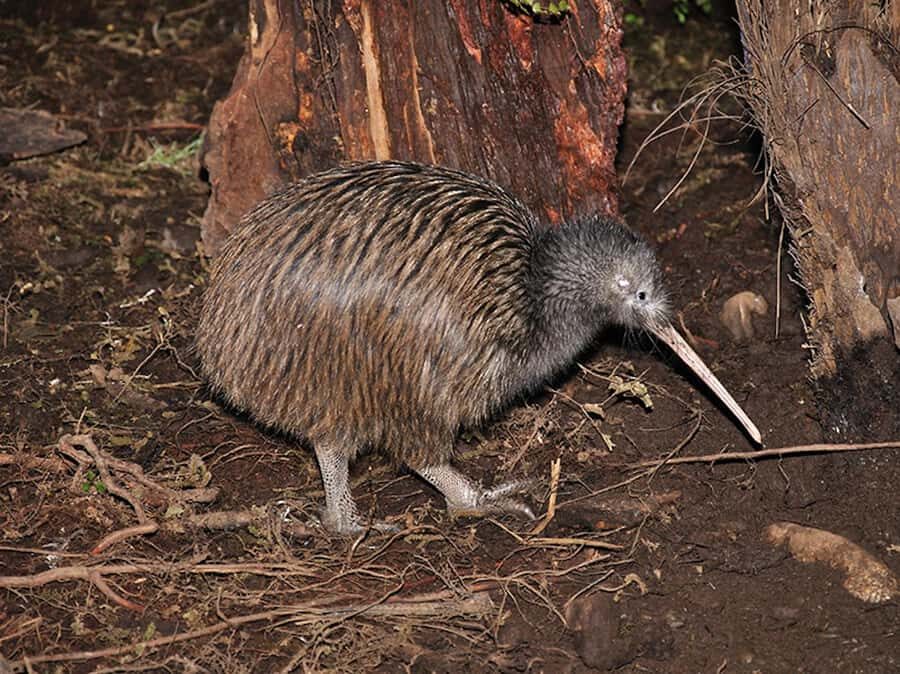
The kiwi portion is the heart of the experience. You get access to the purpose-built nocturnal house where you can observe kiwis in a controlled environment designed for their needs. It’s not set up like a bright daytime “show,” and that matters for what you’ll see.
This is where I like the centre’s approach most: you’re not just hoping a kiwi might appear. The building is set up to support kiwi behavior and safety, which also helps visitors see them in a way that isn’t disruptive. You’ll learn about the kiwi as an iconic symbol of New Zealand’s unique biodiversity, and you’ll see both Brown Kiwi and Little Spotted Kiwi.
A practical consideration: kiwi are not guaranteed. Even in a dedicated house, they’re still kiwis—active on their schedule, sometimes tucked away. One review experience also pointed out that there were only two kiwis, with one appearing only briefly. That’s not the centre being “bad,” it’s the reality of nocturnal animals. If you’re the kind of visitor who wants constant action, you may feel a little impatient. If you’re happy to wait a bit and watch closely, you’ll enjoy it more.
Tip that helps: time your visit to overlap with eel feeding times (more on that below). It often lines up with more active moments and gives you something happening while you’re waiting.
Giant eel feeding: the most energetic moment of the hour
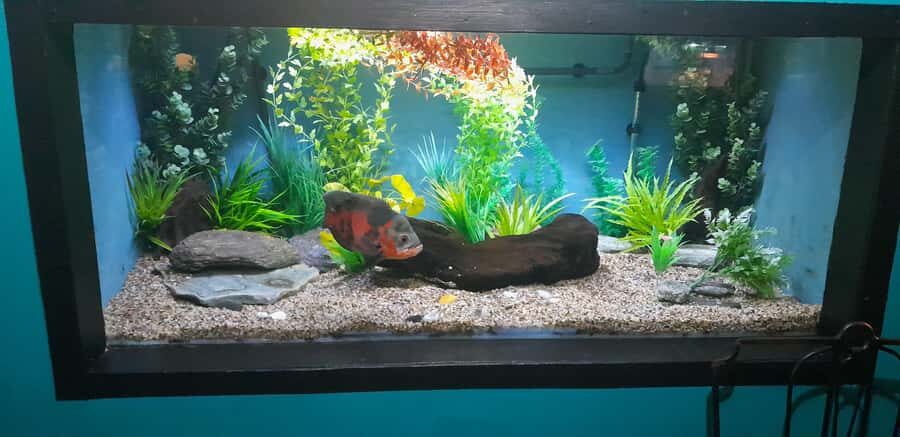
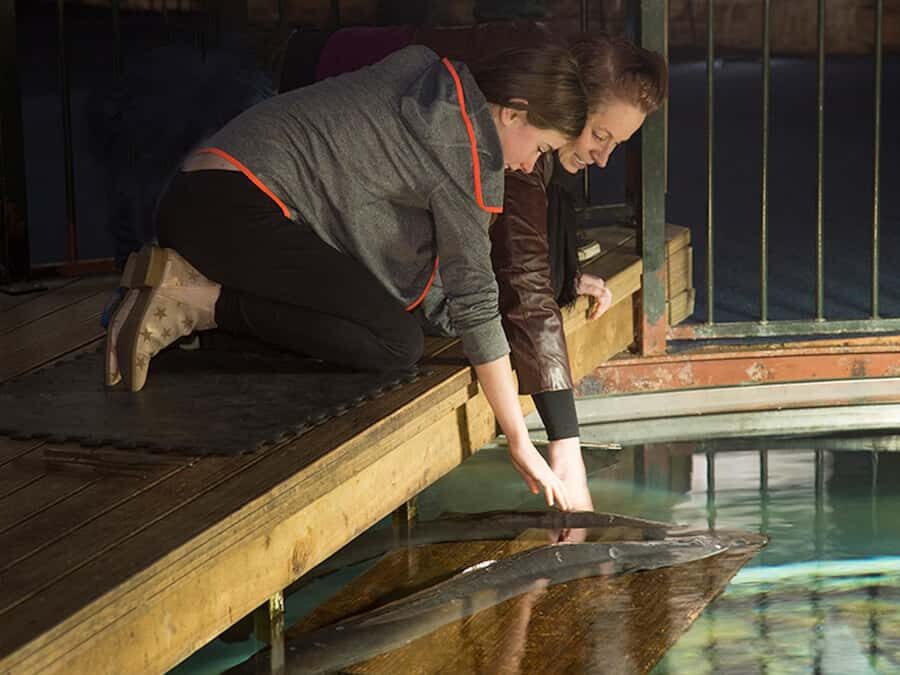
If there’s one part that tends to convert “I’ve seen animals before” into “wow, this is different,” it’s the giant eel feeding. Your ticket includes it, and the feeding happens at set times: 10:00 AM, 12:00 PM, and 3:00 PM.
This matters because the eel segment isn’t just a static exhibit. When feeding is happening, the center essentially gives you a front-row moment: movement, attention, and behavior you can’t replicate by just walking past tanks. One of the strongest impressions from the feedback was how good it felt to see the eels being fed and how much there was to notice in the fish and eel displays compared with the kiwi sightings alone.
What you’ll get out of it:
- You see how the centre keeps animals in a stable environment.
- You get a clearer sense of the animals’ presence and scale.
- You’re watching at a moment when the animals are most likely to be actively feeding.
It also makes planning easier. If you’re traveling through Hokitika and want your hour to feel “worth it” right away, align your visit with one of the eel feeding times. That’s the safest bet for getting a strong payoff even if the kiwis are quieter that particular moment.
More than kiwi: tuatara, crayfish, and whitebait
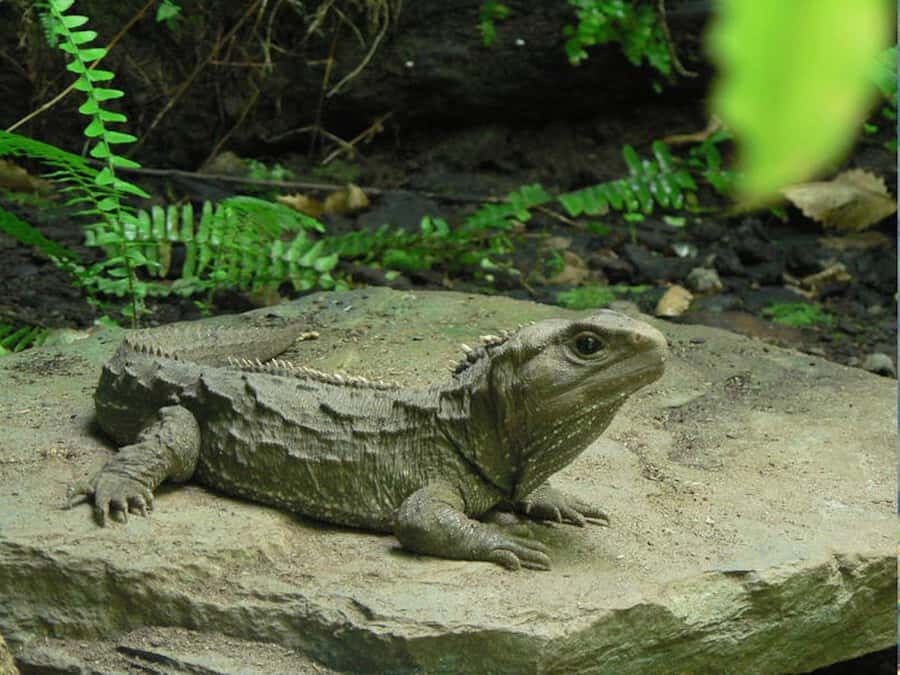
Even though kiwi are the main attraction, the centre doesn’t leave you with just one animal story. You also get a look at other native wildlife, including tuatara, crayfish, and whitebait, alongside the eel exhibits.
The tuatara piece is a fun one because it brings you into the “ancient lineage” feeling of New Zealand’s wildlife. It’s not about flavor text—it helps you see that New Zealand’s conservation story isn’t only about one cute bird. The tuatara adds depth to the message: these animals represent long evolutionary histories, and that’s why protection matters.
Crayfish and whitebait round things out by showing different parts of the ecosystem. You’re not asked to memorize names; instead, you’re encouraged to connect what you’re seeing to the idea of native species that deserve careful stewardship. It’s the kind of educational framing that makes a short visit feel complete.
If you’re the kind of traveler who worries that “kiwi-only” experiences are repetitive, this is a good checkmark. More than one experience described the overall quality of exhibits as better than expected, with a strong focus on fish and eels too. That’s the centre doing its job: spreading the value across more than one star display.
Interactive displays and a team that actually teaches
The centre’s exhibits are set up to be interactive, which makes a big difference in a one-hour visit. Instead of only looking through glass and moving on, you’re given moments to engage—through exhibit design and through the explanations from the staff.
One of the most praised elements is the team itself: visitors highlighted how welcoming and nice the staff were, and how the explanations about eels were especially good. When staff can explain feeding behavior and animal needs in a clear way, you start noticing things you would otherwise miss—like how active feeding changes how an animal uses space.
You’ll also pick up a key theme: the centre is designed for kiwi safety and preservation. You’re not just seeing animals; you’re seeing how a conservation-focused facility operates. That’s valuable because it shifts the experience from “entertainment” to “responsible observation.”
If you like talking to people and asking simple questions—why this animal is here, what it needs, what visitors should look for—this place rewards that. It’s built for short attention spans and curious minds, which is a rare combo.

Photos, treats, and the little rules that protect wildlife
One thing I’d plan for: you may face restrictions around photography, especially with kiwi. At least one visitor described that they were not allowed to take pictures themselves to protect the kiwi, but they were offered a free kiwi picture. They also mentioned free chocolate as an add-on.
I can’t promise those extras will happen for every visit, since they weren’t listed in the core activity info. But it’s a smart heads-up: if you’re someone who assumes you can freely shoot photos of everything, confirm the centre’s current photo rules when you arrive. The good news is that even if photography is limited, the experience is set up around close observation rather than selfie time.
My advice: travel with low expectations for nonstop photos and higher expectations for animal viewing. That mindset will make your hour feel smoother and more fun.
Price and planning: is it good value?
Let’s talk value in real terms. At $23 per person for about an hour, you’re paying for entry plus the included eel feeding. Food and beverages are not included, so plan on grabbing a snack or drink elsewhere if you need it.
Here’s what makes the price feel reasonable:
- You get a focused wildlife experience, not a half-day crawl.
- The kiwi viewing is in a controlled nocturnal setting, which is exactly how you can view kiwi responsibly.
- You’re not paying extra to see the eel feeding moment.
- The centre adds educational value through exhibits and staff explanations.
Here’s what you should consider before buying:
- Kiwi sightings can be brief. If you’re expecting nonstop kiwi action, you might feel let down.
- Because it’s a short experience, you’ll want to schedule it so your hour lines up with the 10:00 AM, 12:00 PM, or 3:00 PM eel feeding.
If you’re on a tight West Coast itinerary and want a high-impact wildlife stop, this is a strong option. If you have plenty of time and you’re aiming for the “wild kiwi every night” dream, this won’t replace that—because it’s a conservation facility and you’re observing on their timetable. But as a day-plan anchor in Hokitika, it’s one of the most practical choices.
Who should book this and who might skip it
This is a good fit if:
- You want kiwi without the hassle of finding them in the wild.
- You enjoy short, structured experiences with a clear highlight.
- You like animal behavior moments, especially feeding times.
- You’re traveling with family or anyone who benefits from guided explanations.
You might think twice if:
- You’re only interested in seeing kiwi for the entire time. The animals aren’t always out, even in a nocturnal house.
- You hate waiting for animals to show behavior. This isn’t a fast-motion show.
- You’re expecting a full day of exhibits. The visit is about 1 hour.
If you want a balanced wildlife stop, though, this works well. The centre isn’t just a kiwi box—it includes tuatara, eels, crayfish, and more, so even a quiet kiwi moment won’t completely sink your payoff.
Quick practical tips before you go
- Aim your ticket for a visit that overlaps with 10:00 AM, 12:00 PM, or 3:00 PM eel feedings to maximize “active time.”
- Wear comfortable walking shoes. You’ll move through exhibits, and it’s easier when you’re relaxed.
- Keep your expectations kiwi-realistic: brief sightings can still be memorable.
- If you’re big on photos, ask about current photography rules when you arrive.
- Bring a plan for food and drinks, since they’re not included.
Should you book The National Kiwi Centre tickets?
I’d book it if you’re in Hokitika and you want a close-up kiwi experience that’s time-efficient and grounded in conservation. The eel feeding is a real included highlight, and the overall exhibit quality seems to exceed expectations for many visitors—especially for fish and eel viewing.
I would only skip or delay booking if you’re arriving with one rigid expectation: that you’ll see lots of kiwi the whole hour. Kiwi can be brief and unpredictable, and this experience is built around respecting that. If you can enjoy the “sometimes you wait, then something special happens” style of wildlife viewing, this is a worthwhile stop.
FAQ
Where is The National Kiwi Centre located?
It’s in Hokitika on New Zealand’s South Island.
How long does the visit take?
The experience is about 1 hour.
What’s included in the Hokitika National Kiwi Centre ticket?
Entry to The National Kiwi Centre is included, and feeding giant eels is included too.
When do the giant eel feedings happen?
Giant eel feedings take place at 10:00 AM, 12:00 PM, and 3:00 PM.
Is food or drinks included?
No. Food and beverages are not included.
Is the centre wheelchair accessible?
Yes, the experience is wheelchair accessible.