REVIEW · PICTON
InterIslander Ferry – Picton to Wellington
Book on Viator →Operated by Interislander · Bookable on Viator
A ferry ride beats Wellington turbulence. The InterIslander Picton-to-Wellington crossing gives you a relaxed 3.5 hours at sea, starting with quiet Queen Charlotte Sound scenery before you hit the open Cook Strait. I like the freedom to travel on foot or bring your car, and I love that the standard trip includes viewing access and a generous 2x 23kg baggage allowance. One thing to plan around: if the weather turns cold or windy, you may spend more time inside and the views can feel shorter.
It’s also a practical way to move between New Zealand’s islands, not a long, stop-and-stare “sightseeing tour.” Boarding happens at the Picton port, you arrive in Wellington Harbor, and once you’re off the ship you can head straight to Te Papa, restaurants, shopping, and the rest of the capital’s best-known sights.
In This Review
- Key things to know before you book
- Picton to Wellington by InterIslander: what makes it worth your time
- The route in real time: Queen Charlotte Sound to Cook Strait to Wellington
- Vehicle vs. on foot: choose the ticket type that fits your next leg
- Onboard setup: viewing decks, lounges, and where to wait out the weather
- Decks and observation
- Seating zones and lounges
- Food, coffee, and the onboard rhythm
- Extras for families
- Smoking and comfort
- Baggage and what you can bring without surprise charges
- What’s included
- Size and weight limits
- Extra baggage, bikes, and sporting gear
- Pets and kennels
- Timing reality: check-in, timetable changes, and weather cancellations
- Weather can change the feel of the crossing
- Getting to Picton and leaving Wellington with momentum
- Picton: getting to the terminal
- Wellington: arrival at Aotea Quay
- When the ferry is truly the best move (and when it isn’t)
- Who should book the Picton to Wellington ferry?
- Should you book this InterIslander ferry?
- FAQ
- How long is the InterIslander ferry from Picton to Wellington?
- Where do I board and where do I arrive?
- What baggage allowance is included?
- Is food included on the ferry?
- Can I bring a vehicle or only walk on?
- Can I bring bicycles or sporting gear?
- What about traveling with a dog or other animal?
- Is the service affected by weather?
Key things to know before you book

- Queen Charlotte Sound start: expect the most sheltered, scenic portion early in the trip.
- Two travel modes: go on foot or take a vehicle—choose the ticket type that matches your plan.
- Viewing decks included: you don’t need a special add-on just to look out.
- Solid baggage allowance: 2x 23kg per person is built into the basic ferry trip.
- Weather matters: calm days bring best visibility; rough days push you indoors.
- Friendly onboard service: staff and food get consistent high marks when the crossing runs smoothly.
Picton to Wellington by InterIslander: what makes it worth your time
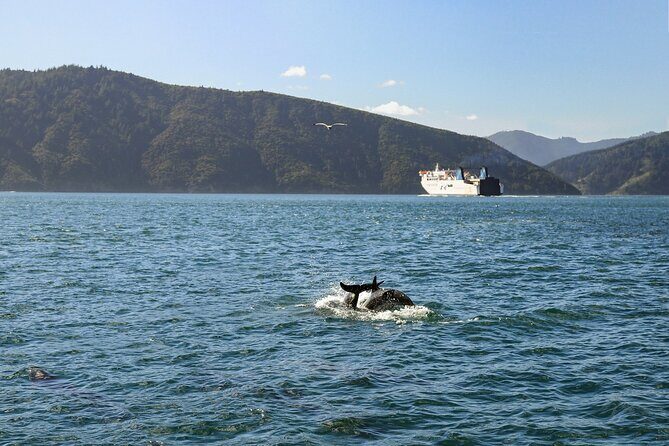
If you’ve ever felt your flight plan tighten the moment you see the forecast, the ferry is a friendly answer. This sailing is a simple “get there by sea” option—but it comes with two big rewards: you trade airplane stress for ocean time, and you get a real change of scenery without needing to do anything except show up.
I especially like that the crossing works for different trip styles. If you’re road-tripping, you can take your vehicle. If you’re exploring by foot and public transport, you can travel without a car and still arrive in Wellington with luggage handled for you. InterIslander also runs its interisland service from Picton toward Wellington regularly, so you’re not stuck waiting for rare departures.
The value angle is not just the ticket price ($58.77 per person one way). You’re also buying simplicity: one booking gets you a full crossing, access to ship viewing decks, and baggage rules that are clear and generous. It’s the kind of transport that helps your itinerary feel less like logistics homework.
You can also read our reviews of more tours and experiences in Picton.


The route in real time: Queen Charlotte Sound to Cook Strait to Wellington
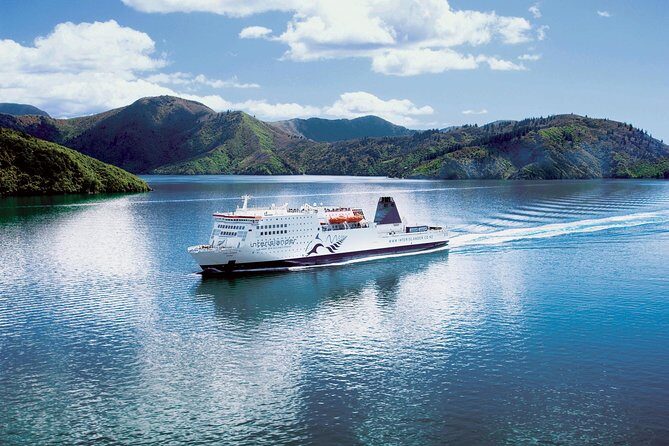
Think of this crossing as three phases.
First, Picton leaves you into Queen Charlotte Sound. From the port side of the Marlborough Sounds, you’ll generally get calmer, more sheltered water and a softer start. This is the stretch where passengers tend to cluster on decks because the scenery feels close and readable—water, shorelines, and green hills working together.
Then comes the open-water Cook Strait portion. This is the part that can feel more like “ferry travel” and less like a postcard. Even on decent days, this is when you’ll notice wind and spray more. If seas are rough, you’ll feel it (and you’ll want a seat in the more sheltered interior areas).
Finally, Wellington Harbor appears and the city comes into view. Approaching Wellington is a different mood than leaving Picton. Instead of open water and shoreline, you get the hills around the capital and a sense of arrival that’s hard to fake with schedules. When the ship docks, the timing is usually set up so you can keep your day moving—especially if you’re pairing the ferry with Te Papa and a food crawl.
Vehicle vs. on foot: choose the ticket type that fits your next leg
InterIslander gives you the key choice travelers usually forget until it’s too late: are you bringing a vehicle, or are you traveling on foot?
If you’re taking a road trip across the country, bringing your car keeps your freedom intact. You avoid the awkward “rent, drop, re-rent” dance and you land in Wellington ready to continue driving or exploring nearby areas. If you’re doing trains plus a day or two in Wellington, the car option is still useful—but only if you truly need one once you arrive.
If you’re traveling on foot, you’ll be glad you booked accordingly. Walk-on travel is straightforward, and you’ll be able to focus on the crossing itself rather than the extra steps that go with car loading and unloading.
One practical note from the experience side: there can be a bit of terminal friction during boarding in Picton. Expect stairs or ramp sections as you move up to the ship, and bring patience if you’re traveling with heavy bags or you’re not comfortable with stairs.
Onboard setup: viewing decks, lounges, and where to wait out the weather

The ship is built for the reality that not everyone has the same priorities. Some people want the outside air and deck views. Others want warm seating and a place to eat without balancing a tray in crosswinds.
Decks and observation
Access to viewing decks is included, so you can head up whenever conditions look good. On calm days, getting outside early pays off, especially during the Queen Charlotte Sound phase. On windy or overcast days, you’ll still get views—but you’ll likely rotate between deck and interior lounges.


Seating zones and lounges
InterIslander’s ships include lounge areas, with some sailings offering a Premium Lounge experience. Premium Lounge is often the choice when you want a quieter, more comfortable ride. If you’re traveling with kids or teens, pay attention to age rules around Premium Lounge access (youth aged 17 and under can’t travel in Premium Lounge).
Food, coffee, and the onboard rhythm
Food and beverages are not automatically included with the standard ferry trip. On board, you’ll find cafes and bar service plus fast-food takeaway options. One of the most consistent pieces of feedback is that the food is good for a ferry, and staff are friendly.
Coffee lines can be a bottleneck. When you see a window of calm, plan to order rather than waiting “until later.” This is also when you’ll likely enjoy your meal without trying to squeeze in between crowds.
Extras for families
If you’re traveling with children, the ship has a children’s play area and nursery. Some sailings also include a movie theater, though it depends on the ship (the fleet includes Kaitaki and Kaiārahi).
Smoking and comfort
Smoking is not permitted inside the ship except in designated areas. If you’re a smoker, use the outside points you’re allowed—don’t wait for a room or you’ll be disappointed.
Baggage and what you can bring without surprise charges

This is where the ferry can feel either effortless or annoying. Here, the rules are clear.
What’s included
Your basic ticket includes 2x 23kg baggage allowance. It’s limited to two items of baggage per person for the included allowance.
Size and weight limits
No single item can exceed 23kg, and there’s also a dimension limit of 200 linear centimeters (height + length + width). There are no exceptions to the weight restriction for safety reasons. The dimension limit may be relaxed for sporting equipment.
If your baggage is larger—like certain backpacks or oversized bags—your best move is to plan for terminal check-in so it can be processed properly. Baggage is then collected from carousels at the port of arrival.
Extra baggage, bikes, and sporting gear
Additional luggage can cost extra and is subject to availability. Bikes and sporting gear may also incur a fee, payable at the terminals. If you have a bike, surfboard, canoe, or similar equipment, figure out the add-on details before you arrive so you aren’t scrambling at loading time.
Pets and kennels
Traveling with dogs is allowed, but kennels are sold at the terminal for traveling animals. There are limited kennels available, so don’t treat this like an optional add-on. It’s one of those areas where planning beats hope.
Timing reality: check-in, timetable changes, and weather cancellations

This is a daily ferry service route, but the timetable can shift. The schedule is subject to change without notice, so don’t build your whole day on a “perfect” connection that depends on one exact minute.
Also, you should treat check-in as non-negotiable. One common issue is arriving without giving enough time. Build in cushion because you’ll need time to get through the terminal flow and get your baggage handled.
Weather can change the feel of the crossing
This ferry requires good weather. If sailing is canceled due to poor weather, you’ll be offered another date or a full refund. On the day, if it’s cold and windy, plan to stay flexible. The ship is comfortable, but views are best when seas are calmer and the sky clears.
A small but important mindset shift: this is not a “stop for whales and keep sightseeing” kind of experience. It’s a transport crossing with excellent scenery—most noticeable when conditions cooperate.
Getting to Picton and leaving Wellington with momentum
Picton: getting to the terminal
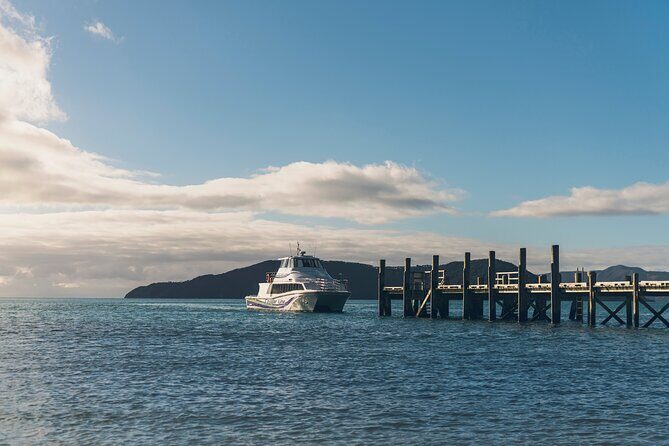
Picton Port is the meeting point, located on Auckland Street. The terminal area is close enough to the train station that the ferry trip can work as part of a rail-and-ferry combo.
Some ferry sailings connect with the Coastal Pacific train service to Kaikoura and Christchurch, which is great if you’re building a South-to-North itinerary with a scenic rail highlight.
Wellington: arrival at Aotea Quay
You disembark at the Wellington Ferry Terminal at 1 Aotea Quay, Pipitea. From there, Wellington is very “walk, tram, or short ride” friendly. If you’re heading straight for Te Papa Tongarewa Museum, cafés, or shops, you’ll be able to start exploring without waiting for a long transfer.
One extra practical bonus from the experience side: there may be shuttle support on the Wellington end, which can reduce stress if you’re arriving with a rental car plan or luggage.
When the ferry is truly the best move (and when it isn’t)
This ferry is ideal when you want a calmer pace between islands, especially if you’re not thrilled about the idea of flying into Wellington. It also shines when you’re moving between road-trip and city time, because the car option keeps your travel wheels turning.
It’s also a solid match for families and for people who like comfort. Even without Premium Lounge, you can move between indoor seating and deck viewing. For solo travelers, it’s a nice reset day that doesn’t demand constant attention.
The main reason you might reconsider is weather risk plus your tolerance for being flexible. If you’re traveling on a tight schedule where a delay would wreck everything, you should plan extra buffer time on both sides. And if you’re expecting a “guided sightseeing cruise,” temper that idea—this is more about the route and the arrival than about long stops.
Who should book the Picton to Wellington ferry?
Book it if you:
- Want an easy alternative to flying into Wellington.
- Are traveling with a vehicle and want continuity.
- Prefer comfort plus on-deck views when conditions are right.
- Like practical travel that still gives you memorable scenery.
Consider other options if you:
- Need a perfectly timed, weather-proof arrival with zero buffer.
- Are expecting a full sightseeing program with frequent viewpoints or stops.
Should you book this InterIslander ferry?
Yes, if your priority is a straightforward island crossing with strong scenery and an arrival that puts you near Wellington’s key spots. The included viewing decks and baggage allowance make it feel efficient rather than “pay extra for basics.” Plus, when the crossing is smooth, this is one of the best ways to get into Wellington without the stress of air travel.
If you want the best odds for great views, pick a sailing with favorable weather when you can, and plan to layer up. Even a great day can turn cool on deck once you hit Cook Strait.
If you’re ready for transport with a view—and you want the capital without turbulence drama—this ferry belongs in your plan.
FAQ
How long is the InterIslander ferry from Picton to Wellington?
The crossing takes about 3 hours 30 minutes.
Where do I board and where do I arrive?
You board at Picton Port on Auckland Street in Picton, and you arrive at the Wellington Ferry Terminal at 1 Aotea Quay, Pipitea, Wellington.
What baggage allowance is included?
The trip includes 2x 23kg baggage allowance. It allows two items per person under the included allowance, and the airline-style weight and dimension limits apply.
Is food included on the ferry?
Food and beverages are not included. You can purchase food and drinks on board.
Can I bring a vehicle or only walk on?
You can choose to travel with a vehicle or on foot, depending on the ticket type you book.
Can I bring bicycles or sporting gear?
Bicycles and sporting gear may incur a fee, payable at the terminals.
What about traveling with a dog or other animal?
Kennels may be purchased at the terminal for traveling animals. There are limited kennels available, and the option costs extra.
Is the service affected by weather?
The experience requires good weather. If it’s canceled due to poor weather, you’ll be offered a different date or a full refund. Service animals are allowed.