REVIEW · QUEENSTOWN
Kiwi Park Queenstown Admission
Book on Viator →Operated by Kiwi Park Queenstown · Bookable on Viator
One small park can feel like a whole slice of Aotearoa. Kiwi Encounters in a nocturnal viewing room and a complimentary audio tour make this an easy, weather-friendly stop in central Queenstown. My favorite parts are how close you can get to rare native wildlife and how well the experience is paced around guided show times; the main catch is that kiwi viewing happens in very dark conditions, so you need patience and quiet.
This is a 5-acre wildlife park built for wandering, not rushing. With your all-day admission, you can line up a Conservation Show (with birds flying free in netting) and then schedule your kiwi visit when the dark-room sessions run.
One practical thing to plan for: some paths are steep, so wear grippy shoes and take it slow—especially if you’re visiting with kids or anyone with mobility limits.
In This Review
- Key things to know before you go
- Kiwi Birdlife Park in central Queenstown: what you’re really buying
- The audio tour and getting your bearings fast
- Conservation Show: birds fly free in netting, and it’s fun to watch
- Show times you can plan around
- Kiwi Encounters: the nocturnal room is magical, but darkness is real
- Kiwi encounter times
- Tuatara Encounter: prehistoric energy without the long wait
- Walking the native bush: trout streams, exhibits, and the conservation story
- Price and value: how $39.72 holds up (and when it might not)
- Best way to plan your 2–3 hours (and not waste it)
- Should you book Kiwi Park Queenstown admission?
- FAQ
- What’s included with Kiwi Park Queenstown admission?
- Is the ticket valid for the whole day?
- How long should I plan for the visit?
- What else can I see besides kiwi?
- When are the conservation shows?
- When can I see kiwis during Kiwi Encounters?
- What are the park’s opening hours?
- What about cancellations and refunds?
- Is parking or hotel pickup included?
Key things to know before you go
- Central Queenstown location right by the Skyline Gondola entry makes this simple to fit into a day
- All-day admission lets you build your own route around show times
- Complimentary audio guide helps you explore at your pace instead of following a tight group schedule
- Conservation Show runs multiple times daily, with native birds flying free in an outdoor netted enclosure
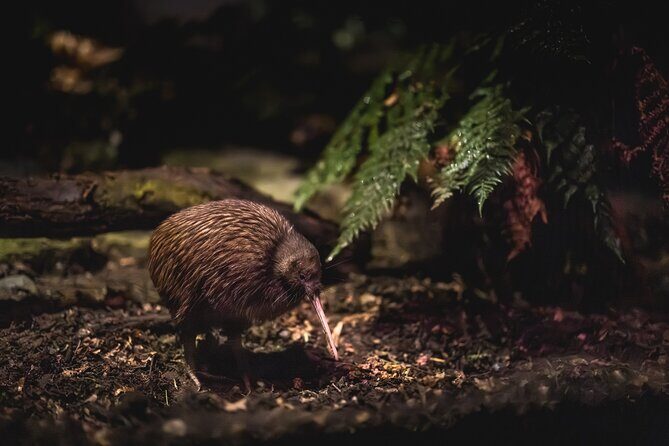
- Kiwi Encounters put you in purpose-built nocturnal viewing spaces, designed for real kiwi behavior
- Tuatara Encounter adds a bonus prehistoric feel beyond the birds
Kiwi Birdlife Park in central Queenstown: what you’re really buying
For $39.72 per person, you’re not just paying for a quick look at kiwi. You’re buying access to an organized native-wildlife experience in the middle of Queenstown—where you can spend real time learning, watching, and re-watching the star attractions without feeling dragged along.
Kiwi Birdlife Park sits on about 5 acres of native bush in a convenient central location. That matters because Queenstown can be weather-tossed and busy. When the day turns cold or wet, this is the kind of place that turns “stuck indoors” into a solid plan. You can arrive, get oriented, and then move through at your own speed while the park’s shows pull you toward the best viewing moments.
And it’s not only about kiwi. Expect a mix of native birds plus a prehistoric-style reptile encounter. You’ll also see nature exhibits and hear daily keeper presentations built around conservation, rehabilitation, and breeding programs. If you care about the why behind the animals, this park is set up to explain it in plain language during the shows.
You can also read our reviews of more tours and experiences in Queenstown.

The audio tour and getting your bearings fast
The experience includes a complimentary audio guide, and that’s one of the smartest parts of the whole setup. Instead of waiting for someone to explain every feature, you can listen when you’re standing in front of it. That keeps your time flowing, especially if you have kids who want to hop from exhibit to exhibit.
In the park, you’ll use the audio guide plus the on-site setup to guide your route. You’re also not trapped in a single storyline. You can start with the most time-sensitive thing (the kiwi viewing sessions), or you can work from the shows outward.
A quick tip: when you enter indoor or darker areas, don’t treat it like a photo studio. The more you keep things calm and quiet, the better the viewing conditions feel. One of the most practical lessons from the experience is that loud voices are the enemy of dark-room wildlife watching.
Conservation Show: birds fly free in netting, and it’s fun to watch
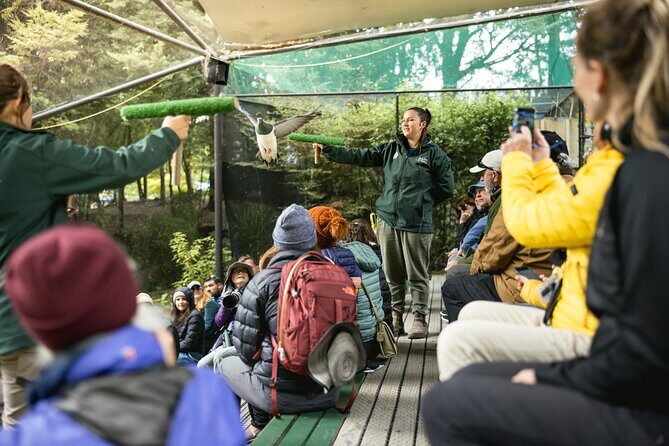
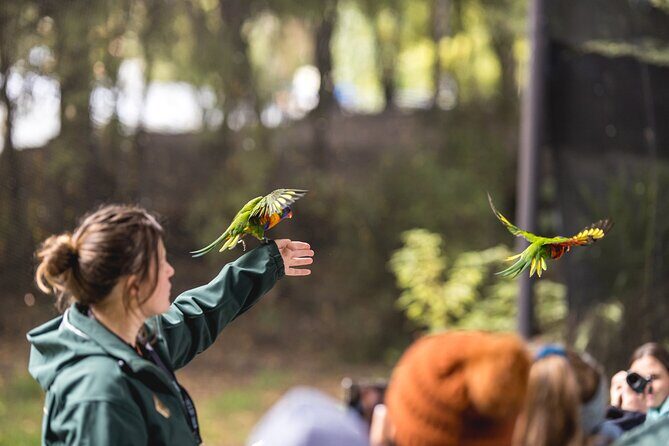
The New Zealand Conservation Show is the park’s big staged moment—held two or three times daily depending on the season. It runs in an outdoor area enclosed in netting, which lets birds fly freely while keeping the environment safe and controlled.
This show is where you start understanding how the park thinks about conservation, not just display. You’ll learn and then see it in action. Birds you may spot include kakariki (a type of parakeet) and kereru (a New Zealand pigeon). If you like variety, this is also where the experience feels most lively, because birds are moving around in flight rather than only perching.
You can also expect elements focused on birds of prey and other native species such as pateke (duck), buff weka (flightless bird), and Antipodes Island parakeets.
Timing note: if you want the cleanest flow through the park, schedule this early in your visit. One very common way to build a smooth afternoon is to catch the show first, then use the remaining time to wander, before stepping into the nocturnal kiwi enclosure later.
Show times you can plan around
- Oct–Apr: 11:30am, 1:30pm, 3:30pm
- Apr–Sep: 11:30am and 3pm
Kiwi Encounters: the nocturnal room is magical, but darkness is real
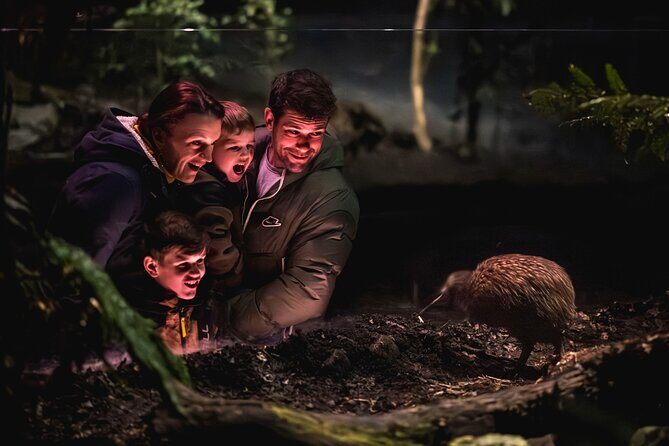
If kiwi is your reason for coming, plan your day around the Kiwi Encounters sessions. These run at set times and are designed for nocturnal viewing—meaning you’re not going to get bright, easy sight lines.
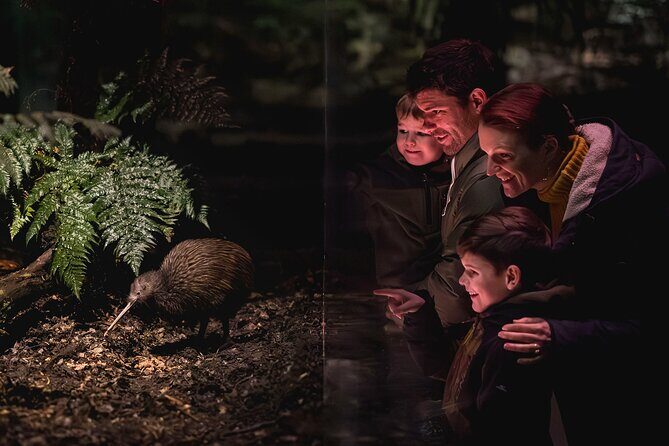
The kiwi experience happens inside specially designed nocturnal enclosures. In plain terms: you’re in a darkened environment where the kiwi can act like a kiwi. Your job is to give your eyes a chance and to watch quietly. That sounds basic, but it’s the difference between feeling delighted and feeling frustrated.
Here’s the big takeaway from people who’ve done it: kiwi can be hard to spot at first because you might only see the outline or movement before your eyes adjust. After a few minutes, the viewing usually improves. The best strategy is patience over panic.
Kiwi feeding sessions are part of the experience, and you’ll also learn about the way flightless kiwis prefer to sleep in underground burrows during daylight hours. That background makes what you see in the dark room feel less like random shadow activity and more like real animal behavior.


Kiwi encounter times
The park lists multiple daily sessions, and they vary by season:
- Oct–Apr: 10am, 11am, 12:15pm, 1pm, 2:15pm, 3pm, 4:15pm, 5pm
- May–Sep: 10am, 11am, 12:15pm, 1pm, 2pm, 3:45pm, 4:43pm
Because ticket admission is valid for the whole day, you can choose a time that fits your pace instead of locking yourself into a rushed schedule.
Tuatara Encounter: prehistoric energy without the long wait
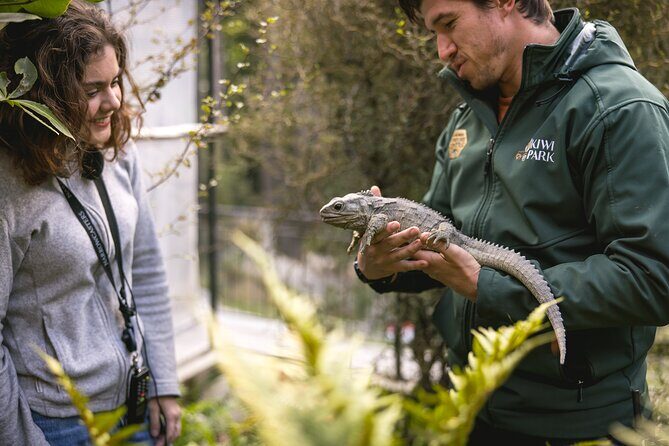
Between bird shows and kiwi viewing, the Tuatara Encounter adds a totally different kind of thrill. Tuatara are often described like living dinosaur-era reptiles, and the park’s setup is built for close viewing.
This part is valuable if you’re traveling with mixed interests—say, one person who wants only kiwi and another who wants variety beyond birds. The tuatara moment helps the park feel more like a native wildlife center rather than a single-animal attraction.
It also breaks up the day nicely. Even if your main goal is kiwi, you’ll likely enjoy having another anchor point so the visit feels complete.
Walking the native bush: trout streams, exhibits, and the conservation story
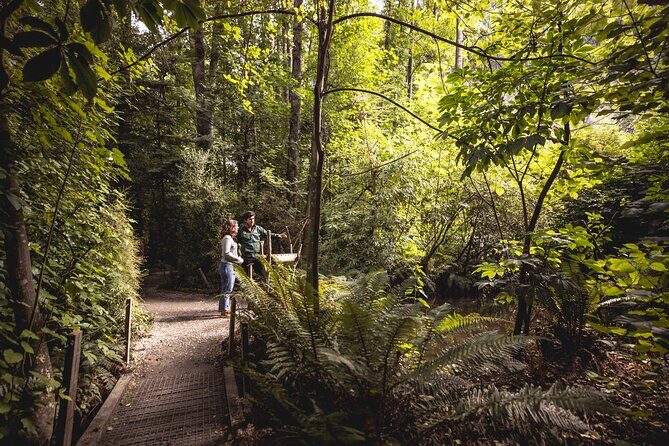
After shows and kiwi time, you’ll still have plenty to do. The park layout encourages you to explore the native bush at your own pace, and you’ll pass through areas that highlight different species and conservation themes.
Expect a forest walk that includes trout-filled streams and interpretive info about what the park is doing for conservation. The emphasis here is on rehabilitation of injured wildlife and breeding programs focused on release.
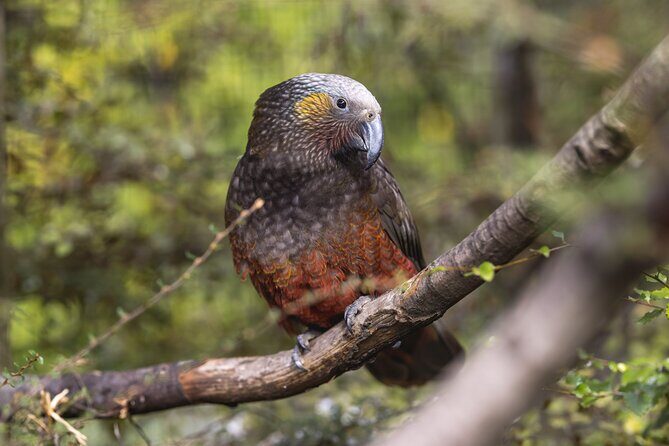
You’ll also find more bird exhibits that go beyond the staged show and the kiwi enclosure. In past visits, people have especially enjoyed seeing certain birds up close—like kea exhibits. While the lineup can vary with time, the park’s overall promise is consistent: more native wildlife than you’d typically spot around town in the wild, and far more predictability than trying to catch rare sightings on a self-drive.
A practical note: park paths can be steep in sections. That’s not a deal-breaker, but it’s something to respect with kids, older visitors, or anyone using a mobility aid. Comfortable shoes are the difference between an enjoyable wander and a tiring one.
Price and value: how $39.72 holds up (and when it might not)
Let’s talk value. At $39.72 per person, Kiwi Birdlife Park is priced as an attraction with multiple included pieces: kiwi viewing time, an audio guide, and scheduled conservation show access.
Here’s why I think it’s good value for the right visitor:
- You get all-day admission, so you’re not paying for a timed ticket that evaporates
- You receive multiple included elements (audio guide + show + kiwi encounters)
- You see animals you’d struggle to catch in the wild—especially kiwi
- It’s built as a weather-safe activity in central Queenstown
Where value can feel weaker:
- The park is not huge, so if you’re expecting endless trails or lots of big “wow” moments every 5 minutes, your pacing might feel fast.
- Kiwi viewing relies on darkness and animal behavior. If you want bright, constant action, you may feel like the kiwi enclosure is slow at first.
If you come with realistic expectations—quiet time, patience, and interest in native conservation—it’s easy to feel the ticket price makes sense.
Best way to plan your 2–3 hours (and not waste it)
The visit is typically about 2 to 3 hours. That’s a useful window because it lets you do it as a morning plan, a rainy-day fallback, or an afternoon calm-down between other Queenstown highlights.
Here’s a solid approach:
- Start with the Conservation Show if you want context first and a lively entry into the park.
- Walk the exhibits while you’re fresh, then save the kiwi session for a set time.
- Head to Kiwi Encounters when your session starts, then give your eyes time to adjust.
Dress for walking (comfortable shoes) and also for weather. The park recommends sun protection, which makes sense in Queenstown when clouds break, even in a cool season.
Also, keep your group vibe in mind. In indoor kiwi areas, quiet helps. If you’re traveling with kids, it can help to prep them: kiwi viewing isn’t about talking loudly, it’s about letting animals do their thing.
Should you book Kiwi Park Queenstown admission?
Yes, if kiwi is on your must-see list and you want an efficient, indoor-friendly plan in central Queenstown. I’d especially recommend it for:
- Families who want a guided-feel experience without a hard schedule
- Bird lovers who want more native species than you’d realistically spot on your own
- Travelers who appreciate conservation messaging, not just animal photos
- Rainy/cold-day planners who need something reliable and close to town
I’d think twice if:
- You hate dark viewing environments and want constant visibility
- You’re chasing a long, sprawling outdoor hike (this is a park walk, not a full-day trek)
FAQ
What’s included with Kiwi Park Queenstown admission?
Admission includes the audio guide, kiwi viewing, and entry to the conservation show.
Is the ticket valid for the whole day?
Yes. Your admission ticket is valid for the entire day, so you can explore at your own pace.
How long should I plan for the visit?
Most visits run about 2 to 3 hours.
What else can I see besides kiwi?
You can see a variety of New Zealand birds, plus a tuatara encounter, nature exhibits, and keeper presentations. The conservation show may include birds such as kakariki and kereru.
When are the conservation shows?
Conservation shows run at set times that vary by season. They are scheduled at 11:30am, 1:30pm, and 3:30pm in Oct–Apr, and at 11:30am and 3pm in Apr–Sep.
When can I see kiwis during Kiwi Encounters?
Kiwi Encounters run at multiple set times each day, with schedules changing between Oct–Apr and May–Sep.
What are the park’s opening hours?
The park is open Monday to Sunday from 9:30am to 5:30pm.
What about cancellations and refunds?
You can cancel for a full refund up to 24 hours before the experience starts. If you cancel less than 24 hours before, the amount paid isn’t refunded.
Is parking or hotel pickup included?
No. Parking isn’t included, and there’s no hotel pickup or drop-off.