REVIEW · QUEENSTOWN
Lake Dunstan Cycleway Bike Rental And Return Shuttle
Book on Viator →Operated by David · Bookable on Viator
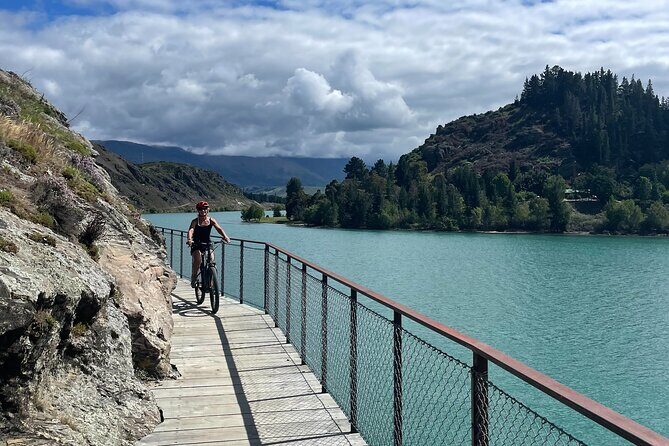
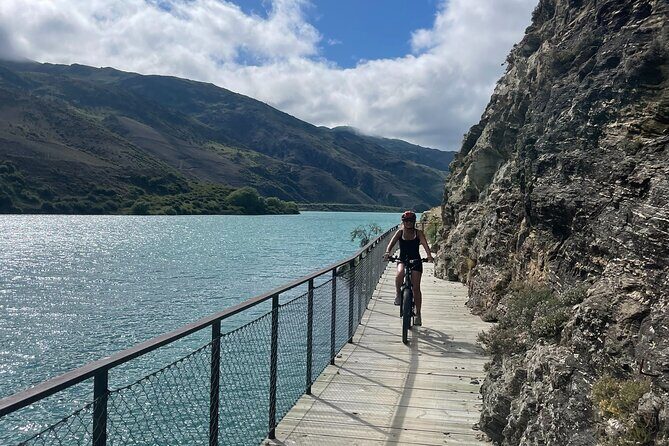
Lake Dunstan Cycleway is a smart way to roam. You ride along Lake Dunstan on a purpose-built track, with engineering details like clip-ons to the rockface and the Hugo Suspension Bridge, plus history boards that explain what happened here from goldrush days to the building of NZ’s largest dam. The big plus is how easy it feels on a brand-new e-bike, but the one thing to consider is that it’s still a 42km ride total, so you’ll want to be comfortable cycling for a few hours even with assist.
I love that the route is self guided. You can set your own pace with assistance levels that include off, so your group won’t get stuck waiting for the slowest rider or pushed by the fastest. One mild drawback: since it’s not a guided ride with narration all the way through, it’s on you to stop and read the information boards when you want the history to land.
Logistics are straightforward: you start at Junction Lookout, Cromwell at 9:30am, then finish in Clyde and get an executive shuttle back to Cromwell. You also get a helmet, a rear trunk bag (8L, so you may skip a backpack), a bike lock, and a puncture repair kit, which makes the whole day feel smoother and more “show up and ride.”
In This Review
- Key Things to Know Before You Ride the Lake Dunstan Cycleway
- Why Lake Dunstan Cycleway Feels Like a Scenic Side Quest From Queenstown
- Your E-Bike Setup: Sinch Assist, a Real Helmet, and Carry-On Ease
- Meeting at Junction Lookout and Timing Your Ride From 9:30am
- The Real Value: A 42km Ride That Feels Shorter on E-Bike Power
- History Boards Along Lake Dunstan: More Than Just Pretty Sightseeing
- Engineering You Can See: Rockface Clip-Ons and the Hugo Suspension Bridge
- Stop Smart: Carrick Winery, Burger & Coffee Afloat, and Clyde Celebrations
- Price and Value: What $111.70 Covers and Why It Adds Up
- Who Should Book the Lake Dunstan Cycleway (and Who Might Hesitate)
- How to Make the Day Feel Easy: Assistance Levels, Lunch, and Comfort
- Weather and Trail Surface: What You Can Count On
- FAQ
- Where does the Lake Dunstan Cycleway ride start?
- How long is the experience?
- Is the ride guided?
- What ages can ride?
- What’s included with the rental?
- What about e-bike assistance—can I turn it off?
- How do you get back to Cromwell?
- What is the cancellation policy?
- Should You Book This Lake Dunstan Cycleway Bike Rental and Return Shuttle?
Key Things to Know Before You Ride the Lake Dunstan Cycleway
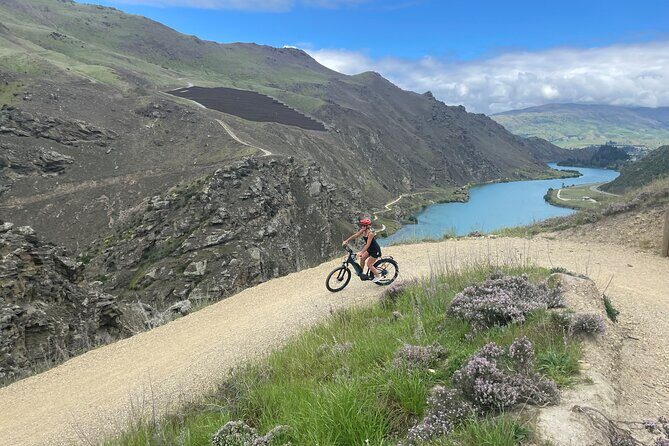
- The trail follows Lake Dunstan (not the main road), so you get calm, scenic cycling without traffic pressure.
- E-bike help is adjustable, with multiple assistance levels and an option to ride with assistance off.
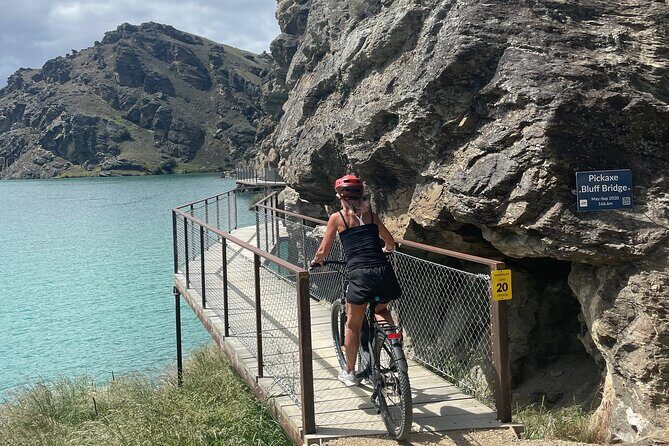
- Standout engineering features include clip-ons attached to the rockface and the Hugo Suspension Bridge.
- History boards do the storytelling on the goldrush era and the dam that shaped the region.
- You finish in Clyde with time for a quick celebratory drink before the return shuttle.
Why Lake Dunstan Cycleway Feels Like a Scenic Side Quest From Queenstown
Even though this is based around Queenstown, the real action here is farther along the lakeside, between Cromwell and Clyde. The ride travels on the opposite side of Lake Dunstan from the road route you’d otherwise follow, which changes the vibe immediately: you’re cycling in a protected, purpose-built corridor rather than moving through driving traffic.
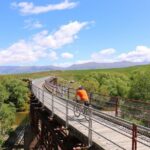
What makes this route especially interesting is that it mixes scenery with visible effort—bridges and trail sections that required serious engineering. In places, the track uses clip-ons attached to the rockface, which is exactly the kind of detail you notice when you’re cycling slowly enough to look. Then there’s the Hugo Suspension Bridge, which gives you that classic “you’re on a real structure, not just a path” feeling.
You also don’t have to guess what you’re looking at. Along the way, information boards explain the history of the area—from goldrush days to the building of NZ’s largest dam. If you stop and read, the ride becomes more than pretty views; it becomes a way to understand why this lake region looks the way it does today.
You can also read our reviews of more cycling tours in Queenstown
Your E-Bike Setup: Sinch Assist, a Real Helmet, and Carry-On Ease
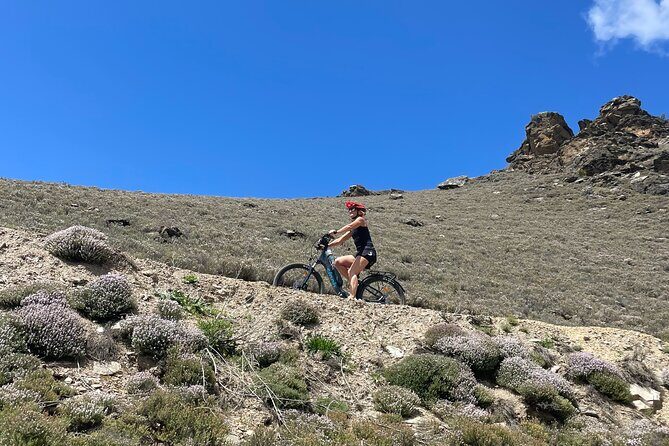
This isn’t a clunky rental bike situation. You’ll be on a new fleet of e-bikes from Sinch, designed specifically for NZ trails, and that matters because the Dunstan Cycleway is an excellent surface but you still have distance to cover (42km). The e-bike help turns the math in your favor, so the day feels closer to “half the distance” than “half the work.”
The best part for groups is the flexible assistance system. You can pick your own assistance level, including riding with assistance off. That means you can match effort to your day—strong riders can dial back help, while riders who want a calmer pedal can keep assistance higher. It’s one of the easiest ways to keep a friend group together without turning the ride into a workout that ends in sore legs and group arguments.
Safety and comfort are handled with solid basics. You get a Specialized Camber helmet with MIPs protection, plus a 8L Topeak rear trunk bag. That trunk bag is more useful than it sounds. If you want a lunch, a layer, and a small water setup, it’s often enough to travel light without hauling a full backpack. You also get a bike lock and a puncture repair kit, which is exactly what you want if you plan to stop for food or browse in Clyde.
Meeting at Junction Lookout and Timing Your Ride From 9:30am
You’ll meet at Junction Lookout in Cromwell (Cromwell 9310) at 9:30am. Starting on schedule helps you enjoy the ride at a relaxed pace rather than rushing toward the shuttle return.
Because the ride is self guided, think of the “schedule” as a range, not a timer. The full experience is about 5 hours, but what you actually spend pedaling can be shorter depending on your assistance level, how often you stop for photos, and how long you take reading the history boards. One advantage here is that the trail surface is very good, so you’re not fighting the bike the whole time. That means your time gets spent on views, bridges, and stops instead of dealing with rough ground.
This setup also works well for families and friend groups who want choices. If someone wants to linger at the winery area, they can. If someone else wants to push a bit, they can ride ahead and wait at the next sensible stopping point. With assistance levels available, it’s easier to avoid the classic cycling trap where one person’s energy dictates the pace for everyone.
The Real Value: A 42km Ride That Feels Shorter on E-Bike Power
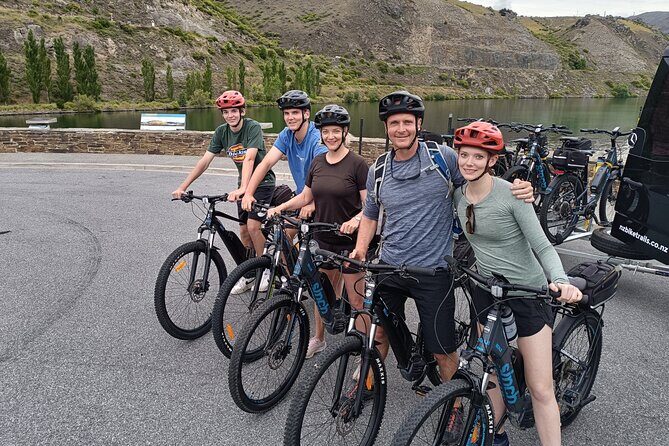
Let’s talk distance honestly. You’re cycling 42km from Cromwell area toward Clyde. Even with an e-bike, that’s not a casual stroll. The key is that the track quality is strong throughout and the ride is designed for cycling, so you’re not dealing with constant starts and stops or rough, unpredictable footing.
On an e-bike, the effort changes from legs-only to legs-plus-assist. Translation: you can pedal at a steady rhythm and keep your heart rate under control without feeling like you’re pushing hard the entire way. That’s why many people find they can slow down for lunch, read the boards, and still finish without feeling drained.
The experience is best for people with moderate physical fitness who are also confident on a bike. Riders should be 15 years and older, and the oldest rider so far has been nearly 70—so it’s clearly not only for young athletes. Still, confidence matters. If you’re nervous at all about staying balanced on a two-wheeled bike for a long stretch, it’s worth considering whether you’d feel better with a shorter option.
History Boards Along Lake Dunstan: More Than Just Pretty Sightseeing
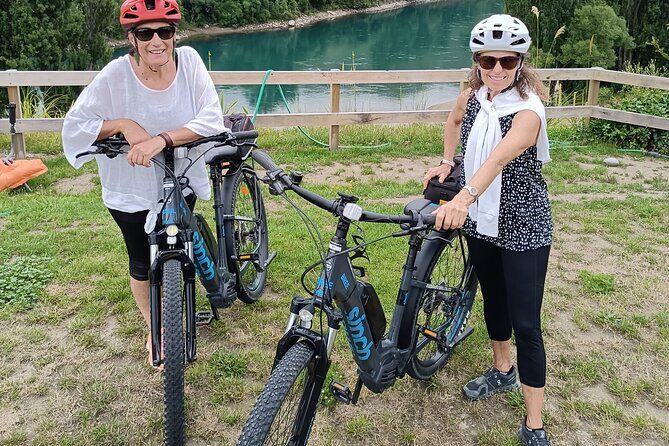
One reason this ride feels “worth it” is that you’re not stuck just watching views go by. The track includes information boards that explain the area’s history along the way, and that helps you connect the scenery to real-world changes.
You’ll encounter the story from goldrush days through to the building of New Zealand’s largest dam. That timeline matters because Lake Dunstan isn’t just a backdrop—it’s tied to how this region grew and transformed. If you enjoy learning while you move, these boards turn the ride into a living museum you can experience from a bike.
If you prefer to keep it light, you don’t need to read every board. But even a few stops can give you context, and the rest of the day becomes a “now I get it” kind of ride, where you can look around and understand what shaped the coastline and settlements.
A few more Queenstown tours and experiences worth a look
Engineering You Can See: Rockface Clip-Ons and the Hugo Suspension Bridge
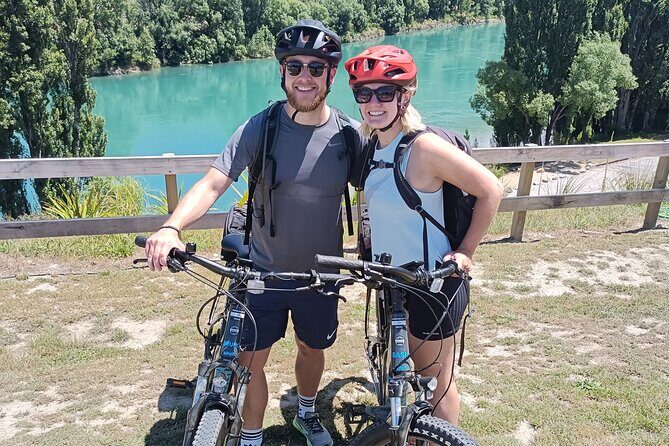
This is one of those cycling days where you’ll naturally slow down because the structure looks unusual. In multiple spots, the trail includes clip-ons attached to the rockface. That’s not a generic detail. It’s the kind of construction that shows you this trail wasn’t thrown together—it was engineered to fit the terrain.
Then there’s the Hugo Suspension Bridge. Bridges are great on bikes for one reason: they force a moment of focus. You’re aware of the bike, the surface, and your balance, and you get a clear “marker” in the ride that feels special. It’s also a perfect photo point, especially if the light is good on the lake.
Because the ride is self guided, you control how you approach it. If you want to take it steady, pick the lower assistance level early and save a little battery effort for the bridge section. If you want a smoother ride through the whole day, keep your assistance at a consistent level and just enjoy the structure as you cross.
Stop Smart: Carrick Winery, Burger & Coffee Afloat, and Clyde Celebrations
The Dunstan Cycleway is at its best when you treat it like a day out, not a race. There are good places to stop along the route, and two names you should plan around are Carrick Winery and Burger & Coffee Afloat.
Carrick Winery is a natural “fuel up and slow down” stop. Even if you’re not doing a full wine plan, a winery stop can break the ride nicely and give you a chance to stretch without feeling like you’re detouring too much.
Burger & Coffee Afloat is another fun contrast—coffee and food can reset your energy for the final stretch. A stop like this is also where the included gear pays off. With the rear trunk bag, you can keep small essentials handy without turning your ride into a backpack shuffle.
When you reach Clyde, you finish with time for a quick celebratory drink before the shuttle back to Cromwell. That moment is worth treating as the reward. It’s the simplest way to make a long-ish ride feel like a complete experience rather than just getting transported back.
Price and Value: What $111.70 Covers and Why It Adds Up
At $111.70 per person, this isn’t a budget bicycle rental. But it also isn’t just “a bike for a few hours.” Your price includes:
- the e-bike hire (brand Sinch)
- a helmet (Specialized Camber with MIPs protection)
- an 8L Topeak rear trunk bag
- a bike lock
- a puncture repair kit
- safety briefing
- the executive return shuttle from Clyde to Cromwell
That’s a lot of practical cost bundled together. The shuttle is the big one people underestimate. Instead of having to plan a bike return or organize extra transport, you cycle one direction and then get transported back. That alone can save you time, hassle, and the stress of coordinating with friends.
It also helps that the group size is capped at 11. Smaller groups often mean the pickup and briefing feel less rushed, and with e-bike setups, a smooth start matters because you’ll want to get comfortable with assistance levels before you start moving.
Also note that confirmations come at booking time and the ride uses a mobile ticket. If you like keeping things simple, that’s a plus.
Who Should Book the Lake Dunstan Cycleway (and Who Might Hesitate)
I think this ride is a strong fit if you want three things at once:
1) scenic cycling
2) real infrastructure you can appreciate in motion
3) an easy way to keep a group together
It suits families and friends because the e-bikes make it easier to choose your own effort. It also works for first-time e-bike riders because you’ll get a safety briefing and the bike itself is designed to be approachable, with adjustable assistance.
It might be less ideal if you’re aiming for a very short outing. Even though the ride can feel shorter on an e-bike, it’s still 42km. If you know you fatigue quickly on long rides or you’re not confident riding for hours in general, you may feel better with a shorter route option instead of this full length.
How to Make the Day Feel Easy: Assistance Levels, Lunch, and Comfort
A simple way to enjoy this ride is to treat assistance like a tool, not a cheat code. For example, I’d start with a medium assistance level so you get momentum without feeling like you’re charging all day. As you learn how your legs feel, adjust up or down. And if you want a more traditional cycling feel, you can ride with assistance off for stretches where you’re comfortable.
Plan your stops, too. The day includes winery and food options, and you’ll likely want a lunch. Even if you grab something at one stop, it’s smart to have a little backup plan in case your timing doesn’t match the vibe that day.
Use the trunk bag. It’s there to keep the essentials secure and easy to grab. A lock and repair kit are included, so you’re not forced into improvising if you stop for a drink in Clyde or want to leave the bike briefly.
And keep the bike simple. Don’t overload yourself with heavy extras that make you tired before you even start.
Weather and Trail Surface: What You Can Count On
You can count on a very good trail surface throughout the ride, which is huge for comfort. That kind of surface makes the ride feel steady and reduces the “are my hands and wrists okay?” stress that you can get on rough tracks.
Weather is always a factor in Central Otago style areas, but your best strategy here is straightforward: dress for comfort, bring a layer you can remove or add, and plan to adjust your effort if the day is warmer or windier than expected. Since the ride is self guided, you can slow down as needed without needing to keep up with a group pace.
FAQ
Where does the Lake Dunstan Cycleway ride start?
The start is at Junction Lookout, Cromwell 9310, New Zealand, with the ride beginning at 9:30am.
How long is the experience?
The overall experience is listed as about 5 hours, and the bike ride itself covers 42km.
Is the ride guided?
No. It’s self guided. You’ll receive a safety briefing, then you ride at your own pace.
What ages can ride?
Riders should be 15 years and older. Most travelers can participate, and the oldest rider so far has been nearly 70.
What’s included with the rental?
Included are the Sinch e-bike hire, helmet, 8L Topeak rear trunk bag, bike lock, puncture repair kit, safety briefing, and the return executive shuttle.
What about e-bike assistance—can I turn it off?
Yes. You can choose assistance levels, including off.
How do you get back to Cromwell?
You’ll finish in Clyde and then take the return executive shuttle back to Cromwell.
What is the cancellation policy?
You can cancel for a full refund up to 24 hours before the experience’s start time. If you cancel less than 24 hours before, the amount paid isn’t refunded.
Should You Book This Lake Dunstan Cycleway Bike Rental and Return Shuttle?
Book it if you want a day with big scenery, strong infrastructure, and a pace that fits your group. The combo of a 42km trail, very good surface, and e-bike assist makes it realistic for a range of fitness levels, and the shuttle back removes the usual logistics headache.
Skip it (or at least think hard) if you’re worried about cycling distance or you don’t feel confident on a bike for a few hours, even on an e-bike. If you’re comfortable riding and you like the idea of pairing views with goldrush-and-dam history boards, this is the kind of ride that feels like you got more out of your day than you expected.