REVIEW · QUEENSTOWN
Lake Wakatipu Queenstown: 6 hour Fishing Adventure by Boat
Book on Viator →Operated by Catch a Fish - Premium Eco-friendly Fishing Charters in New Zealand · Bookable on Viator
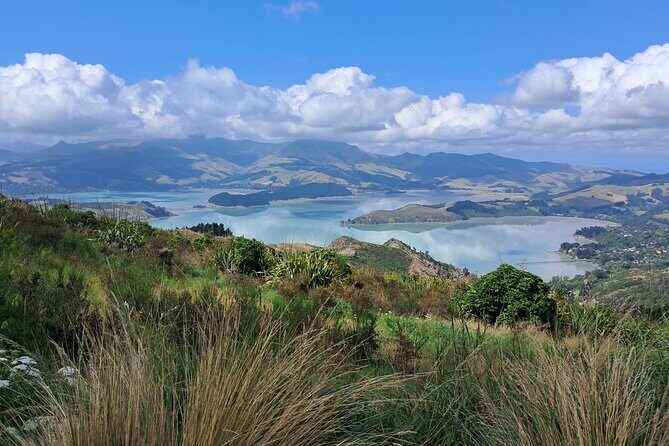
Quiet electric boats make Lake Wakatipu feel unreal. This 6-hour Lake Wakatipu fishing adventure gives you real time to try several methods while the water sits under views of The Remarkables, Cecil Peak, and Walter Peak. I really like the long time on the water (not a quick in-and-out) and the quiet electric trolling motor, which keeps things calm and practical for fishing. One thing to consider up front: this trip requires good weather, so wind or poor conditions can affect the day.
This is also set up as a small-group outing with a maximum of six passengers, so you get a more personal pace. I like that you’re not locked into one fishing style; you’ll work through options like trolling, harling, spinning, jigging, and using downriggers to reach different depths. In at least one family experience, the skipper (Ollie) was especially good at keeping teenagers interested by mixing fishing with talk about the environment.
You’ll start with quality gear and expert guidance, plus snacks and non-alcoholic beverages during the charter. And if you keep your catch (within local limits), they’ll clean it and vacuum pack it for you, which is a huge convenience after a full day on the water. The main practical note is that you’ll need a fishing license, which is required and can be purchased on the boat if needed.
In This Review
- Key highlights worth planning around
- Queenstown’s Lake Wakatipu fishing: more time, more chances
- The electric boat advantage: quieter, steadier, more fish-friendly
- How the 6 hours typically unfold on the water
- 1) Set up and get started from Frankton Marina
- 2) Technique time: trolling, spinning, jigging, and more
- 3) Moving between shallow and deeper water
- 4) Snacking, conversation, and quick adjustments
- 5) Wrap-up and how your catch is handled
- Targeting trout and salmon: what you’re really learning
- Gear, guidance, and the “after fishing” convenience
- Lunch note
- Price and value: what $421.99 gets you in real terms
- Weather, licenses, and practical checks before you go
- Should you book this Lake Wakatipu fishing charter?
- FAQ
- How long is the fishing adventure?
- Where do I meet for the tour?
- What’s included in the price?
- Do I need a fishing license?
- Can I keep the fish I catch?
- What happens if the weather is poor?
Key highlights worth planning around
- Six full hours fishing on Lake Wakatipu, so you can actually switch techniques instead of rushing.
- Quiet electric trolling motor for a smoother, eco-friendlier ride.
- Max 6 passengers, which usually means a relaxed vibe and more hands-on help.
- Multiple techniques covered (trolling, spinning, jigging, harling, and downriggers).
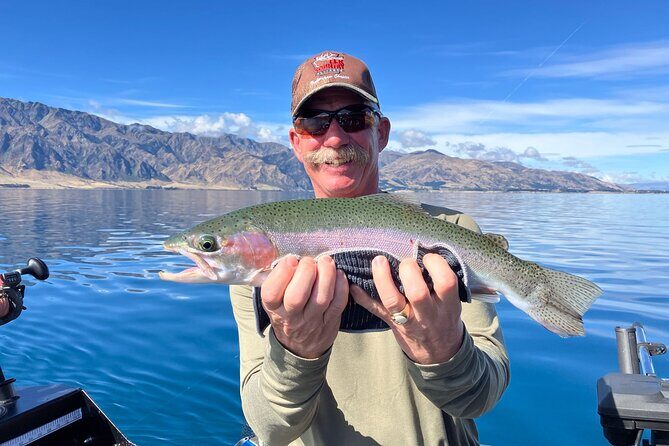
- You can keep your catch within local limits, and it’s cleaned and vacuum packed.
- Ollie-style skipper support, including clear guidance that works well even with teens.
Queenstown’s Lake Wakatipu fishing: more time, more chances
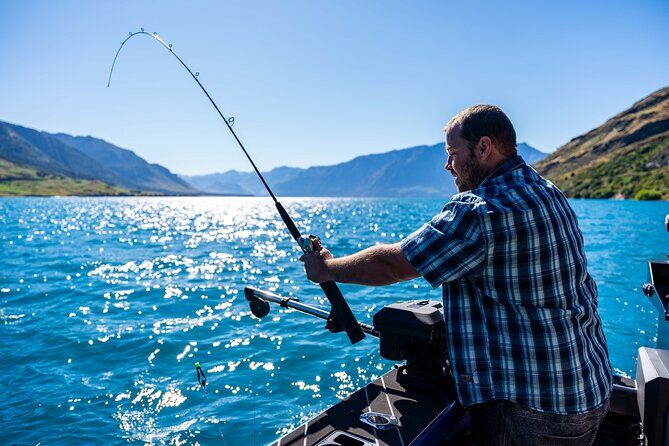
Queenstown is famous for high-energy outdoor stuff, but this is a different kind of adventure. The setting is still dramatic, just with a slower rhythm: you’re on Lake Wakatipu with time to try different approaches for trout and salmon across different parts of the water.
The big value here is the pacing. A 6-hour charter gives you time for a few “try it and see” cycles, plus the skill-building that comes from switching techniques. If you’re new to fishing, that matters, because you learn what each method is trying to do. If you’re more experienced, the time also helps you refine your own casts, retrieves, or trolling angles instead of burning all your time on the first setup.
And because the boat is capped at six passengers, the vibe tends to feel more like a day out with a small crew than a crowded tour. That usually means fewer waiting turns, less time standing around, and more direct instruction when you need it. One family even described having their own boat feel when it worked out so they weren’t sharing with lots of other people.
You can also read our reviews of more boat tours in Queenstown
The electric boat advantage: quieter, steadier, more fish-friendly
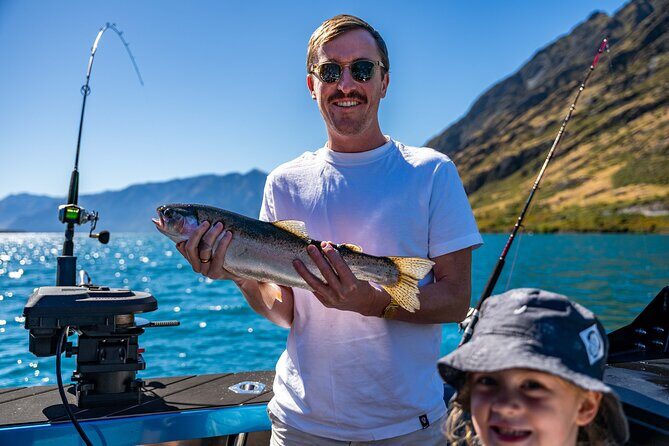
I love the idea of a quiet electric trolling motor on a fishing charter, because it affects more than comfort. A quieter approach typically helps keep the whole day calmer. You hear more of what’s going on around you, and you spend less time feeling like you’re in a noisy motor churn.
It also fits how fishing actually works on big alpine lakes: there are moments where you want controlled movement, smooth positioning, and less disturbance while you set lines or work an area. A smooth electric setup supports that kind of careful maneuvering, especially when you’re trying to target fish in different depths.
There’s also the practical angle. Electric motors tend to mean a quieter ride back and forth, so snacks, conversations, and instruction stay easy. For a half-day tour where the goal is to focus on fishing and scenery, that matters.
How the 6 hours typically unfold on the water
Even without a printed stop list, you can think of this charter as a loop of learning, fishing, and adjusting. The day is built around using several techniques, which usually means you’ll spend your time moving between water conditions and depth ranges rather than doing one repetitive pattern all day.
Here’s the useful way to picture your timeline.
1) Set up and get started from Frankton Marina
You meet at Frankton Marina in the Otago region. From there, you’ll get onto the water with the provided tackle and your skipper’s plan for the day. This is when you’ll want to pay attention to the basics they show you, even if you’ve fished before. Small tweaks in rigging, lure choice, or line handling can make a big difference on a lake like Wakatipu.
2) Technique time: trolling, spinning, jigging, and more
Then the charter shifts into technique mode. You’re not limited to one method. The options listed include:
- Trolling
- Harling
- Spinning
- Jigging
- Downriggers for deeper water
This is where the 6-hour length pays off. You can try one approach, learn what’s working, and then switch without feeling like you’ve already run out of time. In one described family day, they were catching fish early, getting their limit in the first two hours, and then still kept catching after that. That’s a reminder that when conditions cooperate, time on the water can turn into real action instead of just practice.
A few more Queenstown tours and experiences worth a look
3) Moving between shallow and deeper water
Lake Wakatipu has trout and salmon, and the charter is designed to help you reach both shallow and deeper zones. That’s exactly where downriggers come in. Downriggers are all about control: they help you put bait or lures at a specific depth rather than guessing.
If you’re paying attention during the day, you can learn a lot about why fish move and how method choice changes the odds. Even if you’re not a technical angler, the instruction you get can help you make smarter decisions next time.
4) Snacking, conversation, and quick adjustments
There are snacks and non-alcoholic beverages included. This matters more than it sounds. On a long water session, the breaks help you reset. They also give the skipper moments to re-check setups, suggest adjustments, or explain why a different technique might work better at that moment.
5) Wrap-up and how your catch is handled
When the day ends, you’re back at the starting point. The key convenience: if you keep your catch (within local limits), they’ll clean and vacuum pack it. That’s a huge time-saver, because you don’t want your trip to turn into a chore at the end of an already active day.
Targeting trout and salmon: what you’re really learning
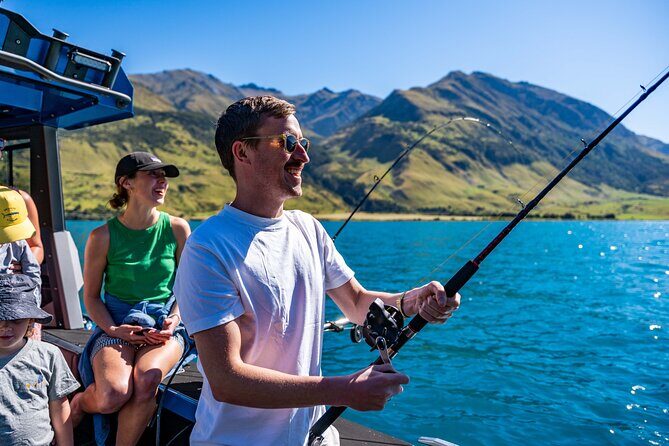
Fishing for trout and salmon in Lake Wakatipu isn’t just about luck. It’s about matching technique to what the fish are doing and where they are in the water column. The charter’s method list supports that learning process.
Here’s what those methods usually mean in plain terms:
- Trolling and harling tend to be about covering water and keeping lures moving naturally while you search for where the fish respond.
- Spinning is more active, and it often helps you react quickly if you see changes in the water or if the action is near the surface.
- Jigging can help when fish are interested in a lure that has a more vertical or “action” feel.
- Downriggers target the depth layer more directly, which is especially useful when fish aren’t feeding near the top.
The best part is that the charter doesn’t treat these as random options. It’s structured as a full fishing adventure, so you’re given a real chance to try each approach and feel the difference.
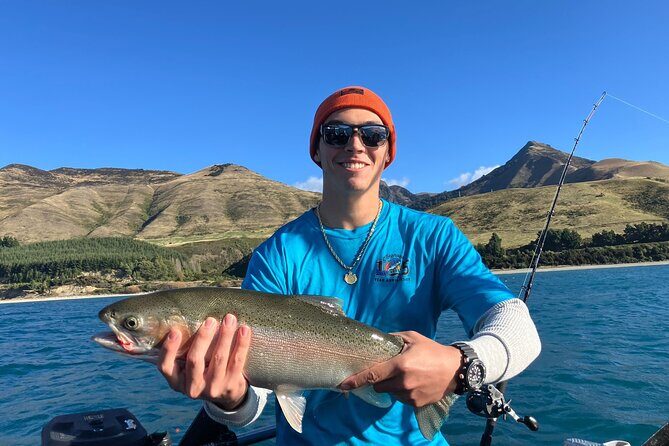
And yes, sometimes it goes great. One day described landing three trout with the right equipment and guidance, along with what they called amazing views. Another family described a strong early start, then continued catching after. Those examples are not a guarantee, but they show the goal: combine skill, technique variety, and the right lake conditions so you’re not stuck hoping for one thing to work.
Gear, guidance, and the “after fishing” convenience
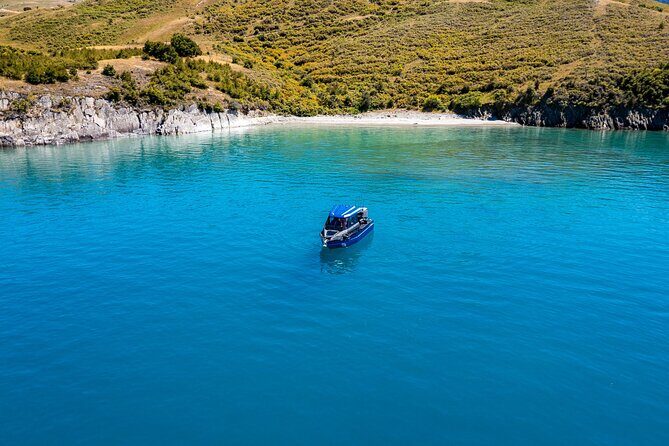
The charter includes top-quality fishing gear and expert guidance from the skipper. The goal is not just handing you a rod; it’s making sure you know how to use what you were given.
A small but meaningful detail: the skipper Ollie was described as thoroughly entertaining and knowledgeable about the environment, and especially good with teenagers. That tells me the instruction style isn’t dry or lecture-heavy. Instead, it sounds like the guide explains things in a way that keeps attention on the water and helps everyone stay engaged.
Then there’s the catch-handling benefit that many fishing days forget: if you keep fish, they clean and vacuum pack it. That means you can focus on the day instead of worrying about how you’ll store and transport what you catch.
Lunch note
Lunch isn’t included automatically. You’ll have snacks and non-alcoholic beverages, and there’s an optional lunch you can purchase. If you want lunch, you’ll need to arrange it ahead of time.
Price and value: what $421.99 gets you in real terms
At $421.99 per person for about 6 hours, this isn’t a budget activity. But it can still be strong value if you care about a few key things: time on the water, gear quality, and guidance.
Here’s how the value adds up:
- Premium 6-hour charter rather than a shorter trial run.
- Top-quality gear included, so you’re not paying extra for rentals or figuring out what tackle to buy.
- Skipper guidance, which helps you fish smarter instead of spending the day guessing.
- Snacks and non-alcoholic beverages included, which makes the day feel complete.
- You keep your catch within limits, plus cleaning and vacuum packing, which saves you time and mess later.
- A small max group size of 6, which can translate into better attention and less downtime.
If you’re coming to Queenstown and want one standout outdoor experience that mixes scenery with actual skill-building, this kind of charter can make sense. If your plan is mostly to sample fishing casually, the price is still worth considering, but you may feel it’s geared toward people who truly want to fish for a solid chunk of the day.
Weather, licenses, and practical checks before you go
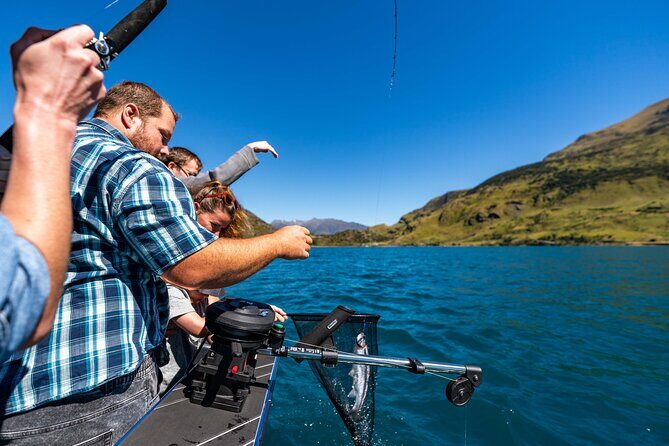
This charter requires good weather. That doesn’t mean you’ll never sail in cool or breezy conditions, but it does mean planning with a flexible mindset helps. If weather turns, you may be offered a different date or a refund, depending on how the operator handles it.
You’ll also need a fishing license. The good news: it can be purchased on the boat if needed. Still, it’s best to think about it before you arrive so the first hour isn’t slowed down by paperwork or confusion.
Finally, bring the right attitude. Fishing outcomes depend on conditions. Even with excellent guidance and the right gear, it’s a nature-based activity. Your best bet is to lean into the process: try the techniques, ask questions, and don’t treat it like a one-shot pass.
Should you book this Lake Wakatipu fishing charter?
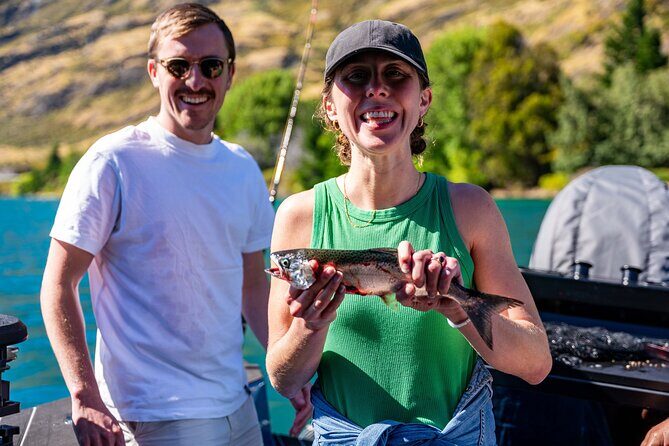
Book it if you want a real fishing session with variety. The combination of six full hours, a quiet electric motor, and a small group cap makes it feel like a personal outing rather than a factory tour.
I’d also book it if you’re traveling with a mixed group, including teenagers. The guide style (Ollie) seems to work well for keeping attention on both fishing and the environment.
Skip or reconsider if you’re chasing a guaranteed catch or you’re tied to a strict schedule with no flexibility. Weather matters here, and fishing is still fishing.
If you want one practical “make it count” tip: leave other plans loose the day of your charter. A full half-day on Lake Wakatipu is the point, and you’ll enjoy it more when you’re not racing to fit everything else around it.
FAQ
How long is the fishing adventure?
The charter runs for about 6 hours.
Where do I meet for the tour?
The meeting point is Frankton Marina in Queenstown (Otago region). The activity ends back at the same meeting point.
What’s included in the price?
Included are the 6-hour premium fishing charter, top-quality fishing gear, expert guidance, snacks and non-alcoholic beverages, and cleaning plus vacuum packing of your catch (within local limits). Lunch is optional and available for purchase.
Do I need a fishing license?
Yes. A fishing license is required, and you can purchase one on the boat if needed.
Can I keep the fish I catch?
Yes, you can keep your catch within local limits. The charter will clean and vacuum pack it for you.
What happens if the weather is poor?
The experience requires good weather. If it’s canceled due to poor weather, you’ll be offered another date or a full refund.