REVIEW · NEW ZEALAND
Milford Sound: Boutique Small-Boat Cruise
Book on GetYourGuide →Operated by Cruise Milford NZ · Bookable on GetYourGuide
Milford Sound hits differently from a small boat. I love the limited passenger size that makes it feel close up, and I love how the route aims for big waterfall moments like Fairy Falls and Sterling Falls where you can actually feel the spray. The lounge-style sofas are comfy enough to warm up fast. One drawback to plan for: when the wind and sea noise rise, it can be tough to hear commentary from farther back.
This cruise is built for hands-on seeing. You start with a view of Mitre Peak and Sinbad Gully, then work through seal colonies and waterfall zones with nature guides calling out the local wildlife and plants. I also like that the crew helps with photos, so you’re not stuck fighting for a good angle.
Expect to go wet if you choose the outside viewing. If you’d rather stay dry, you can watch from inside, but the tour is designed around waterfall mist and that famously dramatic glacial spray.
In This Review
- Key things I think you’ll care about
- Why a boutique small-boat cruise makes Milford Sound feel real
- Fjord basics: what you’re really looking at
- The start: Mitre Peak, Sinbad Gully, and the Kakapo story
- Seal colonies, waterfall mist, and getting close to Fairy Falls
- The Tasman Sea turn and Captain Cook’s missed entrance
- Sterling Falls and the world-famous glacial facial
- Wildlife odds: seals, dolphins, and a penguin chance in November
- Guides on board: stories, jokes, and help with photos
- Comfort and what to pack for a wet-and-cool Milford day
- Price and value: is $101 per person worth it
- Who should book, and who should think twice
- Should you book Cruise Milford NZ’s boutique small-boat cruise?
- FAQ
- How long is the cruise on the water?
- Where do I check in for the Milford Sound cruise?
- Is pickup included?
- What’s included in the ticket price?
- Are food and drinks included?
- What should I know about parking near Milford Sound?
- Is there WiFi or reliable phone reception?
- Will I get wet from the waterfalls?
- What wildlife might I see, and when?
Key things I think you’ll care about
- Boutique small-boat feel: more room to move and less crowd pressure than the bigger vessels
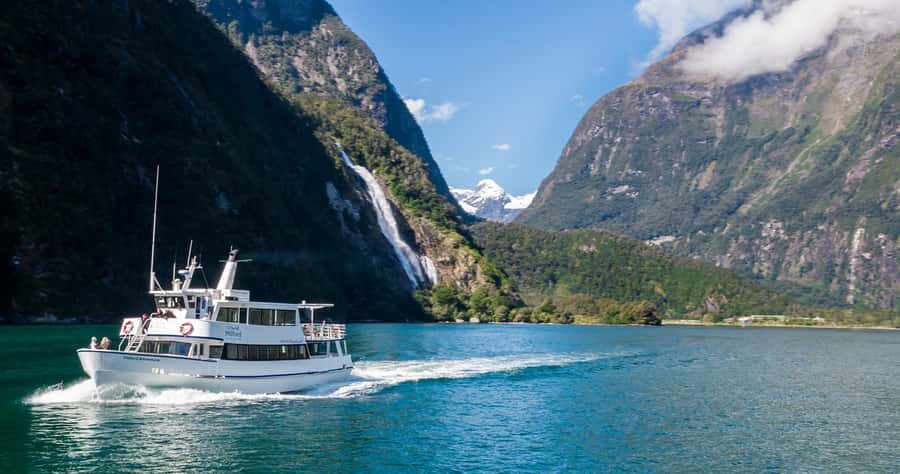
- Fairy Falls and Sterling Falls close-up: built-in moments where the mist reaches you
- Mitre Peak and Sinbad Gully views early on: you get the signature fjord look from the start
- Wildlife focus: seals are a common sight, with dolphins possible and penguin seasonality
- Hot drinks included: coffee, tea, and biscuits keep you comfortable in cold or rainy weather
- Guides ready to help: photo help plus local stories and practical navigation tips
Why a boutique small-boat cruise makes Milford Sound feel real
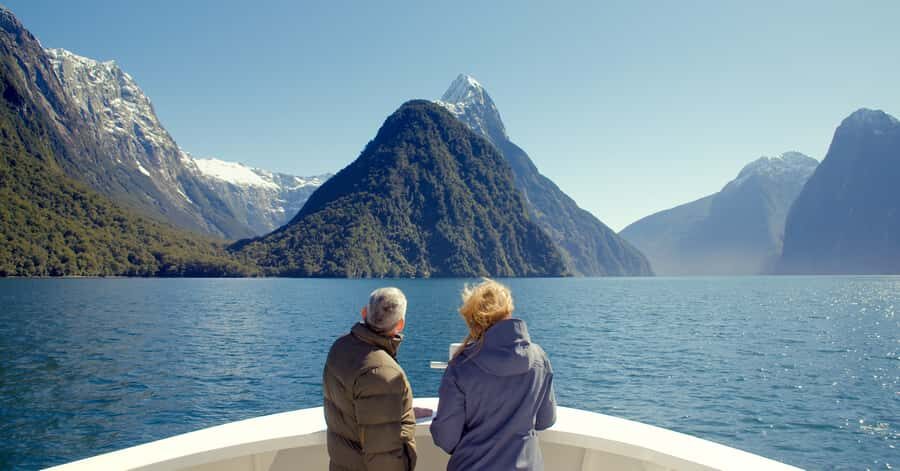
Milford Sound is one of those places where the photos can’t fully explain the scale. Mountains rise straight out of the water, and the fjord walls hold onto weather, spray, and shadow in a way that feels physical when you’re there. Doing it on a boutique small boat matters because it changes your relationship with the view: you can shift positions, find a clear shot, and keep your bearings without being packed in like a floating bus stop.
On this cruise, the boat’s setup helps. There are comfortable lounge-style sofas inside, which is a smart choice in Fiordland weather where you can go from sunshine to mist fast. Outside, you still get open viewing time, but because the group size is smaller, the deck experience feels calmer.
It’s also an “eyes-on-the-water” itinerary. This isn’t just scenic cruising from far away; it’s designed to put you where the fjord’s stories show up—waterfalls, wildlife hangouts, and those cliff-lined turns.
Fjord basics: what you’re really looking at
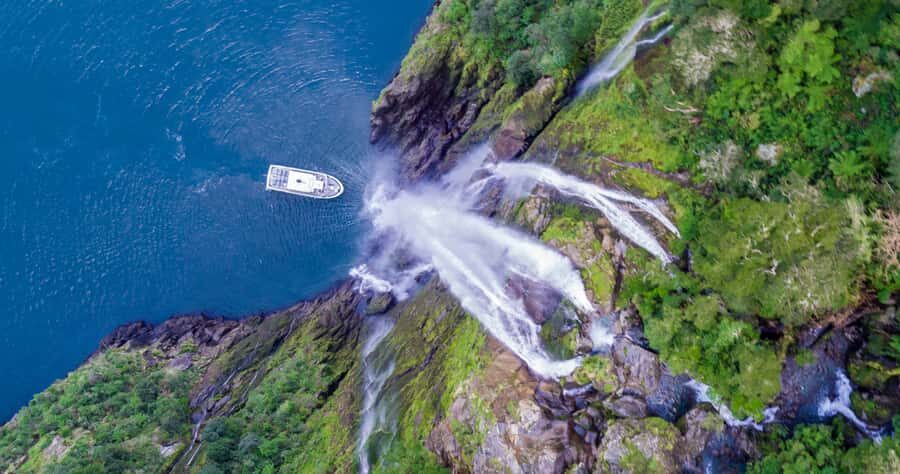
You’ll hear the fjord explained in plain terms: Milford Sound was carved by glaciers over millions of years. That’s not trivia. It’s the reason the water looks the way it does—steep walls, deep channels, and dramatic cliff lines that seem too sharp to be natural until you understand the glacier work behind them.
You also get the fjord’s most famous visual anchor early: Mitre Peak. It’s New Zealand’s most photographed mountain, and seeing it from the water gives you a different sense of its weight. From the boat, it doesn’t look like a distant landmark. It looks like a peak that has been standing above the sea for so long it’s part of the fjord’s infrastructure.
The start: Mitre Peak, Sinbad Gully, and the Kakapo story
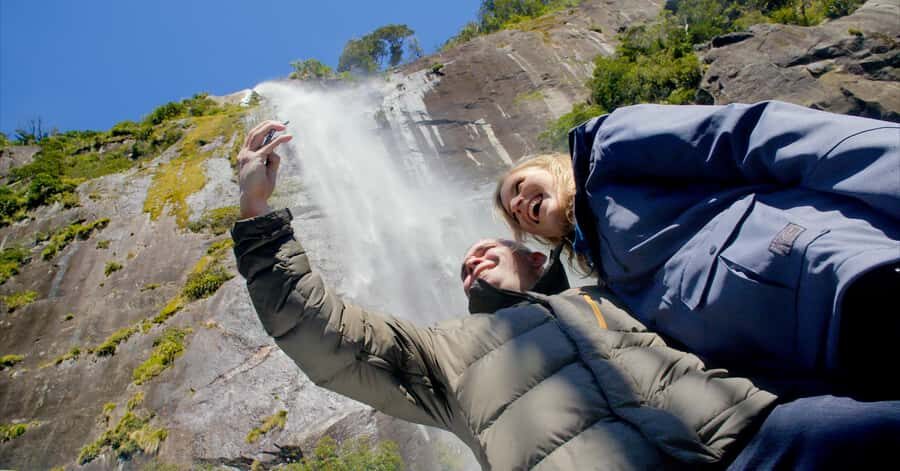
Your cruise begins at a scenic point that sets the tone. You’ll take in Mitre Peak and the Sinbad Gully area, which helps you orient yourself right away. Early views are valuable because Milford Sound can feel like a maze once the walls close in and the waterfalls start appearing from multiple angles.
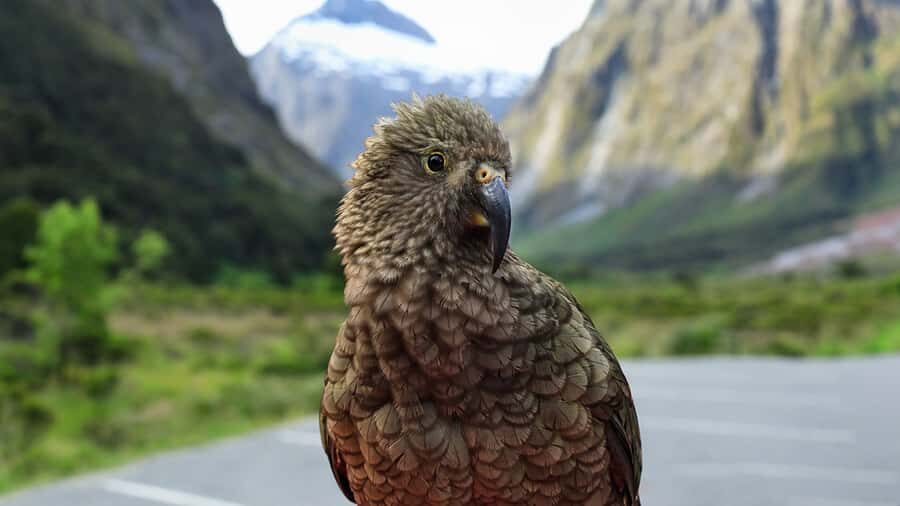
This stop also includes a wildlife conservation story that’s worth paying attention to. Sinbad Gully is tied to the Kakapo, a heavy flightless parrot. The big detail here is the rediscovery: Kakapo were once thought extinct, then rediscovered in 1948. Even if you never see a kakapo on the water (you probably won’t), the guide’s context gives the fjord more meaning than scenery alone.
Practical tip: if you want to photograph Mitre Peak and the early cliff lines, it’s easiest to do it at the start while the boat is setting up and the viewing angle is clean.
Seal colonies, waterfall mist, and getting close to Fairy Falls
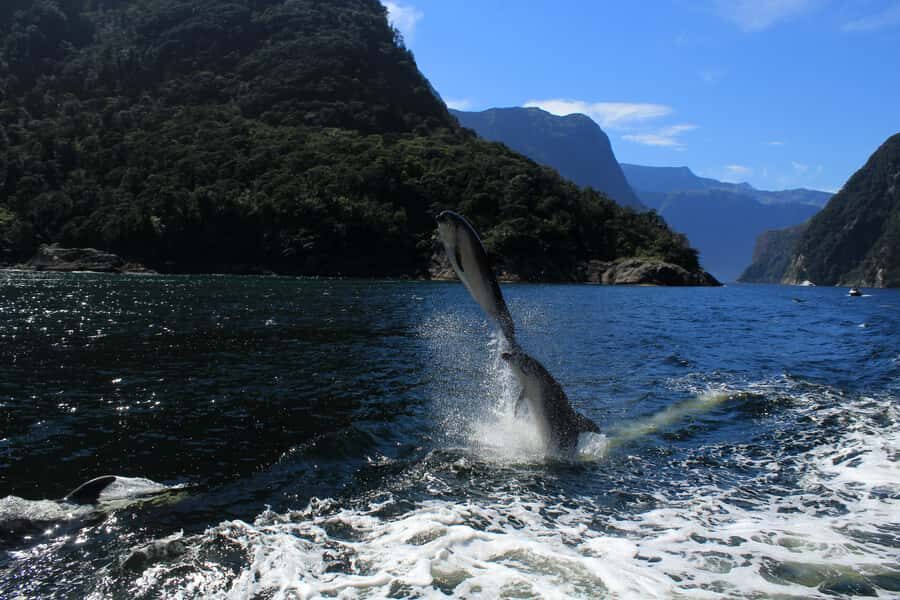
Once you’re underway, you’ll cruise past seal colonies and then move into the waterfall zone. This part is the reason many people book a small boat in the first place: you’re not just watching waterfalls from the safety of a distant shoreline.
As you travel, you’ll feel the spray as the boat goes directly under Fairy Falls. That’s a big deal in Milford Sound because waterfall mist doesn’t behave like regular rain. It’s wind-driven and it hits different parts of the boat depending on where you stand. If you want the full effect, plan to spend some time outside. If you want to stay comfortable, you can enjoy it from inside when the mist thickens.
I also like how the guides pace this. They don’t rush you through the moments. The crew also assists with photos, which matters because people often miss the best frame while they’re adjusting settings or fighting for a clear line of sight.
The Tasman Sea turn and Captain Cook’s missed entrance
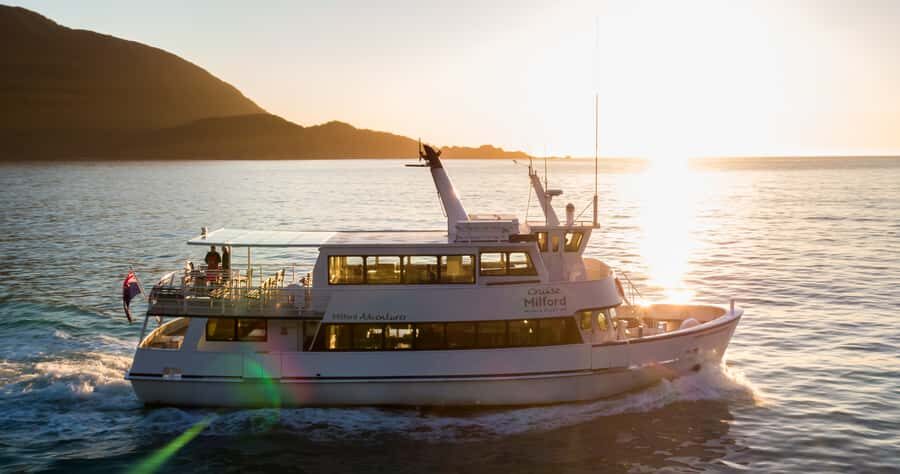
When the cruise reaches the Tasman Sea, you’ll pass the hidden entrance to Milford Sound—an especially memorable story beat. Captain Cook missed this entrance twice during his explorations, and you’ll get to see the kind of place where that would be possible. From the water, it’s easier to understand why: the fjord’s shape and angles can make the “right” route feel confusing from the wrong vantage point.
This segment is valuable because it changes the trip from “pretty views” to “place with history.” You’re not learning dates for the sake of it. You’re learning why explorers were searching in the first place—and why Milford Sound rewards being in the right spot at the right time.
Photo tip: if the water is choppy, keep your stance stable and let the boat do the work. In a smaller vessel, small shifts in viewing angle can give you a better photo than trying to chase every moment.
Sterling Falls and the world-famous glacial facial
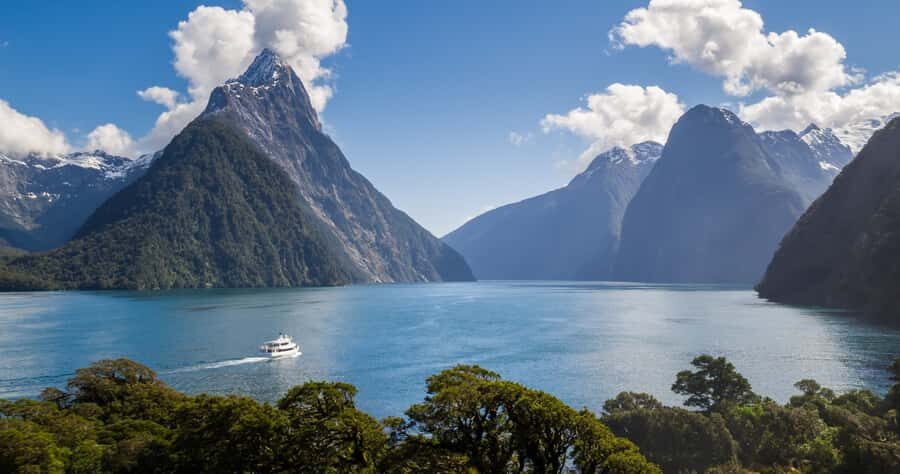
On the return journey, you’ll move under an even bigger waterfall: Sterling Falls. This is the moment many people talk about because it’s designed around that famous glacial experience sometimes called a world-famous glacial facial—basically, being hit by waterfall mist so close it feels like a weather event.
You’ll get warning about how wet this area can be. That’s honestly the best kind of “warning,” because it means you can choose your comfort level instead of being surprised. If you’re the type who wants the full hit of spray, you’ll be able to position yourself accordingly. If you want to stay warmer and drier, you can watch from inside.
One more comfort detail matters here: hot drinks are part of the cruise. Coffee and tea (plus biscuits) help you reset when you get drenched or when the air turns cool with spray.
Wildlife odds: seals, dolphins, and a penguin chance in November
Milford Sound has a wildlife rhythm, and the cruise is set up to track it. Seals are a consistent highlight. You’ll see them around seal colonies as you work through the fjord, and some journeys also include moments where the seals are clearly in their lounging mode on rocks.
Dolphins can also show up. Depending on what the day brings, you might spot bottle-nosed dolphins in the distance. In a few examples, dolphins were mentioned alongside seals, so you can treat it like a realistic possibility rather than a far-fetched hope.
Then there’s the season-specific card: around November, you have a chance to spot the Fiordland Crested Penguin. That timing detail is useful because it helps you match your trip dates to what you want most.
If wildlife is your top priority, keep your eyes up as you move between waterfall areas and watch for guide callouts. Guides are there to help you notice things you might miss in a fast-moving environment.
Guides on board: stories, jokes, and help with photos
What makes the experience feel different isn’t just scenery. It’s the human element. The nature guides provide local anecdotes and extra info on flora and fauna, and they’re also practical: they help with taking photos and answer questions.
You’ll likely hear a lively running commentary from the captain. Names mentioned in real sailing experiences include Brad, Chris, Craig, Dan, Roger, and Steve. Across those examples, the common theme is clear: the skippers and crew manage to be entertaining and informative without turning it into a lecture.
One caution from the experience reports: if you’re outside, wind and boat noise can make it hard to hear the guide for stretches, especially from the back. My workaround is simple: if you care about the story details, keep an eye on where sound is easiest and don’t be afraid to rotate positions. The trade-off is worth it because the views and the wildlife opportunities are the point.
Comfort and what to pack for a wet-and-cool Milford day
This cruise makes comfort easier than you might expect. Inside, you get lounge-style sofas and warm drinks included: coffee, tea, and biscuits. On colder or rainy days, those small comforts change the mood from “endure it” to “enjoy it.”
What you should bring is mostly about weather tolerance:
- Layers you can add or remove as you move inside and out
- A plan for getting wet if you want the full waterfall experience
- Extra snacks and drinks if you want more than what’s provided (the tour includes coffee, tea, and biscuits)
Even with warm drinks, you’ll feel the breeze when the boat is moving. A few experience notes point out how the speed can create a chill, so dress for motion, not for standing still.
Also remember this: in Fiordland National Park, you’ll have limited phone reception and no WiFi. So plan to use your time on the water, not to chase notifications.
Price and value: is $101 per person worth it
At about $101 per person, this cruise isn’t the cheapest way to see Milford Sound, but it’s also not trying to be the bare minimum. Here’s the value logic that makes it feel fair:
- You’re paying for proximity. The route is built around being close to Fairy Falls and Sterling Falls, including moments where you can feel the spray.
- You’re paying for the “small” part. Multiple reports highlight the benefit of fewer people and more space to move and photograph.
- You get included basics that remove decision fatigue. The cruise includes the Milford Sound visitor levy, plus coffee, tea, and biscuits. That’s one less thing you have to budget for or hunt down during a cold outing.
- You get staff help. Photo assistance and guide support make the experience smoother, especially if you’re traveling with a camera or want specific angles.
If your goal is to stand far back, take a quick look, and leave, there may be cheaper ways to do Milford. But if you want the waterfall mist, the wildlife sightings, and a calmer boat environment, this kind of boutique cruise tends to feel like a solid match for the money.
Who should book, and who should think twice
This cruise is a great fit if you:
- Want a smaller-boat feel where you can move around and get photos without constant crowding
- Care about close-up waterfalls and don’t mind getting wet
- Prefer live storytelling and practical help from guides and captains
- Like having hot drinks included in a cold, damp environment
You might think twice if you:
- Need a quiet experience where you can always hear every word from anywhere on the boat (wind and noise can interfere)
- Strongly want to stay dry no matter what, since the route includes direct waterfall mist zones
The trade-off is simple: you’re booking Milford Sound at full strength. The comfort and drinks help, but the environment stays Milford.
Should you book Cruise Milford NZ’s boutique small-boat cruise?
I’d book it if you’re treating Milford Sound as a highlight day, not a quick stop. The combination of small-group atmosphere, close-up waterfall moments at Fairy Falls and Sterling Falls, and the added comfort of hot drinks makes it feel like good value for what you experience. Plus, the guide style—often funny and very practical—helps you feel oriented and not just impressed from a distance.
If you’re flexible about weather and you don’t mind the possibility of getting soaked, this is one of the more satisfying ways to see Milford Sound from the water.
FAQ
How long is the cruise on the water?
The cruise duration is about 1 hour and 45 minutes.
Where do I check in for the Milford Sound cruise?
Check in at the Cruise Milford counter, which is second on the left when entering the visitor terminal.
Is pickup included?
Hotel pickup and drop-off are not included. Pickup is optional, but you’ll need to call the night before to reconfirm pickup location and time.
What’s included in the ticket price?
The ticket includes the Milford Sound visitor levy, plus coffee, tea, and biscuits during the cruise.
Are food and drinks included?
No. Food and drinks beyond the included coffee, tea, and biscuits are not included.
What should I know about parking near Milford Sound?
At the main paid car park, it costs $10 per hour, and it’s about a 10-minute walk from the visitor terminal. There’s also free parking at Deepwater Basin Road Car Park, which is about a 30–40 minute walk to the visitor terminal.
Is there WiFi or reliable phone reception?
In Fiordland National Park, there is limited phone reception and no WiFi.
Will I get wet from the waterfalls?
You travel under waterfalls including Fairy Falls and then Sterling Falls, and you’ll feel the spray. There’s an option to watch from inside if you’d rather stay drier.
What wildlife might I see, and when?
Seals are a regular feature of the route. Dolphins may be seen as well, and around November there’s a chance to spot the Fiordland crested penguin.