REVIEW · ROTORUA
Cultural Experience & Seasonal Māori Cuisine at Te Pā Tū
Book on Viator →Operated by Te Pa Tu - The Gathering Place · Bookable on Viator
A powhiri welcome sets the tone. Te Pā Tū in Rotorua pairs a proper Māori ceremony with song, dance, and seasonal food in a forest village setting. You’ll also get return transfers and a guided run of the night’s key cultural moments, including teachings tied to the Māori lunar calendar.
I especially like how the program blends performance with participation, so you’re not just sitting and watching. I also love that the meal is a 3-course seasonal fusion feast built around lesser-known ingredients, not the same “tourist standard” menu.
One thing to consider: the evening is popular and runs as a shared experience, so the food service is group-style and you may need patience if dishes move quickly or arrive on shared platters.
In This Review
- Key points to know before you go
- Te Pā Tū and the powhiri welcome: what makes it different
- Your Rotorua pickup and how the 3-hour evening flows
- Forest village rituals: Māori lunar calendar, ceremony rules, and performance power
- The 3-course seasonal fusion feast: what you’ll eat and how service works
- The guides and performers: energy, humor, and respectful interaction
- Price and logistics at about $167.55: is it good value?
- Who should book Te Pā Tū, and who might want a different night
- Should you book Te Pā Tū?
- FAQ
- How long is the Te Pā Tū experience in Rotorua?
- Do they offer pickup from central Rotorua?
- What’s included in the ticket price?
- Is there a vegetarian option?
- Can I bring my camera or record video?
- What group size should I expect?
- Do I need good weather for this to run?
- Is there free cancellation?
Key points to know before you go
- Powhiri welcome ceremony sets a respectful start, with clear cultural etiquette expectations
- Te Pā Tū forest amphitheater experience includes bonfires, towering tawa trees, and a guided night flow
- Song, drama, and dance focus on Māori traditions, including a haka-style performance moment
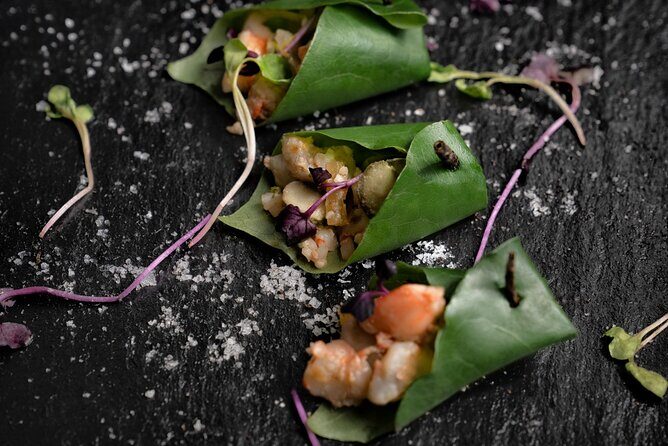
- 3-course seasonal fusion feast with lesser-known delicacies and optional vegetarian catering
- Guide-led learning about the Māori lunar calendar connects seasonal change to daily life and food choices
- Max 80 travelers helps keep the vibe feeling more personal than massive show halls
Te Pā Tū and the powhiri welcome: what makes it different
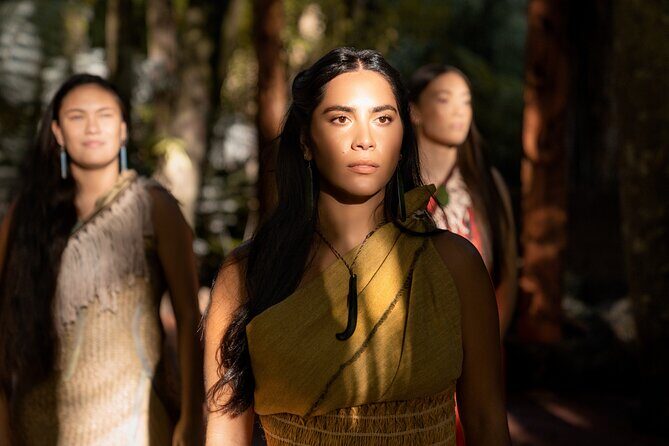
Rotorua is packed with cultural shows. Te Pā Tū stands out because it begins with a powhiri-style welcome ceremony, led by a proud descendant of New Zealand’s ancient warriors. That matters. A powhiri is not just a dramatic entrance. It’s a ritual structure that asks visitors to slow down, watch carefully, and respond in the way they’re guided to.
The night takes place in a forest village setting, with bonfires and towering tawa trees surrounding you. That natural “room” makes the performances feel grounded. The setting also supports the storytelling theme: this isn’t a stage set with costumes dropped on and off. It’s set up for a guided flow of ceremonies, teaching points, and performances.
If you’re the type who likes cultural context, you’ll appreciate that the ceremony connects into the rest of the evening. You’re not left guessing why the songs and teaching matter.
You can also read our reviews of more tours and experiences in Rotorua.


Your Rotorua pickup and how the 3-hour evening flows
This experience is built for an easy night out in Rotorua. Pickup is offered from central Rotorua, and you travel by air-conditioned vehicle. You’ll also receive a mobile ticket, which keeps things simple when it’s time to meet your group.
The total time is about 3 hours, so it’s long enough to feel like a full evening, but short enough that you won’t lose your whole night. In practice, the program is paced in clear blocks. You’ll be welcomed first, then you’ll get interactive learning moments, followed by the main performance time, and then the meal.
One detail I like: the experience is capped at 80 travelers. That doesn’t make it “small,” but it’s big enough to run smoothly while still feeling like a shared event rather than a huge cattle-call show.
Forest village rituals: Māori lunar calendar, ceremony rules, and performance power
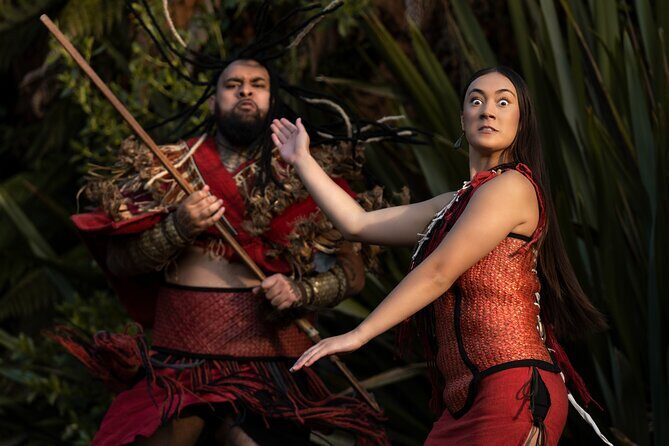
After pickup, you head into the Te Pā Tū Māori village area for the welcome ceremony. This is where the evening sets its expectations. The powhiri-style start asks you to be respectful, pay attention, and follow cues from the hosts. Camera use is allowed throughout, but the tone is clearly “participate by watching and listening first,” then respond when it’s your turn.
A big learning highlight is the focus on the Māori lunar calendar and how seasonal change affects traditional life. In other words, the cultural teaching isn’t abstract. You’re shown how seasons connect to daily practices and food. That ties nicely to what happens at dinner later, because you’re eating seasonal food rather than a generic banquet.
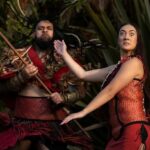
Then comes the entertainment. You can expect song and dance in a forest amphitheater setting. One of the most talked-about moments is the haka-style performance element, delivered with real energy. This is also where you’ll see a lot of audience engagement cues, so if you like interactive experiences, this format works well.
Practical note: the program also leans on audience behavior. If you’re the “I’ll laugh a bit, just like I do at comedy shows” type, don’t. The whole point is respect for the ritual structure.
The 3-course seasonal fusion feast: what you’ll eat and how service works
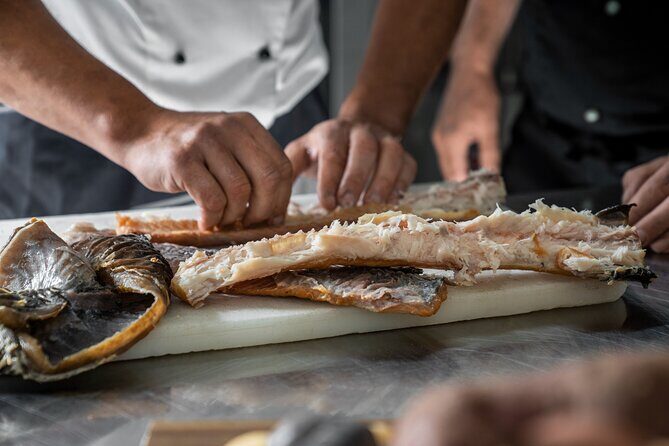
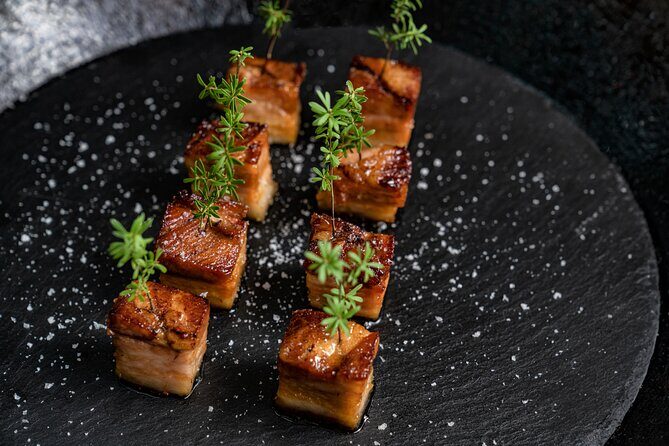
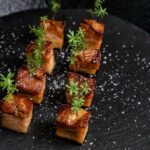
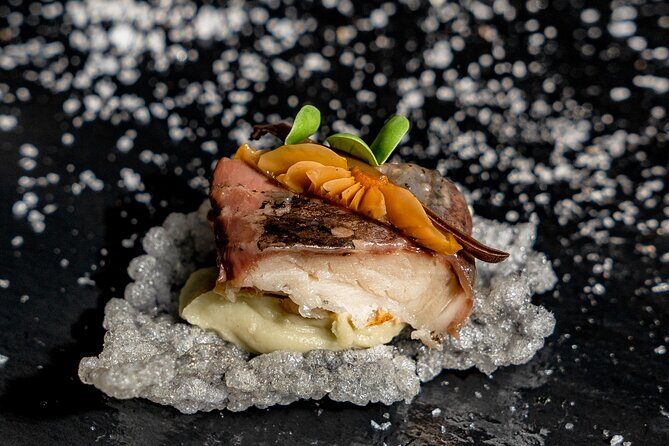
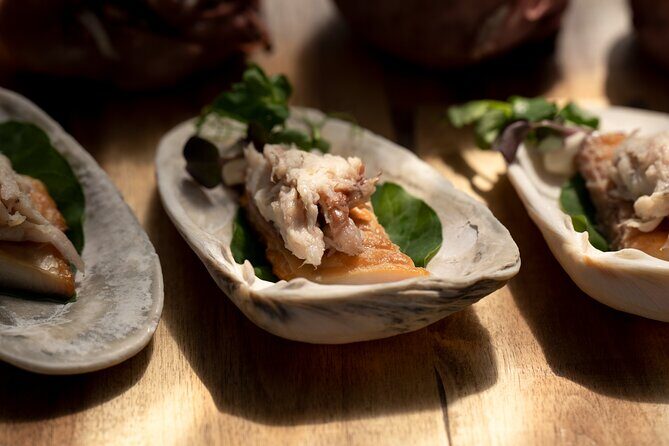
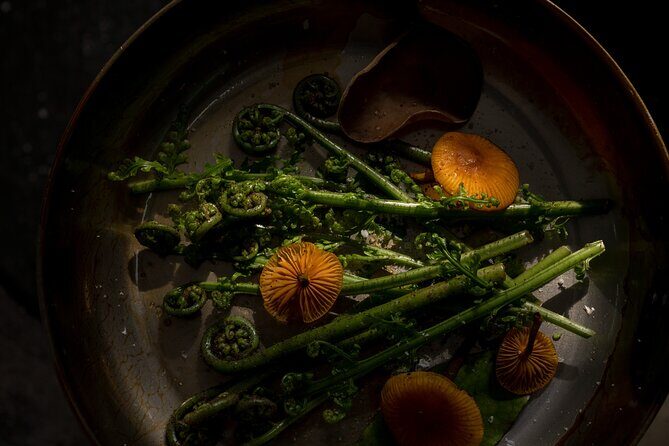
Dinner is built as a 3-course fusion feast centered on seasonal kai—seasonal cuisine. The emphasis is on lesser-known delicacies and food tied to the time of year. That’s a meaningful difference from cookie-cutter set menus that could be served any month.
The evening is also described as very plentiful, which is a win in Rotorua where some cultural dinners can leave you still hungry. Here, you should expect to leave comfortably full. The “fusion” part also means you may see a mix of traditional Māori cooking ideas with other culinary touches, rather than a single-style meal.
How it’s served is where you should know what you’re signing up for. The meal is shared in a family-style / shared platters setup. That’s cozy and social, but it can feel chaotic if dishes come out quickly or if you prefer your food arriving one plate at a time. If you’re sensitive to fast-moving service, go in with the mindset that this is a group meal.
Dietary options: a vegetarian option is available if you advise when booking. Alcoholic beverages are not included, so if you want a drink with dinner, plan to pay separately.
If you have severe allergies, the data you’ve been given doesn’t list ingredient-by-ingredient guarantees. For peace of mind, you’ll want to contact the provider ahead of time and be very specific about your restrictions.
The guides and performers: energy, humor, and respectful interaction
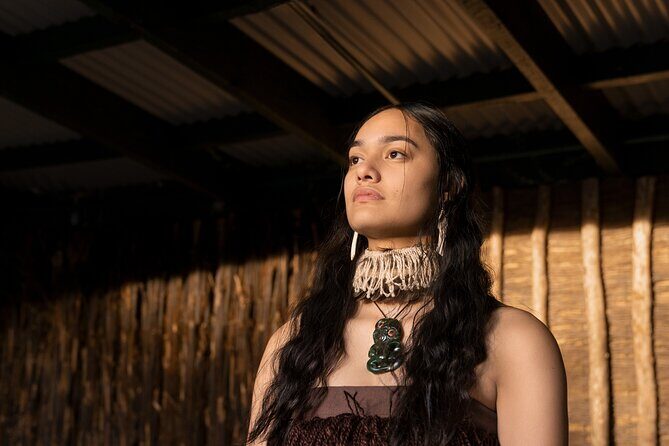
One of the best parts of the experience is the way the hosts run the evening. A guide named Baden stands out in the feedback for being funny and smart. That kind of guide energy matters because it helps you follow the structure of the ceremony and the learning points without feeling lectured.
The performers are also repeatedly described as talented, welcoming, and full of energy. That shows up most in the singing, dance, and crowd-facing segments, where the tone is both celebratory and instructional. You’ll often feel pulled into the moment through call-and-response style cues, plus interactive learning stations.
What I think is especially valuable here is the balance between entertainment and instruction. You’re not watching a scripted show with zero context. You’re being taught how to understand what you’re seeing.
And yes, you’re also being asked to behave properly during key moments. That sounds strict, but it’s part of the ritual respect. If you’ve never experienced a powhiri-style welcome before, follow the guidance and keep your attention where it belongs.



Price and logistics at about $167.55: is it good value?
At $167.55 per person, this isn’t a budget activity. But value isn’t just price. It’s what you get for that price: transportation, a structured cultural program, and a multi-course meal.
Here’s what you’re paying for in practical terms:
- Return transfers from central Rotorua
- A properly guided night with welcome ceremony and cultural teachings
- A 3-course seasonal fusion feast (not snacks, not a light bite)
- Performance time in a dedicated setting, with participation and audience flow
Also, the group size cap of 80 travelers is part of the value story. Larger shows sometimes feel generic. Here, it’s designed to feel like a shared gathering rather than an endless queue.
The one cost-related tradeoff: alcoholic beverages aren’t included. If you drink, your total spend will go up. If you don’t, the price covers a lot of the “hard parts” of the evening that otherwise cost extra when you piece things together yourself.
In short: it’s worth considering if you want a full evening, not a quick show. If you only want background entertainment and don’t care about ceremony and meal, it may feel pricey.
Who should book Te Pā Tū, and who might want a different night
This tour is a strong fit if you:
- Want a Māori cultural experience with ceremony, not just a performance
- Enjoy learning through storytelling tied to seasons and the Māori lunar calendar
- Like interactive shows and can handle shared-meal pacing
- Prefer an organized night in Rotorua with pickup and return transport
It may be less ideal if you:
- Have expectations of a quiet, plated fine-dining setup
- Hate group-style serving and fast-moving food service
- Need detailed allergy management without extra communication (you may need to contact the provider first)
Age range doesn’t appear to be a limiting factor. The program is described as enjoyable across a wide spread of ages, partly because the event is structured with multiple segments and active audience cues.
Also, the experience requires good weather. If conditions are poor, it can be canceled and you’ll be offered another date or a full refund. If you’re visiting during unpredictable weather weeks, keep that flexibility in mind.
Should you book Te Pā Tū?
I’d book Te Pā Tū if you want an evening that feels like more than a show. The powhiri welcome, the lesson about the Māori lunar calendar, and the 3-course seasonal fusion feast create a full package: culture plus food plus performance, guided in a way that keeps you engaged.
I’d skip it if you mainly want a low-effort night and you dislike shared-plate dining rhythms. In that case, you might prefer something more casual.
If you do book, come ready to be respectful during ceremony moments, eat what’s put in front of you with curiosity, and follow your guide’s cues. That’s when the experience clicks and turns into the kind of memory you actually talk about later.
FAQ
How long is the Te Pā Tū experience in Rotorua?
It lasts about 3 hours.
Do they offer pickup from central Rotorua?
Yes. Return transport from the central meeting point is included.
What’s included in the ticket price?
You get a Māori cultural performance, a traditional welcome ceremony (powhiri), a Māori fusion feast (3-course seasonal meal), and air-conditioned vehicle transport. Alcohol is not included.
Is there a vegetarian option?
Yes. A vegetarian option is available if you advise at the time of booking.
Can I bring my camera or record video?
Camera and video usage are permitted throughout the evening.
What group size should I expect?
This experience has a maximum of 80 travelers.
Do I need good weather for this to run?
Yes. The experience requires good weather. If it’s canceled due to poor weather, you’ll be offered a different date or a full refund.
Is there free cancellation?
Yes. You can cancel up to 24 hours in advance for a full refund. If you cancel less than 24 hours before the experience starts, the amount paid isn’t refunded.