REVIEW · QUEENSTOWN
Milford Sound Heli Tour from Queenstown with 2 Alpine Landings
Book on Viator →Operated by Totally Tourism - The Helicopter Line · Bookable on Viator
Milford Sound from the air is the real shortcut. In about 1.5 hours, you fly from Queenstown into Fiordland National Park, hover by Mitre Peak, and touch down for two different landings the roads can’t match. It’s a fast way to see a lot of New Zealand’s most dramatic scenery without losing hours on drives.
I also love that the pilot commentary is live and very hands-on, with real explanations of what you’re seeing below. It runs with a small max group size (6), includes hotel pickup and drop-off, and stays organized even when conditions get tricky. The only real drawback to plan for is weather, because landings are weather-dependent and ultimately chosen by the pilot.
In This Review
- Key things to know before you go
- Stop 1 in the sky: Fiordland National Park (Te Wahipounamu) flight
- Stop 2: Mitre Peak hover, then Milford Sound landing
- Stop 3: The second alpine landing near Tukuko Glacier or Glacier Basin
- Why the pilot guide matters more than you think
- Queenstown pickup and the small-group rhythm (max 6)
- Cold-air reality: what to wear for helicopter landings
- Weather-dependent landings: how to set expectations
- Price and value: is $859.26 per person worth it?
- Who should book this helicopter tour
- Should you book this Milford Sound heli tour with 2 Alpine Landings?
- FAQ
- FAQ
- How long is the helicopter tour?
- Is hotel pickup included?
- Does this tour include two alpine landings?
- Where will the second landing be?
- Do I get food or drinks during the tour?
- Where does the tour start and end?
- What is the maximum group size?
- Is there a weight limit?
- Are children allowed?
- What should I wear?
- What happens if the flight can’t operate due to poor weather?
Key things to know before you go
- Two landings, not just a fly-by: one in Milford Sound area and a second remote alpine landing chosen based on weather.
- Mitre Peak attention: you get up close views and a chance to look around while hovering/approaching the iconic peak.
- Tukuko Glacier or Glacier Basin stop: the second landing can be at Tukuko Glacier or in Otago’s Glacier Basin.
- Small group feel (max 6): less crowding and more space to hear the pilot’s explanations.
- Cold-weather reality: you’ll want warm layers and good footwear, since you’re landing outside.
Stop 1 in the sky: Fiordland National Park (Te Wahipounamu) flight
This is a short helicopter trip by design, and that’s the point. You trade long road time for air time, getting into Fiordland National Park (Te Wahipounamu) quickly so the day feels like a true experience instead of a schedule.
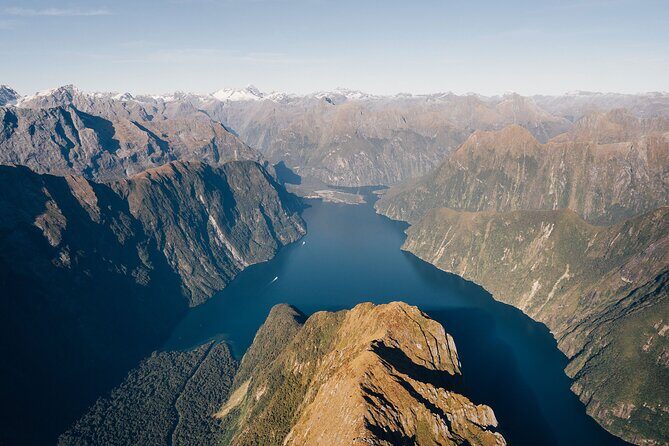
Right from the start, your pilot guides you through what’s under you—rainforests, bush-lined valleys, rugged southern peaks, and glaciers that look like they’re carved with a ruler. Even if you’ve seen photos of Milford Sound, the aerial view helps everything connect: you get context for why the fiord looks the way it does and how the surrounding mountains shape the water.
One practical note: you’re flying in a working cockpit environment. You’ll be given directions on timing and seating, and your experience will follow what the pilot can safely do that day.
You can also read our reviews of more tours and experiences in Queenstown.
Stop 2: Mitre Peak hover, then Milford Sound landing
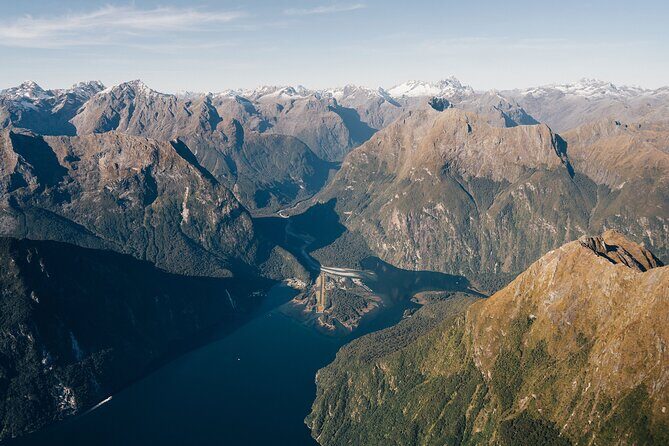
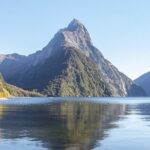
The Milford Sound portion is built around iconic moments. You’ll see Mitre Peak up close from the air, and you’ll also get the chance to actually land in Milford Sound, rather than just orbiting above it.
What makes this valuable is the “time on the ground” feeling, even if it’s short. Hovering and landing change your perspective instantly: from above, mountains feel solid and distant; on the ground (or at the landing spot), you feel scale. That’s where Milford Sound stops being an image and turns into a place.
A big bonus is the pilot’s live narration. In the best moments, you can look where the pilot points and understand what you’re seeing—like the shape and position of peaks, the way water moves in the fiord, and how glacial terrain fits into the bigger picture. Several pilots with names like Bill, Pete, and Jono are mentioned for being engaging and reassuring, especially when conditions are windy.
Possible drawback to remember: conditions can affect how much you get to fly over certain parts of the fiord. Since landings are at the pilot’s discretion and weather-dependent, you should be flexible. Your trip still centers on Milford Sound access, but the exact overflight route can vary.
Stop 3: The second alpine landing near Tukuko Glacier or Glacier Basin
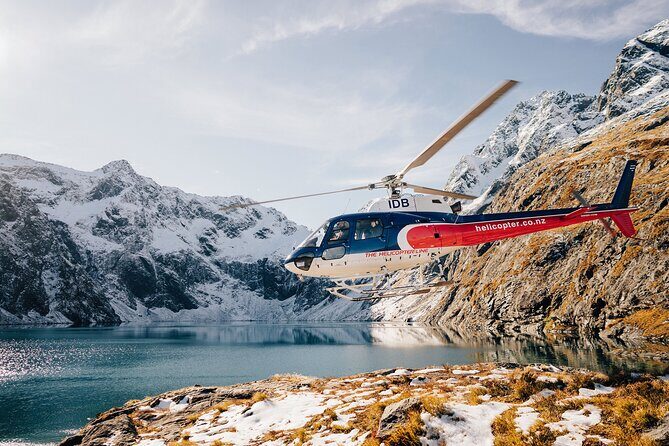
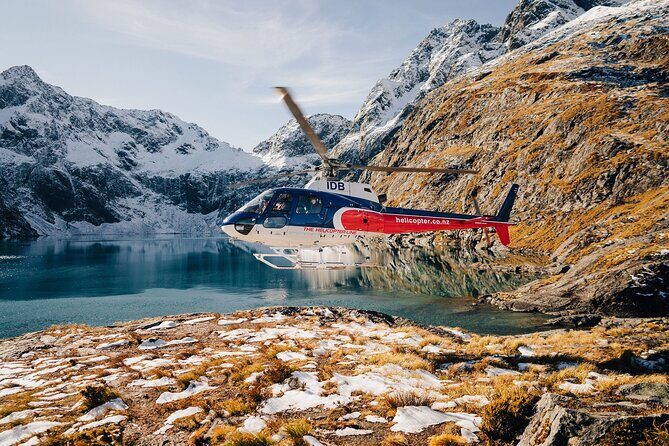
The “second landing” is the part that turns this from a standard Milford Sound viewing into something different. You’re not just repeating the same view; you’re changing environments—toward remote alpine terrain—so the scenery feels like two separate chapters of the same story.
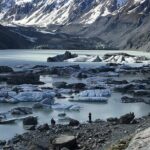
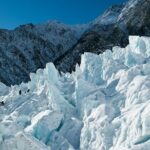
The landing choice can be Tukuko Glacier, or it can be in Otago’s Glacier Basin (depending on conditions). Either way, you’re aiming for a spot that’s hard or impossible to reach by normal travel. That’s why people tend to call this a highlight: it’s not only about Milford Sound being famous, it’s about seeing New Zealand’s alpine glacial world in a way most visitors never get.
Also, don’t expect a long hike or a full tour on foot. The value here is the ability to reach these remote areas safely and quickly, with a short, real experience at the landing point.
Why the pilot guide matters more than you think
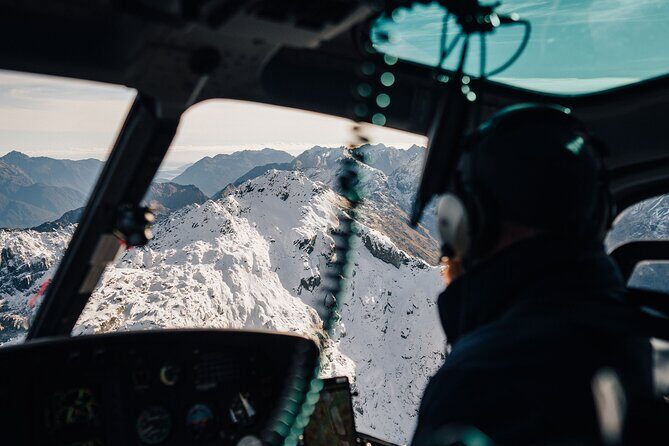
On this kind of flight, the scenery is the headline. The pilot is what makes the headline readable.
You get live commentary during the flight, and that commentary isn’t just facts for the sake of it. It’s tied to where you’re looking—remote alpine lakes, rugged mountain peaks of the Southern Alps, and how the terrain changes between Queenstown and Milford Sound. When your pilot names what you’re seeing and why it matters, the views become easier to remember.
The operation also seems to run with a calm, organized rhythm. Multiple experiences point to professional ground staff and pilots who make passengers feel safe. That matters if you’re not used to helicopters, or if weather makes the day more hands-on (some flights are described as windy).
Tip for getting the most out of the narration: pay attention early. If you start listening right away, you’ll recognize landmarks and get more out of each turn instead of just watching the world pass by.
Queenstown pickup and the small-group rhythm (max 6)
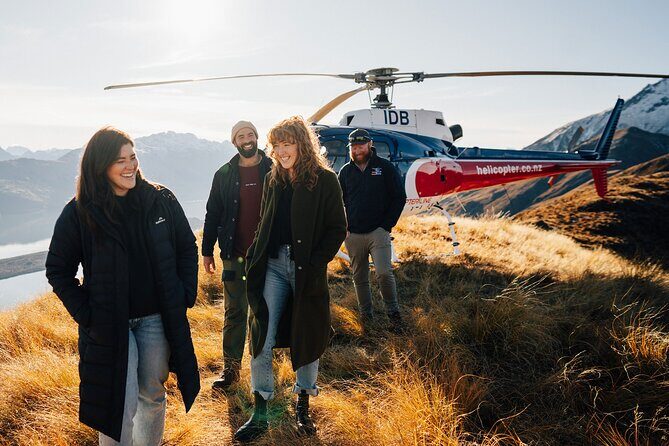
This tour is set up to minimize friction in Queenstown. You can get hotel pickup from centrally located hotels, and the activity ends back at the meeting point.
The small group size (maximum 6 travelers) is more than a nice-to-have. It helps keep boarding smoother, reduces wait time, and makes it easier for the pilot to manage questions and announcements. In practice, it can also help you hear the commentary without noise competing for attention.
Timing can be tight because the total flight is about 1.5 hours, and the day works around when helicopters can safely take off. A caution from real experience: if your departure time shifts (often due to numbers and weather), confirmation timing may not feel early enough to relax. One person described needing to confirm close to the day and having the flight time changed multiple times.
My take: build in flexibility for your Milford day. If you already have tight reservations in Queenstown, leave yourself a buffer.
Cold-air reality: what to wear for helicopter landings
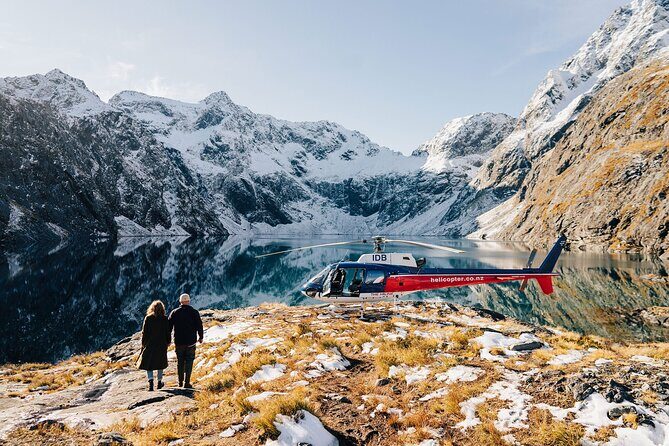
Even in daylight in New Zealand, this part of the South Island can feel cold fast—especially near glaciers and at high altitude landing areas. The tour specifically recommends warm clothing and suitable footwear due to colder temperatures.
Bring layers you can actually use:
- Warm top layer you won’t mind getting a little wind-tested
- A real outer layer (wind matters on helicopters)
- Closed-toe, grippy shoes or boots for the landing surface
Moderate fitness is listed, but the key is that you may be stepping on uneven, cold surfaces for a short time. You won’t be doing a long trek, but you do want comfortable gear.
Weather-dependent landings: how to set expectations
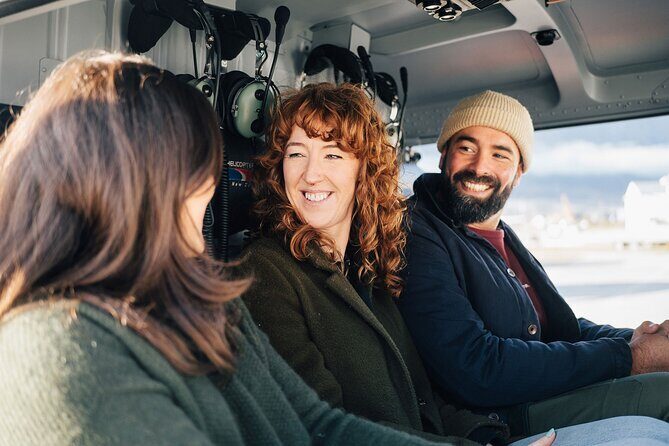
This tour is weather-dependent by nature, because landings require the pilot’s call. The biggest planning point isn’t whether you’ll go—it’s that the landing location can shift, and the exact route may adjust to what’s safe and possible.
So set your mindset like this:
- You’re booking a Milford Sound helicopter experience with two landings.
- The pilot controls the landing spots based on conditions.
- You’ll still get the aerial portion and the Milford focus, but the precise “how” can vary.
This is also why some days can feel smoother than others. Real experiences highlight that pilots and staff handle changes and keep the day moving. One account notes the team saved the day when others canceled, which can happen when schedules are adjusted to fill flights.
One downside example to take seriously: if weather limits where the aircraft can go, the experience may feel shorter or less broad than what you hoped to see from above. That’s not a guarantee of disappointment, but it’s a reminder to keep expectations flexible.
Price and value: is $859.26 per person worth it?
At $859.26 per person, this is not a cheap way to see Milford Sound. The value question is whether you’re paying for access and time saved.
Here’s what you get in the package:
- Hotel pickup and drop-off
- About 1.5 hours of helicopter flying time
- Two alpine landings (Milford Sound plus a remote alpine/glacier stop)
- Live pilot commentary
- GST included
When you price out alternatives, the helicopter is essentially buying you two things:
1) The ability to reach remote alpine terrain quickly (where road access would mean big time and limited viewpoints).
2) Time efficiency. You’re getting a “big view day” without spending the day driving.
If your priority is maximum scenery per hour and you want glacial terrain plus Milford Sound, the math can start to make sense. If your priority is budget travel and you’re happy with viewing from roads or a single viewpoint, you might prefer a less expensive option.
My rule of thumb: if helicopters are within your travel budget and you want a bucket-list moment that normal transport can’t replicate, this price is easier to justify.
Who should book this helicopter tour
This fits best if you:
- Want a short, high-impact day in Fiordland rather than a long drive schedule
- Care about glacial scenery and remote mountain terrain
- Like guided storytelling from the pilot, not just a view from a bus window
- Prefer a small group experience (max 6)
You might want to think twice if:
- You’re planning a day that can’t handle schedule changes
- You don’t handle uncertainty well, since weather can affect landings and routing
- You’re hoping for a precise, guaranteed overflight pattern regardless of conditions
Should you book this Milford Sound heli tour with 2 Alpine Landings?
I’d book it if you’re chasing the moments you can’t replace. This tour’s core strength is that it combines Milford Sound access with a second remote alpine landing—often involving Tukuko Glacier or Otago’s Glacier Basin—within a tight, efficient flight window.
If you do book, plan one day in Queenstown that’s flexible. Dress for cold air, accept that landings are weather-dependent, and let the pilot guide the experience—because that’s where the trip turns from scenery into understanding.
FAQ
FAQ
How long is the helicopter tour?
The helicopter flight is about 1 hour 30 minutes, and the overall duration is listed as approximately 1 hour 30 minutes.
Is hotel pickup included?
Yes. Hotel pickup and drop-off are included, with pickup offered from centrally located Queenstown hotels.
Does this tour include two alpine landings?
Yes. The tour includes two alpine landings, and the landing locations are weather-dependent and at the pilot’s discretion.
Where will the second landing be?
The second landing can be on Tukuko Glacier or in Otago’s Glacier Basin, depending on conditions.
Do I get food or drinks during the tour?
No. Food and drinks are not included.
Where does the tour start and end?
It starts and ends at The Helicopter Line in Queenstown: 29 Lucas Place, Frankton, Queenstown 9348.
What is the maximum group size?
The maximum number of travelers is 6.
Is there a weight limit?
Yes. The total weight per passenger is listed as 320 lbs.
Are children allowed?
All children must be accompanied by a fare-paying adult.
What should I wear?
Warm clothing and suitable footwear are recommended due to cold temperatures.
What happens if the flight can’t operate due to poor weather?
If it’s canceled due to poor weather, you’ll be offered a different date or a full refund.