REVIEW · PICTON
Motuara Island Sanctuary: Wildlife & Dolphin Watching Tour
Book on GetYourGuide →Operated by E-ko Tours · Bookable on GetYourGuide
A boat trip in the Sounds feels like a secret. This eco-focused tour pairs a DOC predator-free island sanctuary walk with Marlborough Sounds dolphin watching led by WCA-certified marine guides. I really like that you get both wildlife time on the water and bird time on land, instead of choosing one.
You also get practical help for actually seeing what’s out there: binoculars, species ID cards, and onboard commentary that helps you tell birds apart fast. A cool bonus is the small group size (1–15), which makes it easier to find good viewing spots.
One thing to weigh: if weather turns rough, visibility can drop and wildlife sightings can shift, because this is real nature, not a theme-park schedule.
In This Review
- Key highlights worth planning around
- First stop: Picton’s E-ko meet-up and what that sets up
- The cruise through Queen Charlotte Sound: the dolphin-scanning setup
- What you can realistically spot on the water
- Motuara Island Sanctuary walk: birds you actually get to hear
- How the guide makes the island walk feel worth it
- The dolphin-and-bird ID system that turns photos into memories
- Drinks, warmth, and the small comfort details that change the vibe
- Price and value: what $100 buys you in real terms
- Who this tour is best for
- Weather reality: how to plan so you still win
- Quick practical tips before you go
- Should you book Motuara Island Sanctuary and Dolphin Watching?
- FAQ
- How long is the Motuara Island Sanctuary and Dolphin Watching tour?
- Where does the tour start and end?
- What time do tours depart?
- What is included in the tour price?
- Is lunch included?
- What wildlife might you see?
- Do they provide drinks during the tour?
- Are there binoculars and help with identifying species?
- Is the boat ride in sheltered waters?
- Is this tour suitable for wheelchair users or mobility scooters?
Key highlights worth planning around
- DOC Motuara Island predator-free sanctuary with rare native birds and forest walking trails
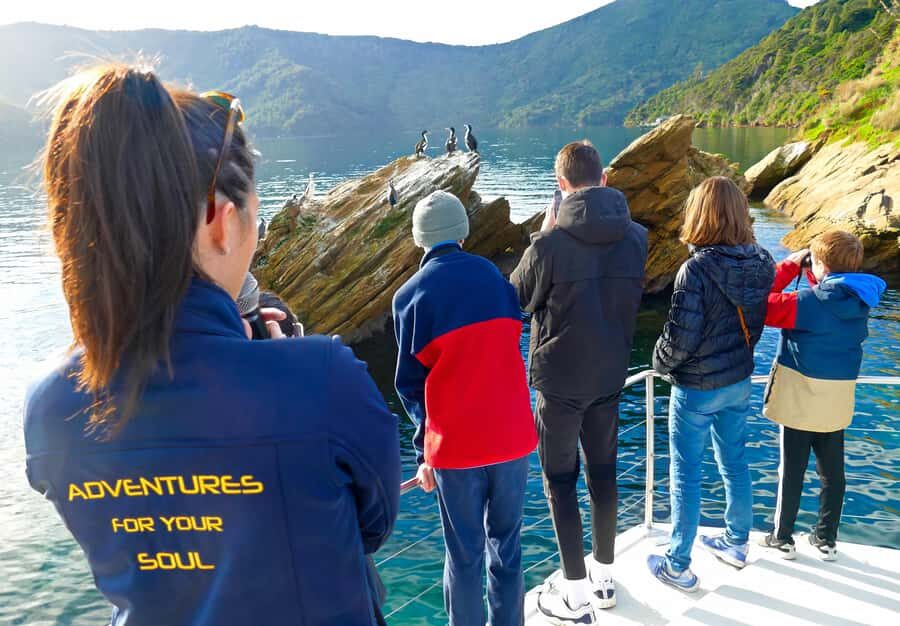
- WCA-certified marine wildlife guides using clear ID and on-the-water commentary
- Hector’s dolphins and King Shags, with penguins and gannets possible too
- Orca is possible if you’re lucky, so you’re rolling the dice the fun way
- Small groups (1–15) for less crowding and better viewing access
- Species ID support + binoculars + free wildlife photos, so you leave with proof and clarity
First stop: Picton’s E-ko meet-up and what that sets up
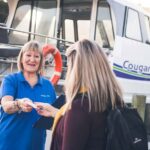
This tour starts at E-ko Wildlife Shop on Picton Waterfront, at 1 Wellington Street. It’s the kind of meeting point where you can get oriented quickly, and the shop staff make it feel simple to show up ready.
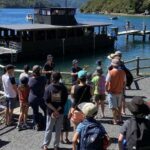
The timing matters. There are two departures, 8:00 AM and 1:30 PM, with a short briefing right before you go. That briefing is your warm-up: you’ll understand what kind of wildlife you’re likely to look for and how the day typically flows. If you’re the sort of person who gets impatient once you’re on the water, that briefing helps you get your bearings fast.
You’re going for a mixed day: cruise time plus a sanctuary walk. The operator builds it that way on purpose. Birds are easier to appreciate when you slow down and get on foot, and dolphins are best when you’re actively cruising and scanning. This tour blends both, instead of forcing you to pick one.
You can also read our reviews of more dolphin watching tours in Picton
The cruise through Queen Charlotte Sound: the dolphin-scanning setup
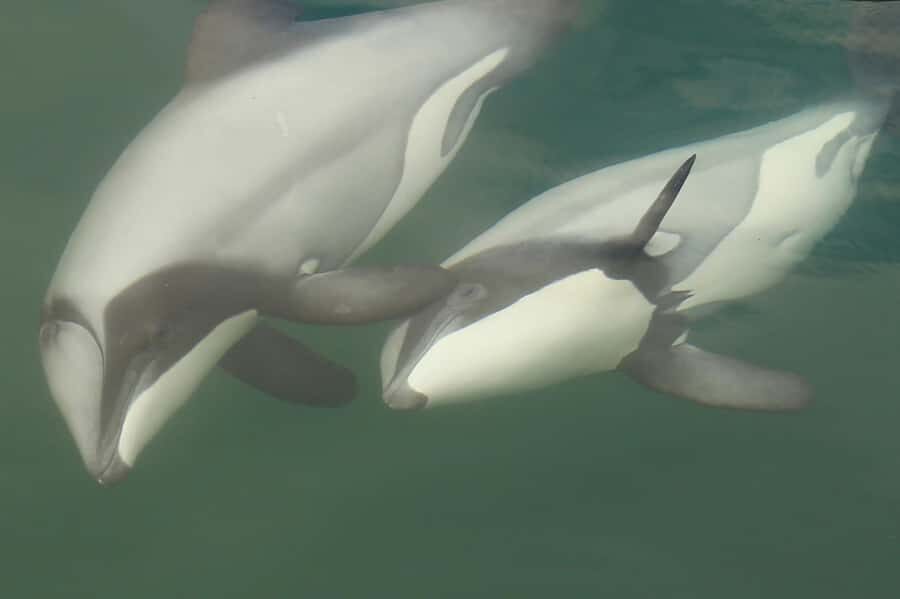
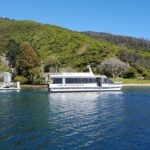
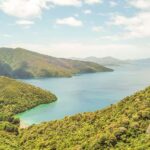
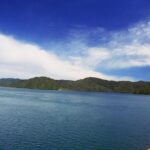
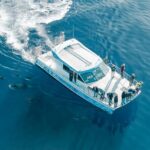
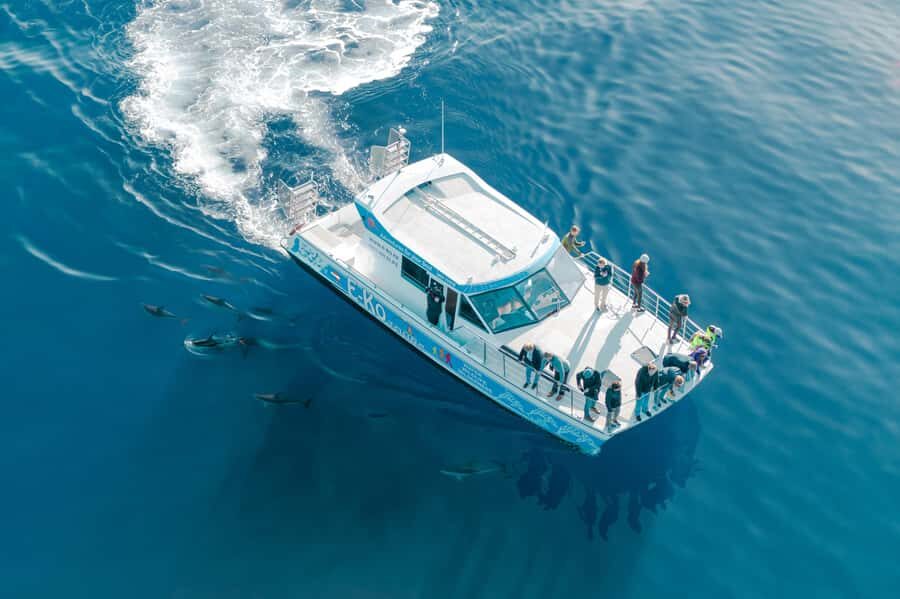
Your boat ride takes place in sheltered, calm waters of Queen Charlotte Sound, which is a big practical win. It’s also where the “no seasickness guarantee” comes in, because this day is only fun if you can actually stay comfortable enough to scan the water.
The cruise runs about 1 hour, tucked inside the full 4-hour experience. So you’re not on a boat all day. You’re out long enough to look, listen, and reposition if the guide spots signs of dolphins or birds. The commentary is part of the value. WCA-certified marine wildlife guides don’t just point at wildlife; they help you understand patterns—where to focus, what behavior matters, and what to expect in Marlborough Sounds waters.
A key practical detail: seating. One of the clearest tips from real guests is that inside boat space is limited, so if the weather cooperates, you’ll likely enjoy the trip more by choosing outside viewing spots. If you’re traveling on a bright day, take advantage of it. If the forecast is gloomy, don’t panic; you’ll still be seeing wildlife, but your view range may shrink.
What you can realistically spot on the water
This is where the tour earns its reputation. The wildlife list is specific, which tells you the operators plan for more than one kind of sighting:
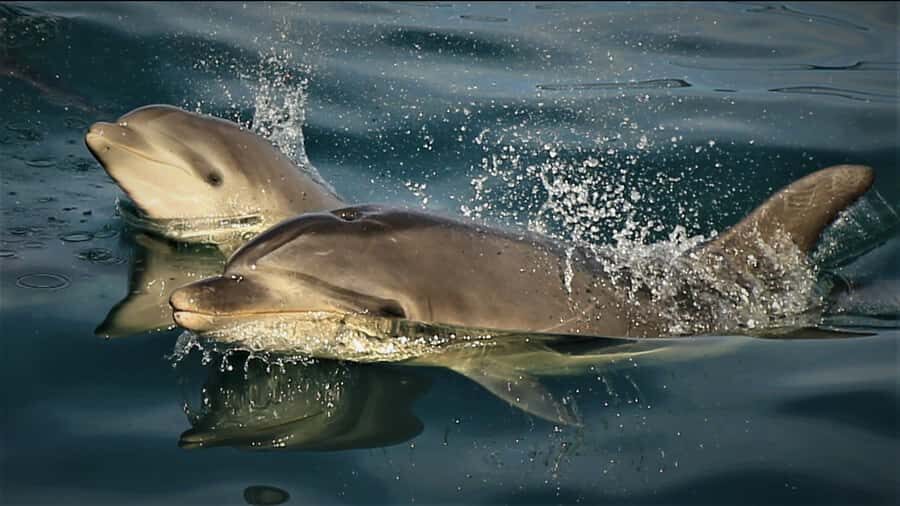
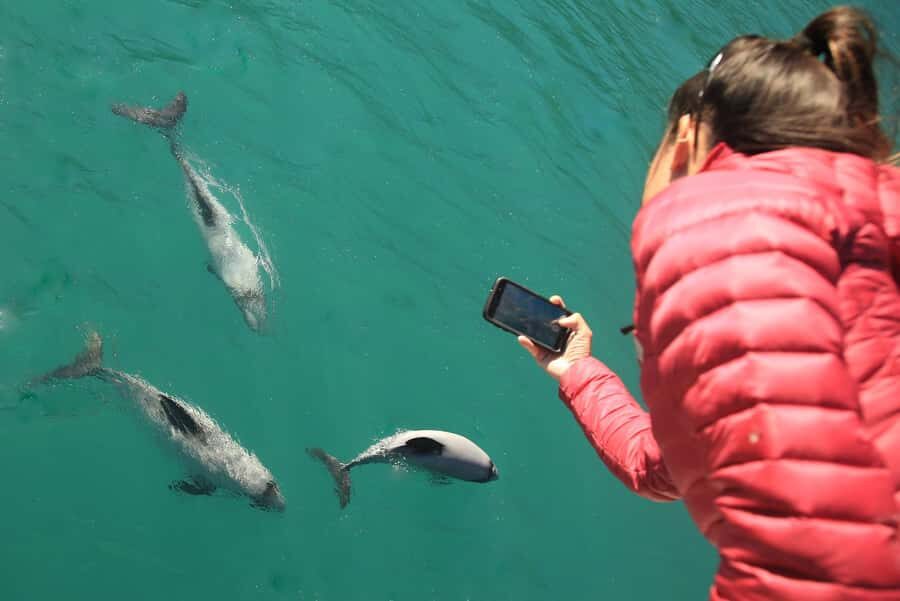
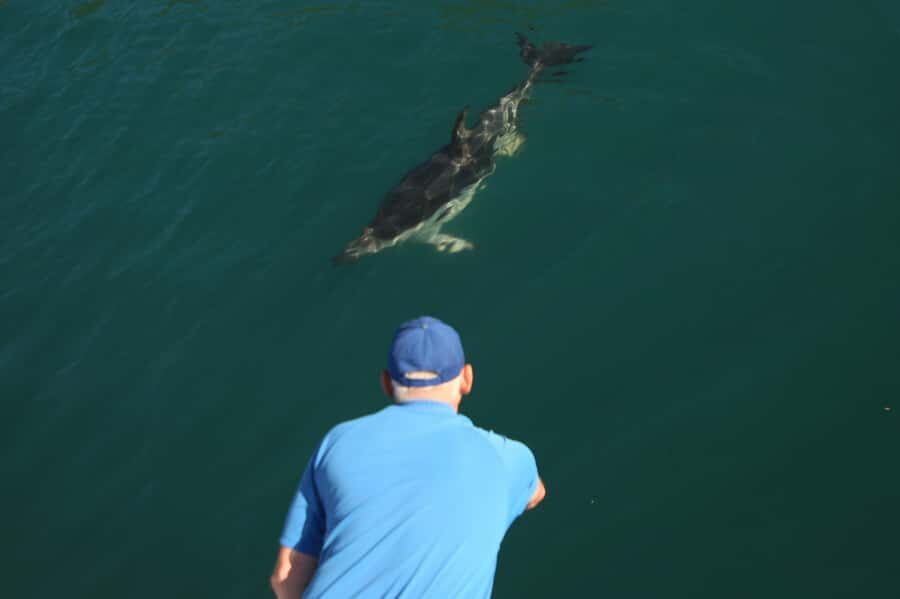
- Hector’s dolphins (one of the headline species for this region)
- King Shags
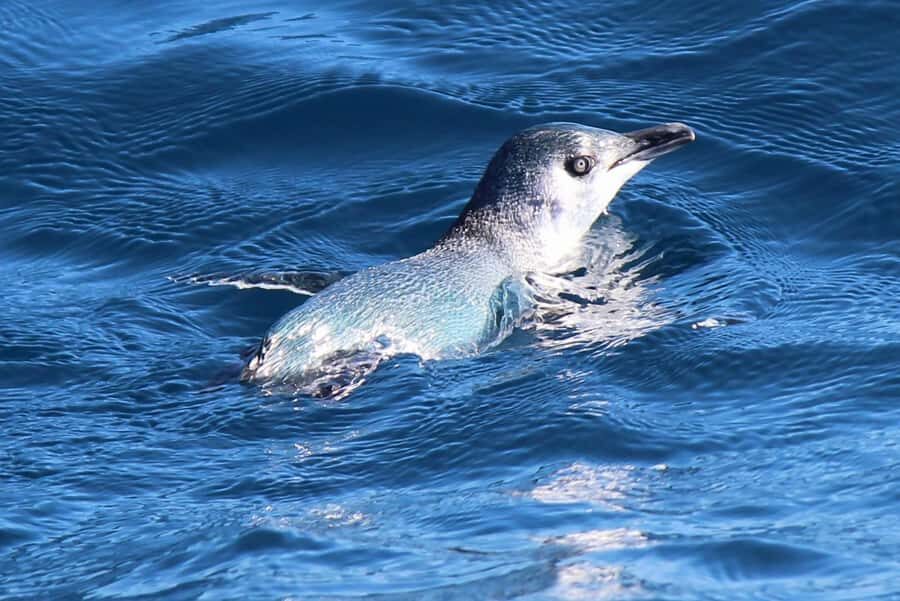
- Little Blue Penguins
- Gannets
- Seals (seen by guides and guests in recent trips)
- Orca if you’re lucky
The honest thing: wildlife isn’t guaranteed on any coast. But what you are guaranteed is effort and expertise. The guide team uses binoculars and species ID support to help you identify what you’re seeing in real time, not after the fact.
And that identification support is surprisingly important. One guest highlighted the thrill of being able to identify different species. That’s the difference between a great sighting and a satisfying one.
Motuara Island Sanctuary walk: birds you actually get to hear
After the cruise, you head to Motuara Island, a DOC reserve and predator-free sanctuary. This is the part of the day that shifts gears. On the water, you scan for movement and behavior. On Motuara Island, you listen.
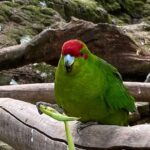
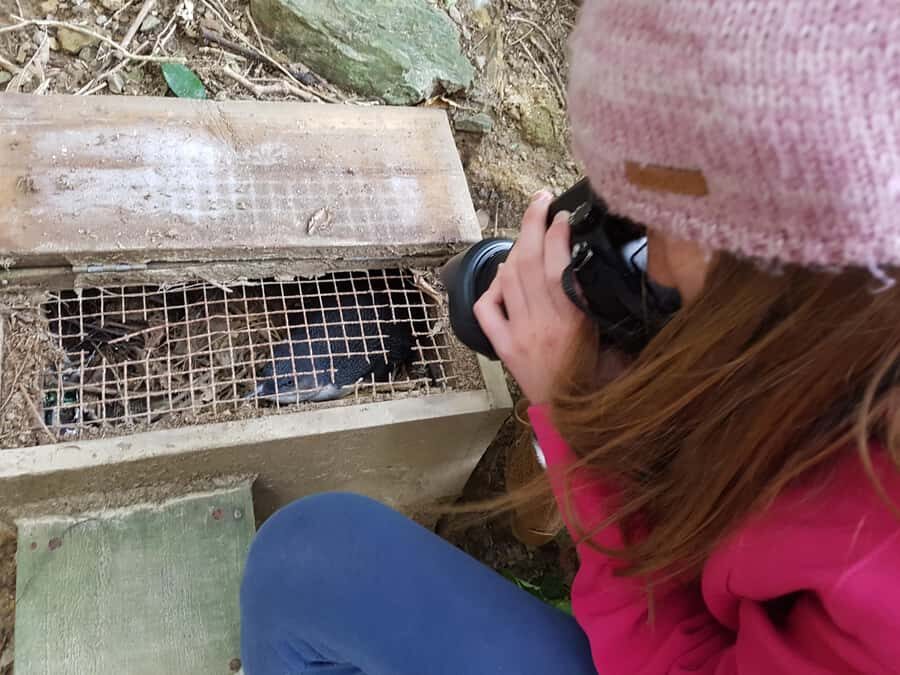
You’ll walk forested trails and hear bird calls in their natural habitat—specifically mentioned are Saddlebacks, Bellbirds, and Robins. For many people, hearing birds is the turning point. You stop thinking of wildlife as something you only spot through binoculars and start treating it like a living soundscape.
The predator-free angle is also key for understanding why this place feels special. When invasive predators are removed, rare native birds have a better chance of breeding and sticking around. That makes the sanctuary walk more than a cute nature stop. It’s a living conservation outcome.
You’ll also have viewing tools: the tour includes binoculars and species ID cards. That means you can match the bird you hear to the bird you might also see. Even if weather hides some sightings, the calls can still land.
How the guide makes the island walk feel worth it
The best part of any wildlife tour is not the wildlife list. It’s the people who help you notice what you’d otherwise miss.
In recent experiences, guide teams like Courtney and Dan and Connor and Daniel were praised for being fun to listen to, and for bringing a real sense of expertise. One standout detail: when conditions weren’t ideal, the guide team still kept the experience engaging, and in at least one case they even discussed extending time to maximize wildlife chances. That attitude matters, because it signals you’re with professionals, not just a driver with a script.


The dolphin-and-bird ID system that turns photos into memories
A lot of tours hand you a brochure and call it education. This one gives you tools.
You’ll have binoculars, plus species ID cards, and onboard commentary that connects the dots while you’re still watching. That helps you do two things you’ll feel right away:
- You spend less time guessing and more time appreciating.
- Your photos stop being random water shots and start being labeled wildlife moments.
Photography is supported in a couple ways. The tour includes photo opportunities so close you only need your phone, and it also includes free high-quality wildlife photos. That combination is practical. Use your phone to capture the best moments in real time, then rely on the provided shots if conditions weren’t perfect or you missed the exact timing.
If you care about learning, this tour has a built-in structure that makes it easy. You’re not hunting for answers alone after the fact.
Drinks, warmth, and the small comfort details that change the vibe
This day is about nature, but comfort affects your patience.
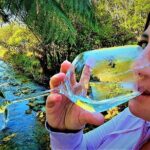
You’ll get hot drinks (tea, coffee, hot chocolate and biscuits) on board, and that’s a smart inclusion in a place where conditions can shift quickly. On the afternoon tour, there’s also complimentary Pinot Gris. It’s a nice touch that makes the late outing feel special without making it a party.
There are also small extras designed for families, including kids toys, books, and drawing boards. That’s helpful if you’re traveling with children and want them occupied without having to bring an entire entertainment kit.
One more detail that came up in recent feedback: there can be what guests describe as surprise beverages on the return. It’s small, but it adds a little morale boost on the way back.
Price and value: what $100 buys you in real terms
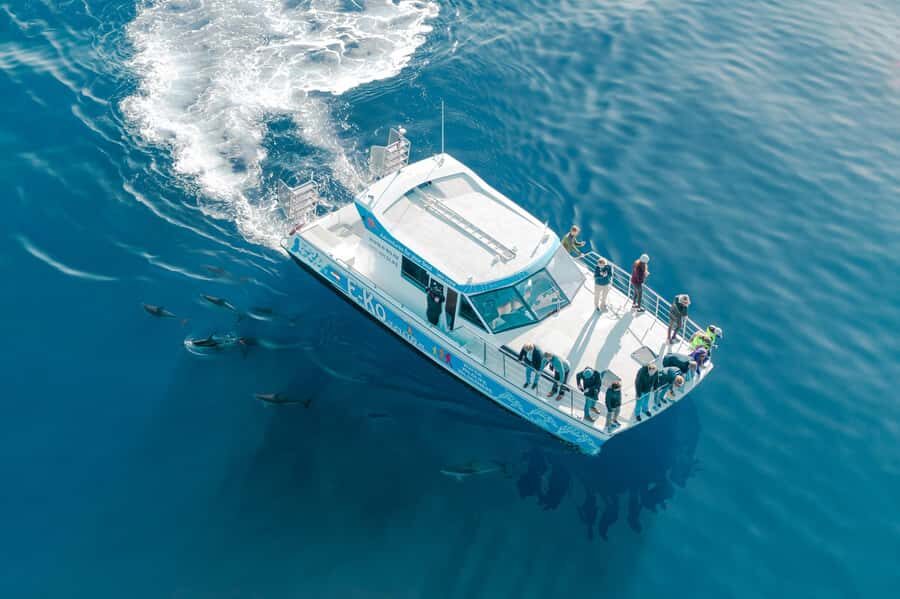
At $100 per person for a 4-hour outing, the price can look steep until you break down what’s included.
You’re paying for:
- A guided wildlife cruise with expert marine commentary
- A guided walk on Motuara Island at a DOC predator-free sanctuary
- Small group touring (1–15), which reduces crowding at viewing points
- Binoculars and species ID cards, which are part of the learning experience
- Hot drinks, plus local wine (Pinot Gris) on PM tours
- Free high-quality wildlife photos
The best value here is the mix. If you tried to do this yourself, you’d still have transportation costs and you’d likely spend extra time figuring out where to look and what you’re seeing. The tour collapses that into one organized morning or afternoon, with an expert who can interpret behavior and identify what’s in front of you.
Who this tour is best for
This is a strong fit if you:
- Want real wildlife rather than staged attractions
- Like learning while you watch (not after, not “someday”)
- Appreciate guided interpretation with binocular support
- Travel in a small group and want less crowd energy
It’s also a great choice for families, since the operator includes kid-friendly items and keeps the day structured enough that children can handle it.
Weather reality: how to plan so you still win
You should plan with one rule: wildlife doesn’t clock in on schedule.
Weather can affect what you see and how clear the water looks. One recent experience noted that bad weather reduced the sightings they planned for, but the guides compensated by keeping the trip informative and fun. That’s the right mindset: you’re booking an experience built around wildlife watching, not a list you can force.
Your best practical move is simple:
- If the forecast is decent, choose the option where you can sit outside for better viewing.
- Bring comfortable shoes and expect a bit of walking on trails.
- Keep your expectations flexible, especially around rarer sightings like Orca.
And remember: you might not see everything on the list. But the combination of dolphins, birds, and sanctuary time still has a strong chance of being memorable.
Quick practical tips before you go
These are the details that can make or break your comfort level:
- Wear comfortable shoes for the island walk.
- Avoid bare feet, and note that mobility scooters aren’t allowed.
- Wheelchair users aren’t suitable for this tour.
- If you’re sensitive to cold, lean into layers; you’ll get hot drinks, but conditions in coastal areas can still feel cool.
- Bring a phone you’re willing to use for wildlife shots. You’ll be close enough for it to matter.
Also, at the meet-up, look for the Dolphin sign. Small thing, but it saves time when you’re arriving in a waterfront area.
Should you book Motuara Island Sanctuary and Dolphin Watching?
If you want a 4-hour wildlife day that combines a predator-free sanctuary with a guided dolphin cruise, this is one of the more well-rounded options around Picton. The big reasons to book are the practical learning support (binoculars, ID cards, guided commentary), the small group size, and the fact that you’re getting both birds and marine life instead of one or the other.
I’d especially book this if species identification matters to you. The guides like Connor and Daniel and Courtney and Dan have a reputation for being informative and engaging, and that translates into a better day even when conditions aren’t perfect.
If you hate boats, you might think twice. But since the waters are described as sheltered and there’s a no seasickness guarantee, it’s designed with comfort in mind.
Overall: I’d say book it if your top priority is wildlife with real context, not just movement on the water.
FAQ
How long is the Motuara Island Sanctuary and Dolphin Watching tour?
The tour lasts 4 hours.
Where does the tour start and end?
It starts and ends at E-ko Wildlife Shop on Picton Waterfront, 1 Wellington Street, Picton.
What time do tours depart?
There are two departures: 8:00 AM and 1:30 PM. Briefing is 7:45 AM and 1:15 PM.
What is included in the tour price?
You get a guided wildlife cruise with expert commentary, a guided visit to Motuara Island Sanctuary (DOC reserve), binoculars and species ID cards, hot drinks, and (on afternoon tours) Pinot Gris. Free high-quality wildlife photos are also included.
Is lunch included?
No. Lunch is not included, so it’s BYO.
What wildlife might you see?
You may see Hector’s dolphins, King Shags, Little Blue Penguins, Gannets, and possibly Orca if you’re lucky. Seals are also mentioned in recent experiences.
Do they provide drinks during the tour?
Yes. You’ll have hot drinks (tea, coffee, hot chocolate and biscuits). Afternoon tours include complimentary Pinot Gris.
Are there binoculars and help with identifying species?
Yes. The tour provides binoculars and species ID cards, plus onboard guidance from the marine wildlife guide.
Is the boat ride in sheltered waters?
Yes. The cruise uses calm, sheltered waters of Queen Charlotte Sound.
Is this tour suitable for wheelchair users or mobility scooters?
No. Wheelchair users aren’t suitable, and mobility scooters aren’t allowed.