REVIEW · OAMARU
Oamaru: Penguins Evening Viewing Ticket
Book on GetYourGuide →Operated by Ōamaru Penguins · Bookable on GetYourGuide
Ōamaru’s evening show has one job: get you close to the little blue penguins as they come home to their nests. You’ll sit in a viewing area where the action happens on the beach and up through a stony ramp, guided by local experts who explain what you’re seeing and why it matters in New Zealand. It’s a simple setup, but the scale of what you witness can feel surprisingly big.
Two things I really like: you’re not watching from some far-off spot—you’re typically about 10–15 meters from where the penguins reach the nesting area, so their waddles and timing feel immediate. And the live commentary adds real biology and behavior context, including breeding habits and the research/conservation work that keeps this colony going.
One consideration: photography is strictly prohibited (and phones are also not supposed to be used in the seating area). Combine that with how cold Oamaru gets at night, and you’ll want to dress for comfort and accept that your memories will live in your head, not your camera roll.
In This Review
- Key things that make this evening viewing special
- Finding Ōamaru’s Penguin Colony on Waterfront Rd
- Timing the evening: when you’ll likely see penguins arrive home
- Check-in, seating, and what the guides manage during the show
- The penguin walk-up: what you’re really watching from 10–15 meters
- What the commentary covers: biology, breeding, and conservation work
- The cold comfort problem (and how to handle it like a pro)
- Behavior rules: why no cameras and why silence matters
- How close is close enough: general admission vs premium seating
- Is it worth $28 for 90 minutes of penguin watching?
- Who should book this penguin evening (and who might struggle)
- Should you book the Ōamaru Penguins evening viewing?
- FAQ
- FAQ
- How long is the Ōamaru Penguins evening viewing ticket?
- Where do I meet for the activity?
- What’s the price per person?
- Are cameras and phones allowed during the experience?
- What should I wear for the evening?
- How close will I be to where the penguins come ashore?
- What time do the penguins arrive home?
- Is food and drink included?
- Is the experience wheelchair accessible?
- What languages are the guides?
Key things that make this evening viewing special
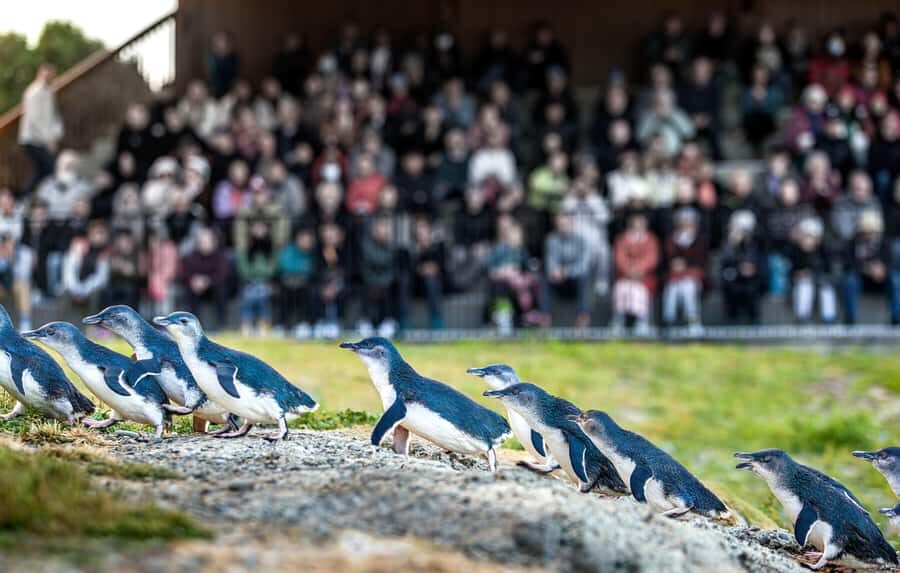
- Close-range viewing: The general admission area places you roughly 10–15 meters from the penguins’ nesting zone.
- Live expert guidance: You get ongoing, plain-language commentary about penguin life and conservation.
- Quiet watching is part of the deal: The rules exist because light and disturbance can harm the birds.
- More wildlife than you expect: You might spot New Zealand fur seals and seabirds like Otago Shags nearby.
- Winter vs summer changes the mood: Arrival numbers can be over 200 in summer, but under 30 in winter.
Finding Ōamaru’s Penguin Colony on Waterfront Rd
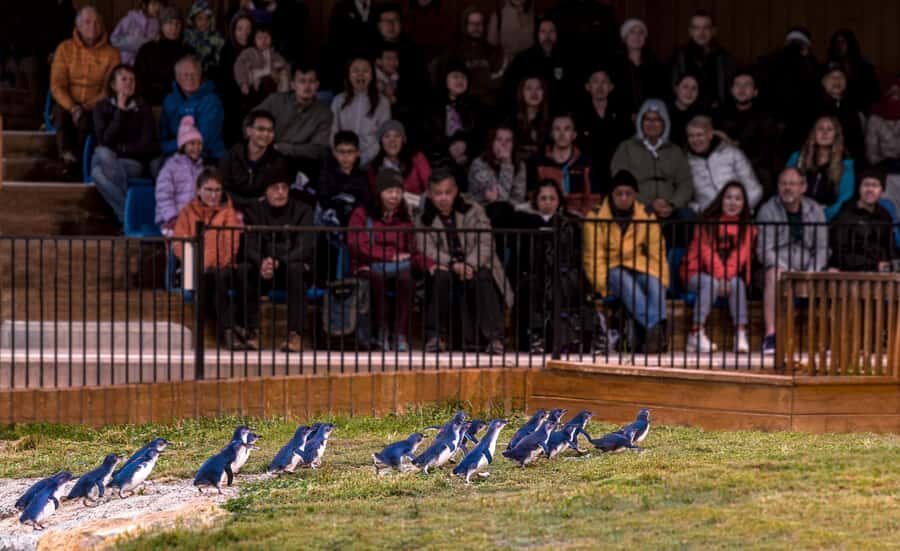
This experience is based at the Ōamaru Blue Penguin Colony on Waterfront Rd, South Hill, Ōamaru. The location matters because it puts you right where penguins actually travel: from the sea to the beach and then up toward their nesting boxes. Arrive about 10 minutes early so you can check in smoothly and get to your seating without rushing.
I like that the venue is built around the viewing flow. You’ll check in with the team, then you’ll be guided to your seating area before the main moment starts. That order helps you settle in, and it also encourages everyone to behave correctly before the first penguins appear.
One practical note: this is outdoors. You’ll be sheltered from rain in some ways, but you’re still outside for the core of the show. So treat it like a night seaside event, not a quick indoor attraction.
Timing the evening: when you’ll likely see penguins arrive home
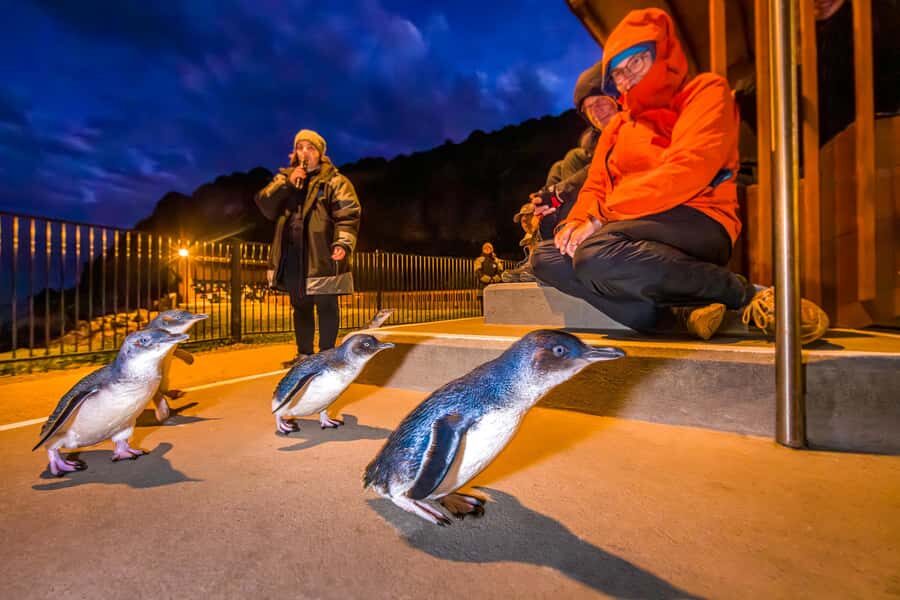
The tour runs for 90 minutes, but the best part is tied to nature’s clock: during summer months, the penguins can arrive as late as 9:00 PM, while in winter they come in much earlier, around 5:30 PM. The exact schedule shifts season to season, and your start time will depend on availability.
What you should expect is not just a random walk-on. It’s a return from a day of fishing. That means the busiest moment is when penguins come up from the ocean and start moving toward their nesting area. The guide’s commentary helps you understand what that movement means—especially why they don’t all show up at once.
The visitor numbers also change the vibe. In summer you might see 200+ penguins, while winter can be under 30. That doesn’t mean it’s less “worth it,” but it does change what you’re watching: summer can feel like steady action, while winter can feel more like waiting—then suddenly, the colony starts to move.
Check-in, seating, and what the guides manage during the show
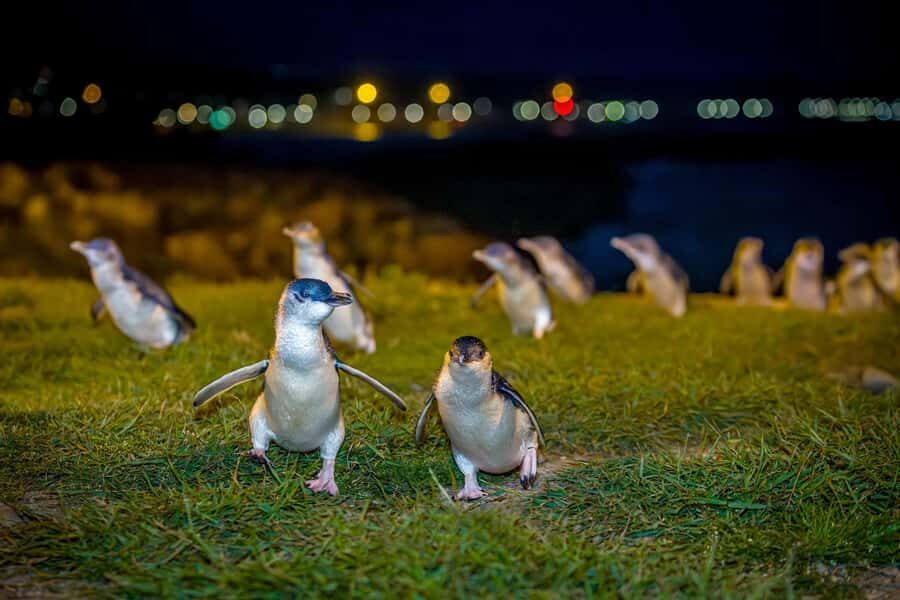
Once you arrive, you’ll be checked in and directed to your seating area. After that, the experience is guided and structured, with expert commentary happening throughout. This is important because the rules aren’t decoration. They’re what keep the colony calm enough for you to see natural behavior.
English and Chinese guides are available, and the experience is led live, not through a recording. I’ve found that live guidance is what turns a cold evening into an actually meaningful one. Instead of you guessing why a penguin hesitated or paused, you’ll hear what’s going on and why.
And yes, the staff actively manage behavior. In the feedback, people repeatedly highlight how the team corrects visitors who ignore instructions like staying quiet and keeping devices away from the seating zone. That matters because even a small disturbance can affect animals right at the moment they’re deciding how to approach.
The penguin walk-up: what you’re really watching from 10–15 meters
The core event is watching the world’s smallest penguins come home from their day fishing. You’ll see them make their way up the beach and over a stony ramp, then into their specially made nesting boxes. The viewing distance is short enough that you can track their movement and observe their behavior as they approach the colony area.
From the general admission area, you’re roughly 10–15 meters from where the penguins come up into the nesting area. In practical terms, that’s close enough to notice their pacing and their little changes in direction. It’s also close enough that you’ll feel the difference between the instant they arrive and when they settle into the routine of returning to home.
A helpful reality check: it can be hard to spot tiny birds at first, especially against dark beach textures. The guide commentary helps you focus your eyes. So if you’re the type who wants to stare at one spot the whole time, you’ll still benefit from following the guide’s pointing and explanations.
If you’re lucky, you may also see other wildlife in the area. People often mention fur seals and seabirds such as Otago Shags. Even if you only catch fleeting glimpses, it adds extra life to the evening scene and reminds you this is a functioning coastal ecosystem, not a staged performance.
What the commentary covers: biology, breeding, and conservation work
The show isn’t just penguin spotting. It’s also an education session built around what you’re seeing in real time. The guide explanations include penguin biology and ecology, breeding habits, and what the colony does to protect these birds in New Zealand.
This is where your ticket becomes more than a wildlife moment. You’re paying to support conservation and research work tied to the colony. The best part of the commentary is that it connects behavior to survival needs: food routines, nesting requirements, and the human-related pressures that can interfere with fragile wildlife.
If you like having facts that make the animals’ behavior make sense, this is a strong fit. And if you’re the kind of person who asks questions after a presentation, you’ll probably appreciate that the team is interactive at the end. One guide name that comes up in feedback is Jude, who helps answer questions after the main viewing period.
The cold comfort problem (and how to handle it like a pro)
Oamaru evenings can get very cold. You’ll be seated for a long stretch, and you’ll want to stay warm enough to watch calmly without constantly shifting and breaking the rules.
Bring warm clothing: an insulated jacket, long pants, enclosed footwear, and ideally a warm hat. If you tend to run cold, I’d treat this as a “rug up fully” situation. The venue might limit wind exposure, but you’re still sitting by the sea at night.
This matters for more than comfort. If you’re uncomfortable, you’ll fidget. Fidgeting leads to accidental noise and movement—exactly the things that can disturb penguins. The easiest way to follow the rules is to be comfortable enough that you don’t need to adjust every five minutes.
Behavior rules: why no cameras and why silence matters
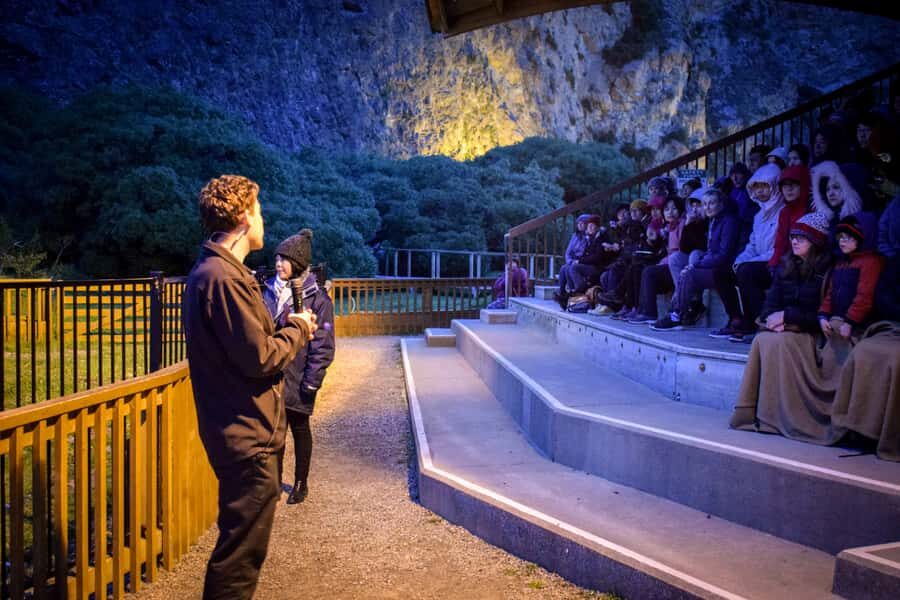
One rule dominates your evening: no cameras. Photography and video are strictly prohibited, and flash or light is a problem for penguins’ eyes. Phones also shouldn’t be used in the seating area.
It’s tempting to think you’ll miss the moment. But honestly, that rule pushes you to watch better. You stop scanning for screens and start tracking the actual animal behavior. The guides also help maintain that atmosphere—people repeatedly note how clearly the team sets expectations and how quickly they step in when someone ignores them.
If you want a “perfect photo,” this isn’t that kind of experience. If you want a real animal moment where you’re part of the quiet, respectful crowd, it works very well.
How close is close enough: general admission vs premium seating
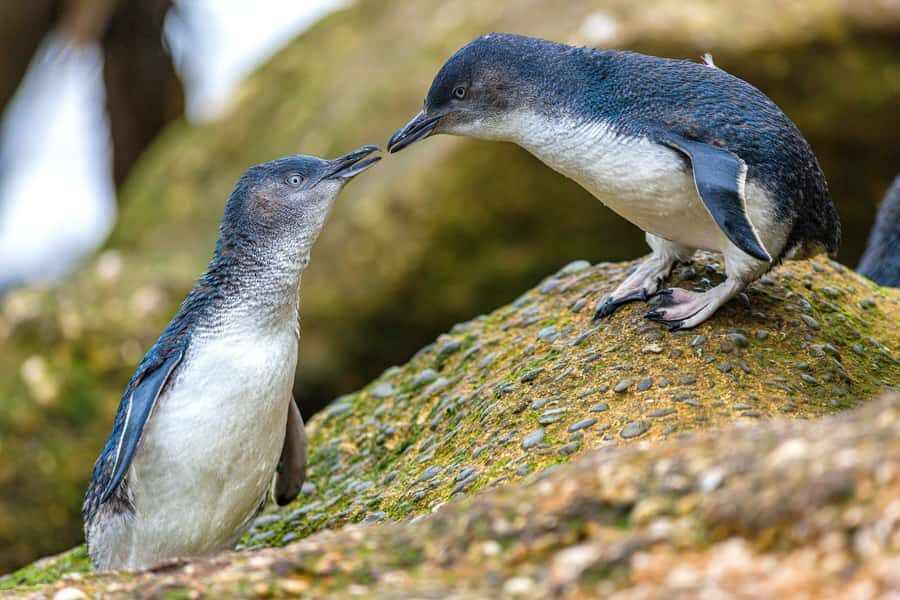
This ticket is general admission, and that already gets you near the action. Some people choose premium seating for a better viewing angle and a closer feel to the colony activity. Feedback suggests premium can also include a more involved exit experience, with some people able to walk through boardwalk-style areas closer to where penguins are nesting.
Here’s how to decide without overthinking it: if you’re sensitive to wanting the best view and you know you’ll regret missing action angles, premium might be worth it. If you’re just thrilled by seeing penguins come up from the sea and you’re comfortable following the rules, general admission is likely already a strong value.
Also keep in mind that winter has fewer penguins. When there are fewer birds, your exact viewpoint matters even more, because there’s less “backup action” happening elsewhere on the rocks.
Is it worth $28 for 90 minutes of penguin watching?
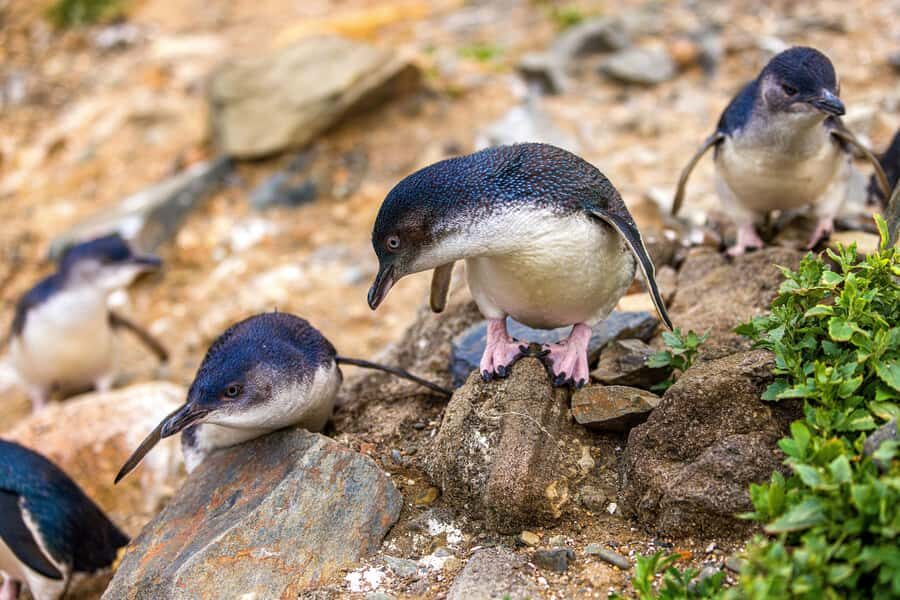
Let’s talk value. At $28 per person for 90 minutes, the price can feel either like a bargain or like a lot, depending on what you want out of the evening.
Here’s where it becomes good value: you’re getting close viewing to a natural wildlife behavior, plus live guided commentary that turns a “cute animals” moment into real understanding. And your purchase contributes to the colony’s conservation and research work.
The main reason some people hesitate is the no-photo policy. If you’re a collector of wildlife images, you’ll feel that limitation. If you’re more into the experience and learning, you’ll probably view the rules as part of why the penguins keep behaving naturally around visitors.
In other words, this is priced as conservation-backed education plus wildlife viewing, not as a photo studio.
Who should book this penguin evening (and who might struggle)
I’d recommend this experience if you:
- love wildlife and want to watch an animal return to its routine in a real coastal habitat
- enjoy guided explanations that help you interpret behavior
- are okay sitting still and being quiet for the main event
It may be less comfortable for those who hate cold or can’t sit quietly for the duration. In the feedback, people also note that children can get impatient in the cold and with the strict quiet rules.
If you’re traveling with someone who moves slowly, you’ll be glad to know it’s wheelchair accessible. And if you want a low-stress plan for an evening, this one has a clear arc: arrive, get oriented, watch the homecoming, then learn a bit more before you leave.
Should you book the Ōamaru Penguins evening viewing?
Book it if you want a close-up wildlife experience that takes behavior, education, and conservation seriously. The short distance from the nesting approach, the live multilingual commentary, and the chance to see seals or other seabirds all make it a well-rounded evening.
Skip it only if you strongly need photos and you’re likely to get frustrated by the camera rules, or if cold weather nights would make the experience miserable for you. If you can handle being bundled up and watching with your eyes instead of your phone, this is a memorable way to spend time in Ōamaru.
FAQ
FAQ
How long is the Ōamaru Penguins evening viewing ticket?
The experience lasts 90 minutes.
Where do I meet for the activity?
Meet at the Oamaru Blue Penguin Colony, Waterfront Rd, South Hill, Oamaru 9400, New Zealand. Arrive about 10 minutes early.
What’s the price per person?
The ticket price is $28 per person.
Are cameras and phones allowed during the experience?
No. Photography and video are strictly prohibited, and you should not use cameras and/or phones in the seating area.
What should I wear for the evening?
Bring warm clothing, including enclosed footwear, a jacket, and long pants. It can get very cold at night in Oamaru.
How close will I be to where the penguins come ashore?
The general admission seating area is approximately 10–15 meters from where the penguins come up into the nesting area.
What time do the penguins arrive home?
During summer, penguins can arrive as late as 9:00 PM. During winter, they may arrive as early as 5:30 PM.
Is food and drink included?
No. Food and drinks are not included.
Is the experience wheelchair accessible?
Yes, the experience is wheelchair accessible.
What languages are the guides?
The live guide is available in English and Chinese.