REVIEW · AUCKLAND
Auckland: Browns Island (Motukorea) Sea Kayak Tour
Book on GetYourGuide →Operated by Social Nature Movement · Bookable on GetYourGuide
Kayaking to a volcanic island feels oddly personal. This beginner-friendly half-day tour from St Heliers lets you paddle Auckland’s Hauraki Gulf and visit Motukorea (Browns Island), a dormant cone formed around 25,000 years ago. I like the structured start for first-time sea kayakers and the real chance to spot whales, dolphins, or blue penguins during the crossing. One consideration: conditions can be a bit windy, and if you want more Te Ao Māori context in the story, you may find it lighter than you hoped.
You’ll spend about four hours total on the water and ashore, with a safety briefing, a guided island walk, and plenty of time to get comfortable with your kayak. Guides such as Ryan, Legend, Ben, and Hailey get strong marks for being friendly, helpful, and focused on keeping you feeling solid in the boat.
In This Review
- Key Things I’d Watch For
- Why Motukorea (Browns Island) Is a Great Auckland Sea-Kayak Goal
- St Heliers Beach: Safety Briefing and Finding Your Sea-Kayak Rhythm
- Paddling the Hauraki Gulf and Waitematā Harbour: Views Plus Wildlife Time
- Reaching Browns Island (Motukorea): A Dormant Volcano, an Uninhabited Escape
- The Short Island Walk: What “Hiking” Means Here
- Wildlife and Birds: How to Spot Them Without Disrupting Them
- What the 4 Hours Really Feels Like (Timing Breakdown That Helps)
- Gear, Clothing, and the Stuff You Actually Need
- Price and Value: Is $89 Worth It?
- Who This Tour Suits Best (And Who Might Want Another Option)
- If Wind Shows Up: How to Stay Comfortable
- Should You Book This Auckland Sea Kayak to Motukorea?
- FAQ
- How long is the Auckland Browns Island (Motukorea) sea kayak tour?
- Where do I meet for the tour?
- Is the tour beginner-friendly?
- How long does it take to paddle one way to Browns Island?
- Is there time to get off the kayak and walk on the island?
- What wildlife might I see during the tour?
- What should I bring?
- Are jeans allowed?
- Is transport included in the price?
- Are tour times fixed, or do they change?
Key Things I’d Watch For
- A beginner-first approach: you get a safety briefing and guidance that helps you get your bearings fast
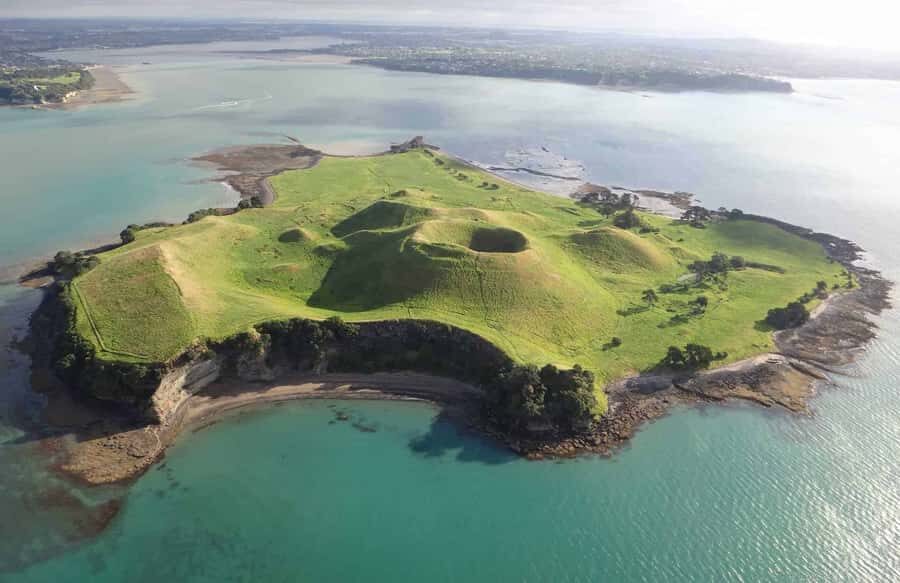
- The volcanic payoff at Motukorea: a dormant Auckland Volcanic Field cone (roughly 25,000 years old) with room to explore
- Wildlife spotting is part of the route: whales, dolphins, blue penguins, plus coastal birds like dotterel and oystercatchers
- Bird sanctuary vibes: Motukorea is a protected area, so look quietly and let nature do its thing
- Tide-dependent timing: start times shift with Auckland tides, so check the schedule before you lock anything else in
- Wind can change the mood: breezes are common on the gulf, and your comfort depends on the day
Why Motukorea (Browns Island) Is a Great Auckland Sea-Kayak Goal
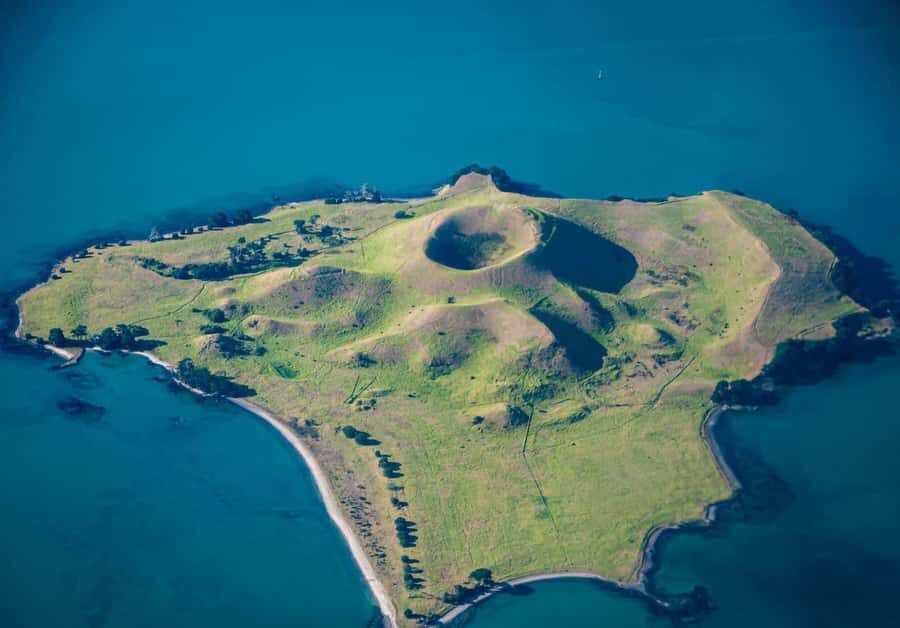
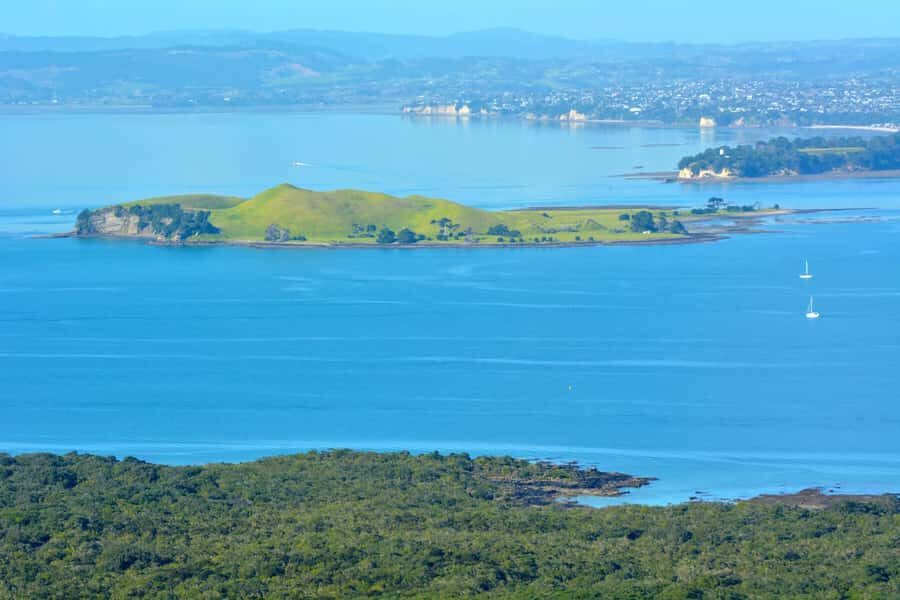
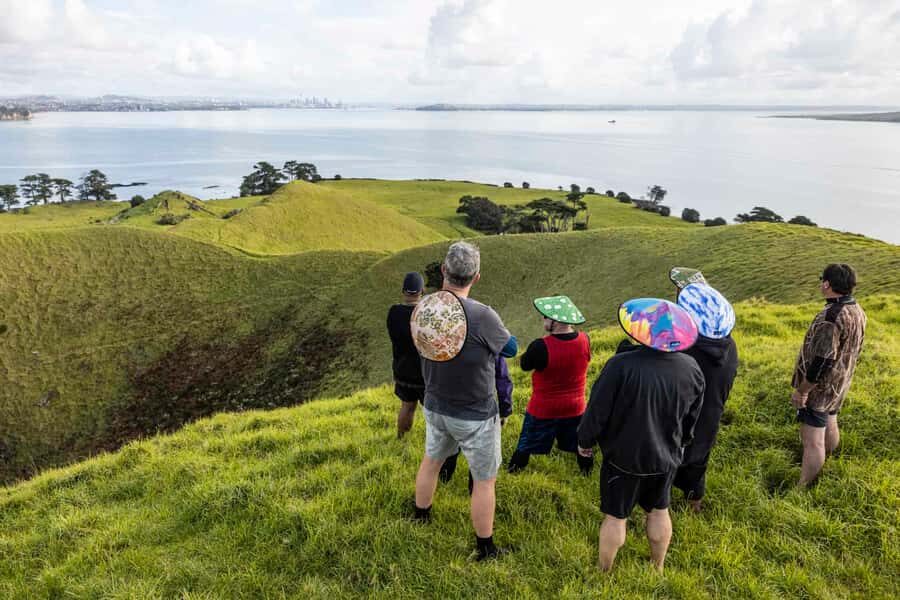
Browns Island, also called Motukorea, is one of those places that feels “close” on the map but still special when you reach it under your own power. It’s uninhabited, and it’s a recreational reserve—so you’re not sharing the island with the usual kind of crowds.
The island itself is volcanic. Motukorea’s cone formed around 25,000 years ago, and it sits inside Auckland’s wider volcanic field, which includes 53 volcanoes. That matters because the scenery isn’t just pretty; it’s telling you a real geological story as you paddle the coastline and then hike inland for a short guided walk.
And there’s the practical bonus: because it’s essentially reachable by sea and not by road, the kayaking route feels purposeful. You’re not just touring Auckland’s water—you’re traveling to a specific island environment that you can only access in a sea-focused way.
A few more Auckland tours and experiences worth a look
St Heliers Beach: Safety Briefing and Finding Your Sea-Kayak Rhythm
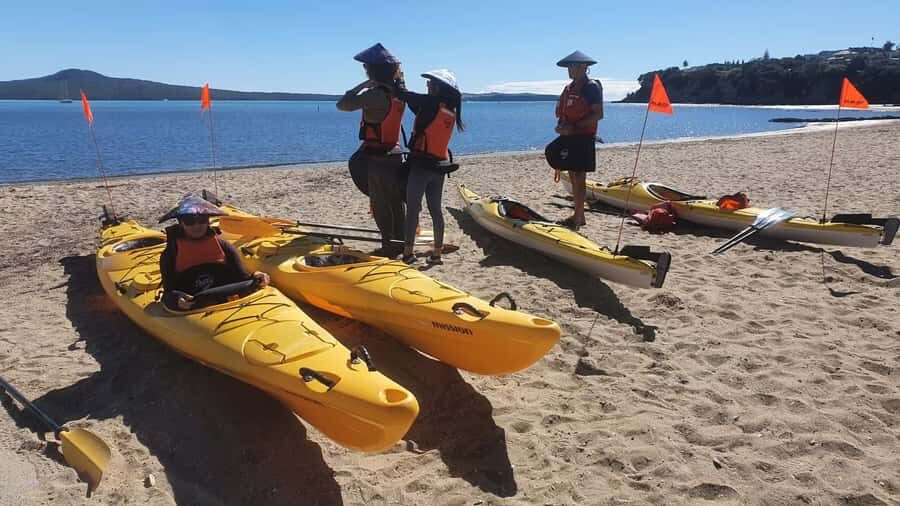
The tour starts at St Heliers Beach boat ramp, where you begin with a safety briefing (about 30 minutes). This is the part I’d never skip, even if you’re an experienced paddler, because it sets the rules of the day: how to handle your boat, what to watch for, and how the group will move together.
After that, you’re off. The schedule is built so you don’t just get dropped into a long, intimidating paddle. The time after the briefing is used for getting used to your gear and your surroundings, then transitioning into the route toward Browns Island.
If you’re doing this as a first kayak trip, the pacing is the point. I like tours that treat “beginner” as a real skill level, not a marketing label. The guides (including Ryan and Legend, based on reported experiences) also show up as genuinely helpful—people note they get answers and reassurance without making you feel rushed.
Paddling the Hauraki Gulf and Waitematā Harbour: Views Plus Wildlife Time
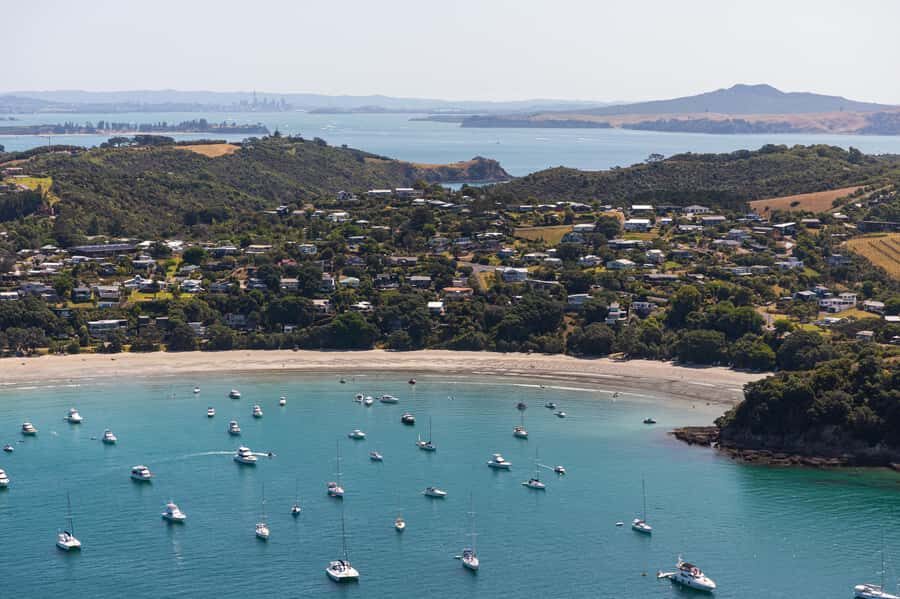
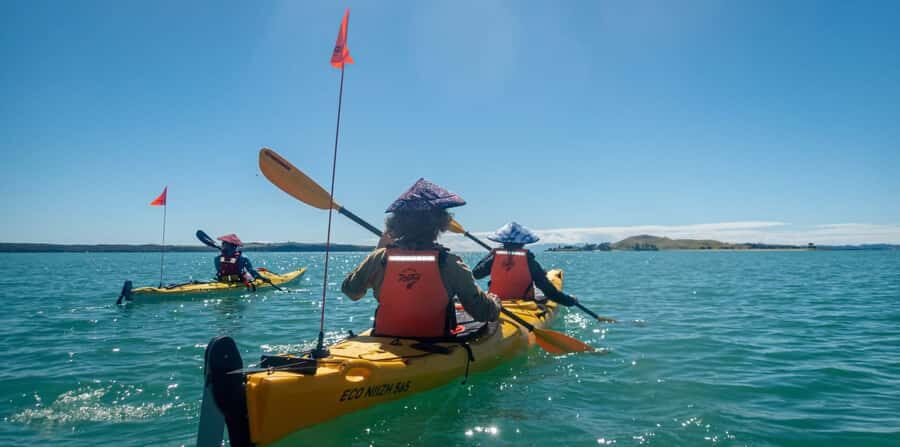
The open-water part is the heart of the experience, and it’s where the payoff kicks in. You’ll paddle along the Hauraki Gulf and Waitematā Harbour area, gliding past places like Gentlemen’s and Ladies Bays.
From the timing details, the one-way paddle to Browns Island takes about 45–60 minutes. That gives you enough time to settle into a rhythm: keep strokes steady, learn how to steer, and enjoy the slow sweep of the coastline. Overall, you’ll spend about 1.5–2 hours paddling, with the rest of the 4-hour session devoted to instruction, exploration, and guided time.
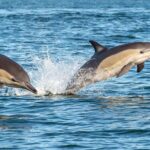
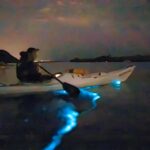
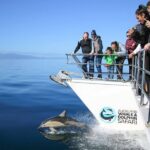
This is also when wildlife becomes a real possibility. The tour description flags marine life sightings like whales and dolphins, and even small birds and marine mammals close to the coast. Some past participants also mention blue penguins as a potential sight.
My practical advice: don’t stare. Watch, yes—but keep your head moving. If you spot something, make sure you still stay on course and follow the guide’s instructions. Nature shows up often when you move calmly, not when you paddle with panic.
Reaching Browns Island (Motukorea): A Dormant Volcano, an Uninhabited Escape
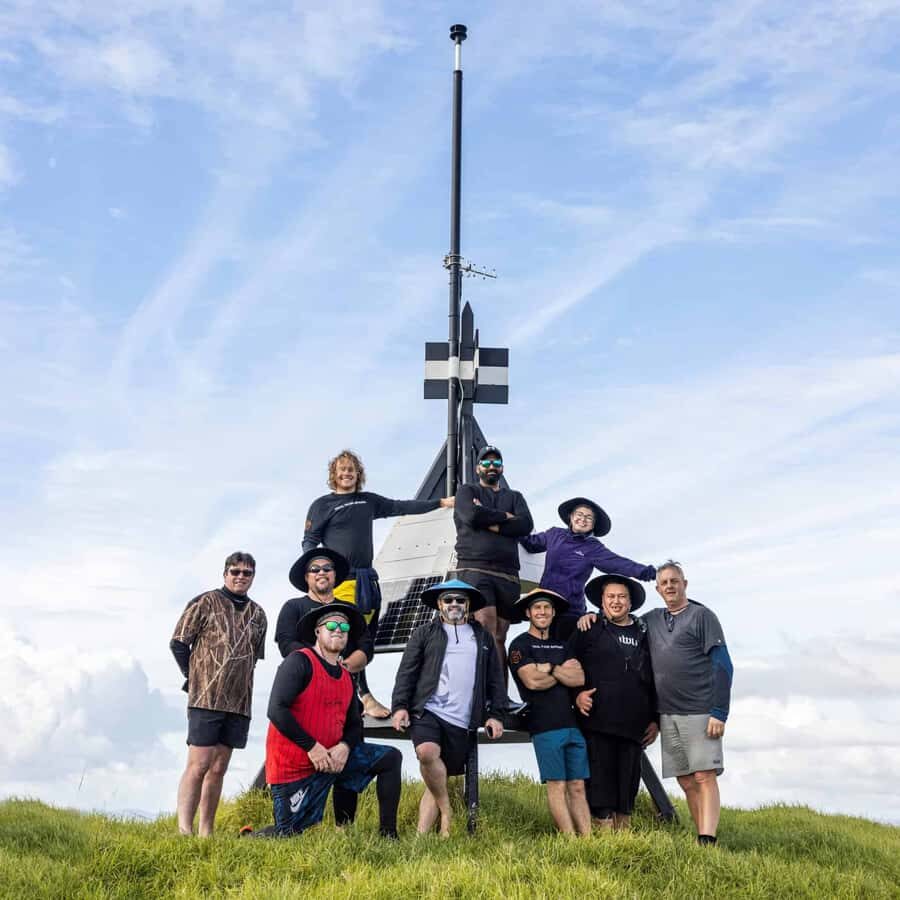
The arrival at Motukorea is one of those moments where the effort makes sense. The island is uninhabited, so it feels like a real break from city Auckland—even though you’re still within the region’s reach.
A big part of the experience is that you’re there by sea travel only. The route lets you encircle and view the volcanic island from water level, which changes how you understand the shapes of the coastline. Volcanic landforms can look “just like rock” from shore, but from the kayak you see the structure and the edges more clearly.
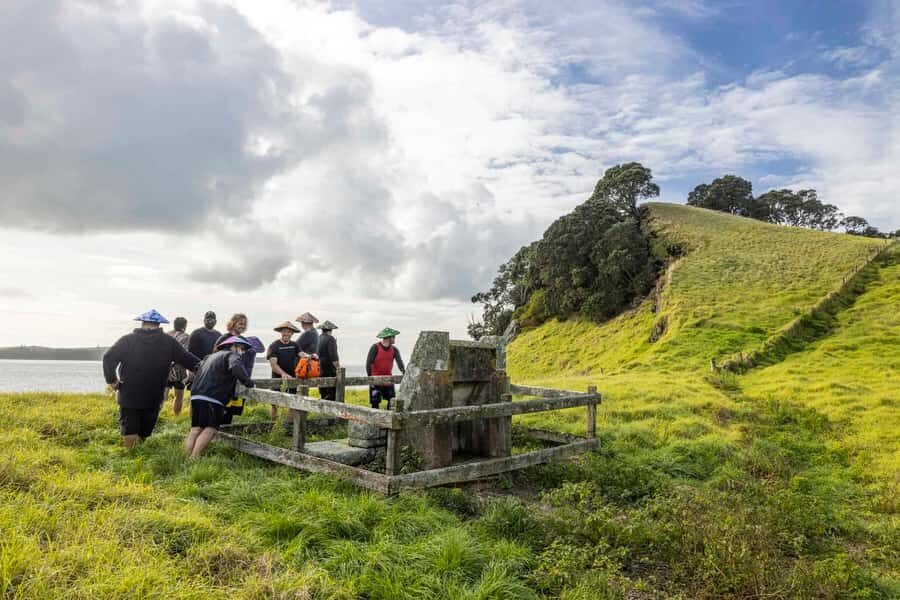
Once you land, you don’t spend hours hiking. There’s a guided component on foot (about 30 minutes), which is perfect if you want the story and the walking without turning this into a full day trek. You’re there to connect geology with a simple, guided exploration.
Also, Motukorea is known as a bird sanctuary, which adds another layer. You’re not just sight-seeing; you’re in an environment where wildlife is protected. That makes how you behave on the island part of the experience.
The Short Island Walk: What “Hiking” Means Here
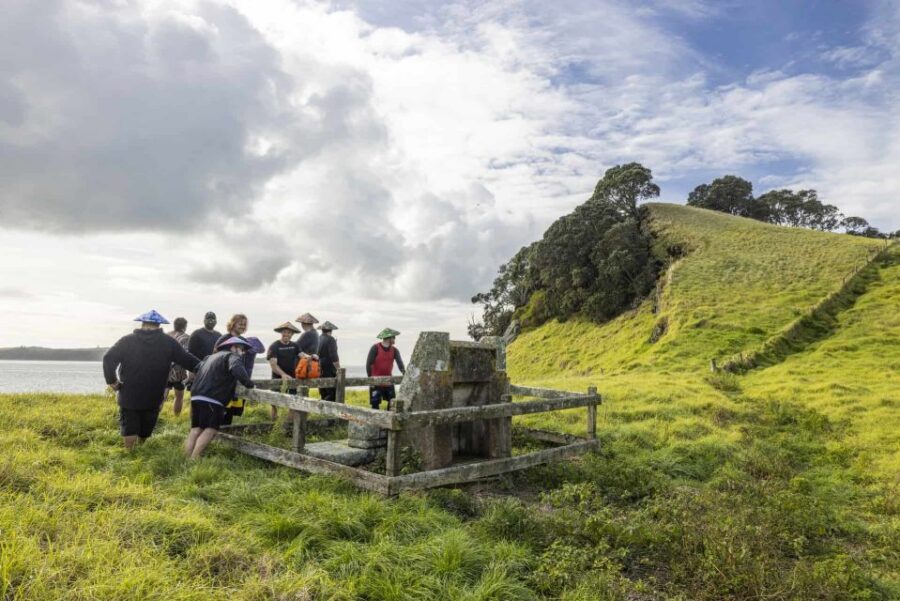
On paper, the on-island portion sounds small: 30 minutes of guided hiking. In real-life terms, that’s a smart choice. It keeps the energy matched to the paddling effort, so you don’t arrive exhausted and then get stuck slogging uphill with tired legs.
You’ll get a guided look around while you learn what makes Motukorea geologically interesting and why it matters as a conservation area. The tour also notes educational opportunities for students and researchers in volcanology, geology, and environmental conservation—so even though you’re not doing academic fieldwork, you’re borrowing the same curiosity.
One thing to keep in mind: this isn’t pitched as a long, challenging hike. Plan for short walking on what the guide leads you to see. Wear comfortable shoes and be ready for uneven ground, especially if conditions are less than perfect.

Wildlife and Birds: How to Spot Them Without Disrupting Them
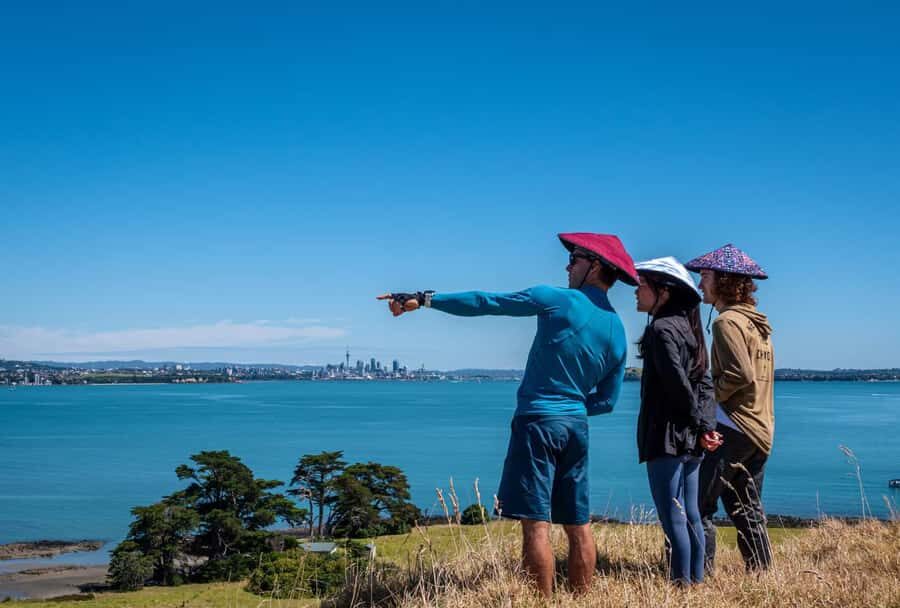
The tour description gives you a good sense of what to watch for:
- Marine life like whales and dolphins
- Coastal birds such as dotterel and oystercatchers
- Rare birds around the volcanic bird sanctuary
- The chance of blue penguins (not guaranteed, but possible)
Here’s how to make those moments more likely and more respectful. Keep your movements smooth. If you see a bird, stop paddling when the guide says it’s safe and look for what it’s doing—feeding, calling, moving along the shore. The guide’s pacing matters because the group needs to stay together and not churn up the coastline.
Also, the wildlife sightings should be treated as a bonus, not the whole plan. The experience works even on quieter days because the volcanic island and the harbor scenery are the main event. Still, wildlife is exactly where a good guide earns their keep.
Based on the high ratings, the guides do a lot of that work. People highlight that Legend and Ryan were knowledgeable and attentive, and that they answered questions while keeping everyone feeling safe. That kind of guidance helps you look longer instead of guessing what you’re seeing.
What the 4 Hours Really Feels Like (Timing Breakdown That Helps)
This tour runs 4 hours, and that time is shaped around sea-kayaking reality: travel time, safety time, and how long people realistically spend on land and water.
A likely rhythm looks like this:
- Start with a 30-minute safety briefing
- Paddle toward Motukorea (one way about 45–60 minutes)
- Spend time exploring and learning (including a guided island walk around 30 minutes)
- Return paddle and finish back at St Heliers Beach
Because the one-way paddle is under an hour, you’re not committing to an all-day endurance push. Instead, you’re doing a half-day “taste” of sea kayaking with enough time to enjoy the island and still feel fresh.
One note: start times vary with Auckland tides. That’s not a flaw; it’s the reality of coastal conditions. It can also mean different wind and water levels depending on the day, which is why a windy day can still feel manageable with the right guidance.
Gear, Clothing, and the Stuff You Actually Need
Good news: you’re not responsible for bringing your sea-kayak hardware. The tour includes kayak/SUP/canoe equipment plus a personal flotation device (PFD).
You still need to bring personal comfort items. The tour lists these essentials:
- Sunglasses
- Daypack
- Rain gear
- Towel
- Water
- Hat
- Swimwear
- Warm clothing
- Comfortable shoes
- Personal medication
Two practical tips from this list:
1) Rain gear isn’t just for rain. Sea spray can make you feel chilled fast, especially if it’s breezy.
2) Warm clothing matters because you might get damp, then cool down while you paddle or wait between activities.
Not allowed items include jeans and alcohol and drugs. Jeans are a bad combo on water trips—heavy when wet and not fun once you’re in close quarters. Stick to quick-dry layers.
Price and Value: Is $89 Worth It?
At $89 per person for a 4-hour guided sea kayak tour, the value comes from three things:
First, you get instruction and safety structure. A guided beginner tour isn’t just a boat ride—it’s the difference between feeling competent versus feeling tense.
Second, you get the destination. Motukorea isn’t “a stop.” It’s a volcanic island experience: sea views, a guided walk, and the chance of bird and marine sightings.
Third, you get included equipment (and a PFD). That’s a cost and hassle saver. You’re paying for an organized experience that gets you to the water and back without needing to hunt down rentals.
If you’re choosing between doing this yourself or booking a guide, the guided structure is the key value. With beginners, the guide’s job is to keep you safe and comfortable while you learn. That’s worth more than a small savings on paper.
Who This Tour Suits Best (And Who Might Want Another Option)
This is built for beginners. If you’ve never kayaked in open water before, you’ll likely appreciate the step-by-step approach and the time spent getting comfortable with equipment.
It also makes sense for:
- People who want a half-day activity that includes both paddling and a short hike
- Anyone who likes wildlife spotting but doesn’t want to plan a wildlife-focused day entirely on their own
- Visitors who want Auckland’s water views without a full-day commitment
Who might consider another option:
- If you hate breezy outdoor conditions, check expectations. Wind is mentioned as part of the day’s feel by at least one participant.
- If you specifically want deep Te Ao Māori storytelling as a core part of the experience, be aware there has been feedback that the tour wasn’t inclusive enough for that focus.
In other words, it’s a strong nature and geology trip with a friendly guide vibe. Just know what kind of cultural context you’re expecting.
If Wind Shows Up: How to Stay Comfortable
Sea kayak days can swing fast from calm to brisk. One participant described the tour as a bit windy, but also noted the guide made them feel safe and steady.
Here’s what helps you stay comfortable when the wind picks up:
- Wear warm clothing (not just a light layer)
- Use rain gear if it’s cool or misty
- Bring a towel and expect you’ll get wet
- Follow the guide’s calls for pacing and group spacing
Safety controls matter on the water, and adventurous activities are managed with a hierarchy of controls approach. In plain terms: the operator plans hazards, reduces risk, and relies on you too—like showing up properly dressed and not ignoring the briefing.
Should You Book This Auckland Sea Kayak to Motukorea?
I’d book it if you want a beginner-friendly way to see a volcanic island without spending all day planning or renting gear. Motukorea gives you a real sense of place—volcanic geology, protected bird habitat, and wide views over the gulf and harbour.
Choose this tour especially if you:
- Want guided help getting into sea kayaking
- Like the idea of wildlife spotting (even if it’s never guaranteed)
- Prefer short, well-paced time on land after paddling
Consider passing or picking another style of tour if:
- You need strong Te Ao Māori interpretation as a major part of the itinerary
- You’re very sensitive to wind or cold and can’t layer up
If you’re flexible and bring the right gear, this is one of those Auckland activities that turns scenery into a hands-on experience—paddle there, learn a bit, hike briefly, and head back with real sea-time under your belt.
FAQ
How long is the Auckland Browns Island (Motukorea) sea kayak tour?
The tour runs for 4 hours.
Where do I meet for the tour?
Meet your guide at St Heliers Beach boat ramp.
Is the tour beginner-friendly?
Yes. It’s described as a beginner-friendly sea kayak adventure.
How long does it take to paddle one way to Browns Island?
The one-way paddle is about 45–60 minutes.
Is there time to get off the kayak and walk on the island?
Yes. The plan includes a guided tour and hiking for about 30 minutes on Browns Island.
What wildlife might I see during the tour?
The tour notes possible sightings such as whales and dolphins, plus birds like dotterel and oystercatchers. Blue penguins are also mentioned as a possible sighting.
What should I bring?
Bring sunglasses, daypack, rain gear, towel, water, hat, personal medication, swimwear, warm clothing, and comfortable shoes.
Are jeans allowed?
No, jeans are not allowed.
Is transport included in the price?
Transport is not included unless you arrange an optional add-on called Browns-Bus.
Are tour times fixed, or do they change?
Start times vary based on the Auckland tides.