REVIEW · OHAKUNE
Premium Tongariro Crossing Guided Group Walk
Book on Viator →Operated by Adrift Tongariro · Bookable on Viator
Tongariro is a volcano lover’s day trip. This guided group walk takes you across the Tongariro Alpine Crossing and builds in extra highlights like Mt Ruapehu and Mt Ngauruhoe, with winter mountaineering gear provided when conditions demand it. I like that the day is run with qualified guides who keep the group safe on a tough route. One thing to watch: this is not a stroll—expect steep sections, a long day, and weather that can change quickly.
You meet at Adrift Tongariro, get checked in, and your guides assess the conditions before you head out. From there it’s a classic New Zealand trek through a dramatic volcanic world—craters, springs, and alpine lakes—plus memorable views tied to the Lord of the Rings story of Mt Doom.
In This Review
- Key things to know before you go
- Why this Tongariro crossing feels like the smart way to do it
- Adrift Tongariro check-in: where your day starts and your risk level drops
- Tongariro Alpine Crossing: what the walk actually gives you
- Mt Ruapehu stop: a short break with big-volcano payback
- Mt Ngauruhoe and Mt Doom vibes: the Lord of the Rings connection
- The Whakapapa Visitor Centre moment: quick context that helps you see more
- The base time at Adrift Tongariro: logistics that make a long walk easier
- Pace and group size: why guides can feel strict in the right way
- Price breakdown: what you’re really paying for
- Gear that keeps you comfortable: summer vs winter essentials
- Who should book this Tongariro guided crossing, and who should pass
- Should you book Premium Tongariro Crossing with Adrift Tongariro?
- FAQ
- How long is the Premium Tongariro Crossing guided walk?
- What’s included in the tour price?
- What’s not included?
- Do I need to bring my own winter hiking boots and layers?
- Is this tour only for summer conditions?
- Where do I meet and where do we finish?
- Do I need to contact the operator before the hike?
- What fitness level do I need?
- What happens if weather is poor?
Key things to know before you go
- Equipment included when needed: crampons and ice axes if winter conditions require them
- You get transport to and from the start/end at Adrift Tongariro base
- A guide shapes the day with a steady pace, safety checks, and route guidance
- You’re set up for temperature swings with a clear summer and winter gear list
- The route is long and physical (plan for big effort, not casual walking)
Why this Tongariro crossing feels like the smart way to do it
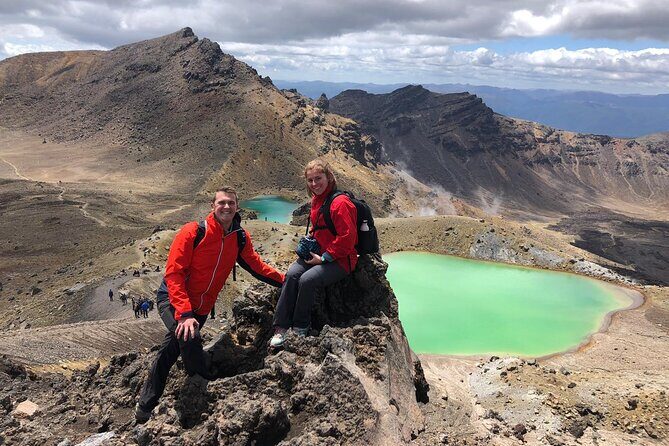
The Tongariro Alpine Crossing is famous for a reason: volcanic terrain, big sky views, and a route that makes you earn every panorama. Doing it with a guide adds more than convenience. You’re getting set up for the conditions you’ll actually face that day, not the weather you hoped for.
At $270.57 per person, the value isn’t just the scenery. The price covers professional guides, winter equipment when needed, and transfers between the activity and the Adrift Tongariro base (National Park Village). It also includes footwear and clothing support up to a NZD60 allowance—helpful if you arrive with the wrong socks-and-shoes setup for alpine walking.
Could you hike it yourself? Sure. But if you want less guesswork, better safety on steep ground, and someone who knows where the tricky spots tend to be, the guided format makes a lot of sense.
You can also read our reviews of more walking tours in Ohakune
Adrift Tongariro check-in: where your day starts and your risk level drops
Your tour starts and ends back at the Adrift Tongariro base at 53 Carroll Street, National Park Village. Before you go out, you’ll be checking in with your guides, plus signing a waiver before arriving on site.
This day also runs on timing. The operator asks you to phone the Adrift Tongariro base between 10:00am and 5:00pm the day before your trip to confirm departure time and discuss exact timings (+64 7892 2751). You’ll also look for a link or QR code in your inbox about 3 days ahead, since this tour uses a mobile ticket.
One practical plus: your guides assess conditions in the morning and provide any extra equipment or clothing if needed. That matters because Tongariro can turn from clear to cold-and-wet fast, especially in winter.
Tongariro Alpine Crossing: what the walk actually gives you
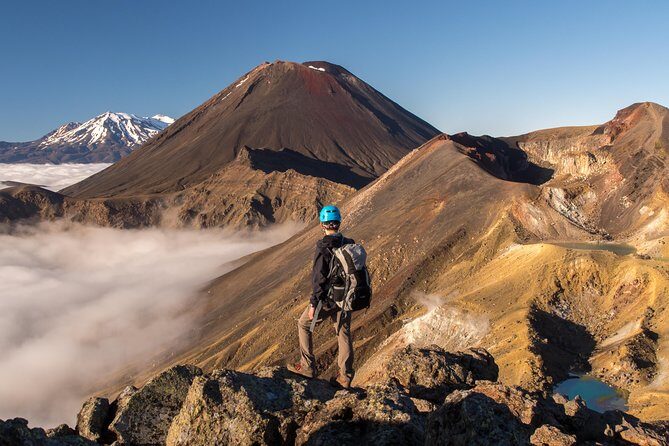
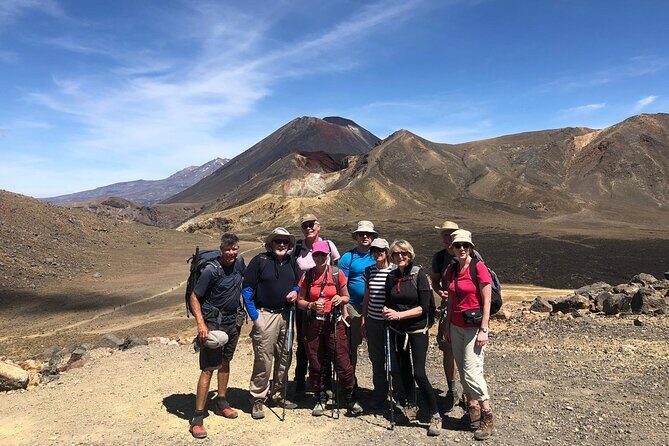
The core of the day is the Tongariro Alpine Crossing through Tongariro National Park, a UNESCO World Heritage Site. You’re walking a route known for passing volcanic craters, mountain springs, and vivid alpine lakes, with views of active volcanoes.
Expect a full-day effort with lots of changes in terrain. You’ll see plenty of constructed paths in the form of wooden walkways and stairs, which can feel “managed,” but the route still has real steepness and long descents. One helpful detail: the “Devil’s Staircase” can sound scary for a reason, and it’s steep enough to feel intense—yet it’s also broken into smaller sections, so your legs don’t get hit all at once.
If you get nervous on exposed bits, don’t stay quiet. Several guides are known for keeping everyone together and coaching people through slippery spots. In one case, a guide even helped someone with a fear of heights finish the crossing comfortably, by keeping pace and safety front-and-center.
Also plan for weather to set the mood. Cloud and rain can cut views, but the day can still be rewarding if you’re dressed for it and trust the guide’s pace.
Mt Ruapehu stop: a short break with big-volcano payback
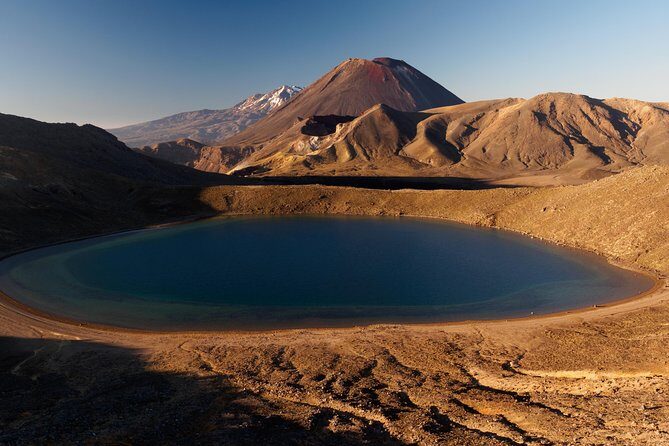
Midway through the day you’ll visit Mt Ruapehu, described as a stunning volcanic mountain. In the itinerary it’s a shorter stop—about an hour—so you won’t wander for ages, but you’ll have time to take in the mountain presence while the group regroups.
This is one of those moments where the guide’s commentary can make a quick stop feel worth it. Even if visibility is limited, it helps to understand what you’re looking at: volcanic terrain, altitude effects, and how quickly conditions can shift around peaks.
If the weather is decent, this stop is also a good chance to mentally reset before the next push through the crossing’s more demanding sections.
Mt Ngauruhoe and Mt Doom vibes: the Lord of the Rings connection
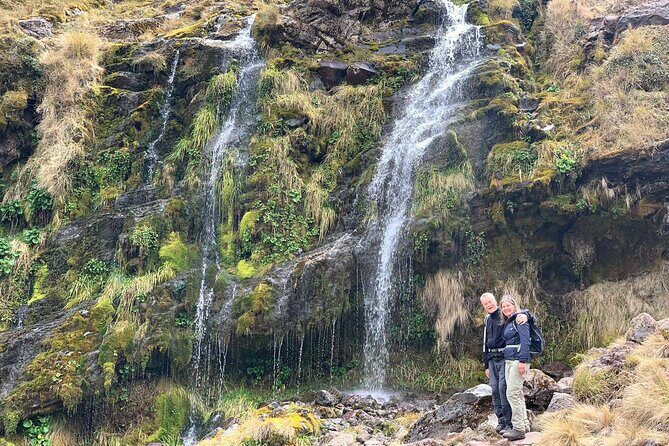
A highlight stop is Mt Ngauruhoe, about an hour in the schedule. This peak is famous in the Lord of the Rings as Mt Doom, so you’re not just hiking geology—you’re hiking pop-culture scale volcano.
That said, Mt Ngauruhoe is still a steep, serious area. The value of having a guide here is simple: someone can manage safe footing while also guiding you to the best viewpoints available in your weather window.
If you’re the type who plans your day around photos, this stop is the one to treat like an “eyes-up” moment. If you’re more about the walking and the vibe, you’ll still appreciate the story connection once you see the shape of the mountain up close.
You can also read our reviews of more guided tours in Ohakune
The Whakapapa Visitor Centre moment: quick context that helps you see more
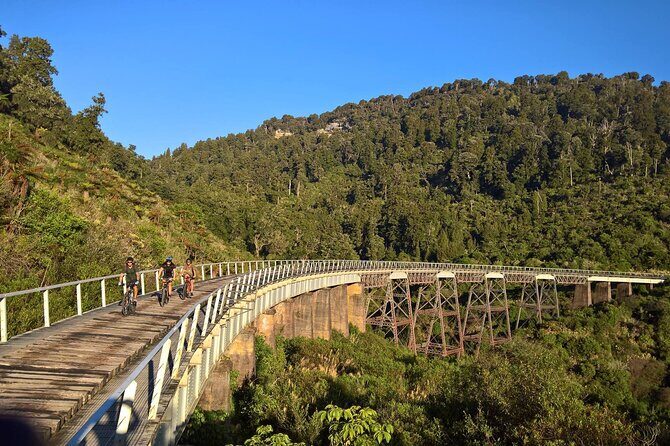
You’ll also stop at the Tongariro National Park Visitor Centre, specifically the Whakapapa Visitor Centre, for about 5 minutes. It’s short, but it can sharpen the day.
Even a brief talk or signage review helps you understand what you’re looking at—why the terrain looks the way it does and what to watch for on the trail. On days with low visibility, that context can keep the experience from feeling like “walking through weather.”
Think of it as a reset button for your brain: you go from impressive but confusing terrain to something you can track and interpret.
The base time at Adrift Tongariro: logistics that make a long walk easier
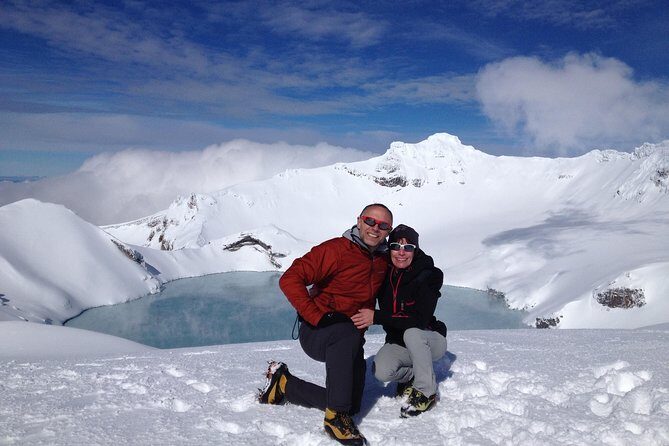
Adrift Tongariro is your home base for this tour. The itinerary includes a short stop there, about 10 minutes, and it’s also where you meet and finish.
That matters because a crossing day is mostly effort—time on your feet, managing layers, and keeping water intake steady. Having the day anchored at the base makes it easier to keep things organized, like equipment checks and group coordination before the big push and again as you wrap up.
A long walk is also when small things count: feeling warm enough at the right times, not wasting energy on guesswork, and not ending the day too confused about what happens next.
Pace and group size: why guides can feel strict in the right way
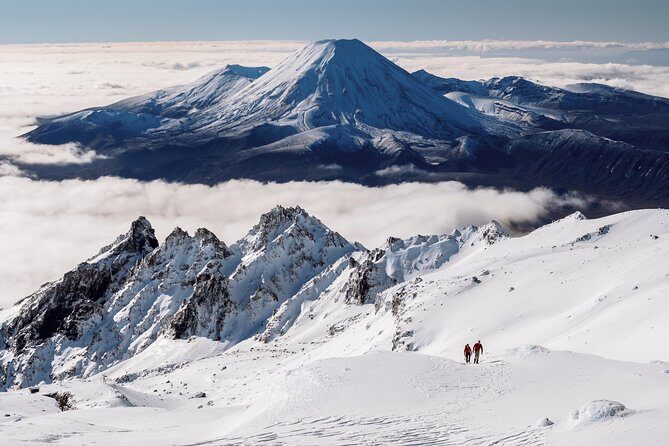
This tour runs with a maximum of 60 travelers, and you hike as a group. In the best cases, that group structure feels like momentum: you’re moving at a pace that’s hard enough to matter, but managed enough to keep everyone safe.
Several guides are credited for being professional, kind, and good at adjusting to different needs. People also mention encouragement when legs get sore and reassurance when footing gets slippery.
Here’s the balance to keep in mind: a guide-set pace can sometimes feel slower than your personal ideal, especially if you’re fit and eager to power through. But on an alpine route, steady beats heroic. The goal isn’t just speed—it’s finishing safely with the conditions you’re given.
Price breakdown: what you’re really paying for
Let’s talk money in plain terms. You pay $270.57 for a premium guided day that includes:
- Professional, qualified guides
- Winter mountaineering equipment when needed (crampons and ice axes if required)
- Transfers between the start/end points and the Adrift Tongariro base
- Footwear and clothing support up to NZD60
- A winter and summer gear plan so you know what to bring
What’s not included is also important. You’ll need to sort your own beverages and snacks. Lunch is available for a surcharge, not in the base price.
When people say the trek is doable alone, they’re often talking about the walking itself. You’re paying to reduce risk and stress around conditions, gear, and navigation, and to get extra stops that make the day feel like more than one long point-to-point hike.
Gear that keeps you comfortable: summer vs winter essentials
Your clothing plan matters as much as your fitness. The operator provides winter equipment when needed, but you still need the right base layers and waterproofs.
Summer gear list highlights:
- Water 1.5–2 litres
- Lunch
- Backpack per person
- Hiking boots/shoes
- Walking trousers
- 1 light top plus 2 warm layers
- Waterproof raincoat
- Sunscreen, sunglasses, sun hat
- Personal medications and blister protection
Winter gear list highlights:
- Water 1–1.5 litres
- Lunch
- Hiking boots
- Thermal longs and/or walking trousers & over-trousers
- 3 warm top layers
- Waterproof raincoat
- Warm hat and gloves
- Sunscreen and sunglasses
Two practical tips from how guides run the day: drink consistently (don’t wait until you feel thirsty), and dress in layers you can manage while walking. If you’re underdressed at altitude, you’ll feel it fast—and if you’re overdressed, you’ll sweat, cool down, and start to feel cold later.
Who should book this Tongariro guided crossing, and who should pass
Book it if you:
- Want a guided safety-first day on a well-known alpine trek
- Like structured planning and extra stops with payoff
- Are okay with a long, physical walk and variable weather
- Appreciate having winter gear provided when conditions require it
It might not be the best fit if you:
- Want an easy, casual outing (this is steep and long)
- Get overwhelmed by exposed drop-offs without reassurance—though guides can support you, you still need to be honest about fears
- Have very tight timing or don’t want to manage a day’s worth of effort on your feet
Minimum age is 12, and the operator asks for moderate physical fitness. If you’re worried, tell your guide before starting. That conversation is part of how they keep the group working together.
Should you book Premium Tongariro Crossing with Adrift Tongariro?
I’d book it if your priority is a confident, well-managed Tongariro day: gear handled, transfers included, and guides who know how to keep people safe while still making the scenery count. If you love big views but don’t love uncertainty, this format reduces the stress that can turn an amazing hike into a miserable one.
If you’re a strong independent hiker with the right gear and local weather knowledge, you might save money by doing it on your own. But if you want the crossing experience with less guesswork and more support—especially in winter—this guided option is a solid value.
FAQ
How long is the Premium Tongariro Crossing guided walk?
The duration is about 8 hours (approx.) for the full experience, with the main crossing taking most of the day.
What’s included in the tour price?
You get professional qualified guides, transport between the start/end points and the Adrift Tongariro base, all winter equipment (including crampons and ice axes if required), and footwear and clothing support up to a NZD60 allowance.
What’s not included?
Beverages, bottled water, and snacks aren’t included. Lunch is available for a surcharge.
Do I need to bring my own winter hiking boots and layers?
Yes. The winter list includes hiking boots, thermal longs and/or walking trousers plus over-trousers, three warm top layers, a waterproof raincoat, and warm hat and gloves. Winter equipment like crampons and ice axes is provided when needed.
Is this tour only for summer conditions?
No. It runs in summer or winter depending on conditions. The key is that you should bring the right clothing for the season and expect the guide to equip you for winter conditions when required.
Where do I meet and where do we finish?
You meet at 53 Carroll Street, Waimarino 3948, New Zealand, and the tour ends back at the same meeting point.
Do I need to contact the operator before the hike?
Yes. You must phone the Adrift Tongariro base between 10:00am and 5:00pm the day prior to confirm the departure time and discuss exact timings.
What fitness level do I need?
The tour asks for moderate physical fitness. If you’re concerned, let your guide know before you start.
What happens if weather is poor?
This experience requires good weather. If it’s canceled due to poor weather, you’ll be offered a different date or a full refund. The operator also requires a minimum number of travelers to operate.