REVIEW · QUEENSTOWN
Queenstown: 2.5 Hour Flight to Fiordland’s Iconic Locations
Book on GetYourGuide →Operated by Heliworks Queenstown · Bookable on GetYourGuide
Fiordland is faster by helicopter. This 2.5-hour flight from Queenstown is one of the best ways to see Milford Sound from above and actually step onto Lake Quill, a glacier, and Earnslaw Burn. I love the fact you get big-picture views (fjords, peaks, falls) plus real-on-the-ground moments, and I especially like the Earnslaw Burn stop because it’s the only place this company is permitted to land. The one downside to know up front: it’s weather dependent, and your landing locations and timing can shift for safety.
You’ll fly over Ben Lomond, the Richardson Mountains, and the village of Glenorchy before reaching Lake Erskine, then track toward the source area for Sutherland Falls (580m/1,900 ft). Expect a shared flight with about 6 to 9 passengers, and seats are assigned for safety and balance—so you shouldn’t count on picking a specific seat. Still, for the price ($1,010 per person), you’re buying time, access, and three different kinds of landing scenery in one go.
Plan on dressing for cold air and short outside moments. Bring warm clothing and closed-toe shoes, and if you’re serious about photos, this is the kind of tour where you’ll keep your camera ready during flyovers and on landing. If you come in expecting a calm, slow sightseeing day, you might feel rushed—but if you like efficient wow-factor, this delivers.
In This Review
- Key Things I’d Watch For Before You Go
- From Queenstown to Fiordland in 150 Minutes
- The Queenstown Flight Path: Ben Lomond, Glenorchy, and Lake Erskine
- Milford Sound From the Air: Mitre Peak’s Scale Problem
- Lake Quill and Sutherland Falls: The Alpine-Lake Landing Moment
- Mount Tutoko and the Glacier Landing: When Weather Permits the Highest Peak
- Earnslaw Burn Basin Landing: The Only Permitted Touchpoint
- The Winter Window: June–August Expectations Without the Guesswork
- Photo Tips, Clothing, and Small Real-World Details That Matter
- Price and Value: What You’re Actually Paying For
- Who This Tour Fits Best (and Who Might Want Something Else)
- Should You Book This Queenstown to Fiordland Heli Flight?
- FAQ
- How long is the Queenstown to Fiordland helicopter flight?
- Where does the tour start?
- What landings are included?
- Can the route and landings change?
- Is there a chance you won’t land on the glacier?
- Is food included in the price?
- How many passengers are on the helicopter, and can I choose my seat?
Key Things I’d Watch For Before You Go
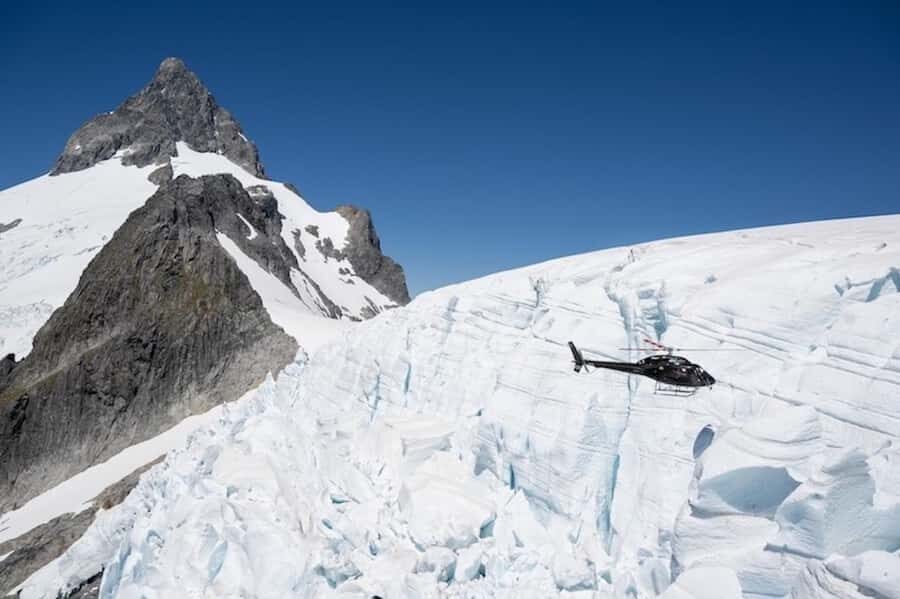
- Three landings: an alpine lake, a glacier (weather permitting), and the Earnslaw Burn basin
- Earnslaw Burn access: the company is the only one permitted to land there
- Sutherland Falls views: you’ll see the area fed by Lake Quill’s 580m/1,900 ft waterfall
- Milford Sound from the air: flyovers of Milford Sound and Mitre Peak
- Shared helicopter reality: 6–9 passengers, and seats depend on weight/balance
- Winter differences (Jun–Aug): waterfalls at Earnslaw Burn may be less active, while snow coverage and valley views remain strong
From Queenstown to Fiordland in 150 Minutes
This is not a long-day tour. It’s built for getting you above the key sights without spending all day driving and waiting. You depart from 64 Grant Road (in Queenstown), then you’re airborne for about 150 minutes of total flight time, with scheduled stops and short on-the-ground viewing.
Why that matters: Fiordland is huge, and the best viewpoints are spread out. A helicopter compresses geography. In a single tour, you can connect Queenstown-side scenery to West Coast fjords and then reach the higher, wilder interiors that are hard to reach any other way.
You’ll also notice the tour’s pace is structured around multiple “see and land” moments. Those landings are what turn it from just great views into a real experience. Still, because this is a shared flight, you’re not getting the privacy of a private charter. You’re there for the views and the stops, with the group kept to a small helicopter cabin.
You can also read our reviews of more tours and experiences in Queenstown.
The Queenstown Flight Path: Ben Lomond, Glenorchy, and Lake Erskine
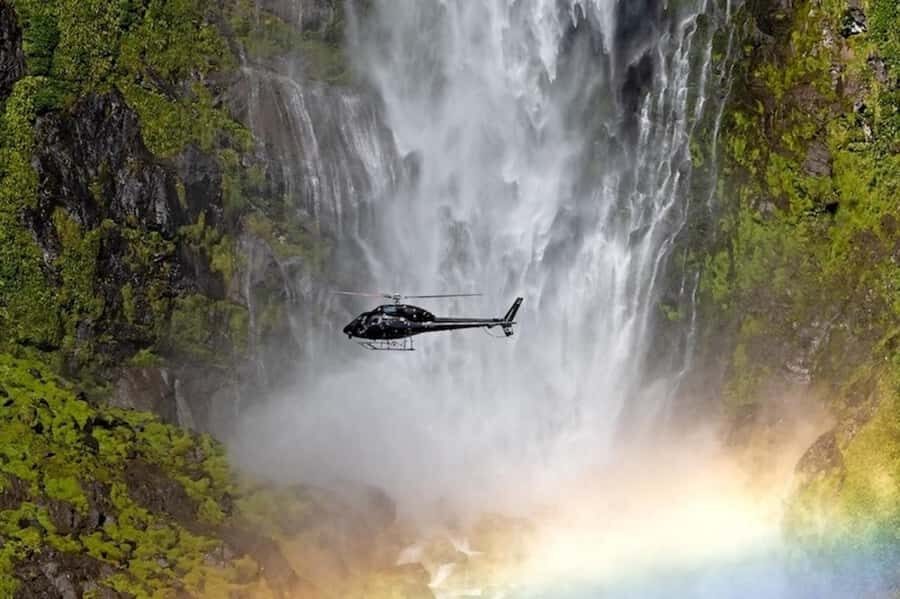
Before the dramatic fjords show up, the flight gives you a build-up. You’ll pass over Ben Lomond, the Richardson Mountains, and the charming village of Glenorchy. If you’ve seen Glenorchy from the road, you know it already looks scenic—up here it becomes a layout of valleys, ridges, and river lines that are hard to read from ground level.
Then the route takes you to Lake Erskine before heading toward the Sutherland Falls area. This part is useful because it helps you understand where the later scenery fits. When you finally reach the waterfalls and peaks, it doesn’t feel like random scenery points—you can track how the terrain changes and why Fiordland looks the way it does from this angle.
You should also be ready for short “pass by” segments (like Queenstown on the way out and back). Those moments don’t last long, but they remind you how quickly the helicopter moves between regions.
Milford Sound From the Air: Mitre Peak’s Scale Problem
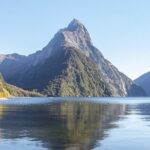
Milford Sound is the name most people come for, and you’ll feel it from the start even before a landing. You’ll fly over Milford Sound and Mitre Peak, which is one of those sights that looks impressive in photos and even more imposing in real scale.
The key thing to understand: from the air, Milford Sound isn’t just a single view. It’s a system—steep sides, narrow water corridors, and weather-sculpted cliffs. You’ll likely spend a good chunk of your time in the air focusing on how the fjord walls rise so quickly from the water.
Your schedule includes time for sightseeing and a short photo stop during this Milford Sound portion. If you’re a photographer, this is where you’ll probably work fast: hover time and outside moments are limited, and the best shots come when you’re ready before the pilot moves to the next angle.
One practical note: this segment is still part of the weather-dependent plan. If visibility or cloud base changes, your “whoa” moments may come from different angles, and that’s not a failure—it’s how helicopter operations keep you safe while still trying to deliver the core sights.
Lake Quill and Sutherland Falls: The Alpine-Lake Landing Moment
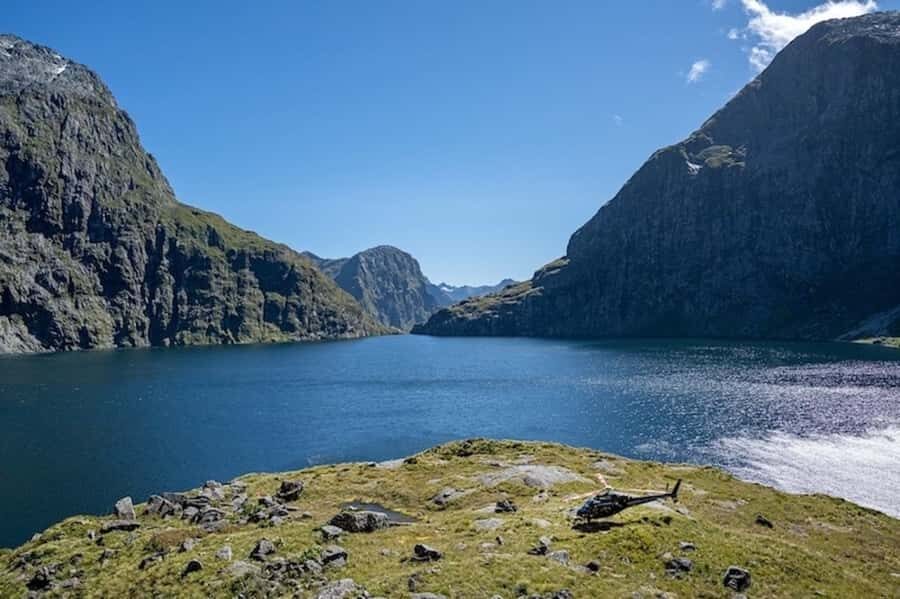
One of the smartest parts of this tour is that it doesn’t treat waterfalls like distant dots. You get a landing at Lake Quill, and it’s positioned as an alpine lake stop connected to the 580m/1,900 ft Sutherland Falls.
This is the moment when the tour changes character. Instead of just looking, you’re on a surface in the alpine zone and you’re surrounded by the shape of the terrain that feeds the falls. Even when you can’t see everything at once, you’ll get a sense of how water gathers and then drops in dramatic steps.
The tour includes a landing plus about 10 minutes of viewing during that stop. That may not sound like much, but for a helicopter, it’s timed to give you just enough minutes to look around, take photos, and absorb the setting before the flight continues.
Potential drawback here: alpine landings depend on conditions. If weather affects approach paths or landing feasibility, you may not get the exact same landing experience. But when it goes as planned, this is one of the “I get it now” parts of the day—because it links the waterfall story to the physical geography you’re actually standing on.
Mount Tutoko and the Glacier Landing: When Weather Permits the Highest Peak
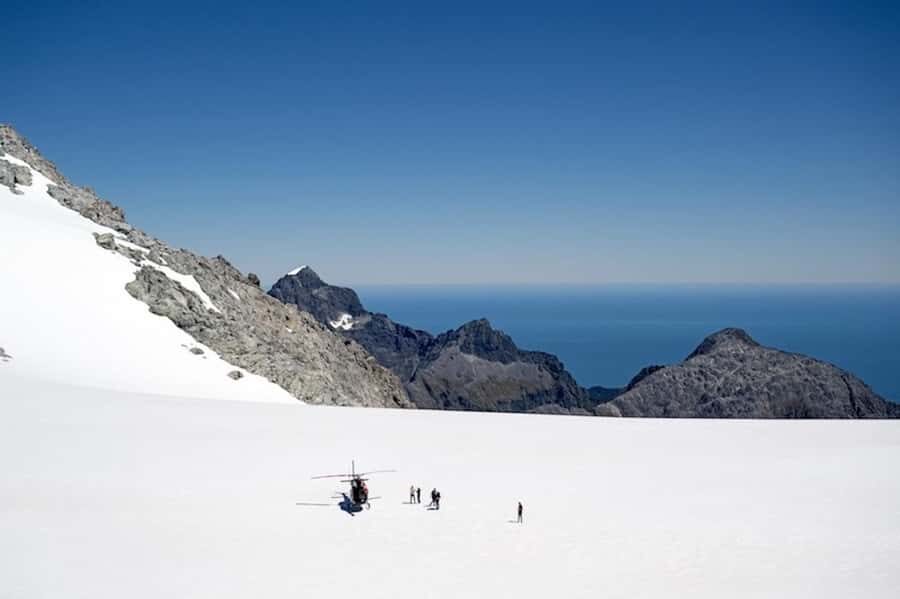
From the Milford Sound area, the flight then moves toward Mt Tutoko, described as Fiordland’s highest peak. The tour plan includes a glacier landing at the Tutoko Glacier, but it’s explicitly weather permitting, so it’s not guaranteed in every season.
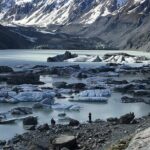
If you do get the glacier landing, it’s the kind of stop that feels different from everything else you’ve done in New Zealand. Glacier ground has a texture you can’t fully capture from above—patches of ice, snow, and the way the terrain rises and drops around you. You’re also closer to the ice-and-rock structure that creates the valley shapes you’ve been seeing from the air.
You’ll also get scenic flyovers along the West Coast approach. Even if the glacier landing is adjusted, those flying segments still matter because they frame how glacier-fed features carve the region over time.
In plain terms: treat the glacier landing like the tour’s big conditional prize. If it’s on, you’ll remember it. If it doesn’t happen due to weather, you’ll still get the rest of the Fiordland highlights. Either way, the overall value comes from multiple stops, not a single make-or-break landing.
Earnslaw Burn Basin Landing: The Only Permitted Touchpoint
This is the part that most clearly separates this flight from a run-of-the-mill helicopter “views-only” experience. The tour includes an Earnslaw Burn basin landing, and the standout detail is simple: this company is the only one permitted to land here.
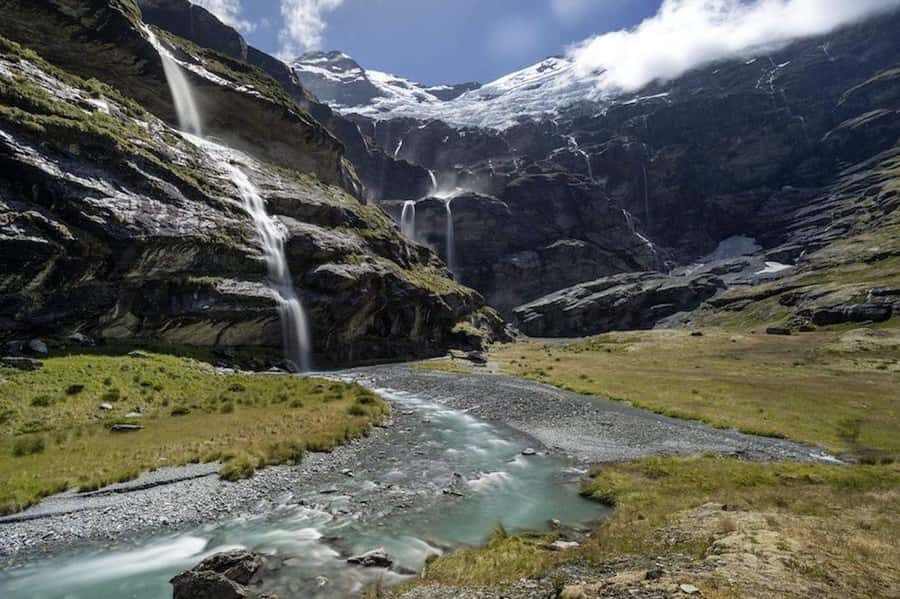
Why that matters to you: permitted landings aren’t just a marketing line. They mean you’re going somewhere operationally allowed that most visitors never access. And Earnslaw Burn is described as a place surrounded by hanging glaciers and cascading waterfalls.
When you land here, you’re not just seeing waterfalls—you’re seeing the structure around them: valley walls, snow-fed flows, and ice formations that help explain why this region looks so dramatic even when the weather softens the details.
The tour also includes a photo stop/visit/sightseeing block around the Earnslaw area that runs about 20 minutes. That extra time compared with some other stops gives you room to reposition, shoot from different angles, and actually take in the basin setting rather than rushing through.
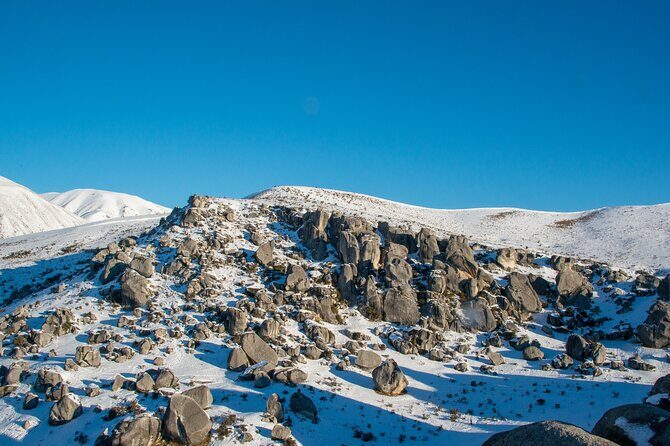
Winter reality check (Jun–Aug): waterfalls at Earnslaw Burn may be less active, but the tour description emphasizes that you still get strong snow coverage and valley views. So you’re not coming only for roaring water—this stop is built to work in different conditions, even if the sound and flow change.
The Winter Window: June–August Expectations Without the Guesswork
New Zealand in winter can be gorgeous, but Fiordland’s weather also means conditions may be tougher. The good news is the tour itself is upfront about what changes.
During June–August, the waterfalls at Earnslaw Burn may be less active. If you’re someone who’s aiming for maximum waterfall drama at all costs, that’s the one piece to mentally adjust.
What doesn’t change as much is the underlying visuals: the basin still offers a striking glacier-and-valley view, and you can still get that wintry snow feel even when water flow looks reduced.
If you’re flexible on what “spectacle” looks like—water volume in summer versus snow-and-ice structure in winter—this flight can still be a standout choice. And because the route includes multiple viewing zones (Milford Sound, Sutherland Falls area, Tutoko region), you’re not betting everything on one feature.
Photo Tips, Clothing, and Small Real-World Details That Matter
You’ll get great sightlines from a helicopter, but your success depends on being ready in the moment. The essentials are straight from what you should bring: comfortable shoes, warm clothing, a camera, and closed-toe shoes.
I’d also plan around three practical truths:
- You’ll be changing your focus quickly: cabin window views, then outside on landings, then back to the air.
- Wind and temperature can feel intense at higher elevations, even if Queenstown is milder.
- Since seating is assigned based on weight and balance, you should aim to be comfortable wherever you end up. Don’t fixate on a seat position that you can’t guarantee.
If you’re sensitive to cold or motion, dress for warmth rather than just layers you can remove. You’ll spend enough time outside at landings to feel the air.
Also, food isn’t included. That matters because the tour is about 2.5 hours, and you don’t want to start hungry or end with a long wait before you can eat.
Price and Value: What You’re Actually Paying For
At $1,010 per person, this is not a budget activity. But heli tours in Fiordland cost money because they’re doing three things most other options can’t: compress time, access remote terrain, and land where foot access isn’t practical.
Here’s the value logic that makes sense:
- You’re getting three landings (alpine lake, glacier, Earnslaw Burn basin), not just a flight with a single stop.
- Earnslaw Burn is special because the operator is the only permitted company landing there.
- You also get flyovers of major icons—Milford Sound and Mitre Peak—plus the Sutherland Falls area fed by Lake Quill.
Does the price sting? Yes, and I won’t sugarcoat it. But if you’re weighing this against spending hours on the road plus missing the interior vantage points, the helicopter starts to look like the cost of buying back your time and getting access to the parts of Fiordland that feel impossible otherwise.
One more value point: the tour includes inflight commentary. That helps you understand what you’re seeing while you’re above it, instead of landing and hoping you guessed correctly.
If you want flexibility, you’ll also see options like reserve now & pay later, plus free cancellation up to 24 hours in advance. That doesn’t change the price, but it can lower the risk if weather is a concern.
Who This Tour Fits Best (and Who Might Want Something Else)
This flight is best for people who want:
- Icon sights in a short window
- A mix of flyovers and real landings
- The kind of Fiordland access you normally only get on special day trips
You’ll probably be happiest if you’re comfortable with a shared small-group experience and you don’t need guaranteed seating. The tour is about cooperation inside the helicopter, plus weather flexibility outside it.
If you’re the type who wants long walks, extended time at each place, or unhurried sightseeing, this may feel intense. The stops are short by necessity, because the flight is built around covering multiple regions efficiently.
Also, since the itinerary depends on operational conditions, you should accept that routes and landing locations may adjust for safety.
Should You Book This Queenstown to Fiordland Heli Flight?
I’d book it if you’re aiming to do Fiordland right in limited time. The combination of three landing types, the Earnslaw Burn permitted basin stop, and the chance to see Milford Sound and Mitre Peak from the air is exactly the kind of “pay once, remember forever” plan that helicopter tours are good at.
I’d think twice if:
- You strongly prefer a guaranteed single landing like a fixed checklist (because landings are weather dependent)
- You’re traveling with a big focus on one specific waterfall look in winter (water flow at Earnslaw Burn may be less active in Jun–Aug)
- You’re sensitive to cold and short outside viewing moments and might not dress warm enough
If you can handle the weather factor and you want maximum Fiordland impact per hour, this is one of the clearest value choices in the category.
FAQ
How long is the Queenstown to Fiordland helicopter flight?
The total duration is listed as 150 minutes (about 2.5 hours).
Where does the tour start?
The starting location is 64 Grant Road, Queenstown.
What landings are included?
Included landings are 1 alpine lake landing, 1 glacier landing (weather permitting), and 1 Earnslaw Burn basin landing.
Can the route and landings change?
Yes. The tour is weather dependent, and routes and landing locations may be adjusted or rescheduled for safety.
Is there a chance you won’t land on the glacier?
There is a chance, because the glacier landing is weather permitting.
Is food included in the price?
No. Food is not included.
How many passengers are on the helicopter, and can I choose my seat?
It’s a shared experience with 6 to 9 passengers. Seats are assigned based on weight and balance requirements, and you can’t guarantee a specific seating position.