REVIEW · QUEENSTOWN
Queenstown: Self-Guided Bike Ride on the Arrow Bridges Trail
Book on GetYourGuide →Operated by Around The Basin Bike Queenstown · Bookable on GetYourGuide
Two wheels, gorges, and wine in four hours. This Queenstown-area bike ride links up self-guided riding on the Arrow River Trail with classic crossing bridges, then hands you off to the Gibbston Wine Valley for a relaxed finish.
I love the mix of freedom and structure: you get bikes, a trail map, helmet, and a short scenic bus transfer that gets you set up in Arrowtown without fuss. I also like that you can choose e-bikes if you want a cruisier ride; the only real drawback is that the route can get a little tricky to follow near the end, and a few people noted the bike saddle can feel firm if you are sensitive.
In This Review
- Key things you’ll notice on the Arrow Bridges Trail
- Queenstown to Arrowtown: the easy start that matters
- Arrow River Trail: river gorges, six bridges, and the “gold-miners” path
- Kawarau Bungy Bridge to Gibbston Wine Valley: where the day shifts gears
- Bikes and effort level: choosing standard or e-bike without regrets
- The realistic flow of a 4-hour day (and how to pace it)
- Price and value: what you pay for at $56
- What to bring so you don’t think about gear all day
- Who this bike ride is best for
- Should you book the Arrow Bridges self-guided bike ride?
- FAQ
- How long is the Queenstown to Arrowtown Arrow Bridges bike ride?
- What is the price?
- What do I get with the booking?
- Is there a guide riding with you along the trail?
- Are wine tastings included?
- Will there be food available as part of the tour?
- How does the ride start?
- What kind of biking surface is it?
- Is it suitable for families and different riding abilities?
Key things you’ll notice on the Arrow Bridges Trail
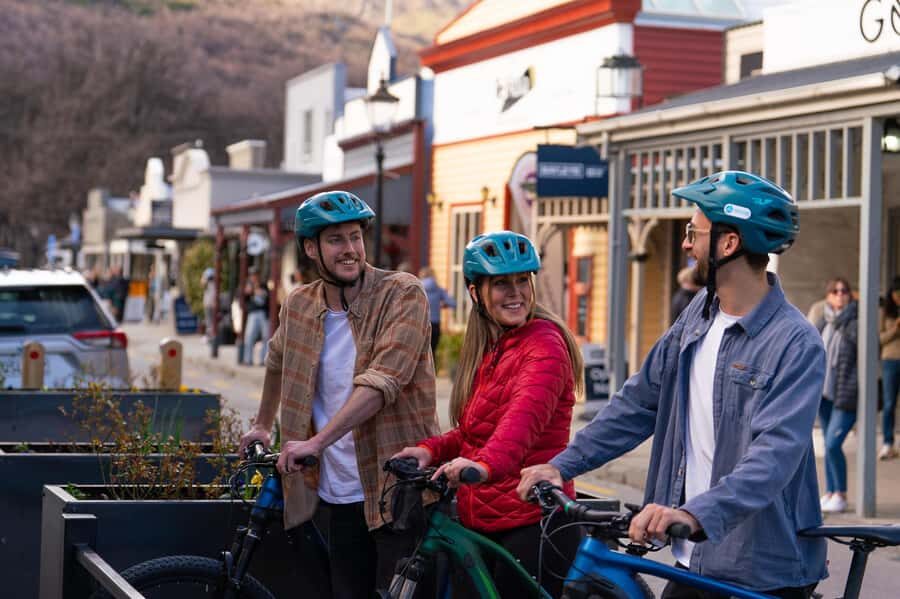
- A 15 km river ride along the Arrow and Kawarau with plenty of photo stops
- Six bridges to cross, including three suspension bridges
- Kawarau Bungy Bridge as a memorable turning point before the wine valley section
- Standard or e-bike options, so you can match the day to your energy level
- Self-guided pacing, with the freedom to linger at views, cafes, and wineries
- Navigation support can be light near the finish, so keep GPS handy
Queenstown to Arrowtown: the easy start that matters
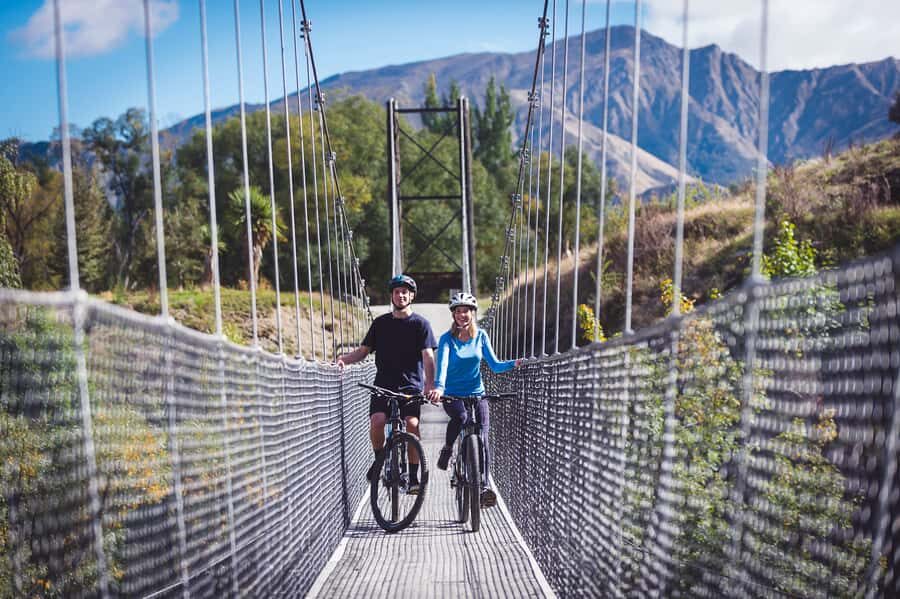
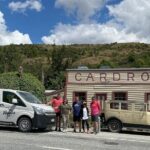
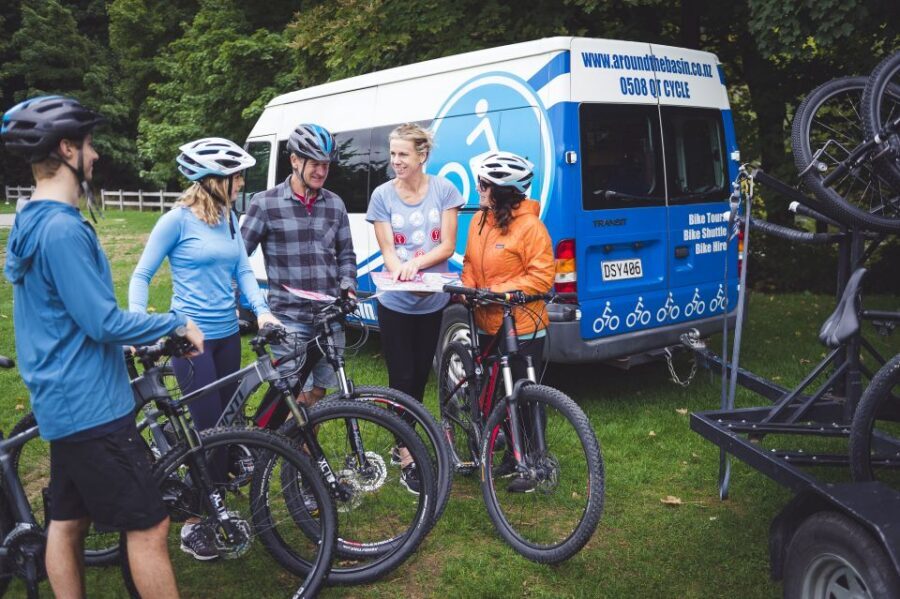
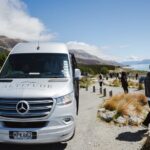
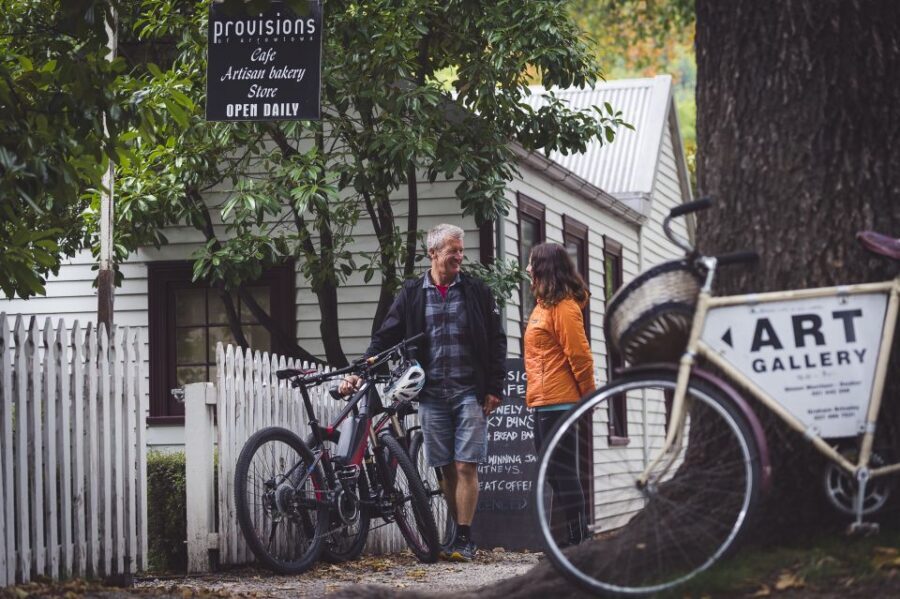
This tour keeps the morning simple. You check in at Around The Basin Bike Queenstown, then hop on a scenic scheduled bus ride from Queenstown to Arrowtown that takes about 25 minutes. Arrowtown is one of those places where you instantly understand why people build the rest of their day around it, and it also gives you a calm head start before the trail.
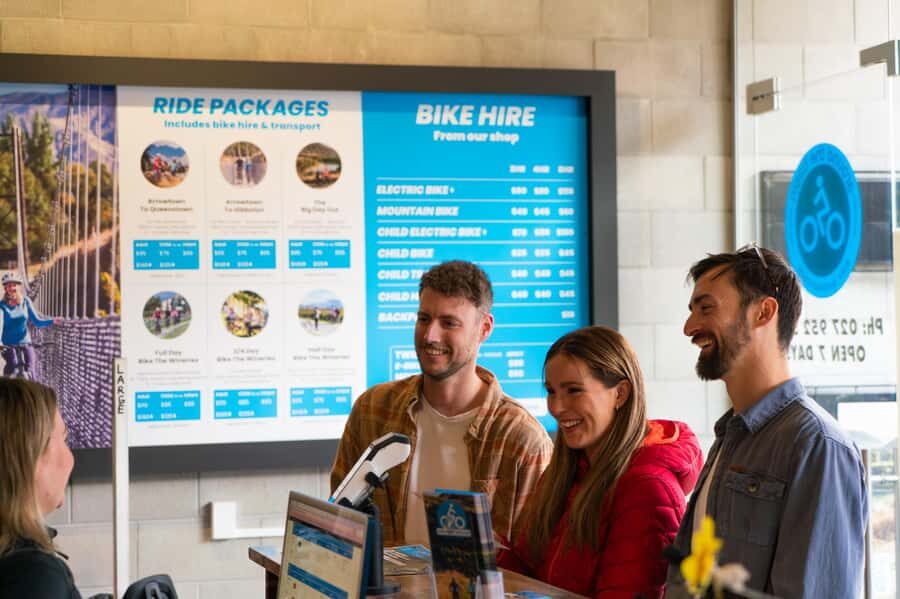
Once you’re there, you get sorted with the basics: bike hire (standard or electric), a helmet, and a trail map. The ride is self-guided, meaning no one follows you with a megaphone. That’s a big plus if you prefer to stop when something catches your eye, not when a group schedule says you should.
You can also read our reviews of more cycling tours in Queenstown
Arrow River Trail: river gorges, six bridges, and the “gold-miners” path
The main event is a 15 km section that runs along the banks of the Arrow and Kawarau rivers. The trail meanders past river gorges and glacially carved scenery, with the route following the original path used by gold miners back in the 1800s. It’s not just pretty; it also feels meaningful because you’re biking a route that helped people move through this region before the modern tourist trail existed.
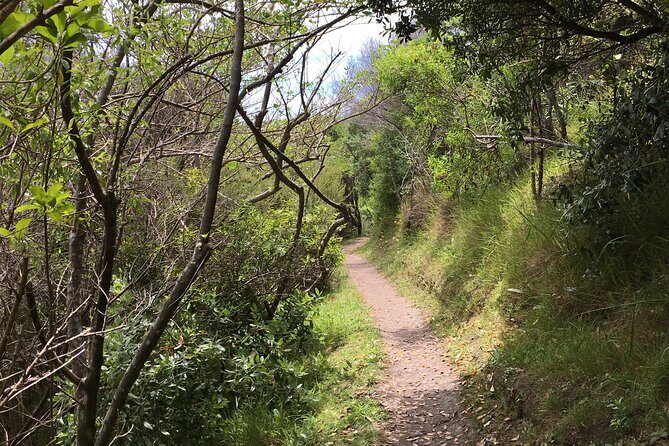
Here’s what the riding feels like in practical terms. It’s easy mountain biking on wide, gravel paths. Expect a lot of small ups and downs, described more like bumps than big climbs. The good news is that you’re generally heading downstream, so you’ll feel more “downs” than “ups.”
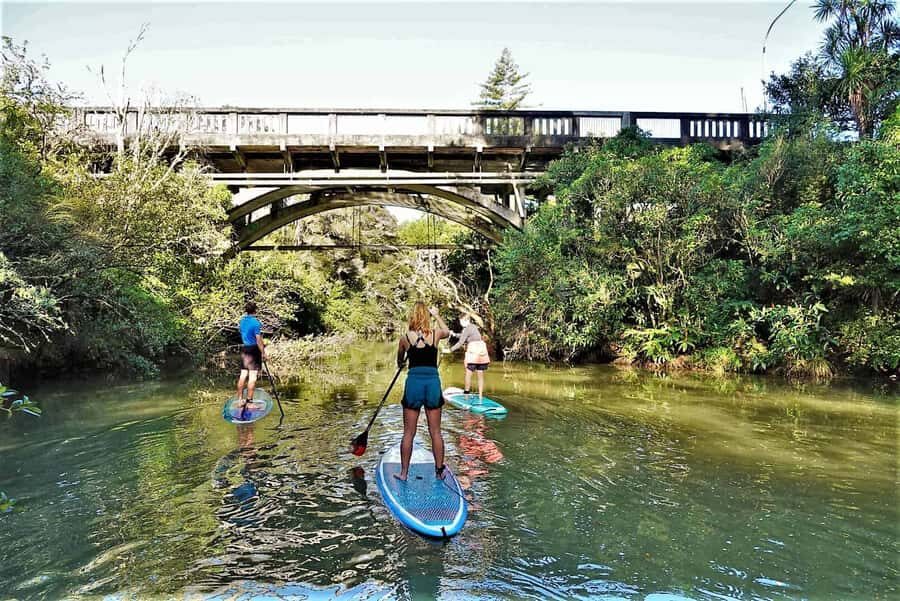
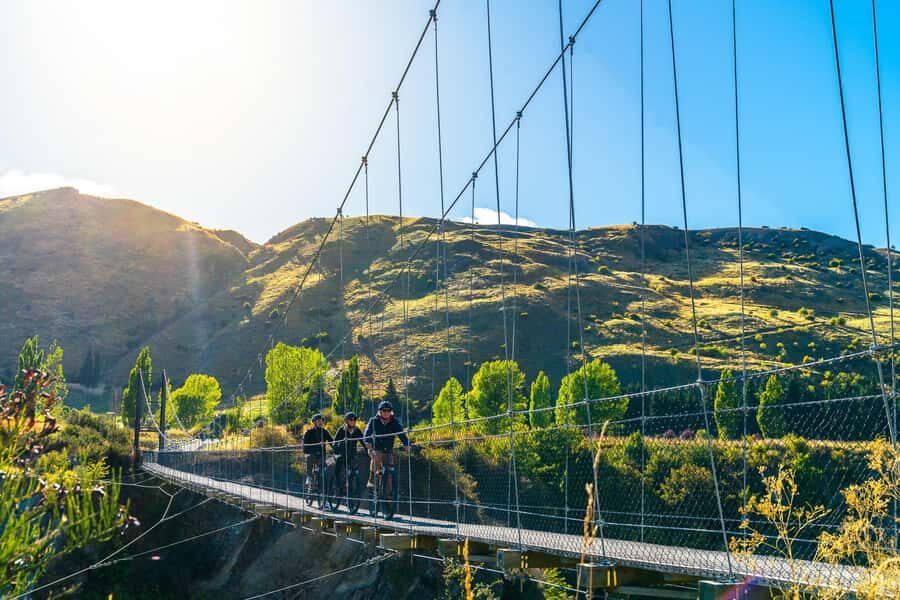
Then come the bridges. You cross six bridges in total, including three suspension bridges. Suspension bridges are a special kind of fun on a bike ride because they naturally slow your brain down. You take a second to line up, feel the movement, and look around at both sides of the river before you roll on.
One more highlight: the trail passes the Kawarau Bungy-Jump Bridge. Even if you are not into bungy jumping, seeing it from the bike trail adds a very Queenstown-style moment to an otherwise peaceful river ride.
Kawarau Bungy Bridge to Gibbston Wine Valley: where the day shifts gears
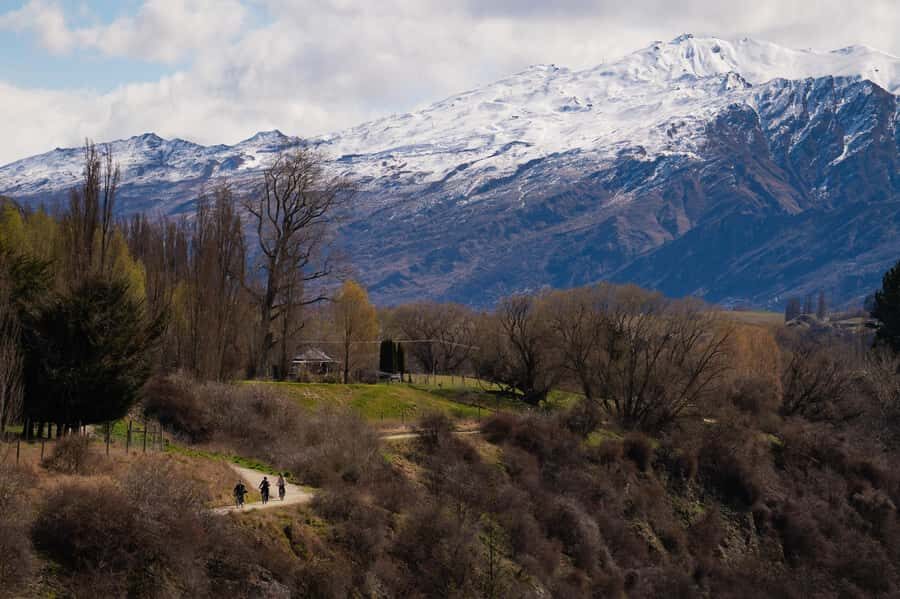
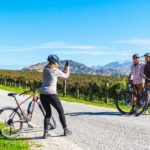
After the bungy bridge area, the trail opens up into the Gibbston Wine Valley. This is where the mood changes from “watch your line through the gravel” to “how long do we want to linger today?” You’ll reach the first cellar door only a short ride further on, and you’ll have time to sample what this wine region has to offer.
Important detail: the bike package does not include wine tastings or food. What it does include is the timing and the entry point. You finish right where it’s easiest to buy a tasting flight, snack, or even just a glass and a sit-down. One rider even mentioned enjoying a Pinot Gris, and another talked about a cheese platter at the end, which fits the vibe here.
You should also know that this section is where navigation can get less obvious. I’d plan to stay alert as you get closer to the winery area because a couple of people found the marking less clear toward the end, and one said their GPS saved the day when the map didn’t show enough detail. If you’re the type who hates uncertainty, bring extra attention in the final stretch.
Bikes and effort level: choosing standard or e-bike without regrets
This ride is described as easy mountain biking, but “easy” doesn’t mean “effort-free.” The trail undulates with small bumps, and you might feel it if you’re not used to gravel or if you take lots of pauses. A few reviews also hinted that people who arrived expecting a totally casual stroll felt the time on the saddle.
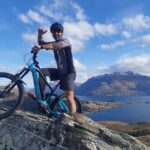
That’s where the bike choice becomes your smartest lever. You can pick a standard bike or an electric bike. I like that this option exists because it changes the kind of memories you make. On a standard bike, you’ll likely feel like you did something. On an e-bike, you’ll spend more energy enjoying views and stopping for photos.
One family-focused tip from reviews: if you’re riding with teenagers, match the bike to fitness. People recommended mountain bikes for the kids who were fit enough to enjoy a workout, and e-bikes for the family members who wanted a smoother ride. That’s exactly how you should think about it: e-bike is not only for people who can’t ride; it’s also for people who want the day to feel more social and less sweaty.
One more note to take seriously: at least one rider said the saddle felt pretty hard. If you’re sensitive to bike seats, bring or borrow padded bike shorts. It’s the kind of small upgrade that keeps your legs happy for the full four hours.
The realistic flow of a 4-hour day (and how to pace it)
The total duration is about 4 hours, and the timing includes the transfer and the self-guided riding. You check in about 10 minutes before departure so you’re not rushed when you’re picking up the bike and getting your helmet on.
A good rule for pacing: plan for a “photo stop rhythm,” not just a “ride to the finish line” mindset. People reported finishing in about 3.5 hours when they ambled and took photos, which suggests you’ll have time to slow down without feeling like you’re late.
At the end, the return shuttle brings you back to Queenstown. If you want a slightly different final meal stop, there’s some flexibility. One review said their pick-up was adjusted when they decided to go a bit past the initial winery pickup area to another spot nearby. That’s a strong sign that asking in advance (or right at the end) is worth it if you want to customize the final hour.
Also, if you love wineries, it can be tempting to rush the tastings. One rider suggested the day would feel even better with extra time in the Gibbston Wine Valley. In other words, don’t cram your schedule right after—this is meant to be half-day fun, not a quick stop.
You can also read our reviews of more guided tours in Queenstown
Price and value: what you pay for at $56
At $56 per person, the value mainly comes from removing friction. You’re paying for bike hire, a helmet, a trail map, and the shuttle logistics (both the transfer out to Arrowtown and the ride return). Those are the parts that would otherwise take your time to figure out on your own.
Then you get the benefit of a route that’s long enough to feel substantial. Fifteen kilometers is not a token loop; it’s enough distance to feel like you traveled, crossed bridges, and reached a destination, without turning it into an all-day commitment.
Finally, the e-bike option adds value because it can prevent a day from turning into disappointment. If you know you’ll slow down on climbs or if you’re riding with mixed fitness levels, e-bike can make the experience smoother and more enjoyable for everyone.
What is not included is also clear: wine tastings and food are on you. That’s not a negative, it just means you should budget a bit if you want the full Gibbston experience at the end.
What to bring so you don’t think about gear all day
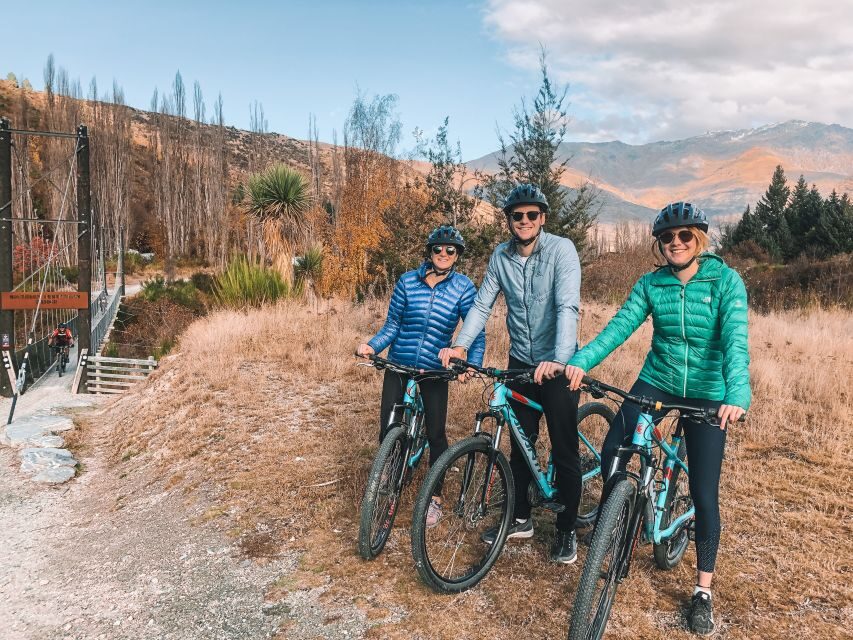
You’re on gravel and bridges, so comfort matters. Bring comfortable shoes and water. Wear comfortable clothes you can move in, and consider layers even if the forecast looks good. One rider specifically mentioned a bitterly cold day and still called the experience worth it, which tells me conditions can shift fast near the river and valley areas.
If you opt for a standard bike, plan for seat comfort. A firm saddle can make even a “short” ride feel longer. Padded shorts are a small investment that can dramatically improve how you feel on the final kilometers.
One more practical trick: have GPS ready. The trail is mostly well marked, but the end can be less straightforward, and a couple of people reported that GPS helped them work around unclear signage and a map that wasn’t super detailed near the finish.
Who this bike ride is best for
This is a great match if you want scenery without a formal guided lecture. It’s also a strong choice for families because the trail is described as suitable for all riding abilities and not built around big climbs.
It’s less ideal if you can’t ride a bike or if you have mobility impairments, since it’s not designed as an accessible route.
If you like self-paced travel—pausing when something looks photogenic, stopping for coffee, or planning your own timing in the wine valley—this format will feel natural.
Should you book the Arrow Bridges self-guided bike ride?
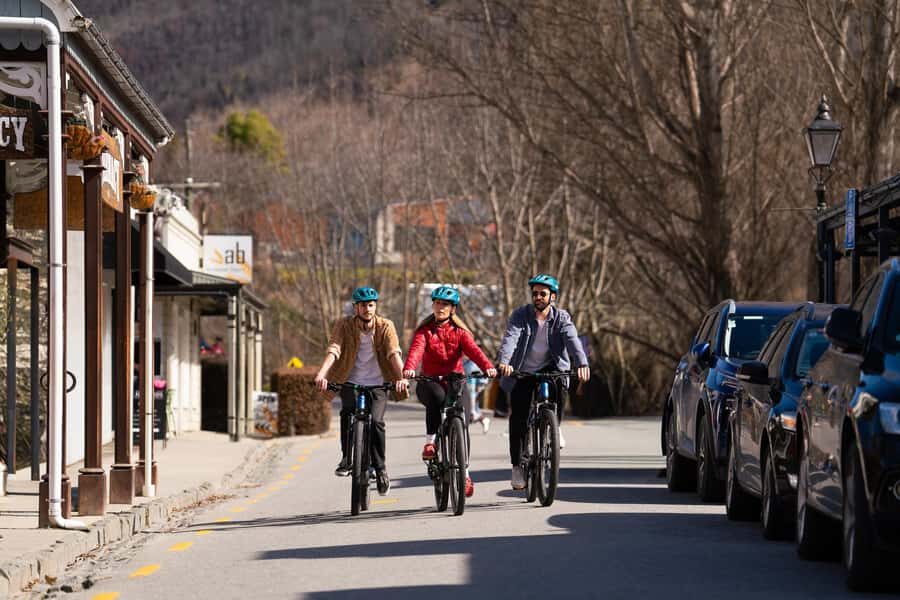
Book it if you want a half-day experience that hits three classics in one loop: Arrowtown charm, river bridges with suspension views, and a finish in Gibbston Wine Valley. The structure is solid, the bikes are well maintained, and you’re not trapped in a rigid group schedule.
Skip it only if you know you need step-by-step navigation support from a guide for the entire ride, or if firm saddles and longish saddle time are a guaranteed problem for you. In that case, choose the e-bike if available, bring padded shorts, and keep GPS handy so the end doesn’t slow you down.
If you want a simple way to feel like you explored beyond Queenstown without committing to a full-day outing, this one is a smart pick.
FAQ
How long is the Queenstown to Arrowtown Arrow Bridges bike ride?
The package lasts about 4 hours.
What is the price?
The price is $56 per person.
What do I get with the booking?
You get shuttle transport, bike or e-bike hire, a trail map, and a helmet.
Is there a guide riding with you along the trail?
No. It’s a self-guided ride with no guide riding along with you.
Are wine tastings included?
Wine tastings are not included.
Will there be food available as part of the tour?
Food is not included.
How does the ride start?
You check in at Around The Basin’s shop (3 Searle Lane, Queenstown) about 10 minutes before departure, then take a scheduled bus ride to Arrowtown.
What kind of biking surface is it?
It’s easy mountain biking on wide, gravel trails, with lots of small bumps and fewer ups than downs.
Is it suitable for families and different riding abilities?
Yes. It’s described as suitable for all riding abilities and a great option for families, but you still need to be able to ride a bike.