REVIEW · QUEENSTOWN
Queenstown: Self-Guided Gibbston Valley Wineries Bike Tour
Book on GetYourGuide →Operated by Around The Basin Bike Queenstown · Bookable on GetYourGuide
Wine country gets moving fast. This Queenstown self-guided Gibbston Valley bike tour pairs trail freedom with a choice of e-bike or standard bike, so you can ride along the Arrow and Kawarau rivers and pick your own winery stops. I love that it’s simple to run your own afternoon, with a briefing, a winery map, and shuttle transport doing the heavy lifting. I also love the way the route frames the wine region with classic river crossings and big viewpoints, including the Kawarau Bridge area. One drawback: the ride can feel more intense than you expect in a few gravel and cliff-adjacent spots, so you need good bike confidence and steady focus.
You’ll start with bus drop-off from Queenstown to either Arrowtown (full-day) or Arrow Junction (half-day and 3/4-day), then you’re fitted with a bike and sent off with navigation help. After that, it’s your call—slow for cellar doors, stop for photos, or grab a relaxed lunch en route—until the scheduled pickup brings you back to Queenstown at a set time.
In This Review
- Key things to know before you pedal the Gibbston Wine Valley
- Entering Queenstown’s wine ride system: simple logistics, real freedom
- Price and value: why $56 can work out well here
- How the routes work: half-day, 3/4-day, and full-day distances
- Start point in Queenstown: check-in that keeps the day on track
- Pedal the Arrow and Kawarau: bridges, rivers, and the bungy-famous Kawarau Bridge
- The afternoon plan: choose wineries along the Gibbston River Trail
- Common reality check: wine tastings cost extra
- Lunch and food stops: where the day’s fuel actually comes from
- E-bike vs standard bike: what actually changes on this route
- Why many people love the e-bike
- When a standard bike is still fine
- Comfort details worth knowing
- A family note
- Timing, pickup, and how to squeeze in more winery time
- Navigation and route confidence: map support, signage, and staying on track
- Who this tour suits best (and who might want a different plan)
- So, should you book the Queenstown Gibbston Valley bike tour?
- FAQ
- FAQ
- Where do I check in before the shuttle leaves
- How long is the tour
- What’s included in the price
- Are wine tastings and food included
- Can I choose which wineries to visit
- How far do I ride to the first and last wineries
- What time is pickup back to Queenstown
- Do you offer e-bikes
- Is this tour suitable if I can’t ride a bike
Key things to know before you pedal the Gibbston Wine Valley
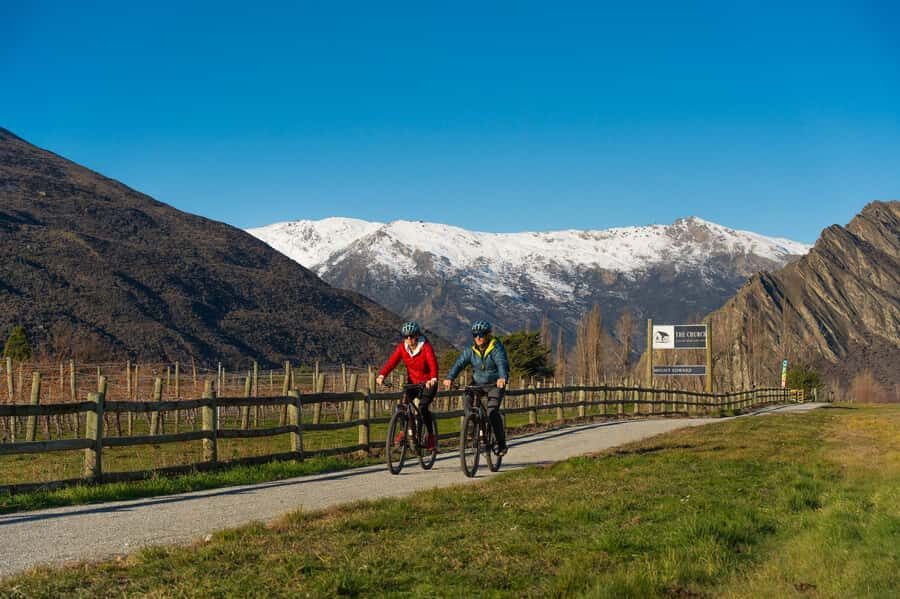
- Self-guided winery hopping: You choose stops and pace, using the winery map along the trail.
- Shuttle both ways: Queenstown-to-start and end-to-Queenstown are handled for you.
- E-bike is a smart hedge: If you want an easier day on the hills, many people recommend the extra power.
- Trail feels easy… until it doesn’t: Most riding is smooth, but some narrow gravel stretches and steep drop-offs demand care.
- Plan for transfer time: Getting to the start point takes time, so your total winery time depends on your stops.
- Pickup matches your day: You’re picked up from the location and time in your briefing, and you may be able to choose a different winery stop for pickup when you finish.
Entering Queenstown’s wine ride system: simple logistics, real freedom
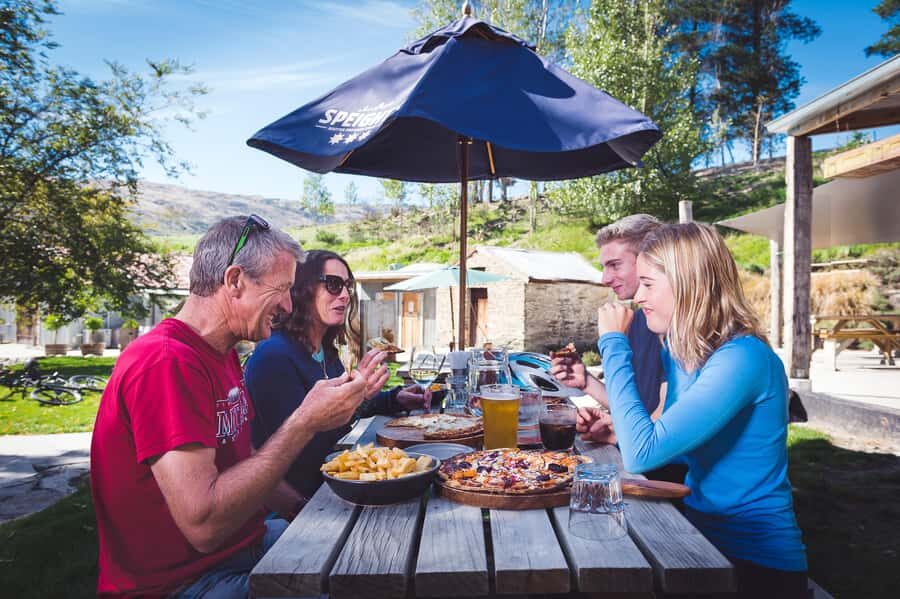
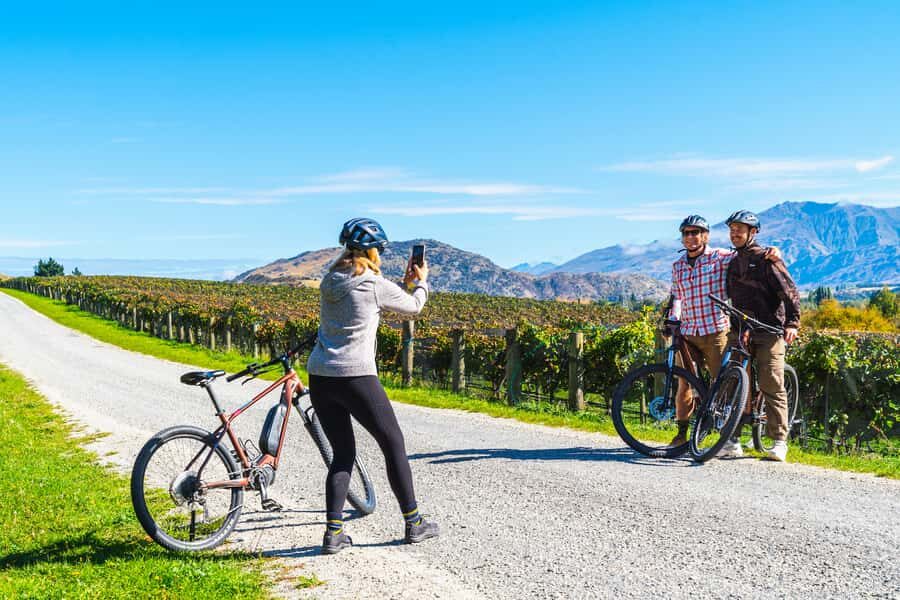
This tour is built for people who want wine-country views without committing to a rigid tasting schedule. You get the bike, the helmet, the map, and the transport plan—then you decide how many wineries you want, how long you want to linger, and when you want to switch into relaxed vacation mode.
The ride itself links a few key parts of the region: the Arrow and Kawarau river trail sections, suspension bridges, and the Kawarau Bridge area tied to bungy-jump fame. After that, the day turns into a “ride and choose” afternoon along the Gibbston River Trail, with winery doors and food options spaced along the route.
Two things make this feel good in practice. First, you’re not stuck waiting for a tour group to move on. Second, you can adapt the day to your energy: quick stops if you’re fresh, longer sits if you’re enjoying the scenery and the wine staff conversations.
You can also read our reviews of more cycling tours in Queenstown
Price and value: why $56 can work out well here
At $56 per person (for this 5-hour experience), the value comes from what you’re getting bundled in. You’re not just renting a bike—you’re also getting a guided briefing, a winery map, a helmet, and shuttle transportation from Queenstown. That matters in Queenstown, where getting around to trailheads and back can burn time and cost.
What’s not included is also important. Wine tastings and food aren’t included, so you’ll pay for what you choose to buy at the wineries or for lunch. That can be a plus if you drink little, or if you prefer a lighter bill and only pick 1 or 2 stops you really care about.
One thing to watch: e-bikes cost extra. If the hills worry you, I think it’s often worth paying for less effort and more control. But if you’re comfortable riding and want to save money, a regular mountain bike can work—just be honest about your fitness and your comfort on gravel.
How the routes work: half-day, 3/4-day, and full-day distances
This is a self-guided bike tour with different length options. The big difference is how far you’re riding to reach your first and last winery stops.
- Full-Day option
- Riding distance to the first winery is about 15 km
- Riding distance to the last winery is about 25 km
- The day starts in Arrowtown
- 3/4-Day and Half-Day options
- Riding distance to the first winery is about 6 km
- Riding distance to the last winery is about 16 km
- The day starts at the bike hub at Arrow Junction, about 5 km from the Kawarau Suspension Bridge
Even with shorter distances, you’ll still want to plan for real-world factors: your stop length, photo breaks, and how steadily you pedal. One review experience noted that it’s roughly 60–75 minutes to the first winery, depending on how you ride and how often you stop.
Start point in Queenstown: check-in that keeps the day on track
You meet at Around The Basin’s shop at 3 Searle Lane, Queenstown. Check in about 10 minutes before departure because the shuttles leave on time. That might sound obvious, but in a place like Queenstown, shaving stress matters. You don’t want your wine day to start with sprinting to a van.
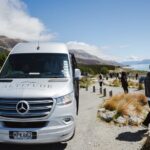
From there, you’ll get taken to your start area (Arrowtown or Arrow Junction based on your option). At the start, you’re fitted with your bike, provided a helmet, and briefed on how to handle the route and safety basics.
This is where the tour does a lot right: the handoff is structured, and it helps you spend your energy on riding rather than guessing.
Pedal the Arrow and Kawarau: bridges, rivers, and the bungy-famous Kawarau Bridge
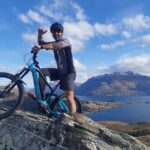
The route takes you along the Arrow and Kawarau rivers, crossing suspension bridges. You’re not just cycling through “getting there”—this stretch is part of the fun. It’s scenic river riding with the kind of big-water perspective that makes biking feel like a good match for a wine trip.
Then you reach Kawarau Bridge, the home of the world-famous bungy jump. Even if bungy isn’t your thing, the location adds a wow factor and a quick adrenaline story for anyone in your group.
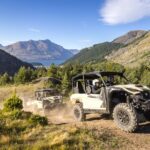
Now, here’s the nuance. The overview says the biking trail follows a smooth, easy path in general, and many people find the trail enjoyable and well maintained. But other experiences also mention narrow, slippery gravel sections and steep drop-offs near cliff-adjacent areas. Translation: slow down when the trail tightens. Keep your eyes up. And don’t treat speed like the goal.
You can also read our reviews of more guided tours in Queenstown
The afternoon plan: choose wineries along the Gibbston River Trail
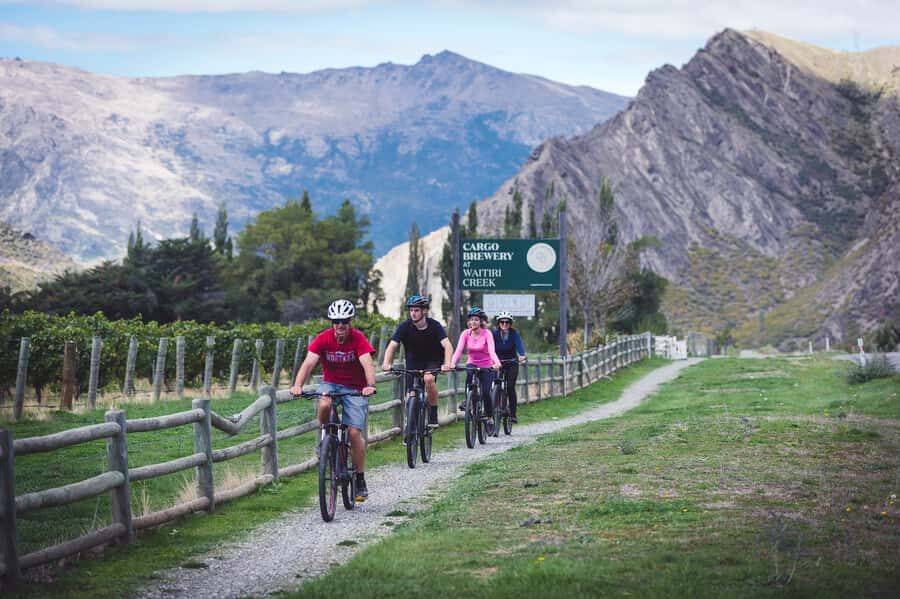
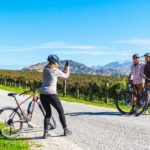
Once you’re past the initial river crossing section, your day becomes a pick-your-own schedule. The winery map links venues along the route, so you can choose how many cellar doors to visit and how long you want to spend at each.
What you can expect to encounter along the trail:
- Winery cellar doors
- A cheesery
- A tavern
- Places for lunch en route (food isn’t included, but you can buy it)
This is where self-guided shines. If you’d rather do a quick hello and move on, you can. If you find one tasting room staff member you vibe with, you can stay longer. One experience highlighted being able to spend around 30–45 minutes per winery on the half-day option, with stops that felt unhurried rather than rushed.
A practical tip: build in time for the quiet in-between moments. The best photos often happen when you’re not focusing on cycling gear or route math. Take a couple of short stops specifically for views and bridges.
Common reality check: wine tastings cost extra
The tour doesn’t include wine tastings, so you’ll pay as you go. The upside is you can control your spending. If you want to try a few pours at 1–2 wineries and keep the rest as photos and browsing, you can.
Lunch and food stops: where the day’s fuel actually comes from
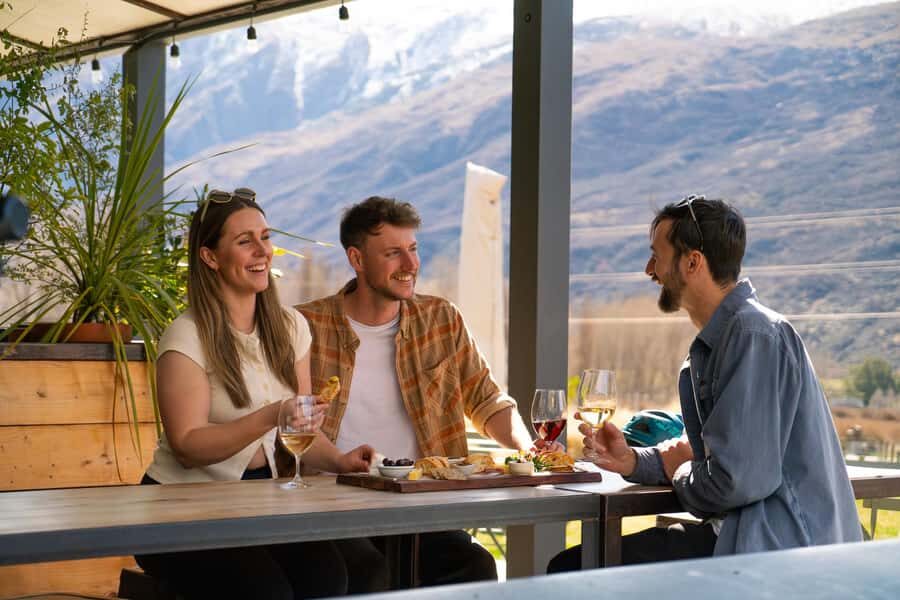
Lunch is on you in terms of cost and exact location. The tour design says you can enjoy a relaxed lunch at one of the venues along the route, and people have mentioned places like Gibbston Tavern and Kinross as lunch options.
If you’re planning wine purchases, a planned lunch helps. It keeps your day comfortable and helps you enjoy tastings instead of power through them.
One small practical note: if you buy bottles, you might appreciate a way to carry them. Some experiences call out the lack of an easy saddlebag setup, which is worth considering if you’re the type to bring something back.
E-bike vs standard bike: what actually changes on this route
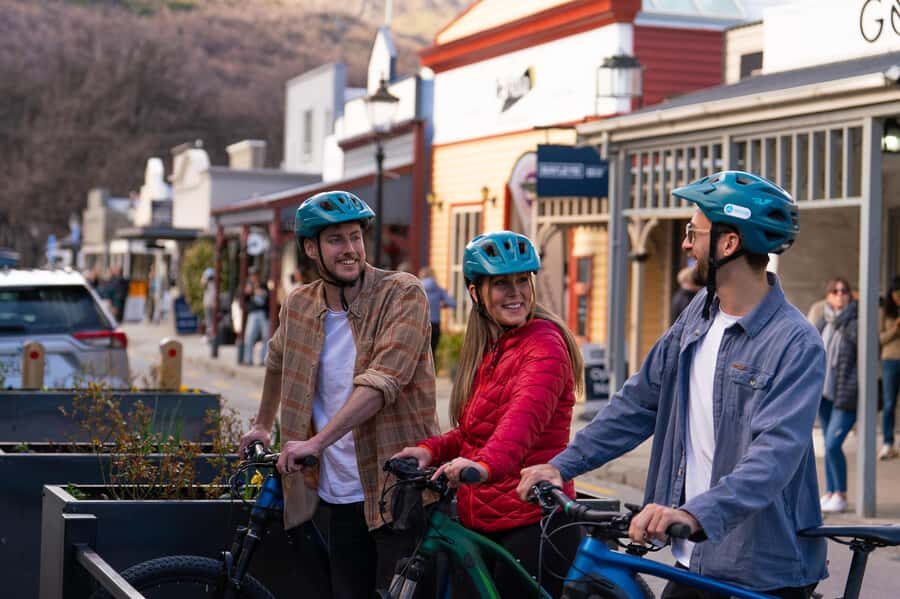
This is a self-guided day, so your bike choice affects comfort more than you might expect.
Why many people love the e-bike
Several experiences point out that the e-bike’s power makes the day easier, especially with hills. One person explicitly said they were glad they upgraded to e-bikes to avoid a tougher first stretch. Another called out that the electric bikes felt noticeably powerful compared with other rentals.
If you do get tired, an e-bike can also help you keep a safer speed through tricky gravel stretches. Less “white-knuckle pedaling” usually means more focus on traction and balance.
When a standard bike is still fine
If you ride bikes regularly and you’re comfortable on gravel, a standard mountain bike can work. One experience even suggested an e-bike might be unnecessary for a relatively easy, never-too-steep trail—while still praising the ride and wineries.
My take: choose standard if you know you can handle gravel and hills without draining your attention. Choose e-bike if you want to protect your energy for wine tastings and photos.
Comfort details worth knowing
One review noted saddle comfort wasn’t great, and another mentioned helmets felt a bit run-down. Those aren’t deal-breakers for most people, but they are reminders to:
- Wear comfortable shorts or padding if you have them
- Adjust and test your saddle height before you set off
- Tell staff right away if anything feels unsafe
A family note
If you’re bringing kids, expect less certainty. One experience flagged that kids may not feel safe due to bike braking differences and wobbly handling on smaller bikes. If you’re traveling with younger riders, make sure they can handle gravel and stop confidently.
Timing, pickup, and how to squeeze in more winery time
The tour ends with a scheduled pickup bus that returns you to Queenstown. Pickup timing is consistent across options:
- 4:30 pm in Summer (01 Sept to 30 Apr)
- 4:00 pm in Winter (01 May to 31 Aug)
One thing to plan around: getting to the start area takes time. Some experiences mention the transfer ride each way can feel like about 30 minutes, which effectively reduces how long you spend on the bike and at wineries. That doesn’t ruin the day, but it changes how many stops you can enjoy.
The good news is the pickup is flexible in spirit. Experiences mention you can be picked up from whichever winery you end up at, which helps if you fall in love with one tasting room and want to stay a little longer.
Navigation and route confidence: map support, signage, and staying on track
This tour is self-guided, but you’re not sent out blind. You’ll receive a briefing on navigation and safety, plus a winery map.
Most people find the trail easy to follow and well signposted. Still, a couple of experiences mention getting turned around at least once due to signage or map clarity. That’s a simple fix: study your map quickly before you roll, and don’t panic if you miss a turn. Slow down, check orientation, and get yourself back on track.
Also, if you’re planning tastings at specific wineries with set appointment times, build in extra bike time. Even a smooth trail can slow you down if you stop for photos or want a longer chat with winery staff.
Who this tour suits best (and who might want a different plan)
This tour is a great fit if you want:
- A self-guided wine day with freedom to choose stops
- A bike route that mixes wine-country culture with river scenery and bridges
- Shuttle support so you don’t deal with parking or ridesharing
It’s less ideal if:
- You can’t ride a bike reliably
- Gravel and narrow trail edges make you nervous
- You’re planning to show up with little bike experience and no willingness to slow down
If you’re a strong rider who enjoys pace control, you’ll likely feel in charge the whole day. If you want the wine tasting and scenery to be the focus, and not hill effort, the e-bike option can make the experience feel smoother.
So, should you book the Queenstown Gibbston Valley bike tour?
If you’re deciding between a car tour and a biking day, I’d lean toward this if you like flexibility and don’t mind paying for tastings and lunch separately. The best reason to book is that the cost includes the parts that are hardest to DIY in Queenstown: bike rental setup, helmet, the winery map, and shuttle transport.
I’d especially book if you want to hit multiple wineries without the stress of timing every tasting. The structure makes it easy to pace yourself, and the ride adds a sense of motion that a tasting-only day can’t match.
Skip it or upgrade your expectations if you’re worried about gravel traction, narrow trail sections, or steep-drop views. If that describes you, choose the e-bike option and ride conservatively—your future self will thank you when it’s time to enjoy the tastings instead of wrestling the trail.
FAQ
FAQ
Where do I check in before the shuttle leaves
Check in at Around The Basin’s shop at 3 Searle Lane, Queenstown. Arrive about 10 minutes before the scheduled departure time.
How long is the tour
The experience runs for 5 hours (450 minutes), with starting times depending on availability.
What’s included in the price
Included items are the bike (quality mountain bike or an e-bike), a briefing on trail navigation and safety, a winery map, a helmet, and shuttle transportation.
Are wine tastings and food included
No. Wine tastings and food are not included. You can stop for lunch and buy tastings at the venues on the route.
Can I choose which wineries to visit
Yes. The tour is self-guided, and you visit wineries of your choice at your own pace using the map provided.
How far do I ride to the first and last wineries
For the Full-Day option, the ride distance to the first winery is about 15 km and to the last winery is about 25 km. For both the 3/4-Day and Half-Day options, it’s about 6 km to the first winery and about 16 km to the last winery.
What time is pickup back to Queenstown
Pickup timing is 4:30 pm in summer (01 Sept to 30 Apr) and 4:00 pm in winter (01 May to 31 Aug).
Do you offer e-bikes
Yes. You can choose either a standard bike or an electric bike, and the e-bike is described as helpful for the hills.
Is this tour suitable if I can’t ride a bike
No. It’s not suitable for people who can’t ride a bike.