REVIEW · QUEENSTOWN
Queenstown: Sunrise Glacier Scenic Flight
Book on GetYourGuide →Operated by Glenorchy Air · Bookable on GetYourGuide
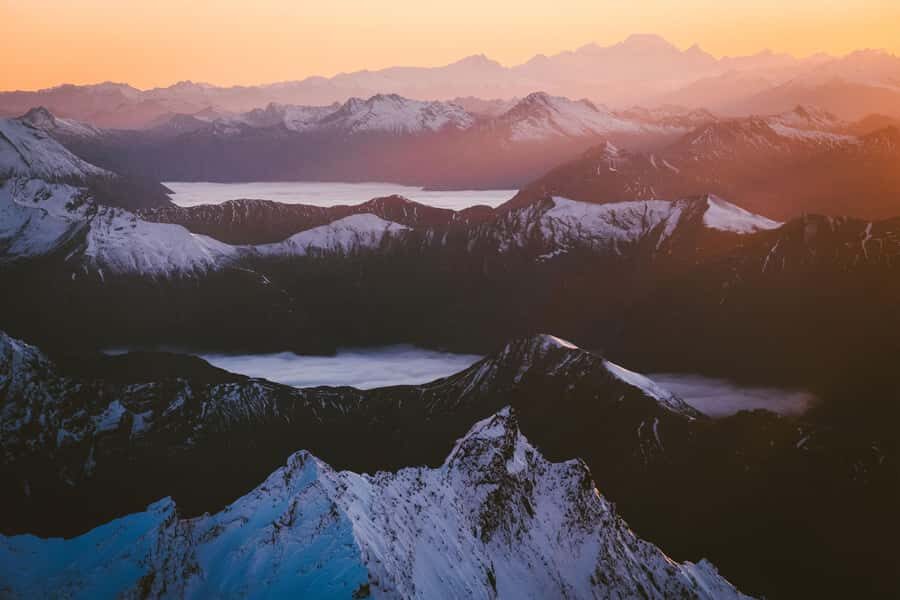
Sunrise looks different from a glacier flight. This is New Zealand’s only fixed-wing Sunrise Scenic Flight, timed for the sun to break from behind Mt Aspiring, with a route that takes you past icefall and glacier country. I also love the guaranteed window seat, because sunrise light is the whole point—and you don’t want to be guessing where you’ll sit in a small cabin.
The main consideration is simple: this is an air-only experience with no landing, so you’re here for aerial views, not for walking on the ice.
In This Review
- Key points before you book
- Why a sunrise flight from Queenstown is worth the early alarm
- The timing and what 2 hours really feels like
- What you’ll see: sunbreak over Mt Aspiring and the glacier trio
- Over Mt Aspiring National Park: Barrier Range and the Arawhata River head
- Comfort, the pilot, and why small groups matter
- Window seat guarantee: the smartest way to handle sunrise photography
- The value equation: $298 for 1h15 of glacier views
- Logistics done right: meeting point and parking help
- Who this sunrise glacier flight is best for
- Who should think twice
- Should you book the Queenstown Sunrise Glacier Scenic Flight?
- FAQ
- Where do I meet for the sunrise glacier flight?
- How long is the experience, and how long am I flying?
- Is there a landing during the flight?
- Do I get a window seat?
- How many people are in the group?
- What landmarks will we fly over?
- Is a conservation donation included?
- Can I cancel and get a full refund?
Key points before you book
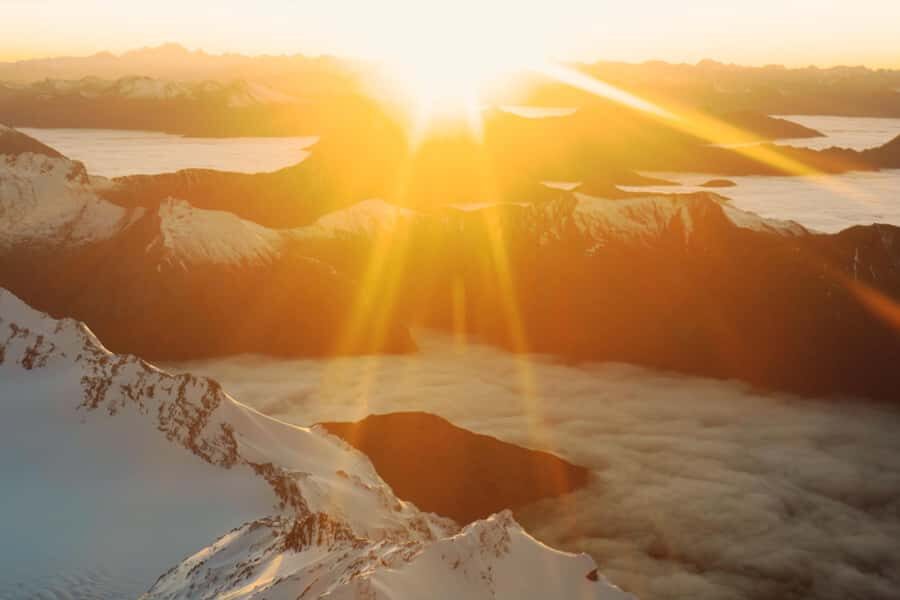
- New Zealand’s only fixed-wing sunrise flight focused on the real sunbreak
- Guaranteed window seat for unobstructed glacier views
- Small group (up to 9) keeps the cabin calmer and the guide’s chatter more personal
- Big named features overhead like Passchendaele Icefall, Bonar Glacier, and the Olivine Ice Plateau
- Built around Mt Aspiring National Park, including the Barrier Range and the head of the Arawhata River
- Parking validation in Queenstown plus a $1 donation per passenger to the Kea Conservation Trust
Why a sunrise flight from Queenstown is worth the early alarm
Queenstown is full of scenery. But most of it shows up whenever you choose to look. This flight is different because it’s scheduled for the first light, when shadows are short, colors start fresh, and the glaciers look sharper than they do later in the day.
I like that the whole experience is framed around a specific moment: watching the sun break from behind Mt Aspiring. That matters because sunrise isn’t just a time on a clock. It’s a lighting plan. And when you’re paying for an experience that’s only 1 hour and 15 minutes in the air, you want those minutes to count.
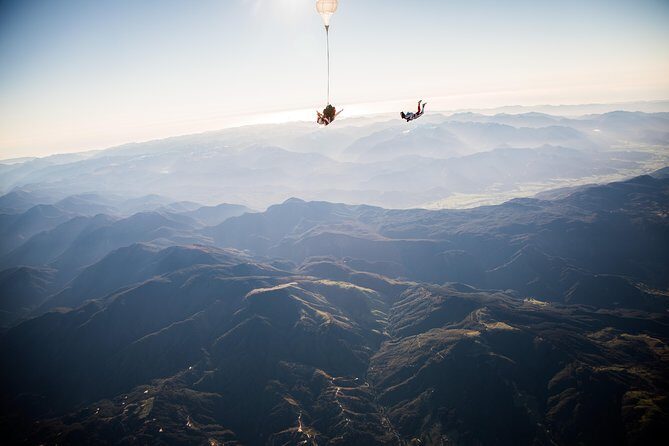
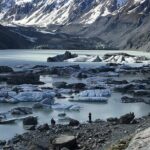
The second thing I like is how focused the route is. You’re not just going “around mountains.” You’re going around the places the operator names for a reason—Passchendaele Icefall, Bonar Glacier, and the Olivine Ice Plateau—plus key areas inside Mt Aspiring National Park. That kind of route planning is what turns a scenic flight into a coherent viewpoint.
A few more Queenstown tours and experiences worth a look
The timing and what 2 hours really feels like
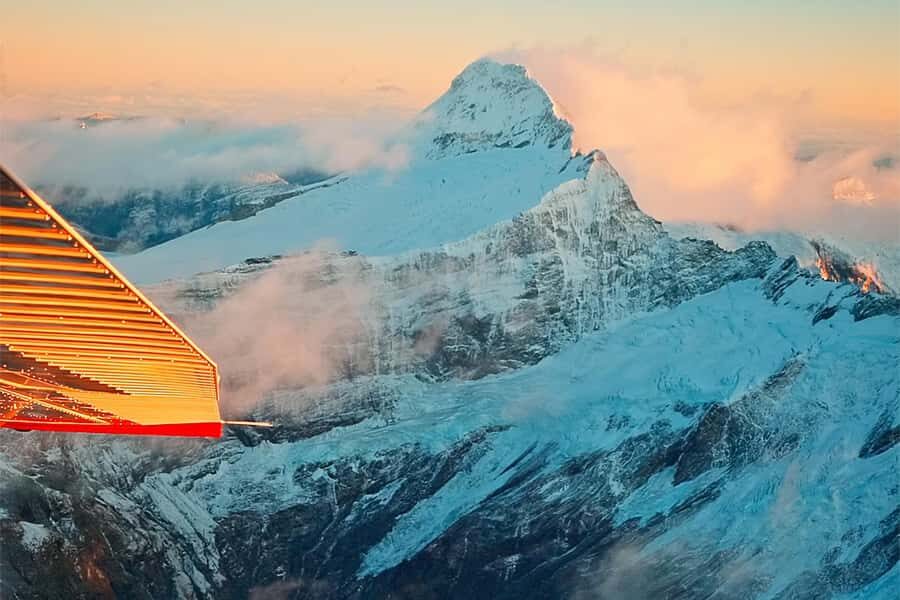
On paper, it’s 2 hours total. In practice, you’ll spend part of that early day getting ready at the airport and part actually flying.
You meet inside the main Queenstown Airport Terminal building at the Glenorchy Air kiosk. From there, you’ll fly at sunrise, with the plane in the air for 1 hour and 15 minutes. The timing is the product. It’s why this flight exists as a dedicated sunrise option rather than a generic scenic run.
If you’re the kind of person who does well with early starts and calm mornings, this will feel smooth. If mornings make you grumpy, treat that as your biggest personal drawback—not because anything is wrong, but because the product is built around first light.
What you’ll see: sunbreak over Mt Aspiring and the glacier trio
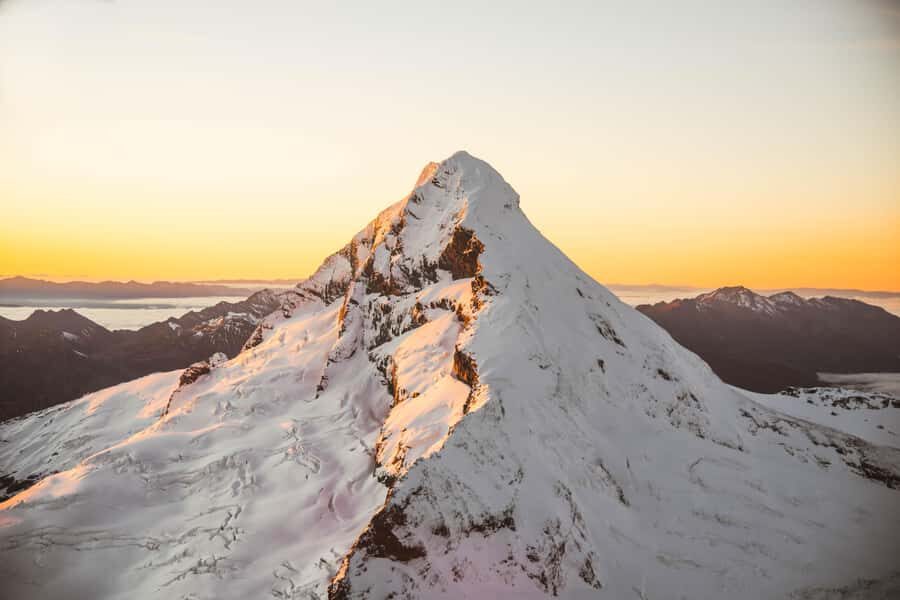
The headline is the sunbreak. The flight is designed so you watch the sun appear from behind Mt Aspiring—New Zealand’s highest mountain outside the Aoraki/Mount Cook region. That detail isn’t trivia. It sets the “main character” of the entire morning, so you’re not just admiring random peaks. You’re watching a named mountain silhouette as the day begins.
Then the views shift into glacier territory. You can expect to see:
- Passchendaele Icefall
- Bonar Glacier
- Olivine Ice Plateau
Even if you’ve never studied glaciers, these names help you track what you’re looking at while you’re up there. It’s also a good reminder that “glacier views” aren’t one bland sheet of white. From the air, you tend to see structure—slopes, ice movement patterns, and how ice breaks into different zones. Sunrise light makes those edges and textures easier to read.
One more plus: this is a fixed-wing flight with no landing. That means less time spent on ground logistics at remote spots and more time staying oriented on the views as the light changes.
Over Mt Aspiring National Park: Barrier Range and the Arawhata River head
After the main sunbreak moment, the flight continues over Mt Aspiring National Park, where you’ll look for specific highlights mentioned for the route. Two named areas are:
- the Barrier Range
- the head of the Arawhata River
Why these help: national parks can be big and vague when you’re driving. From the air, you get a layout view. You can connect ridgelines to drainage lines, and you can see how the river source area sits relative to the surrounding slopes. That’s the kind of “big picture” that’s hard to get from trails, especially in winter.
You’ll also be flying over places described as frozen in time—areas that still look like they did about 15,000 years ago. I’m not going to claim you’ll mentally measure ice age in mid-flight. But you can feel what that description is pointing to: this isn’t scenery that feels temporary.
Comfort, the pilot, and why small groups matter
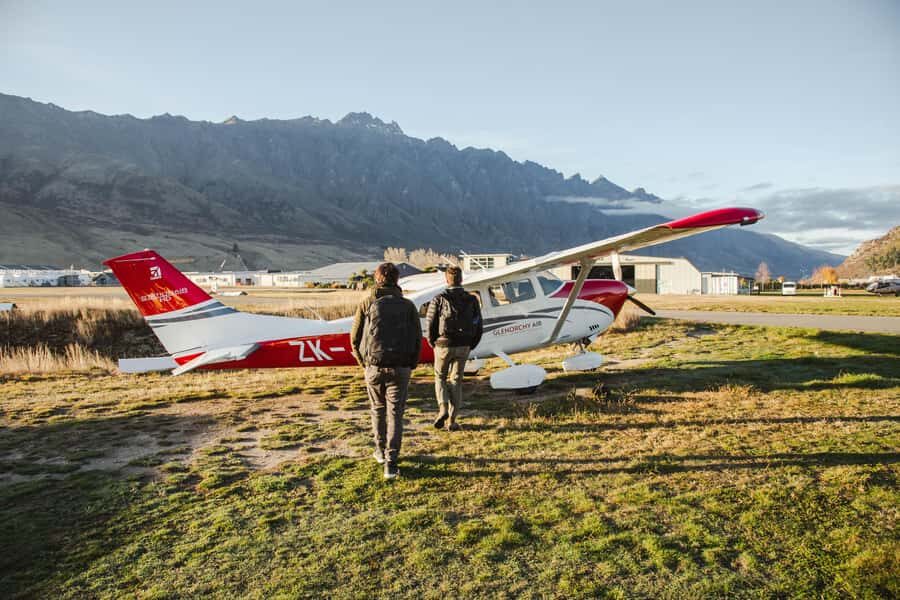
This flight has a small group size limit of up to 9 participants. That’s not just a marketing number. In a cabin, fewer people usually means less crowding around windows and easier listening for the live English tour guide.
Speaking of which, there is a live tour guide onboard. You’ll be hearing explanations in English while you look out. For sunrise flights, that’s important: you want guidance timed to what you’re seeing, not a lecture that comes later.
The comfort factor also shows up in the feedback. In the verified comments I saw, one passenger praised the pilot and noted the plane felt very comfortable. Another highlighted excellent overall service, including planning details and parking validation. Those are the kind of practical things that make a short flight feel like a smooth experience rather than a rushed one.
Window seat guarantee: the smartest way to handle sunrise photography
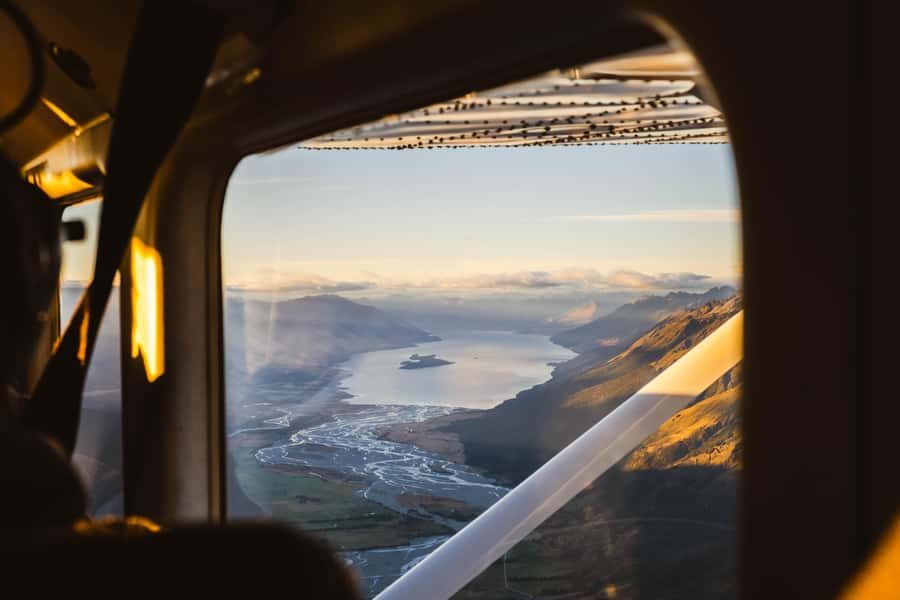
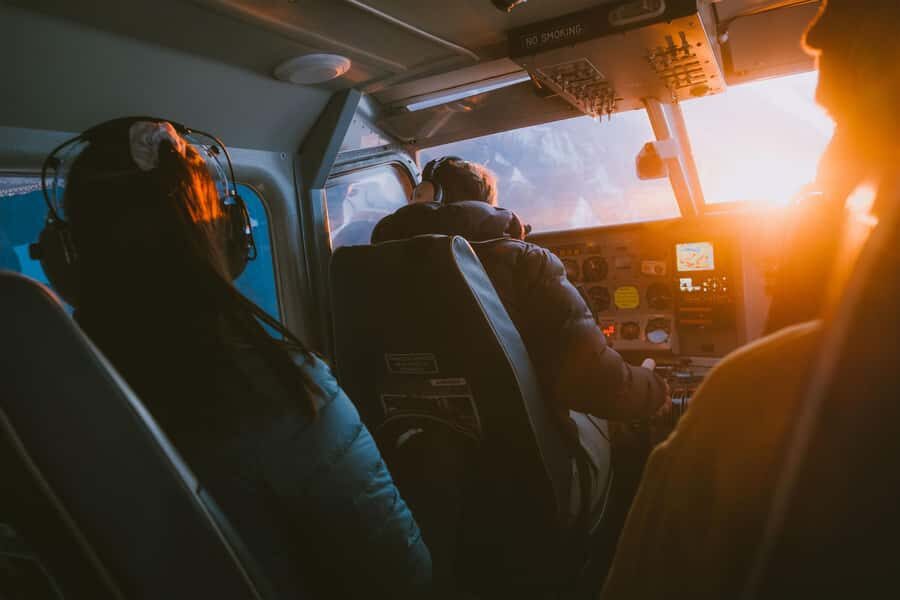
A guaranteed window seat sounds small until you remember what sunrise does. It changes fast, and the best views can depend on which side you sit and how the light angles hit the ridges.
Here, the flight includes a guaranteed window seat. That removes one of the most common anxieties on small aircraft tours: worrying you’ll be stuck in the middle or at the back with a less-than-ideal view.
Also, with a cabin that’s capped at 9, the window seat guarantee helps keep the experience respectful. You can look out without constantly shifting your body or watching for someone to block the view.
The value equation: $298 for 1h15 of glacier views
At $298 per person, you’re paying for three things at once:
- The early-timed “sunbreak” moment
- Premium viewing time (1 hour and 15 minutes in the air)
- A structured route over specific glacier and park landmarks
It’s not a cheap ticket, and it shouldn’t be treated like a budget add-on. But the value is stronger than the sticker price suggests because the inclusions reduce extras you’d otherwise pay for elsewhere. You get round-trip scenic flying around Mt Aspiring at sunrise with no landing, plus a live English guide, plus parking validation at Queenstown Airport.
There’s also a conservation contribution baked in: $1 donation per passenger to the Kea Conservation Trust. It’s a small number, but it’s direct and tied to each booking rather than a vague promise.
The best way to think about value here is time efficiency. If you’re in Queenstown with limited daylight and you specifically want glacier and icefall views, this gives you a concentrated hit of the region’s dramatic high-country in a single morning window.
Logistics done right: meeting point and parking help
The meeting point is straightforward: meet inside the main Queenstown Airport Terminal building at the Glenorchy Air kiosk.
What’s especially practical is the parking validation. One verified passenger specifically mentioned excellent planning and parking validation, and that’s the kind of detail that makes early flights less stressful. If you’re driving in, it can cut down on the “did I park right?” anxiety.
Beyond that, the experience is designed to be simple: you arrive, you go, you fly, you return. There’s no long transfer chain or complicated multi-day routing described here.
Who this sunrise glacier flight is best for
This tour fits best if you:
- want a once-a-year-feeling sunrise moment without committing to a full-day glacier hike
- prefer guided sightseeing with a small group
- care about getting the views during the right light, not just at any hour
- like crisp, aerial perspective—especially over named ice features
It’s also a good match for people who don’t want the unpredictability of trying to time sunrise from the ground while hoping the clouds and timing cooperate. You’re still at the mercy of weather in any outdoor activity, but the flight is built around making daylight count.
Who should think twice
If you hate early mornings, this will demand a disciplined start time. And if you’re hoping to actually get out and walk around on glacier terrain, this won’t fit—you’re in the air and then you’re back. The experience is about viewing, not exploring on foot.
Should you book the Queenstown Sunrise Glacier Scenic Flight?
If your ideal Queenstown day includes Mt Aspiring, glacier country, and the specific drama of sunrise lighting, I’d book it. The biggest reasons are straightforward: New Zealand’s only fixed-wing sunrise flight, a guaranteed window seat, and a route that names real ice features and park landmarks—not generic scenery.
Skip it only if you want to physically explore on the ground or if early mornings are a deal-breaker for you. Otherwise, this is the kind of short, well-planned experience that feels tailored to the moment.
FAQ
Where do I meet for the sunrise glacier flight?
Meet inside the main Queenstown Airport Terminal building at the Glenorchy Air kiosk.
How long is the experience, and how long am I flying?
The total duration is 2 hours, with 1 hour and 15 minutes in the air.
Is there a landing during the flight?
No. It’s a scenic flight with no landing.
Do I get a window seat?
Yes. You’re guaranteed a window seat.
How many people are in the group?
It’s a small group limited to 9 participants.
What landmarks will we fly over?
You’ll fly around Mt Aspiring at sunrise and take in Passchendaele Icefall, Bonar Glacier, and the Olivine Ice Plateau. The route also includes Mt Aspiring National Park, the Barrier Range, and the head of the Arawhata River.
Is a conservation donation included?
Yes. There’s a $1 donation per passenger to the Kea Conservation Trust.
Can I cancel and get a full refund?
Yes. Free cancellation is available up to 24 hours in advance for a full refund.