REVIEW · TAURANGA
Rotorua Geothermal Wonderland Tour – Departs Tauranga
Book on Viator →Operated by Wicked Wanders Tours · Bookable on Viator
Geothermal steam and haka in one day.
This Rotorua day trip from Tauranga mixes native forest walking, live guiding, and a relaxed small-group vibe in a modern air-conditioned minivan that keeps the day moving without feeling rushed.
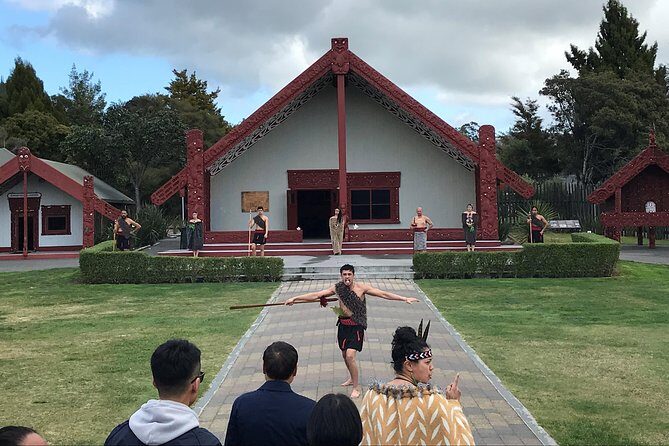
I especially like the way you get Te Puia as more than just a postcard stop. You’ll see the Pohutu Geyser area and mud pools, then settle into a traditional welcome with songs and a haka as part of the center’s program.
One thing to plan for: food and drinks aren’t included, so bring water and a snack or budget for a purchase on the day.
In This Review
- Key things I’d circle on your map
- Rotorua Geothermal Wonderland: what this day trip really is
- Small-group comfort from Tauranga: why it matters
- Mount Maunganui and Tauranga Harbour Bridge: the ride with real context
- Te Puia: Pohutu Geyser, mud pools, and the Māori cultural welcome
- The geothermal section you actually came for
- The Māori performance: welcome, songs, and haka
- Kiwi birds and time inside the park
- Rotorua waterfront drive and the Government Gardens pass
- Redwood Forest Park: a calm walk after the steam
- Price and value: is $166.31 a fair deal?
- Who this tour is perfect for (and who should consider another plan)
- Practical tips so your day feels easy
- Quick reality check: guides and the small-group feel
- Should you book this Rotorua Geothermal Wonderland Tour?
- FAQ
- How long is the tour?
- Where do I meet and where does the tour end?
- Is pickup included?
- What’s included in the ticket price?
- Are meals and drinks included?
- What if the weather is bad?
Key things I’d circle on your map
- Max group size of 11 means more questions and fewer “bus-tour” moments
- Te Puia entry is included, so you’re not juggling extra tickets
- Pohutu Geyser and geothermal sights are the core payoff of the day
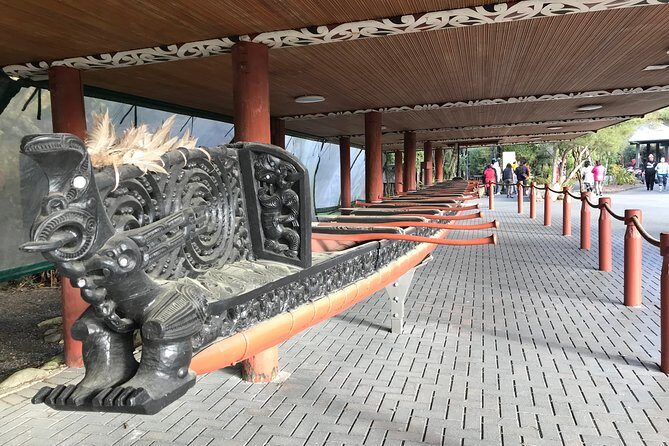
- Māori cultural performance at Te Puia adds meaning, not just entertainment
- Short redwood forest walk gives you a cooler pace after steam and heat
- Pickup and drop-off at Port of Tauranga / Mount Maunganui keeps logistics simple
Rotorua Geothermal Wonderland: what this day trip really is
This is a focused day in Rotorua built around two big themes: geothermal power and Māori culture. You start in the Tauranga/Mount Maunganui area, then head inland to Rotorua for the main event at Te Puia, before winding back with a scenic forest stop.
The timing is built to fit a lot into about 6 hours, but the structure still leaves you time to actually look and walk. The payoff is that you’re seeing real geothermal features and getting the cultural context at the same stop, instead of treating them like separate checklists.
You can also read our reviews of more tours and experiences in Tauranga.

Small-group comfort from Tauranga: why it matters
The tour uses a 12-seater modern air-conditioned minivan, and the operator keeps it to a maximum of 11 travelers. That size is a big deal in practice. You’ll get clearer directions, your guide can answer questions without shouting, and you’re more likely to hear the little details during drive-by viewing stops.
Also, this is a pickup-and-return style tour. You meet at the Port of Tauranga Ltd, 2 Salisbury Avenue, Mount Maunganui and the tour ends back at the same place. That matters if you’re visiting briefly or you don’t want to play taxi roulette at the end of the day.
Mount Maunganui and Tauranga Harbour Bridge: the ride with real context
Before Rotorua, you’ll get a short sightseeing start around Mount Maunganui, then you’ll cross over the Tauranga Harbour Bridge. Along the way, the drive includes explanations about how Tauranga’s port industry shapes the region and what you’re looking at from the water.
This portion isn’t just scenery time. It’s where the guide sets the stage—how the geography and local land use connect to why Rotorua’s geothermal world exists in the first place. If you like learning while you travel, this is your moment to get oriented fast.
Keep your phone camera handy too. The harbor views and the bridge crossing are quick but good for a few easy photos without anyone feeling like you’re “stopping every five minutes.”
Te Puia: Pohutu Geyser, mud pools, and the Māori cultural welcome

Te Puia is the heart of the day. Your stop here includes entry to Te Puia Geothermal Park, and the visit is structured around both geothermal sights and a cultural program.
The geothermal section you actually came for
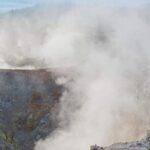
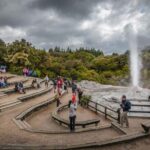
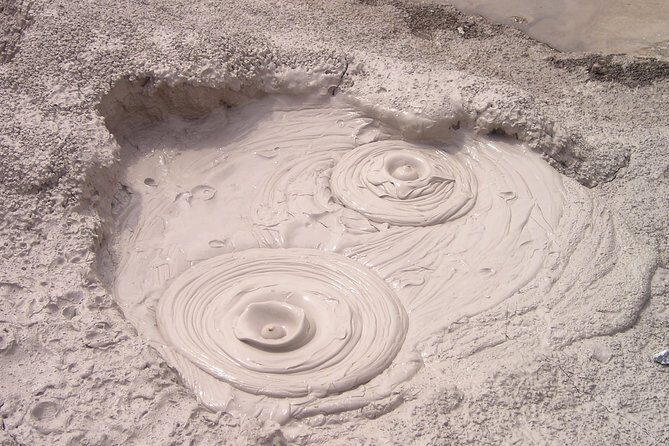
At Te Puia, the focus is on the Pohutu Geyser area and the geothermal landscape of geysers and mud pools. You’ll take a guided-style look through the park’s features, with walking routes that make it easier to see what’s happening instead of just standing at one fenced-off view.
And yes, Pohutu is a big deal: it’s described as the largest geyser in the southern hemisphere. Even when the timing of eruptions isn’t perfectly scheduled for every visitor, the geothermal environment is still the show—steam vents, bubbling mud, and the contrast between warm ground and cool air as you move around.


The Māori performance: welcome, songs, and haka
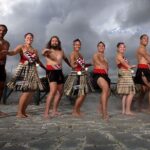
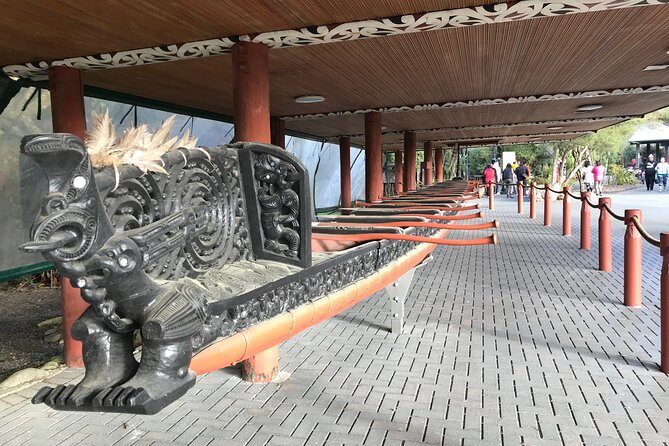
Te Puia also includes a traditional welcome with songs and the haka. This part is about more than a quick performance clip. It’s part of how Māori cultural stories and identity are presented to visitors at the center.
In one case, I’d set expectations: the haka segment can be brief. If you’re expecting a long, full event-length haka like you’d see at a major cultural gathering, you might find the presentation shorter than your imagination. Still, it’s part of a fuller show and it’s delivered in the time window that works for the site.
Kiwi birds and time inside the park
Some days include time to see kiwi birds at the center (you’ll hear about the kiwi bird area as part of the overall Te Puia experience). Since this stop is about three hours, you should have enough time to do the geothermal sights and the cultural program without sprinting.
Tip: wear shoes you don’t mind getting a bit warm. Geothermal areas can mean short stretches in heat and damp ground underfoot.
Rotorua waterfront drive and the Government Gardens pass
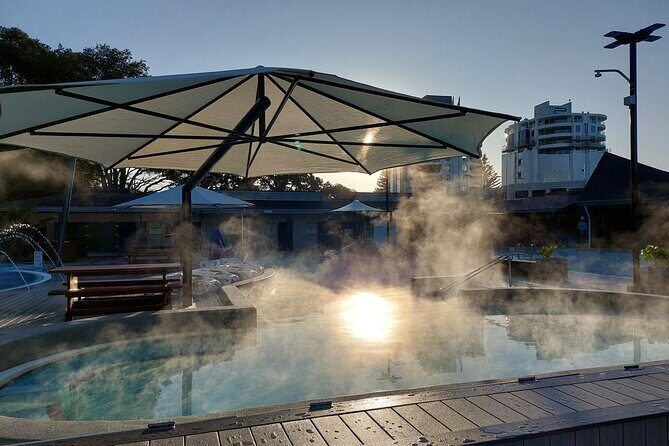
After Te Puia, the tour transitions from geothermal heat to a more “Rotorua town” feel. You drive through the city area and pass along the waterfront, including the Government Gardens.
Then you move out of the city toward a more forested setting. This stretch is one of those “connective tissue” parts of a day trip—less famous than the geysers, but helpful because it breaks up the intensity. It also gives you a better sense of where Rotorua sits and how quickly the scenery changes when you head toward the hills.
If you’re prone to getting carsick, this is still an easy ride. It’s not a twisty mountain climb tour; it’s a straightforward inland transfer day with viewing stops.
Redwood Forest Park: a calm walk after the steam
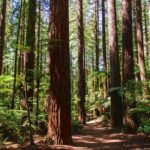
The final big sightseeing element is a short walk at redwood forest park. This is your cool-down moment: tall trees, shade, and a slower pace after steam vents and bubbling ground.
The walk is described as short, so you’re not signing up for a hike. It’s a good stop for stretching your legs, getting a change of air, and giving your feet a break from whatever footwear you wore to Te Puia.
Bring a light layer if it’s cool in the shade. Redwood areas can feel cooler than open geothermal spots, even on the same day.
Price and value: is $166.31 a fair deal?

At $166.31 per person, the value comes from what you don’t have to manage yourself.
Here’s what’s included that helps the math:
- A small-group setup (max 11) in a modern air-conditioned minivan
- Port pickup and drop-off at the Mount Maunganui/Tauranga meeting point
- Expert local driver/guide with live commentary
- Te Puia geothermal park entry
Food and drinks are not included, so you’ll want to account for lunch or snacks. But compared to doing Rotorua on your own—where you’d still have to figure out transport, Te Puia admission, and a plan that hits both geothermal and cultural elements—this price tends to land as “you pay to remove stress.”
Also, small-group tours can be worth it in Rotorua where the main sites are popular. Less waiting around, more listening, and quicker movement between points means your time in Rotorua feels used.
Who this tour is perfect for (and who should consider another plan)
This tour is a strong fit if you want:
- A guided introduction to Te Puia and Māori cultural performance without planning every detail
- A day that includes both geothermal features and a cultural program
- A more intimate group size than the big coach vibe
It can also work well for mixed ages, since the core activities are short walks and staged viewing stops. You do need to be able to get in and out of the vehicle with minimal assistance, but the overall structure isn’t built as a long hiking day.
If you’re the type who wants a lot of free time to wander independently (for hours at a time) or you’re hoping for a multi-stop Rotorua “choose your own adventure,” you may find this schedule a bit tight. In that case, you might prefer a self-guided itinerary or a longer multi-day plan.
Practical tips so your day feels easy
A day trip like this goes fast, so a few choices help a lot:
- Bring water and at least one snack. Food isn’t included, and you’ll feel better for it.
- Wear grippy shoes. Te Puia walking areas can be damp and warm in spots.
- Charge your phone before pickup. You’ll likely be snapping photos at the harbour bridge views and the geothermal areas.
- Plan for weather. The tour notes it requires good weather, and if conditions are poor, you’ll be offered a different date or a full refund.
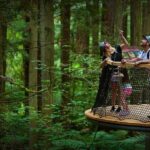
- Expect short walks, not hikes. The native forest start and the redwood stop are designed for casual walking.
If you care about cultural context, listen closely during the cultural welcome. The guide’s explanations are part of how the day “clicks” instead of just being a sequence of attractions.
Quick reality check: guides and the small-group feel
A big part of why this tour gets a high rating is the human factor. Guides such as Nicolle, Russell, Tracy, Lloydy, and the Te Puia village guide Cody are highlighted for keeping the day entertaining and making sure you’re pointed in the right direction at each stop.
That’s what you should look for when choosing a day tour: someone who helps you understand what you’re seeing, not just someone who drives you from A to B. In a small van, that difference shows up quickly.
Should you book this Rotorua Geothermal Wonderland Tour?
If you want a one-day Rotorua plan that covers Te Puia geothermal sights and Māori culture with a small group, I’d book it. The price isn’t cheap, but the value comes from included Te Puia admission, guided interpretation, and pickup that keeps your day organized.
Book it if:
- You like guided context and cultural performance as part of your sightseeing
- You want geothermal highlights like Pohutu Geyser and mud pools without the planning headache
- You prefer a group that stays under about a dozen people
Skip it (or look for alternatives) if:
- You want lots of unstructured time in Rotorua
- You don’t want to be on a tight schedule for the full day
- You’re sensitive to warm/damp walking conditions and don’t want to bring the right shoes
One final note for planning peace of mind: cancellation is free up to 24 hours in advance, and the tour runs with good-weather requirements. If the weather turns, you won’t be left hanging.
FAQ
How long is the tour?
The Rotorua Geothermal Wonderland Tour is about 6 hours long.
Where do I meet and where does the tour end?
You start at the Port of Tauranga Ltd, 2 Salisbury Avenue, Mount Maunganui 3116 and the tour ends back at the same meeting point.
Is pickup included?
Yes. Port pickup and drop-off are included in the tour.
What’s included in the ticket price?
The price includes a 12-seater modern air-conditioned minivan, expert local driver/guide with live commentary, entry to Te Puia Geothermal Park, and port pickup and drop-off.
Are meals and drinks included?
No. Food and drinks are not included (unless specified).
What if the weather is bad?
This tour requires good weather. If it’s canceled due to poor weather, you’ll be offered a different date or a full refund.