REVIEW · MOUNT TARAWERA
Rotorua: The Buried Village of Te Wairoa
Book on GetYourGuide →Operated by Buried Village · Bookable on GetYourGuide
Mt Tarawera still has stories to tell.
The Buried Village of Te Wairoa turns one of New Zealand’s biggest volcanic tragedies into something you can walk through and actually picture, with a standout museum and a rewarding waterfall trail. My kind of history works when it’s physical—ruins, paths, artifacts, and a view you can earn with your own two feet.
I like how the visit mixes close-up evidence (excavated objects from the 1800s) with place-based walking through the archaeological grounds. A bit of caution: the waterfall route includes steep steps, and the museum can feel chilly, so wear shoes you trust and bring a layer if you run cold.
You’ll also get real personality from the site program—audio guidance, living history moments, and scheduled talks by costumed guides. And yes, there’s also an optional VR/AV experience and even a chance to dress in Victorian-style clothes, so the day can feel more fun than you expect for an archaeology stop.
In This Review
- Key things I’d center in your plan
- Te Wairoa: a village wiped out in 1886
- Museum first: artifacts, context, and how the site makes sense
- Walking the buried village grounds and archaeological sites
- Te Wairoa Falls: the misty payoff at the end
- Guides, costumed storytelling, and the optional VR/AV add-on
- Smith & Co cafe: a smart break that doesn’t derail your day
- How long to budget, and how to get there from Rotorua
- Who this experience suits best
- Should you book Te Wairoa now?
- FAQ
- Where is the Buried Village of Te Wairoa?
- How much does it cost?
- How long should I plan to spend there?
- What’s included with the entry ticket?
- Do I need to arrange my own transport?
- Is there audio support?
- Is there food on-site?
- Is the waterfall walk difficult?
Key things I’d center in your plan
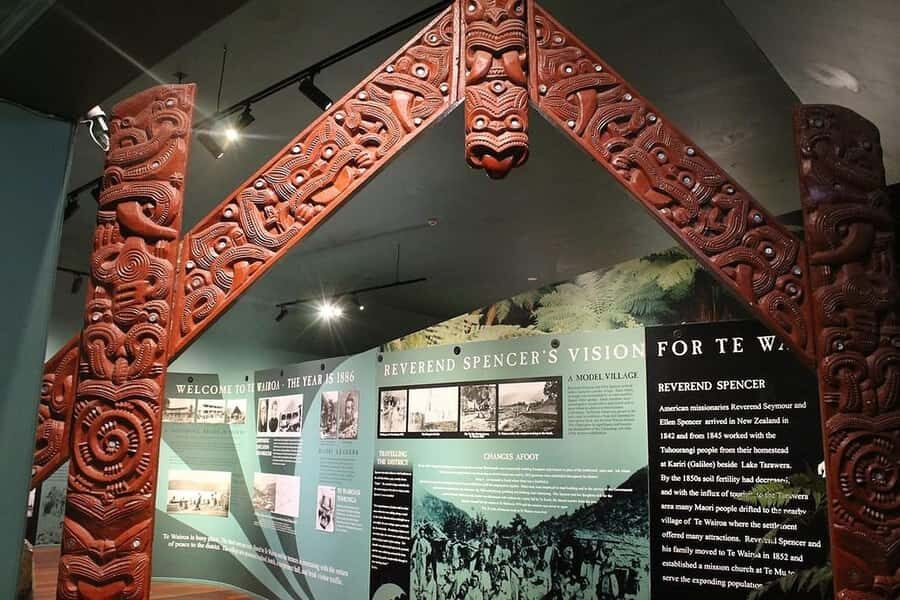
- A museum that explains the Te Wairoa village before the eruption with excavated 1800s objects
- Archaeological walking routes that help you understand what’s missing—and what was found
- Te Wairoa Falls in misty rainforest with a payoff view at the end
- Living history touches (talks, audio, and guided-style storytelling)
- Food and breaks on-site at Smith & Co for scones, pies, and hot drinks
Te Wairoa: a village wiped out in 1886
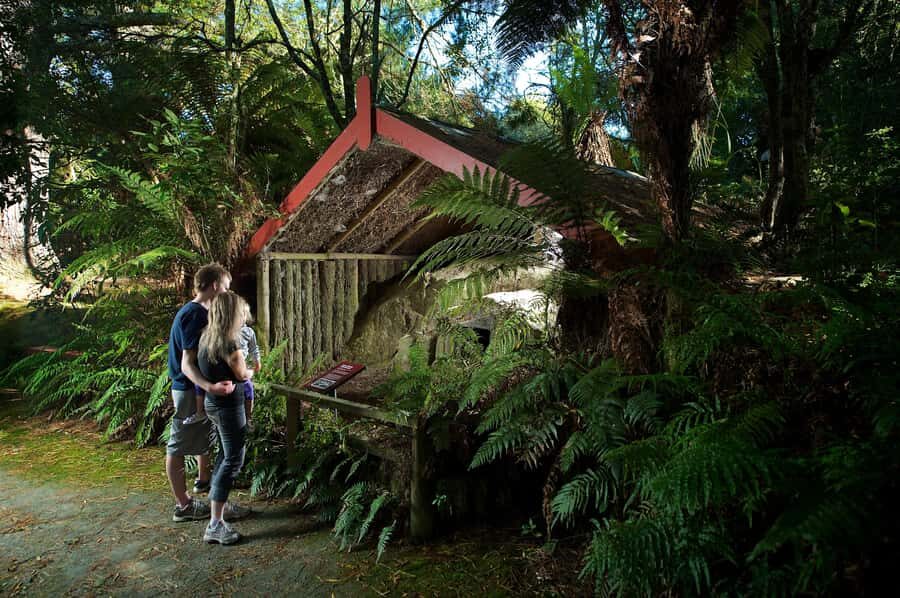
This place sits about a 15-minute drive from central Rotorua, which matters because it keeps the experience easy to fit into a real itinerary. One day here works well if you want something more grounded than a scenic stop, but you don’t want an all-day hike either.
The story begins with the 1886 Mt Tarawera eruption. It destroyed a famous natural landmark, the Pink and White Terraces, and it also erased the Te Wairoa settlement—part Māori community and part mission life. What I like is that the site doesn’t treat this as a generic disaster story; it’s framed around how people lived, then how the ground took it away.
A key detail: the site’s digging and care are connected to the Kaitiakitanga of the Smith family, with excavation work described as happening for nearly 90 years. That long timeline changes the tone of the visit. You’re not just seeing artifacts; you’re seeing the result of patient stewardship and decades of interpretation.
Museum first: artifacts, context, and how the site makes sense
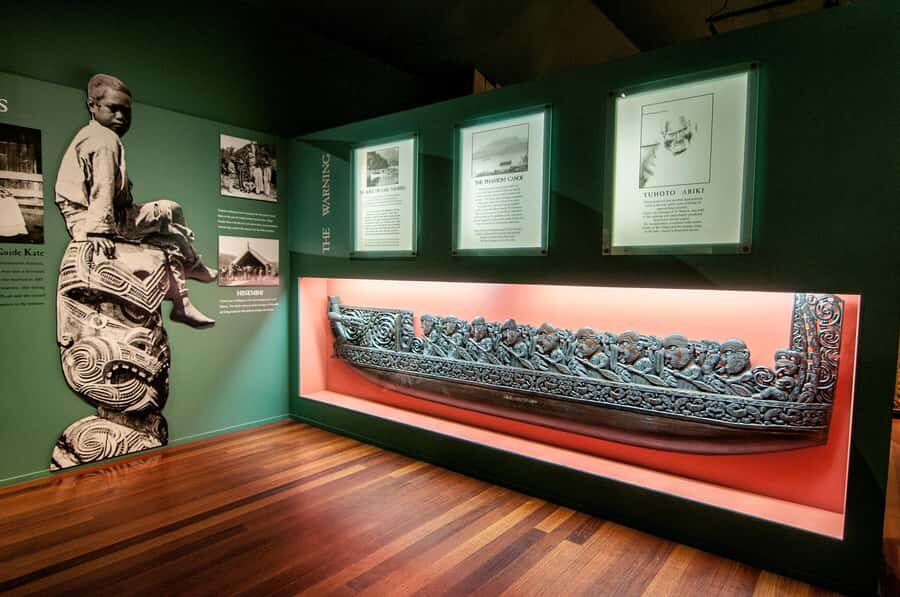
The museum is where you get your bearings fast. Before you step onto the grounds, you’ll see an extensive collection of excavated objects from the 1800s, plus interactive elements designed to help you picture everyday life. I’d treat this as the “how to read the site” part, not just a waiting room for the walking.
The museum experience is built to move at your pace. You can use the included audio guide (English), and the program may include living history-style moments and scheduled talks by costumed guides throughout the day. If you’re the type who likes to understand why something matters, this is the part that pays off later on the trails.
One practical note from the experience: the museum can be chilly. That’s not a complaint about the content; it’s just a comfort issue. Bring a light layer so you can focus without feeling rushed to escape.
If you want a slightly playful way to guide yourself, there’s also a clue scavenger hunt format that routes you through museum and park areas. That’s especially useful if you’re visiting with kids or you simply want something structured beyond reading plaques.
Walking the buried village grounds and archaeological sites
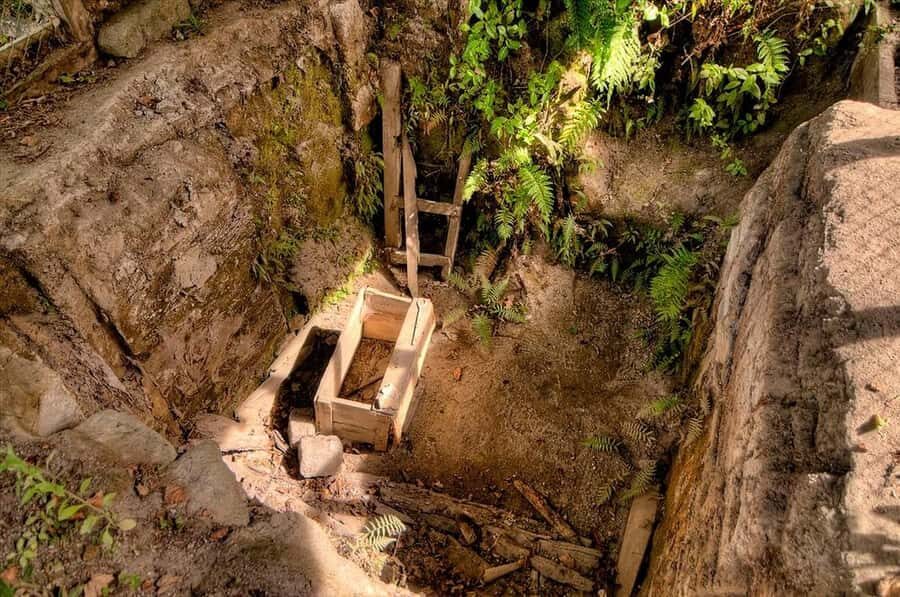
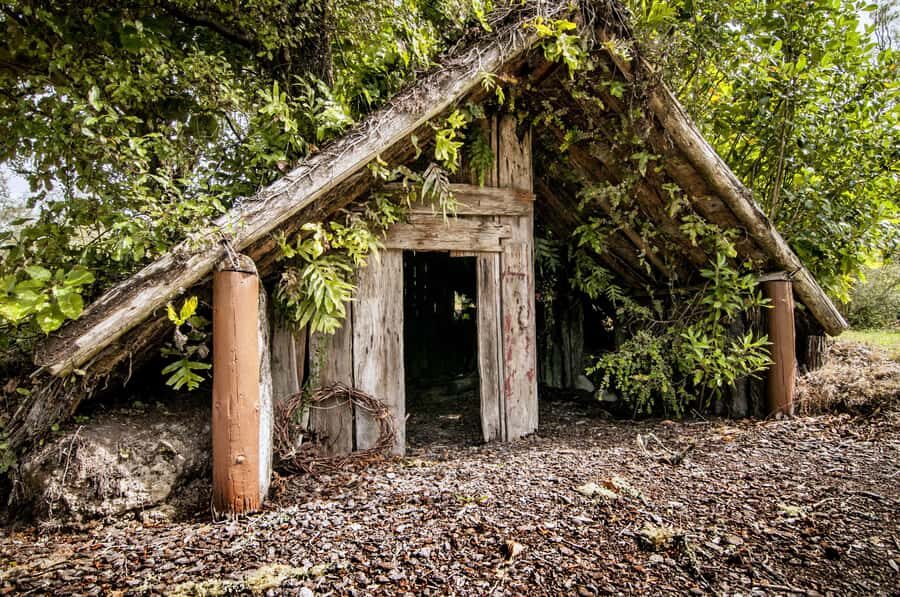
After the museum, the site shifts from learning to sensing. You walk among the archaeological grounds where the remains of homes and village life can be appreciated in context. The experience feels surreal in a good way: you’re seeing what’s left, but you can also imagine the shape of what was there.
I like that the walking routes don’t just dump facts. They help you connect the objects you saw inside to the spaces where life happened. Even if some of the signage could be clearer in spots, the overall setup is designed so you can still make sense of the story as you go.
What makes this part work is the contrast. The ruins and archaeological elements are beautiful on their own, but they also add another layer of meaning when you remember the violence of what took place. It’s history you can measure with your own steps, not history that only lives in a book.
You may be able to experience this in a more guided-feeling way depending on the day’s schedule, but the walk itself is still easy to tackle with self-guided pacing. Most people finish the museum-and-sites portion with time to spare for the trail.
Te Wairoa Falls: the misty payoff at the end
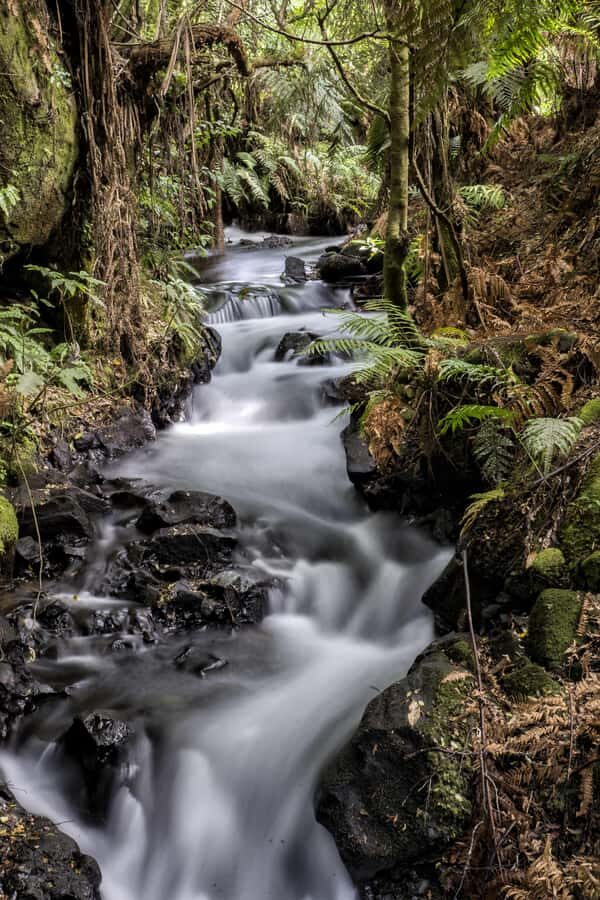
The waterfall trail is the most practical reason I’d send you here. It’s not just pretty on a postcard level—it’s a land-recovery walk, with native flora and fauna you can spot along the way as the area regains life after destruction.
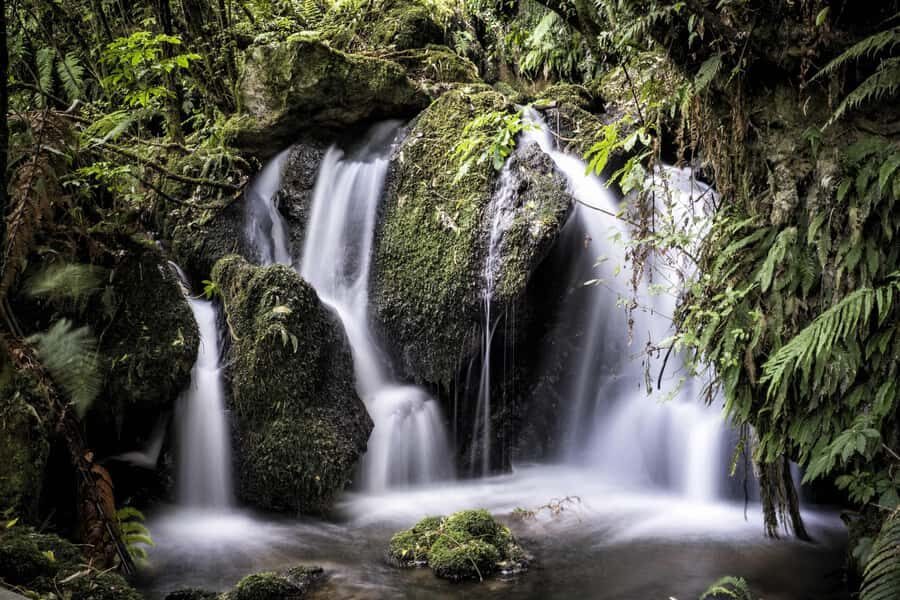
The trail ends at Te Wairoa Falls, and you get a special effect when you’re close enough to stand in the mist. That mist changes everything: the view feels more dramatic, and the waterfall becomes less about distance and more about presence.
Let’s talk about the effort. The steps can be steep. You might find the down-and-up portion a little challenging if you’re not used to stairs, but it’s not an all-day climb. On several visits, people described it as a short walk time-wise, with the reward clearly worth the effort.
If you’re flexible and the weather cooperates, rain can also make the falls more spectacular. A heavy rain timing can turn the waterfall into a bigger, louder experience than you’d expect on a calm day.
Guides, costumed storytelling, and the optional VR/AV add-on
One of the best parts of Te Wairoa is how the storytelling shows up in multiple forms. You’ll find audio guidance included, plus scheduled talks and living history-style moments with costumed guides. People often mention a guide who brought the narrative to life, and one name that comes up is Marie—described in the program as a third-generation guide in the Sophia line.
You don’t need to chase a particular tour format to enjoy the day, but you should plan to be present when talks happen. Even short talks can add meaning to what you’re walking through, especially around the eruption night chaos and what happened to the village.
There’s also an optional VR/AV experience that some visitors felt was worth the small extra. If you like visual interpretation, it’s a good add-on to consider—but keep it optional in your head, not essential. The physical walking and museum content alone still create a strong day.
And then there’s the Victorian-style clothing option. It’s playful, it’s memorable, and it adds a little costume-lab energy to an otherwise serious story. If you’re into photos, this is one of the spots where an antique-style photo moment can actually fit the setting.
Smith & Co cafe: a smart break that doesn’t derail your day
After walking, you’ll appreciate having food right on-site. Smith & Co is where you can reset without needing to plan a detour back into Rotorua.
I like that the cafe menu hits the practical travel comfort zone: scones with whipped cream and jam, Kiwi-favorite pastry pies, Devonshire tea, and also hot chocolate and coffee. That mix is useful because you can choose something sweet, something savory, or a mid-walk warm drink depending on the weather.
If you’re visiting with family or you’re simply hungry after the waterfall trail, the cafe is the easiest way to keep the day flowing. You don’t have to force a long meal somewhere else; you can refuel and then handle the gift shop at a relaxed pace.
How long to budget, and how to get there from Rotorua
This is a one-day experience that works best when you treat it as at least 1.5 hours on-site. If you like reading, photos, and stopping for the waterfall mist, plan a bit longer so you’re not rushing the museum or the trail.
Here’s a simple timing mindset:
- Museum and orientation first (so the walk makes sense)
- Walk the archaeological sites at an easy pace
- Save the waterfall for when your legs are warmed up and your day has energy
Because the site is about 15 minutes from Rotorua, your main logistics choice is transport. Hotel pickup isn’t included, so you’ll either drive yourself or arrange your own way to the meeting point.
Meeting point: Buried Village of Te Wairoa, 1180 Tarawera Rd, Rotorua 3076, New Zealand.
Wear comfortable shoes. That sounds obvious, but it’s essential here because the experience includes walking on paths and a stair-heavy waterfall route.
Who this experience suits best
This works well if you want history that’s tangible. If you like archaeology, the “before and after” of how communities were affected by nature, and walking trails with meaning, you’ll enjoy the structure.
It’s also family-friendly in the sense that it offers variety: museum space, an outdoor walking portion, optional scavenger-hunt style fun, and a waterfall reward. Some visitors highlight that it’s good for solo visits too, because you can set your own pace and still feel guided through the story.
If you dislike stairs or you’re very limited with mobility, you should take extra care with the waterfall steps. The good news is that the site is listed as wheelchair accessible overall, but the waterfall trail’s stair sections are the practical part to think about before you commit.
Should you book Te Wairoa now?
I’d book it if you want an engaging mix of museum interpretation and an outdoor walk that feels earned at the end. For about $14 per person, you get entry to the museum, the archaeological sites, and access to the Te Wairoa Trail and waterfalls—plus plenty of time to wander without feeling stuck in a single exhibit room.
Don’t book it if you’re only interested in a quick, flat, casual walk and you hate stairs. This place rewards effort—especially the waterfall portion—and the museum can feel cool, so dress for walking.
If your Rotorua plan already includes geothermal sights and you want something with a different kind of intensity—human stories shaped by eruption—Te Wairoa is a strong pick.
FAQ
Where is the Buried Village of Te Wairoa?
It’s located at 1180 Tarawera Rd, Rotorua 3076, about a 15-minute drive from Rotorua.
How much does it cost?
The price listed is $14 per person.
How long should I plan to spend there?
Plan on at least 1.5 hours to get the most out of the museum, archaeological walking, and the waterfall trail.
What’s included with the entry ticket?
Your ticket includes entry to the Buried Village of Te Wairoa and the Museum of Te Wairoa, plus access to the Te Wairoa Trail and waterfalls.
Do I need to arrange my own transport?
Hotel pickup and drop-off aren’t included, so you’ll need to get there on your own.
Is there audio support?
Yes. An audio guide is included in English.
Is there food on-site?
Yes. You can refresh at Smith & Co cafe, with options like scones, pastry pies, Devonshire tea, and hot drinks.
Is the waterfall walk difficult?
The waterfall trail includes steps and can be steep. Comfortable shoes are strongly recommended, and the payoff is the misty view at Te Wairoa Falls.