REVIEW · STEWART ISLAND RAKIURA
Stewart Island Wild Kiwi Experiences
Book on Viator →Operated by RealNZ · Bookable on Viator
Kiwis are easier after dark. On Stewart Island / Rakiura, you start with a catamaran cruise to spot seabirds and marine life, then move into a torchlit walk to search for tokoeka (southern brown kiwi) with a naturalist guide. The one real catch: this is a walking-focused evening, with moderate fitness needed and tracks that can be muddy or uneven.
I also love that you get hot drinks to warm up mid-experience and that the group stays small, with a maximum of 20 people. You’ll want to pack warm layers and insect repellent, because you’re out after dark and you’re moving through forest and beach.
In This Review
- Key highlights worth knowing
- Kiwi time on Stewart Island / Rakiura: why dusk works
- Starting with a catamaran cruise: wildlife right away
- The torchlit kiwi search: how the night walk really feels
- About lights and group size (a real consideration)
- What the guide teaches you on the hunt
- The Oneke culture option: Māori and European stories plus a warm drink
- Price and value: is $160.73 worth it?
- Packing checklist for a cold, torchlit night
- How long it takes and what that means for your evening
- Who should book this wild kiwi experience
- Should you book Stewart Island Wild Kiwi Experiences?
- FAQ
- How long is the Stewart Island Wild Kiwi experience?
- Where does the tour start and end?
- What is included in the experience?
- Is hot drinks included?
- How much walking is involved, and what fitness level do I need?
- Is this tour suitable for children?
- How big are the groups?
- What should I wear or bring?
- What happens if weather is poor?
- Is there a culture-focused version of the tour?
Key highlights worth knowing
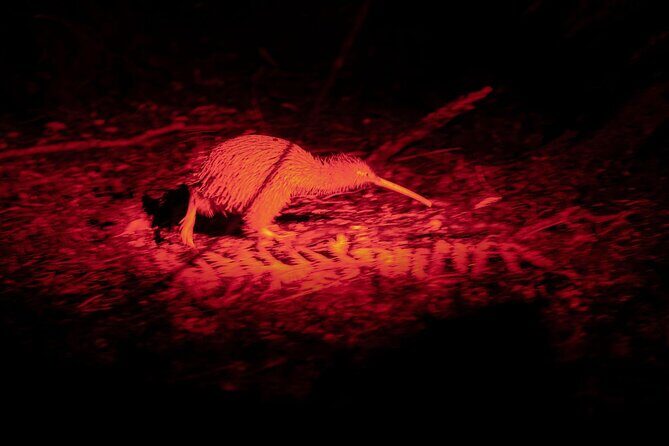
- Dusk timing for nocturnal kiwi: the tour is built around the hours when tokoeka are more likely to show
- Marine wildlife before the kiwi search: a water cruise helps you get wildlife right away, even before you hit the bush
- Flashlight-led forest-and-beach searching: you walk with lights toward a shoreline spot where kiwi are often seen
- Optional culture storytelling at Oneke: choose the Māori-and-European heritage version, with a warm drink in a traditional whare
- Hot drinks included: you’ll get something warm during the night’s rhythm
- Walking is real (about 2 hours): wear sturdy footwear and dress for cold, wet ground and night air
Kiwi time on Stewart Island / Rakiura: why dusk works
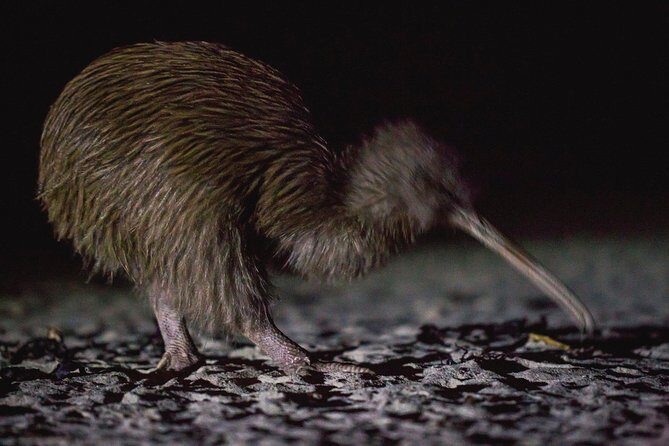
Stewart Island / Rakiura is one of the better places in New Zealand to try for kiwi in the wild. Here’s why it’s a good match for you: tokoeka are nocturnal, and the best chances come when the day cools off and darkness settles in.
On this tour, you’re not just hoping. You’re shown where to look, what to listen for, and how Stewart Island’s wildlife and habitat fit together. A naturalist guide helps you make sense of what you’re seeing, from the forest smells and sounds to the behavior kiwi use to stay hidden.
The mood matters too. This is an evening that feels like a mini expedition: quiet moments, then quick checks, then moving on. If you like wildlife viewing that’s part science lesson and part night walk, you’re in the right place.
You can also read our reviews of more tours and experiences in Stewart Island Rakiura.
Starting with a catamaran cruise: wildlife right away
Before you ever step onto land, you get a scenic cruise that’s geared for spotting wildlife on the water. The best part of this opener is momentum: even if kiwi stay shy, you’re still out in prime habitat for seabirds and marine life.
In the dark later, you may not notice the ocean details as much. The cruise gives you that early window when you can actually enjoy the view and scan for wildlife with better light. Plus, the cruise adds variety to your evening, so you’re not just standing still waiting for one bird.
If you’re the kind of person who hates slow “waiting games,” this format helps. You start moving through the island’s wildlife story right away, and then you transition into the kiwi search with fresh energy.
The torchlit kiwi search: how the night walk really feels
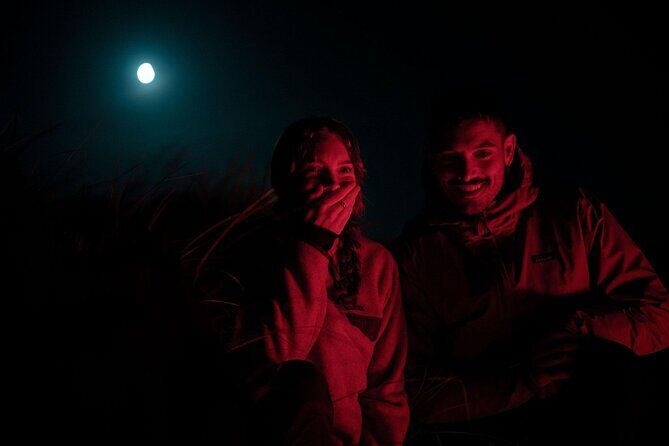
Once you arrive at the kiwi-spotting area, the experience shifts into a guided, torchlit search along forest and beach. You’re walking with flashlights/torches and following your guide’s direction toward a spot where kiwi are often seen.
A few practical notes will help you enjoy this more:
- Expect slow walking. It’s not a hike where you power through. It’s paced for looking and listening.
- Keep your own noise down. That helps you and it helps the birds.
- Be ready for the ground. Tracks may be muddy or uneven, so sturdy shoes matter more than style.
The tour focuses on tokoeka, the southern brown kiwi. Even when you don’t get a full view, just seeing the back of a kiwi can be a reality check in a good way—it helps you understand size and shape, and it makes the whole search feel tangible.
About lights and group size (a real consideration)
Kiwi can be sensitive to vibrations, noise, and light. One concern raised is that some groups can feel large and bright, with flashlights used rather than gentler red-light filters. That doesn’t mean kiwi will never show—but it does mean you should manage expectations and, if you want the best odds, ask your operator what lighting approach they use and how groups are managed on your date.
In other words: you’re going out for the best chance, but you’re also working with wild animals. Your job is to be quiet, patient, and prepared.
What the guide teaches you on the hunt
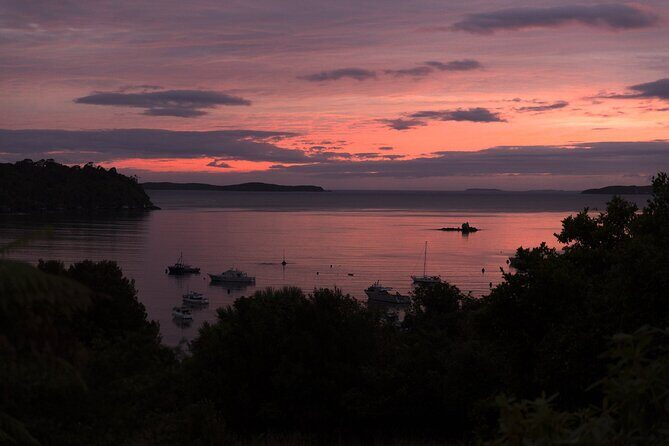
A big reason this tour earns such strong marks is the teaching. You’re not just handed a torch and pointed toward the dark. The guide explains kiwi behavior and the island’s ecology so that what you’re seeing makes sense in your head, not just in your camera roll.
In past groups, guides such as Jan and Natasha (and others on the team) have been singled out for clear, efficient explanations and energetic guidance. That matters because nighttime wildlife is confusing. You might think you heard something, then wonder what it was. A good guide helps you connect the dots fast.
You’ll also learn why this environment supports kiwi: the habitat, the seasonal timing, and the way birds use cover. That’s useful because it changes how you look. Instead of scanning randomly, you start watching for the right signs and understanding why the guide pauses where they do.
The Oneke culture option: Māori and European stories plus a warm drink
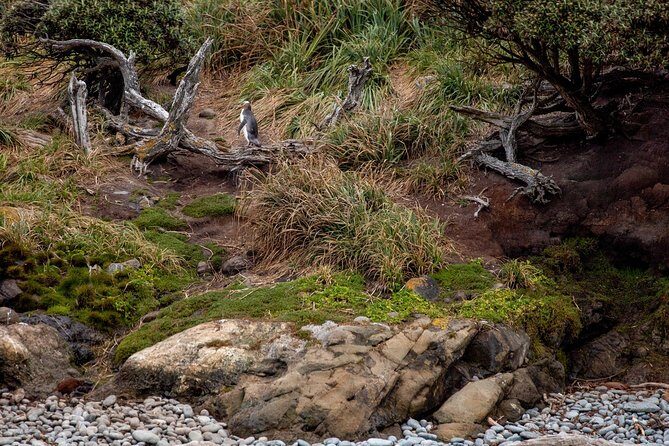
Not every evening is only kiwi and forest. If you choose the Wild Kiwi & Culture Encounter, you’ll spend more time learning about people and place.
At Oneke, you hear stories tied to Māori and European heritage before the kiwi search. The pace shifts in a helpful way: you get context first, then you go back out into the night with a fuller sense of what Stewart Island / Rakiura means to different communities.
The evening also includes a warm drink in a traditional whare to round it out. That’s not just comfort food—it’s a meaningful break that keeps the night from feeling like one long hunt.
If you’re a wildlife-only person, you can choose the main kiwi-focused option instead. If you like experiences that connect animals to humans and history, the culture version is a strong fit.
Price and value: is $160.73 worth it?
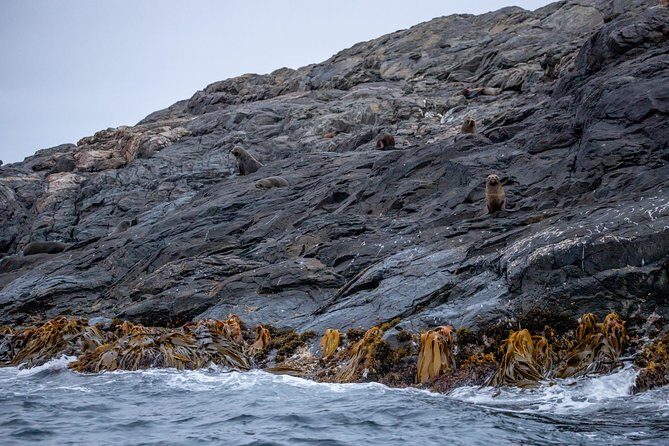
At $160.73 per person, this isn’t a budget activity. But the value comes from three things working together:
- It stacks wildlife opportunities: cruise time on the water plus a guided kiwi search on land.
- You’re paying for night expertise: the guide’s role is the difference between random flashlight waving and a structured search.
- You’re paying for comfort and safety: hot drinks, a planned route, and a group size capped at 20.
Think of it like this: you could try to DIY kiwi-watching, but dusk on Stewart Island isn’t a simple grab-and-go. Your odds improve when you’re using local knowledge, moving at the right pace, and learning what to look for.
That said, it’s still not a guarantee. Kiwi are wild, and one guest shared that the experience can feel overcrowded if the group size and lighting approach aren’t ideal for kiwi sensitivity. So if you’re going specifically for a super-quiet, ultra-low-light experience, I’d factor that into your expectations and ask about their setup.
Packing checklist for a cold, torchlit night
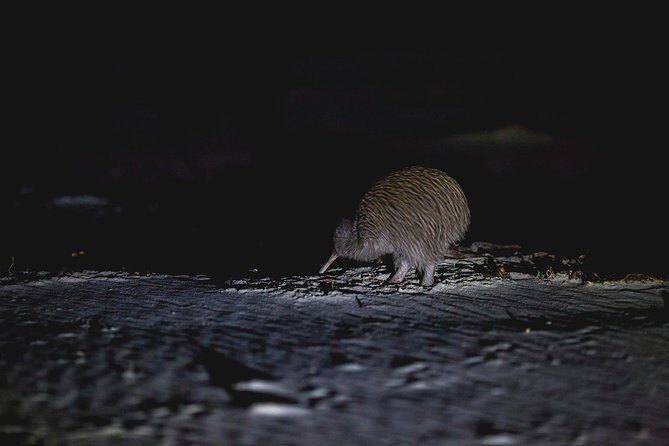
This is the kind of tour where your comfort directly affects your enjoyment. You’re walking through forest and beach, after dark, for hours. Dress like you’re going out for a real night in New Zealand, not just a quick stroll.
Bring:
- Warm clothing (layers beat one heavy coat)
- Insect repellent
- Sturdy footwear for muddy or uneven tracks
- Something warm to drink is included, but you still want to feel warm on your skin
Hot drinks are provided, which helps. But you’ll still get chilly if you underdress. If you tend to run cold, plan to overpack warmth.
Also, consider your phone/camera plan. In the dark, you’ll be moving, and lighting can be uneven. Don’t rely on perfect photos. Focus on seeing first; the birds are the prize.
How long it takes and what that means for your evening
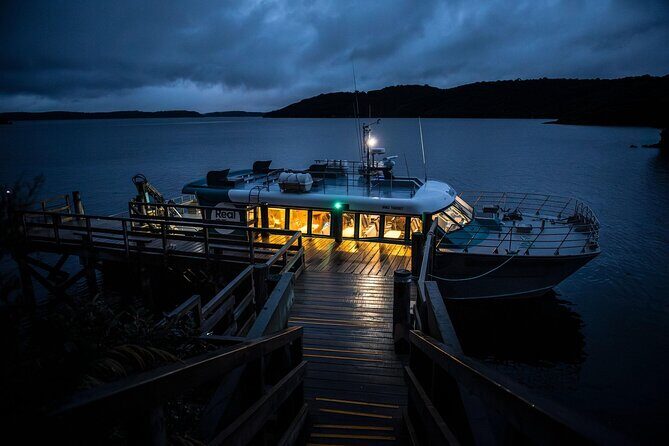
The tour runs about 5 hours 20 minutes. That length is important because it turns this into a full evening event. You should plan to eat earlier and keep your schedule flexible afterward, since you’ll be returning to the meeting point.
With around 2 hours of walking, the night is active. If you’re hoping to do a major dinner reservation right after, you might feel rushed. If you prefer a slower post-tour night, you’re better set up.
A small group size (maximum 20) also changes the vibe. You’re less likely to feel packed in like a cattle-car crowd, which helps you focus on the guide’s instructions.
Who should book this wild kiwi experience
Book it if:
- You’re chasing tokoeka sightings in the wild and you want the best odds at dusk
- You like guided wildlife viewing that includes real explanation, not just spotting
- You want a varied evening: cruise plus night walk
- You’re comfortable walking on potentially muddy, uneven tracks
Skip it or reconsider if:
- You don’t handle moderate walking well. This tour calls for moderate fitness and includes uneven ground.
- You need a kids-only setting. It’s not suitable for children under 16.
- You dislike cold night conditions. Warm clothes are a requirement, not a suggestion.
If you’re traveling solo or as a couple, this also works well. The guided pacing gives you structure, and the group stays small enough that it still feels personal.
Should you book Stewart Island Wild Kiwi Experiences?
I think you should book this if your main goal is a guided chance at kiwi in the wild, and you’re ready for a night that mixes learning, ocean wildlife, and real walking. The combination of cruise time, torchlit search, hot drinks, and a guide-led focus is a solid value play for a New Zealand wildlife evening.
I’d hesitate only if you’re very sensitive to crowding and lighting conditions, because some guests have raised concerns about group size and flashlight brightness affecting kiwi behavior. If that matters a lot to you, ask your operator what lighting filters or quiet procedures they use and how they manage spacing on your date.
If kiwi sightings are on your bucket list, this tour is one of the most practical ways to aim for them on Stewart Island / Rakiura—without turning your night into guesswork.
FAQ
How long is the Stewart Island Wild Kiwi experience?
It’s about 5 hours 20 minutes.
Where does the tour start and end?
It starts at the Visitor Terminal – Stewart Island Experience (Southland Region 9818, New Zealand) and ends back at the same meeting point.
What is included in the experience?
You’ll have a scenic cruise and then a guided torchlit walk through forest and beach to search for kiwi. Hot drinks are provided.
Is hot drinks included?
Yes, hot drinks are provided during the tour.
How much walking is involved, and what fitness level do I need?
Moderate fitness is required, with about 2 hours of walking. Tracks may be muddy or uneven, so sturdy footwear is recommended.
Is this tour suitable for children?
No. It’s not suitable for children under 16 years.
How big are the groups?
The maximum group size is 20 travelers.
What should I wear or bring?
Bring warm clothes and insect repellent, and wear sturdy footwear for night walking on uneven ground.
What happens if weather is poor?
This experience requires good weather. If it’s canceled due to poor weather, you’ll be offered a different date or a full refund.
Is there a culture-focused version of the tour?
Yes. You can choose the Wild Kiwi & Culture Encounter at Oneke, which includes Māori and European heritage stories and finishes with a warm drink in a traditional whare.