REVIEW · LAKE TEKAPO
Lake Tekapo: Alpine Stargazing Experience with a Guide
Book on GetYourGuide →Operated by Silver River Stargazing · Bookable on GetYourGuide
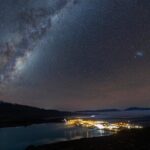
The Milky Way looks close here. This Lake Tekapo stargazing trip takes you away from city glow to the Aoraki Mackenzie International Dark Sky Reserve on a private 50,000-acre farm, where the southern sky can look shockingly clear.
I especially like the way the 14-inch telescope brings faint objects into focus, not just bright stars. And I love the guidance using astro-lasers, which helps you find constellations fast even if you’re starting from zero.
One thing to plan for: cold nights can be real, and if wind or cloud rolls in, the view through the telescope can be less crisp than the best-case photos you’re imagining.
In This Review
- Key things I’d circle before you book
- Why Lake Tekapo’s dark sky feels different fast
- Getting there: Silver River Stargazing and a 75-minute rhythm
- The private farm effect: 360° views without stray light
- Telescope time: what a 14-inch scope is really for
- How the guide turns stars into a story (and a plan)
- Astro-lasers and accessibility: aiming the night sky for you
- What each part of the itinerary feels like on the ground
- Photo keepsake: your group under the Milky Way
- Price and value: is $59 worth the night?
- What to wear (and why jackets matter more than you think)
- Who this tour suits best
- Should you book this Lake Tekapo stargazing experience?
- FAQ
- How long is the Lake Tekapo alpine stargazing experience?
- How much does the stargazing tour cost?
- Where do I meet for the tour?
- How many people are in the group?
- What telescope equipment is included?
- Are warm jackets provided?
- Do you get a photo after the tour?
- What languages are the guides?
- Is the tour wheelchair accessible?
- What should I expect on cloudy or windy nights?
Key things I’d circle before you book
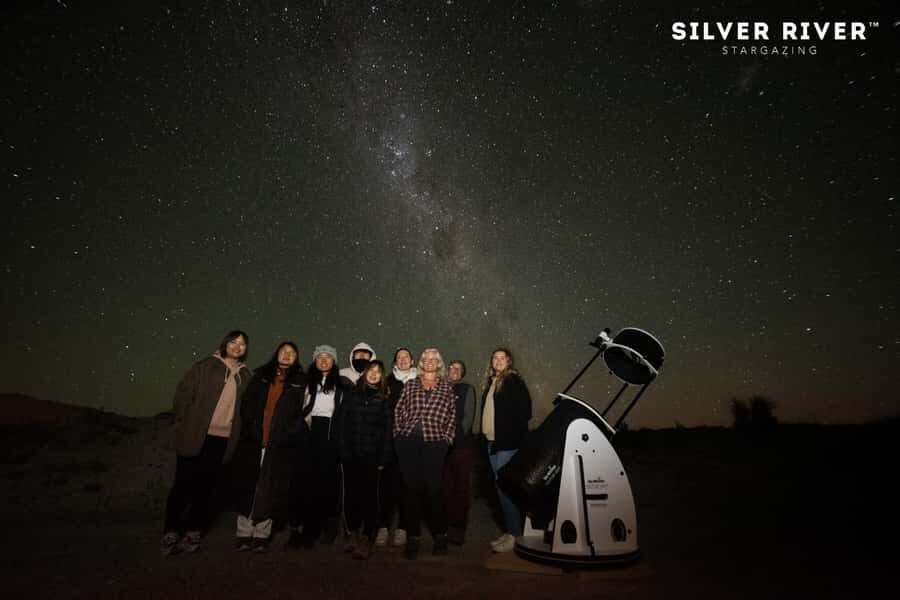
- A small group capped at 10 means less waiting around and more hands-on telescope time
- A 14-inch modern telescope plus astro-lasers make the sky easier to understand and see
- Private 50,000-acre farmland limits stray light for stronger naked-eye views
- A guided 1-hour astronomy session is built around what to look for, not just looking
- A complimentary group photo is sent digitally, typically within 48 hours
Why Lake Tekapo’s dark sky feels different fast
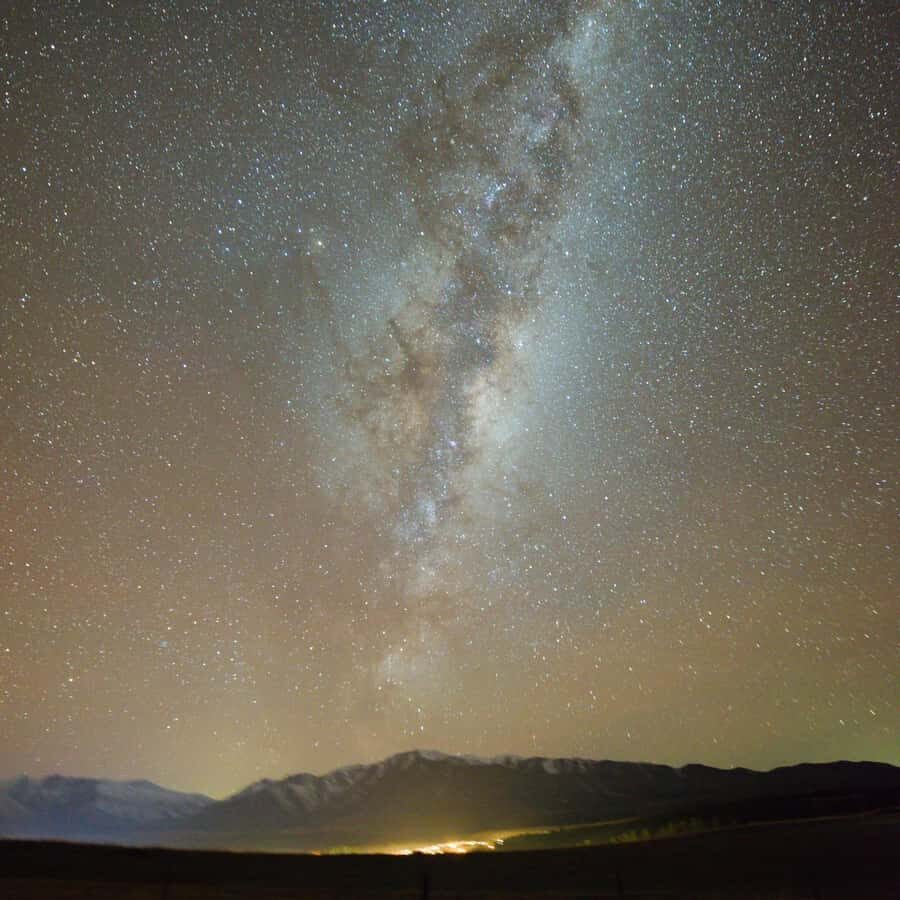
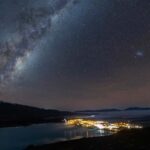
Lake Tekapo is famous for night skies for a reason. You’re in the Southern Hemisphere, and the Aoraki Mackenzie International Dark Sky Reserve is designed to keep light pollution low, so your eyes actually get the chance to adjust.
What hits you first is how much you can see without equipment. In the dark, the Milky Way isn’t a faint smudge—it can look like a bright band stretching across the sky, and that alone makes the hour feel worth it.
Then the guide turns that sky into something you can navigate. You stop guessing where things are and start recognizing patterns and locations, which makes everything feel more personal and less random.
You can also read our reviews of more guided tours in Lake Tekapo
Getting there: Silver River Stargazing and a 75-minute rhythm
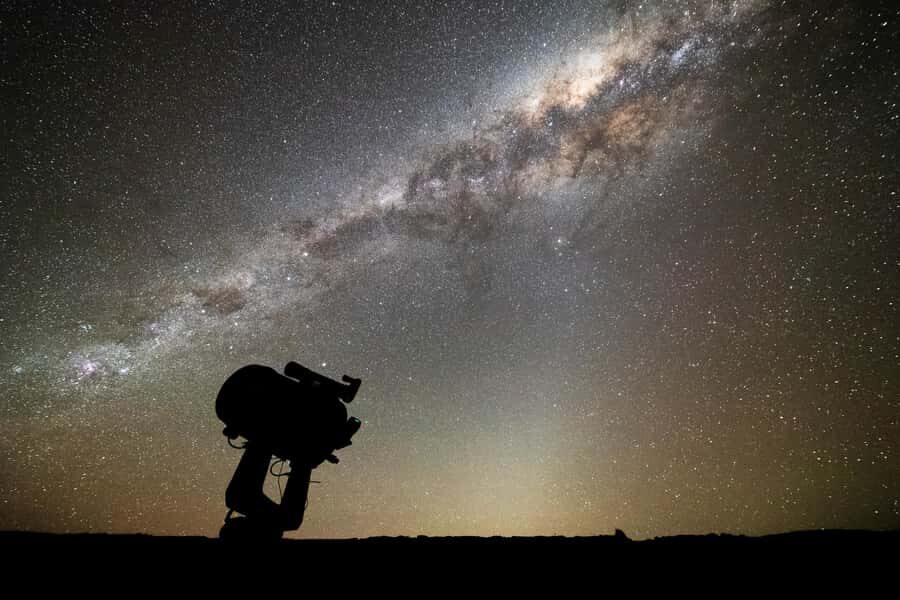
You meet at Silver River Stargazing in Kiwi Treasure, which is the post office in Lake Tekapo. From there, the tour uses short transfers so you spend more time under the sky and less time commuting.
The pace is tight and friendly: a 5-minute safety briefing, then a quick transfer to the stargazing spot, and finally about 1 hour of guided time at the site. When you’re done, you head back the same short way and get out without it turning into a half-day commitment.
This format works well because it respects attention spans. You get enough time to settle in, listen, look, and take turns at the telescope, without rushing so much that you feel like you missed the best parts.
The private farm effect: 360° views without stray light
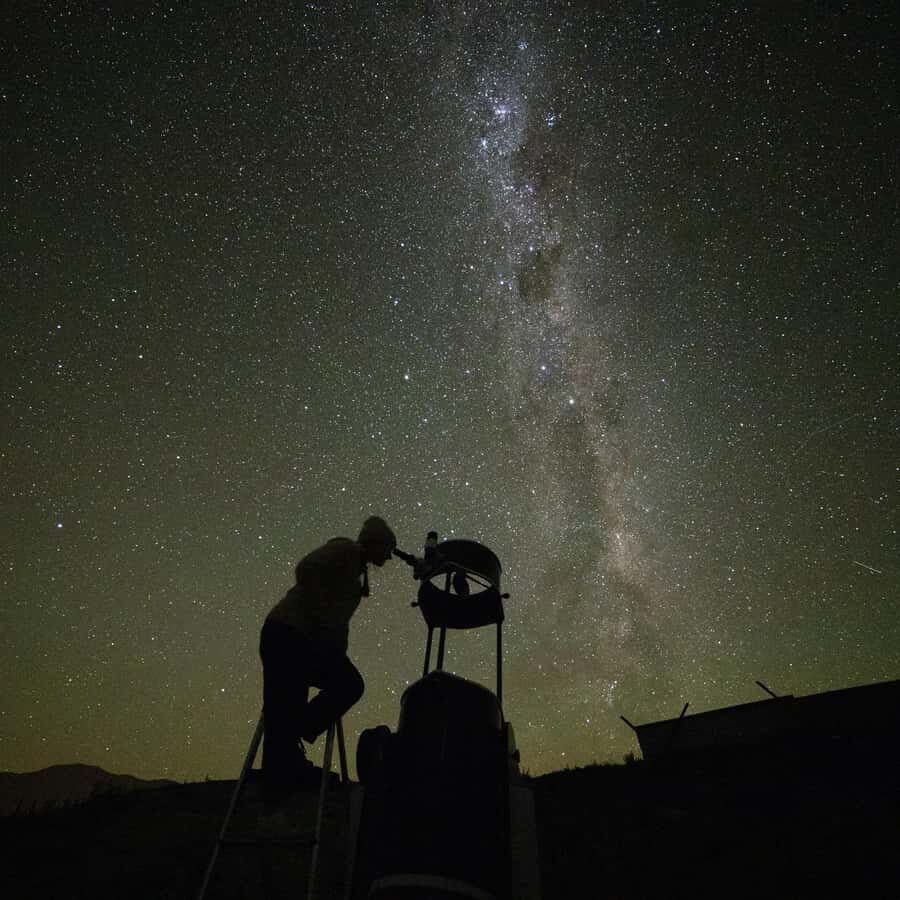
The big selling point here isn’t the telescope first—it’s the location. The stargazing spot is on a private 50,000-acre farmland area inside the dark sky reserve, where light from town doesn’t invade your view.
That matters because stargazing is mostly a light-management problem. If the air is clear but there’s stray illumination, stars fade and the Milky Way loses contrast. On this kind of farm location, you’re starting from the best possible conditions.
You also get 360° sky coverage in the sense that you’re not staring at one fenced-off direction. You can look around and keep finding new patterns as the guide points them out.
Telescope time: what a 14-inch scope is really for
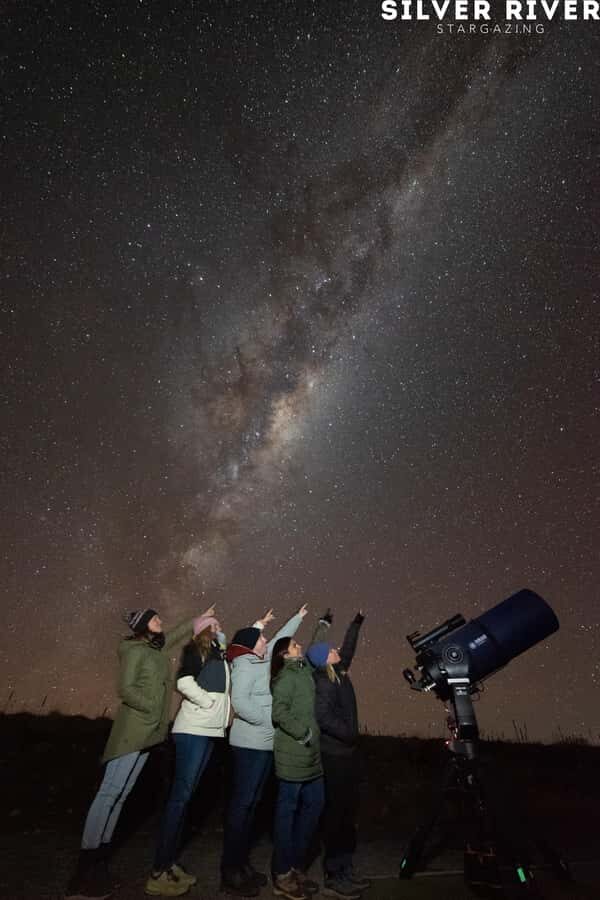
The tour includes use of 14-inch modern telescopes. That size matters because it lets the guide show more than just bright objects, especially for people who thought they needed a “serious astronomy setup” to see anything interesting.
With a guide, you’re not just handed an eyepiece. You’ll be shown how to aim, what to expect to see, and how the view can change as your target gets positioned.
You can also expect a mix of classic sights, depending on the night. Some participants report views of the Moon, Jupiter (with its moons), and Saturn through the telescope, and there are stories of meteor sightings too when timing and conditions line up.
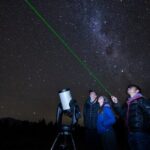
There’s also a practical reason the tour includes astro-lasers: they help you connect the talking to what you’re actually seeing. It’s one thing to hear a constellation description; it’s another to point at a specific patch of sky and watch your eyes lock on.
How the guide turns stars into a story (and a plan)
The guided portion isn’t just facts. It’s structured around helping you look effectively, then helping you understand what you’re seeing.
Guides bring a mix of astronomy and sky lore, including how star and constellation names came about across different cultures. People describe the explanations as engaging and memorable, and a few named guides show up in bookings—like Tara, Sam, Nicole, Marcus, Nicole, JoJo, and Evan—so it’s clear the company hires people who genuinely enjoy this work.
I like that the small group setup supports questions. When you’re capped at 10 people, the guide can adjust the pace if someone needs extra help finding a target or understanding what’s happening.
If you’re traveling with kids, this kind of structure tends to work well. One common theme in the feedback is that the guide takes questions seriously and keeps things interactive, so the sky doesn’t turn into a passive lecture.
Astro-lasers and accessibility: aiming the night sky for you
The tour uses astro-lasers to make the constellations and standout objects easier to locate. That sounds basic, but it’s a huge help because the sky has millions of points of light, and beginners need a shortcut.
One booking specifically mentions laser pointers helping a visually impaired participant track what the guide was explaining and ensuring they could get telescope time too. If you or someone in your group benefits from visual cues, this is a strong feature.
For everyone else, lasers can still speed things up. Instead of spending the whole hour trying to locate a star you heard about in a textbook, you can actually follow along and keep learning as the sky changes.
What each part of the itinerary feels like on the ground
Here’s how the flow usually lands in real life, from the way the tour is scheduled.
1) Safety briefing (about 5 minutes)
This is the quick setup moment: how the night will run, how to behave around equipment, and how to stay comfortable outside.
2) Transfer (about 5 minutes)
It’s short by design. You’ll want that because you’re going from warm-ish daytime temperatures into the colder dark, and you don’t want to lose time in transit.
3) Guided tour on-site (about 1 hour)
This is the heart of the experience: the guide orients you, shows what to look for with lasers, then brings you to targets through the telescopes. Participants often report a mix of naked-eye Milky Way views plus telescope views of bright planets or featured objects.
4) Return transfer (about 5 minutes)
When it ends, you head back quickly. That reduces the risk of losing your focus to late-night fatigue.
The biggest “schedule” drawback is also simple: 75 minutes is a lot of fun, but it’s still limited. A couple of people wished for a bit more telescope time, so if you’re the kind of person who wants to compare views for a long time, you may feel slightly time-crunched.
Photo keepsake: your group under the Milky Way
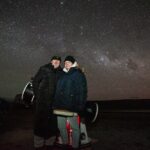
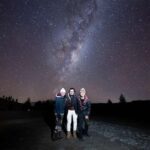
You end with a complimentary group photo taken under the stars when weather allows. You’ll receive it digitally, shared via a link, typically within 48 hours.
This is a smart add-on because the memories from stargazing are easy to forget in daylight. The picture isn’t just a souvenir—it’s proof of the conditions you got, especially on nights when the Milky Way is visible.
If clouds or low visibility affect the sky, don’t be shocked if the photo depends on what the night looks like. The good news is you still get the educational and viewing experience either way.
Price and value: is $59 worth the night?
At $59 per person for about 75 minutes, the value here comes from what’s bundled. You’re getting guided interpretation, roundtrip transport from the check-in office, warm down jackets, a 14-inch telescope experience, and that complimentary digital group photo.
If you tried to replicate this solo, the costs would usually creep upward quickly: telescope access, a good dark-sky location, and someone to help you aim and explain what you’re seeing. Here, you’re paying for the expertise and the logistics in one package.
The small-group cap also protects your time. A tour like this only feels great if you don’t spend most of it waiting for your turn at the telescope, and the capped size helps.
What to wear (and why jackets matter more than you think)
Even if you dress for a cold evening in Lake Tekapo, you’ll likely be glad the tour provides warm down jackets. Multiple bookings mention the comfort of thick coats and parkas, which makes a real difference once the group settles outside for extended viewing.
Wind can still cut through layers, so bring basic preparedness. I’d rather you show up with extra warm socks or a hat than plan to tough it out. You want your body comfortable so your eyes can do their job.
One more tip: don’t pack your comfort into just clothing. Bring patience too. Stargazing has a learning curve, and the guide’s job is to help you succeed quickly.
Who this tour suits best
This is a strong fit if you want an easy win in one of the best dark-sky spots on Earth without doing homework first. You’ll like it if you enjoy seeing the Milky Way with your own eyes and you’d rather have an expert guide tell you where to point.
It’s also a good choice for families. Several accounts highlight how the guide explains in a way that works for kids, and telescope time makes the learning feel hands-on.
If you’re an advanced astronomy fan, you might wish for more time per target. But the guided approach still has value because it helps you interpret what you’re looking at, even if you bring your own sky knowledge.
Should you book this Lake Tekapo stargazing experience?
I’d book it if your top goal is this: a guided night sky session in a real dark-sky setting, with enough equipment time to actually see things. The mix of small group size, 14-inch telescope use, and astro-laser pointing is exactly what turns a cold hour of looking into something you can understand.
You might hesitate only if you’re extremely sensitive to cold, or if you’re expecting a guarantee of perfect visibility. The sky can change fast, and wind or cloud can affect telescope sharpness and what the guide can show.
Still, even on less-than-perfect nights, many people report getting meaningful views and a solid learning experience. For most visitors to Lake Tekapo, this is one of the easiest ways to get the iconic Southern sky moment without guessing.
FAQ
How long is the Lake Tekapo alpine stargazing experience?
The tour runs for about 75 minutes total.
How much does the stargazing tour cost?
The price is $59 per person.
Where do I meet for the tour?
Meet at the Silver River Stargazing office, which is located in Kiwi Treasure (the post office for Lake Tekapo).
How many people are in the group?
The tour is a small group capped at 10 people.
What telescope equipment is included?
You use modern 14-inch telescopes, plus astro-lasers are used to help you find stars and constellations.
Are warm jackets provided?
Yes. Warm down jackets are included.
Do you get a photo after the tour?
Yes. A complimentary group photo is taken under the stars and shared via a digital link, typically within 48 hours (weather dependent).
What languages are the guides?
The live tour guide speaks English and Japanese.
Is the tour wheelchair accessible?
Yes, it’s wheelchair accessible.
What should I expect on cloudy or windy nights?
The stargazing experience depends on conditions. On nights with cloud or wind, you might still see some stars, but telescope views can be less clear and the sky’s visibility may be reduced.
Note before you go: there’s a limit of 1 infant per tour, and the infant must be booked on the earliest departure of the night.