REVIEW · STEWART ISLAND
Stewart Island: Wild Kiwi Experiences
Book on GetYourGuide →Operated by RealNZ · Bookable on GetYourGuide
Stewart Island changes the pace fast. This Wild Kiwi experience pairs a pre-sunset marine cruise with a night walk searching for tokoeka, plus story stops around Māori and European heritage. Two things I really like: the small group size and the way the guides help you read the forest and coastline, not just chase a bird.
One drawback to plan around: there’s no 100% kiwi guarantee, and if you don’t sight one you won’t get a refund. Since the tracks can be uneven and muddy, you also need solid footing and a willingness to walk at night in the cold.
In This Review
- Key things to know before you go
- Stewart Island at dusk: the real reason this kiwi tour feels special
- The Oban boat cruise: seabirds, penguins, seals, and sunset light
- Little Glory Cove torchlit walk: reading tracks, not just hoping
- Oneke and The Neck: where the story makes the night make sense
- Searching for tokoeka (southern brown kiwi): what you should realistically plan for
- Gear, fitness, and the small rules that protect the moment
- Guide impact: why small groups matter for kiwi sightings
- Price and value: is $154 worth it?
- Weather, timing, and why late return affects your plans
- Who should book this Wild Kiwi tour
- Should you book Wild Kiwi Experiences on Stewart Island?
- FAQ
- Where does the tour start?
- How long is the experience?
- What’s included in the ticket price?
- What should I bring for the night kiwi search?
- Is a kiwi sighting guaranteed?
- Do I need accommodation for that evening?
- Is the walk suitable for everyone?
Key things to know before you go
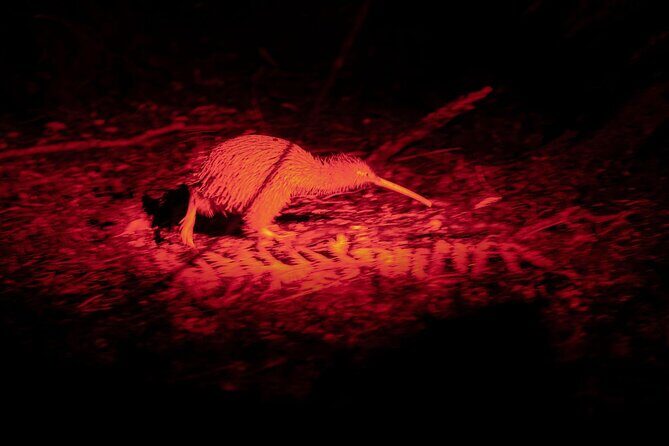
- Small group (10 max) so you’re not constantly losing people in the dark.
- Two kiwi search moments: one at Little Glory Cove and another around Oneke and The Neck.
- Torchlit forest and beach walking with specialist guidance and warm hot drinks.
- Wildlife first, kiwi later on a return cruise as the sun drops over nearby islands.
- Moderate fitness needed for about 2 hours total walking on uneven, muddy ground.
Stewart Island at dusk: the real reason this kiwi tour feels special
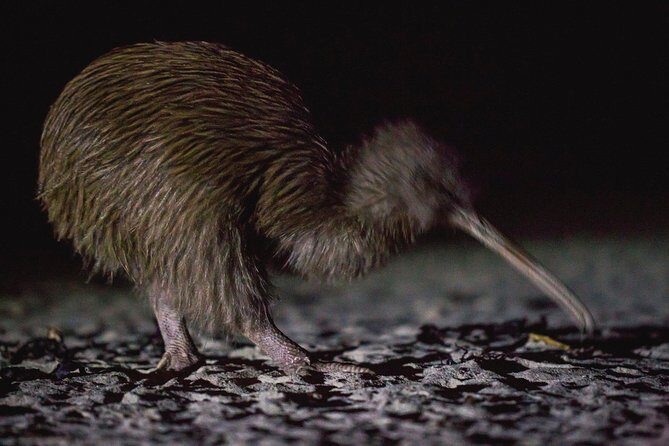
This isn’t a quick stop at a viewing spot. The structure matters. You get out onto the water before full night, then shift into a torchlit search when the forest is alive but visibility is low.
I like that the night doesn’t start with the hardest part. The cruise time gives you a chance to settle in, spot seabirds and marine life, and start learning the island’s “where to look” rhythms before you head into the bush.
You can also read our reviews of more tours and experiences in Stewart Island.
The Oban boat cruise: seabirds, penguins, seals, and sunset light
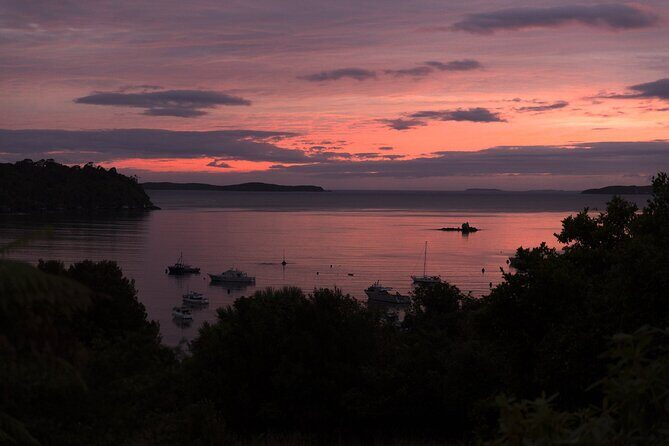
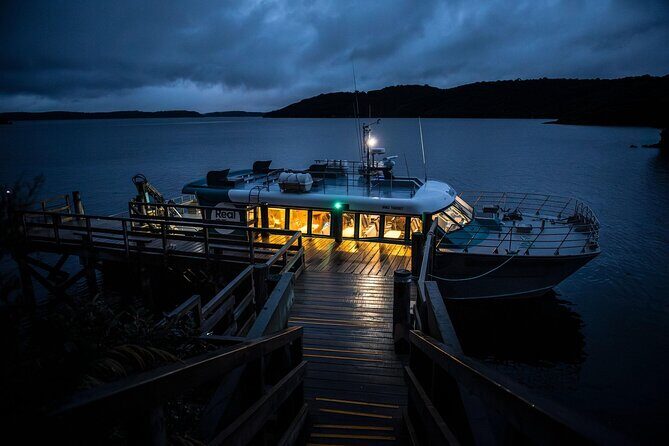
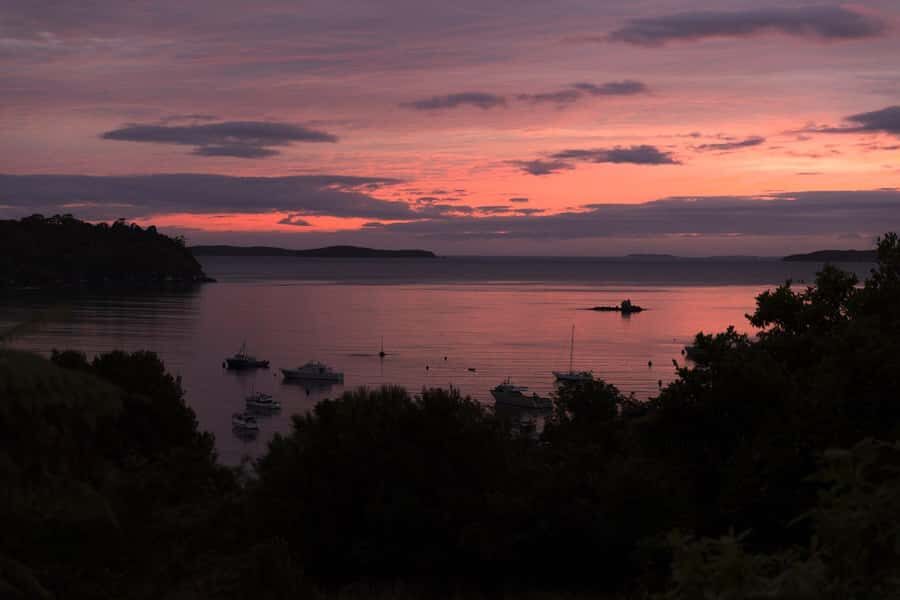
You depart from Oban’s Visitor Terminal, and you’ll want to show up about 20 minutes early so the group boots up calmly. The timing is built around low light: the cruise starts about 1.5 hours before night falls, and the viewing window stretches as the sun sets.
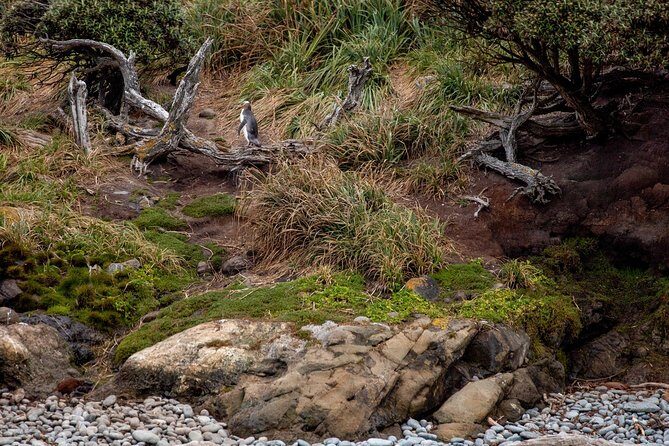
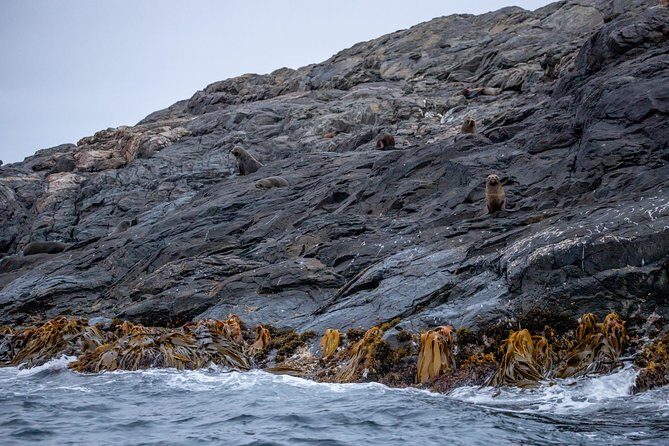
This is where you can stack the fun. Even if the kiwi is elusive, the boat portion is designed for the coast’s wildlife show, including sightings like penguins, seals and sea lions, and seabirds such as albatross. In past trips, people also reported species like yellow-eyed penguins (hoiho), little penguins (kororā), and fiordland crested penguins (tawaki) on the island-side beaches you pass and the places you cruise around.
One practical tip that shows up in real-world experiences: keep your filming and movement quiet once you’re off the boat and in the kiwi forest. Some guides specifically warn that loud outer gear can spook wildlife and makes the walk feel noisier than it needs to be.
Little Glory Cove torchlit walk: reading tracks, not just hoping
After the cruise portion, you head to Little Glory Cove for a guided torchlit walk through forest and beach. This is the kiwi-search phase where you need patience and body awareness. The track can be uneven and muddy, so your footwear matters more than your fashion choices.
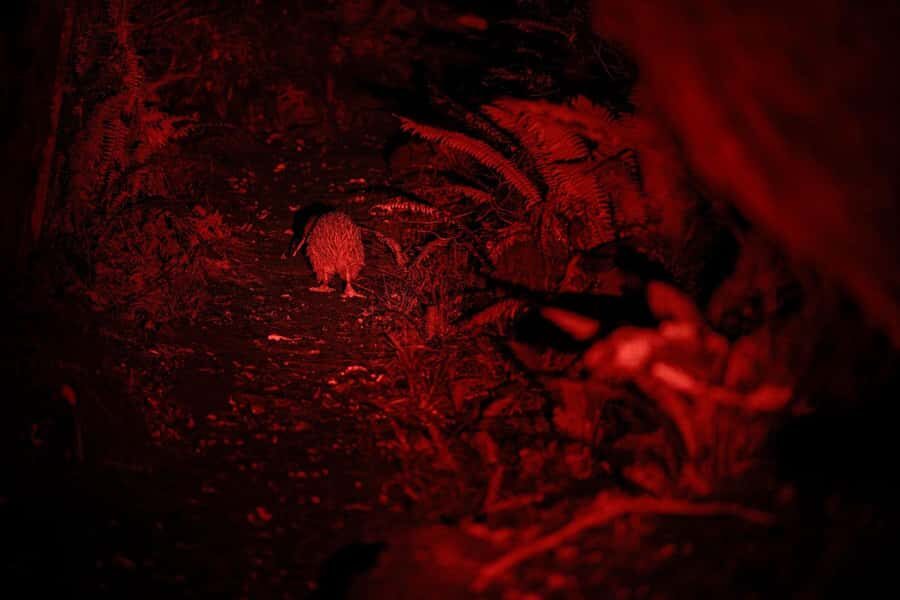
The guides use specialist knowledge to help you understand what you’re seeing: kiwi behavior, signs on the ground, and how to position people so one sighting doesn’t turn into a noisy crowd pushing forward. In many evenings, the kiwi shows up close enough for a real moment, not just a quick flash in the distance.
You’ll also be operating at low light. That’s why they provide equipment like torches/flashlights, and why flash photography isn’t allowed. Flash is the fastest way to ruin the scene for everyone and the moment for the bird.
Oneke and The Neck: where the story makes the night make sense
The second kiwi search shift ties together nature and culture. As day turns into full night, you’ll explore Oneke, then spend time at The Neck, a place shaped by Māori and European heritage and marked by dramatic coastal views.
This isn’t just a tour narration. The point is to orient you so you understand why the island’s ecosystems and human history overlap here. When you hear the background before you start searching again, you tend to pay closer attention to the surroundings instead of treating the night like a scavenger hunt.
You’ll also get a warm drink in a traditional whare before the night-time search. That small comfort is more than cute: on a cold, damp island night, it helps you stay calm and still while your guide reads the forest.
Searching for tokoeka (southern brown kiwi): what you should realistically plan for
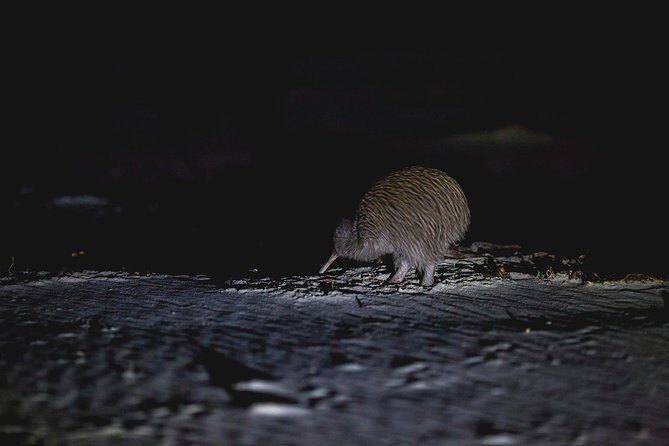
Here’s the honest heart of it: kiwis are wild. Even with expert staff and the right timing, there’s no 100% guarantee you’ll see one.
That sounds harsh until you understand how the experience is set up. The guides are trying to increase your odds, but the thrill is also in the act of searching—listening, moving carefully, and knowing when to stop. Several past groups ended the night with close sightings, including moments where the bird came very near the group and stayed long enough for everyone to watch.
Still, you should plan your expectations in a practical way:
- You might see one kiwi, or you might see more than one.
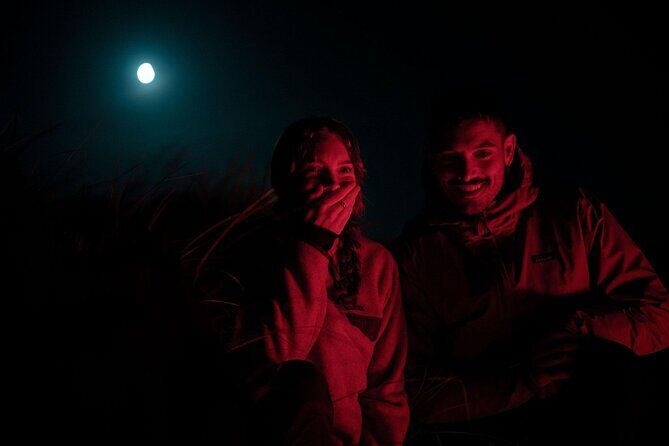
- Some nights come with strong luck; other nights reward you with the whole wildlife-and-night-sky package instead.
- If you don’t spot a kiwi, the experience doesn’t get refunded. Instead, $20 per person is donated to conservation projects at Little Glory Cove, which is part of how they keep the search work tied to long-term protection.
Gear, fitness, and the small rules that protect the moment
This walk is not a stroll. You need a reasonable fitness level, and the route can include uneven, muddy ground. The walking time adds up to about 2 hours total, split across the two kiwi-search segments.
If walking independently for more than 1.5 km along uneven ground is hard for you, this won’t be a good fit. It’s also not suitable for children under 15 and not set up for wheelchair users.
What to bring is simple and specific:
- Warm clothing (layering beats one bulky item)
- Hiking shoes with grip for mud and uneven earth
- Rain gear since the island can turn damp fast
- Insect repellent
And once you’re in the forest, keep movements steady and quiet. Even small habits—like rustly outer layers—can matter when the goal is to see something skittish.
Guide impact: why small groups matter for kiwi sightings
A lot of kiwi tours talk. This one is built around guiding. The small group size (limited to 10 participants) changes how the night works: you get more attention, better spacing, and fewer people crowding around the same moment.
Past evenings show a pattern: guides do a lot of behind-the-scenes management so everyone gets a fair viewing window. When kiwis show up, you’re not just the first person at the front. Guides help reposition people quietly so you’re not watching the event through someone else’s shoulder.
Also, many groups mention how the guide team brings both wildlife facts and calm leadership. Names you may see associated with past nights include Natasha, Karen, Jen, Sarah, Jaq, India, and a skipper such as Nic Marshall. You won’t control who you get, but you can feel the professionalism in how the evening runs.
Price and value: is $154 worth it?
At $154 per person for about 4 hours, you’re paying for more than a walk. You’re paying for:
- A return sea cruise from Oban
- A specialist guided nature walk
- Night gear like torches/flashlights
- Warm drinks (cocoa, tea, and coffee are included) and biscuits
The best way to judge value is to ask what you want your night to deliver. If your priority is the cruise and the chance to see marine life plus seabirds, you’re already getting a full wildlife experience even before the kiwi search.
If your priority is only kiwis, the decision needs a tougher lens. You’re paying for guided searching, not a ticket to a guaranteed sighting. The donation of $20 per person to conservation projects helps offset that risk ethically, but it still means you should mentally prepare for the possibility of no kiwi.
For many people, that uncertainty is part of why the tour feels worth it. For others, it’s the one thing that might sting. Decide based on your comfort level with wild-animal randomness.
Weather, timing, and why late return affects your plans
Departures are weather dependent, and on Stewart Island that can be a big deal. If conditions are rough, the tour may shift or not run. The good news is the schedule is designed for evening viewing, which means you’re not waiting all day for a tiny night window.
The other planning point is the end of the day: the return to Oban is late. You’ll need pre-arranged accommodation for that evening so you’re not scrambling at the dock in the dark.
If you’re the type who likes tight itineraries, loosen up here. This is an island evening, not a timed city show.
Who should book this Wild Kiwi tour
This is a strong match if you:
- Want night wildlife in a remote setting, not a roadside stop
- Can walk in the dark on uneven, muddy ground
- Enjoy guided interpretation, especially when it connects nature with cultural context
- Appreciate small group tours with serious attention to spacing and quiet
It may not fit if you:
- Need step-free or fully even surfaces
- Can’t handle walking for about 2 hours total
- Are traveling with children under 15
- Get too stressed by the idea of potentially leaving without a kiwi sighting
Should you book Wild Kiwi Experiences on Stewart Island?
If you’re flexible, warmly dressed, and okay with wild-animal uncertainty, I think this is an easy yes. You’re not buying only the kiwi outcome. You’re buying a guided night on Stewart Island that combines a marine cruise, torchlit forest searching, and cultural context around Oneke and The Neck.
If the kiwi is your only must-see item and you’d be disappointed by a kiwi-free evening, consider that risk upfront. Then still ask yourself a second question: are you the kind of traveler who enjoys the hunt, the starlit quiet, and the chance to see penguins and seals along the way? If yes, book. If not, you’ll enjoy the island more by choosing a different style of day.
FAQ
Where does the tour start?
The experience departs from the Visitor Terminal in Oban on Stewart Island. Arrive about 20 minutes before the activity starts.
How long is the experience?
The duration is 4 hours.
What’s included in the ticket price?
You get a round-trip cruise, a guided nature walk with a specialist guide, torch/flashlight, and complimentary cocoa, tea, and coffee.
What should I bring for the night kiwi search?
Bring warm clothing, hiking shoes, rain gear, and insect repellent. Flash photography is not allowed.
Is a kiwi sighting guaranteed?
No. Kiwis are wild and unpredictable, and there is no 100% guarantee of a sighting.
Do I need accommodation for that evening?
Yes. The tour has a late return to Oban, so you need pre-arranged accommodation for that night.
Is the walk suitable for everyone?
The tour requires reasonable fitness because tracks can be uneven and muddy. It is not suitable for wheelchair users, and children under 15 can’t join.