REVIEW · QUEENSTOWN
Tandem Hang Gliding
Book on Viator →Operated by SkyTrek Tandems · Bookable on Viator
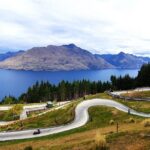
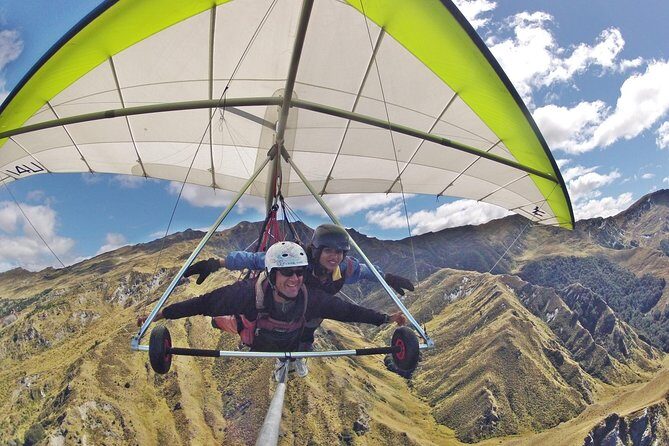
Queenstown from the sky is a quick way to reset your brain. This tandem hang gliding experience launches from Coronet Peak and floats you over forests, lakes, and mountain views around town, with an easy, pre-planned flow from start to finish.
I especially like that they handle the pickup and drop-off in central Queenstown, so you don’t need to figure out parking or a tricky drive up to the launch area. The second big win is the way pilots and guides focus on safety and comfort, including very hands-on, friendly instruction from pilots like Andy, Pablo, and Ian. One thing to keep in mind: this activity needs good weather, so you may need to shift plans if conditions aren’t right.
In This Review
- Quick Hits
- Tandem Hang Gliding Over Queenstown: What Makes It Worth Your Time
- Meeting at Camp Street and the Simple Ride to Coronet Peak
- Gear Up: Helmets, Harnesses, and the Briefing That Calms You Down
- The Flight: Launch, Glide, and a Clear Route to the Landing
- Landing and Getting Back to Town Without Losing the Momentum
- Small Group Size: Why Max 5 Travelers Matters
- Price in Context: Is $222.17 Good Value for Tandem Hang Gliding?
- Weather, Fitness, and Weight Limits (What You Need to Know Before You Go)
- Timing Tips and How to Make Your First Flight Smoother
- Should You Book SkyTrek Tandem Hang Gliding in Queenstown?
- FAQ
- Where is the meeting point for the tour?
- What time do I need to check in?
- How long does the whole experience take?
- Is transport included from Queenstown?
- What is included in the price?
- Are photos and videos included?
- What is the maximum group size?
- What fitness level do I need?
- What weight limits apply?
- What happens if weather is poor?
Quick Hits
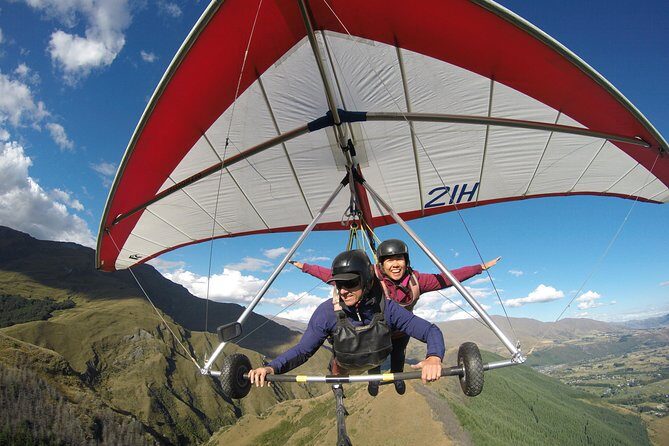
- Central Queenstown transport means no car headache before you fly
- Small group (max 5) keeps the team focused on you
- 30-minute early check-in helps you get kitted up without rushing
- Coronet Peak launch gives you a dramatic start right away
- Landing on the valley floor (about 3.7 km away) keeps the route clear and controlled
- Weather dependent so build in a little flexibility
Tandem Hang Gliding Over Queenstown: What Makes It Worth Your Time
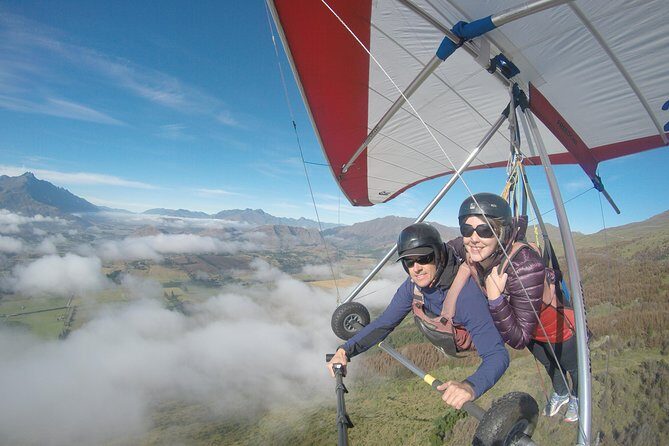
Queenstown has a way of pulling you toward the outdoors, and hang gliding is one of the most direct ways to experience the region’s scale. From Coronet Peak, you’re high enough to see how lakes, ridgelines, and forest blocks fit together. From down on the street, it’s impressive. From up there, it feels bigger, calmer, and oddly quiet.
I like that this is a true tandem setup. You’re not managing the equipment or trying to learn fast. Your pilot handles the key decisions, while you focus on relaxing, listening, and following the briefing. It’s a great option if you want the thrill of flight without turning your day into a training course.
The tone matters too. A theme in the experience is that it doesn’t have to feel scary. People describe it as serene—less like panic, more like moving with the wind. That mindset helps a lot, especially if you’re the type who wants confidence before you commit.
You can also read our reviews of more tours and experiences in Queenstown.

Meeting at Camp Street and the Simple Ride to Coronet Peak
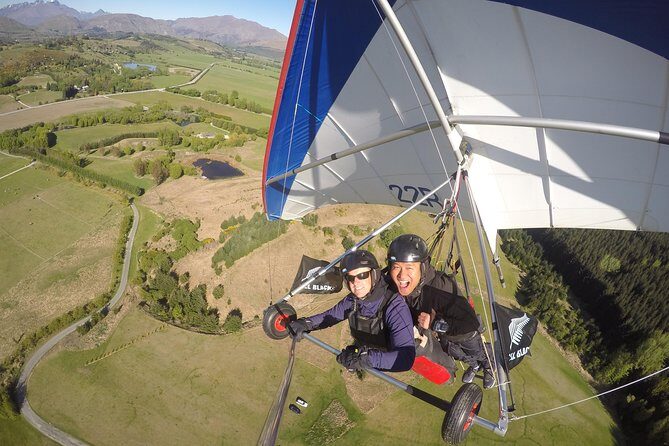
You start at 1/45 Camp Street, Queenstown. Plan to check in 30 minutes before your booked time at the Skytrek desk. This buffer is practical: it gives you time to sign in, get sorted, and keep the schedule running smoothly for the whole group of up to five.
Then comes the part you’ll likely appreciate: you’re taken to the launch area on Coronet Peak in an air-conditioned courtesy vehicle. The drive is short—about 20 minutes—so you won’t feel like you spent your adventure stuck in traffic or wrangling gear.
Why this matters for value: the ride isn’t an add-on, and it reduces friction. If you’ve ever tried to self-organize transport to a remote launch point on a busy travel day, you know how easily plans get messy. Here, it stays organized so you can spend your energy on the flying part.
Gear Up: Helmets, Harnesses, and the Briefing That Calms You Down
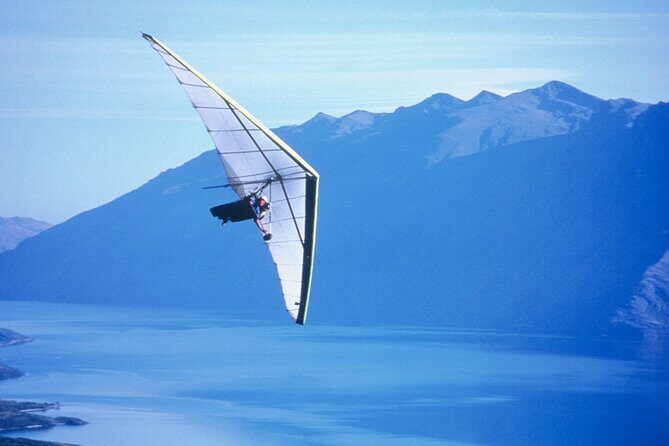
Once you arrive at the launch area, the team gets everything ready while you’re fitted with a helmet and harness. You’ll also go through a briefing with your pilot, which is where most of the “will I be okay?” questions get answered.
I like that this is structured. The day doesn’t throw you straight into action. Instead, you hear what to do and what to expect before you’re in the air. If you tend to overthink, this kind of upfront guidance is a relief.
Also, there’s a real difference between being told safety information and feeling cared for. Pilots and guides here come across as diligent about making sure you understand your role. In past flights, people have called out the attention to safety and the way guides help them feel at ease from the moment they arrive.
Practical tip: wear clothes you’re comfortable moving in. You don’t need special gear, but you do want to be warm and practical, since you’ll be outdoors and you’ll be wearing a helmet for a while.
The Flight: Launch, Glide, and a Clear Route to the Landing
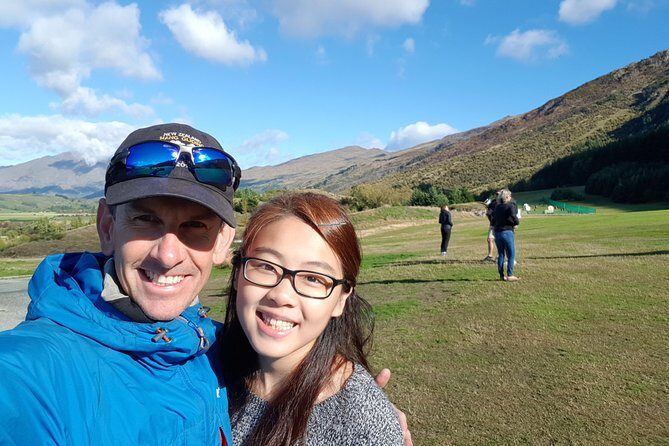
The launch is from Coronet Peak Ski Area, and your pilot flies the whole show. The experience is designed around a straightforward pattern: you take off, glide over the views, then land on the valley floor about 3.7 km away from where you started.
That distance is worth noting because it gives you a mental picture. You’re not guessing whether it’ll be a quick hop or a long mystery flight. It’s a route that’s planned and repeatable, which usually translates into smoother timing and less stress.
In the air, expect the feeling people talk about most: it’s not just the height. It’s the sensation of moving with the wind. One pilot’s style, described in feedback, focuses on balance—balancing your own power and then balancing with the wind. Even if you don’t treat it like a lesson, that framing helps you relax. You stop fighting the experience and start reading it.
If you’re coming from something like a nervous first-time jump or a roller coaster mindset, adjust your expectations. This is about gliding and controlling your comfort level through communication with the pilot. Think cooperation, not conquest.
Landing and Getting Back to Town Without Losing the Momentum
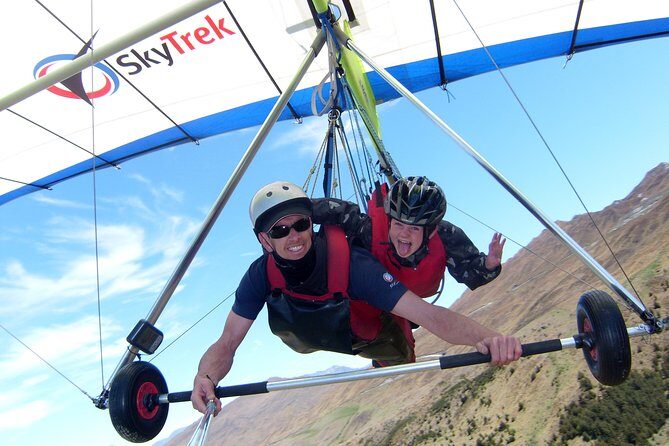
Landing happens on the valley floor, after which the team packs up the equipment. Then you’re back in the vehicle for the ride to town, where the activity ends back at the meeting point.
This “fly, land, pack, back to town” flow is part of what makes the experience easy to slot into a Queenstown day. With about 1 hour 30 minutes total time (approx.), you can plan other activities around it without needing a whole day buffer—though I’d still keep some flexibility because weather can affect flight timing.
One more small detail that’s easy to overlook: the experience includes a pilot, the hang gliding flight, and the air-conditioned vehicle. So you’re not juggling logistics at the end, which is when a lot of tours start to fall apart.
Small Group Size: Why Max 5 Travelers Matters
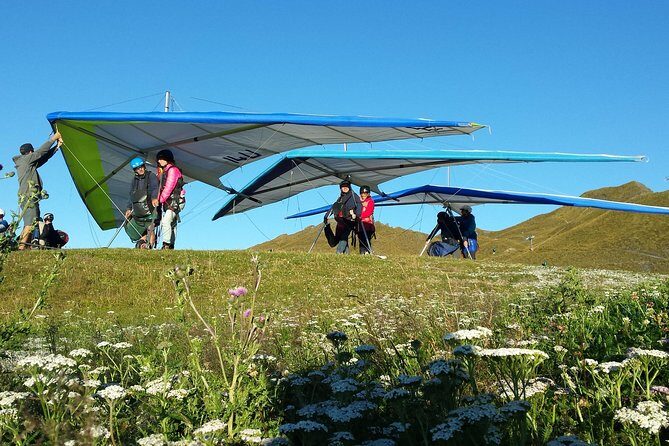
The group limit is maximum 5 travelers, which means you’re not competing for attention. In practice, this matters during check-in and fitting, and it especially matters during the pilot briefing. You’ll get more time to ask questions and more direct handling with your harness and helmet.
I like that the team is set up for individual care. People mention that guides are professional and responsive, and that pilots explain things in a way that makes first-timers feel comfortable. Names like Andy, Pablo, and Ian show up in the feedback, and the consistent theme is friendly professionalism rather than rushed, “one size fits all” instruction.
If you hate being processed, this small-group setup is a big plus.
Price in Context: Is $222.17 Good Value for Tandem Hang Gliding?
At $222.17 per person, this isn’t the cheapest thing in Queenstown. But the value is clearer when you line up what’s included: your pilot, the hang gliding flight, and transport from and back to central Queenstown in an air-conditioned vehicle.
If you were to self-arrange transport and then pay for a pilot-guided flight anyway, the total often climbs quickly. Here, you pay for the full package—time, equipment, staff, and the flight itself—without needing to handle the hard parts.
Is it worth it? If you want a highlight that feels genuinely different from scenic lookouts, yes. Hang gliding gives you a perspective you can’t replicate with a camera or a drive. And the “not scary, serene” theme is important too: if you’re nervous, this format can be a smarter choice than something more independent.
What’s not included are optional photos and videos. If you want a keepsake, plan on paying extra for that service later (or skip it if you’re bringing your own camera).
Weather, Fitness, and Weight Limits (What You Need to Know Before You Go)
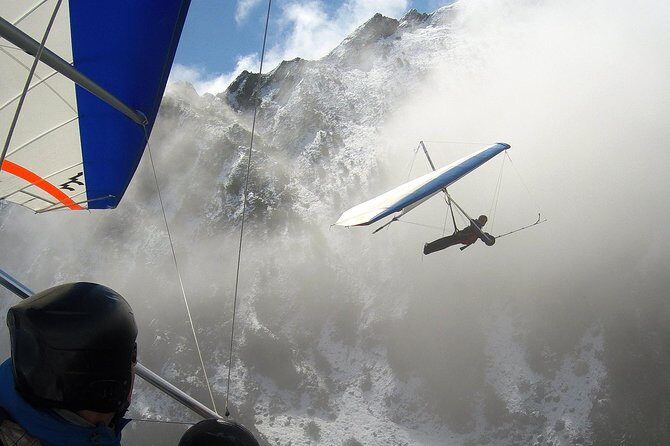
This experience requires good weather. If conditions don’t work, you’ll be offered a different date or a full refund. That’s one of those “annoying but honest” travel truths: outdoor flight depends on the sky you get that day.
You also need moderate physical fitness. The good news is that “moderate” usually means you’re not training for athletics—you’re just expected to be able to get through the setup and handle the harness and boarding process comfortably.
There are weight restrictions too:
- 100 kg for Oct–Feb
- 90 kg for Mar–Apr
If you’re near the limit, you’ll want to double-check your booking dates and your own weight before committing.
Practical advice: bring layers. Queenstown conditions can change quickly, and you’ll want to be warm while waiting around for setup and weather windows.
Timing Tips and How to Make Your First Flight Smoother
You’re scheduled for your booked time, with a 30-minute early check-in requirement at the Skytrek desk. That means the best strategy is to plan an easy, low-stress morning or afternoon around it.
If you’re trying to fit this into a packed itinerary, give yourself breathing room. Weather can change, and the launch window matters. Keeping nearby plans flexible is the easiest way to avoid disappointment.
Also, think about photos. Optional photo/video services aren’t included, so if you want aerial images, ask ahead of time (or at check-in). Some people love immediate keepsakes; others prefer to skip extras and rely on their own memory.
Finally, mentally prepare for a different rhythm than typical sightseeing. Your “activity” time includes setup, harnessing, briefing, flying, landing, and packing. That’s why the 1.5-hour total feels like a real experience rather than a quick ticket ride.
Should You Book SkyTrek Tandem Hang Gliding in Queenstown?
If you want one of Queenstown’s most memorable experiences—and you like the idea of being guided by a skilled pilot in a small group—this is a strong booking. The central pickup, the max 5 travelers, and the clear flow from fitting to flying make it feel efficient and well cared for.
Book it especially if:
- you want a first-time flight experience without handling the controls
- you prefer calm, safety-focused instruction (guided by pilots like Andy, Pablo, and Ian)
- you’d rather avoid a DIY drive to a remote launch point
Hold off (or stay flexible) if:
- you’re on a super tight schedule with no weather wiggle room
- your weight falls near the seasonal limit and you need certainty
FAQ
Where is the meeting point for the tour?
You meet at 1/45 Camp Street, Queenstown 9300, New Zealand.
What time do I need to check in?
You should check in at the Skytrek desk 30 minutes before your booked time.
How long does the whole experience take?
The duration is about 1 hour 30 minutes (approx.).
Is transport included from Queenstown?
Yes. The experience includes pickup and drop-off from central Queenstown and uses an air-conditioned vehicle.
What is included in the price?
The price includes a pilot, the tandem hang gliding flight, and the air-conditioned vehicle.
Are photos and videos included?
No. Optional photos & videos are not included.
What is the maximum group size?
This activity has a maximum of 5 travelers.
What fitness level do I need?
You should have a moderate physical fitness level.
What weight limits apply?
There is a weight restriction of 100 kg for Oct–Feb and 90 kg for Mar–Apr.
What happens if weather is poor?
This activity requires good weather. If it’s canceled due to poor weather, you’ll be offered a different date or a full refund.