REVIEW · AORAKI MOUNT COOK NATIONAL PARK TE WAHIPOUNAMU
The Adventurer: Tasman Glacier Heli-hike
Book on Viator →Operated by Mt Cook Glacier Guiding · Bookable on Viator
One glacier. Two helicopter rides. One big grin. The Tasman Glacier Heli-hike turns you into a short-time glacier explorer with crampons, a guided walk on the ice, and views of Aoraki/Mt Cook from above. You don’t just look at the glacier from the road—you land high on the ice and move around where most people will never go.
I love how fast this gets you to the action. In about three hours, you’ll go from Mount Cook Airport to a glacier landing, suit up, and get out on the ice with a guide cutting steps for your group. I also really like the value of the small group setup (max 11): you get more attention, more safety checks, and more chances for photos without feeling rushed.
The main drawback is the price. At $572.23 per person, this is a premium outing, and you’re paying for helicopter access plus a guided experience in changeable weather and rough conditions.
In This Review
- Key things that make this heli-hike work
- From Mount Cook Airport to a real glacier landing
- Suits up fast: boots, socks, and cold-weather protection
- The glacier hike: crampons, step-cutting, and ice formations
- What you might see on the ice (ice caves, tunnels, and blue-white pockets)
- Why the helicopter fly-by of Aoraki/Mt Cook hits so hard
- Time on the ground: why the pacing feels premium
- Price: what you’re really paying for at $572.23
- Gear checklist: what to pack when the tour already gives you boots
- Weather and safety: the reality of glacier conditions
- Who should book the Tasman Glacier Heli-hike
- Should you book this heli-hike?
- FAQ
- How long is the Tasman Glacier Heli-hike?
- Where does the tour start?
- What’s included in the price?
- What should I bring?
- Are crampons provided?
- Is the tour suitable for beginners?
- What happens if the weather is bad?
- Is the group small?
- What if I arrive late or miss the departure time?
- Can I cancel for a refund?
Key things that make this heli-hike work
- Small group size (max 11) helps the guide manage pace, safety, and gear checks.
- Two scenic flights mean you get the view on both the way in and the way back.
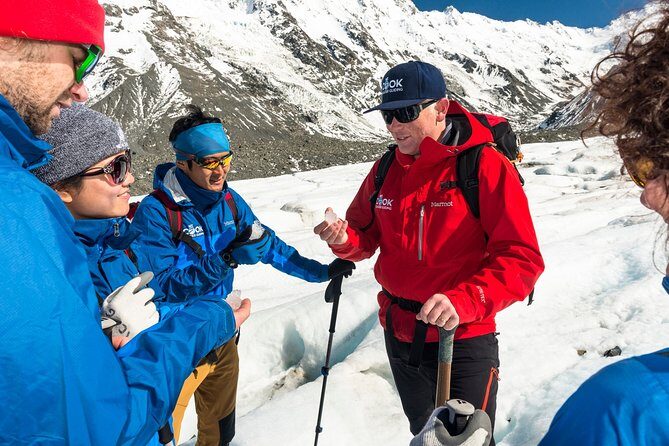
- Proper cold-weather kit is provided: leather boots, wool socks, waterproof outer layers.
- Crampons and step-cutting let you walk on ice terrain that’s otherwise a major logistical headache.
- Aoraki/Mt Cook fly-by adds a classic Mount Cook moment without extra driving.
From Mount Cook Airport to a real glacier landing
This tour starts at Mount Cook Airport on Mount Cook Road. That matters because it keeps the experience focused. Instead of spending hours on rough roads to reach a trailhead, you get a tight schedule built around helicopter flight times.
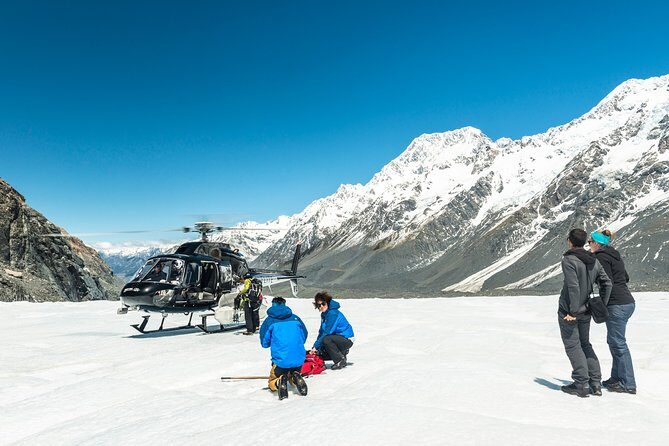
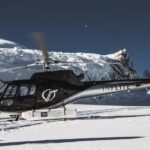
Then the trip kicks into gear. You’ll take a round-trip helicopter flight that’s designed for views and a glacier landing high up on the Tasman Glacier. Once you’re down on the ice, you’re not stuck at the edge. You’re set up to move across real glacier terrain.
I think this is the secret sauce: heli travel is not just transportation here. It’s the way the operator gives you an experience that would be far more exhausting (and time-consuming) if you had to reach the same ice areas on foot from the valley.
You can also read our reviews of more hiking tours in Aoraki Mount Cook National Park Te Wahipounamu
Suits up fast: boots, socks, and cold-weather protection
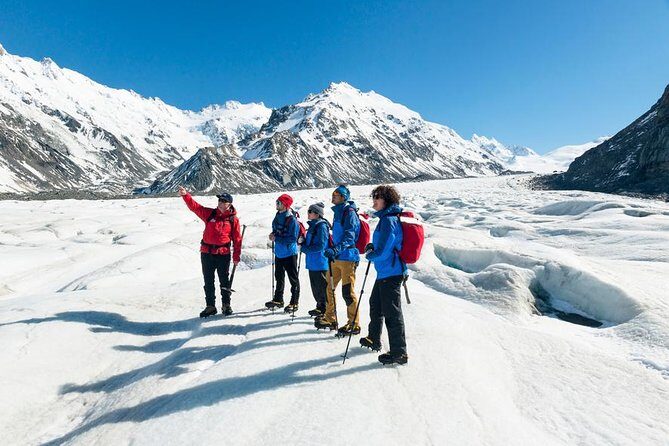
One of the best parts is that you’re not left guessing how to dress. The tour includes quality leather boots and woolen socks, plus a waterproof jacket and over-trousers. You’ll also have adjustable walking poles, and you may get a harness if required.
For you, that means less baggage stress. Bring your layers and your sun protection, but you can travel lighter on the bulky cold-weather items. A common mistake on glacier trips is showing up bundled in the wrong combo—warm up top, frozen legs, or clothing that soaks through. Here, the essentials are provided, which makes your day feel more predictable.
Still, you’ll want to think like you’re going out in winter conditions. The tour asks for 3–4 layers for your upper body, warm trousers (no jeans), sunglasses/sun protection, plus a hat and gloves. Even on a clear day, glacier air tends to feel sharp.
The glacier hike: crampons, step-cutting, and ice formations
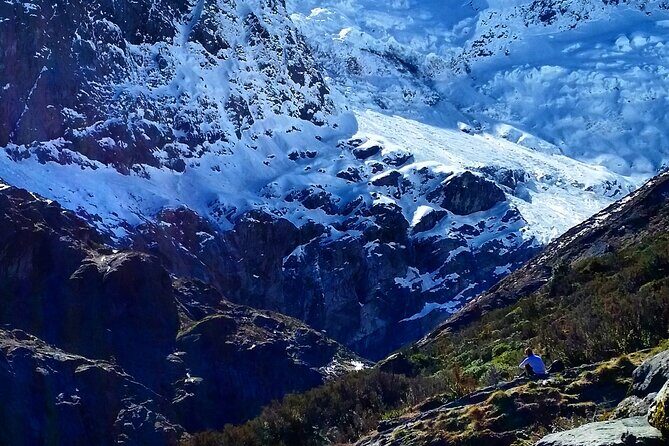
The heart of the experience is the guided walk on the glacier. You’ll be taken to a drop-off point on a remote section of the Tasman Glacier, roughly 4,265 ft. (1,300 m). At that altitude, conditions can shift quickly, and the ice can look different from one area to the next.
After you fit crampons (or snow shoes in winter), your guide leads the group across the ice formations and remote snow fields. A key detail here is how the guide handles the walking. They cut steps in the glacier so you can cross safely. That’s not a small thing. It turns the hike from a showpiece into something you can actually do without heroics.
You’ll also follow glacier rules of the day—where you stand, how you move, and how you pace your steps. Glacier walking isn’t hard in the cardio sense, but it demands attention. The tour asks for moderate physical fitness, which usually means you should be comfortable hiking on uneven ground and standing/walking steadily in cold air.
From the experience side, I love that you’re not just looking at ice. You’re walking through it, getting up close to the texture and shape of the glacier as your guide points out features and explains what you’re seeing.
What you might see on the ice (ice caves, tunnels, and blue-white pockets)
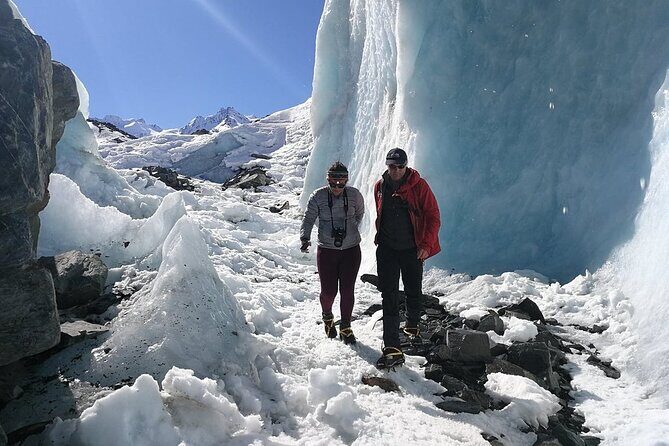
The tour description talks about exploring ice formations and remote snow fields. The best part is that this isn’t a generic stroll. On some outings, guides take groups to features that look straight out of a sci-fi nature documentary—things like ice caves or ice tunnels, and spots where the ice has that striking blue-white look.
In real-world terms, that might mean some scrambling over slushy edges, short descents into ice pockets, and a lot of stopping for photos. One person’s experience included going into a blue-white ice pocket with a descent of about ten feet, plus glacier-water fun like drinking it and making slushies from glacier ice. You shouldn’t count on the exact same moments each day, because glacier conditions change, but the overall promise—up-close ice features—fits the experience style.
Expect plenty of guide-led stops. The group needs time to move safely, and it also needs time to look. Several departures included pauses that made it easy to take photos without feeling like you’re rushing past the good stuff.
Why the helicopter fly-by of Aoraki/Mt Cook hits so hard
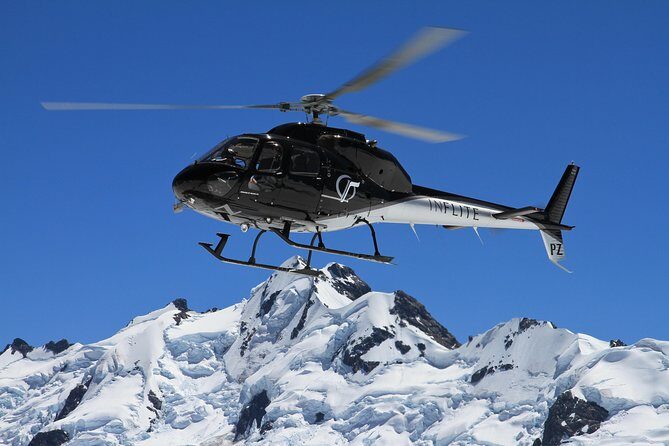
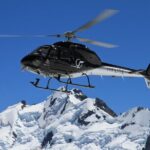
After the glacier hike, you’re back in the air for the return flight to the Mount Cook base area. The tour includes two scenic flights, and it’s specifically built around views of New Zealand’s highest peak, with a spectacular fly-by of Mount Cook (Aoraki).
This is where I think a heli-hike often beats a drive-and-look-from-the-road day. From the air, you get scale fast. Peaks look sharper, valleys look deeper, and the glacier system looks connected instead of isolated. Even if you’ve already seen Aoraki/Mt Cook from a viewpoint, you’ll likely see it again in a new frame.
Small details help too. Some groups report being worked into better seat positions during the flights so more people get solid window or front-seat views. That’s the kind of comfort factor that makes a huge difference on a short, high-cost day.

Time on the ground: why the pacing feels premium
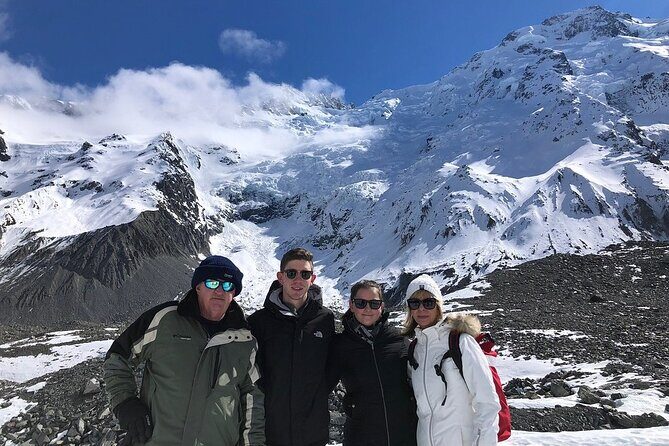
Your total duration is about 3 hours (approx.). That short window is part of the value calculation. You’re not spending half a day just getting there and back. You’re getting two flights plus a meaningful guided hike, so the time you pay for is time spent doing the thing.
On glacier days, weather can create delays in a way that feels stressful, but the operator manages it with safety-first decisions. Several people noted that the day could hinge on whether it was safe to fly, and that updates come as they work toward a go/no-go moment. Translation for you: build flexibility into your Mount Cook schedule. If you have tight connections right after, keep a buffer if you can.
Also, note the scheduling reality: helicopter timing is strict. If you miss your departure time and they can’t resell the seat, you can be charged the full cost. So arrive early and treat this like a flight, not a casual tour with a wide arrival window.
Price: what you’re really paying for at $572.23
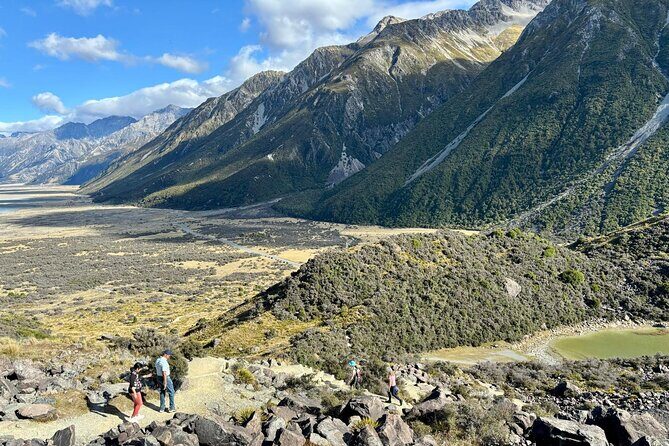
Let’s talk money plainly. At $572.23 per person, this isn’t an entry-level activity. You’re paying for:
- Helicopter access to a high landing area on the Tasman Glacier
- A professional guide and safety management on technical ice terrain
- Included gear that keeps you warm and dry (boots, wool socks, waterproof outer layers, poles)
- A glacier route that would be a serious overland effort to reach
So is it worth it? If you want a classic “Mount Cook” day but with access you can’t replicate on your own, yes—this is one of the ways you pay for time, safety, and altitude without turning the day into an all-day logistical project.
If you’re price-sensitive or you already plan to do multiple hikes and tours in the region, you might feel the pinch. This is premium because it’s premium terrain plus premium transport. It’s also short, so the cost per hour can feel high unless the helicopter and guided ice time are exactly what you want.
Gear checklist: what to pack when the tour already gives you boots
The operator provides a lot, which is great. Still, you should pack for cold air, sun, and long minutes outside.
Bring:
- 3–4 layers for your upper body
- Warm trousers (no jeans)
- Sunglasses and sun protection
- Hat and gloves
- Drink and snacks
- A camera (you’ll want it)
The biggest practical tip: dress so you can adjust. In helicopter air, it can feel colder than you expect. On the ice, activity warms you up a bit, then wind hits again. Layering lets you fine-tune without overheating.
Weather and safety: the reality of glacier conditions
This experience requires favourable weather. If it’s canceled due to poor weather, you’ll get either an alternative date or a full refund. That’s a fair approach for glacier terrain, because the key question is whether it’s safe to fly and safe to hike.
Also, remember: you’re on a working glacier. Ice moves, surfaces crust, and conditions vary. That’s why step-cutting, fitted footwear, and guide-led movement matter. You should treat instructions as non-negotiable. Several groups mentioned clear safety guidance, and that the guides took care with pacing and group control.
If you’re the type who hates uncertainty, you may find the weather waiting part uncomfortable. But if you’re okay with flexibility, this kind of safety-first tour tends to run well when the skies cooperate.
Who should book the Tasman Glacier Heli-hike
This is a strong fit if you:
- Want a once-in-a-lifetime glacier experience without an exhausting approach hike
- Appreciate being guided in a technical environment (crampons, ice steps)
- Like photography and want a short timeline that still delivers a lot of ice time
- Have moderate hiking fitness and can handle cold-air outdoor walking
It’s a less perfect fit if:
- You’re very concerned about spending a premium amount for a short outing
- You have limited tolerance for cold or for the idea that weather might affect the plan
- You’re not comfortable following safety instructions and moving carefully on uneven terrain
Should you book this heli-hike?
I’d book it if you want maximum “wow” with minimum logistics. Two helicopter flights, landing right on the Tasman Glacier, and a guided hike that lets you see ice formations up close is exactly the kind of high-impact travel day you remember later.
I’d think twice if $572.23 feels too steep for your budget or if your schedule doesn’t allow for weather delays. This experience works best when you treat it like a flight day: arrive early, dress for cold, and keep your other plans flexible.
If you’re coming to the South Island for real glacier access and you’re okay paying for it, this one is easy to justify. You’re buying the helicopter time and the guided ice expertise—then getting the views of Aoraki/Mt Cook to top it off.
FAQ
How long is the Tasman Glacier Heli-hike?
It’s about 3 hours (approx.) total, including the helicopter flights and the guided glacier hike.
Where does the tour start?
It starts at Mount Cook Airport on Mount Cook Road, Canterbury Region 7999, New Zealand.
What’s included in the price?
Included are two scenic helicopter flights, a professional guide, quality leather boots and woolen socks, waterproof jacket and over-trousers, adjustable walking poles, and crampons (and/or snow shoes in winter). A harness may be included if required.
What should I bring?
Bring 3–4 layers of warm upper-body clothing, warm trousers (no jeans), sunglasses and sun protection, a hat and gloves, and also drink and snacks.
Are crampons provided?
Yes. Crampons are provided, and in winter you may use snow shoes instead (depending on conditions).
Is the tour suitable for beginners?
The tour asks for a moderate physical fitness level. It’s guided, but you will be walking on glacier terrain with crampons or snow shoes.
What happens if the weather is bad?
Subject to favourable weather conditions. If canceled due to poor weather, you’ll be offered an alternative date or a full refund.
Is the group small?
Yes. The tour has a maximum of 11 travelers.
What if I arrive late or miss the departure time?
Departure times can’t be delayed due to strict helicopter scheduling. If you miss your confirmed departure time and the space can’t be resold, you may be charged for 100% of the cost.
Can I cancel for a refund?
Yes. Free cancellation is available up to 24 hours in advance for a full refund. If you cancel less than 24 hours before the experience start time, the amount paid is not refunded.