REVIEW · TONGARIRO ALPINE CROSSING
Tongariro Alpine Crossing: Premium Guided Hike
Book on GetYourGuide →Operated by Adrift Tongariro Guiding · Bookable on GetYourGuide
One volcanic day hike, and you feel it. This guided crossing connects Mt Ngauruhoe and Mt Tongariro, with volcanic craters and route choices that help you see the big sights without getting swallowed by crowds.
I especially like how the trail keeps changing. You’ll move through volcanic craters and colored mineral rock, with details tied to sulphur, aluminium, silica, and other deposits you can actually spot up close.
One thing to know up front: this is weather-dependent, and reaching the Ketatahi end is not guaranteed. If conditions turn, your guide may modify the route for safety, even if it means not finishing the exact final section you had in mind.
In This Review
- Key highlights worth planning for
- Tongariro Alpine Crossing: what you’re really walking through
- Starting at Adrift Tongariro: the morning rhythm at 53 Carroll Street
- Volcanic craters and colored rock: the part you’ll want to slow down for
- Blue Lake and the Emerald Lakes: why these stops feel like a reward
- Native bush and springs: the calmer pockets that keep you steady
- The weather reality: route changes, wind, and the Ketatahi end question
- Gear and layers: what to pack so you don’t get cold, wet, or stuck
- Fitness and pacing: what “no alpine experience” actually means
- Price and value: what your $254 covers (and what it doesn’t)
- Who this guided crossing suits best
- Should you book this Tongariro Alpine Crossing guided hike?
- FAQ
- How long is the Tongariro Alpine Crossing premium guided hike?
- Where does the tour meet?
- What’s included in the price?
- Do I need alpine experience?
- Is reaching the Ketatahi end guaranteed?
- Is lunch or return transfer included?
Key highlights worth planning for
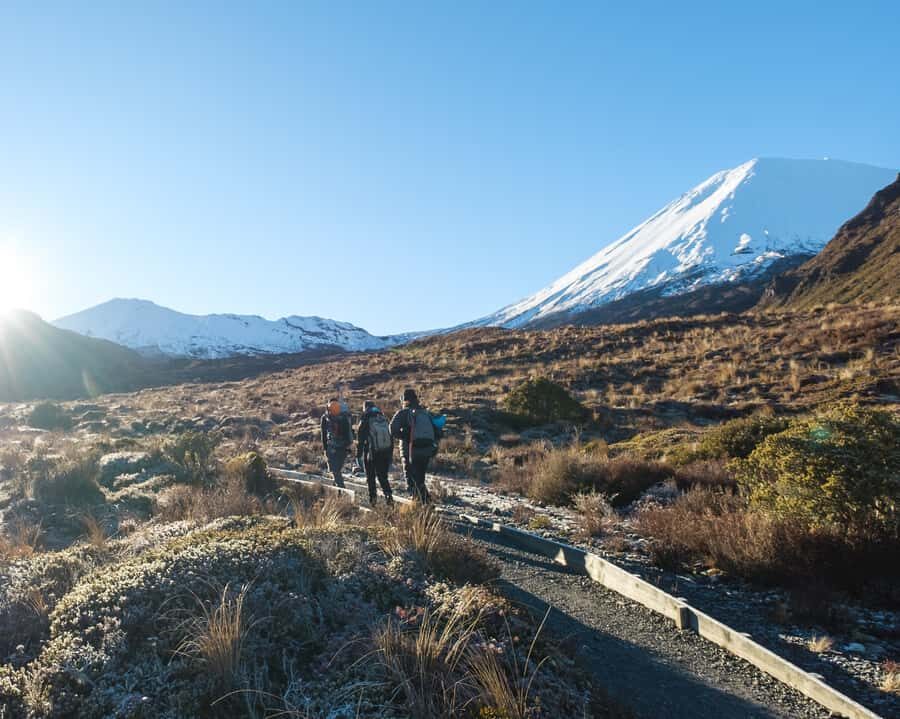
- Guided route options to reduce crowds without skipping the signature views
- Blue Lake and Emerald Lakes as the big visual payoff on the day
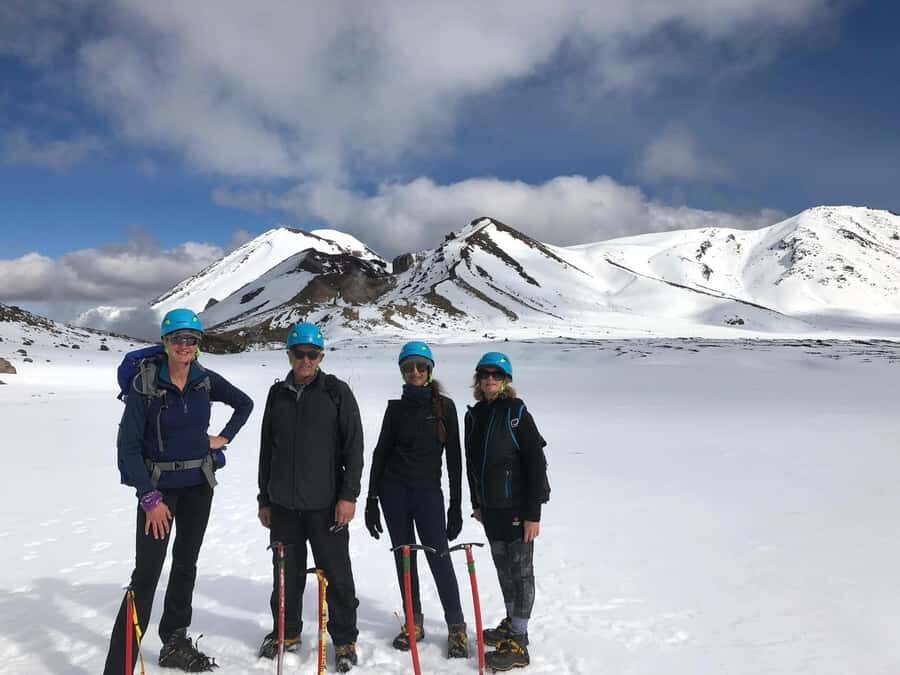
- Winter alpine gear included if needed (crampons and ice axes)
- Safety-first decision-making that can change what you hike that day
- A guide who adds meaning, with Maori culture stories shared by guides like Ty
- Real support when things go wrong, including help arranged for sick or struggling hikers
Tongariro Alpine Crossing: what you’re really walking through
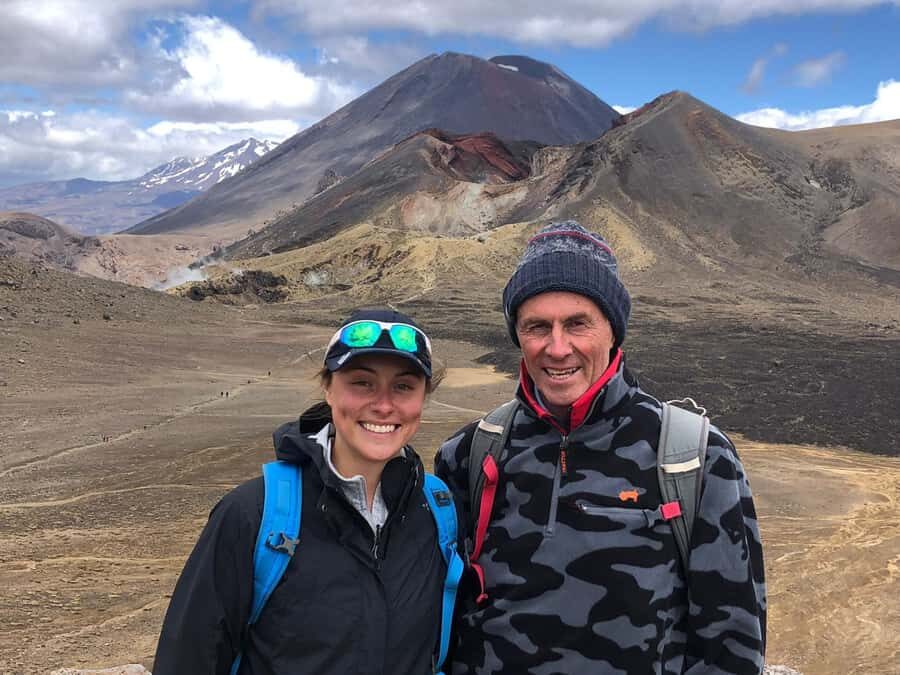
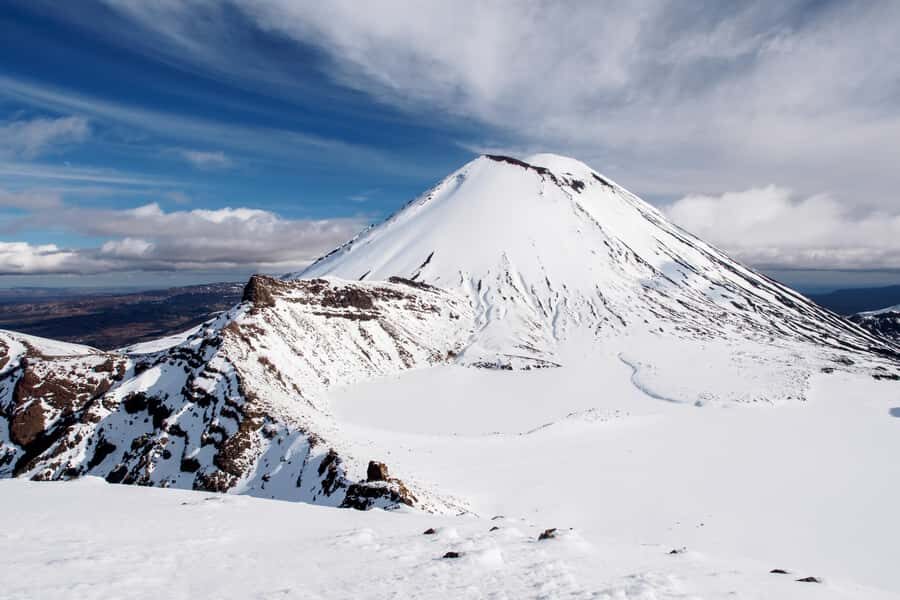
This is the kind of hike that feels like a guided geology lesson, but you’re moving the whole time. You’ll walk between Mt Ngauruhoe and Mt Tongariro, passing through craters shaped by different periods of volcanic activity. The ground is scoured volcanic rock, and the air can smell like sulphur near certain areas.
What I like best is that the scenery isn’t one-note. You get bursts of big, dramatic volcanic terrain, then you shift into sections with native bush and mountain springs. It’s a lot for one day, but the variety keeps your brain engaged when your legs start negotiating.
The other major draw is scale. You’re seeing multiple mountains—Mt Ngauruhoe, Mt Tongariro, and Mt Ruapehu in the wider mix—and all of it is tied to how the volcanic system has worked over time. It’s not just pretty. It’s explainable.
Starting at Adrift Tongariro: the morning rhythm at 53 Carroll Street
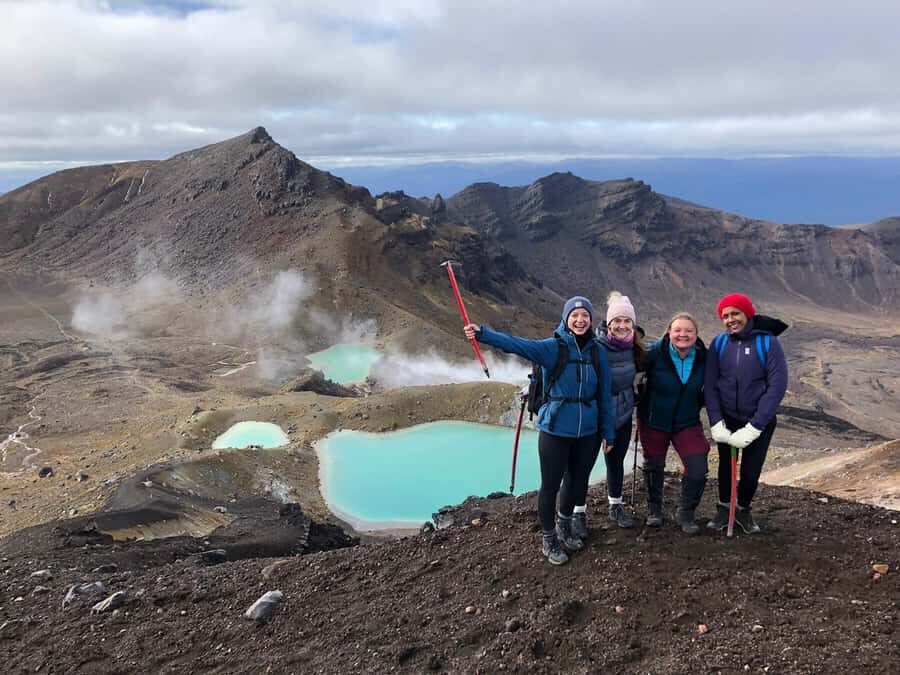
Most people remember the hike, but the morning setup matters more than you think. The experience meets at Adrift Tongariro Base and Shop, 53 Carroll St, National Park. Then you’ll hop on a van for about 25 minutes, which is long enough to get you oriented without dragging out your day.
Once you’re moving, your guide’s job is twofold: keep the group safe and keep the route realistic. The company specifically uses different route options to escape crowds when possible, so you’re not just marching down a single, fixed plan regardless of conditions.
Even better: you don’t need alpine experience. The day includes training and tuition, so if this is your first real mountain hike, you’re not being thrown into the deep end. (Your legs might still feel like it after, though. That part is universal.)
Volcanic craters and colored rock: the part you’ll want to slow down for
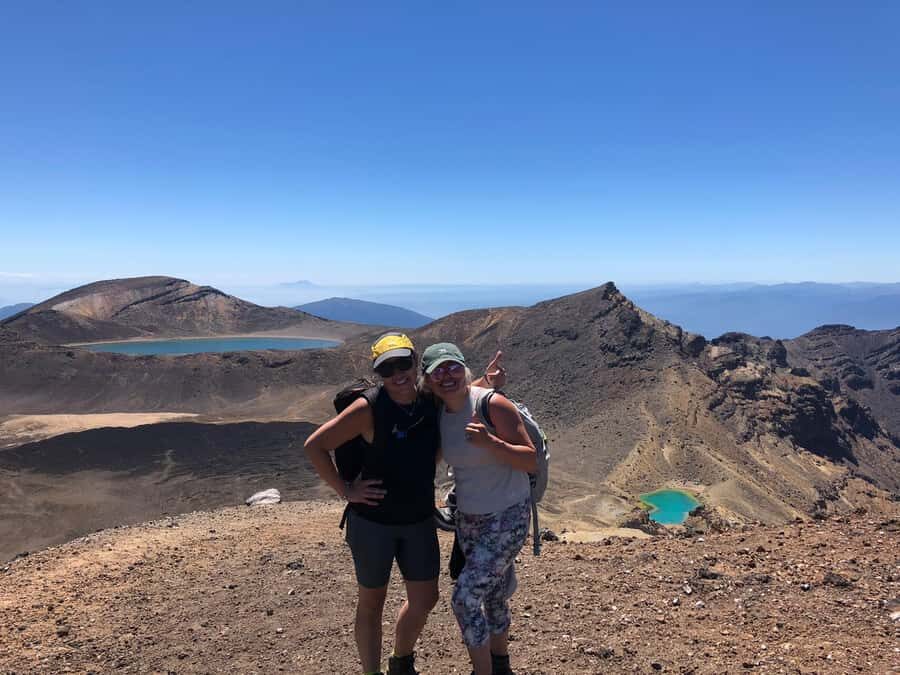
The heart of the Tongariro Alpine Crossing is the volcanic terrain. You’ll pass craters with different shapes and colors, created by volcanic events in different periods. Your guide helps you connect what you see—rock texture, mineral tones, and surface features—to why it looks that way.
You’ll also notice how the minerals affect the visual palette. The route is described as being peppered with different-colored and shaped craters, with colors created from sulphur, aluminium, silica, and other mineral deposits. That means the hike isn’t only about views in the distance; it’s also about the ground under your boots.
This is where a good guide pays off. Guides like Ty have shared Maori culture stories alongside the science, which makes the terrain feel less like a checklist and more like a place with layers of meaning. And if you’re the type who likes to understand what you’re seeing, you’ll appreciate the way guides connect details without turning the day into a lecture.
Blue Lake and the Emerald Lakes: why these stops feel like a reward
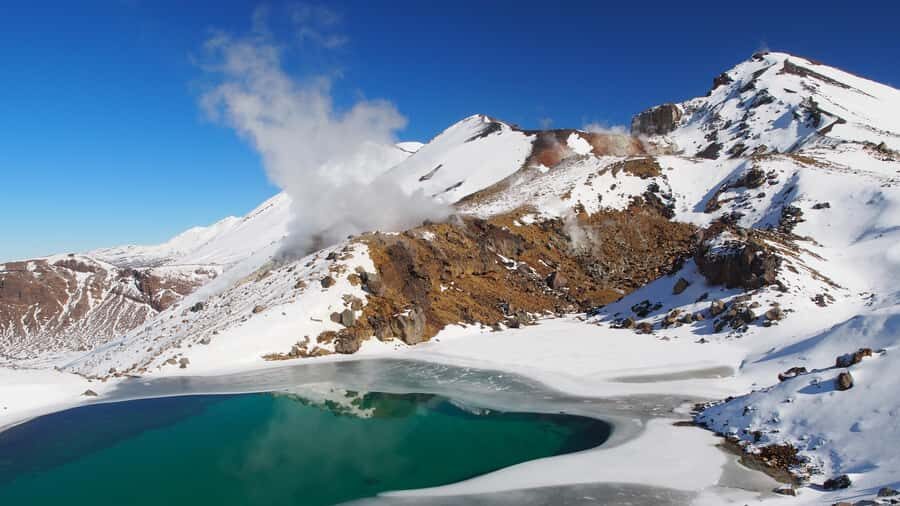
At some point, your effort starts to feel real in your body. That’s when the lakes change the mood. You’ll see Blue Lake and the Emerald Lakes as part of the crossing, and they’re the signature visual payoff.
These lakes matter because they sit in the middle of a volcanic world. Bright colors like emerald tones look almost too crisp compared with the scoured rock and crater terrain around them. It’s one of those “how is this even here?” moments, and you don’t need special skills to enjoy it—you just need to be present when your guide brings you there.
If the weather turns, lakes can still become emotional anchors. Even a cloudy day has value here, since the contrast between rock and water is still visible. One review story mentions the hike being modified due to terrible weather, yet the location still felt stunning enough to keep it from feeling like a washout.
Native bush and springs: the calmer pockets that keep you steady
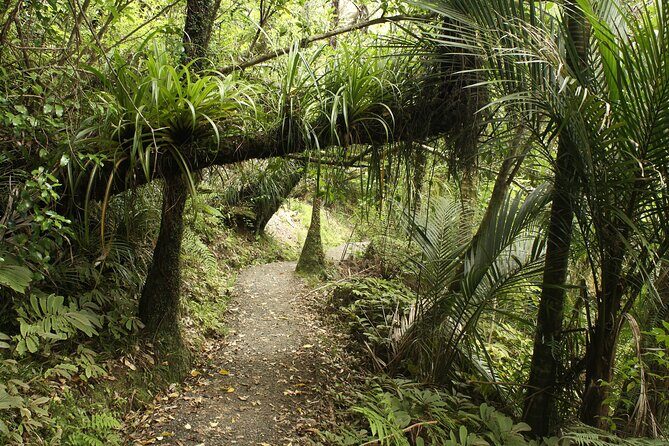
Not every minute is dramatic. The route includes beautiful New Zealand native bush and also mountain springs. These sections are more than a break from views—they’re a pacing tool.
When you’re tired, a quieter, greener part of the hike helps you reset your rhythm. Springs and bush areas tend to give you a different kind of sensory input: shade, texture, and steadier footing compared with more exposed volcanic stretches.
This matters for groups, too. The company accepts both individual and group bookings, and they manage real-world differences in pace. Guides also have experience adjusting stops to keep people safe and moving, especially when conditions shift.
The weather reality: route changes, wind, and the Ketatahi end question
Let’s be honest: Tongariro Alpine Crossing runs on weather. The plan can change for weather, avalanche, ice, and hypothermia risk, and your guide decides the exact route based on what’s safe that day.
Reaching the Ketatahi end is not guaranteed. That’s not a loophole; it’s part of how mountain guiding stays responsible. If conditions are rough, you may turn around earlier or take an alternative path that still hits the most important points.
Wind is another wildcard. One guide-served story notes that a gorge crossing might not be possible when wind gets very strong, and you won’t know until you’re up there. So keep your expectations flexible. If you treat this like a fixed route you must complete no matter what, you’ll be disappointed. If you treat it like a guided plan that protects you while aiming for the best outcome, you’ll have a better day.
In winter, conditions can mean snow-covered sections and gear upgrades. The guide keeps an eye on safety, and the operator supplies crampons and ice axes if required.
Gear and layers: what to pack so you don’t get cold, wet, or stuck
This hike is not just about stamina. It’s about staying functional as conditions change. The packing list is detailed because weather in the Tongariro area can shift fast.
For summer, you’ll want 1–2 litres of water, sunglasses, sun hat, sunscreen, rain gear, and packed lunch. Bring breathable layers so you can vent when you warm up, then seal up again when wind cools you down. Hiking shoes or boots matter, and a daypack is important for keeping your layers handy.
For winter, plan for more extremes. You’re still bringing 1–2 litres of water, but also thermal clothing, warm hats and gloves, over-trousers, and extra warm top layers. The operator may supply winter traction gear (crampons and ice axes) if needed, but your clothing still determines whether you feel human during stops.
One practical note from guide-driven experiences: even with rain gear, you can get soaked when conditions combine rain and snow. Layers are your insurance policy.
Also, expect soreness. One story notes that legs will ache the day after. That’s not a scare tactic; it’s normal for this kind of long, steep work.
Fitness and pacing: what “no alpine experience” actually means
You don’t need alpine experience, but you do need a reasonable fitness level. The company says training is given on the day, and you can discuss options if you’re concerned about your fitness before you start.
So what counts as “reasonable”? You should be comfortable with a long day of hiking, including sustained effort and uneven terrain. The crossing is described as not an easy walk, and experiences reflect that: first-time hikers can do it, but it’s hard work, especially on the descent.
Guides also support pacing. In one example, a guide helped a first-time hiker with sticks and gave proper snacks for fatigue. In another, a guide supported someone dealing with quad cramps by offering advice and energy options. That’s why a guided hike helps: you don’t just get a route. You get problem-solving on the move.
Price and value: what your $254 covers (and what it doesn’t)
The listed price is $254 per person for about 9 hours total time. The hike portion is about 8 hours, plus the van transfers.
Here’s what you’re paying for that makes the price feel more reasonable:
- A live guide who adjusts the plan for safety and conditions
- Transport between the base and the activity
- Winter gear support: crampons and ice axes if required
- $60 of clothing and footwear hire, which can save you from buying gear you’ll barely use
What’s not included:
- Lunch
- Return transfers from Taupo CBD, Turangi, or Whakapapa Village (available at a surcharge, and minimum 2 people)
If you’re arriving from places like Taupo or Whakapapa, budgeting for the extra transfers matters. Still, once you factor in guidance, safety gear support, and the clothing/footwear hire credit, this isn’t just a ticket to a trail. It’s a guided risk-managed day out in one of New Zealand’s most famous walks.
Who this guided crossing suits best
You’ll love this if you want:
- A guided way to do New Zealand’s best 1-day walk without second-guessing safety decisions
- A route that mixes volcanic craters, lakes, and native bush
- Support if you’re new to mountain hiking, since tuition is provided on the day
You might want to think twice if:
- You need a guaranteed endpoint, rain-or-shine. The Ketatahi end isn’t guaranteed
- You’re traveling with very young kids. It’s not suitable for children under 12
- You’re not ready for a strenuous hike. This isn’t a casual stroll, and the terrain plus changing weather makes it demanding.
If you’re traveling alone, the operator generally meets minimum numbers on good weather days, but private options might make sense if you want maximum certainty in harsh conditions.
Should you book this Tongariro Alpine Crossing guided hike?
Book it if your priority is doing the crossing with guide-led safety, strong route knowledge, and support on the hard parts of the day. The price feels fair when you use what’s included—especially the winter gear support and the $60 clothing/footwear hire credit.
Skip or reconsider if you can’t handle uncertainty around weather-driven route changes. This is a mountain day with decisions made for safety, not a rigid itinerary you can force into completion.
FAQ
How long is the Tongariro Alpine Crossing premium guided hike?
The experience runs for about 9 hours total, with around 8 hours of guided hiking. Starting times depend on availability.
Where does the tour meet?
It meets at the Adrift Tongariro Base and Shop, 53 Carroll St, National Park 3948, New Zealand.
What’s included in the price?
You get a live guide, transport between the base and the activity, and crampons and ice axes if required for winter conditions. There is also $60 of clothing and footwear hire included.
Do I need alpine experience?
No. No alpine experience is required, and training and tuition are given on the day.
Is reaching the Ketatahi end guaranteed?
No. Reaching the Ketatahi end is not guaranteed, because route decisions depend on safety factors like weather, avalanche risk, ice, and hypothermia risk.
Is lunch or return transfer included?
Lunch is not included. Return transfers from Taupo CBD, Turangi, or Whakapapa Village are available at a surcharge (minimum 2 people), but they’re not included in the main price.