REVIEW · WELLINGTON
Wellington city heights shared sightseeing tour
Book on Viator →Operated by Kosher Tours & Travel · Bookable on Viator
Wellington in five hours. That is the pitch, and it mostly holds up. This small-group tour is built for big views and quick stops with time to ask questions, from Oriental Bay lookouts to the wind turbine viewpoint.
I especially like the easy flow. You start at Wellington isite, get hotel pickup for convenience, and ride in an air-conditioned van with a relaxed pace that still hits the main highlights.
The one real watch-out is Wellington weather and wind. On a bad day, some lookouts can be washed out by cloud or gusts, and the van seating can feel tight when the group is full.
In This Review
- Key highlights at a glance
- Getting your bearings: Wellington isite pickup and the quick start
- Oriental Bay + Carter Fountain: waterfront history and photo angles
- Mount Victoria steps to Paradise: the viewpoint that shows the whole city
- Weta Cave photos: film-country meets local quirks
- Shelly Bay + Red Rocks Reserve: coast views and Te Kopahou stop
- Wellington wind turbine viewpoint: the city’s power story in plain sight
- Jump-the-line cable car: the ride that connects hills to the harbor
- Lady Norwood Rose Garden and Parliament: calm walks and civic drama
- Price and value: what $52.75 buys in five focused hours
- Comfort and reality checks: weather, van size, and how to prep
- Who this tour is best for
- Should you book Wellington City Heights?
Key highlights at a glance
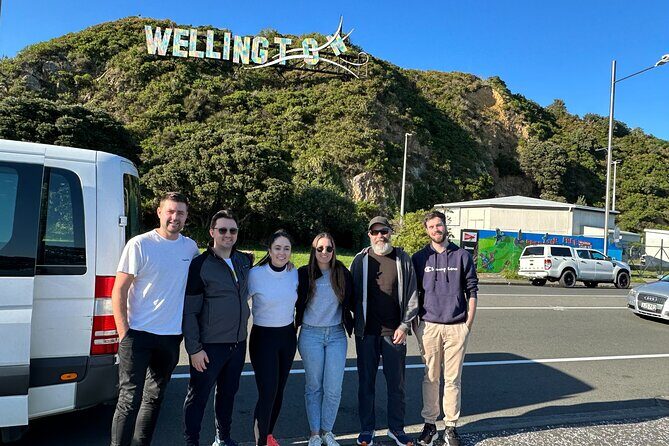
- Max 11 travelers keeps the ride interactive and question-friendly
- Hotel pickup plus a smooth meeting point at Wellington isite
- Weta Cave photo stop with cave trolls and a short guided review included
- Wellington Cable Car one-way + museum access, with jump-the-line handling
- Parliament grounds visit for a quick look at how New Zealand law is made
- Multiple photo viewpoints across harbor, hills, and coastline
Getting your bearings: Wellington isite pickup and the quick start

Wellington is hilly. Even if you only have a few hours, this tour helps you understand the city fast. The day begins at the Wellington isite Visitor Information Centre, and you are asked to meet about 10 minutes before departure. If you are coming from a cruise port, the timing and pickup approach is designed to get you moving without the usual scramble.
What makes this start work is the blend of logistics and context. Before you even get to the viewpoints, the guide frames what you will be seeing: why these hills matter, where the city’s energy comes from, and how Wellington’s political and creative life overlaps with the coastline.
You also get a 500ml water bottle, which sounds small until you are standing at a windy lookout and suddenly you are glad you packed nothing but a jacket.
You can also read our reviews of more city tours in Wellington
Oriental Bay + Carter Fountain: waterfront history and photo angles
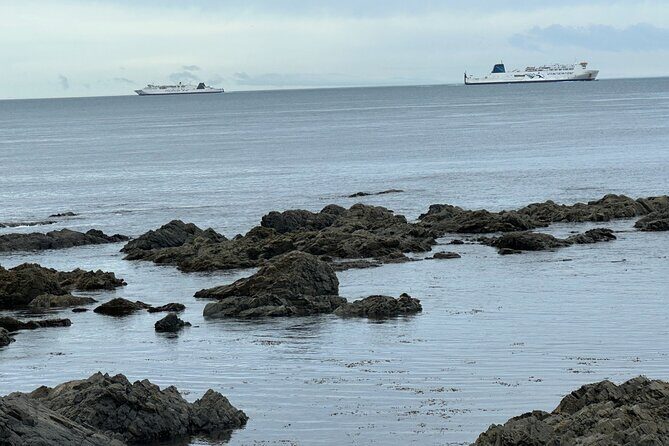
Oriental Bay is the kind of place where Wellington’s personality shows up quickly. You start with a short stop at the bay, and it sets the tone for the rest of the drive: harbor views, historic buildings, and streets that climb hard into residential hills.
One detail worth knowing: the Band Rotunda is a Wellington landmark dating back to its original construction in 1938, but it has been closed since 2012 for strengthening and restoration. That means you may see the area and take photos around it, but you should not count on it being fully active or accessible.
Next comes the Carter Fountain, another stop that feels more meaningful than you might expect for a quick photo stop. It was gifted to Wellington by local businessman Hugh Carter as a memorial to his parents, George and Ella Carter, and to the people of Wellington. The project cost was $75,000. Even in 5 minutes, it gives you a sense of how the city honors people and civic identity in public space.
Then you return to Oriental Bay for another look, this time focusing on houses built up the hills facing the water. You will see historic homes, including ones in the Streamline Moderne style. If you like architecture, these short pauses add up. If you do not, you still get a clear sense of where the wealthy lookouts sit above the waterfront.
Possible drawback: stops at the bay can be breezy and bright. If you are trying to photograph everything, you may want to decide in advance which angle matters most to you—harbor lines, colorful houses, or the sweep of the marina.
Mount Victoria steps to Paradise: the viewpoint that shows the whole city
Now you get the classic Wellington moment. Mount Victoria is a gentle climb that includes about 30 steps. The payoff is the viewpoint where you can see Paradise and the capital city.
This stop works for two reasons. First, it changes your scale. Up here, Wellington stops being a few streets and becomes a system of hills, harbor edges, and coastline curves. Second, it gives your guide room to connect stories to geography—why Wellington is built this way, and how the city’s layout shapes everyday life.
Time is tight enough that you are not stuck in a long walk, but long enough to do a slow circuit and take multiple photos from different spots. If your goal is to understand Wellington quickly, this is the anchor stop.
What to do: bring your phone camera strap or take a moment to steady your stance. The hills are steep, and Wellington wind has a way of turning quick photos into surprise struggles.
Weta Cave photos: film-country meets local quirks

One of the tour’s best uses of time is the Weta Cave stop. You pop in and get photo opportunities with local cave trolls and see Peter Jackson’s Weta cave area. You also get an included 15-minute review with photos as part of the visit.
This is not just a walk-through where you read signs and move on. The included portion is short and structured, which makes it easier when you have a packed half day. And because you get the “troll” photo moment, it feels playful without derailing the schedule.
Keep in mind there are paid tours available at reception. You are not paying extra to do the included part, but you might see others going deeper. If you want more time in this world, this is where you would choose to extend with a paid option—if your day and budget allow.
Possible drawback: this stop is only as good as your comfort with indoor/outdoor mixing. Wellington can shift between sun and drizzle fast, so wear layers you can adjust quickly.
Shelly Bay + Red Rocks Reserve: coast views and Te Kopahou stop
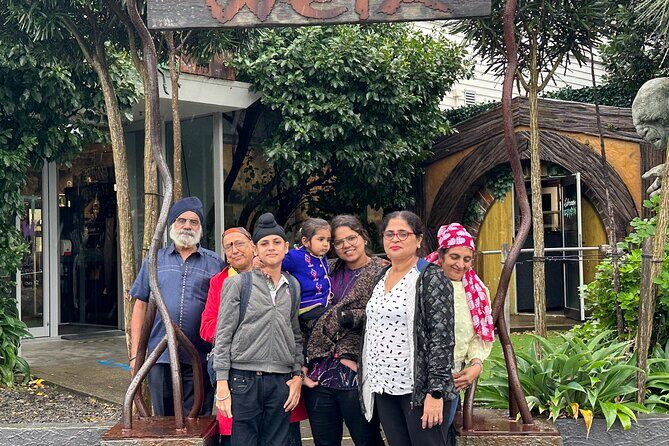
After Weta Cave, the tour leans into coastline. You drive along the coast and stop at spots meant for photos. Shelly Bay is one of the moments where you can feel why people fall for Wellington’s position: the waterline is close, and the city looks like it is built around the harbor curves.
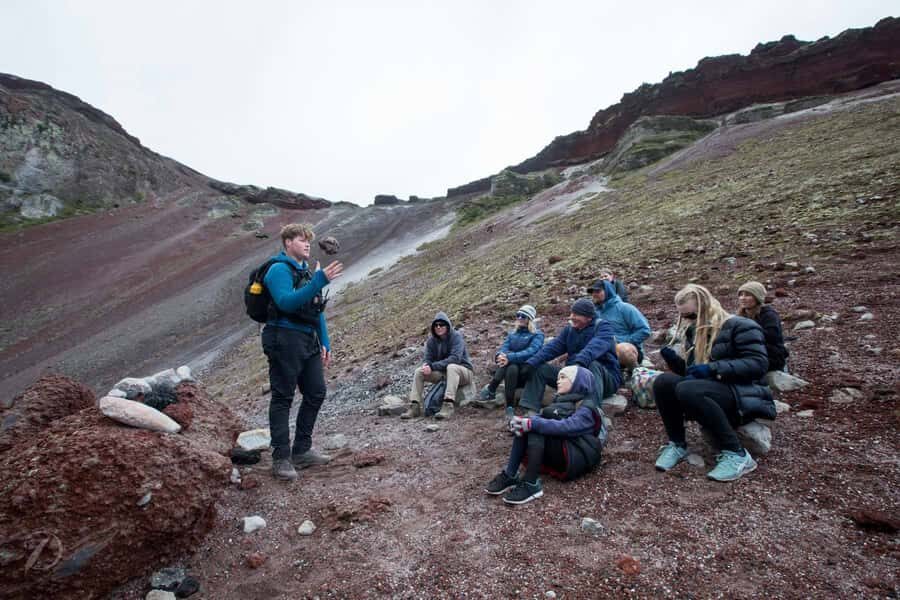
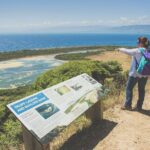
Then you head toward the south coast and stop at Red Rocks Reserve. Along the way, you see the Te Kopahou visitor centre. Even with a short timing window, it helps you understand that Wellington is not just a waterfront city—it is also a gateway to coastal natural spaces.
This section is where you get your best “Wellington from different directions” effect. You are not just looking at one skyline. You are seeing how the city’s shape changes as you shift from harbor angles to south-coast outlooks.
Possible drawback: the coast is also where wind can feel strongest. If the day is cold, your photo session might end faster than planned. Build in patience—Wellington rewards staying warm and trying again from a sheltered spot.


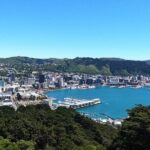
Wellington wind turbine viewpoint: the city’s power story in plain sight

Next comes the Wellington Wind Turbine stop. You head to a viewpoint area and see one of over 60 wind turbines that help make Wellington 90% self sufficient of electricity.
The value here is practical. It turns something abstract—renewable energy—into a physical thing you can point at and photograph. It also gives your guide a topic that fits the city’s personality: Wellington takes itself seriously, but it also does practical innovation.
Time is about 20 minutes, which is enough to stand, take photos, and get the story without rushing off before you have the angles you want. If you like learning while sightseeing, this is one of the stronger stops.
Jump-the-line cable car: the ride that connects hills to the harbor
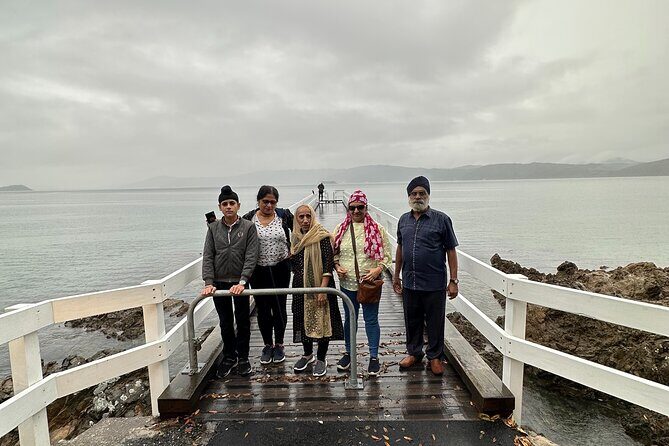
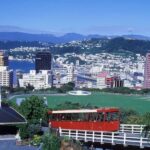
You end up at the Wellington Cable Car next. Here, the tour includes a one-way trip and also gives access to the cable car museum. You are also set up to jump the line for the cable car one-way trip, which matters in a popular city attraction.
Why I like this inclusion: it breaks the day into a different kind of viewing. Up to this point, you have mostly been climbing on foot or standing at lookouts. The cable car gives you transit views as part of the experience. You see the city’s vertical layout without needing energy for another climb.
Time is around 30 minutes, so you get the ride and enough time to take in the museum space. If you are the type who wants to read everything, you might wish for more time. If you prefer quick and useful, this works well inside a five-hour tour.
Possible drawback: cable car days can bring crowds. Even with skip-the-line handling, plan to move with the flow and keep expectations realistic during peak hours.
Lady Norwood Rose Garden and Parliament: calm walks and civic drama

The final stretch adds two very different flavors: a gentle garden walk and then a civic landmark.
First is the Lady Norwood Rose Garden. You walk through the gardens for about 20 minutes. It is a welcome reset after coastal wind and viewpoint standing. Even when the weather is grey, the garden stop gives you a calmer, photo-friendly atmosphere.
Then you head to New Zealand Parliament. You see where New Zealand law is drafted, and you can take photos with King Dick. This quick stop—about 10 minutes—makes sense inside the tour structure. You get the iconic location and a sense of political center stage without eating your whole day.
This last part also ties the tour together thematically. Earlier you learn about history and filming heritage; now you finish with political significance. You leave with a better sense of how Wellington’s identity is shaped by more than scenery.
Price and value: what $52.75 buys in five focused hours
At about $52.75 per person for roughly five hours, this tour sits in the value range for a Wellington highlights day, especially if you are comparing it to piecing together separate paid tickets and rides.
Here is what makes the price feel fair:
- You get multiple viewpoints across different parts of the city, not just one or two scenic stops.
- The cable car one-way trip plus museum access is included, and jump-the-line support is a real time-saver.
- Weta Cave includes a short guided review and photos, not just wandering through.
- You ride in an air-conditioned vehicle and get water.
Also, the schedule is built for short attention spans and cruise-port timing. If you have only one day, you come back to your next stop with a clear understanding of Wellington’s geography and culture, not just a few photos.
If you want hours of wandering: you might want a longer, slower tour. This one is paced for coverage.
Comfort and reality checks: weather, van size, and how to prep
Wellington weather is famously unpredictable. You should assume wind and cold can show up any time. One review tip that I fully agree with: bring a jacket. The wind can make the difference between enjoying lookouts and wishing you were back inside.
The van is designed for small-group touring with a maximum of 11 people. That is great for interaction, but if the group is full, seating can feel tight. If you are tall, or you really hate cramped car rides on winding roads, you may want to mentally prepare for that. The upside is that the smaller vehicle can reach more viewpoints along hillier streets.
Finally, visibility is weather-dependent. On grey, windy days, some overlooks may not deliver the crisp skyline you expected. In that case, your best move is to go with a flexible mindset: photos might be less dramatic, but you can still learn the city’s shape and story.
Who this tour is best for
This fits best if you:
- Are doing Wellington as a short stop and want the highlights efficiently
- Like photography and want to hit multiple vantage points in one day
- Want a guided mix of politics, filming heritage, local history, and coastline
- Prefer small-group interaction over big-bus sightseeing
If you are traveling with mobility limits that make stairs hard, the Mount Victoria stop includes about 30 steps. You should plan accordingly based on your comfort level with stair climbs.
Should you book Wellington City Heights?
If you want a fast, friendly way to see Wellington’s hills, harbor edges, and civic landmarks, this is an easy yes. The pricing works because key attractions are included—especially the cable car and the Weta Cave photo experience—while the rest of the day gives you multiple photo opportunities without turning it into a long hike marathon.
Book it if you can handle wind and want a guided day with plenty of chances to ask questions. Skip it or choose a different plan if you are sensitive to cramped seating or you know you need very quiet, unhurried sightseeing time.
If you do book, pack a jacket and wear shoes you trust on steep ground. You will be glad you did when Wellington decides to remind you who runs the weather.