REVIEW · WELLINGTON
Zealandia by Day Tour
Book on GetYourGuide →Operated by Zealandia · Bookable on GetYourGuide
Wellington’s best wildlife happens inside a fence. This daytime tour at Zealandia Te Māra a Tāne is a 2-hour, guided walk that turns New Zealand’s ecology into something you can actually see and hear, not just read about. I love the focus on predator-free conservation and the way your guide points out what’s living in the forest right now.
You’ll also get real chances to spot native species at feeding stations, including birds like kākā, tūī, kakariki, bellbirds, and the occasional tuatara mention as a highlight. The main consideration: this is a moderate walk on uneven surfaces, and it’s not suitable for mobility impairments or wheelchair use.
In This Review
- Key things I’d plan around
- Why Zealandia Te Māra a Tāne is worth a daytime visit
- Meeting at Zealandia Visitor Centre and the bio-security bag check
- The 2-hour guided walk: what the route actually feels like
- Predator-free conservation you can see in real time
- Bird feeding stations: how guides help you actually see kākā, tūī, kakariki
- Rare birds and tuatara: spotting chances and how to stay flexible
- Guide quality is the difference between a walk and a learning day
- Price and time: is $41 for 2 hours actually good value?
- Getting there: close to Wellington, with a few options
- What to wear and bring so the day goes smoothly
- After the tour: Rātā Cafe is where you land
- Who this tour suits best (and who should skip it)
- Should you book this Zealandia by Day Tour?
Key things I’d plan around
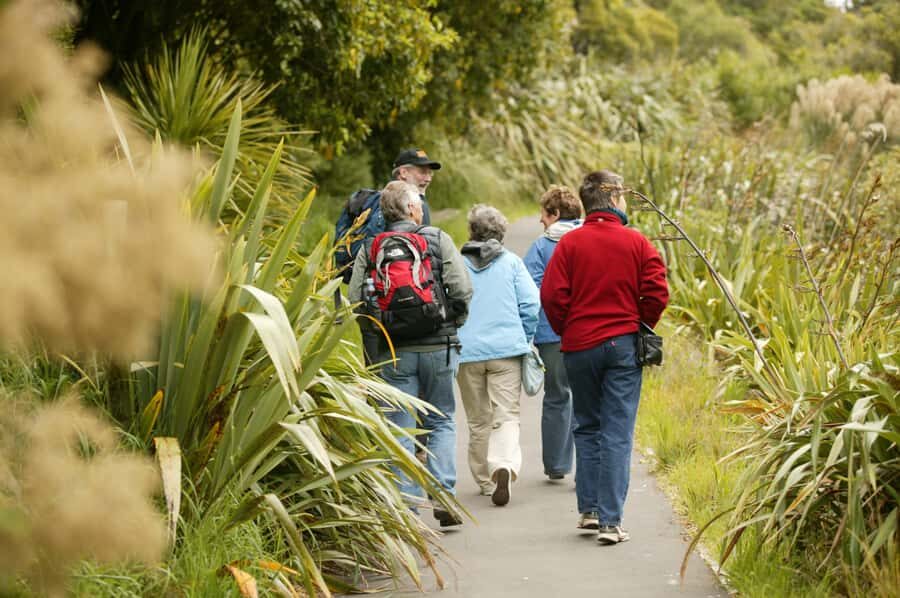
- A small group (up to 12) so the guide can help you line up bird sightings instead of losing the group
- Bio-security bag check before you enter the ecosanctuary
- Feeding stations that help you see kākā, kakariki, tūī, and bellbirds at the right moment
- Possibility of rare birds like takahē (and tuatara as a bonus)
- All-weather operation, so clothing matters as much as camera readiness
Why Zealandia Te Māra a Tāne is worth a daytime visit
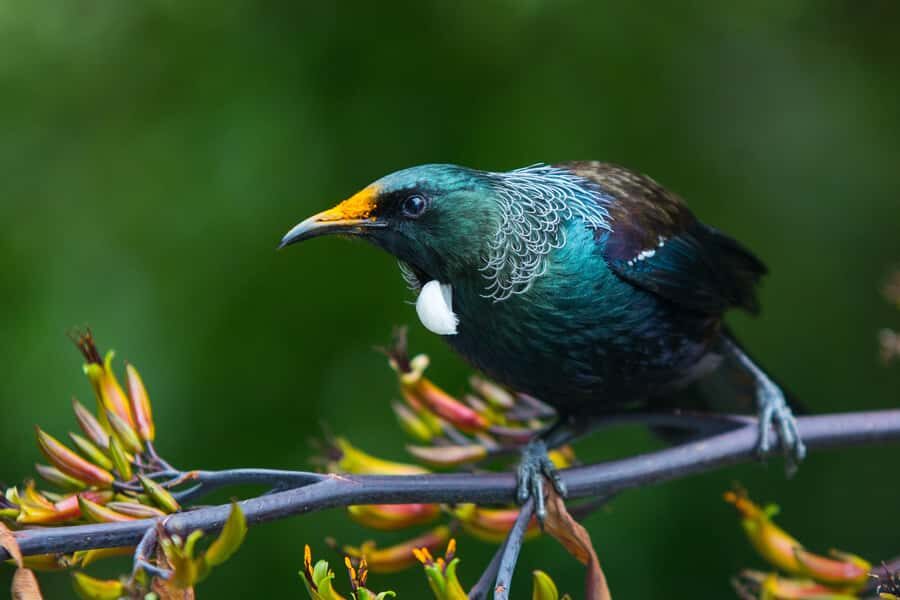
Zealandia is the kind of place you immediately understand. There’s a reason it’s so close to Wellington. You don’t have to leave the city to step into a protected ecosystem that feels like it belongs on another island, another century.
What makes this tour feel special is the combination of setting and guidance. The ecosanctuary is fully fenced and predator-free, which means the animals behave differently than they would in the wild with introduced threats around. Add an expert guide who knows where to look, and your odds go up a lot. Instead of wandering and guessing, you’re walking a planned route with stops designed for sightings.
You can also read our reviews of more tours and experiences in Wellington.
Meeting at Zealandia Visitor Centre and the bio-security bag check
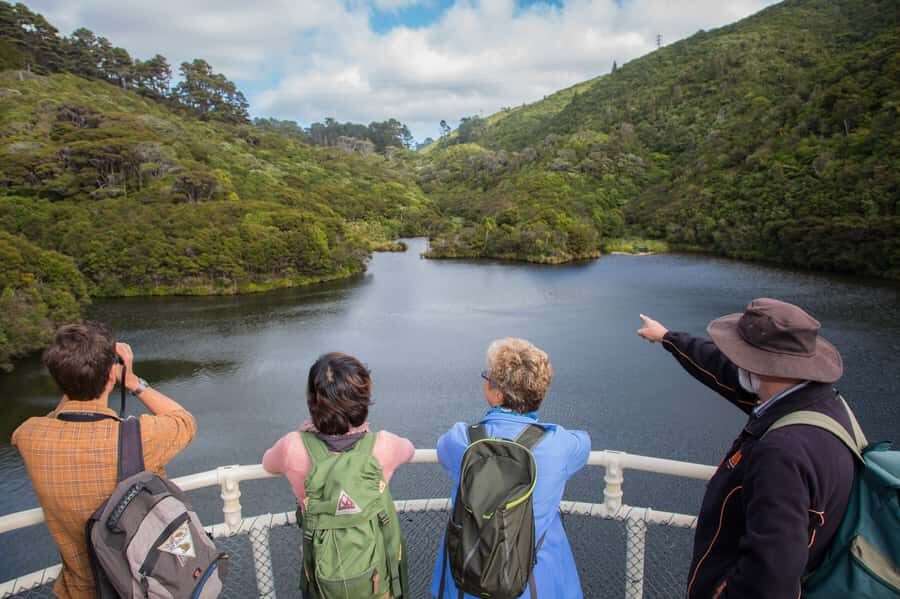
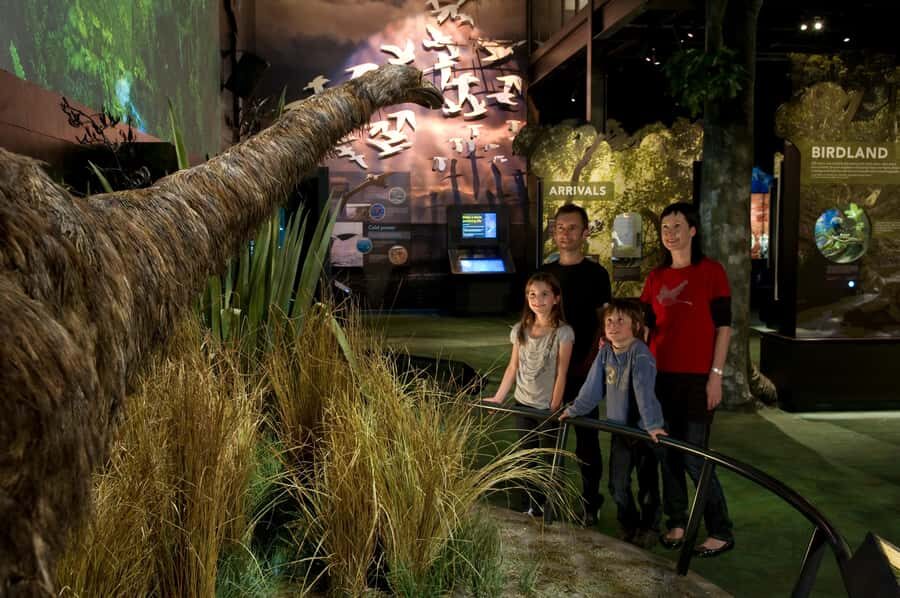
Your day starts at the Zealandia Visitor Centre at 53 Waiapu Rd, Karori. After you check in at the ticket desk, you’ll meet your guide and begin with an intro inside the exhibition area.
Then comes the bio-security bag check. It’s short, but it’s a big deal. The point is simple: don’t bring in anything that could threaten the sanctuary. For you, that means traveling with an easy-to-check bag and not showing up with food and gear packed in a way you can’t quickly sort.
Once you’ve passed the check, you’re allowed into the ecosanctuary. That moment matters because it explains the whole system: Zealandia is not just a viewing platform. It’s a carefully managed conservation space, and the rules are part of why it works.
The 2-hour guided walk: what the route actually feels like
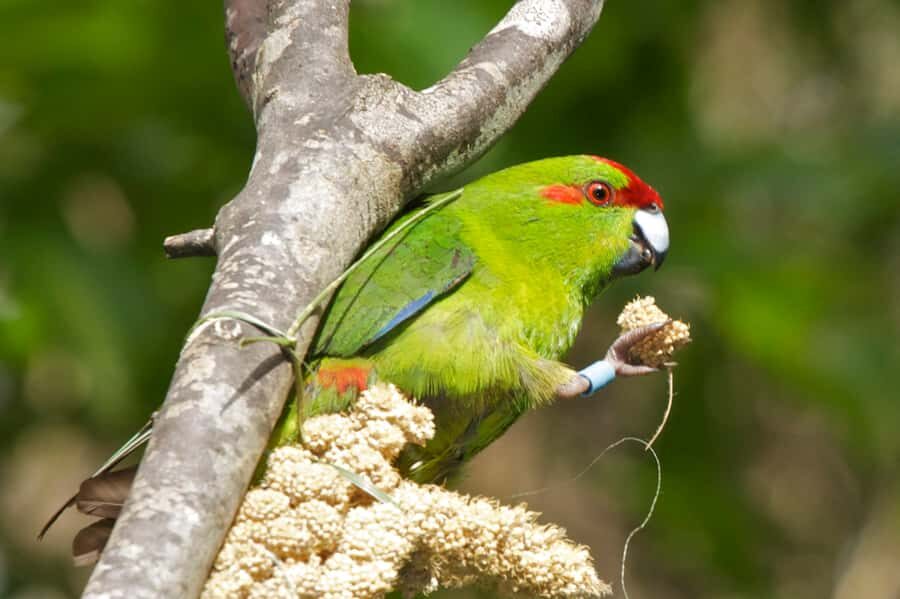
This is a 2-hour small-group walking tour. Small-group matters here. With up to 12 people, your guide can keep you moving and still stop long enough for the birds to show themselves. You’re not sprinting, but you are walking at a pace that stays within the time window.
The ground can be uneven. That’s not a complaint about the place; it’s just the reality of a forest walkway. Comfortable shoes are a must. If you’re the type of person who loves nature walks, you’ll likely be fine. If you need smooth, level paths, you should treat this tour as a mismatch.
Your guide’s job isn’t just to name species. They’ll point out the history and the details of how this ecosanctuary is run, and they’ll explain what you’re seeing—birds, plants, and the forest sounds that change as you move through different sections.
Predator-free conservation you can see in real time
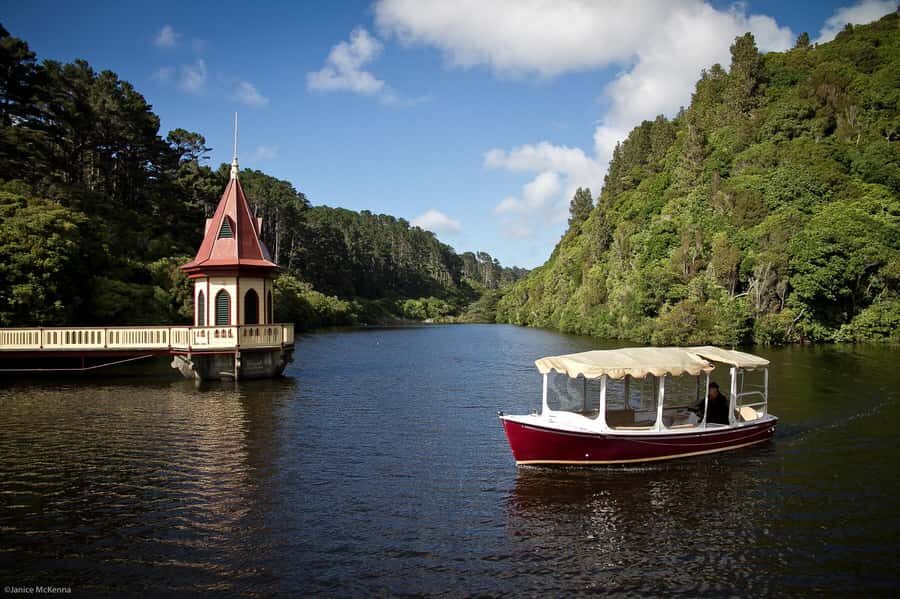
The fenced, predator-free setup is the heart of Zealandia. On this tour, it becomes more than a slogan. You understand it as a practical system that changes outcomes.
When predators are kept out, native species don’t have to live on constant alert. That’s why feeding stations are effective. It’s also why your guide can talk about restoration in a grounded way, not just as an idea.
I especially like that the tour starts with context in the exhibition area. It gives you a framework for the walk. After that, you’re not just trying to spot movement in branches. You’re watching a designed habitat and learning how humans made it possible.
Bird feeding stations: how guides help you actually see kākā, tūī, kakariki
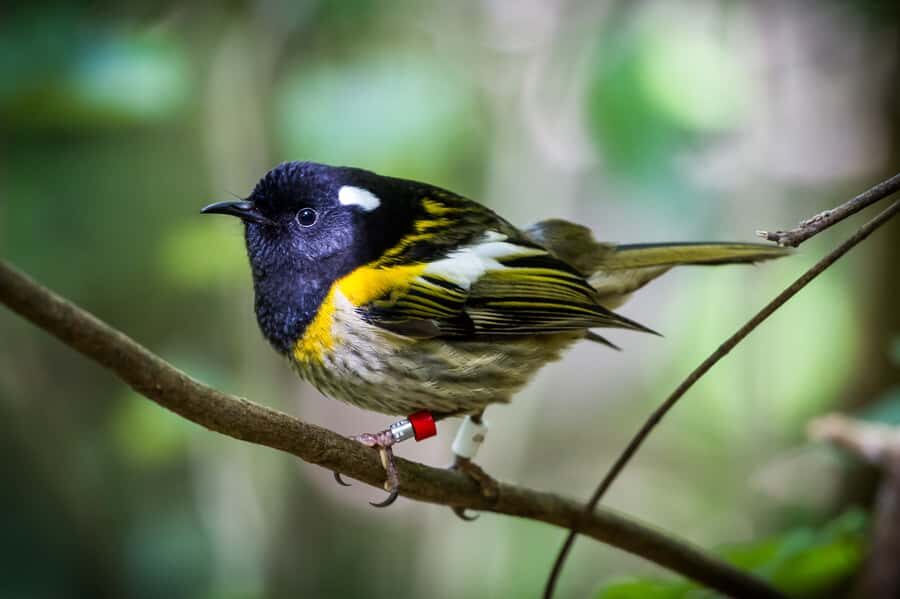
A big reason to book this rather than self-wander is timing and direction. Zealandia has feeding stations placed along the walkways, and your guide helps you know where to pause and what to listen for.
The feeding stations are tied to the kinds of birds that visitors come for:
- kākā (bush parrot)
- kākāriki/kākariki (small green parrot species)
- tūī
- bellbirds
In practice, this means your guide is working the walk like a field briefing. They’ll keep the group oriented, point out signs of activity, and help you notice birds you’d almost certainly miss on your own.
One small real-world note: birdwatching requires silence and patience, even when other people don’t feel like it. If someone starts chatting over a bird’s call, it gets harder to spot and harder to record. The best move on your side is simple: when you hear feeding activity, slow down and give it a few extra seconds.


Rare birds and tuatara: spotting chances and how to stay flexible
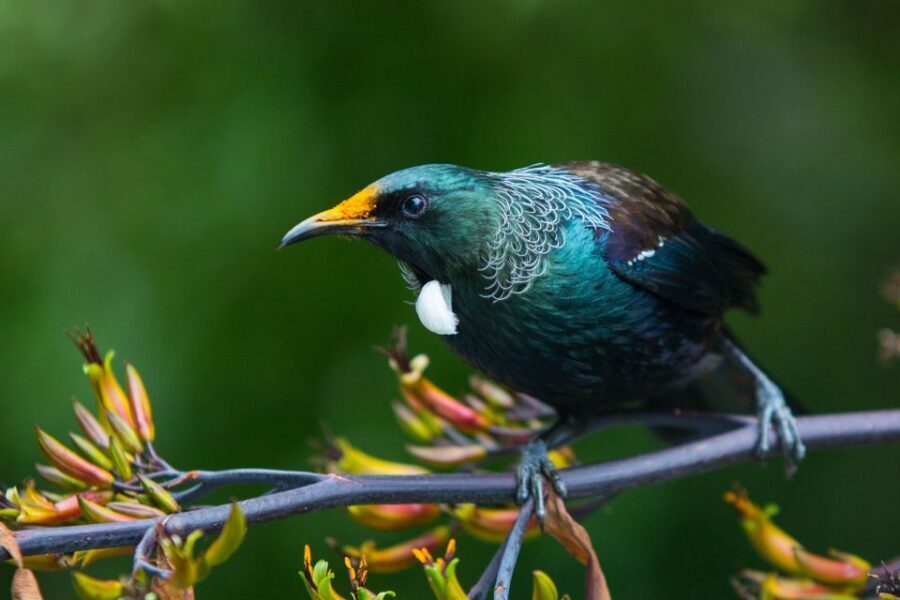
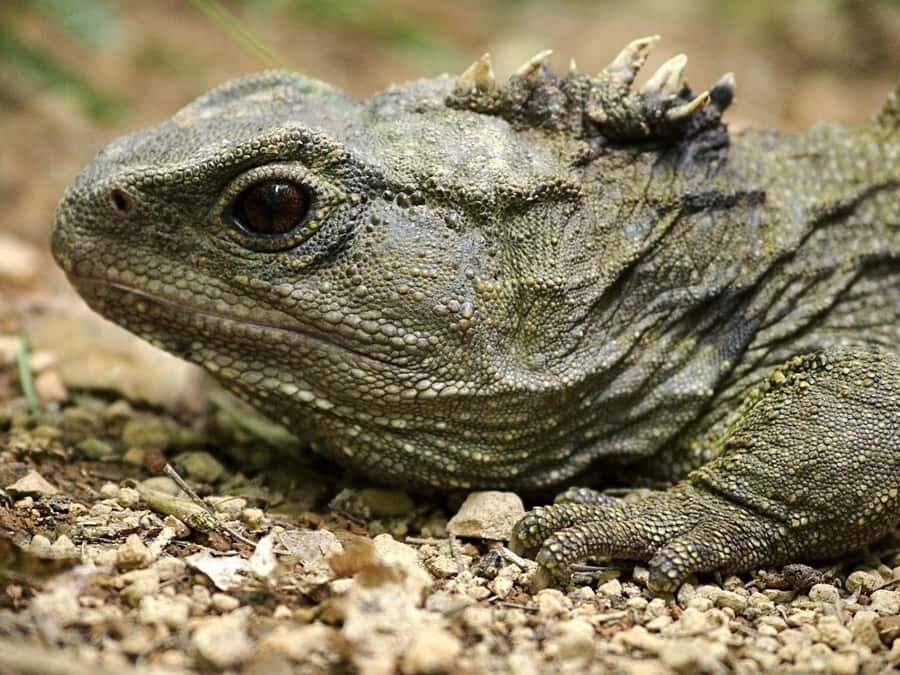
The tour highlights include rare and endangered birds such as takahē and birds like tui (tūī), plus the chance to spot tuatara.
A key reality check: wildlife sightings aren’t guaranteed on a schedule. Zealandia is designed for sightings, but animals still have their own rhythms. The value of a guided walk is that your guide improves your odds by knowing where to look and when to stop.
If you’re hoping for tuatara, keep your expectations realistic but your attention high. When your guide mentions a likely spot, don’t treat it like trivia. Treat it like a cue to focus your eyes and wait.
Guide quality is the difference between a walk and a learning day
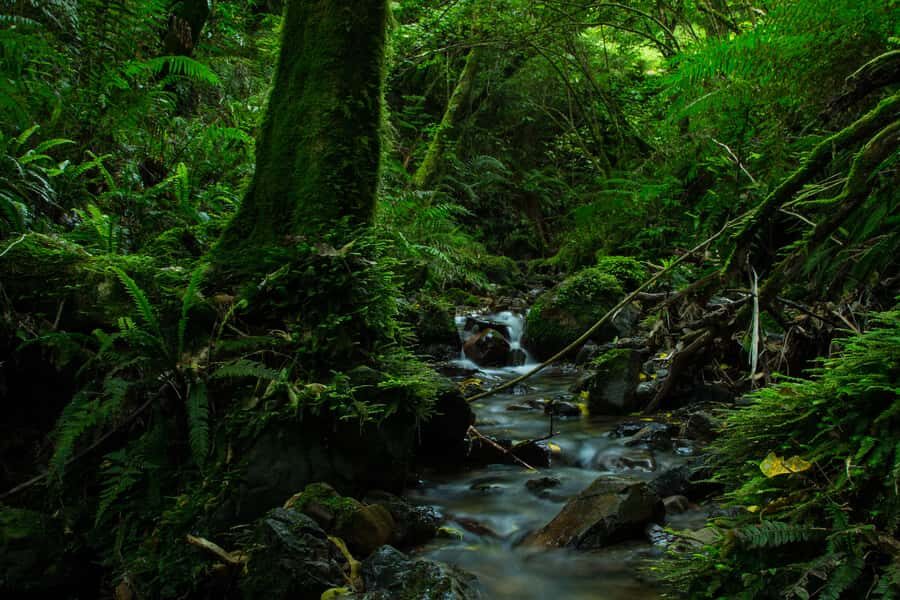
Across recent tours, the common theme is guides who connect the dots: species to habitat, habitat to conservation decisions. Some guides people have had include Don, Scott, Juli, Kevin, Paul, Roy, Maria, Merle, Kieran, Gill, Tom (sometimes in the shuttle role), and Rory, and the praise pattern is consistent—people feel they learned more because the guide helped them see more.
What this means for you is confidence. Without a guide, you might enjoy the scenery, but you’d spend a lot of time doing mental translation. With a guide, you’re led to the plants that matter, the sounds that matter, and the reasons Zealandia is built the way it is.
It also helps if you have questions. Guides are set up for a group conversation. When someone asks something off the main path, a good guide can turn it into a mini-lesson for everyone.
Price and time: is $41 for 2 hours actually good value?
At $41 per person for a 2-hour small-group guided walk, the price makes more sense than it might at first glance. You’re paying for three things bundled together: entry, a professional guide, and a guided experience inside the ecosanctuary.
You’re also not paying for a full-day commitment. Two hours is long enough to learn the basics and still short enough to fit into a Wellington itinerary without feeling like you lost the whole day. That’s a real advantage if you’re also planning the cable car, waterfront time, museums, or hikes nearby.
From a value perspective, the best part is this: the tour reduces the “guessing tax.” You’ll likely spend less time wandering randomly and more time positioned for bird activity and the stories behind it.
Getting there: close to Wellington, with a few options
Zealandia is about 10 minutes from Wellington CBD, which keeps this tour from feeling like a big logistical project.
You can reach Zealandia by:
- car
- free shuttle
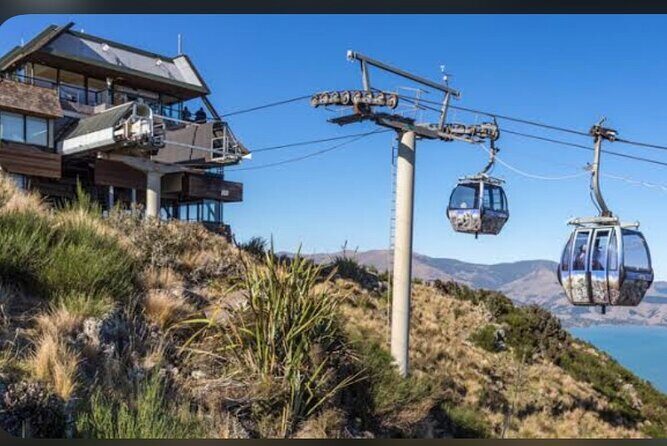
- cable car
If you’re traveling on foot or using other Wellington sights, the cable car option can be a smooth way to tie things together. If you want simplicity, drive or use the free shuttle.
Either way, the meeting point stays the same: Zealandia Visitor Centre.
What to wear and bring so the day goes smoothly
This is a weather-proof experience in the best Kiwi way: it operates in all weather conditions. So dress for whatever Wellington is doing, not for what your phone forecast says at breakfast.
Bring:
- comfortable shoes (non-negotiable for uneven surfaces)
- weather-appropriate clothing
Also, think ahead about the bag check. Use a bag that’s easy to inspect quickly and don’t over-pack snacks you won’t need inside.
If you have medical conditions like asthma, let your guide know so they can keep an eye on how the walk is going for you.
After the tour: Rātā Cafe is where you land
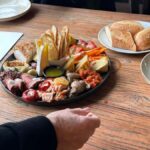
Once your 2 hours are up, you return to the visitor centre. Then you can relax with a coffee or a meal at Rātā Cafe.
This part is low-pressure. It’s not essential to the tour, but it’s a nice landing pad after walking in the forest. If you’re traveling with kids, it also gives everyone a chance to reset.
Who this tour suits best (and who should skip it)
This Zealandia daytime tour is a great fit if you:
- want to see native birds and possibly tuatara without planning a self-guided route
- like guided walks and short explanations that connect to what you’re seeing
- want a conservation story you can experience inside a real ecosystem
It’s not a good fit if:
- you need a wheelchair-accessible, smooth path (the tour involves uneven surfaces and is not recommended for wheelchair users)
- your mobility limits mean you can’t manage a moderate walking tour
For families, it can be a strong choice because children must be accompanied by an adult, and guides tend to adapt their explanations to the group pace.
Should you book this Zealandia by Day Tour?
If you want a high-success, high-learning nature experience that doesn’t require a car day or a full afternoon commitment, I’d book it. The guided part matters here. It helps you see more, understand more, and waste less time guessing where to look.
I’d especially recommend it if you’re bird-focused, because the feeding station setup plus guide guidance is the recipe. If you’re unsure whether you’ll enjoy a forest walk in uneven terrain, check your comfort with moderate walking first.
Bottom line: for most people visiting Wellington, this is a very practical way to experience Zealandia’s conservation work in a short window of time—guided, focused, and built for real sightings.