REVIEW · PAIHIA
Waitangi Treaty Grounds: 2-Day Pass
Book on GetYourGuide →Operated by Waitangi Treaty Grounds · Bookable on GetYourGuide
Treaty history hits hard here. With a 2-day pass, you can see the Treaty signing grounds at a slower pace than a rushed stop, while still getting two guided moments that do the heavy lifting. I really like how the 50-minute guided tour uses an on-site headset so you can hear every detail clearly.
I also love the 30-minute Māori cultural performance in the carved meeting house. It’s high-energy, well paced, and gives you a real sense of living culture, not just museum objects. One thing to consider: parts of the grounds can be uneven, and a moderate fitness level helps, especially if you’re aiming for the bush walks and viewpoints.
If you’re in Paihia, it’s easy to get to Waitangi: you can even walk over along the waterfront, then spend two days bouncing between the museums, the historic buildings, and the views over the Bay of Islands.
In This Review
- Key things I’d plan around
- Waitangi Treaty Grounds: what your 2-day pass really covers
- Day 1 at Waitangi: Treaty grounds, museums, and the waka you can’t miss
- The 50-minute guided tour: where the Treaty story becomes clear
- The 30-minute Māori performance: powhiri welcome to haka energy
- Te Kōngahu and Te Rau Aroha: two museums, two ways to learn
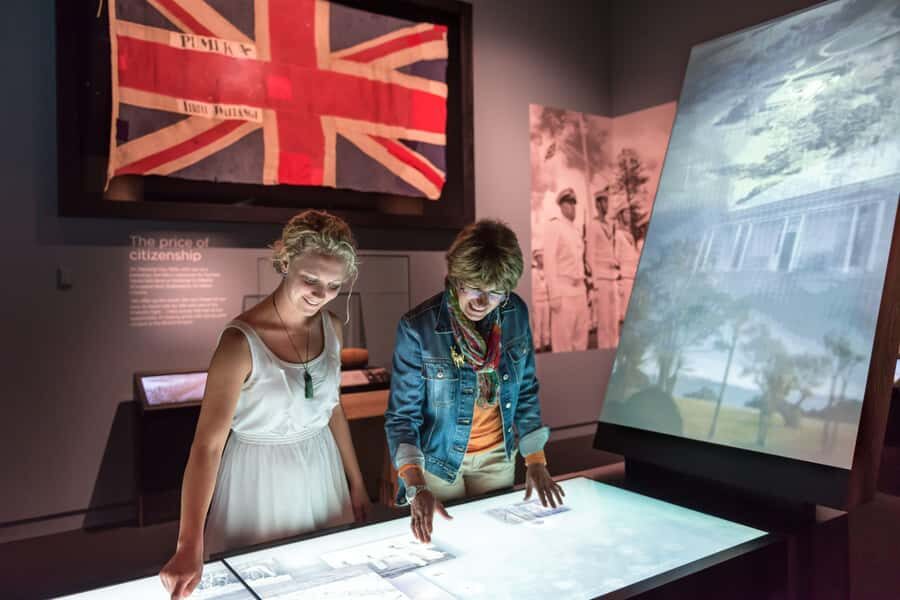
- Te Kōngahu Museum of Waitangi
- Te Rau Aroha Museum
- Bush walks and Bay of Islands viewpoints: your flexible second-day payoff
- Getting there from Paihia and using your time well
- Price and value: why $41 can feel fair for what you get
- Who should buy this pass (and who might want a different plan)
- Should you book the Waitangi Treaty Grounds 2-day pass?
- FAQ
- How many days is the pass valid?
- What are the opening hours?
- What does the pass include?
- How long is the guided tour?
- How long is the Māori cultural performance?
- Which museums can I visit with this ticket?
- Is the site wheelchair accessible?
- Are unaccompanied minors allowed?
- Can I cancel, and is there a pay-later option?
Key things I’d plan around
- A Treaty signing site with built-in context: you’re not just looking at buildings—you’re learning what happened and why it still matters
- Headsets for the guided tour: makes the 50-minute experience far easier to follow
- Te Kōngahu Museum of Waitangi + Te Rau Aroha Museum: two different museum styles, both included
- The world’s largest ceremonial waka: a major visual anchor for the whole property
- Self-guided bush walks for Bay of Islands views: great second-day activity when you want flexibility
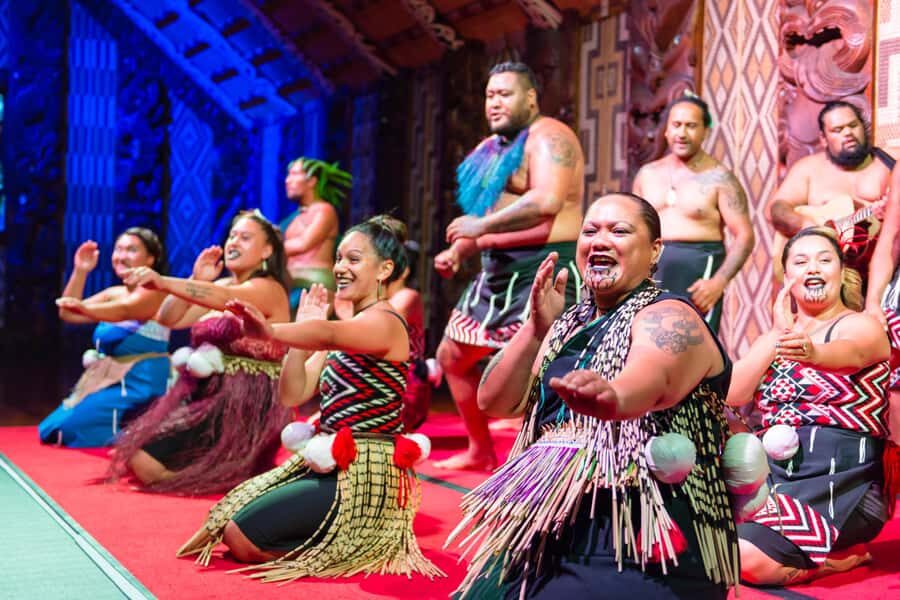
- Māori cultural performance with powhiri welcome: poi, stick games, and haka in a carved wharenui
Waitangi Treaty Grounds: what your 2-day pass really covers
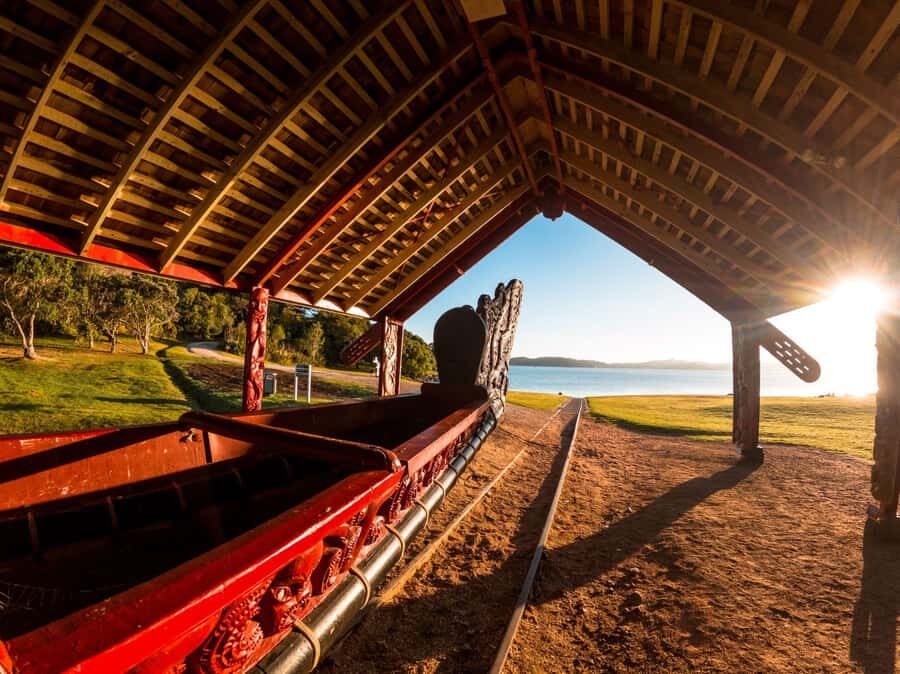
This pass is built for people who want more than a single, clock-watching visit. You get entry to New Zealand’s most important historic site, and it’s valid for two consecutive days, so you can split the experience instead of trying to do everything in one go.
Your ticket includes the core guided elements:
- An introductory film
- A 50-minute guided tour with a live local guide (English), plus headsets so audio stays clear
- A 30-minute Māori cultural performance in the meeting house
- Entry to Te Kōngahu Museum of Waitangi and Te Rau Aroha Museum
Then you add the rest on your own time: the historic buildings, the major ceremonial features on site, and the bush walks with scenic overlooks across the Bay of Islands.
In practical terms, this works well because Waitangi isn’t just one stop. It’s a whole grounds-and-museum experience. If you only have a few hours, you’ll still cover the essentials—but having two days lets you slow down for the parts that land with you.
You can also read our reviews of more tours and experiences in Paihia.



Day 1 at Waitangi: Treaty grounds, museums, and the waka you can’t miss
I like to start with the orientation pieces first, because Waitangi gets more meaningful once you understand what you’re looking at.
Your visit begins with the introductory film, which sets the scene around the Treaty of Waitangi. After that, the 50-minute guided tour helps you connect the dots across the grounds instead of treating each building like a random photo stop.
As you wander, you’ll run into standout features that anchor the site:
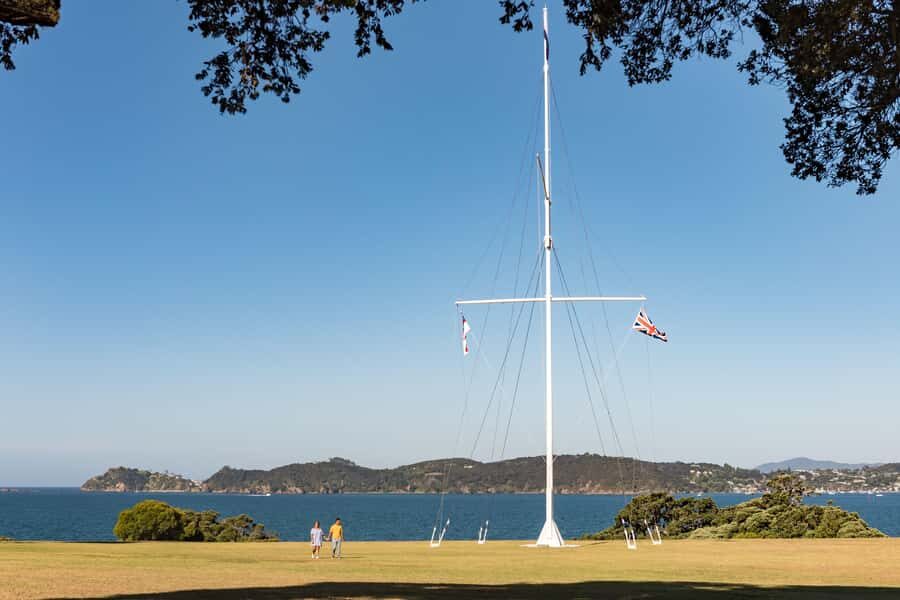
- The spot where the Treaty was signed
- Iconic heritage buildings across the property
- And the world’s largest ceremonial waka (a dramatic, instantly memorable presence)
Then hit the museums. The two included options help you cover different angles of the story:
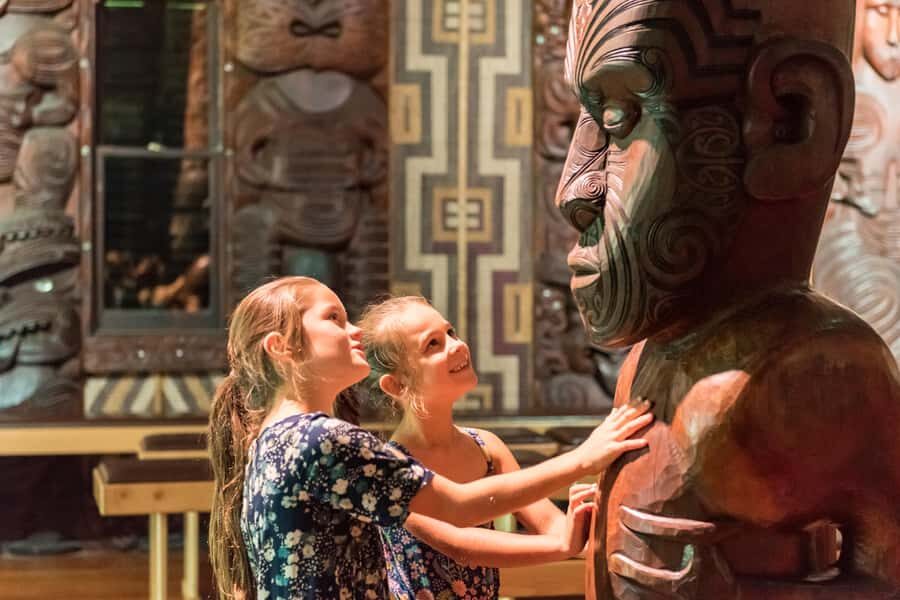
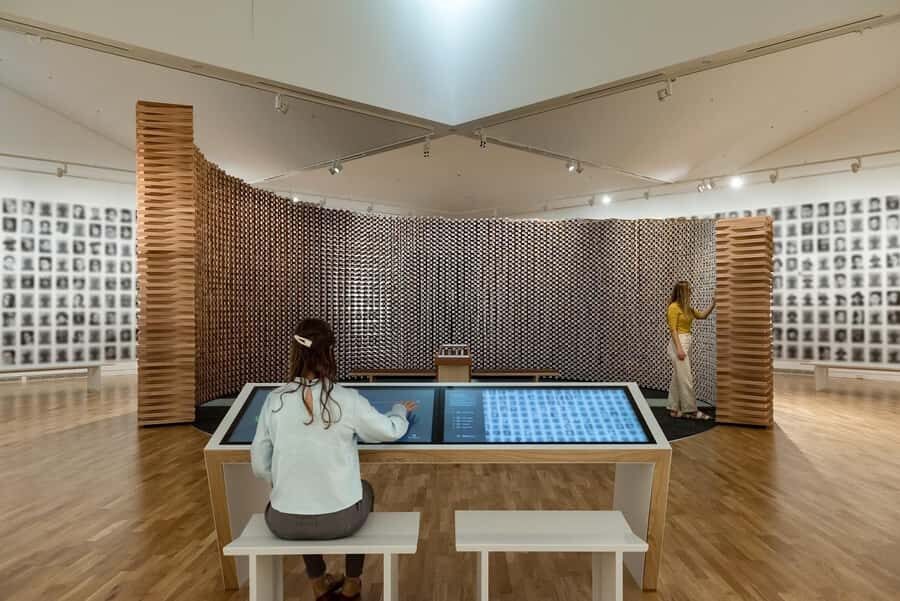
- Te Kōngahu Museum of Waitangi: permanent and changing exhibits, with multimedia and visual displays that help you make sense of artifacts and cultural objects (taonga)
- Te Rau Aroha Museum: praised for being moving and for its strong display of war history, presented in a way that helps you understand the impact on people and communities
A good day-one rhythm is: film → guided tour → one museum → time for the grounds near the main core of buildings and viewpoints. If you’re the type who likes reading signs carefully, you’ll appreciate having day two.
Rain note: I’d bring a light rain layer. The property is outdoors and people report weather shifts late in the day, with the on-site café/restaurant being a helpful refuge when the skies change.
The 50-minute guided tour: where the Treaty story becomes clear
The guided tour is the part I’d protect on your schedule. It’s only 50 minutes, but it’s structured to give you context fast.
Here’s why it works:
- You’re hearing a local guide in English
- You get headsets, so you don’t have to strain or miss key points
- The tour moves you through the site with purpose—rather than you trying to guess what matters most
One small detail that matters: the guide brings the story from a Māori perspective, which changes the tone of the visit. In reviews, people specifically call out guides such as Roze and James—both described as engaging and personable, with clear explanations and a sense of humor that keeps heavy topics from feeling distant.
Even when the facts are serious, the tour doesn’t flatten it. You’ll get the idea that the Treaty wasn’t just a ceremonial document—it became a living promise, with outcomes that were not always aligned to the intent.
If you only do one guided segment at Waitangi, make it this one. Then let day two be your choose-your-own-adventure time.
The 30-minute Māori performance: powhiri welcome to haka energy
This is the other “don’t miss” piece of the pass.
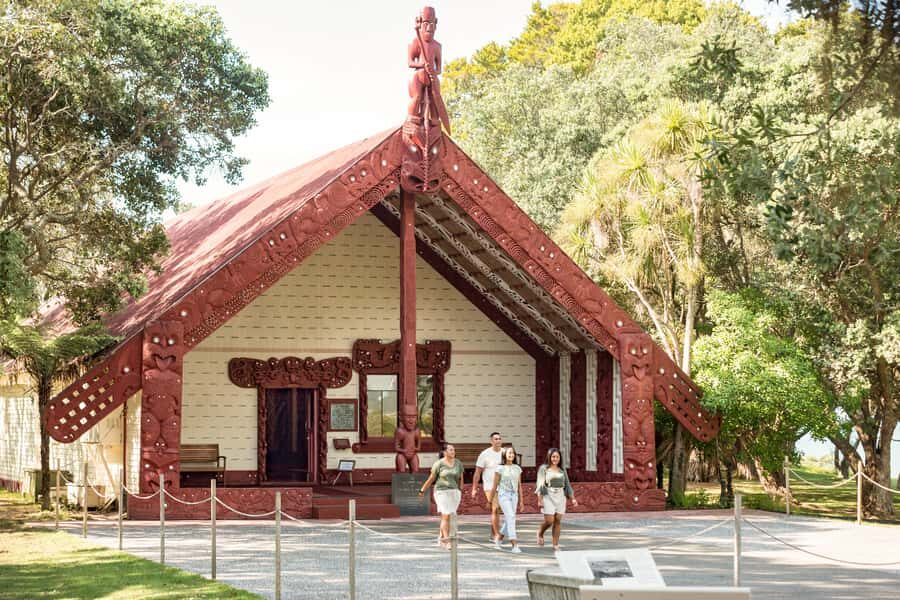
The 30-minute Māori cultural performance happens at a magnificently carved meeting house (wharenui). What I like is the structure: it doesn’t feel like random entertainment. It has a welcoming opening and a sequence of cultural arts that builds momentum.
The performance you’ll see includes:
- A traditional Māori powhiri welcome (you’re invited inside)
- Poi twirling
- Māori weaponry presentations and stick games
- Harmonies through singing
- A haka dance
It’s specifically described as high-energy and entertaining, and people also mention the emotional impact—everything from goosebump moments to a feeling of being genuinely spellbound. That mix matters. It’s not only about knowing history; it’s about experiencing cultural expression as something that still has force today.
If you tend to get restless in long shows, this is a nice length: 30 minutes keeps it punchy, while still giving you enough time to feel the rhythm.
Te Kōngahu and Te Rau Aroha: two museums, two ways to learn
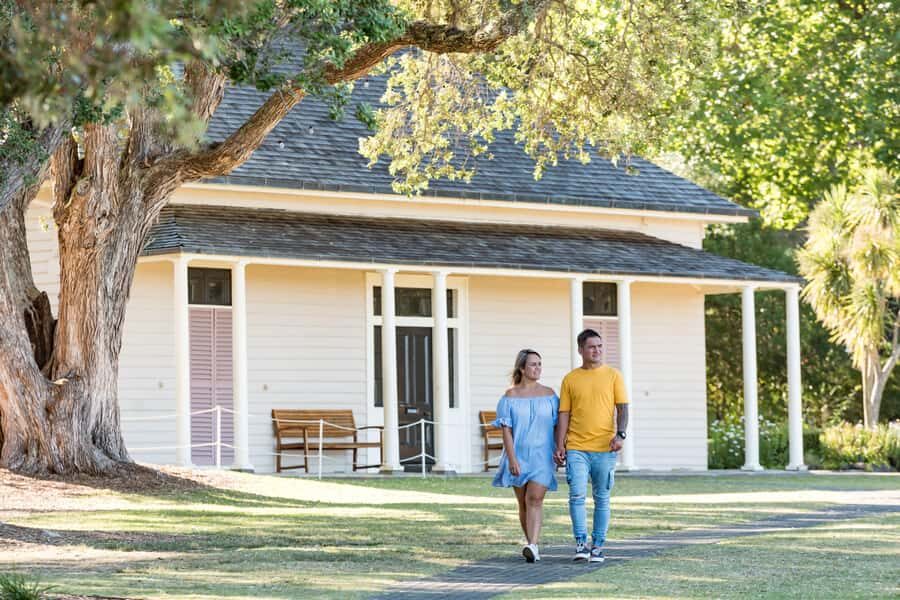
Both museums are included, and I like how they complement each other.





Te Kōngahu Museum of Waitangi
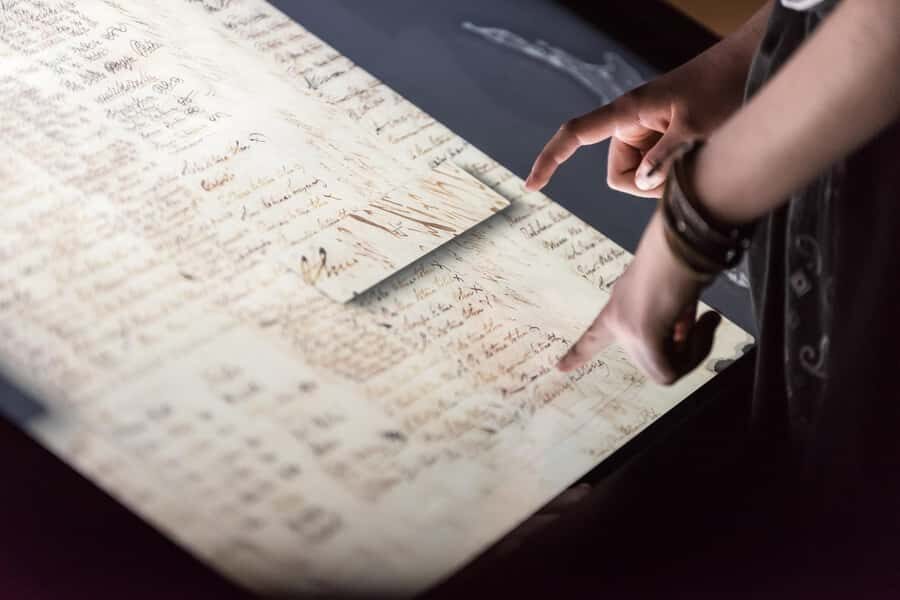
This museum uses multimedia and visual displays to guide you through exhibits and artifacts (taonga). It’s often the best option if you want a calmer, more self-paced learning environment right after the guide tour.
If you like object-based history—reading plaques, studying materials, and letting the visuals explain things—this museum gives you space to do that without feeling rushed.
Te Rau Aroha Museum
This is the one people describe as especially moving, especially for its war-history focus. The building and displays are praised for being strong and thoughtfully presented, and it’s one of those museum stops where you may find yourself slowing down without trying.
If history can sometimes feel too abstract for you, the museum format tends to make it more human.
Bush walks and Bay of Islands viewpoints: your flexible second-day payoff
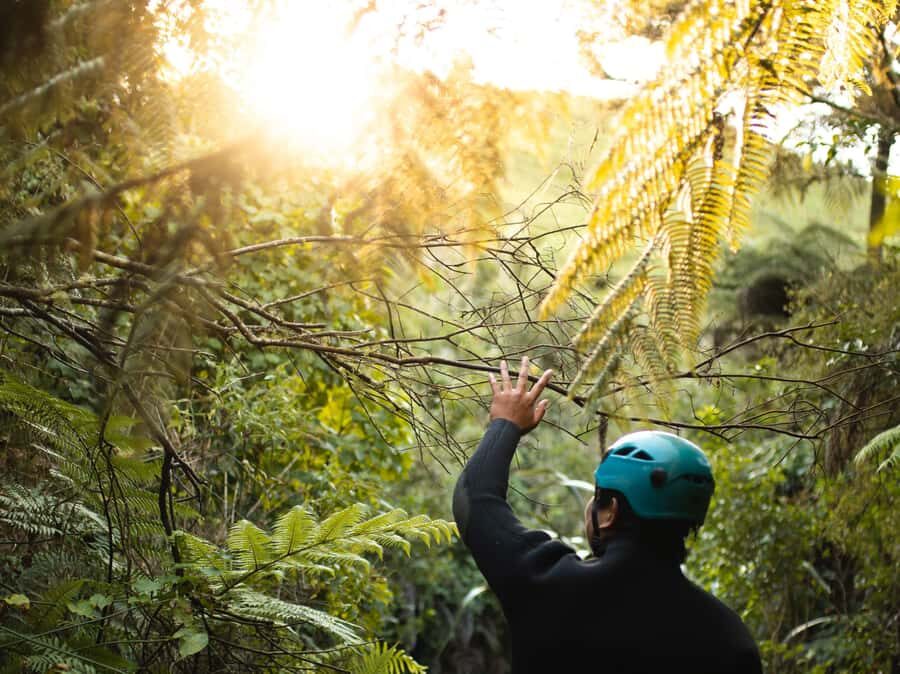
One of the best parts of the property is that it isn’t only indoor learning. The pass gives you time for self-guided bush walks and spectacular views over the Bay of Islands.
This is where the two-day format earns its keep. On day two, you can:
- Revisit the areas that stuck with you most
- Walk slower and take photos without worrying you’re falling behind a group
- Focus on the viewpoints and outdoor interpretation
Keep your expectations grounded, too. A moderate fitness level is recommended, and wheelchair access exists—but the surfaces can be uneven. If you’re using a wheelchair or mobility aids, go in with the mindset that you might need to choose routes carefully.
Still, the outdoor access is a major part of why the grounds feel special. You see why this setting mattered, and you get a sense of place instead of only reading about it.
Getting there from Paihia and using your time well
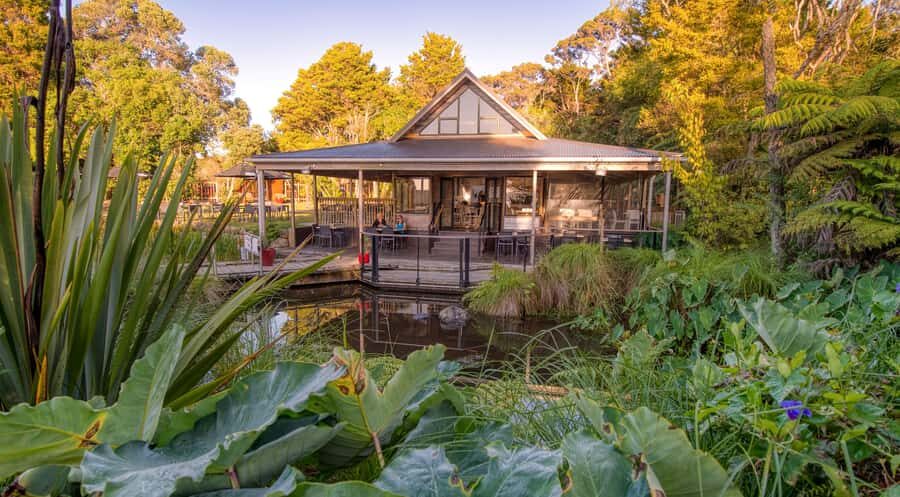
The meeting point is the Waitangi Treaty Grounds Visitor Center, 1 Tau Henare Drive, Waitangi, Bay of Islands.
From Paihia:
- It’s an easy 25-minute walk, or
- A quick 2-minute drive
If you’re driving, follow the waterfront road through Paihia to the roundabout. Go straight through and across the one-lane bridge to the signposted grounds.
Timing tip: the site is open 9am–5pm. Because the guided tour and performance happen at set times, plan your day around those moments, then leave extra space after for museums and walking.
Also, plan for rain and shade. Even if the forecast looks fine, the Bay of Islands area can change quickly. Having a light rain layer and a small umbrella (if you carry one) can save your trip from turning into a rushed scramble.
Price and value: why $41 can feel fair for what you get
At $41 per person for a 2-day pass, the math is pretty reasonable once you look at what’s included.
You’re paying for more than entry to land and buildings. Your pass covers:
- A guided tour with a live local guide (English) plus headsets
- An introductory film
- A 30-minute Māori cultural performance
- Museum entry for two museums
- Access across New Zealand’s key historic precinct, including the world’s largest ceremonial waka
In other words, you’re not buying a ticket that only gets you “in the gate.” You’re buying structured interpretation plus two core cultural/history experiences—then getting two full days to revisit and self-direct.
For people based in Paihia, it’s also a practical value because travel time is short. That makes it easier to justify returning the next day instead of treating it as a one-off stop.
Who should buy this pass (and who might want a different plan)
This 2-day pass is a good fit if you:
- Want the Treaty of Waitangi story with context, not only photos
- Appreciate a balance of museums and performance
- Enjoy cultural expression and prefer to see it in a setting that’s meant for it
- Like flexibility: guided moments on schedule, plus self-guided time for walking and viewpoints
It may be less ideal if you:
- Want a very short outing only (the guided + performance elements take time, even though they’re not long individually)
- Have limited mobility and can’t navigate uneven outdoor paths (wheelchair access exists, but conditions can still be challenging)
Important note for families: unaccompanied minors aren’t allowed, and children must be accompanied by an adult.
Should you book the Waitangi Treaty Grounds 2-day pass?
Yes—if you want real context. This pass is built for people who care about understanding what they’re seeing: the Treaty signing location, the cultural performances, and the two museums that tackle history from different angles.
Book it especially if:
- You can give it two days. You’ll feel less rushed, and the self-guided walks actually become part of the experience.
- You like guided interpretation. The headsets and the 50-minute tour do a lot of the work for you.
- You want culture with energy. The powhiri welcome and the sequence of poi, stick games, and haka are a strong highlight.
If you only have one day, you can still make it work—but you’ll get a fuller, calmer visit by letting this be a two-day rhythm rather than a sprint.
FAQ
How many days is the pass valid?
The Waitangi Treaty Grounds ticket is valid for two consecutive days.
What are the opening hours?
The site is open 9am to 5pm.
What does the pass include?
Your 2-day pass includes a 50-minute guided tour (with headsets), an introductory film, a 30-minute Māori cultural performance, and entry to both Te Kōngahu Museum of Waitangi and Te Rau Aroha Museum, plus access to the historic sites on the grounds.
How long is the guided tour?
The guided tour is 50 minutes.
How long is the Māori cultural performance?
The cultural performance is 30 minutes.
Which museums can I visit with this ticket?
You can visit Te Kōngahu Museum of Waitangi and Te Rau Aroha Museum with this pass.
Is the site wheelchair accessible?
The site is wheelchair accessible, but you should be prepared for uneven surfaces that may be difficult for some wheelchair users.
Are unaccompanied minors allowed?
No. Unaccompanied minors are not allowed. Children must be accompanied by an adult.
Can I cancel, and is there a pay-later option?
Yes. There’s free cancellation up to 24 hours in advance for a full refund, and you can use reserve now & pay later to keep plans flexible.