REVIEW · FIORDLAND AND MILFORD SOUND
2-Hour Milford Sound Scenic Cruise
Book on Viator →Operated by Mitre Peak Cruises · Bookable on Viator
If you love dramatic scenery, this cruise delivers. I like the smaller boat for close-up views and easier movement, and I also like the live onboard commentary that explains what you’re seeing. One thing to consider: if conditions get windy or choppy out toward the Tasman Sea, the ride can feel rough for some people.
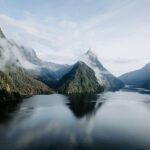
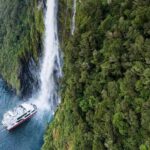
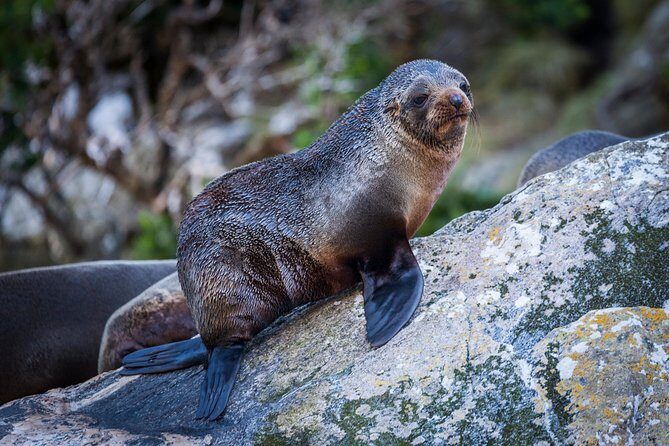
Milford Sound (UNESCO World Heritage) is the kind of place where the cliffs and waterfalls look unreal, even on a clear day. You’ll cruise past standouts like Bowen Falls (525 feet / 160 meters), the hanging valley of Sinbad Gully, and the snow-capped bulk of Mt. Pembroke, then head toward the Tasman Sea. Wildlife viewing is a big part of the appeal too—fur seals, dusky dolphins, and the rare Fiordland crested penguins are all on the menu.
In This Review
- Key things I’d plan around
- Milford Sound in Two Hours: What the Experience Really Feels Like
- Bowen Falls, Sinbad Gully, and Mitre Peak: The Scenic Hits You’ll Want on Your Shot List
- Bowen Falls: the “scale” moment
- Sinbad Gully: the hanging valley look
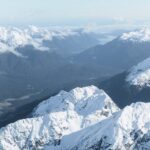
- Mt. Pembroke: snow-capped contrast
- Mitre Peak: the iconic landmark pass
- The Wildlife Part: Fur Seals, Dolphins, and Fiordland Crested Penguins
- Entering the Sound Like the First Settlers: The Storytelling Layer
- Smaller Boat, Better Viewing: Space, Deck Time, and Crowd Control
- On Board Comfort: Free Tea, Coffee, and What to Bring
- Price and Value at About $104.88: What You’re Paying For
- Weather, Waves, and Seasickness: Plan for the Real Milford Conditions
- Who This Tour Fits Best (And Who Might Prefer Something Else)
- Should You Book This Milford Sound Cruise?
- FAQ
- How long is the Milford Sound scenic cruise?
- Where does the tour start?
- Do I need a mobile ticket?
- Are meals included on board?
- What drinks are included?
- What wildlife can I expect to see?
- Does the boat have viewing areas for wildlife?
- Is the tour weather dependent?
- Can children join, and is there a discount?
- How big is the group?
Key things I’d plan around
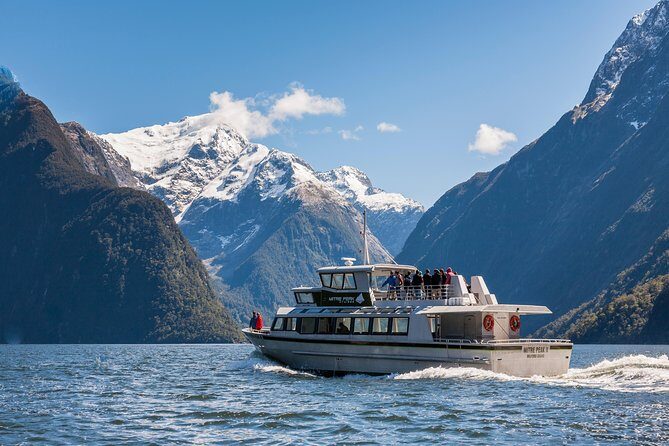
- Smaller boat, more space: less crowding means better views and easier camera work.
- Live history and nature talk: expect real-time explanations, including first-settler stories.
- Big-ticket sights in 2 hours: Bowen Falls, Sinbad Gully, Mt. Pembroke, and Mitre Peak.
- Wildlife is part of the deal: you’ll watch from the viewing platform when conditions allow.
- Free hot drinks on board: tea, coffee, and hot chocolates help take the edge off cool weather.
Milford Sound in Two Hours: What the Experience Really Feels Like
A Milford Sound cruise is often sold as a “see it from the water” kind of outing. This one is more useful than that. With a 2-hour duration, you’re not stuck watching the same stretch of water for ages. Instead, you get a concentrated loop that takes you from the Milford Sound area out toward the coast and back again—long enough to catch the highlights, short enough to stay fresh.
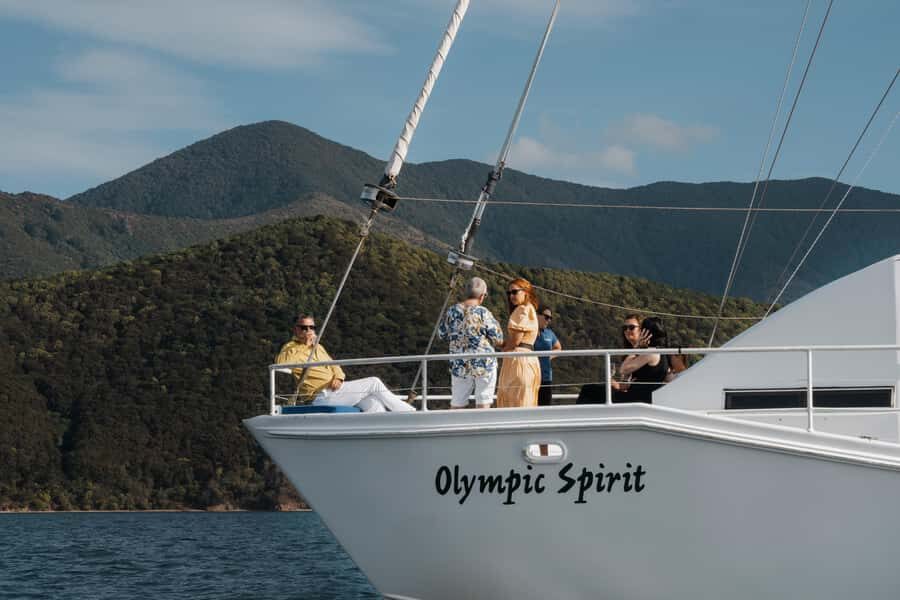
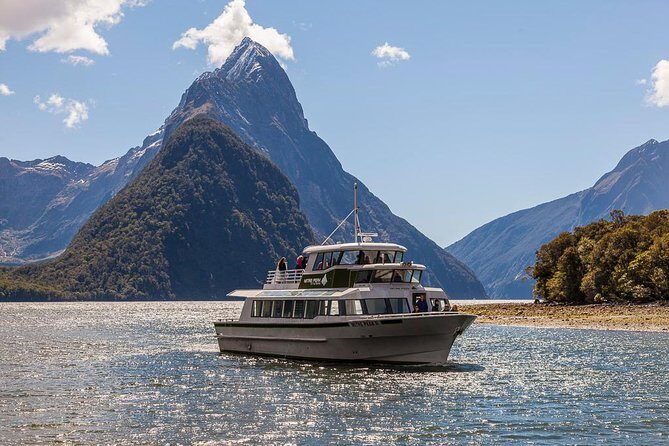
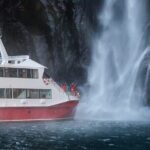
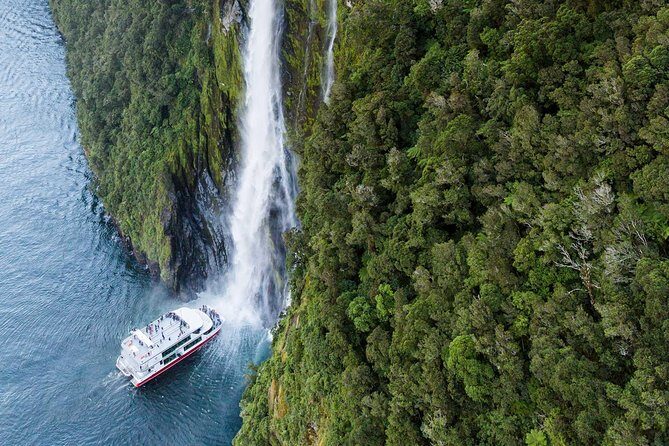
The “smaller boat” angle matters more than you might think. On big tours, people can end up squeezed where they can’t see the best angles. Here, the vessel is smaller and capped at a maximum of 75 travelers, which translates into room to shift positions on deck and look toward waterfalls and cliffs without playing a crowded waiting game.
You also get a live guide on board. That’s important because Milford Sound’s sights aren’t random. The guide’s commentary puts the geology and the wildlife into context, including stories about European first settlers from the late 1700s and how indigenous inhabitants fit into the area’s long relationship with this landscape.
You can also read our reviews of more boat tours in Fiordland and Milford Sound
Bowen Falls, Sinbad Gully, and Mitre Peak: The Scenic Hits You’ll Want on Your Shot List
If you’re the type who likes to plan your camera moments, you’ll appreciate how many named landmarks are built into the cruise route.
Bowen Falls: the “scale” moment
One of the headline sights is Bowen Falls, listed at 525 feet (160 meters). From the water, that height feels bigger than you expect because you’re not just viewing a waterfall—you’re seeing it drop from cliffs that rise steeply straight out of the fjord. If you want a photo, keep your camera ready as you approach the waterfall area. Water spray can make lenses a little dramatic, in a good way.
Sinbad Gully: the hanging valley look
Next up is Sinbad Gully, described as a hanging valley. This is the kind of feature that makes Milford Sound feel like a set built by glaciers. You get a sense of cliffs cutting down into space, then water collecting and spilling in a way that looks engineered.
Mt. Pembroke: snow-capped contrast
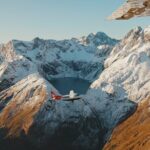
Mt. Pembroke is another standout. The description notes a snow-capped peak, which adds contrast against the darker rock and the often moody fjord colors. Even when the weather is gray, this kind of contrast helps the view stay interesting.
Mitre Peak: the iconic landmark pass
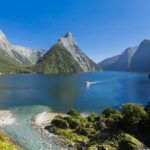
Then there’s Mitre Peak—one of New Zealand’s most photographed shapes. It’s given at 5,551 feet (1,692 meters). Passing beneath it is a classic Milford move: you go from feeling like you’re watching a landmark to feeling like the landmark is looming overhead. If you’ve seen photos, it’s still different in person because of the sheer closeness and the way the walls frame the waterline.
The Wildlife Part: Fur Seals, Dolphins, and Fiordland Crested Penguins
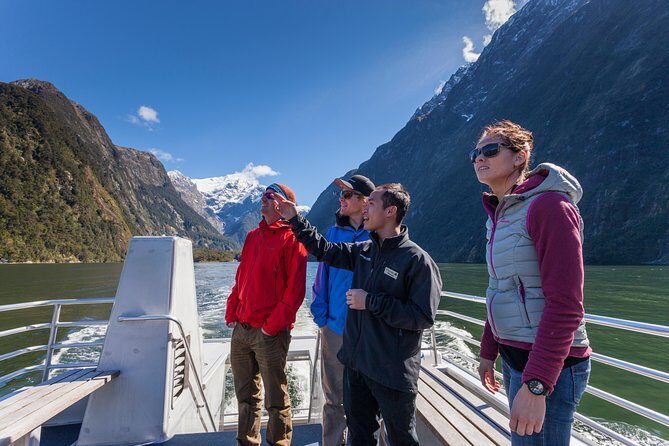
Milford Sound is one of those places where wildlife viewing feels less like a lucky lottery and more like a scheduled activity. You’ll spend time looking from the boat’s viewing platform, and you’ll cruise in a way that gives chances at several species.
Here’s what you should expect could show up:
- Fur seals: Often seen along the rocks, resting in the sun when conditions allow.
- Dusky dolphins: The chance to spot pods while cruising is part of the thrill.
- Fiordland crested penguins: Rarer, but specifically listed as a sighting target.
A useful way to think about wildlife here: you’re not controlling it. You’re positioning yourself to notice it. So I’d keep your camera mode ready, scan often, and don’t stare at only one direction for the whole trip. When a seal appears, it can be sudden. When dolphins show up, they may move quickly. The best results come from staying visually flexible.
Also, don’t miss the practical side: when you’re outside on deck, wind and mist can change fast. Dress for cool spray, and you’ll stay comfortable enough to look longer without rushing back inside.
Entering the Sound Like the First Settlers: The Storytelling Layer
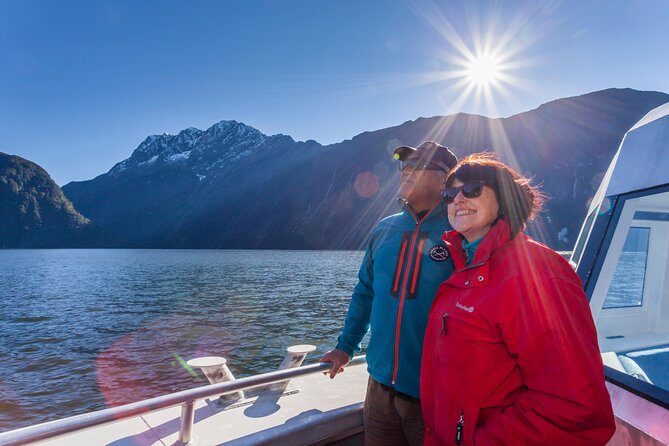
Milford Sound isn’t just scenery. It’s a place with human stories layered on top of the natural drama.
As you cruise, you’ll hear live commentary about the dramatic approach witnessed by the first settlers toward the end of the 18th century, along with stories about indigenous inhabitants. That context turns the cruise from “I saw waterfalls” into “I understand why this waterway mattered.”
I like when tours do this because it helps you pay attention in a smarter way. Instead of just watching water drop, you notice how the fjord’s shape channels wind, rain, and visibility. You also start to understand why early visitors would have found the approach so intense—narrowing cliffs, shifting weather, and the sense of coming around a corner into something massive.
Smaller Boat, Better Viewing: Space, Deck Time, and Crowd Control
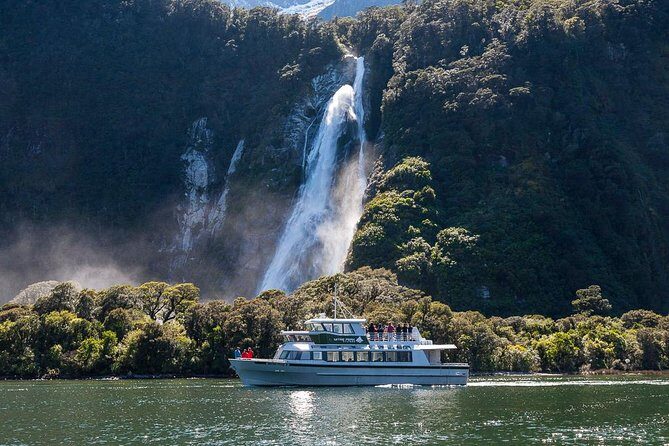
This is one of those tours where the “smaller boat” detail is the real differentiator.
With a maximum of 75 travelers and a compact vessel, you’re less likely to end up stuck behind the same person for the entire ride. That matters for two reasons:
- Waterfalls aren’t flat photos. You often want to shoot from slightly different angles as you approach.
- Wildlife sightings are timing-sensitive. When something pops up near the rocks, you want to be able to move your position instead of waiting for the crowd to shuffle.
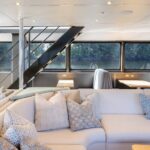
Most of the cruise is also about being able to switch between inside areas and deck viewing. Wind and spray can make you want shelter for a minute, but you’ll still want open-air time often enough to catch the full effect. If you’re deciding between operators, this smaller-boat advantage is a strong reason to pick this one.
One small downside to keep in mind: there can be times when commentary is harder to hear, especially in windy conditions. If you care a lot about the talk, I’d place yourself where you can hear your guide without leaning into the wind.
On Board Comfort: Free Tea, Coffee, and What to Bring
The tour includes free tea, coffee, and hot chocolates on board. That’s not just a nice perk—it helps you stay outside longer when the weather turns cold or damp. It also means you don’t have to budget for a drink mid-cruise.
Food isn’t included unless stated otherwise. So if you’re hungry, eat before you go. A simple plan: grab something at the visitor center area or pack a snack you can access before boarding.
What I’d bring based on what’s typical for this fjord environment:
- A waterproof layer (even light rain can turn into constant mist)
- A camera you can protect from spray
- Something for insects if you’re waiting around the dock area
- If you get motion sick easily, consider a motion-sickness strategy beforehand
About boarding: you’ll want to arrive 30 minutes early for check-in. Boarding is scheduled to stop about 5 minutes before departure, so don’t cut it close. You should also expect to use your mobile ticket—and it can help to keep it accessible in the way the check-in team needs.
Price and Value at About $104.88: What You’re Paying For
At $104.88 per person, this cruise isn’t the cheapest way to see Milford Sound—but it’s not outrageous given what you get in that 2-hour window.
Here’s the value breakdown that matters:
- You’re paying for time-efficient access to the core Milford highlights: Bowen Falls, Sinbad Gully, Mt. Pembroke, Mitre Peak, plus the cruise out toward the Tasman Sea.
- You’re paying for a smaller-boat format, which often means better visibility and more freedom on deck.
- You’re getting drinks included (tea, coffee, hot chocolate), which helps offset some costs if you’d otherwise buy beverages.
- You’re getting live interpretation, including first-settler history and local context.
If your priority is to see Milford Sound quickly but well—without spending the whole day rotating between buses and long waits—this pricing can feel reasonable. If you’re the type who wants to linger for hours on the water or combine with extra activities, you may feel the cost more sharply. But as a focused, highlight-packed cruise, it holds up.
Weather, Waves, and Seasickness: Plan for the Real Milford Conditions
Milford Sound is famous for weather shifts, and the tour specifically notes it depends on favorable conditions. That’s part of the truth of Fiordland National Park: you can get clear light or wind-driven spray within the same day.
The experience can still be worth it in bad weather because waterfalls may look even more dramatic when there’s more rainfall. Still, there’s one practical consideration: the cruise heads toward the Tasman Sea coast, and waves can build there. If you’re prone to seasickness, plan accordingly.
A useful strategy is to dress for movement and keep expectations flexible. Expect mist. Expect wind. If conditions are rough, you may prefer staying near areas protected from spray rather than standing in full weather the whole time.
Who This Tour Fits Best (And Who Might Prefer Something Else)
This cruise is a great match if:
- You want top Milford sights in a short time
- You care about wildlife viewing from a boat with decent deck access
- You like guided context while you’re looking at the scenery
- You’d rather be on a less crowded vessel than the biggest options
It’s also described as family friendly. Children under 3 are free, and children must be accompanied by an adult. If you’re traveling with older kids, this format tends to work because it doesn’t drag—2 hours is a manageable chunk.
If you’re very sensitive to choppy water, consider that out toward the coast can get rough. In that case, you might still enjoy the experience, but you’ll want a good seasickness plan.
Should You Book This Milford Sound Cruise?
I’d book it if you want the Milford Sound essentials—Mitre Peak, Bowen Falls, Sinbad Gully, Mt. Pembroke, and wildlife chances—in a format that doesn’t feel cramped. The included hot drinks and the smaller-boat setup make the whole thing feel more comfortable and photo-friendly than many big-boat options.
You should think twice if you know you get seriously seasick when waves pick up, or if you want food options included on board. For most people, though, this is a strong way to experience Milford Sound without turning it into a half-day logistics project.
If your goal is a high-impact, guided 2-hour fjord cruise, this one is easy to recommend.
FAQ
How long is the Milford Sound scenic cruise?
The cruise runs for about 2 hours.
Where does the tour start?
It departs from the Mitre Peak Cruises Visitor Centre at Milford Sound Highway 94, Milford Sound 9679, New Zealand.
Do I need a mobile ticket?
The tour uses a mobile ticket, and you’ll receive confirmation at booking.
Are meals included on board?
No. Food and drinks aren’t included unless specified. Tea, coffee, and hot chocolates are included.
What drinks are included?
Free tea, coffee, and hot chocolates are provided on board.
What wildlife can I expect to see?
The cruise description highlights fur seals, dusky dolphins, and Fiordland crested penguins.
Does the boat have viewing areas for wildlife?
Yes. You can climb onto the viewing platform for better wildlife viewing.
Is the tour weather dependent?
Yes. It requires good weather, and if it’s canceled due to poor weather, you’ll be offered an alternative date or a full refund.
Can children join, and is there a discount?
Children under 3 are free, but children must be accompanied by an adult.
How big is the group?
The maximum group size is 75 travelers.