REVIEW · AUCKLAND
2 Hour Surf Lesson – Te Arai Beach
Book on Viator →Operated by Aotearoa Surf School · Bookable on Viator
Your first clean pop can happen fast here. At Te Arai Beach, the small-group format means you get hands-on tips, not vague talk, and the included gear lets you focus on surfing from minute one.
I also like that the lesson is built around the skills you actually need: safety, ocean awareness, getting out through the waves, then timing & takeoff so you can stand with more confidence.
One catch: you still need to work with ocean conditions, so your first standing ride depends on the day. Also, souvenir photos cost extra.
In This Review
- Key things that make this surf lesson worth your time
- Te Arai Beach and the Auckland setting for beginners
- What you actually do during the 2-hour surf lesson
- Gear you do not have to rent: wetsuit, rash shirt, board, leash
- Safety and ocean awareness: the stuff that makes you comfortable
- Learning the popup and takeoff: the fastest path to standing rides
- Small-group coaching and instructors like Maya
- Price and value: what you’re paying for at Te Arai
- Should you book this Te Arai lesson?
- FAQ
- Where is the meeting point for the Te Arai surf lesson?
- How long is the surf lesson?
- What’s included with the lesson?
- Is pickup available?
- What group size is this limited to?
- Can beginners join, or is it only for experienced surfers?
- Can I cancel for free?
Key things that make this surf lesson worth your time
- Small-group coaching with a max of 12 people
- Gear included: surfboard, leash, wetsuit, rash shirt
- Popup focus: positioning, paddling technique, timing, and takeoff
- Ocean awareness basics: safety and how to get out through waves
- Step-by-step teaching for mixed levels, with instructors like Maya noted for working with beginners and kids
- Te Arai Beach views while you learn (yes, you get to look up between wipeouts)
Te Arai Beach and the Auckland setting for beginners
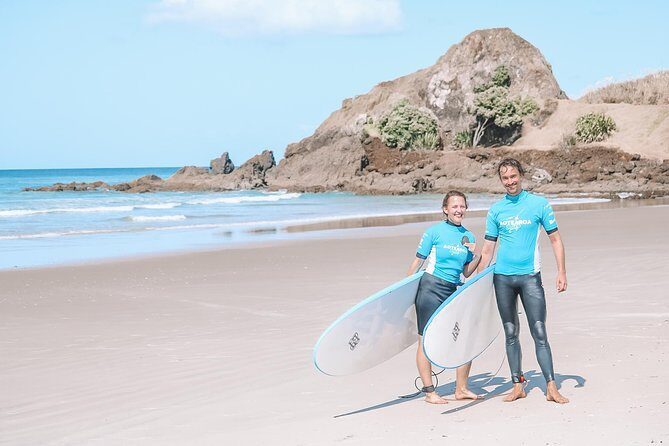
If you’re learning from scratch, the location matters more than most people think. Te Arai Beach sits on the north side of Auckland, on the east coast, which means your lesson has that classic coastal rhythm: ocean sounds, open space, and plenty of time outside to practice what the instructor shows.
What I like about this setup is that it’s not trying to turn surfing into a lecture. You’re there to build real board skills—starting with how to handle yourself on the water, then moving into standing rides. The view part is real too, since you’re surfing at a beach known for great scenery, so you’re not stuck in a bland training zone.
And because it’s a lesson (not a one-time photo op), you’re learning a process. Once you understand positioning, paddling, and timing, you can take that knowledge to your next beach day. That’s the difference between a fun morning and actual progress.
A few more Auckland tours and experiences worth a look


What you actually do during the 2-hour surf lesson
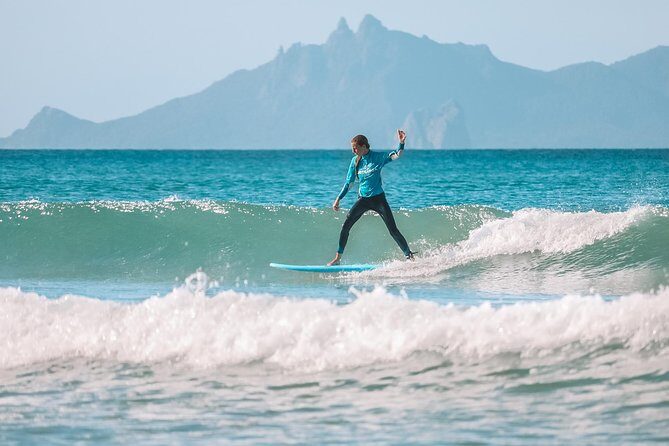
This is listed as a 2-hour surf lesson, with about 2 hours 30 minutes total time. In practice, that extra half hour is usually the “getting ready and getting organized” part—meeting, fitting gear, and settling into the water.
You’ll work on the key skills in a logical order. First comes safety and basic ocean awareness, because your confidence grows faster when you understand what you’re doing and why. Then the lesson shifts into technique: equipment design (how your board setup affects how you move), positioning, and paddling technique.
After that, the coaching moves into the part beginners often struggle with: getting out through the waves. This matters because even if your paddling is okay, you can still get overwhelmed if you don’t know how to time your movement against breaking sets. You’ll also practice timing & takeoff, which is the bridge between sitting on the board and actually standing.
The goal is simple: master the popup, then ride waves. That’s the “aha” moment people sign up for, and the lesson format is designed to take you there with repeat tries and direct coaching.
Gear you do not have to rent: wetsuit, rash shirt, board, leash
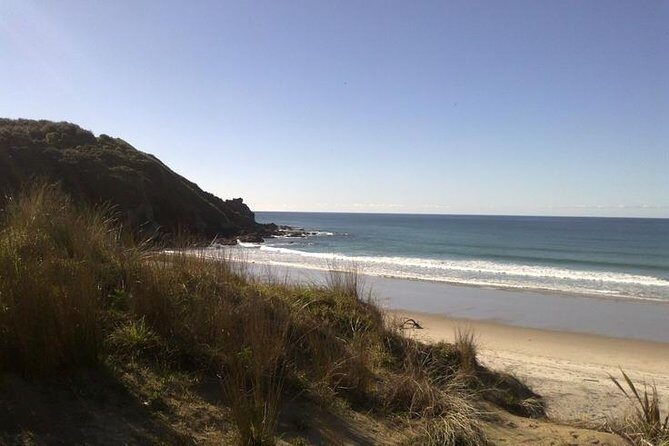
The best beginner surf lessons remove friction. Here, you don’t have to hunt down rentals or figure out what equipment you need. All required gear is included: a surfboard, leash, wetsuit, and rash shirt.
The practical value is huge. When you show up without gear, you spend energy on logistics and awkward trial-and-error. With this lesson, your focus stays where it belongs: learning body position, paddling, and how to stand.
You also get sunscreen protection included. That’s one of those small items that can make a big difference on a beach day, especially when you’re working your way from land practice to time in the sun on the water.
One more practical note: souvenir photos are not included. If you want them, you’ll need to purchase them separately. I’d treat photos like the bonus layer, not the main reason for booking.
Safety and ocean awareness: the stuff that makes you comfortable
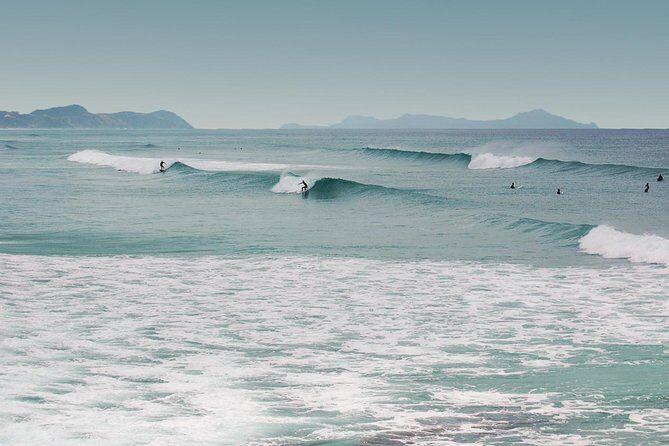
Surfing gets safer when you understand the ocean—not when you ignore it. This lesson specifically calls out safety and ocean awareness, which is exactly what you want early on.
You’ll learn how to think about timing and movement in real water conditions, especially when it comes to getting out through waves. That’s a common beginner sticking point, because it’s physical and mental at the same time. You’re dealing with waves, the board, and your own uncertainty all at once.
When the instructor teaches ocean awareness directly, you start reacting instead of panicking. Even if you’re still building strength, you’ll know what to try next. Over time, that’s what turns surfing from scary to doable.
Also, the lesson is designed for different ability levels. So if you’re intermediate, you’re not stuck doing only beginner drills. And if you’re brand new, you’re not thrown into advanced expectations either.
Learning the popup and takeoff: the fastest path to standing rides
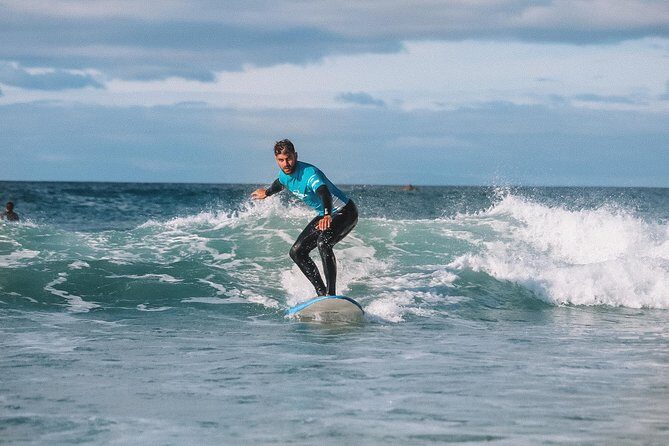
Let’s talk about the skill people come for: the popup. This is the move that turns you from someone balancing on a board into someone riding waves.
A good popup isn’t just about legs and arms. It’s about positioning and timing. That’s why this lesson includes positioning and paddling technique before you’re asked to stand. If your board angle and body placement are off, you’ll feel it instantly when you try to take off. If your timing is off, you’ll wipe out at the exact moment you’re supposed to pop up.
The lesson is very direct about the sequence: positioning, then paddling, then timing & takeoff. This helps you avoid the most frustrating beginner trap: trying to stand before you can reliably get into the right spot on the wave.
One thing you should know from how instructors teach: the popup improves with repetition and correction. If you get consistent feedback on your setup—where your hands go, how your weight shifts, when you transition from prone to standing—you’ll progress faster than someone just trying to copy the move once.
In one reported experience, instruction from Maya was praised for noticing what different levels needed and giving sharp advice that helped everyone, including a young beginner, catch waves. That kind of “watch closely, fix one thing” coaching is exactly what makes the popup feel learnable.
A few more Auckland tours and experiences worth a look

Small-group coaching and instructors like Maya
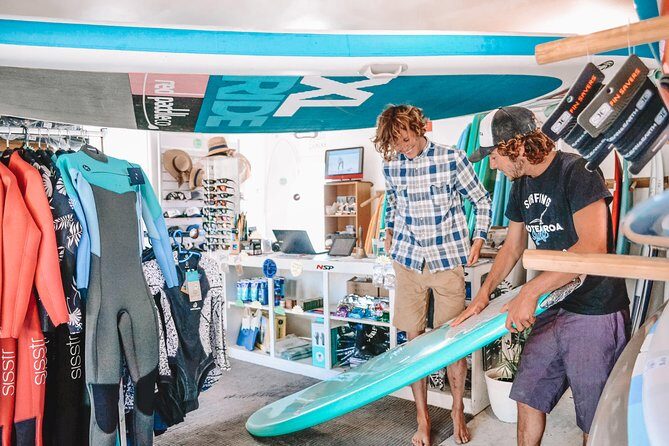
This is a small-group class with a maximum of 12 travelers. That number matters. In a crowded situation, you might spend lots of time waiting your turn. In a smaller group, you get more chances to practice and more chances for the instructor to correct what’s happening in real time.
The coaching includes a qualified and experienced instructor, and the lesson is built for beginners through more advanced surfers. That’s ideal if you’re booking with friends or family who don’t all start at the same level.
One of the most standout themes from people who’ve taken instruction is how personalized the attention feels. The lesson isn’t just a demo followed by chaos. You’re given guidance for your next attempt, which is what helps you catch your first standing ride and then build from there.
If you’re paired with an instructor like Maya—named in a report for working smoothly across beginner and intermediate levels, and for teaching a 7-year-old—it’s a great sign you’ll get patient, structured coaching. That matters most when you’re new, because surfing punishes hesitation. You want clarity, not pressure.
Price and value: what you’re paying for at Te Arai
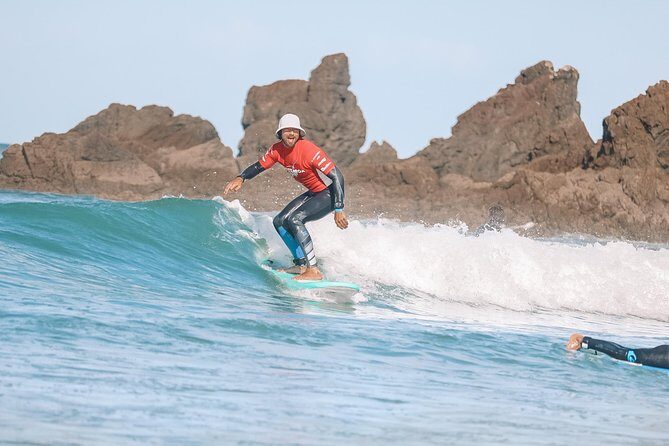
At $50.92 per person, this isn’t a budget-your-way surf class. It’s priced like a true skill lesson with an instructor, not a casual board rental.
Here’s the value breakdown using only what’s included:
- 2-hour surf lesson (about 2 hours 30 minutes total)
- Qualified instructor
- All required equipment: surfboard, leash, wetsuit, rash shirt
- Sunscreen protection
- All taxes and fees
When gear is included, your cost is mostly the lesson itself plus the time. You’re not spending extra just to figure out what to rent or transporting gear to the beach. For first-timers, that’s a big deal, because the real challenge is learning the fundamentals, not managing logistics.
Also, the small-group limit helps value. If you’re the type who learns faster with feedback, a group size capped at 12 is a practical way to avoid getting ignored.
If you’re tempted to do a DIY surf day, you’ll likely pay more in time and frustration. This lesson compresses the learning curve so you can get to the point where hiring a board later actually makes sense.
Should you book this Te Arai lesson?
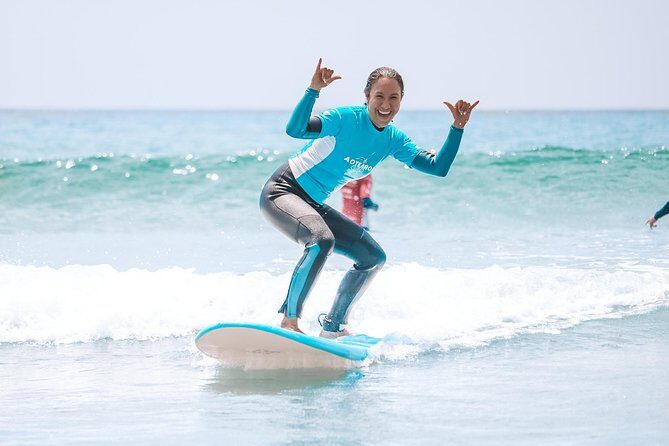
Book it if:
- You want your first surfing steps taught in a structured way, including safety, ocean awareness, and the skills behind standing rides
- You like the idea of a small group with room for individualized coaching
- You don’t want to deal with renting a board, wetsuit, and leash on your own
- You’re aiming for real progress, not just one try
Consider passing or planning differently if:
- You’re expecting a guaranteed first-time standing ride regardless of conditions. Even with good teaching, the ocean decides how quickly everyone can take off.
- You care about photos enough to make them part of your budget. Photos are available for purchase, but they’re not included.
If you’re in Auckland and you’ve been thinking about learning for a while, this is a smart, practical way to start. You’ll come away with the basics that let you practice later: paddling technique, positioning, ocean awareness, and the popup that turns effort into wave rides.
FAQ
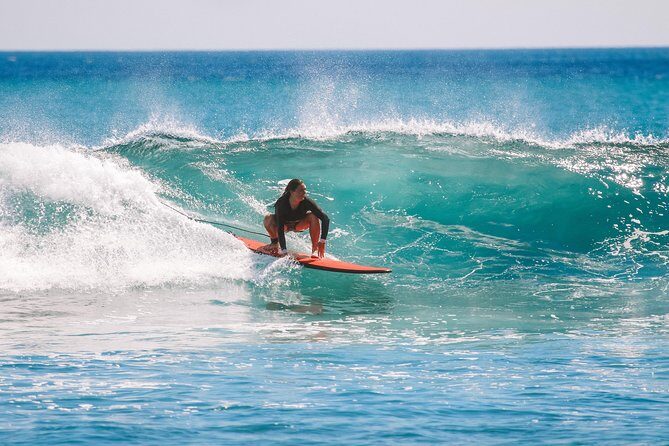
Where is the meeting point for the Te Arai surf lesson?
The lesson starts at 708 Te Arai Point Road, Te Arai 0975, New Zealand.
How long is the surf lesson?
The experience is about 2 hours 30 minutes in total time (including the 2-hour lesson).
What’s included with the lesson?
You get a 2-hour surf lesson, qualified instruction, and all required equipment: a surfboard, leash, wetsuit, and rash shirt, plus sunscreen protection. Taxes and fees are included too.
Is pickup available?
Pickup is offered, and the activity ends back at the meeting point.
What group size is this limited to?
The maximum group size is 12 travelers.
Can beginners join, or is it only for experienced surfers?
Most travelers can participate, and lessons can be designed for beginner, intermediate, and more advanced surfers.
Can I cancel for free?
Yes. You can cancel for a full refund if you cancel up to 24 hours in advance of the experience start time. If you cancel less than 24 hours before, the amount paid is not refunded.