REVIEW · AUCKLAND
Auckland Dolphin and Whale Watching Eco-Safari Cruise
Book on Viator →Operated by Auckland Whale and Dolphin Safari · Bookable on Viator
Dolphins off downtown Auckland are no joke. This 4.5-hour eco safari runs from Viaduct Harbour and gives you real-time marine spotting with marine research scientists onboard, plus a lot of chances at close dolphin viewing. One big consideration: wildlife sightings can’t be guaranteed, and whales are often the most elusive.
What I like here is the mix of wildlife plus island scenery, all in a boat built for viewing. The eco angle is also practical: your ticket supports marine mammal conservation, and the guides are focused on how the wildlife uses this protected bay.
If you’re the type who hates vague nature tours, you’ll probably appreciate the structure. You’ll get expert commentary, target sightings, and a clear plan—just keep your expectations flexible.
In This Review
- Key highlights worth your attention
- Leaving Viaduct Harbour on a 65-foot viewing catamaran
- The Hauraki Gulf Marine Park: where the spotting happens
- Your route through Auckland’s island world (and what each stop adds)
- New Zealand Maritime Museum: getting oriented before you cast off
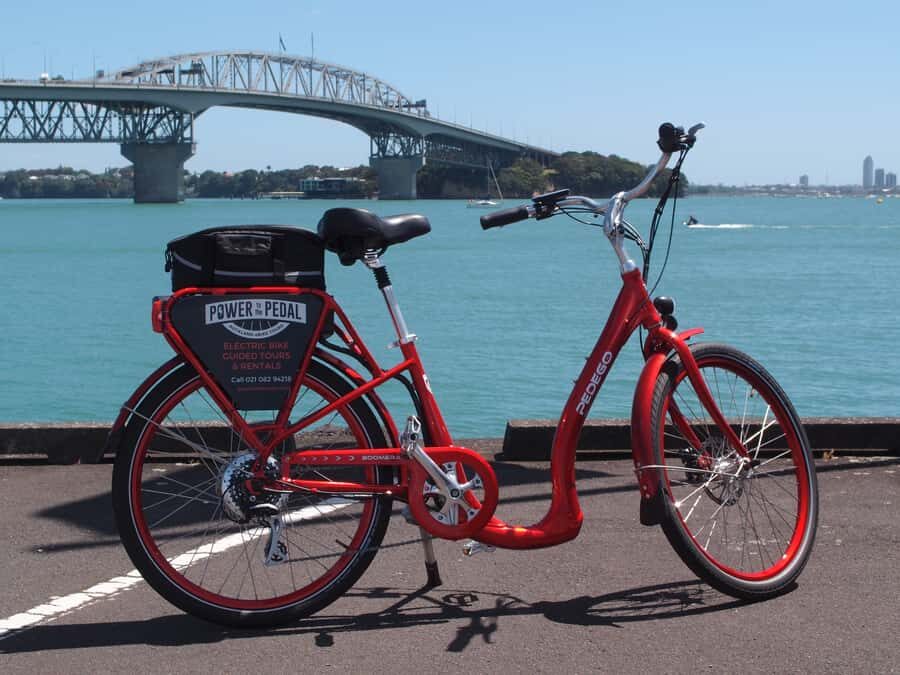
- Viaduct Harbour and Auckland Harbour Bridge: the city edge fades fast
- Rangitoto Island and the Hauraki Gulf: scenery with a purpose
- Motuihe Island, Motutapu Island, and Tiritiri Matangi: the protected-island feel
- North Head Historic Reserve and the return toward Viaduct
- Dolphins, whales, penguins, and birds: what you should realistically expect
- When the sea turns choppy
- What the crew does when they search
- Onboard comfort: staying warm, seeing well, and not missing the commentary
- Price and value: why $135.91 can make sense
- Who should book this Auckland dolphin and whale watching eco-safari?
- Should you book this eco safari?
- FAQ
- How long is the Auckland Dolphin and Whale Watching Eco-Safari Cruise?
- Where does the cruise depart from, and where does it end?
- Are whale and dolphin sightings guaranteed?
- What happens if I don’t see marine mammals during the trip?
- What should I bring for the trip?
- Are food and drinks included?
- What if the weather is poor?
Key highlights worth your attention
- Marine research scientists onboard sharing what they’re tracking in the Hauraki Gulf
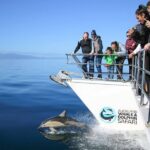
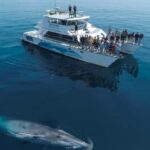
- A custom-built 65-foot catamaran built for wide viewing (including time at key lookout areas)
- Hauraki Gulf Marine Park focus with five marine preserves and about 23 species in the wider area
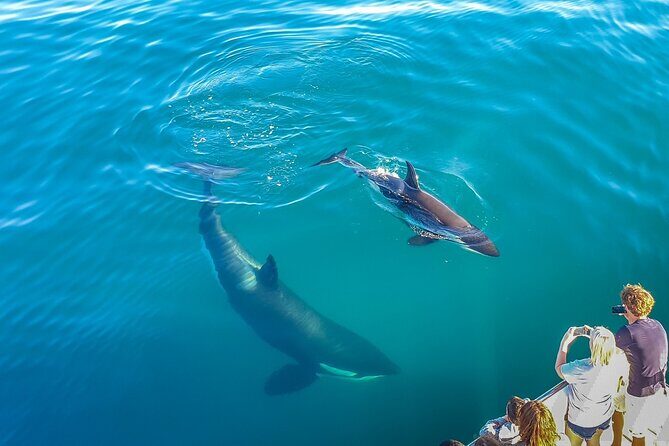
- High-probability dolphin viewing plus the chance for Bryde’s whales and more whale types
- Seabirds and blue penguins show up alongside the bigger marine mammals
- Free re-trip if no marine mammals are seen, so your day doesn’t feel like a total roll of the dice
Leaving Viaduct Harbour on a 65-foot viewing catamaran
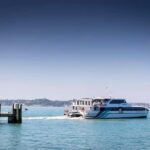
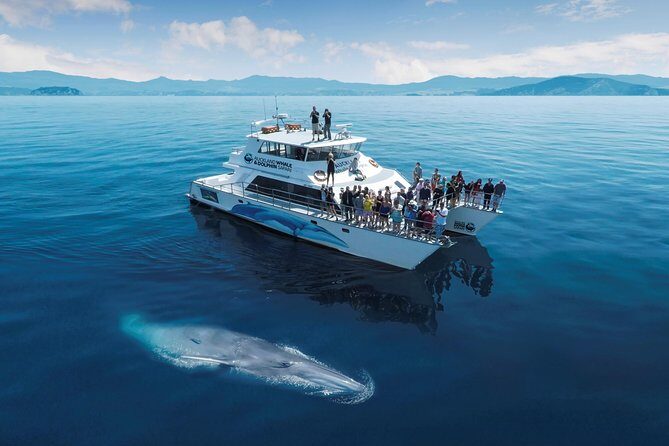
Your day starts at the New Zealand Maritime Museum area in Eastern Viaduct (Viaduct Harbour, downtown Auckland). You’ll then board a custom-built 65-foot (20-meter) catamaran and settle in for roughly 4 hours 30 minutes on the water, ending back at Viaduct Harbour.
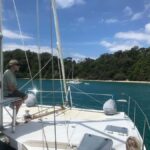
The boat setup matters more than you’d think. It’s designed for spotting at sea level, not just sightseeing from behind glass. That means you can spend time where the viewing is best—out on deck when conditions are good, and inside when the weather turns. In real terms, this is about comfort and staying engaged for the full time instead of constantly wandering around looking for a clear angle.
The group size is capped at 99 travelers, which is big enough to feel lively but still manageable for rotations around the best photo spots. Also, check in doesn’t wait forever. Check-in closes 15 minutes before departure, and arriving late can mean you lose your allocated seat. On a tour like this, that’s one “oops” you really want to avoid.
You can also read our reviews of more boat tours in Auckland
The Hauraki Gulf Marine Park: where the spotting happens
Most of the action takes place in the Hauraki Gulf Marine Park, a protected marine area with five marine preserves scattered around island country. The standout point here is biodiversity. The park is considered biologically diverse, and it supports a mix of marine mammals, birds, and island life.
This cruise leans hard into that research-based angle. You’ll hear expert commentary during the trip, including how marine scientists and local partners do studies in this region. The crew also talks through what they’re targeting—so instead of random searching, it feels like you’re watching a team work a plan.
Here’s what you’re likely to hear and look for:
- Bottlenose dolphins (often seen in pods)
- Bryde’s whales (one of the species commonly discussed for this area)
- Other whale types that the crew actively looks for
- Seals
- Seabirds like Australasian gannets, petrels, shearwaters, and white-fronted terns
- Blue penguins (a frequent “bonus” when they’re in view)
A key value of the research-led approach: it helps explain behavior. When the guide points out why the dolphins are where they are—feeding, moving through currents, or riding a particular stretch of water—it turns a sighting into understanding. That’s the difference between watching wildlife and learning how the place works.
Your route through Auckland’s island world (and what each stop adds)
You won’t feel like you’re just doing one long “out and back.” The cruise moves through several recognizable spots around Auckland’s harbors and islands. Some moments are about geography and views; others set up the wildlife search.
New Zealand Maritime Museum: getting oriented before you cast off
Meet near the maritime museum area at Viaduct. This is your “anchor point” for the day—where you confirm timing, meet the crew, and get a quick sense of what you’re heading into. It also sets the tone: this is a marine-focused outing, not a generic sightseeing boat.
Viaduct Harbour and Auckland Harbour Bridge: the city edge fades fast
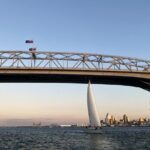
Once you’re out on the water, Viaduct Harbour and the Auckland Harbour Bridge area give you a quick sense of place. It’s still Auckland—busy harbor energy—but within a short stretch the coastline starts shifting into a more marine, less city-driven feel.
Practical note: this early section is often where it’s easiest to get your bearings for where to stand for the best sighting angles later.



Rangitoto Island and the Hauraki Gulf: scenery with a purpose
Rangitoto Island shows up in the route, and it works as a visual landmark as you push toward the Hauraki Gulf area. This is also where the cruise typically starts turning from “views” to “search mode.” Even if you haven’t spotted whales yet, you’ll start noticing seabirds and smaller life that often signal where bigger animals might appear.
Motuihe Island, Motutapu Island, and Tiritiri Matangi: the protected-island feel
These islands shape the mood of the trip. You’ll pass along routes that bring you past island country inside the marine park. It’s not just pretty scenery—these islands are part of why the gulf has life. Birds use the area, seals and other mammals use it too, and the overall ecosystem can concentrate food and movement in predictable ways.
One of the best parts of this part of the route is the bird watching. Even when whales aren’t visible, it’s very possible to see seabirds working the water surface or plunging down—same idea as dolphins and whales: they don’t show up randomly forever. The place matters.
North Head Historic Reserve and the return toward Viaduct
As the cruise wraps, you swing back toward Auckland’s harbor viewpoints. The approach back to Viaduct Harbour is usually a bit more about soaking in the full return view: islands, harbor shapes, and that familiar downtown shoreline.
This matters because your memory of the day sticks to moments of contrast—city-to-wildness—and the return helps make the whole trip feel complete instead of abrupt.
Dolphins, whales, penguins, and birds: what you should realistically expect
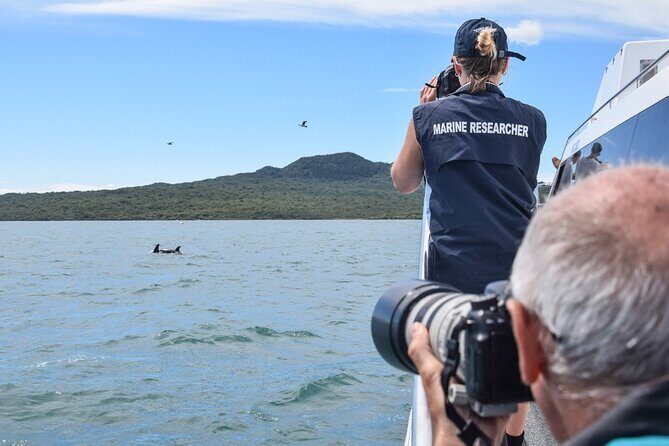
Here’s the honest part: you can’t count on whales every day. Marine wildlife is wild, and animals choose whether they’re present and visible. That said, dolphins are often the most consistently spotted animals on this route.
A useful way to think about your odds:
- Dolphins are commonly seen, and pods may show up repeatedly.
- Whales are less predictable, but when they’re around, the crew can often position the boat for better viewing.
- Even without whales, there’s still a full “wildlife menu” possible: seabirds, penguins, and sometimes seals.
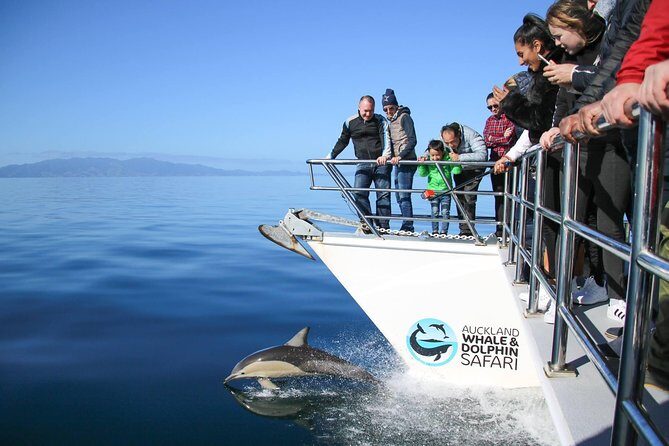
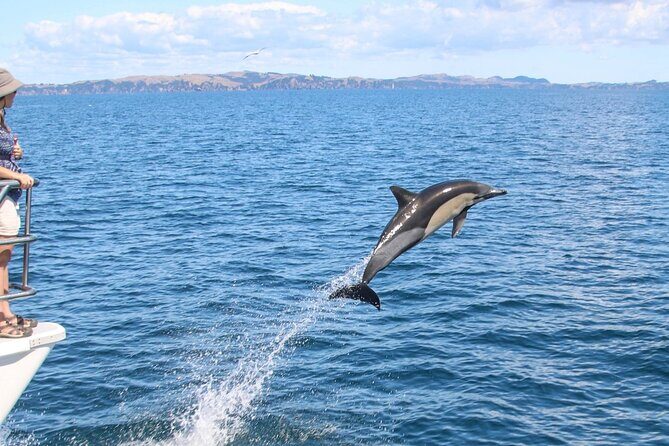
If you want a practical photo tip: the best action often happens from the deck area when the boat is positioned carefully. Some people also specifically found the front deck area to be a strong spot for dolphin play when conditions allow. The key is to balance photo time with safety and crowd management—especially on rainy days.
When the sea turns choppy
Auckland can be a mixed bag on ocean conditions. If you’re prone to motion sickness, take it seriously before you go. The crew can’t change the weather, and your comfort will depend on sea state.
Dress smart and keep expectations flexible. The best wildlife viewing often comes down to patience, not force.
What the crew does when they search
The operation here is built around active searching. The captain and guides talk about what they’re tracking and then adjust where they go based on what they’re seeing. In practice, that means you’re not stuck in one spot for four hours waiting for magic. You’ll move, scan, and slow down when life appears.
Onboard comfort: staying warm, seeing well, and not missing the commentary
The cruise is about 4.5 hours, so comfort isn’t a “nice extra.” The cold wind on open water can surprise people, even on a day that looks mild at departure.
Plan for unpredictable weather:
- Wear warm layers
- Bring weatherproof gear
- Bring a sun hat with a chin strap
- Pack sunscreen and sunglasses
- Bring a camera and binoculars
- Wear flat-soled shoes for deck stability
There’s also a practical onboard reality: on busy days, rain can push everyone closer indoors, which can feel crowded. If you’re hoping for a quiet, roomy feel, try a time slot when the weather looks calmer, or simply plan on switching between inside and outside as needed.
Another small detail that can affect your experience: audio. In at least one case, some commentary volume was hard to hear due to microphone levels. If you rely on audio instructions for spotting tips, it’s worth stepping closer to the speaker area when they’re talking, and don’t assume every message will carry clearly from every seat.
Price and value: why $135.91 can make sense
At $135.91 per person, this isn’t a budget boat trip. But for what you’re getting, it’s easier to justify if you care about more than just seeing something splash.
The value pieces you’re paying for include:
- A full half-day on the water (not a quick hop)
- A boat built for viewing wildlife
- Expert commentary from marine research scientists
- A conservation component: every ticket contributes directly to Marine Mammal Conservation
Also, you’re not stuck with only “wildlife or nothing.” Even in the disappointing scenario where whales don’t show, the trip still includes birdlife, penguin chances, and the broader ecosystem story.
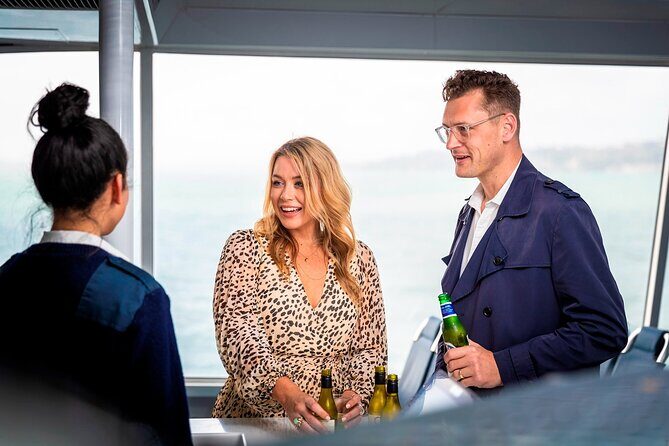
Food and drinks aren’t included, but there is a way to handle it: you can purchase snacks and drinks onboard. So if you want a snack break, you’re not forced to go hungry.
One more value note: the re-trip promise if you don’t see marine mammals. You may still feel disappointed on the day, but it reduces the risk that your money becomes a total loss.
Who should book this Auckland dolphin and whale watching eco-safari?
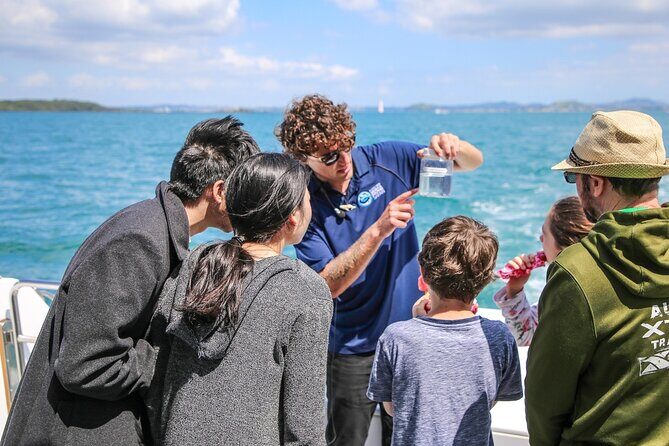
This tour is a strong match if you:
- Want a half-day wildlife outing in downtown Auckland
- Like your nature time paired with explanation from people doing actual research
- Care about marine conservation and want your ticket to support that work
- Travel with family members who will enjoy dolphins, penguins, and seabirds even if whales are absent
- Want a realistic shot at wildlife without needing a full day in remote areas
It’s a weaker fit if you:
- Need guaranteed whale sightings (no cruise can honestly promise that)
- Are very sensitive to motion or rough water
- Dislike crowded conditions during peak travel times, especially when everyone tries to shelter indoors at once
If you’re the “I want to learn something real” type, this tour’s research angle is the part you’ll likely remember most.
Should you book this eco safari?
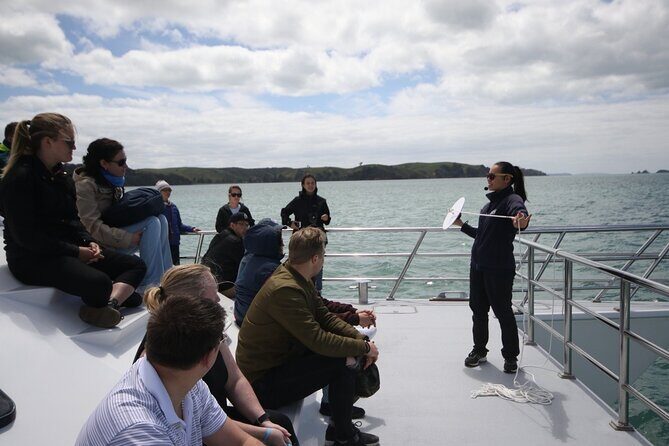
I’d book it if you’re excited by the idea of seeing dolphins often, plus the chance—never the guarantee—of whales in the Hauraki Gulf. The marine research scientist commentary and conservation tie-in make it more than a sightseeing boat. And the re-trip option if marine mammals aren’t spotted reduces the odds that you leave feeling cheated.
I’d also choose it if you’re short on time. This gives you a meaningful slice of island-and-gulf nature without needing to travel far from the city center.
But don’t book it if whales are the only thing that matters. Treat whales as the bonus. The dolphins, seabirds, seals, and penguin possibilities can carry the day even when the big stars don’t put on a show.
FAQ
How long is the Auckland Dolphin and Whale Watching Eco-Safari Cruise?
It runs about 4 hours 30 minutes.
Where does the cruise depart from, and where does it end?
You meet at Eastern Viaduct, Auckland Central near Viaduct Harbour (by the New Zealand Maritime Museum area). The cruise ends back at the meeting point in Viaduct Harbour.
Are whale and dolphin sightings guaranteed?
No. Wildlife sightings can’t be guaranteed. Dolphins and whales are often in these waters, but your actual sightings depend on what the animals are doing that day.
What happens if I don’t see marine mammals during the trip?
If you don’t see marine mammals, you can go again another day at no extra charge.
What should I bring for the trip?
Bring warm layers and weatherproof gear, plus a sun hat (with chin strap), sunscreen, sunglasses, a camera, binoculars, and flat-soled shoes.
Are food and drinks included?
No. Food and drinks are not included, though you can purchase them onboard.
What if the weather is poor?
The experience requires good weather. If it’s canceled due to poor weather, you’ll be offered a different date or a full refund.