REVIEW · AUCKLAND
7 – Day North to South Island Grand Tour – Auckland to Queenstown
Book on Viator →Operated by Leisure Tours · Bookable on Viator
New Zealand moves fast on this route. You’ll stitch together North Island icons and South Island highlights with live-guided stops, so planning feels light and time feels full. It’s especially built for first-timers who want a big-picture trip without hopping between rental cars.
What I like most is the way the day-by-day flow removes decision fatigue: admission tickets, transport, and guided tours are bundled. I also really appreciate the balance of nature and culture here, from guided cave time at Waitomo to geothermal and Maori village experiences in Rotorua.
One consideration: this is an active schedule with early starts and long travel days. If you hate being on the move, you may feel it more than you expect—especially around the ferry and train/coach sections.
In This Review
- Quick Take: 6 reasons this tour works
- A Fast North-to-South Mix: Auckland to Queenstown in 7 Days
- Waitomo Caves and Rotorua’s Living Maori Village: Your First Taste of New Zealand
- Lake Taupo, Wellington, and the Kapiti Coast Views
- Cook Strait to Kaikoura: Trains, Coastal Roads, and Whale Watch
- Waipara Wine Stop and Christchurch City Rebuild Walks
- Mt Cook, Lake Pukaki, and the Route to Queenstown via Burkes and Lindis
- Price and Value: What the Inclusions Really Cover
- Who This Tour Suits (and Who Might Want More Time)
- Should You Book the 7-Day North to South Island Grand Tour?
- FAQ
- What time does the tour start?
- How long is the tour?
- Where does the tour start and end?
- Is hotel pickup and drop-off included?
- Does the price include admission tickets and tours?
- Are meals included?
- Is there a whale watching activity included?
- Which rail parts depend on the season?
- Where are the four-star hotels located?
- What is the cancellation window for a full refund?
Quick Take: 6 reasons this tour works
- North and South in one hit: Auckland to Queenstown with major stops across both islands
- Waitomo + Maori culture early: guided cave time, then Rotorua’s living geothermal and Maori village setup
- Wellington without the stress: coach travel that gets you to the capital and leaves you free for evening walking
- Kaikoura wildlife payoff: whale watching built in as a true highlight day
- Christchurch with context: a guided Cathedral visit plus a flexible free afternoon
- Route into Queenstown via alpine passes: Mt Cook, Lake Pukaki, then through Burkes Pass, Lindis Pass, and more scenic drives
A Fast North-to-South Mix: Auckland to Queenstown in 7 Days
This grand tour is designed to feel like you’re doing New Zealand’s “greatest hits” in one week. Starting in Auckland and ending in Queenstown, you’ll cover Waitomo, Rotorua, Wellington, Kaikoura, Christchurch, Mt Cook area, and the Central Otago–to–Queenstown approach.
The real value is how the logistics are handled for you. You get hotel pickup and drop-off tied to each destination, plus local-guide commentary on many segments, so the trip doesn’t turn into a scavenger hunt.
The trade-off is pacing. It’s not slow travel. You’ll spend real chunks of time on roads, ferries, and rail where noted, and your “free time” tends to be concentrated into specific evenings or afternoons.
You can also read our reviews of more tours and experiences in Auckland.

Waitomo Caves and Rotorua’s Living Maori Village: Your First Taste of New Zealand
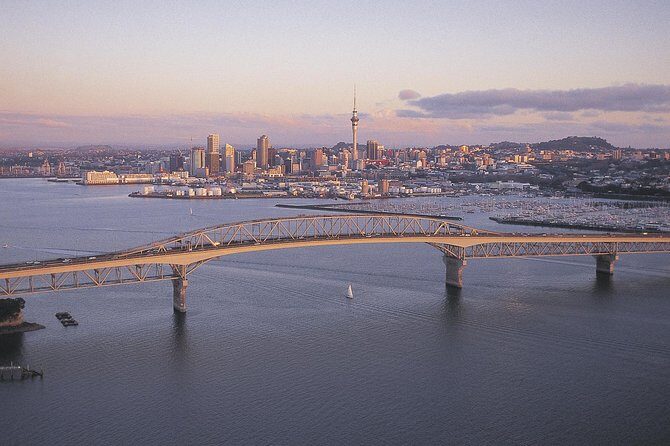
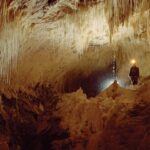
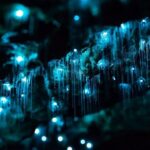
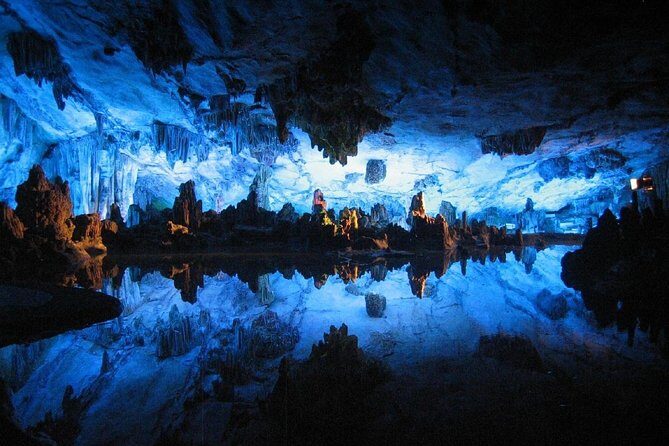
Day 1 sets the tone with a drive from Auckland toward Rotorua, including a guided stop at Waitomo Caves. You arrive mid-morning and get about two hours on-site for the tour (with time to grab lunch your own way). Based on what many people say, the glowworm-cave experience is a major part of why Waitomo is so memorable here—one of those moments that feels very “NZ” and very worth the effort.
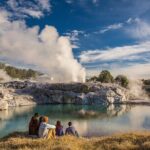
Then you continue to Rotorua, arriving mid-afternoon and staying two nights. Rotorua works well as an early anchor because it packs multiple “you’re really in New Zealand” themes into one base: geothermal activity, Maori culture, and a strong sense of place.
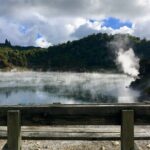
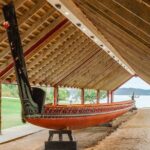
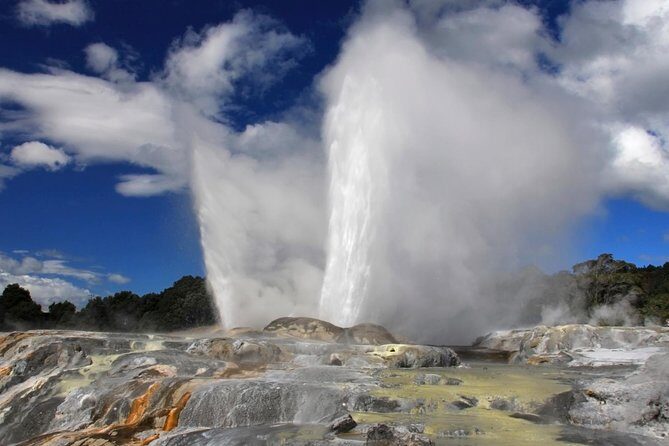
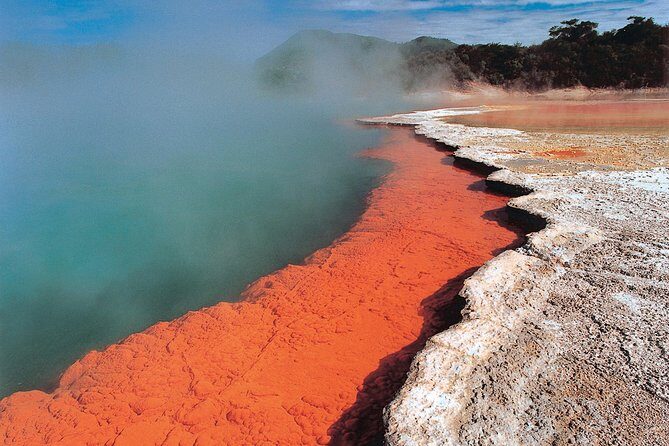
Day 2 brings Whakarewarewa – The Living Maori Village. You’re collected from your accommodation and taken into the geothermal reserve and Maori village with a guided component lasting around three hours. This stop matters because it’s not just a quick photo op; it’s structured to teach you what you’re looking at and why it matters—especially helpful if you’re visiting for the first time.
Practical tip: plan to wear layers. Even when it’s not cold outside, geothermal areas can feel different once you’re moving through reserves and open areas.
Lake Taupo, Wellington, and the Kapiti Coast Views
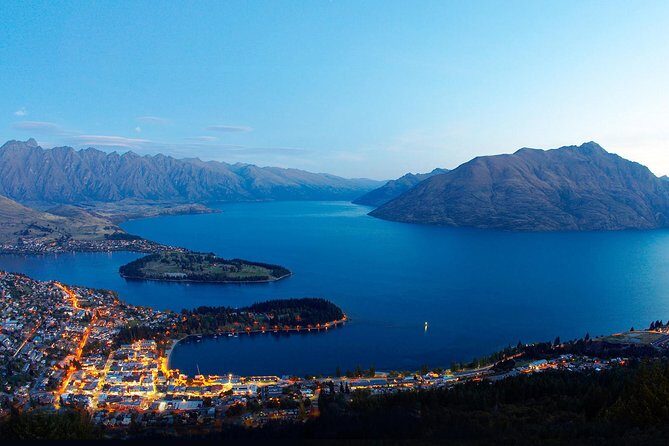
The transition from Rotorua to Wellington is where you start seeing New Zealand’s variety in motion. You leave Rotorua and first stop at Lake Taupo, a lakeside town on the shores of Lake Taupo with a short break (about 15 minutes). It’s not long enough to explore deeply, but it’s enough time to reset, stretch, and appreciate the scale of the lake from ground level.
Next you pass through Palmerston North area and take in views across the central plateau and volcanic peaks that can look snowcapped for much of the year. Again, this is “look and move” travel, but those quick scenic windows are part of what makes this tour efficient: you get the geography without losing the day.
Then you travel along the Kapiti Coast, where you can see Kapiti Island and Cook Strait, and on a clear day you may spot the Southern Alps. The key point for your planning: these are your “out-the-window” moments. Bring a jacket you can manage fast, and don’t plan on stopping at every scenic pull-off on your own—this tour keeps you on its schedule.
You end in Wellington with hotel transfer to a central city base and your evening at leisure. That’s a good setup because Wellington is walkable, and having free time at the end of a long travel day helps you avoid the feeling of “everything was guided all the time.”
Cook Strait to Kaikoura: Trains, Coastal Roads, and Whale Watch
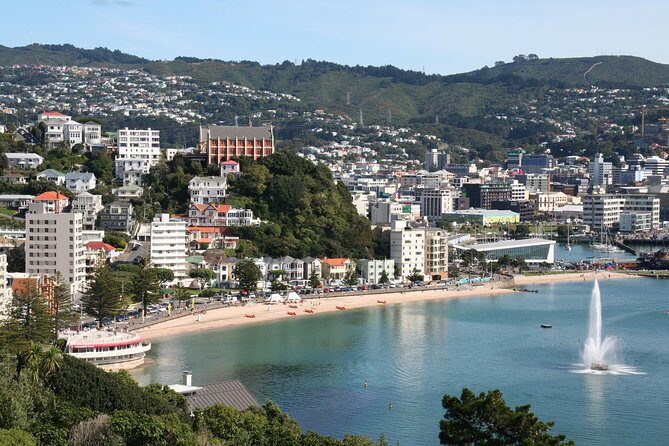
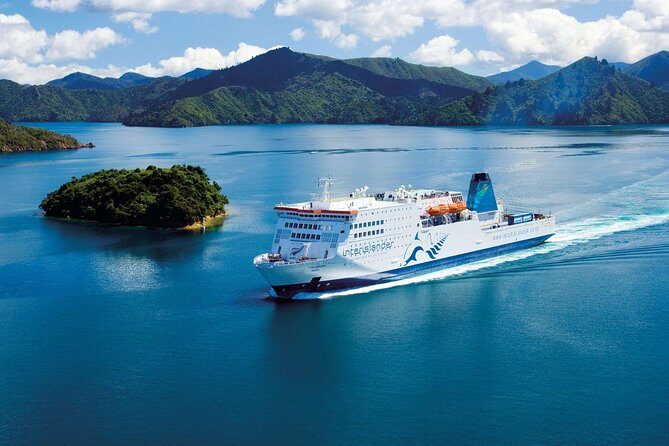
Day 4 is a big crossing day. You leave Wellington by Interislander ferry for a crossing of about three hours to Picton. The ferry is one of those rare travel moments that actually feels like part of the sightseeing, not just a transfer.
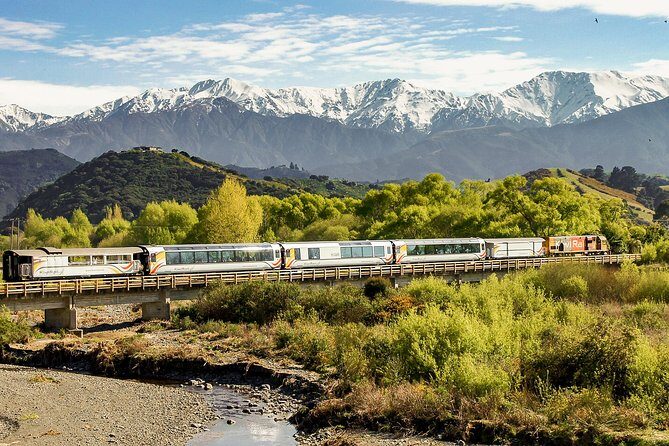
From Picton you head onward to Kaikoura. There’s a scenic rail component on many dates (the TransCoastal train is noted for the journey via dramatic coastline), but timing matters because rail availability changes. In May through September, the train is not available, and the tour uses coach instead. Coastal rail also has a seasonal pattern on this route, with the Coastal Pacific only running from October through April; during May to September, it’s coach.
Once you reach Kaikoura, the next day locks in the wildlife payoff. Whale Watch Kaikoura is included, and the tour notes that you’re looking for giant sperm whales that live in deep waters off the coast year-round. This is a high-value inclusion because it’s the one thing most people can’t recreate easily without booking separate tours, and whale watching doesn’t always line up with independent schedules.
Day 5 also gives you a possible stop at Waipara Hills for a winery visit time permitting. If you like wine but don’t want to spend half the week in tasting rooms, this is a nice “optional flavor” moment rather than a full day detour.
Waipara Wine Stop and Christchurch City Rebuild Walks
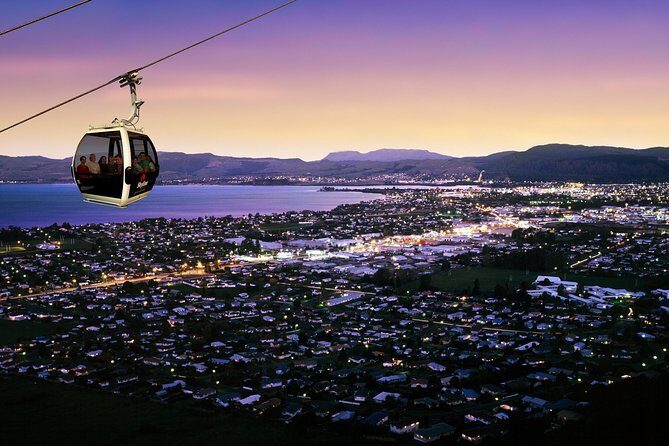
After Kaikoura, you move to Christchurch and stay in a central Christchurch hotel. This is another part of the trip that works because you get both context and breathing room.
Morning on Day 6 includes a sightseeing visit tied to Christchurch Cathedral, with a guided tour component of about three hours. The tour specifically notes the Cathedral’s significance after earthquakes in 2010 and 2011, so your visit is framed by what the city faced and how the city center changed.
The rest of the day is at leisure, which is smart after a concentrated travel day. You can pace yourself, wander nearby areas, and decide how much time to spend on your own.
What you should know: Christchurch is not about running from stop to stop once you’re there. It’s a city where the walking rhythm matters—so treat the afternoon free time as your chance to recharge and absorb.
Mt Cook, Lake Pukaki, and the Route to Queenstown via Burkes and Lindis
Day 7 is where the tour starts turning from big-city time into “South Island scenery you can feel” time. You leave Christchurch area and travel through pastoral farmland of the Canterbury Plains, then over Burkes Pass, and down toward the Mount Cook region.
One key early stop is the Church of the Good Shepherd—included and timed with a short stop (about 30 minutes). It’s a classic photo stop, but the real usefulness is that it breaks the long drive with a scheduled moment to stretch, look around, and reset before the mountains.
Next you reach Mt Cook Village area. From the Lake Pukaki / Lake Pukaki side approach (via the western side of Lake Pukaki), the tour includes around an hour of time for lunch on your own and exploring the village area.
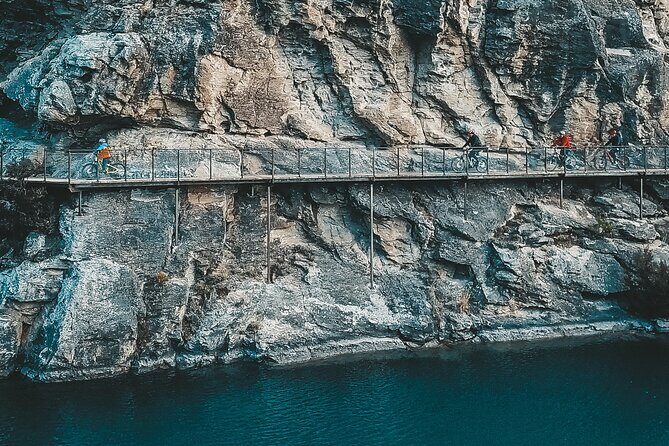
From there, the route continues along Lake Pukaki toward Twizel, then through Lindis Pass and McKenzie Country, and onward toward Lake Dunstan. After that, you head into the Kawarau River Gorge area and pass the old suspension bridge, with a stop on route by A J Hackett’s Bunny Jump before arriving in Queenstown early evening.
Queenstown end note: you’ll be dropped at your accommodation (arranged by you), which gives you a clean finishing line rather than a complicated transfer puzzle.
Practical tip: this is your final day and your body may be tired, so keep your packing light. The scenery will tempt you to stop for photos, but you’ll also want energy for the last walk from drop-off to dinner.
Price and Value: What the Inclusions Really Cover
At $1,790.35 per person for about seven days, the biggest question is whether this is “pricey” or just “worth it.” For me, the value case is strong because so much of the cost that usually surprises people is bundled.
Here’s what you’re effectively buying:
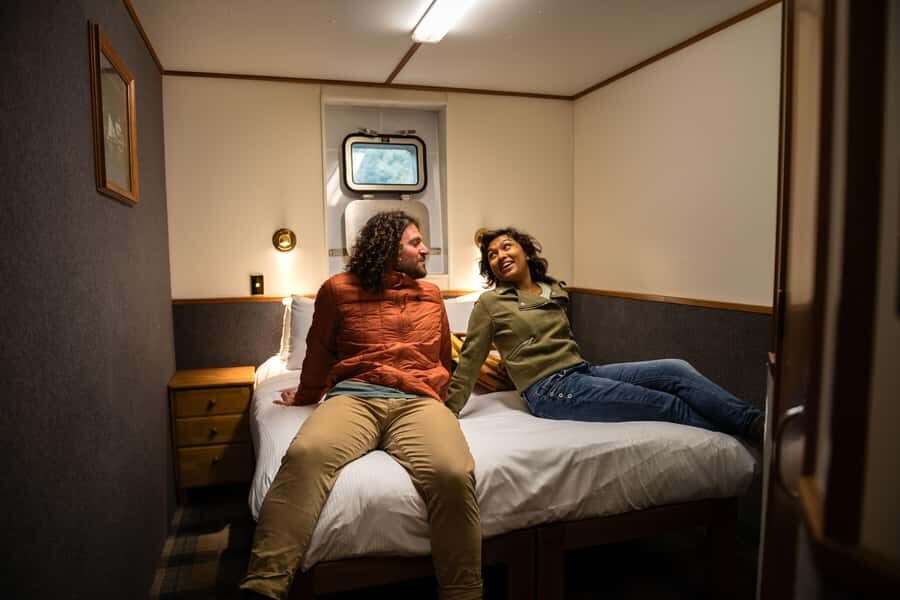
- Four-star accommodation in Rotorua, Wellington, Kaikoura, and Christchurch
- Admission fees and associated transport/tour fees that are spelled out on the schedule
- Hotel pickup and drop-off for the destinations on the itinerary
- Local guide commentary for much of the trip (with one noted exception: the travel from Rotorua to Wellington is by Intercity Coach and may have limited or no commentary)
- Mobile ticket and organized transfers for the rail and ferry pieces
When you compare this to doing New Zealand independently, you’d likely pay for the same core items separately: a guided cave tour, Maori village entry, ferry tickets, a whale watching cruise, and multiple train/coastal transfers depending on season. Bundling also helps you avoid the common independent-travel headache: the schedule math.
The one place you still need to plan is meals. Food and drinks aren’t included, so you’ll want a simple daily strategy—breakfast based on your hotel, lunch often during scheduled breaks, and dinner where you choose.
Who This Tour Suits (and Who Might Want More Time)
This tour fits best if you’re:
- visiting New Zealand for the first time
- trying to see both islands without committing to a rental car
- okay with early mornings and travel-heavy days
- motivated by guided experiences like Waitomo, Whakarewarewa, Christchurch Cathedral, and whale watching
You might want to consider a slower or more focused trip if:
- you hate long bus days and prefer a base-and-day-trips style
- you need lots of downtime between major stops
- you’d rather choose whale watching, wineries, and dining options based on your own pacing
Also, group size is capped at 15 travelers, which is a sweet spot. It’s small enough to feel human and not like a giant coach stampede, but big enough that transfers and tours still run smoothly.
Should You Book the 7-Day North to South Island Grand Tour?
I’d book this tour if your priority is clear: see major highlights across both islands with guides and tickets handled, then land in Queenstown with enough context to choose what you do next. The best argument for booking is the way the itinerary ties together high-impact moments: Waitomo’s cave experience, Rotorua’s geothermal-and-Maori village focus, Wellington as a real city stop, Kaikoura’s sperm whale watching, and Christchurch’s Cathedral story after the earthquakes.
If you’re the type who wants to stop every time a roadside view calls your name, you may find the schedule too structured. But if you want a week where someone else does the hard coordinating and you spend most of your energy looking, learning, and taking in the views, this is a practical, high-value way to do it.
FAQ
What time does the tour start?
The tour start time is listed as 6:00 am.
How long is the tour?
The duration is 7 days (approximately).
Where does the tour start and end?
It starts in Auckland and ends in Queenstown.
Is hotel pickup and drop-off included?
Yes. Hotel pick-up and drop-off are included for the destinations listed in the itinerary.
Does the price include admission tickets and tours?
Yes. Admission fees and the transport/tour fees listed in the itinerary are included.
Are meals included?
No. Food and drinks are not included.
Is there a whale watching activity included?
Yes. A whale watch tour in Kaikoura is included.
Which rail parts depend on the season?
The Coastal Pacific train is only available from October through April; during May through September it’s by coach. The TransCoastal train is also noted as not available through May to September, in which case coach is used.
Where are the four-star hotels located?
Four-star accommodation is listed for Rotorua, Wellington, Kaikoura, and Christchurch.
What is the cancellation window for a full refund?
You can cancel up to 6 days in advance for a full refund, based on the experience’s local start time.