REVIEW · WAITOMO
Aranui Cave 1-Hour Guided Tour
Book on GetYourGuide →Operated by THL - Waitomo Caves Group · Bookable on GetYourGuide
Waitomo’s quieter cousin is calling. This 1-hour guided walk into Aranui Cave pairs delicate limestone formations with an easygoing forest setting in the Ruakuri Scenic Reserve. I love that it focuses on the cave itself, not just on a glowworm-style stop.
Second, you’ll get two big payoffs in one: a close look at a colony of cave wetas and a guided explanation of the cave’s geology and Maori legends. The walkthrough is paced for small groups, so it feels closer to a nature chat than a school assembly.
One consideration: it’s not wheelchair accessible, and you’ll need comfortable shoes because you’ll be walking on boardwalks into narrow chambers.
In This Review
- Key highlights you should care about
- Why Aranui Cave feels different from Waitomo’s famous glowworm circuit
- From the Waitomo Visitor Centre to the Ruakuri bush walk
- Entering the cave: boardwalks, narrow chambers, and high ceilings
- Limestone art in pale brown, pink, and white
- The cave weta colony: small, real, and right where you can see them
- Maori myth and geology explained by a guide who talks to you
- Group size, timing, and camera moments without the rush
- Price and value: is $47 for Aranui Cave a good deal
- Who should book this tour (and who should reconsider)
- Should you book Aranui Cave 1-Hour Guided Tour?
- FAQ
- How long is the Aranui Cave 1-hour guided tour?
- Where do I meet for the tour?
- What is the tour like inside the cave?
- Are cave wetas included in the tour?
- Is photography allowed in Aranui Cave?
- Is Aranui Cave wheelchair accessible?
Key highlights you should care about
- Ruakuri Scenic Reserve setting: you start in the forest, with a short guided bush walk before you enter the cave.
- Small-group cave time: groups are capped at 18, which makes it easier to see details.
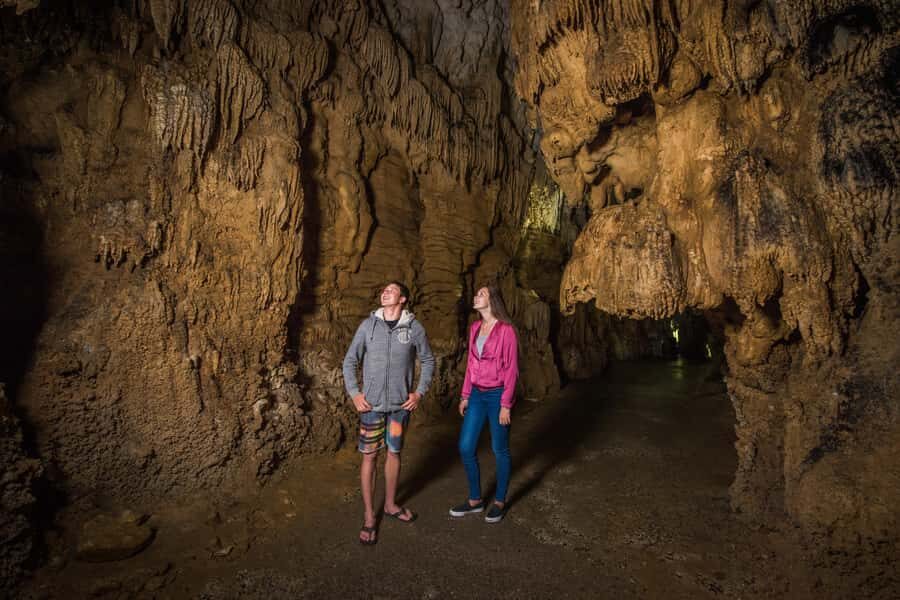
- Delicate Aranui formations: Aranui is the smallest and most delicate of Waitomo’s three main caves, so the vibe is more intimate.
- Cave wetas right at the entrance: you’ll spot these unique New Zealand insects early on, while you’re still oriented.
- Maori stories plus geology: the guide ties together legend and science as you move through high chambers and limestone features.
- Photo-friendly: photography is permitted in Aranui Cave, so you can actually capture the textures and colors.
Why Aranui Cave feels different from Waitomo’s famous glowworm circuit
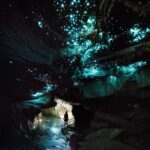
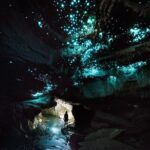
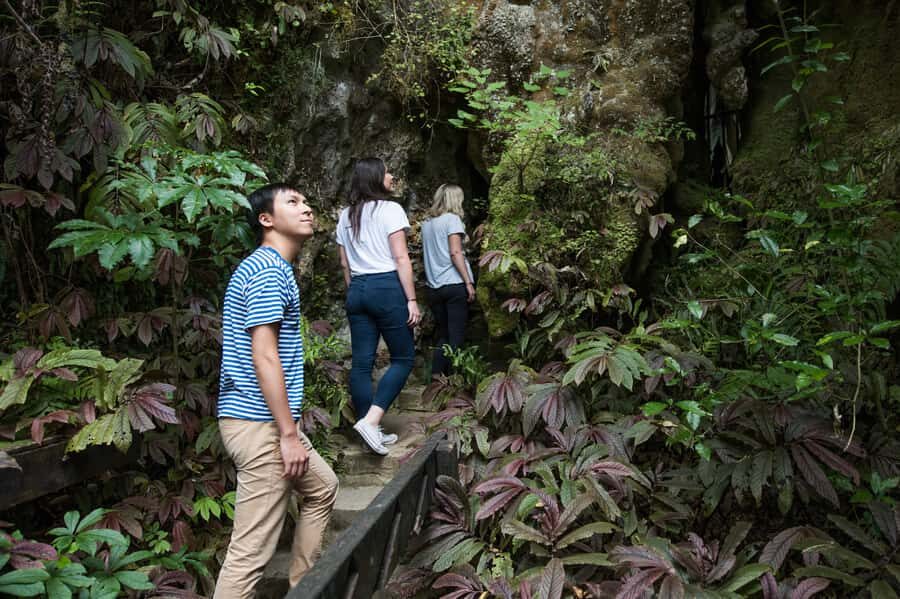
If you’re already planning a trip to the Waitomo area, Aranui Cave is a nice counterbalance. Waitomo glowworm caves can feel atmospheric and intense, but Aranui is more about stillness, shape, and close-up details. The experience has a calmer rhythm because the cave is smaller and the tour is built for careful viewing.
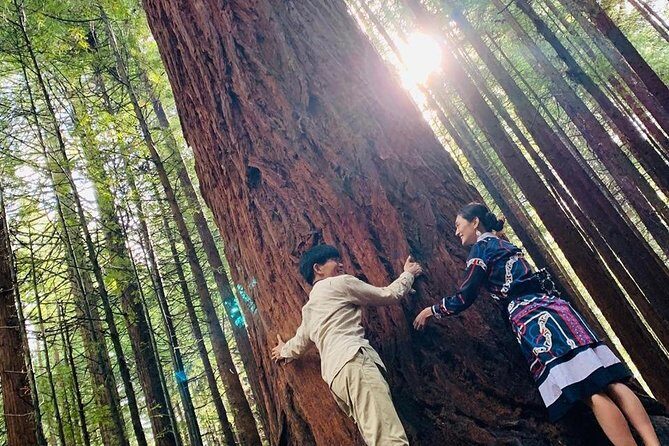
The cave sits at the heart of Ruakuri Scenic Reserve, in a forest setting that helps set expectations before you go underground. Even before you step onto boardwalks, you get that “you’ve left the road behind” feeling. And because Aranui is only about a 5-minute drive from the Waitomo Glowworm Caves Visitor Centre, it’s easy to pair with other Waitomo stops without losing your whole day.
You can also read our reviews of more guided tours in Waitomo

From the Waitomo Visitor Centre to the Ruakuri bush walk
Your tour meets at the Waitomo Glowworm Caves Visitor Centre on Waitomo Village Road. From there, you’ll head out with your guide and get a short guided bush walk as part of the experience. This matters more than it sounds: it gives your body time to settle into the outing, and it also helps you appreciate what you’re stepping into.
Tours are in English and led by a local guide, so you won’t be stuck reading signs while everyone else quietly moves on. The guides also help with pacing, like keeping the group together when you’re transitioning from outdoors into cave temperatures and lower light.
Practical tip: bring comfortable walking shoes and a warm jacket. Caves are cooler than you expect, and the forest air can be breezy even when the main road feels fine.
Entering the cave: boardwalks, narrow chambers, and high ceilings
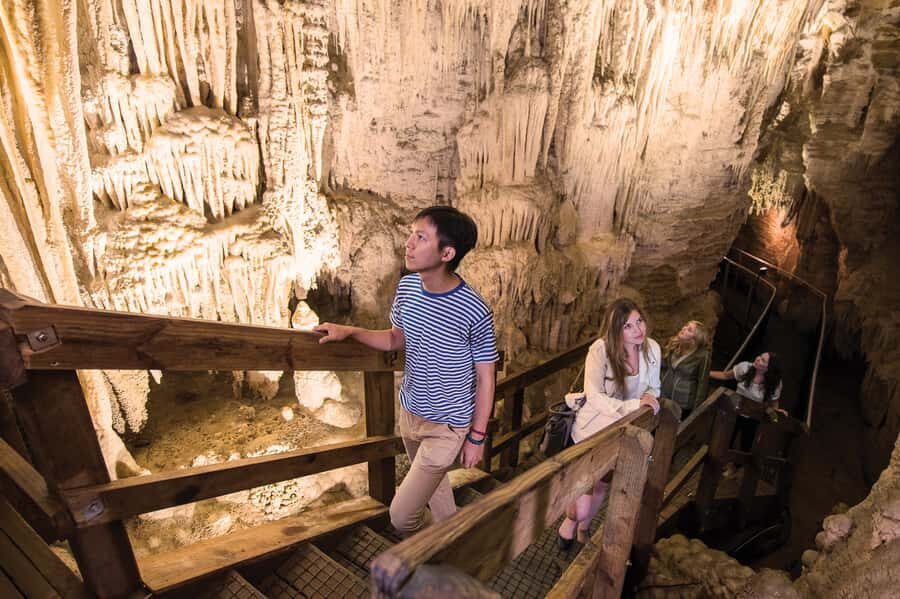
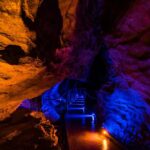
Once you enter Aranui Cave, the tour becomes a controlled walk through changing spaces. You move along safe boardwalks, which is the right kind of reassurance when you’re stepping into narrower chambers. The cave’s “smallest and most delicate” reputation isn’t just marketing—it shows up in the way you experience scale. Instead of feeling dwarfed, you feel close to the formations.
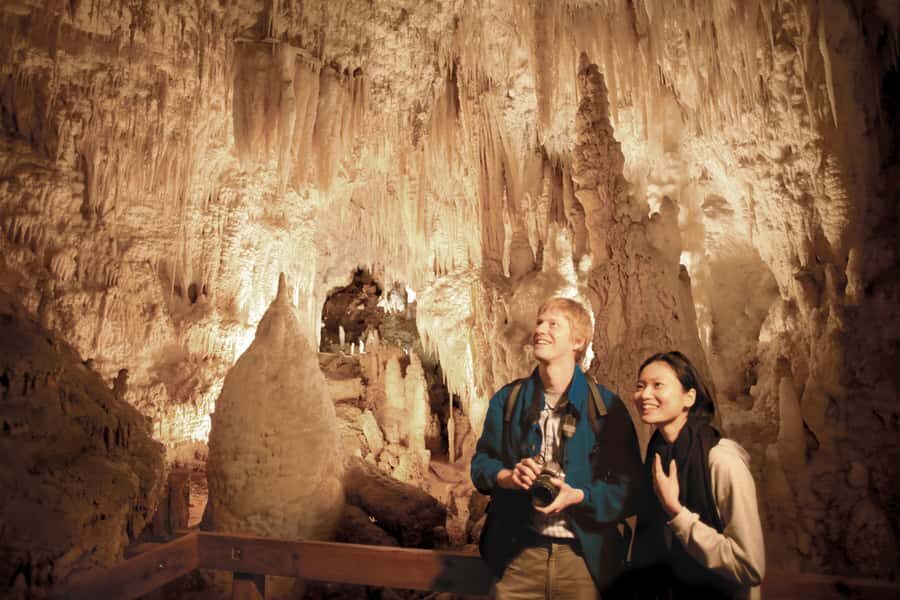
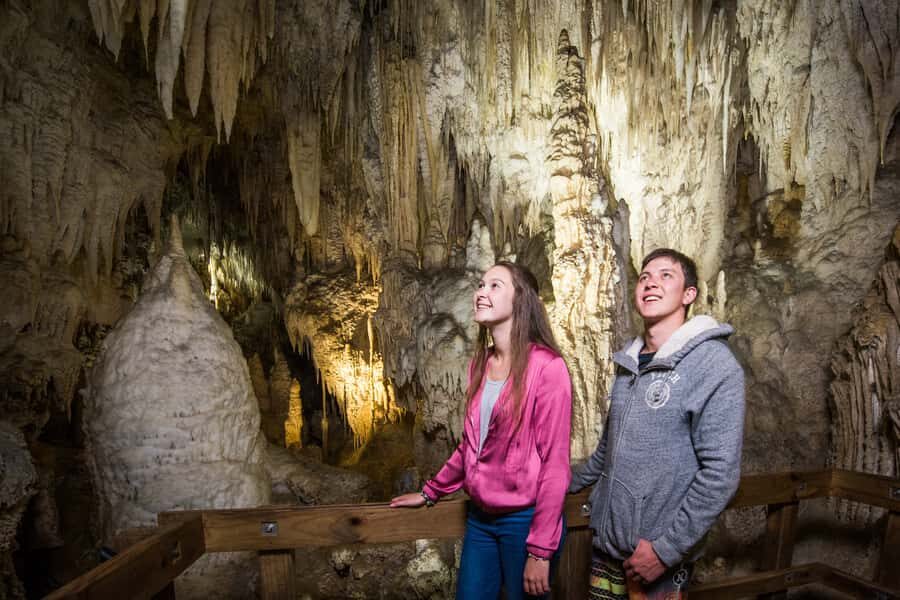
As you progress, you’ll notice a shift from early, easy-to-read areas toward sections with high chambers and big limestone features. These higher spaces are where the cave’s structure becomes dramatic, especially when stalactites and stalagmites hang above and rise from the floor. The colors are pale brown, pink, and white, and those softer tones can look surprisingly different once your eyes adjust to the cave light.
One nice detail: the boardwalk layout keeps you from rushing your viewing. That makes it easier to take in textures—thin, delicate structures versus thicker, heavier mineral forms—without feeling like you’re on a treadmill.
Limestone art in pale brown, pink, and white
Aranui’s limestone formations are the star of the show. You’re not just looking at “rocks,” either—you’re watching how mineral layers and cave water history created shapes that can be delicate and precise. The cave’s stalactites and stalagmites are described as huge, and in practice, that’s exactly what you’re meant to notice: the scale, then the color, then the way the formations fill your field of view as you walk.
Because you’re moving slowly and staying together as a group, you’ll have time to compare what you see from one chamber to the next. I like that the tour doesn’t try to cram everything into a sprint. Instead, it leans into the idea that caves reward calm attention.
Photography is allowed in Aranui Cave, which is a big deal for a place like this. You’ll want to capture the pale tones and the vertical lines of the formations, and having permission means you can focus on getting a good shot rather than worrying about “no camera” rules.
The cave weta colony: small, real, and right where you can see them
One of the most memorable parts is the cave weta. These are large insects unique to New Zealand, and the tour is designed so you encounter them just inside the entrance. That timing is smart. Early in the cave, you’re still orienting yourself, so spotting wildlife doesn’t feel like a scavenger hunt.
You’ll get a chance to observe them without the chaos of a crowd pushing forward. The key is staying quiet and letting your eyes adjust. A cave weta doesn’t show up like a big animal might. It’s more like you notice subtle movement, then the guide helps you confirm what you’re looking at.
For wildlife lovers, this is a great trade-off compared to places where you only see a single “wow” moment. Here, you get something living and specific, and it connects to why New Zealand caves matter.
A few more Waitomo tours and experiences worth a look
Maori myth and geology explained by a guide who talks to you
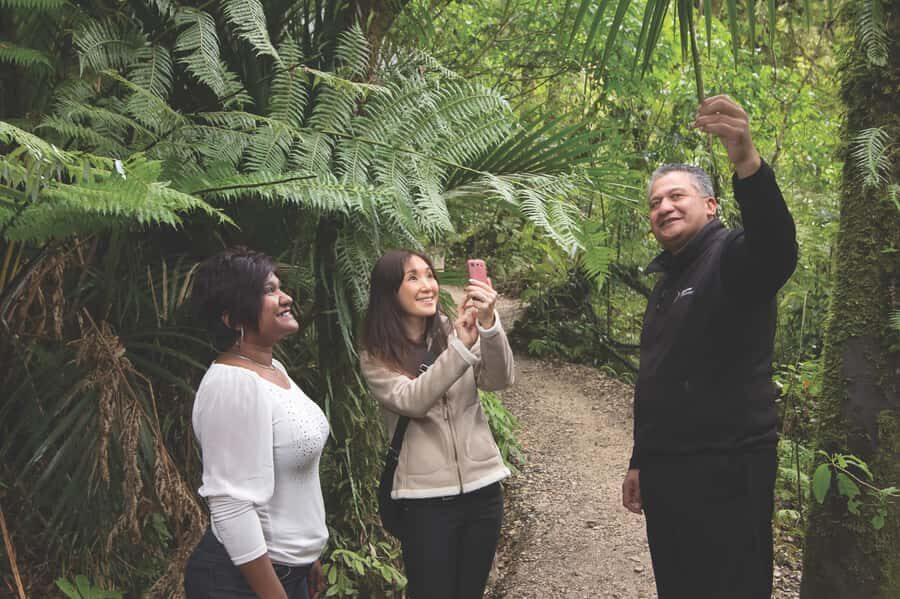
This tour isn’t only about pretty shapes. You also learn the cave’s Maori history and geology from a local guide, and that storytelling is a major reason people love the experience. The guide approach matters in a cave—if the talk feels rehearsed or rushed, it’s hard to hear. When the guide is relaxed and curious, you actually enjoy listening while you look.
In the small group setting, your guide can answer questions instead of just delivering a script. One guide named Cori stood out for storytelling and answering kids’ nonstop questions, which is a good sign if you’re traveling with family. Another guide, Baba (spelling may vary), was praised for being helpful with family photos, and that kind of small support can make the difference between a decent picture and a great one.
If you care about meaning—how legend ties to place—you’ll likely appreciate the mix of Maori myth and the physical “how it formed” explanation. Even if geology isn’t your usual topic, having it spoken out loud while you stand in front of the formations helps it click.
Group size, timing, and camera moments without the rush
A big advantage here is that the numbers stay limited. Tours are restricted to 18 people, and that helps with visibility inside narrow chambers. Smaller groups also make the guide’s storytelling feel more personal, and it reduces the “everyone is waiting behind you” problem that can happen at popular cave stops.
Timing is also worth planning for. Tours are around 1 hour, and they include an additional 15 minutes of guided bush walking. Some time slots can shift by 15–30 minutes depending on availability, so it’s smart to treat your schedule as flexible rather than locked to the minute.
If you want photos, plan to slow down when you’re asked to. The guide will point out what to look for, and the best shots are usually when you’re positioned correctly for the formation you’re being shown. Since photography is permitted, use that freedom wisely: take a few careful frames instead of blasting your camera every second.
Price and value: is $47 for Aranui Cave a good deal
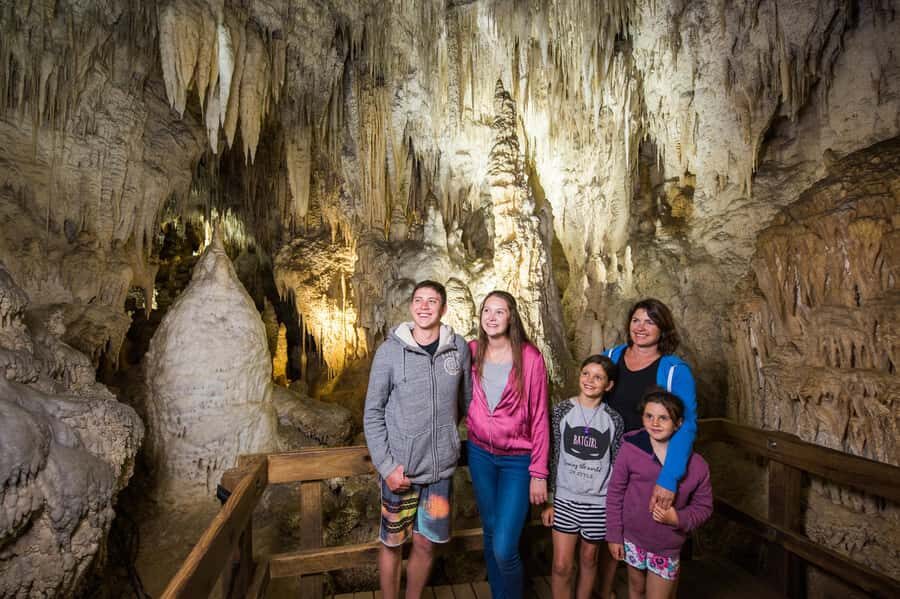
At $47 per person, this isn’t a “buy a snack and walk in” activity. But it includes the key ingredients that usually cost extra on cave tours: entry fees, a guided walk, and a local guide for about an hour (plus the bush walk).
Here’s how I think about value for a tour like this. You’re paying for two things you can’t easily DIY: safe interpretation inside a cave and a wildlife-and-legend context that turns rocks into a story. If you’re the type who likes to understand what you’re seeing—why the cave looks like this and how it fits into Maori narratives—this price tends to make sense.
It can also be good value compared to doing multiple separate Waitomo activities in big crowds. Aranui is shorter than many full-day cave combos, and its focus is more precise. In other words, you’re not paying to fill time. You’re paying for a focused hour in a smaller cave with a guide who actually talks.
Who should book this tour (and who should reconsider)
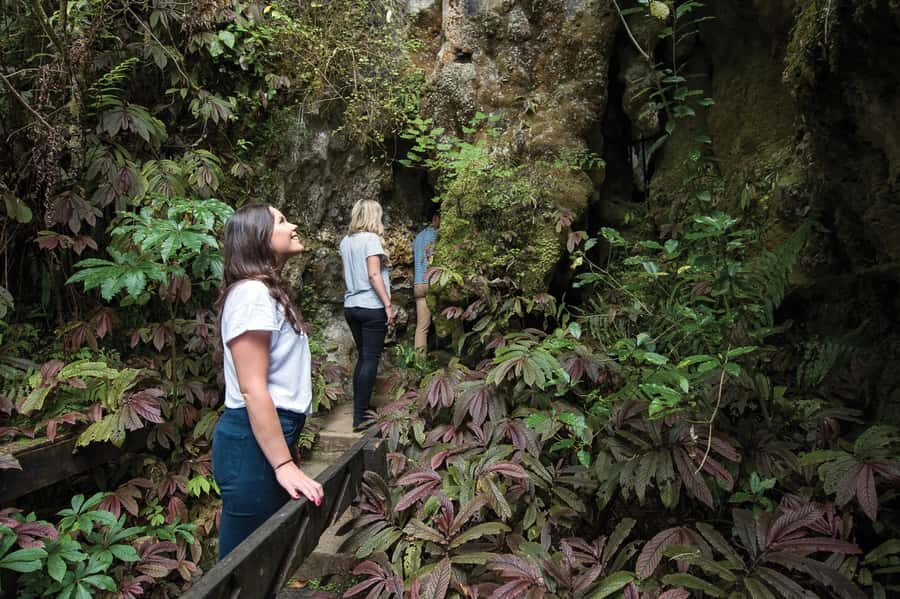
Aranui Cave 1-Hour Guided Tour is a strong fit if you want a guided cave experience without turning it into an all-day project. It suits couples, families, and anyone who likes nature walks with a clear purpose. If you enjoy questions—kids asking them, adults answering them—this kind of guided pacing usually works well in small groups.
It’s also a good choice if you want something different from the glowworm vibe. Aranui leans more toward limestone formations, cave wetas, and Maori storytelling in a calmer setting.
The main reason to reconsider is mobility. There is no wheelchair access, and it’s not suitable for visitors with mobility problems. The boardwalks and the cave’s narrow chambers mean you need to feel comfortable walking on uneven cave-adjacent terrain and following the route.
Should you book Aranui Cave 1-Hour Guided Tour?
I’d book it if your ideal Waitomo day includes three things: a small-group guide, a cave focused on formations and wildlife (not just lights), and clear explanations of both geology and Maori legends. The guide quality seems to be a big strength, especially for families and for people who want their questions answered.
I’d think twice if you’re not comfortable walking on boardwalks or if mobility access is a must. If that’s your situation, you’ll likely want a different Waitomo activity that matches your needs.
If you can handle an hour-plus outing with a warm jacket and good shoes, this is one of the most balanced ways to experience the area: short, guided, and genuinely about the cave.
FAQ
How long is the Aranui Cave 1-hour guided tour?
The tour is about 1 hour in the cave experience and includes an additional 15 minute guided bush walk.
Where do I meet for the tour?
You meet at the Waitomo Glowworm Caves Visitor Centre, 39 Waitomo Village Road, Waitomo, New Zealand.
What is the tour like inside the cave?
You walk along safe boardwalks into narrow chambers, and you’ll see high chambers, large limestone formations, and huge stalactites and stalagmites.
Are cave wetas included in the tour?
Yes. You can discover a colony of cave wetas just inside the entrance.
Is photography allowed in Aranui Cave?
Yes, photography is permitted in Aranui Cave.
Is Aranui Cave wheelchair accessible?
No. There is no wheelchair access, so it is not suitable for visitors with mobility problems.