REVIEW · AUCKLAND
Auckland: Whale and Dolphin Watching Half-Day Eco Cruise
Book on GetYourGuide →Operated by Auckland Whale & Dolphin Safari · Bookable on GetYourGuide
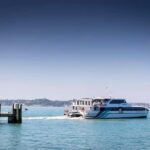
A few hours on open water can turn Auckland into a wildlife movie. This Hauraki Gulf Marine Park eco-safari runs on a 65-foot luxury catamaran, and the focus stays on spotting marine mammals (and learning how the scientists track them).
What I especially like is the chance at up-close dolphin viewing near the city, plus the on-board experts who share what’s happening in the water as you go. The other big win for me is how much you get to see from the waterline—Rangitoto Island and the gulf scenery included in the ride out.
One consideration: sightings aren’t guaranteed, and conditions can make the crew change plans for safety. If you’re motion-sensitive, you’ll want your sea-sickness plan ready, since it’s still a boat day.
In This Review
- Key Points to Know Before You Go
- The Hauraki Gulf Is a Big-Visibility Whale-Watching Playground
- Boarding at Eastern Viaduct: Fast Check-In, Real-City Views
- The Ride Out: Rangitoto Island and North Head/Devonport on the Way to Wildlife
- Hunting Orcas and Dolphins: How the Boat Gets You Close
- Whales, Sea Birds, and the Bonus Species You Might Never Predict
- The Second Cruise Offer: A Real Safety Net for Sightings
- The Science Factor: Skippers, Marine Researchers, and Research-Style Moments
- Comfort and Clothing: Your 4.5 Hours on the Water
- Price and Value: What $130 Really Buys You
- Who This Cruise Is Best For
- Should You Book the Auckland Whale and Dolphin Eco Cruise?
- FAQ
- How long is the Auckland whale and dolphin eco-cruise?
- What marine animals are the cruise looking for?
- What’s included in the ticket price?
- Where do I meet the catamaran?
- Is food and drink included?
- Who can’t take the cruise?
Key Points to Know Before You Go
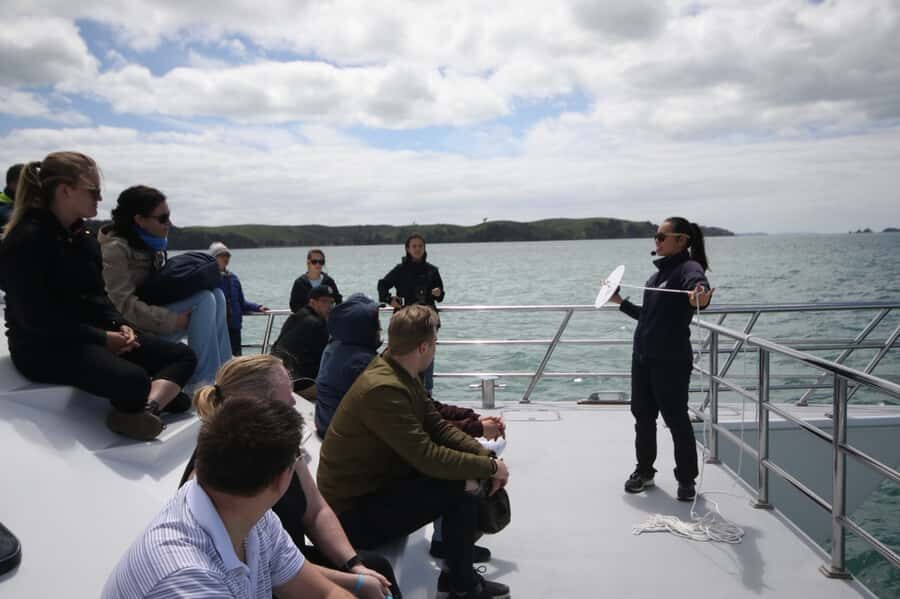
- 65-foot luxury catamaran, Dolphin Explorer: comfortable for a half-day cruise, with good visibility over the edge.
- Orcas and bottlenose dolphins near Auckland: these are the regular targets close to shore.
- Expert science talk from the skipper and research staff: you’ll hear how marine life is studied and tracked.
- A “second chance” if no mammals show: you can take the cruise again for free when sightings don’t happen.
- Ethical viewing and conservation funding: part of your ticket supports the Hauraki Gulf Guardians fund.
- You might catch science moments like plankton segments: several departures include research-style discussions and sampling.
The Hauraki Gulf Is a Big-Visibility Whale-Watching Playground
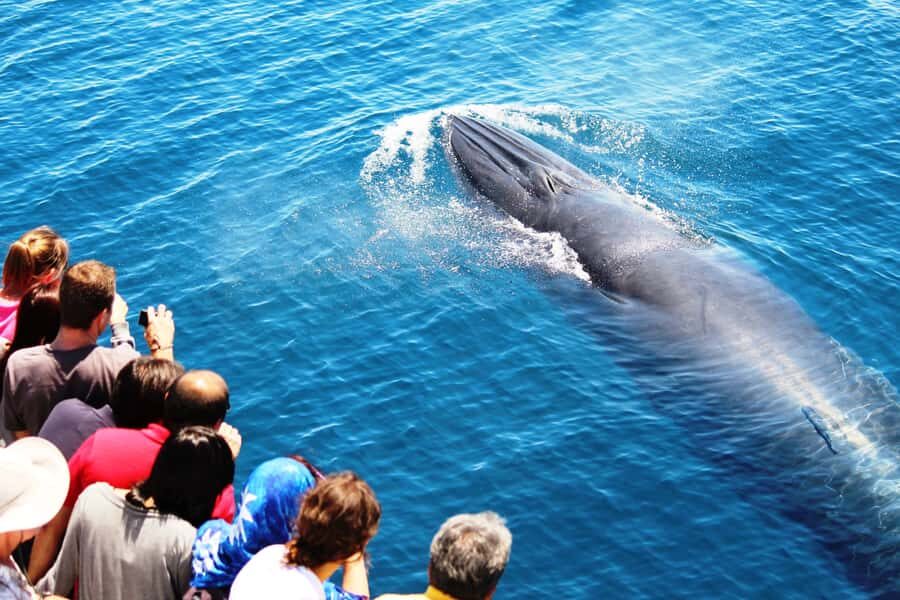
Auckland’s harbor isn’t just a city view. Once you’re out on the water, the Hauraki Gulf Marine Park turns into a real wildlife zone, with mammals and sea birds showing up when the ecosystem is in the mood.
This cruise is built for that. The “Dolphin Explorer” catamaran is designed to get you closer than many operations in other locations, and the crew works with specialist knowledge instead of treating it like a random luck lottery.
You’ll also get a strong conservation angle without it feeling like a lecture. A dollar from every ticket goes toward the Hauraki Gulf Guardians fund, and the science component is part of the experience, not tacked on as an afterthought.
You can also read our reviews of more boat tours in Auckland
Boarding at Eastern Viaduct: Fast Check-In, Real-City Views
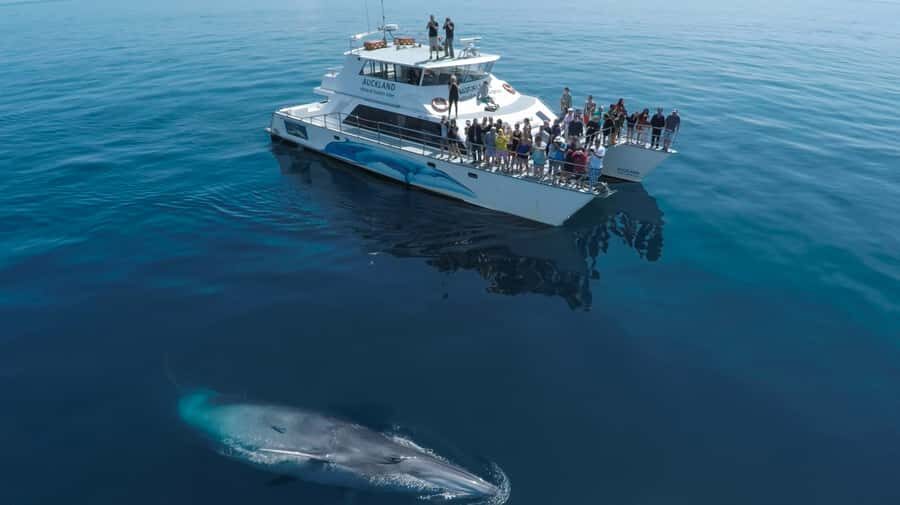
You’ll meet at Berth 9, Eastern Viaduct Marina, accessed from the end of Quay Street heading west, opposite the Maritime Museum. It’s a handy starting point because you’re not spending hours commuting out of town first.
Plan to check in 30 minutes before departure, and note that check-in closes 15 minutes before the trip time. When you arrive, look for the crew at the top of the boarding ramp so you can get seated and settle in before they cast off.
Once you’re on board, you’ll get that quick “get your bearings fast” feeling. You’re right by Auckland’s waterfront, so even before the search starts, the city scenery helps you lock in where you are and what you’re going to see.
The Ride Out: Rangitoto Island and North Head/Devonport on the Way to Wildlife
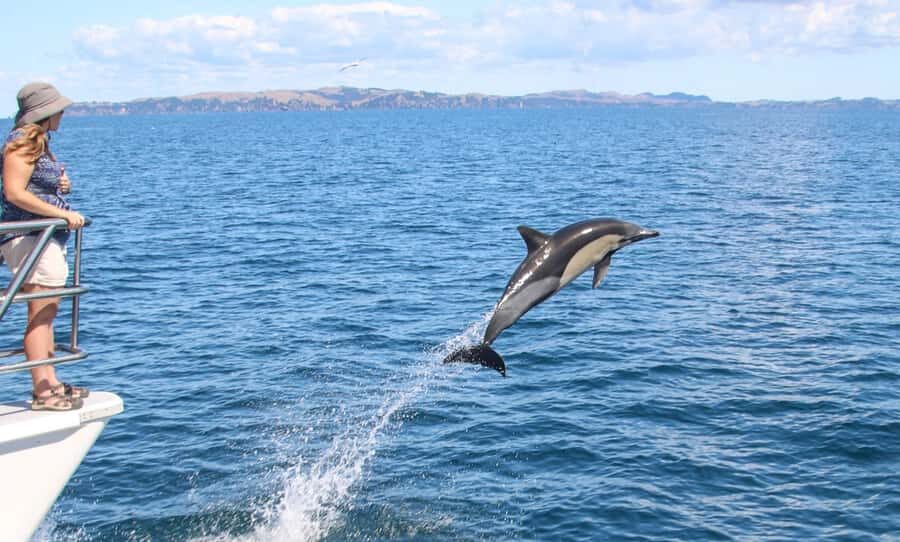
The cruise starts with a smooth tour past North Head/Devonport and around toward Rangitoto Island. This is more than sightseeing filler. Seeing the volcanic island and the gulf from the water helps you understand why the area attracts marine life in the first place.
From your seats, the pace is relaxed. You’re not rushed, and you can spend time simply watching how the coastline gives way to open water.
It’s also a good period for settling your plan. If you want binocular time, camera angles, or you need a seasickness tablet to kick in, this first stretch is when you handle it before the “watch mode” starts.
Hunting Orcas and Dolphins: How the Boat Gets You Close
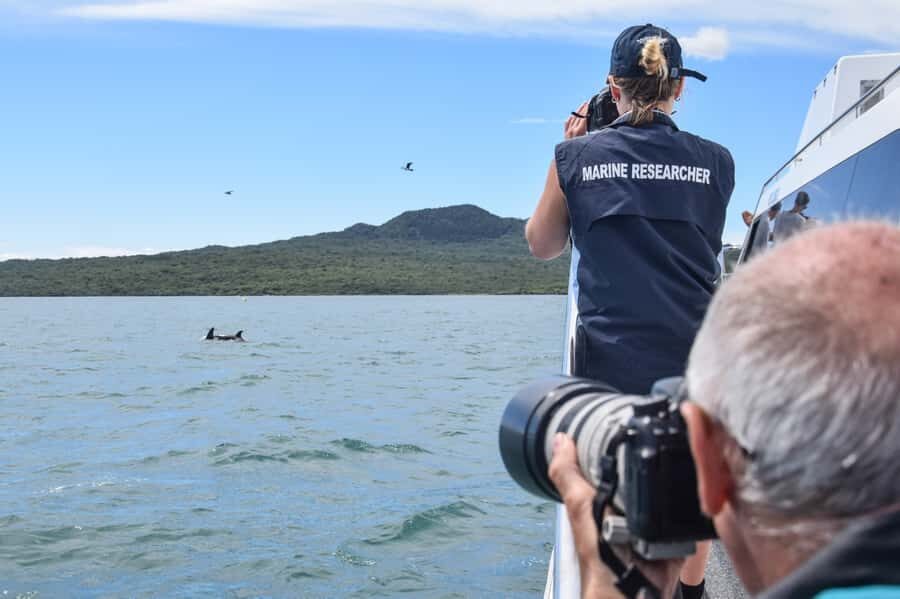
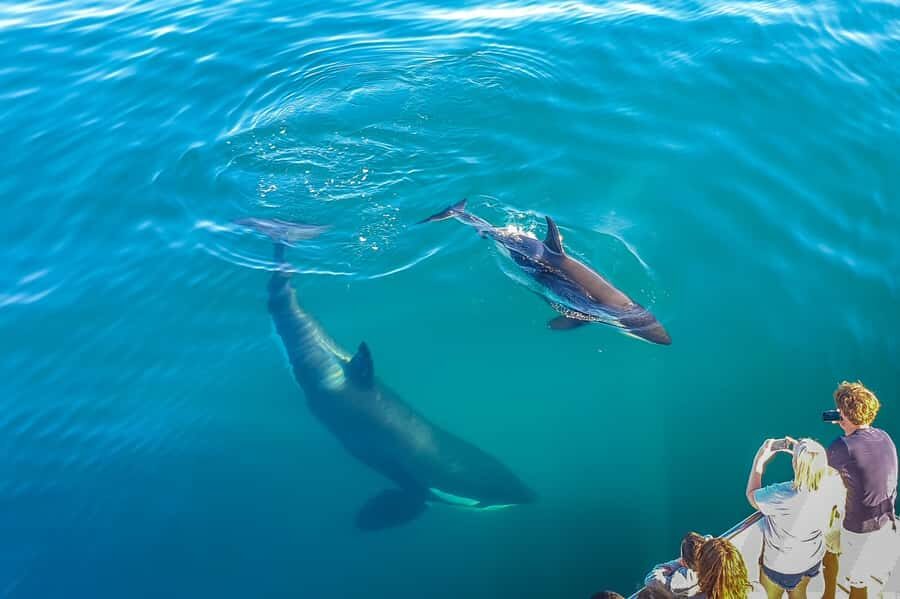
The main targets are orcas and bottlenose dolphins, and the gulf waters close to Auckland are where these animals regularly show up. When the crew spots signs of marine activity, you’ll feel the difference between a casual cruise and a true eco-safari.
The company leans into real-world searching rather than just waiting. You’ll get expert commentary from the skipper—part of the value is that the narration ties what you’re seeing to animal behavior and the local geography.
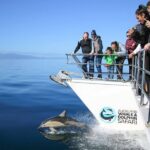
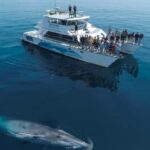
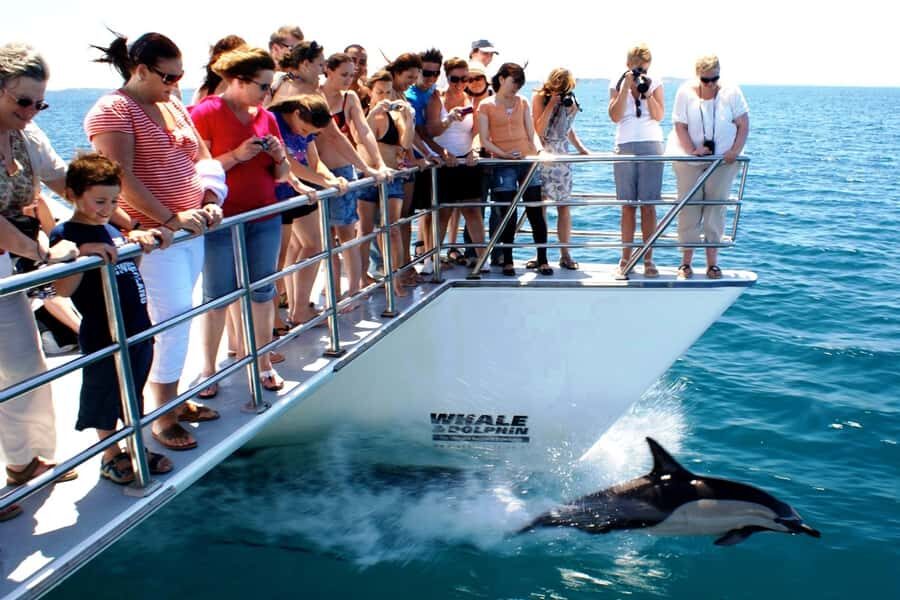
One practical detail that matters for you: the vessel can get much closer than whale watching operations in other places. That improves viewing for everyone, especially if you’re traveling solo or you just want a clear sight line without craning your neck the whole time.
Whales, Sea Birds, and the Bonus Species You Might Never Predict
Whales and dolphins are the big draw, but the gulf doesn’t limit itself to just one kind of star. You may also see sea birds like gannets diving and other coastal birds that use the same food-rich waters.
In past departures, people have reported:
- Bryde’s whales in the mix (often at a distance)
- Sharks like a blue shark or hammerhead shark sighting
- Penguins such as blue penguins
- Lots of dolphins, including smaller “baby” dolphin moments and pods that stick around longer
I like that the cruise doesn’t pretend every day will be a headline day. You’re going out for a marine ecology experience, and when the wildlife cooperates, you get those once-in-a-lifetime minutes.
And if it doesn’t? You still have a plan.
You can also read our reviews of more whale watching tours in Auckland
The Second Cruise Offer: A Real Safety Net for Sightings
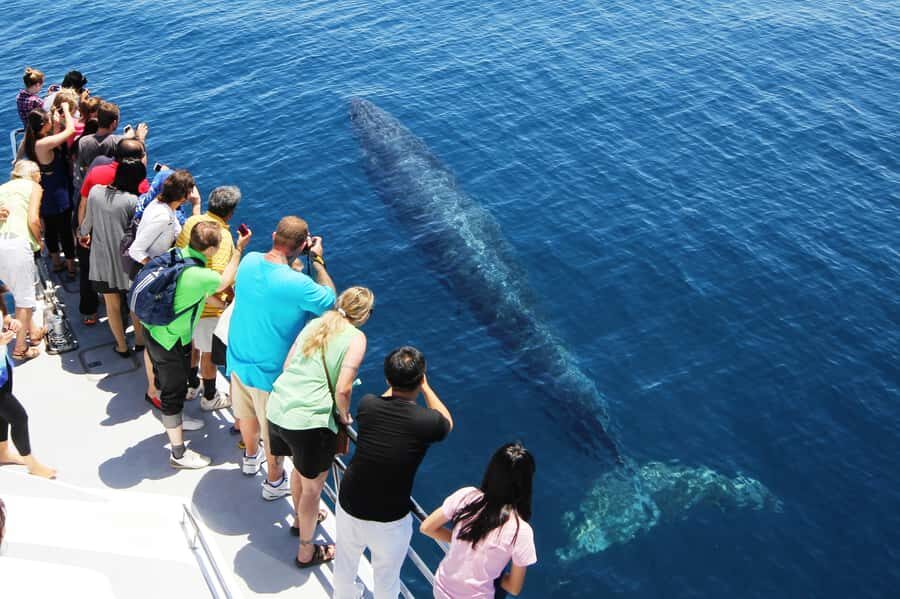
If you don’t see any marine mammals, you can take the cruise again for free. That’s a big reason the value feels fair, because it turns a wildlife gamble into something closer to a “keep trying” strategy.
In practice, this matters most when you’re on a tight trip schedule. You can book with less stress, since the operator is giving you an additional chance instead of washing their hands of the day’s results.
The result is a different vibe aboard. People aren’t just waiting to be disappointed. The crew is actively scanning, sharing science context, and adjusting based on what they find.
The Science Factor: Skippers, Marine Researchers, and Research-Style Moments
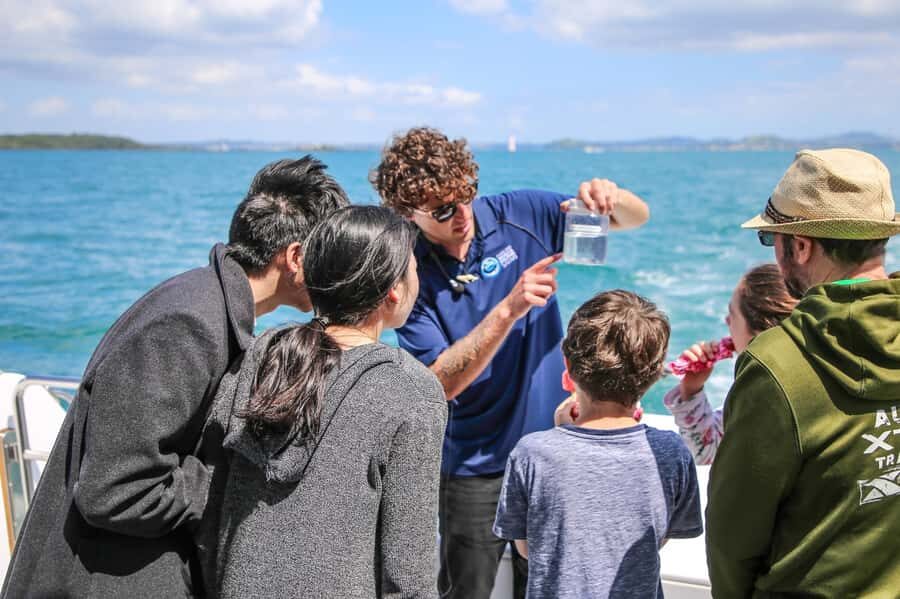
This isn’t just a sightseeing talk. The cruise is designed around expert commentary and interactions with marine research scientists.
If you care about the how, you’ll appreciate the kind of explanation you get onboard—things like how marine mammals are tracked by patterns in the water, and how researchers use observations to understand where animals are feeding and moving.
I especially like hearing that the education isn’t limited to whales and dolphins. Some departures include segments focused on plankton, and other moments can include research-style sampling. It makes the day feel connected to ongoing work, not just a one-off spectacle.
And based on what the crew has been like—people named in past departures include Emily, Sanaa, Joseph, John, Toni, Brittany, Jo, and George—you should expect friendly, energetic guidance with a genuine love for the ocean.
Comfort and Clothing: Your 4.5 Hours on the Water
Auckland weather can switch moods fast, and you’re on the open water. Bring warm clothes and a showerproof jacket, plus a sun hat and sunscreen—yes, both, because sun and wind can team up.
For comfort and photography, pack:
- camera
- binoculars (if you have them)
- personal medication (if needed)
- sea-sickness medication taken before you board
One more thing: the vessel isn’t wheelchair accessible because of stairs and narrow doorways. Also, the tour isn’t suitable for heavily pregnant women, and unaccompanied minors aren’t allowed. If you’re traveling with kids, children under 5 can go only with close parent/guardian supervision.
If you meet those basics, this cruise is set up so you can focus on the horizon and the wildlife, not logistics.
Price and Value: What $130 Really Buys You
At about $130 per person for a 270-minute (4.5-hour) eco-cruise, you’re not paying for a long day of transport. You’re paying for a short window with high-quality access: a luxury catamaran, expert commentary, close-up viewing potential, and a built-in second chance if mammals don’t appear.
The “value math” looks even better when you consider what’s included:
- the eco-cruise and guide
- a second cruise if you don’t see marine mammals
Food and drinks are not included, but snacks and hot food are available to purchase on board, along with beer and wine. For many people, that keeps the experience flexible—you can budget for snacks or just do water and photos.
Then there’s the conservation angle. A ticket funds the Hauraki Gulf Guardians effort, so your money isn’t only buying your own entertainment. It’s supporting ongoing protection work in the same waters you’re exploring.
Who This Cruise Is Best For
This is a strong fit if you:
- want wildlife viewing that’s close to a major city (Auckland-based, not a remote transfer day)
- care about marine life education and ethical viewing practices
- like comfortable boat rides with space to see
It also works well for couples and solo travelers. A smaller catamaran experience often feels easier than bigger boats, and the seating setup helps you get decent sight lines for surface activity.
If you hate uncertainty, a wildlife cruise is always a gamble. But the second-cruise offer, plus the consistent focus on dolphins and sea birds, makes this a smart “try it once” option rather than a pure roll of the dice.
Should You Book the Auckland Whale and Dolphin Eco Cruise?
If you’re in Auckland and you want a half-day activity that blends serious marine science with real wildlife chances, I’d book it. The ethical focus and the conservation funding feel like they match the actual purpose of the trip, and the onboard experts add real meaning to the sightings.
Book it especially if you’re hoping for dolphins close to shore and you like the idea of a second chance built into the deal. Add a warm jacket, take your sea-sickness plan seriously, and you’ll get the best version of what this gulf can offer.
And if the whales decide to stay home that day? You still have dolphins, sea birds, plus the option to return.
FAQ
How long is the Auckland whale and dolphin eco-cruise?
It runs for 270 minutes, which is about 4.5 hours.
What marine animals are the cruise looking for?
The trip focuses on orcas and bottlenose dolphins, and it also offers the chance to see whales and sea birds.
What’s included in the ticket price?
Your ticket includes the 4.5-hour eco-cruise and a guide. If you don’t see marine mammals, you’re offered a second cruise.
Where do I meet the catamaran?
You’ll meet at Berth 9, Eastern Viaduct Marina. The marina is accessed from the end of Quay Street heading west, opposite the Maritime Museum.
Is food and drink included?
No. Food and drinks are available to purchase on board.
Who can’t take the cruise?
Unaccompanied minors are not allowed, children under 5 can only join with close supervision, and the activity isn’t suitable for heavily pregnant women. The vessel is not wheelchair accessible due to stairs and narrow doorways.