REVIEW · AUCKLAND
Auckland: Inner-City Glowworm Experience in Ancient Volcano
Book on GetYourGuide →Operated by Social Nature Movement · Bookable on GetYourGuide
Glowworms in Auckland beat the usual cave hunt. This 1-hour, small-group walk through the Pukekawa volcano in Auckland Domain is one of the most convenient ways to spot New Zealand glowworms without committing to a long trip, and it’s guided so you actually understand what you’re seeing. I also like the barrier-free viewing style, which means you can watch and photograph them naturally instead of peering through railings.
Two things to love: you get close-up glowworm habitat in open air (not a cave setup), and the guide’s commentary adds real context about glowworm behavior and life cycle. The main catch is physical comfort: expect about 30 steps, dark, uneven ground, and a short but real climb up and down, so it’s not ideal if you have mobility or back issues.
In This Review
- Key things that make this glowworm tour worth your time
- Why glowworms here feel different than the usual Waitomo trip
- Meeting at Wintergarden Cafe and how the walk actually starts
- Auckland Domain at night: 1.3 km of volcanic terrain, steps, and dark paths
- The Pukekawa volcano setting: what you’re really walking through
- What you’ll see: glowworms, hidden water, and Nikau palms
- How the guide turns a glowworm sighting into understanding
- Photography rules that actually matter (and how to get better shots)
- It feels like an Auckland evening activity, not a whole production
- Comfort checklist: shoes, water, and what not to bring
- Who this tour suits best (and who should skip it)
- Value check: is $35 worth it for glowworms in the city?
- My booking advice: when to choose this and what to expect
- Should you book this Auckland glowworm tour?
- FAQ
- How long is the Auckland inner-city glowworm experience?
- Where do I meet the guide?
- Is transportation included?
- How much does it cost?
- What language is the guide?
- Are flash photos allowed?
- What should I bring for the walk?
- What’s the walking like?
- Is the tour private or small-group?
- Is there free cancellation, and can I pay later?
Key things that make this glowworm tour worth your time
- City-center convenience: Meet at the Wintergarden Cafe area in Auckland Domain, so you don’t need a full-day detour.
- Open-air habitat viewing: Glowworms are shown in nature instead of inside a cave system.
- Photo-friendly rules: Unrestricted photography is allowed, but no flash.
- A real guide, not a self-wander: The tour is led by an experienced guide who shares ecology and night-sky moments.
- Short but varied terrain: Rough, dark paths over about 1.3 km with steps and a small gradient.
Why glowworms here feel different than the usual Waitomo trip
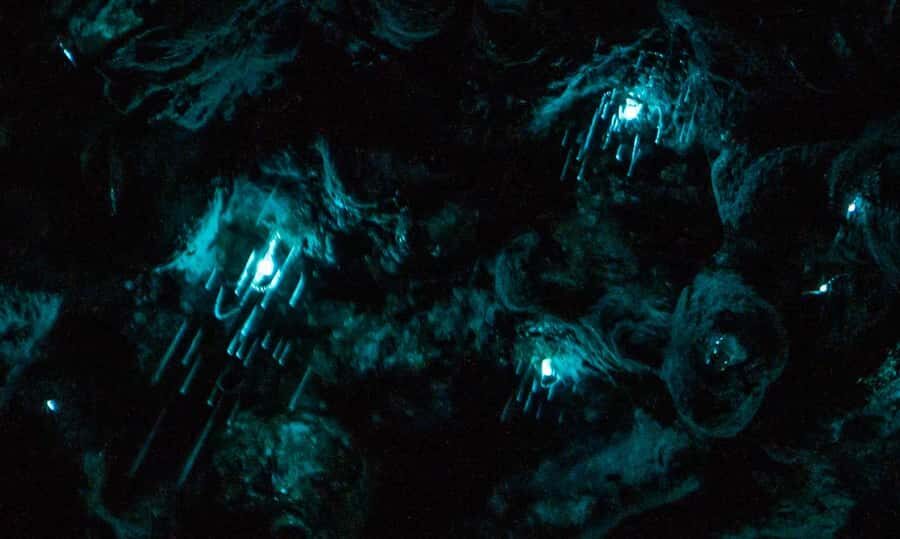
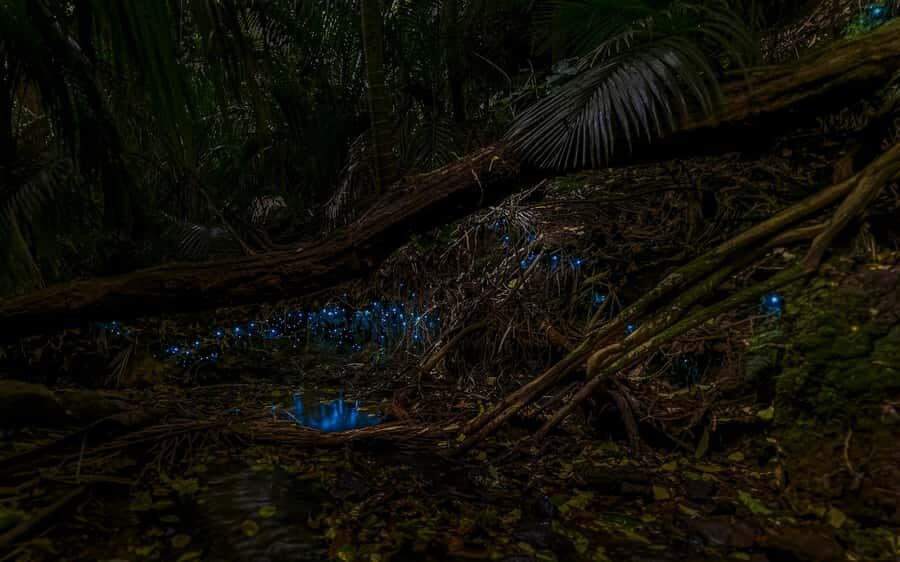
Most people picture glowworms as a cave-only story. This one flips the setting. You’re in Auckland’s oldest park, moving through volcanic ground shaped by the Pukekawa volcano, which is described as around 100,000 years old. That matters because it changes how the experience feels. Instead of a closed, echoing cave space, you’re watching bioluminescent signals appear across a dark creek and bush pockets.
You’ll also notice the vibe is calmer. Reviews and the tour format point to an intimate group feel and a route that focuses on viewing rather than rushing. That’s especially valuable if your time in Auckland is limited. You still get the magic of glowworms, but with less logistics stress.
Now for the honest comparison: this isn’t built to be the highest-density glowworm show you’ll ever see. The tour is very open and accessible, which usually means a smaller population than the dedicated cave systems. But what you gain is a peaceful, natural-feeling encounter right in the city.
You can also read our reviews of more city tours in Auckland


Meeting at Wintergarden Cafe and how the walk actually starts
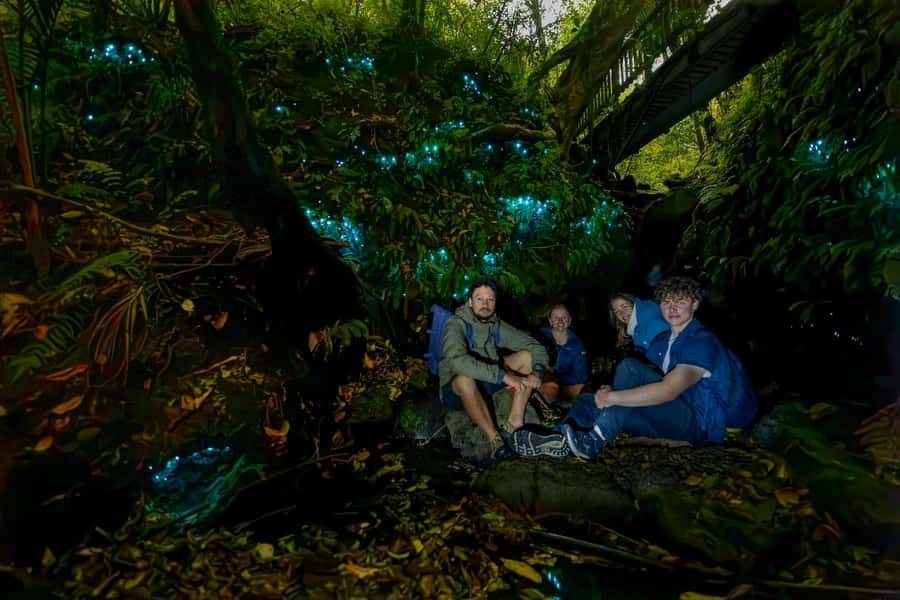
Your evening begins at Wintergarden Cafe – New Zealand, meeting outside the cafe within Auckland Domain. From there, you’re guided into the park area at night. This matters more than it sounds. Having a clear meeting spot inside a known central park reduces that awkward wandering-around-at-dusk problem that some night activities create.
Once the group forms, you’re not just dropped at a viewing point. The guide leads the path and sets expectations for how to move, where to look, and how to keep your eyes on the glowworms without losing your footing. Some guides also seem to add extra night touches. One review specifically calls out constellation-spotting, which is a fun way to tie the darkness of the park to the glowworm theme.
Auckland Domain at night: 1.3 km of volcanic terrain, steps, and dark paths
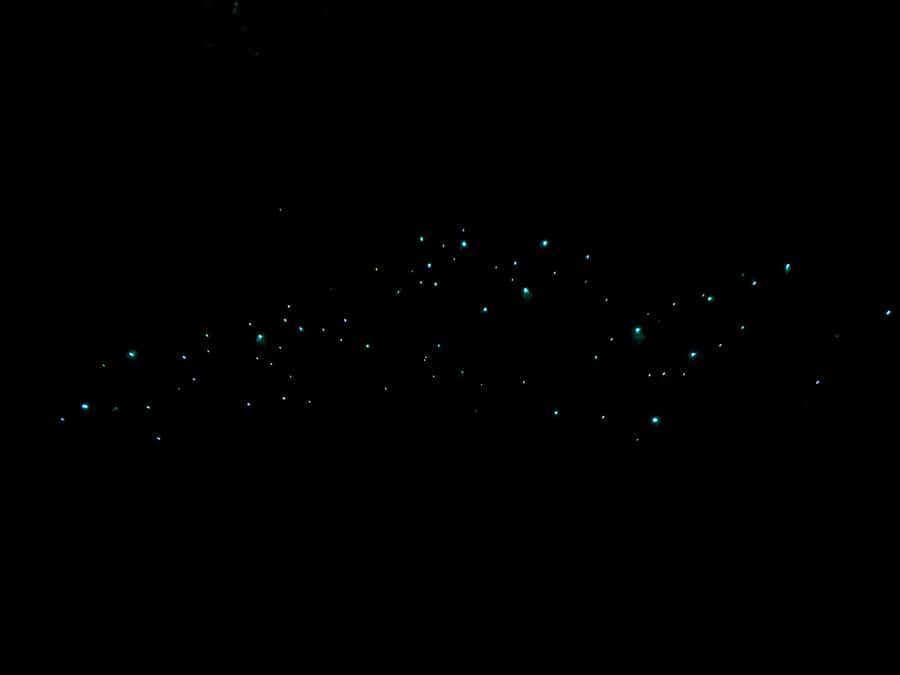
This is a night walk, not a stroll on smooth pavement. The route covers about 1.3 km with around 30 steps and a roughly 5% gradient. Terrain is described as undulating with gravel, tree roots, and patches that can get wet or muddy.
Two practical points I think you should take seriously:
- The path is dark and not lit. The tour uses the guide’s own lighting, and you’ll rely on that plus your own phone light or headlamp. (Flash photography is not allowed, which also helps preserve the viewing and the experience for everyone.)
- The ground can be uneven even if the distance is short. A lot of people underestimate how much “short” trips can still feel in the dark.
One review notes the walk can feel quiet enough that walking alone to the meeting area may feel a bit scary. Once you’re with the group and the route is underway, it’s calmer, but plan to arrive early enough that you’re not rushing through the dark by yourself.
The Pukekawa volcano setting: what you’re really walking through
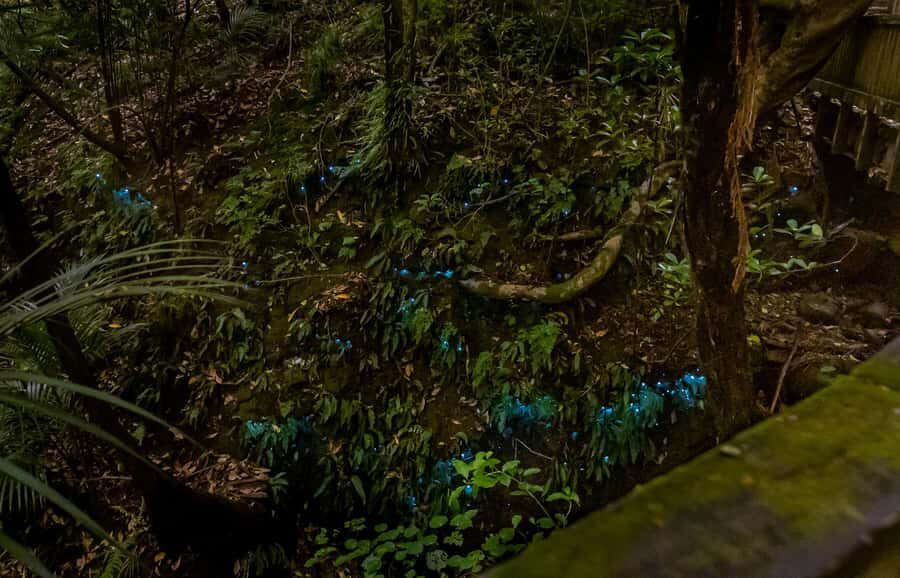
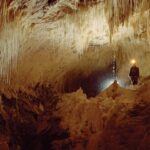
The star setting here is Pukekawa, Auckland’s oldest park volcano area, described as a Pleistocene-era volcanic site. The ground under your feet is part of why this tour feels unique. You’re not traveling to a far-off cave system; you’re stepping into ancient volcanic terrain right inside the city.
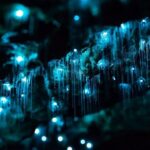
That doesn’t mean you get a formal geology lecture. Instead, the guide ties the scenery to why glowworms live where they do—areas that provide shelter, moisture, and the right conditions for their behavior. In a cave, those conditions are usually stable and enclosed. Here, you’ll see them in open natural habitat: darker pockets of bush, waterlines, and sheltered spots where the glow seems to hang in the air like tiny living signals.
If you like nature photography, this setting gives you options. Reviews mention seeing glowworms up close and photographing them alongside the surrounding night scenery. Because you’re outdoors, you can also widen the frame to include the creek and bush, not just the glowworm itself.
What you’ll see: glowworms, hidden water, and Nikau palms
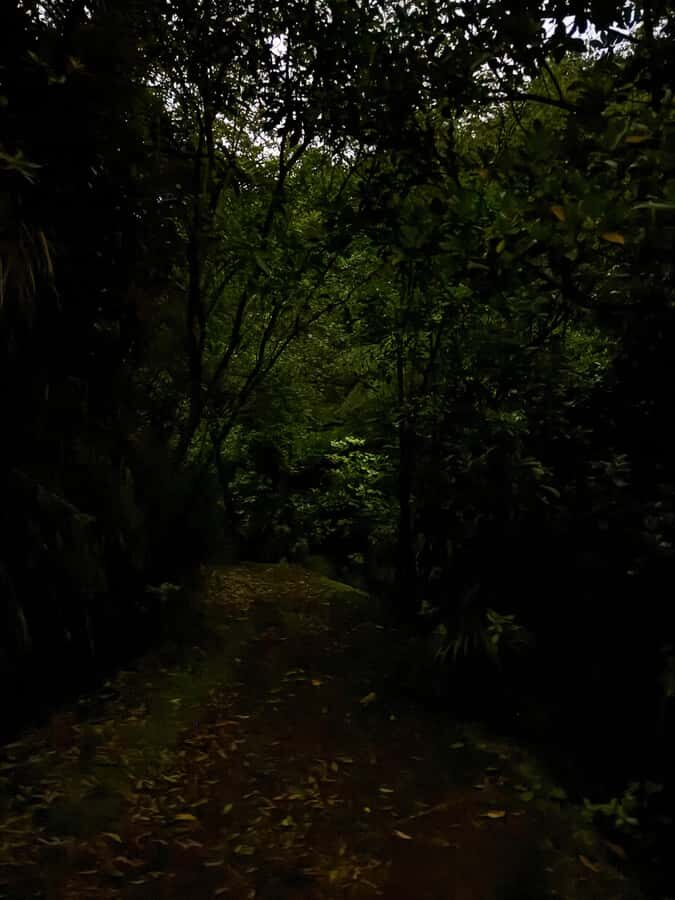
The viewing focus is glowworms in their natural habitat without barriers. That’s a big deal. Barrier-free viewing means you can stand, crouch, and adjust your angle in a way that railings usually ruin. It also helps with photography because you’re not trying to shoot through fencing or behind a fixed crowd line.
You can also expect some scenic extras:
- Hidden waterfalls (the tour highlights them as part of the experience)
- Native Nikau palm forests (a named plant feature tied to the area)
- A night-time creek or water feature where glowworms concentrate
In one review, the group got an unexpected nighttime wildlife moment: an eel snake spotted in the river area at night. You can’t treat that as guaranteed, but it does show what kind of night environment you’re walking through—alive, damp, and full of small surprises.


How the guide turns a glowworm sighting into understanding
Glowworms look simple until you learn what’s behind the light. This tour includes explanations about the glowworm life cycle and behavior, and the guide’s job is to connect those facts to what you see right in front of you.
Here’s the kind of learning that tends to stick:
- How glowworms use bioluminescence as part of their survival strategy
- Why their “glow” shows up where it does in natural habitat
- What changes through their life stages and how that shapes what you observe on a night walk
The guide also helps you look correctly. Several reviews mention guides being engaging and informative, including named guides like Marius, Millie, Caleb, Jonti, Legend, and Gonti. One review specifically mentions a guide balancing education and wonder in a small group setting, which is exactly what I’d want from a 1-hour experience. If you only have one hour, you need the guide to make that hour count.
Photography rules that actually matter (and how to get better shots)
Photography is a big part of this tour. You’ll have time to take photos of glowworms and the surrounding nature. The one clear restriction is no flash photography.
Why that rule matters:
- Flash can wash out your subject and the dark background you need for glowworm glow
- It disrupts the dark-adapted vision that helps you see glowworms with your eyes
Instead, you’ll use non-flash light from your phone or other small light sources as appropriate. Since the path is dark and not lit, good photos are easier if you move slowly, stay aware of your footing, and wait for your guide’s timing at the best viewing spots.
If you’re the type who wants a lot of close-up shots, this tour gives you more chances than most because the viewing is not locked behind barriers. Just remember: uneven ground plus moving phones at night can lead to tripping if you rush. I’d focus on safety first and let the glowworms be the long exposure plan, not the sprint plan.
It feels like an Auckland evening activity, not a whole production
At $35 per person for a 1-hour guided tour, this is priced like a practical add-on to a city trip. Is it cheap? No. But it can still be good value because it saves time and transportation compared with the full-day cave excursions people often choose.
The tour is also designed for convenience:
- Central meeting point inside Auckland Domain
- No need for you to coordinate transfers as part of the activity itself (transport isn’t included)
- A time window that works well for a night slot when you don’t want a long outing
Group size is presented as private or small groups available, which usually improves the flow of a night walk. In a glowworm experience, crowding can reduce how close you can get and how well you can see. One review notes that at a certain down-bank viewing area, the number of people affected how close they could get, even though the overall tour quality remained strong. So if you’re sensitive to crowd squeeze, consider booking a private option if it’s available for your dates.
Comfort checklist: shoes, water, and what not to bring
Here’s what you should plan to bring:
- Comfortable shoes you don’t mind getting wet or muddy
- A camera
- Water
- Comfortable clothes for night air and uneven walking
And what to avoid:
- Flash photography
The tour itself handles lighting through the guide’s equipment, but you still should assume you’re walking on dark ground. That means your shoes matter more than your outfit. If you’re wearing sandals, slick soles, or thin fashion sneakers, you’ll likely regret it.
Also consider the guide’s instructions before you start climbing or stepping down. The ground includes tree roots and gravel, which can look stable in a lit daytime glance but behave differently at night.
Who this tour suits best (and who should skip it)
This is a good match for:
- Nature lovers who want glowworms without leaving central Auckland
- Couples or small groups looking for an intimate evening activity
- Photographers who want unrestricted access and don’t mind a short hike
- Families who can handle short-distance steps on uneven terrain
But it’s not suitable for a long list of conditions, including:
- People with back problems
- Mobility impairments
- Wheelchair users
- People with claustrophobia
- People with heart problems
- People over 75 years
- People with pre-existing medical conditions
- People with low level of fitness
- Visually impaired people
If you’re on the edge—say you can walk but stairs bother you—take the 30-step detail seriously. This tour is short, yet the uneven terrain in darkness is still a real factor.
Value check: is $35 worth it for glowworms in the city?
For $35 per person and 1 hour, the value depends on what you compare it to.
If you’re trying to avoid a far drive and a longer day, the price can feel fair. Several reviews specifically highlight how nice it is not to travel to caves and how convenient it is from central Auckland. That time savings is real value.
If you’re chasing the maximum glowworm density, your expectations should adjust. The tour openly positions itself as a glowworm experience in open natural habitat with a smaller population than dedicated cave systems. So you may see fewer glowworms than you’d expect from the biggest-name cave operations.
Still, multiple reviews praise that the tour delivers lots of glowworms and a meaningful, guided learning experience. Some people also call out that the number can vary. One review notes the glowworm count was a bit disappointing on their night, while the guide’s knowledge and charm kept the experience enjoyable. So if you’re booking this as your one and only glowworm chance, I’d still do it—but go in ready for variability.
My booking advice: when to choose this and what to expect
If you want glowworms plus city convenience, this tour is a strong choice. It’s also ideal if you enjoy dark nature walks and can handle uneven ground for about an hour.
I’d choose it when:
- You’re staying in Auckland CBD or close to Domain
- You want photos and barrier-free viewing
- You want the life cycle explanations, not just a sighting
I’d think twice if:
- You’re worried about steps, slippery footing, or night darkness
- You need fully accessible routes
- You’re chasing the absolute highest glowworm numbers you can find
Should you book this Auckland glowworm tour?
Yes, if you want a short, guided glowworm experience in central Auckland and you can comfortably handle uneven, dark walking with steps. The combination of Pukekawa volcano terrain, barrier-free viewing, and a real guide who explains glowworm behavior makes this feel like more than a quick photo stop.
Skip it or look for an alternative if the physical requirements don’t fit you. In this case, “only 1 hour” doesn’t mean “effortless.” It’s a small hike on dark ground, and the glowworms are the reward.
FAQ
How long is the Auckland inner-city glowworm experience?
The tour lasts 1 hour.
Where do I meet the guide?
Meet outside Wintergarden Cafe in Auckland Domain.
Is transportation included?
No. Transportation is not included.
How much does it cost?
The price is $35 per person.
What language is the guide?
The tour guide is live and the tour runs in English.
Are flash photos allowed?
No. Flash photography is not allowed.
What should I bring for the walk?
Bring comfortable walking shoes, a camera, and water, plus comfortable clothes.
What’s the walking like?
Expect about 30 steps up and down, roughly 5% gradient, and undulating terrain with gravel and tree roots. The path is dark and about 1.3 km in distance.
Is the tour private or small-group?
Private or small groups are available.
Is there free cancellation, and can I pay later?
Free cancellation is available up to 24 hours in advance for a full refund, and there is a reserve now and pay later option.