REVIEW · AUCKLAND
Auckland North Shore Glowworm Tour
Book on GetYourGuide →Operated by Social Nature Movement · Bookable on GetYourGuide
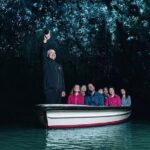
Tiny lights, big forest magic. This Auckland North Shore glowworm tour takes you into Awaruku Reserve after dusk, where you learn how Arachnocampa luminosa makes its own glow and why the forest around it matters. I especially like the small group size (up to 10), and I also love that you get to watch glowworms in their natural spot without heavy barriers.
One thing to plan for: you’re walking at night, so bring comfortable shoes and expect a quiet, careful pace on the trails.
In This Review
- Key Takeaways Before You Go
- How the Awaruku Reserve Glowworm Walk Works After Dark
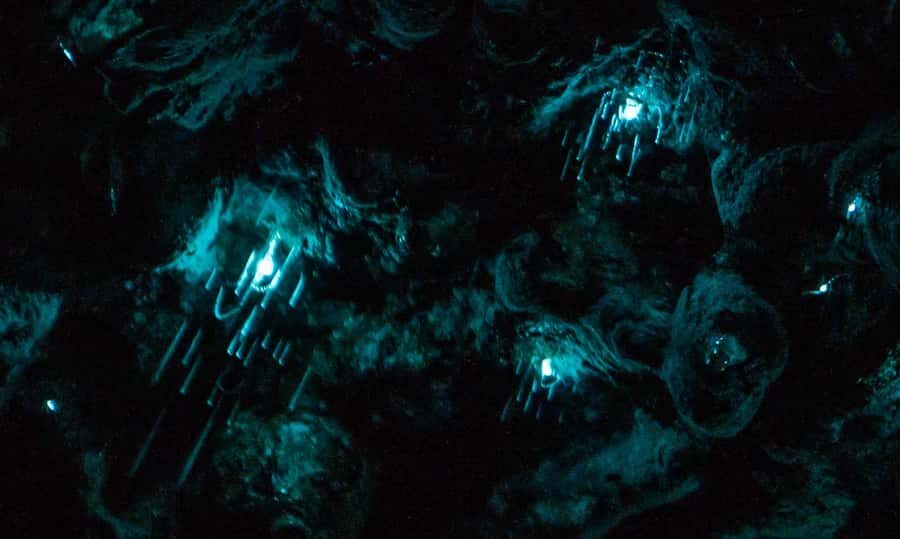
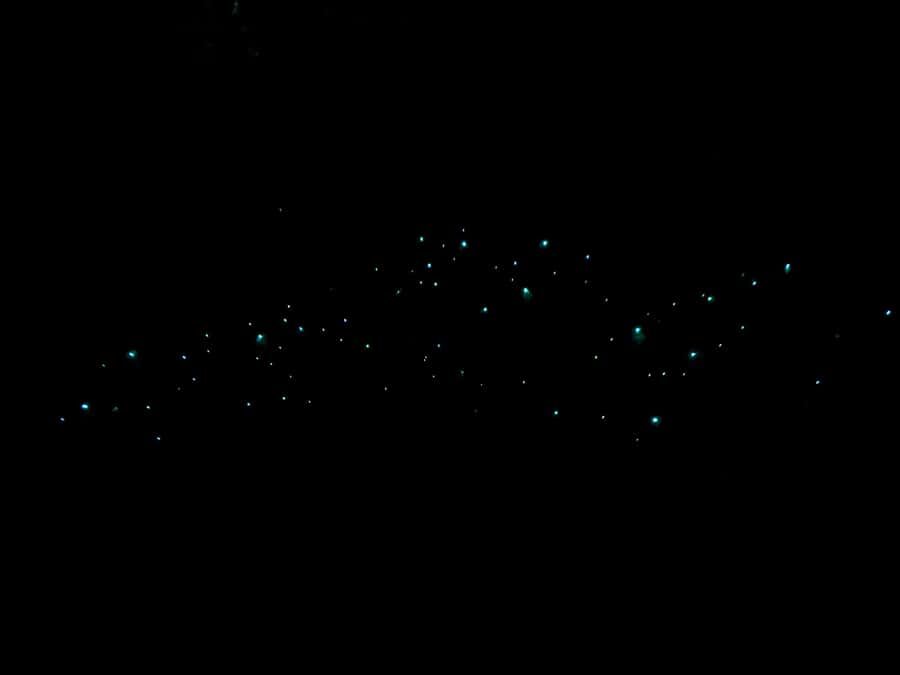
- What You’ll See: Arachnocampa luminosa Lighting Up the Forest
- Awaruku Reserve: Kauri and Nikau Palms Under the Trees
- Getting Close Without Barriers (and How to Photograph Them)
- The Conservation Walk: Why Kākā and Kererū Get Mentioned
- Coastal Bioluminescence: What Happens When Conditions Line Up
- Who This Tour Fits Best on the Auckland North Shore
- Practical Tips for a Smooth Evening
- Should You Book This Auckland North Shore Glowworm Tour?
- FAQ
- Where is the meeting point for the Auckland North Shore Glowworm Tour?
- How long is the tour?
- How big is the group?
- Is the tour guide available in English?
- What should I wear?
- Can I take photos during the tour?
- What glowworms will you see?
Key Takeaways Before You Go
- Awaruku Reserve native forest setting with Kauri and Nikau Palms, plus Māori settlement context
- Close viewing of Arachnocampa luminosa in their natural habitat without barriers
- A simple, practical glowworm lifecycle lesson tied to how they catch prey with silk and light
- Photo-friendly viewing spots for glowworms and the surrounding bush (camera needed)
- Conservation walk afterward, including talk about protecting native birds like Kākā and Kererū
- Sometimes coastal bioluminescence if conditions are right, explained as living light
How the Awaruku Reserve Glowworm Walk Works After Dark
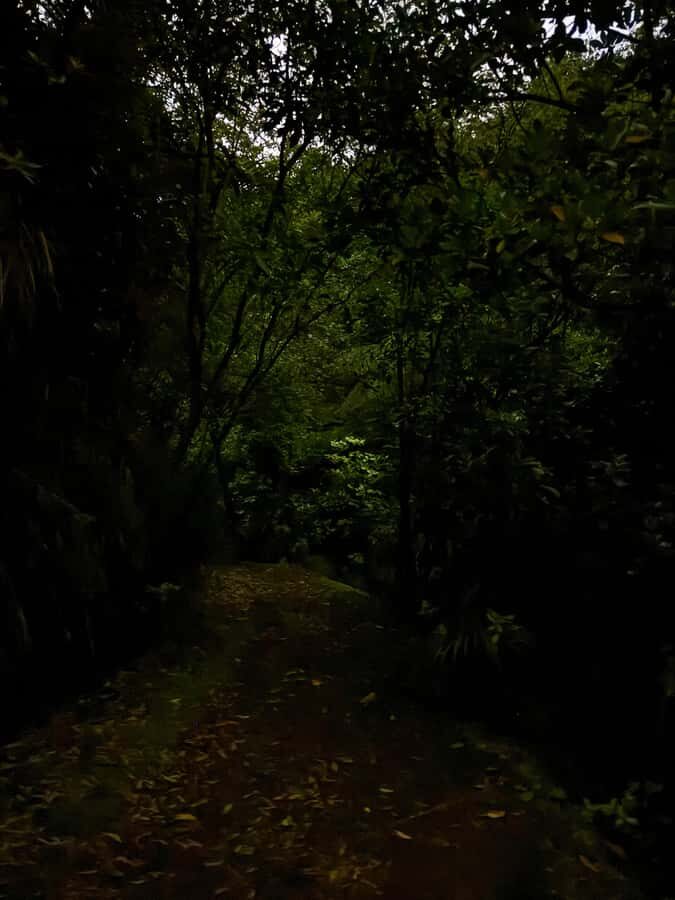
This tour is designed for an easy evening rhythm: meet in Torbay, head to Awaruku Reserve, get oriented for night viewing, and then do the glowworm walk while it’s dark enough to see the light clearly. The vibe is calm and focused, not a fast sprint.
You meet outside Hairluxx Boutique in Torbay. If you’re the type who likes a backup plan, the coordinates provided are -36.6982193, 174.7333069, which is handy for maps when it’s evening and things look dimmer.
At the start, your guide gives you a short intro and a safety briefing. That matters more than you’d think, because you’re moving on forest trails at night, with attention needed for footing and the group.
The time on the ground can be confusing at first glance. The experience duration is listed as 45 minutes, but the guided portion at Awaruku Reserve is shown as a longer segment. When you book, confirm your exact pickup-to-dropoff timing so you aren’t surprised by how long the night walk feels.
Good news: the small group limit of 10 participants keeps the walk from turning into a crowded line. You can ask questions and actually hear the answers without shouting into the dark.
You can also read our reviews of more tours and experiences in Auckland.

What You’ll See: Arachnocampa luminosa Lighting Up the Forest
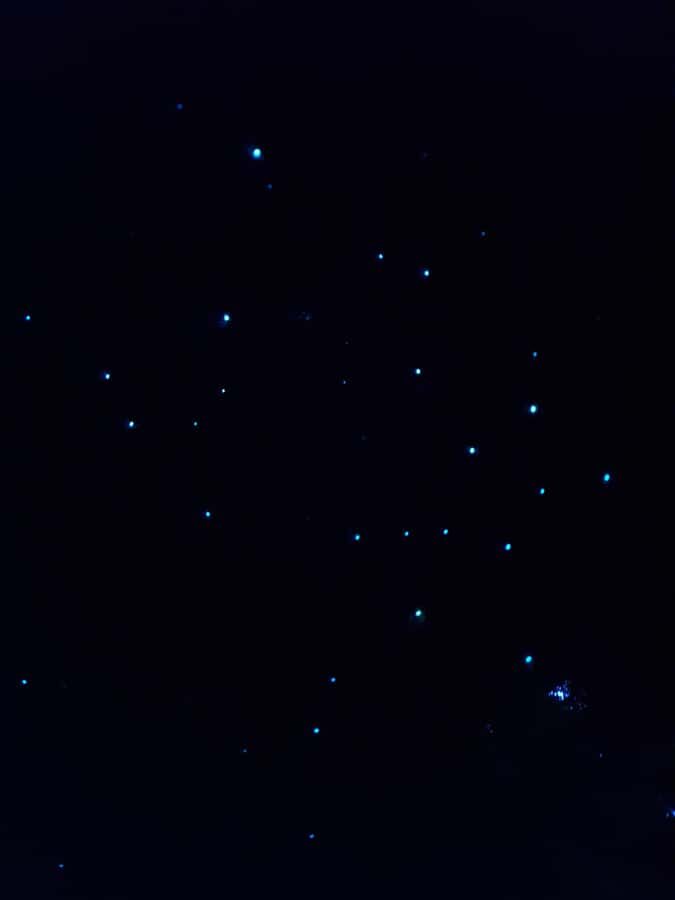
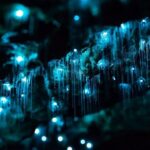
The main event is the New Zealand glowworm, Arachnocampa luminosa. You’re not just told that they glow, you’re shown how the behavior connects to the glowworms’ life stage and feeding strategy.
Here’s the key idea you’ll carry with you: the light isn’t random. The glow is part of how the larvae operate, using silk threads plus that glow to capture prey. Your guide explains the lifecycle, then you watch the results right in front of you.
That is what makes this feel special compared with a basic “look at lights” experience. When you understand that the glow is tied to survival, it turns the forest from scenery into a working system.
One of the most praised parts is simply being able to see them well. People also highlight how close the viewing gets, and how the guides keep things interactive. Names that come up include Legend and Chris, with both described as fun to talk with and ready to answer questions about the forest and glowworms.
And yes, this is one of those rare times when a camera actually helps. Your tour includes time that makes it reasonable to take photos of both the glowworms and the surrounding native bush, as long as you bring your camera.
Awaruku Reserve: Kauri and Nikau Palms Under the Trees
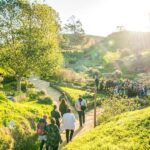
A big part of the tour’s value is that it doesn’t treat glowworms like a disconnected attraction. You’re walking through Awaruku Reserve, a native forest area of more than 12 hectares, and the guide points out the trees and the setting.
Expect talk about the towering Kauri trees and the graceful Nikau Palms. You’ll also get the cultural context: the reserve is described as significant as a site of ancient Māori settlements.
That matters because it frames the night experience as more than a cool bug show. You learn why this place is worth protecting, not just why it looks good in photos.
If you’re the type who likes to know what you’re standing next to, this is a win. You’re not just looking down for glowworms, you’re learning what kind of forest you’re in and how it supports the wildlife that shares the habitat.
Getting Close Without Barriers (and How to Photograph Them)
One of the tour’s clear promises is that you can see the glowworms in their natural habitat without barriers. That is a meaningful difference. Barriers can keep animals visible but also flatten the experience, making it feel staged.
Here, the emphasis is on watching them where they live. That also explains why the guided pace matters. You’re expected to follow the guide’s direction and keep your attention on the ground and nearby areas rather than drifting off.
Photo time is part of the experience too, and the setup is geared toward it. Bring a camera, and be ready for low-light work. The glow is soft blue-green, so you’ll want to steady your shots and plan around darkness.
A small group helps here as well. If you’re surrounded by people, night photography gets messy fast. With up to 10 people, you’re more likely to get a clear angle without stepping on each other’s tripod plans.
Also keep your expectations realistic. Glowworms are real insects in a real forest. Light counts can change with time, conditions, and how your eyes adjust. The good part is that the tour is built to teach you what you’re seeing, so even a lighter display still makes sense.
The Conservation Walk: Why Kākā and Kererū Get Mentioned
After you’ve enjoyed the glowworm viewing, the guide leads a short walk focused on conservation. This is where the tour earns its thoughtful side.
Awaruku Reserve is presented as a living sanctuary where preservation and restoration work supports native species. Your guide talks about native birds such as Kākā and Kererū, and you’ll learn how the ecosystem’s recovery is supported over time.
I like this part because it turns your evening into something you can discuss later. It’s not only a memory of lights. You leave understanding that the glowworms rely on an intact habitat, and that restoration work is a long game.
Guides also tend to answer questions here. In the guest feedback you can see a pattern: people remember the explanations about the environment, not only the glowworms themselves.
If you’re trying to avoid a “tour that ends right after the photo,” this conservation focus is a big reason to choose this format.

Coastal Bioluminescence: What Happens When Conditions Line Up
There’s also an extra layer sometimes: coastal bioluminescence opportunities. The tour information notes that on some evenings, they may visit coastal areas where bioluminescent organisms can illuminate the water and shoreline.
This is condition-dependent, so you can’t count on it every night. But it’s still useful to know it’s on the radar.
The guide also explains bioluminescence as a natural process, meaning living organisms produce light. In the forest, that’s glowworms. In marine areas, it can be bioluminescent dinoflagellates, described as microscopic marine organisms responsible for glowing water.
If you’re the kind of person who likes science you can see, this adds a neat bridge from the forest to the sea. Even if you only get glowworms, the explanation helps you place “living light” in a bigger context.
And if you’re choosing night activities in Auckland, this is the kind of bonus that can make one tour feel more complete than another.
Who This Tour Fits Best on the Auckland North Shore
This is a great choice if you want a short, well-guided night experience without committing to a long day trip. You’re staying in the North Shore area, and the walk format keeps things manageable.
It’s especially suited for:
- First-time Auckland visitors who want a nature night that doesn’t require driving far
- Couples and small groups who prefer an intimate guide-led pace
- People who enjoy learning while they watch, not just staring at lights
- Families with kids old enough to walk at night comfortably and stay engaged
Based on the way guides are described, it’s also a nice fit if you like asking questions. People mention getting answers about glowworms and the forest, and that the guide’s personality helps the night feel relaxed.
If you dislike darkness, low-light walking, or quiet trails, you might find this a bit challenging. But if you can handle a short night walk and you’re okay with focusing on your footing, it’s a strong fit.
Practical Tips for a Smooth Evening
Start with the basics your guide team expects: comfortable walking shoes. You’ll be on trails in a forest at night, so shoes that grip well matter more than fashion.
Bring a camera. The tour explicitly encourages it, and the experience includes time where photos are part of the plan.
Also, arrive with enough time to find the meeting spot outside Hairluxx Boutique Torbay. Night starts can feel tight if you’re rushing. If you like being prepared, use the coordinates so your navigation doesn’t play tricks at dusk.
If you care about photos, keep your expectations calm. You’re photographing living creatures in a natural setting, not a stage show. That’s part of the charm.
Finally, dress for the evening chill you might feel in a forest area. The tour is after dusk, and it’s easier if you’re comfortable for the walk time.
Should You Book This Auckland North Shore Glowworm Tour?
I’d book it if you want a night in Auckland’s native bush with a guide who explains what you’re seeing and why it matters. The biggest wins here are the close-up glowworm viewing without barriers and the way the tour ties the spectacle to lifecycle, feeding behavior, and conservation.
It’s also a smart choice for time-strapped visitors. A glowworm tour that’s short enough to fit into an Auckland schedule is hard to beat, especially when it’s set up for small-group attention.
One “hold back” note: if you’re expecting a guaranteed coastal bioluminescence show every evening, don’t count on it. Conditions control that part, and the tour’s main focus is the glowworms in Awaruku Reserve.
If you want a nature-focused Auckland night that feels real, not rushed, this is a very good call.
FAQ
Where is the meeting point for the Auckland North Shore Glowworm Tour?
Meet outside Hairluxx Boutique in Torbay to begin the journey.
How long is the tour?
The duration is listed as 45 minutes, and you should check availability for starting times.
How big is the group?
The tour is a small group limited to 10 participants.
Is the tour guide available in English?
Yes, the live tour guide is English-speaking.
What should I wear?
Wear comfortable walking shoes, since it’s a walking tour in the reserve at night.
Can I take photos during the tour?
Yes. The tour notes that you should bring a camera for photos.
What glowworms will you see?
You’ll see New Zealand glowworms (Arachnocampa luminosa) in their natural habitat, and you’ll learn about their lifecycle.