REVIEW · AUCKLAND
Auckland: Rotorua Living Maori Village Tour w/ Haka & Lunch
Book on GetYourGuide →Operated by Expedigo NZ · Bookable on GetYourGuide
Steam, songs, and a haka in Rotorua. This Auckland-to-Rotorua day trip funnels you straight into Whakarewarewa, a living Māori village, then adds geothermal sights and a traditional hangi lunch.
What I like most is the way the day is built around two real pillars: geothermal nature and lived-in culture. The geothermal trail ticket and village guide make it feel like you are seeing the place for a reason, not just taking photos. I also love that you get both the food and the performance, including the famous haka, plus a steam-cooked hāngī meal.
One possible drawback: it’s a long, full-day bus schedule (12 hours), and the lunch experience can feel basic. In bad weather, you may want to plan for a meal that isn’t as hot-and-slick as you might hope.
In This Review
- Key points at a glance
- Auckland to Rotorua: the 12-hour rhythm you need to know
- Whakarewarewa Māori Village: seeing daily life, not a set
- Geothermal trails and hot pools: nature’s power, up close
- Songs, dance, and the haka performance: watch with context
- Hāngī lunch and dessert: steam-cooked, simple, and satisfying
- Rotorua highlights on the return drive: easy sightseeing between stops
- Price and logistics: is $224 a fair deal
- Who this tour suits best
- Tips to make the day feel smooth
- Should you book this Auckland to Rotorua Māori village tour?
- FAQ
- How long is the Auckland to Rotorua tour?
- What’s the main cultural site you visit?
- Does the tour include a guided tour and cultural performances?
- Is lunch included, and what type of meal is it?
- Are food and drinks included during the day?
- Do you get geothermal trail access?
- Is hotel pickup and drop-off included?
- Is there cancellation flexibility?
Key points at a glance
- A full day from Auckland: about 12 hours, with round-trip bus and hotel pickup/drop-off.
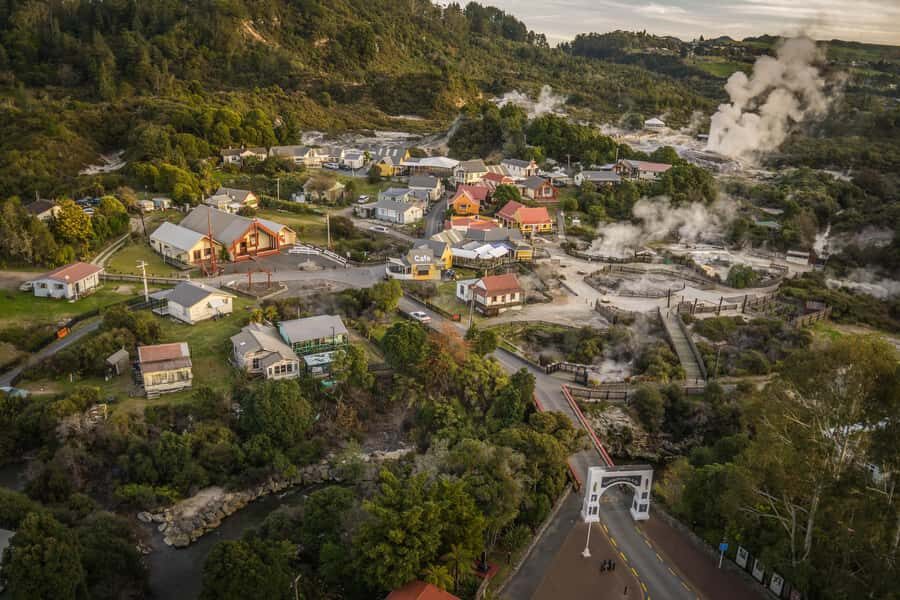
- Whakarewarewa is a living village: you’re guided by locals from Tūhourangi Ngāti Wāhiao.
- Geothermal trail access: you get a ticket to see bubbling mud pools, steaming vents, and geyser-style geothermal energy.
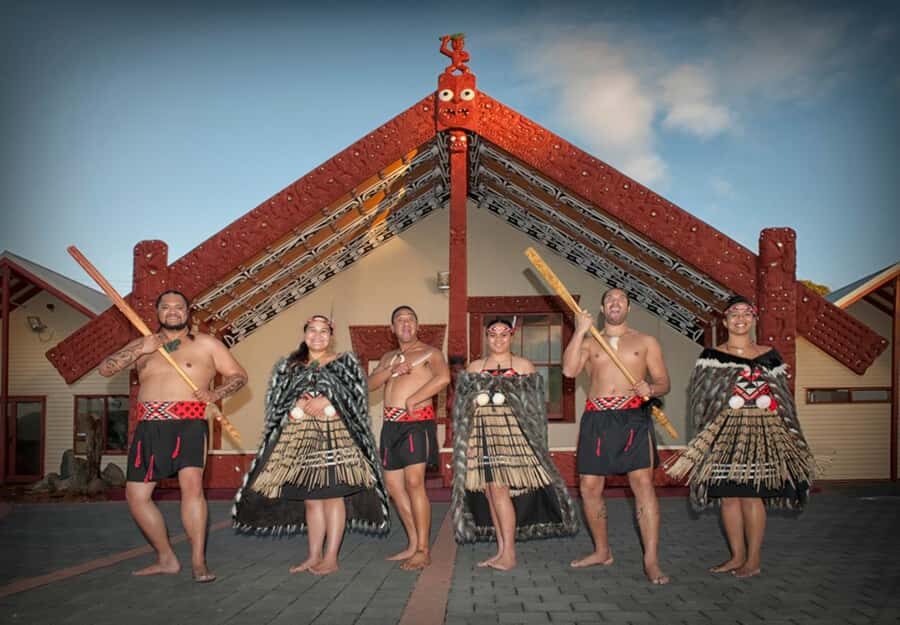
- Cultural performance time: Māori songs and dance, including a traditional haka.
- Hāngī lunch with dessert: cooked using natural steam, served as part of the village program.
- Rotorua highlights on the drive back: Government Gardens, Lake Rotorua, Sulphur Point, and the Rotorua Museum.
Auckland to Rotorua: the 12-hour rhythm you need to know
This tour is designed like a classic New Zealand day out: leave Auckland, focus hard for the Rotorua portion, then return the same day. The total time is 12 hours, and that matters because you’re stacking a lot into one schedule—village, geothermal trail, lunch, then a sightseeing loop on the way back.
You’ll get round-trip transportation by bus with hotel pickup and drop-off. Pickups start up to 20 minutes before the scheduled departure time, and the operator says their guides can arrive within a 10-minute window, with no waiting for late arrivals. If you’re the type who likes to be perfectly on time, great. If you tend to wander until the last second, this is where the tour can feel stressful. Show up early and you’ll feel calm.
Also, it’s English-guided, so if you want cultural context without translating on your own, you’re covered. Food and drinks are not included, so budget for water or other drinks during the day.
Price-wise, it’s $224 per person. On the surface, that’s not cheap. But in this case, you are paying for more than entry fees: transport from Auckland, the Whakarewarewa ticket, a village guided tour, cultural performances, a geothermal trail ticket, and a hangi lunch with dessert. When a day trip folds those pieces together, the “value” comes from convenience—less planning and fewer separate tickets.
A few more Auckland tours and experiences worth a look
Whakarewarewa Māori Village: seeing daily life, not a set
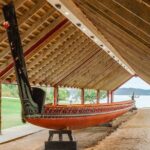
The heart of the experience is Whakarewarewa Village, a traditional Māori village where locals explain their way of life. You’re greeted by people from Tūhourangi Ngāti Wāhiao, and the tour is guided by village hosts, not just a generic sightseeing guide.
What I like about this approach is that it changes your mindset. Instead of thinking of Māori culture as something behind glass, you’re learning how it connects to daily life, community roles, and place. The guide’s job isn’t just to point at scenery. It’s to help you understand why steam vents, geothermal sites, and village traditions belong together.
You’ll also get time to wander with your guide around areas connected to village life and the geothermal landscape. Expect a mix of stories, customs, and everyday context, with locals showing you how they interpret the land.
If you care about respectful travel, this kind of village stop is one of the better formats because it’s built around local explanation. You also skip a ticket line (helpful on a busy day), so you spend more time actually inside the experience.
Geothermal trails and hot pools: nature’s power, up close
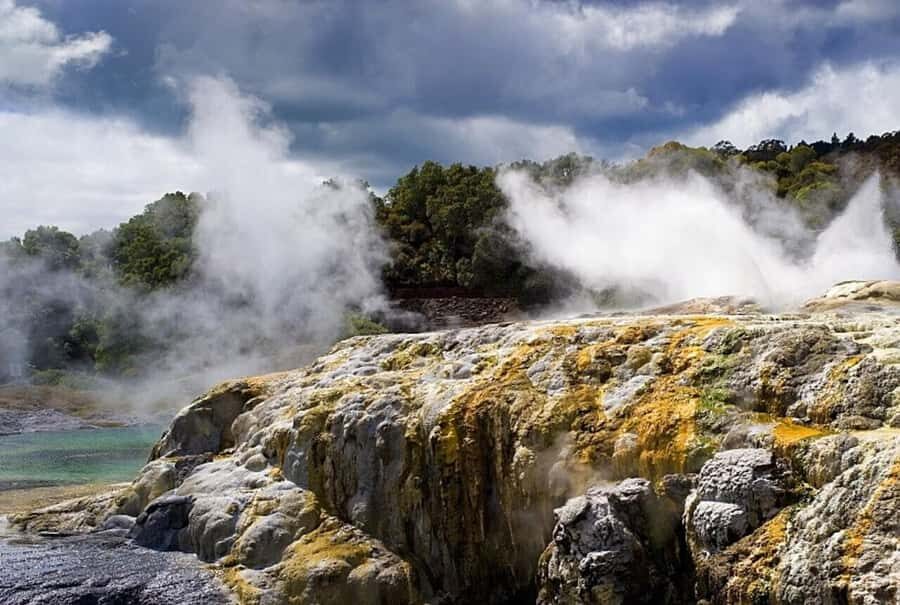
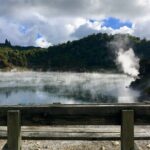
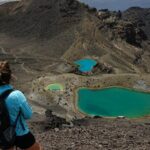
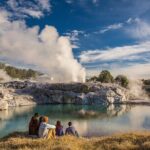
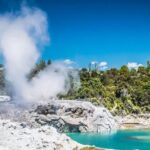
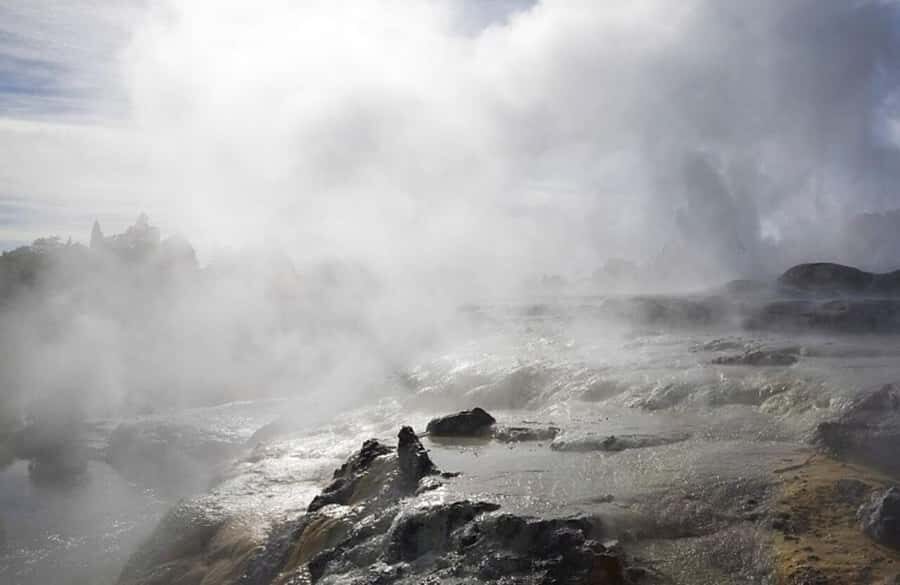
After the initial welcome and guided village time, the day turns into the Rotorua “wow” factor: geothermal activity. You’ll have a ticket for the Geothermal Trail, which is where you see the bubbling features and steaming vents that make Rotorua famous.
From what’s described, this part focuses on things like bubbling mud pools, spouting geyser activity, and steaming vents—plus the panoramic views that go with that whole geothermal system. Even if you’ve seen geothermal photos before, the real thing can be oddly impressive in a quiet way: steam keeps moving, surfaces change, and the ground feels alive.
Practical note: this is geothermal territory, so you’ll want to dress for wet and warm conditions. Even in good weather, you’re in a landscape with steam, damp ground, and outdoor viewing spots. Comfortable walking shoes help, and a light layer keeps you comfortable when you shift between sunny patches and cooler air near vents.
This geothermal time is also where your tour benefits from having a guide. A geothermal site is easy to treat like a theme park. A good explanation turns it into a story about landforms, energy, and how locals read the environment.
Songs, dance, and the haka performance: watch with context
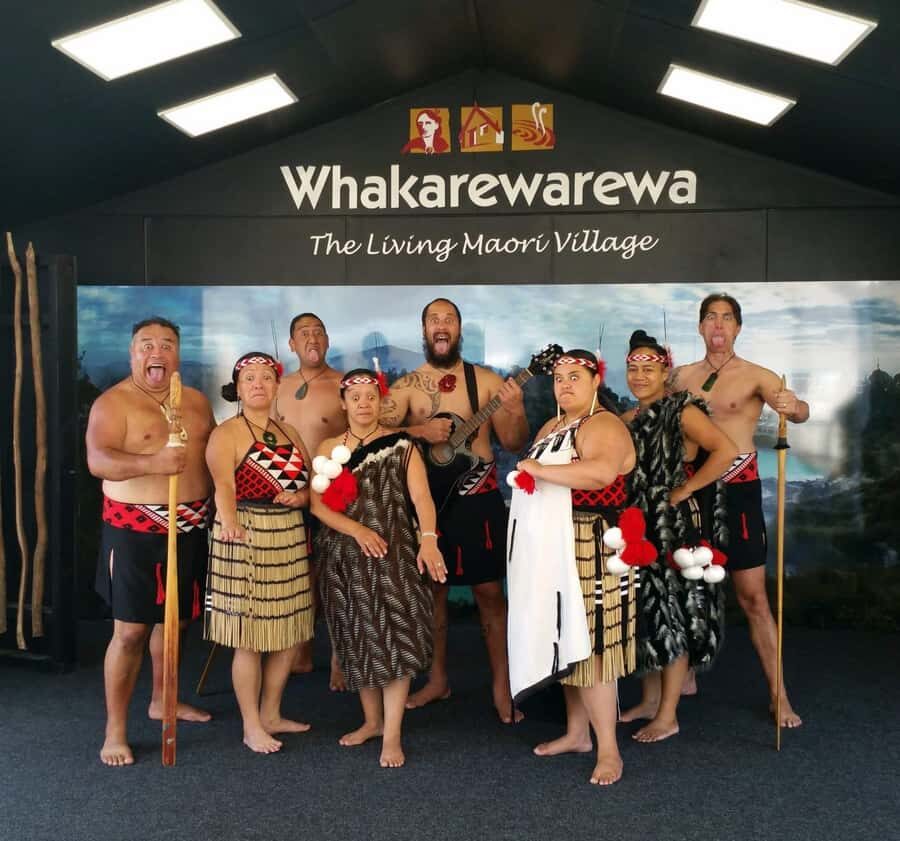
The cultural performance portion is a big part of why people book this tour. You’ll see traditional Māori songs and dances, and the highlight is a traditional haka performance.
Two things make this work better than a “show at the end” format:
1) You’ve already been in the village and you’ve heard some village context.
2) The performances aren’t presented as random entertainment; they’re tied to identity and place.
In the real world, performance quality depends on the group and timing. But the overall feedback around the experience is strongly positive, and multiple guides have been specifically praised for keeping the mood respectful and clear. Guides named Jason and Daniel have been described as especially engaging, and an Aaron name also comes up as a standout guide in recognition.
If you’re planning a visit where you want to understand Māori culture rather than just watch a highlight reel, the structure matters: cultural learning first, performance next.
One caution: the haka is intense by design. It can feel powerful even if you don’t know the meaning of every word. That’s normal. The best move is to watch closely, follow your guide’s cues, and treat it as a serious cultural expression, not a background spectacle.
Hāngī lunch and dessert: steam-cooked, simple, and satisfying
Next up is lunch: a traditional hāngī meal cooked using natural steam, followed by dessert. The idea here is straightforward: food cooked in the earth gives you that distinct hangi feel, and you taste a part of Māori heritage that’s more than symbolic.
The meal is described as simple, and for many people that’s exactly the point. It doesn’t pretend to be fine dining. It’s hearty comfort that matches the day’s theme: land, process, and tradition.
That said, there’s at least one note of disappointment: if it rains all day, lunch might not arrive at the temperature you expect. If you’re sensitive to cold or lukewarm food, plan accordingly. You can also bring a positive mindset: this lunch works as part of the cultural package, not as a culinary destination.
Because food and drinks aren’t included, you may want to budget for water or other beverages separately. Dehydration sneaks up during long bus days.



Rotorua highlights on the return drive: easy sightseeing between stops
After the village and meal, you don’t just go straight back to Auckland. You’ll enjoy a guided driving tour of Rotorua’s highlights, including:
- Government Gardens
- Lake Rotorua
- Sulphur Point
- Rotorua Museum
This part is a nice catch-up for first-timers. Village life gives you a cultural anchor, and then the drive gives you geography. You get a sense of where Rotorua sits and why the geothermal features matter to the region.
A driving tour is also a realistic way to fit more into a day without turning it into an exhausting marathon of walking. You’ll still get windows of scenery, but you’re not expected to do everything on foot.
Price and logistics: is $224 a fair deal
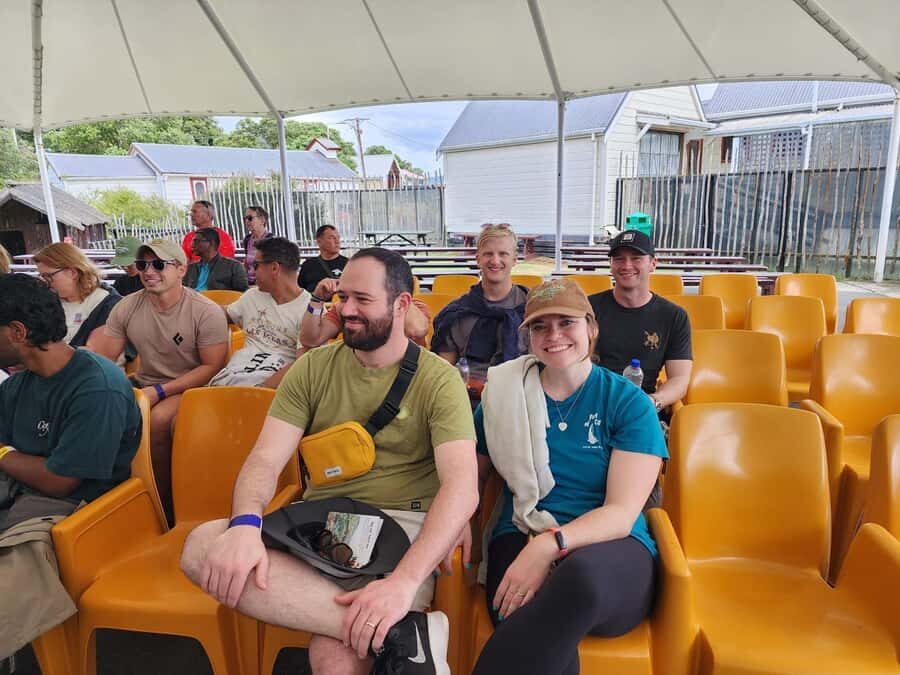
Let’s talk value. At $224 per person, you’re paying for a packaged day:
- Bus transportation from Auckland with hotel pickup and drop-off
- Entrance ticket to Whakarewarewa Village
- Guided tour of the village
- Cultural performances including a haka
- Geothermal Trail ticket
- Hāngī lunch with dessert
- An English guide
The biggest value is the bundling. If you tried to recreate this on your own, you’d likely spend time coordinating transport, buying separate tickets, and stitching together a village + geothermal + cultural performance plan. This tour handles that. You also get the “skip the ticket line” benefit at the village, which helps on busy days.
The real trade-off is time and flexibility. You’re committing to the full-day schedule, and the pickup system uses fixed windows. If you hate early starts or you’re likely to run late, that’s where the package can feel less like a deal and more like a timetable.
Weather also affects comfort. The experience is outdoors enough that rain can change the feel of the day, even if the core program continues.
Who this tour suits best
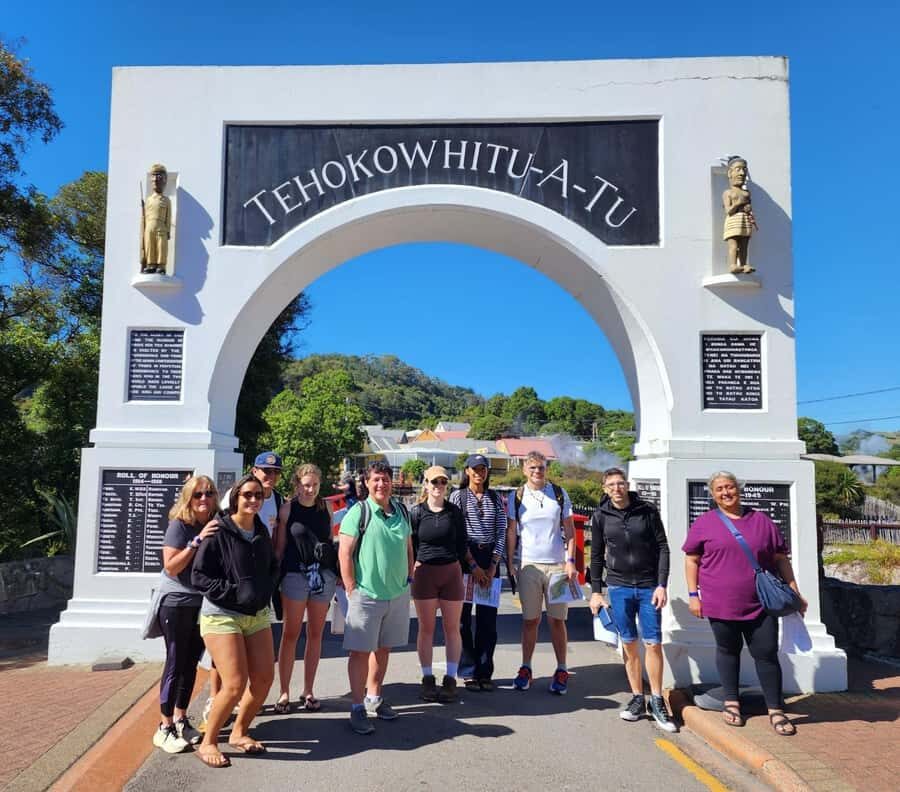
This works especially well if you:
- Want a first-time Rotorua day that mixes nature + Māori culture
- Prefer a guided format where locals explain what you’re seeing
- Like structured experiences that don’t require planning every ticket
- Are traveling with mixed ages and want a guide who watches the group pace (Jason has been specifically praised for checking in with an older person)
You might think twice if you:
- Want lots of free time for independent wandering
- Don’t like long bus days
- Are very food picky, since the hangi lunch is described as simple, and at least one report notes it came cold in rain
Tips to make the day feel smooth
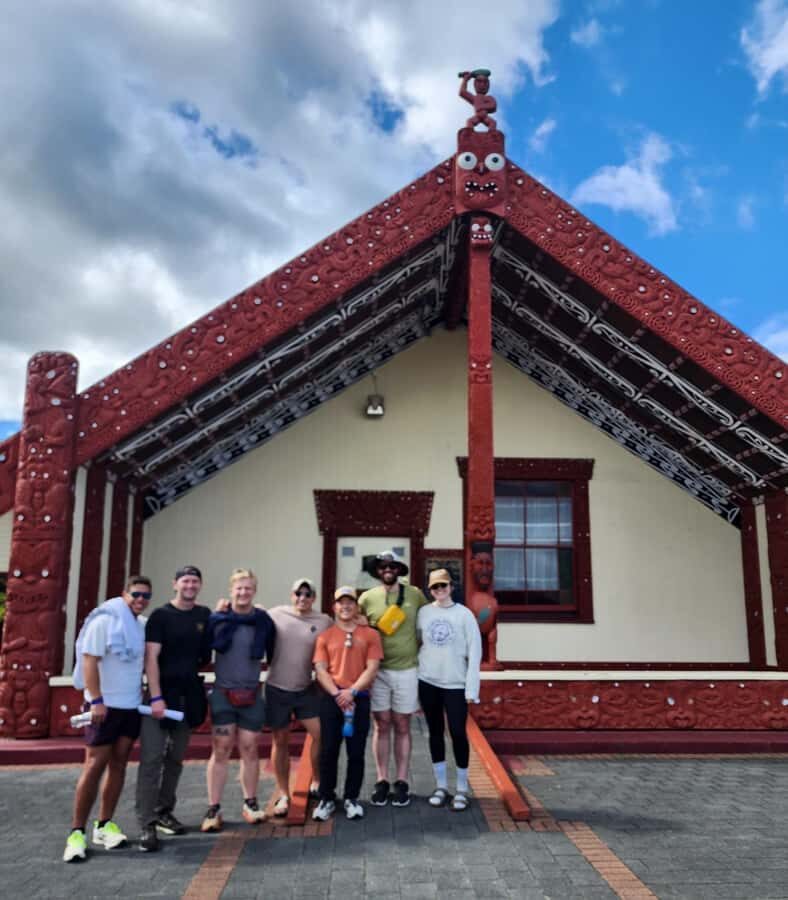
- Dress for wet and warm weather. Rotorua can shift fast, and you’ll be outside around geothermal features.
- Wear shoes you can handle on uneven ground near geothermal areas.
- Bring a small layer you can move around in. Steam areas can feel warm, then you step into cooler air.
- Be outside at pickup time. The operator warns they can’t wait for late arrivals, and multiple pickup stops can shift when they reach you.
- Pack patience. A 12-hour schedule means you’re trading freedom for convenience, and that’s part of the deal.
Should you book this Auckland to Rotorua Māori village tour?
If you want one solid day trip that gives you genuine Rotorua context—Whakarewarewa village life, geothermal trails, a real cultural show with a haka, and a steam-cooked hāngī lunch—then yes, this is a strong pick. The value comes from the way it bundles key experiences that would be harder to coordinate separately, especially when you’re starting from Auckland.
Skip it only if you dislike structured full-day travel or you’re expecting a high-end food experience. If your priority is culture and geothermal nature, and you’re okay with a long day and simple lunch, you’ll likely feel like the time was used well.
FAQ
How long is the Auckland to Rotorua tour?
The tour duration is 12 hours.
What’s the main cultural site you visit?
You visit Whakarewarewa Village, a traditional Māori village.
Does the tour include a guided tour and cultural performances?
Yes. Your ticket includes a guided tour of the village and cultural performances, including a traditional haka.
Is lunch included, and what type of meal is it?
Yes. You get a traditional hāngī meal cooked with natural steam, followed by dessert.
Are food and drinks included during the day?
Food and drinks are not included (the hangi meal is included as part of the program, but you should plan for additional drinks separately).
Do you get geothermal trail access?
Yes. The tour includes a ticket for the Geothermal Trail.
Is hotel pickup and drop-off included?
Yes. Round-trip transportation by bus includes hotel pickup and drop-off from selected hotels.
Is there cancellation flexibility?
There is free cancellation up to 24 hours in advance for a full refund, and you can also reserve and pay later.