REVIEW · AUCKLAND
Auckland : Rotorua Living Maori Village with Haka and Hangi Lunch
Book on Viator →Operated by Expedigo Tours and Travels Auckland · Bookable on Viator
Geothermal steam and Māori culture in one long day. From Auckland, this tour takes you to Whakarewarewa – The Living Māori Village in Rotorua, where a local community shares how daily life connects to the geothermal world.
I love the fact that the village tour is guided by people who live the culture today, not just perform it. I also like that you get both the dramatic side (a haka and cultural performance) and the practical side (how their community lives alongside bubbling mud pools, steaming vents, and geyser activity).
One possible drawback: it’s an early start and a long ride overall—plan for roughly 11 to 12 hours in one day, even with comfort breaks built in.
In This Review
- Key highlights worth your attention
- Auckland to Rotorua: a very early start with a practical upside
- Whakarewarewa Living Māori Village: where geothermal meets daily life
- Meeting Tūhourangi Ngāti Wāhiao hosts: what makes the storytelling feel real
- The haka and cultural performance: powerful, not random
- Hāngī lunch cooked with natural steam: the meal that actually teaches something
- Rotorua highlights by guided driving tour: great views, short time
- Return to Auckland: use the ride time to plan a follow-up day
- Price and value: what you’re really paying for
- Who should book this tour (and who might skip it)
- Should you book? My honest take
- FAQ
- What time does the tour start?
- How long is the Auckland to Rotorua day?
- Is pickup offered from Auckland Central?
- Where is the cultural village visit?
- What does the experience include for culture and food?
- Can I cancel for free?
Key highlights worth your attention
- Small group size (max 11) makes it easier to hear explanations and ask questions.
- Whakarewarewa Village with local hosts ties stories to a real, living community.
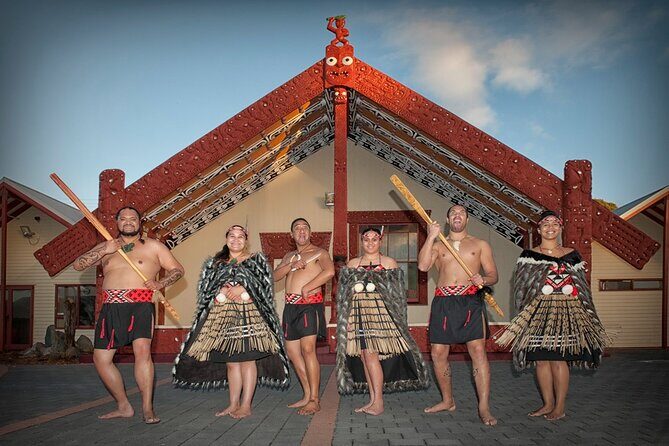
- Haka and cultural performance gives you the emotional punch behind the traditions.
- Hāngī lunch cooked using natural steam is part of the cultural rhythm, not an afterthought.
- Rotorua driving highlights include Government Gardens, Lake Rotorua, Sulphur Point, and the Rotorua Museum.
- Air-conditioned vehicle plus bottled water and snacks helps on a full-day schedule.
Auckland to Rotorua: a very early start with a practical upside
This is the kind of day that starts before most people’s patience kicks in. The pickup point is in Auckland Central, with a start time of 6:00 am, and the drive to Rotorua takes a little over three hours. You’ll be in an air-conditioned vehicle, and the tour includes bottled water and snacks, which matters when you’re spending most of the day on the road.
Here’s the practical upside: by leaving early, you’re set up to enjoy Rotorua’s big geothermal and cultural experiences without turning the day into an all-night slog. The pacing also matters because you’re not just doing one stop—you’re doing a full village visit plus a guided car tour afterward.
The main thing to think about is time. This isn’t a short add-on. Even with multiple scheduled pauses and a guided format, you’re committing to a long day from start to finish, including the return trip to Auckland.
A few more Auckland tours and experiences worth a look
Whakarewarewa Living Māori Village: where geothermal meets daily life
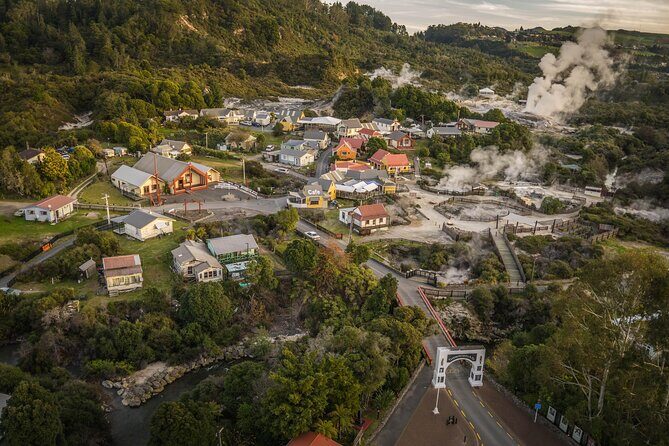
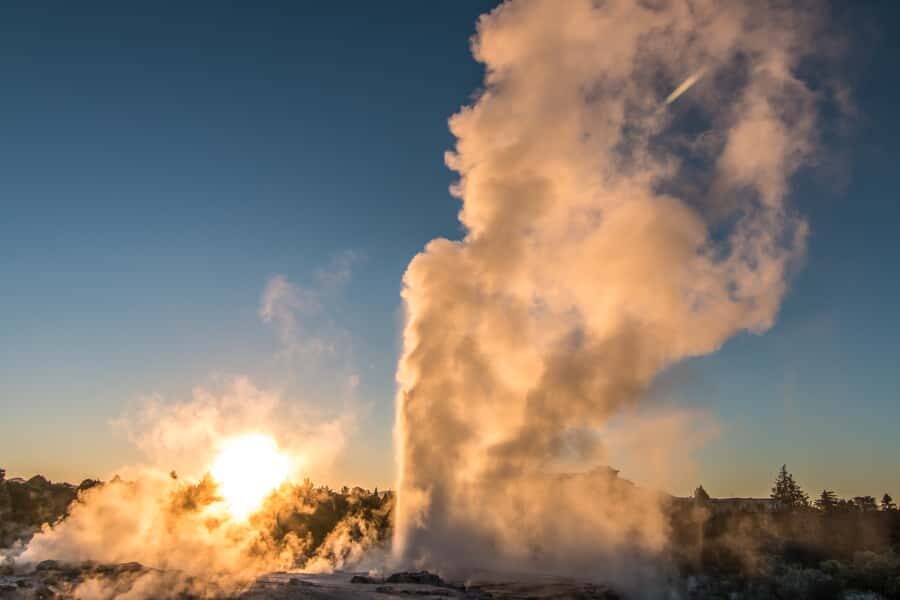
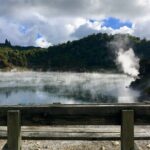
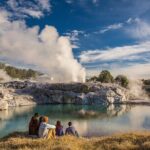
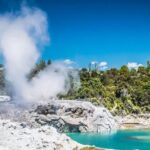
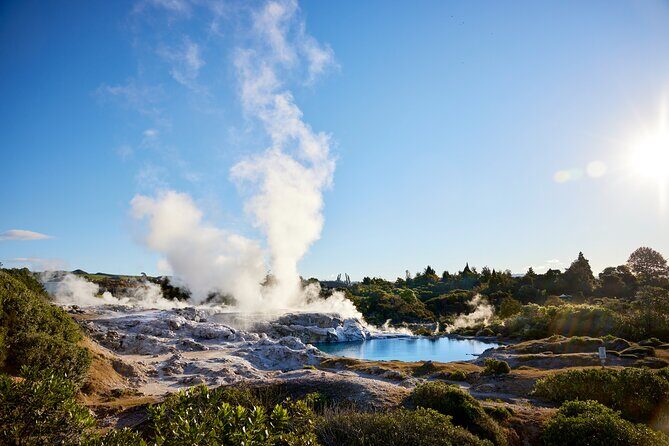
The heart of your tour is Whakarewarewa – The Living Māori Village, and the setting is unlike what you’ll see anywhere else in New Zealand. Rotorua’s geothermal activity isn’t just scenery here—it’s part of how the community understands the land and its forces. You’ll walk trails that pass bubbling mud pools, steaming vents, and spouting geysers, with guides explaining how the landscape connects to Māori history and mythology.
What I like about this kind of village visit is that it’s not “museum mode.” It’s framed as a living place—meaning you’re hearing how people live now, grounded in traditions that shaped daily routines for generations. That’s a big difference from a performance-only experience.
Practical note: because you’re walking around geothermal features, you’ll want comfortable shoes and a watchful eye for where you step on trails. The tour is guided, so you’re not going off on your own, but it’s still outdoors and active.
You’ll get about four hours at Whakarewarewa, which is enough time for the guided tour, the cultural performance, the meal, and a bit of breathing room to absorb the setting without feeling rushed.
Meeting Tūhourangi Ngāti Wāhiao hosts: what makes the storytelling feel real
When the hosts for the day are from the local community—specifically Tūhourangi Ngāti Wāhiao—the explanations tend to have a different weight. You’re not hearing generic cultural facts. You’re getting day-to-day context: how geothermal forces fit into beliefs, how the village environment shapes routines, and how stories live in the way people speak about the land.
The tour includes a guided experience through the village, so your guide can respond to what you’re noticing. That’s a major quality factor. It’s also why a smaller group helps: with a maximum of 11 people, the guide can keep things interactive rather than stuck in a one-way lecture.
From the tone of the experience—warm welcome, local perspective, and active guiding—it’s clear this is built around connection. The goal isn’t just to check a box. It’s to understand what you’re seeing while it’s right in front of you.
The haka and cultural performance: powerful, not random
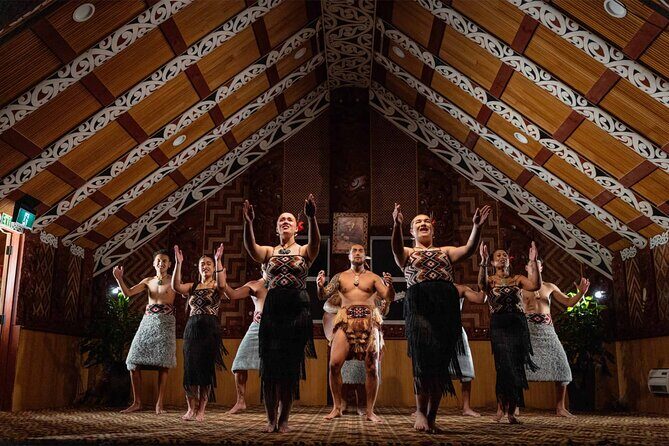
After your village tour and walk-through, you’ll experience a haka and cultural performance. This is the moment that usually grabs people by the attention span and won’t let go.
A haka isn’t only about movement—it’s about meaning. In this setting, it’s presented as part of Māori cultural expression, linked to the community you’re visiting and the geothermal world they interpret through stories and tradition. You’re not watching it in a separate theater that could be anywhere. It happens in the flow of the village day, which helps it feel connected to the rest of what you learn.
Also, because this portion is included in the schedule at Whakarewarewa, it doesn’t require you to search for another show or pay extra for a separate ticket. That keeps the cultural experience focused and efficient.
Hāngī lunch cooked with natural steam: the meal that actually teaches something
Food on a cultural tour can be hit or miss, but here the hāngī meal is built into the point of the day. You’ll savour a traditional hāngī meal cooked with natural steam, followed by a sweet dessert. The “why” matters: hāngī isn’t just a method of cooking. It’s part of how Māori communities historically used geothermal heat and how those traditions are still carried forward.
Even if you’re not a big foodie, I’d treat lunch here as a cultural checkpoint. It helps you slow down from walking, listening, and watching and gives the day a rhythm. Plus, it turns the geothermal theme into something you can taste—literally.
Since the program includes lunch in the experience description, you should expect the hāngī meal as part of your day. Still, if you’re booking through an operator platform that lists Lunch under not included, do a quick check in your own confirmation details so there’s no surprise.



Rotorua highlights by guided driving tour: great views, short time
After the village, the tour shifts gears to a guided driving tour of Rotorua’s highlights. You’ll get stops or viewpoints that include:
- Government Gardens
- Lake Rotorua
- Sulphur Point
- Rotorua Museum
This is listed as about 30 minutes, so think of it as orientation and highlights—not a full museum day. In a single afternoon window, a driving tour is exactly what it sounds like: you see key places, you get context from your guide, and you leave with a better map in your head for what you’d want to revisit on your own.
The places chosen make sense together. Government Gardens gives you a designed green space look, Lake Rotorua adds open-water views, and Sulphur Point brings you right back to geothermal themes. Then the Rotorua Museum adds cultural and historic framing, which complements what you just learned at Whakarewarewa.
Return to Auckland: use the ride time to plan a follow-up day
On the way back to Auckland, you’ll regroup and head home through the North Island scenery. The return drive is also about three hours and 15 minutes, so by the time you’re back, you’ll likely be tired in the satisfying way—feet walked, stories listened to, and you’ve had your fill of Rotorua’s signature geothermal identity.
If you have extra days, this is where a smart follow-up idea comes in. You’ll probably leave Rotorua wanting either a deeper museum stop or more time near water and gardens. A driving highlight tour can’t replace lingering, but it can help you decide what to do next without guesswork.
Price and value: what you’re really paying for
At $232.71 per person, the sticker price looks steep until you break down what’s bundled. This day isn’t just a transfer from Auckland to Rotorua. It includes:
- Air-conditioned vehicle transport with snacks and bottled water
- A guide
- Village admission (included)
- A full guided visit at Whakarewarewa with performances and meal components
- A guided driving tour back in Rotorua
Because Whakarewarewa is the main activity and it’s included in the ticket, the value comes from grouping the village day and Rotorua overview into one organized schedule. That reduces your mental load. You don’t need to plan logistics, find tickets, or assemble multiple stops yourself.
Another value point: the group size cap of 11 helps you feel less like a seat on a bus and more like a participant in the story being explained.
The main thing to watch is your hunger timing. Breakfast and dinner aren’t part of the plan, and the schedule is early and full. I’d plan to eat before departure (since breakfast isn’t included) and rely on the included hāngī lunch and dessert as your main midday meal.
Who should book this tour (and who might skip it)
This tour fits best if you want a guided, structured day that combines Māori culture, geothermal scenery, and Rotorua highlights without extra planning. It’s also a strong choice for people who learn better by being guided through a place rather than reading signs and guessing what matters.
It might be less ideal if you hate long days or prefer to spend hours in one place instead of splitting time between village life, performances, a meal, and quick Rotorua highlights by car.
If you’re traveling with a group that wants one solid “Rotorua day” and then freedom afterward, this is a clean way to get your bearings fast—especially with the Government Gardens, Lake Rotorua, Sulphur Point, and Rotorua Museum stops serving as your roadmap.
Should you book? My honest take
Book it if you want the core Rotorua experience done with guidance and context. The combination of Whakarewarewa, a haka and performance, and a hāngī meal cooked with natural steam makes this feel like a real cultural day, not a random sightseeing checklist.
Skip it if your priority is slow travel or you’re the type who gets cranky after an 11-12 hour day. In that case, you’d probably do better with more time spent independently in Rotorua.
FAQ
What time does the tour start?
The tour starts at 6:00 am.
How long is the Auckland to Rotorua day?
It runs about 11 to 12 hours.
Is pickup offered from Auckland Central?
Yes. The tour offers pickup and the meeting point is Auckland Central.
Where is the cultural village visit?
You’ll visit Whakarewarewa – The Living Māori Village in Rotorua.
What does the experience include for culture and food?
You get a guided tour of the living Māori village, a haka and cultural performance, and a traditional hāngī meal cooked with natural steam, plus a sweet dessert.
Can I cancel for free?
Yes. You can cancel up to 24 hours before the experience’s start time for a full refund.