REVIEW · AUCKLAND
Auckland: Rotorua Māori Village & Waitomo Caves with Lunch
Book on GetYourGuide →Operated by Expedigo NZ · Bookable on GetYourGuide
Glow worms turn darkness into art. I love the Waitomo Glowworm Caves boat ride and the live cultural storytelling at Whakarewarewa Living Māori Village; my only real drawback is the day is long and you’ll spend a lot of time riding in the van.
This is a practical way to pack serious Rotorua geothermal sights and Indigenous Māori culture into a single 12-hour trip. You get hotel pickup and drop-off at select Auckland spots, a guided village experience with songs and dances (including the world-famous haka), then a guided visit underground where thousands of bioluminescent glow worms light up the caves.
If you dislike early starts or prefer flexible pacing, this won’t feel as relaxed. Also, this tour isn’t suitable for wheelchair users or people with mobility impairments, so you’ll want to plan around that.
In This Review
- Key things to know before you go
- Auckland to Rotorua: the road time that actually matters
- Whakarewarewa Living Māori Village: steam, mud, and customs you can ask about
- The haka and cultural performance: what to watch for
- Rotorua geothermal sights: how the tour keeps it understandable
- Waitomo Glowworm Caves: the boat ride that makes the darkness glow
- Picnic-style lunch: fueling without breaking the day
- Price and value: is $248 a good deal?
- Group size, pacing, and comfort on a full day
- Who this Auckland day trip suits best
- Should you book this tour?
- FAQ
- What’s the duration of the Auckland to Rotorua and Waitomo tour?
- Is hotel pickup included?
- Where do the tours start and how do I find the van?
- What’s included in the price?
- Do I need to pay for tickets separately?
- What language is the guide?
- What should I bring?
- Are kids allowed?
- What if the tour is canceled due to minimum numbers?
Key things to know before you go
- Whakarewarewa is a living village, not a staged set, so your guide focuses on real traditions and daily life
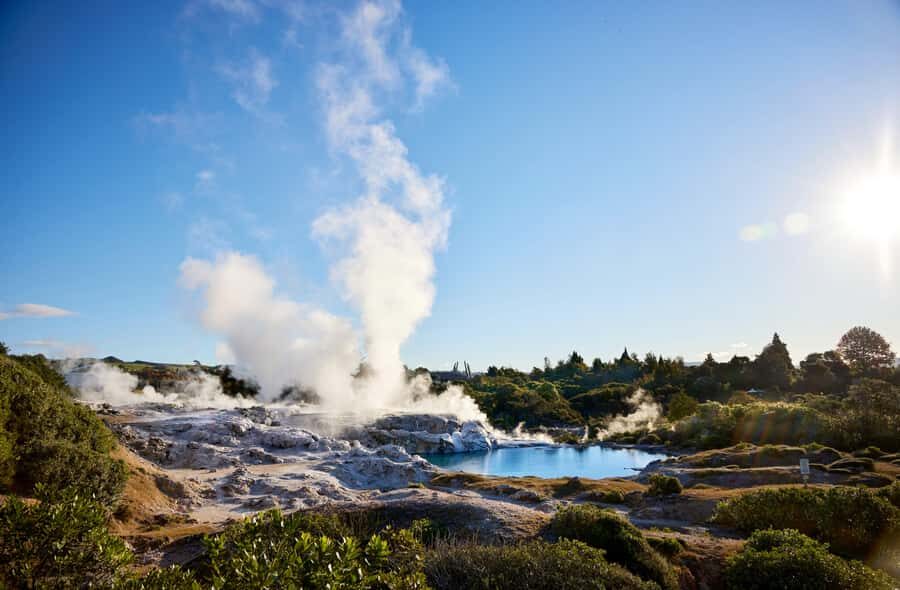
- The geothermal scenery is the prelude: steaming vents, bubbling mud pools, and spouting geysers set the Rotorua mood fast
- You’ll see the haka as part of a cultural performance, not as a stand-alone spectacle
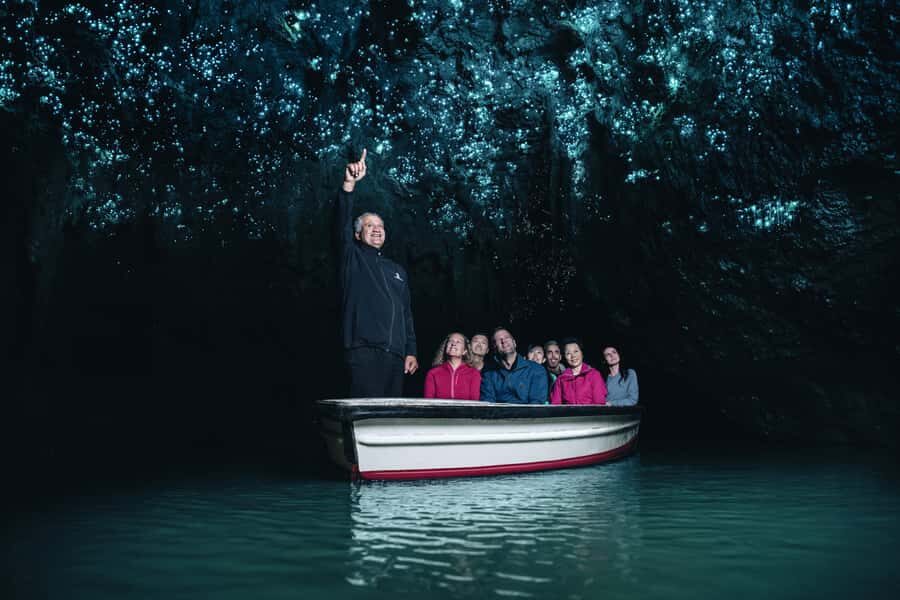
- Waitomo Glowworm Caves are guided and boat-based, with the light show happening as you glide silently
- Picnic-style lunch keeps the day moving, so you’re not losing hours hunting food in Rotorua
- Pickup is from many Auckland hotels, but only certain locations are included, so double-check your exact address
Auckland to Rotorua: the road time that actually matters
The day starts with pickup from a long list of Auckland hotels in central areas. Your guide meets you outside your hotel, and you’ll look for a Volkswagen van with an Expedigo logo. Arrive about 5–10 minutes early so you don’t slow the whole group down.
Then you’re on the road for roughly three hours to Rotorua. This drive is your buffer: it gives you time to settle in before the village and geothermal stops kick into gear. There’s also a short sightseeing stretch in the Rotorua District that’s about 45 minutes, which helps you get oriented to what makes this region so geothermal.
One detail I appreciate: the tour is planned with built-in transitions. You’re not bouncing between stops every few minutes. You’ll still feel the pace, but it stays organized enough that the day doesn’t turn into a stressful blur.
A few more Auckland tours and experiences worth a look
Whakarewarewa Living Māori Village: steam, mud, and customs you can ask about
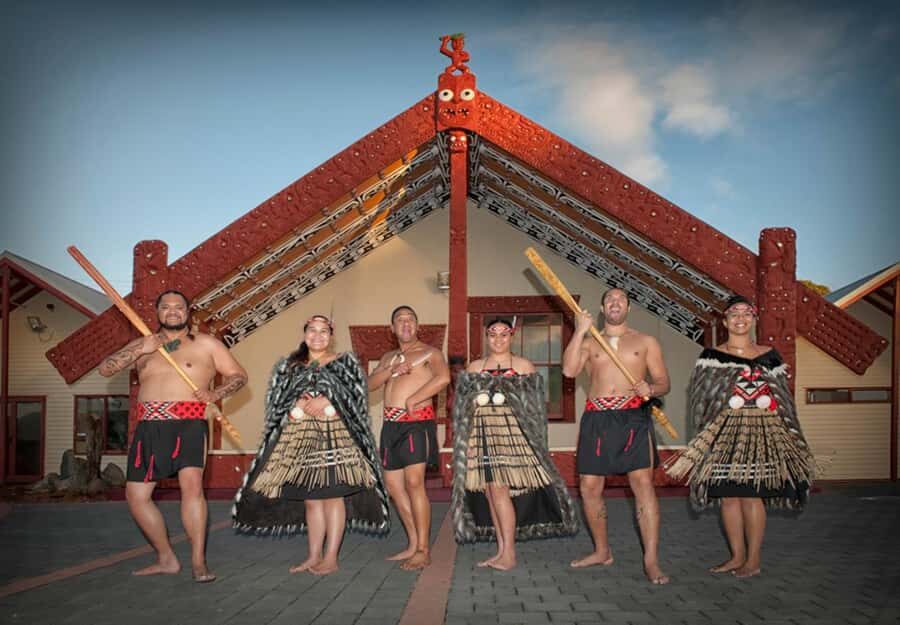
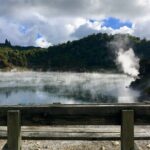
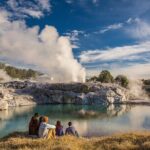
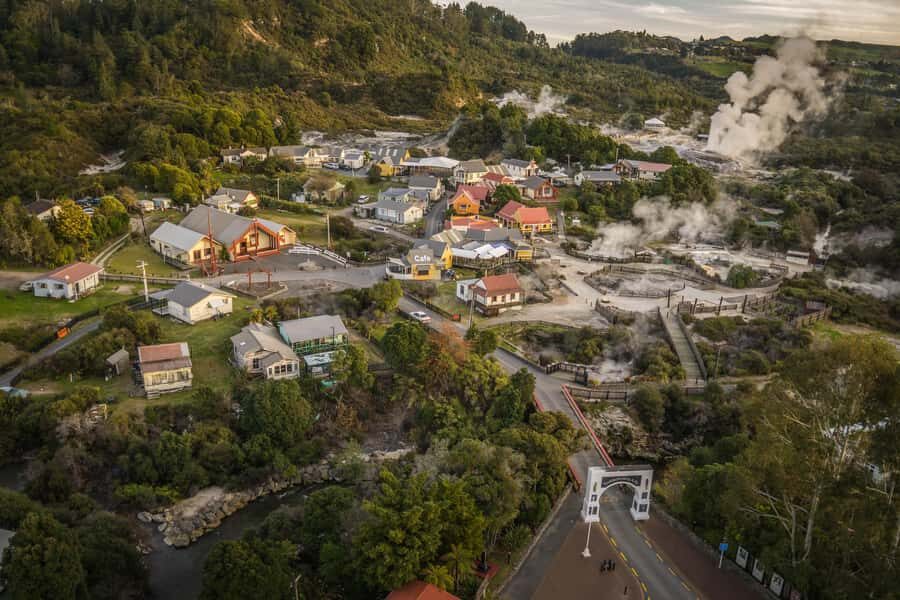
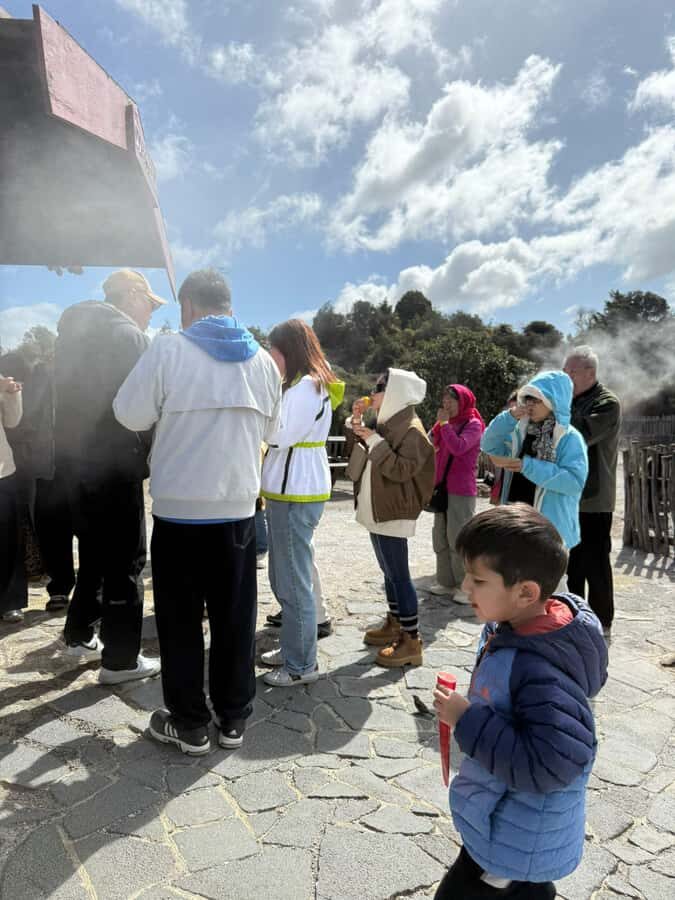
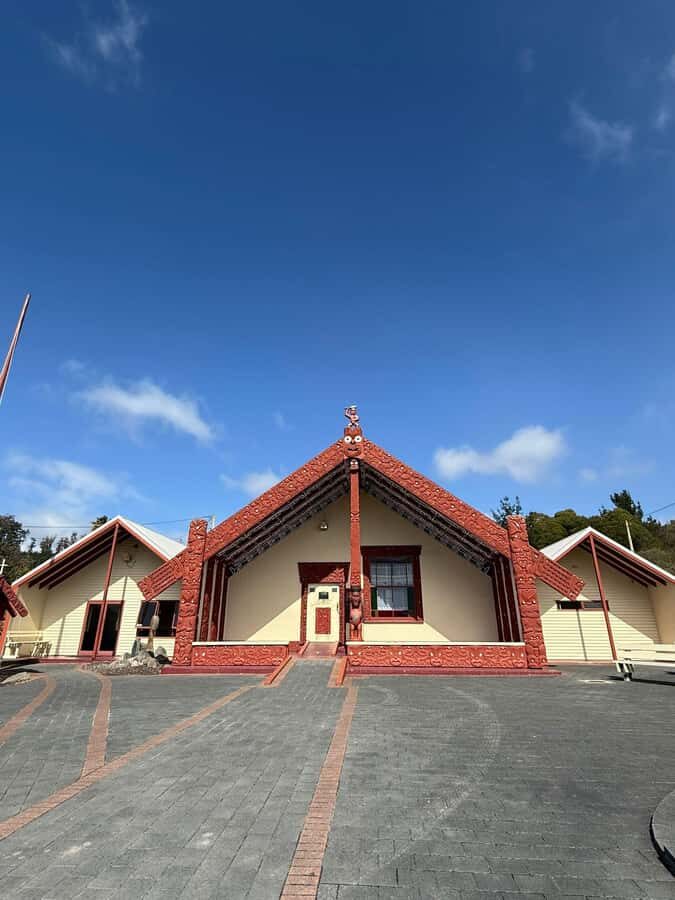
At Whakarewarewa Village, you’re stepping into a living Māori community and joining a guided tour that lasts about 2.25 hours. The experience begins with that immediate sensory hit of geothermal steam rising from the ground—Rotorua makes it hard to ignore what’s going on beneath your feet.
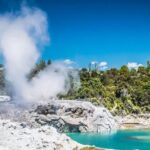
Your guide leads you through Māori life and customs with an emphasis on how people connect to the land. You’ll see geothermal features as part of the story—bubbling mud pools, spouting geysers, and steaming vents—and you learn that these aren’t just scenery. They’re tied to how the community understands and lives with the geothermal environment.
What I like about this stop is the tone. It’s not only about looking. It’s about listening and then having the chance to interact and ask questions through your guide. For many visitors, this is where the day shifts from sightseeing to understanding.
The haka and cultural performance: what to watch for
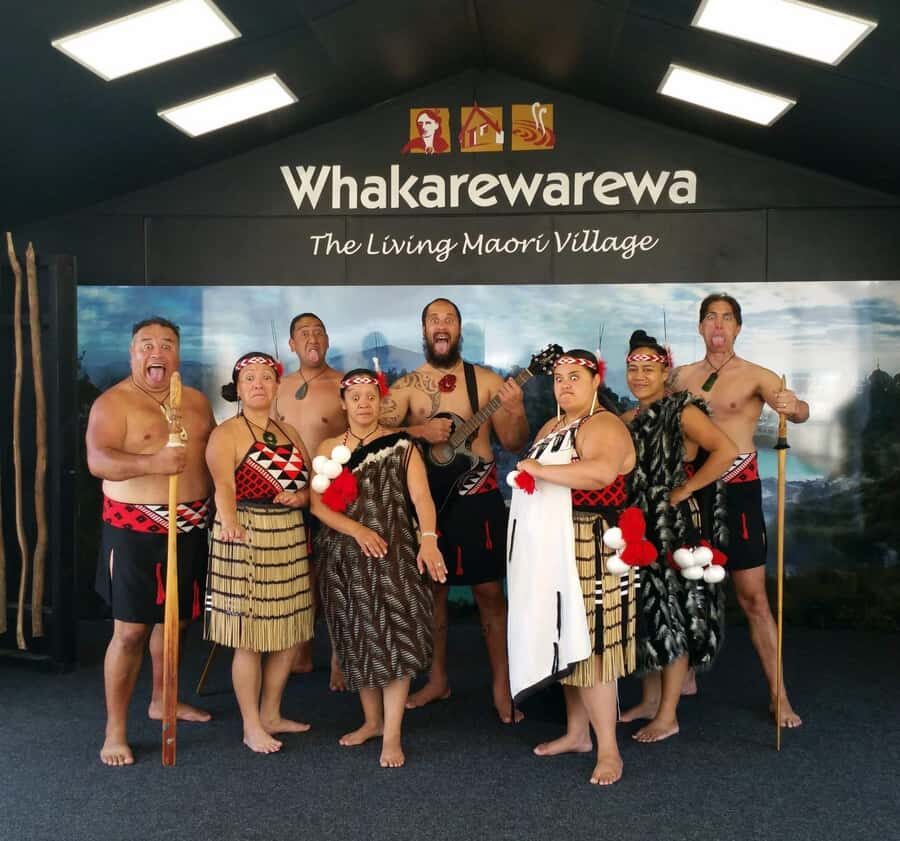
Later at the village, you’ll attend a cultural performance that includes traditional Māori songs and dances, including the world-famous haka. The performance matters because it’s connected to the same cultural framework you heard about during the village tour.
When the haka happens, watch the energy and the group coordination—not just the movements. You’ll get the sense that it’s performance with meaning, tied to identity and storytelling. If you’re the type who only focuses on the spectacle, try switching gears for a moment and treat it like a language you’re learning to recognize.
Also, remember you’re in a respectful cultural setting. Keep your phone use in check and follow your guide’s cues. It makes the experience better for you and for the community hosting you.
Rotorua geothermal sights: how the tour keeps it understandable
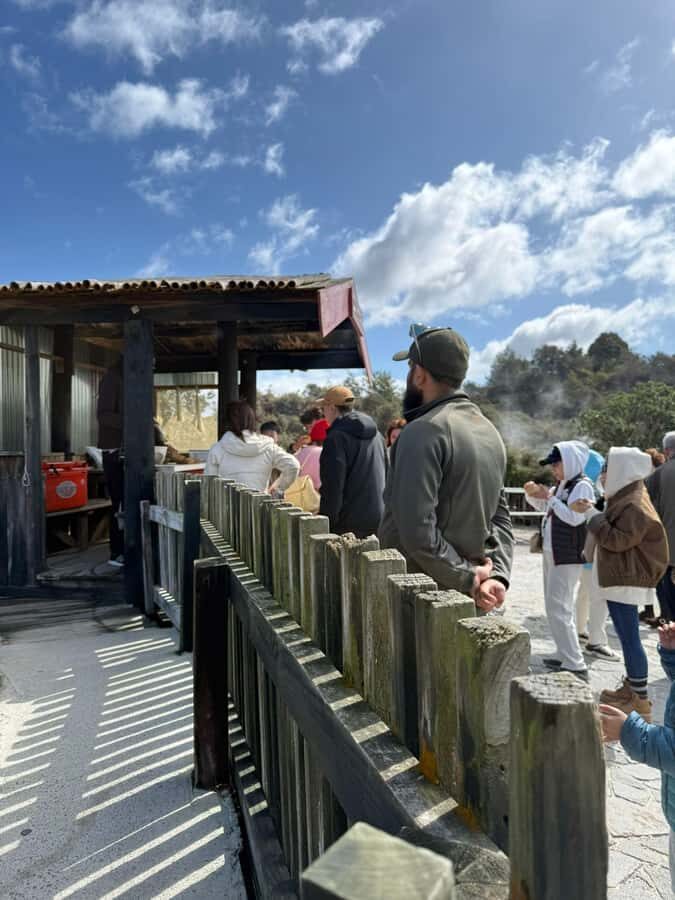
Rotorua’s geothermal area can look like science fiction if you’re not used to it. That’s exactly why this tour works: it pairs the geothermal visuals with a guide’s explanations, so you’re not just guessing what you’re seeing.
You’ll get panoramic views of geysers and time to explore boiling hot pools as part of the village experience. The way you move through the area also helps. You aren’t dropped at a viewpoint and left to fend for yourself.
This matters for value. Without guidance, geothermal sights can feel like random vents and steam plumes. With guidance, you start noticing the patterns: how hot water and gases shape the environment, and how people in the region interpret and live alongside it.
Waitomo Glowworm Caves: the boat ride that makes the darkness glow
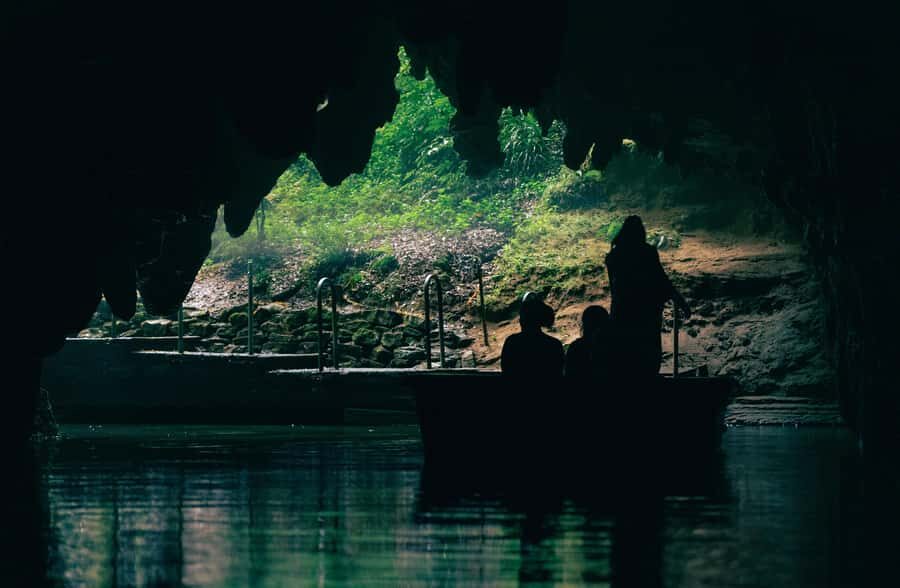
After Rotorua, you’ll head to Waitomo by van for about two hours. When you arrive, the main event is the Waitomo Glowworm Caves guided tour (about one hour). This is where the day earns its reputation.
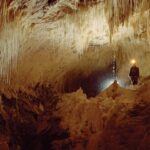
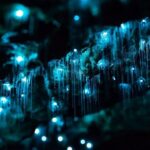
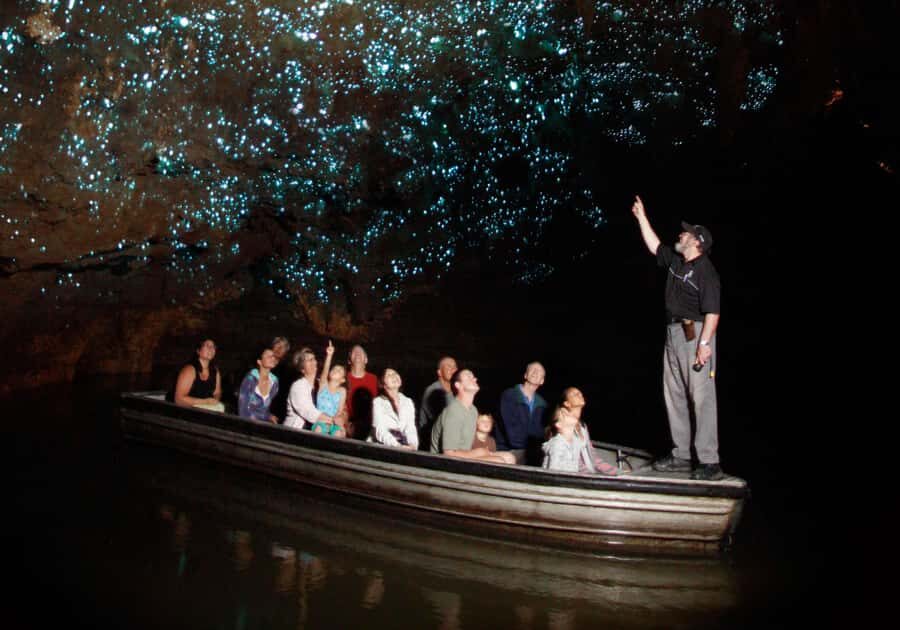
You’re taken through the caves to experience the glow of thousands of bioluminescent glow worms. The key detail is the boat ride: you glide silently through the caves, and the light show is what you see all around you.
This is the part I’d call the headline moment. Even if you aren’t deeply into caves, the visual effect is hard to explain until you’re there. It’s not like a single glowing spot. It’s a whole ceiling of moving light, and it changes the way the cave space feels.
Practical tip: bring a sense of calm with you. The whole point is watching quietly and letting your eyes adjust. If you’re constantly checking your surroundings for photos, you’ll miss the best part—the eerie, magical stillness.



Picnic-style lunch: fueling without breaking the day
You’ll have a picnic-style lunch included with the tour. The big win here is timing. Since lunch is built into the route, you don’t lose half a day deciding where to eat or waiting in lines.
Picnic lunch also fits the day’s flow. You’re outdoors, you’re traveling, and you’ll likely be a bit steam-soaked and sun-exposed. Having food taken care of makes it easier to stay focused on the two major experiences: Whakarewarewa and Waitomo.
Bring the basics you’d expect for outdoor meals—like water if it’s not already provided at the picnic. The tour includes the lunch, but you’ll still feel better with hydration during long van time and after geothermal stops.
Price and value: is $248 a good deal?
At $248 per person for a 12-hour day, you’re not just paying for entry tickets. You’re paying for the whole package: guided experiences at Whakarewarewa and Waitomo, the cultural performance (including haka), round-trip transportation by minivan, and hotel pickup/drop-off at select Auckland locations.
Here’s how that usually translates into value for you:
- Time saved in Auckland: hotel pickup means you don’t have to coordinate your own transport or parking for a day that’s heavy on driving.
- Guides included: the Māori village tour and the Waitomo caves tour are guided, which changes the experience. You’re not only seeing places; you’re learning what they are and how to interpret them.
- Lunch included: picnic-style lunch saves you from spending your day hunting meals.
- Ticket handling: the tour includes skip-the-ticket-line convenience at the attractions, which helps when your day is already scheduled tightly.
If you were doing this independently, you’d likely pay for tickets and transportation anyway—plus you’d spend time planning routing and timing. For a one-day trip from Auckland, the $248 price can feel fair because the logistics are largely solved for you.
The trade-off is that you’re locked into the tour schedule. If you want extra time in one place or want to linger for photos, you’ll have to work within what’s set for the day.
Group size, pacing, and comfort on a full day
The overall pace is structured. You’ll start with pickup, then drive, then do the village, then head to Waitomo, then return. The van segments add up, and they’re part of the cost of doing two major regions in one day.
Because it’s a guided experience with fixed durations—about 2.25 hours at Whakarewarewa and about one hour at Waitomo caves—you’ll want to dress for movement. Comfortable shoes matter because you’ll be walking outdoors around geothermal areas and in the cave tour route.
Also, bring weather-appropriate clothing and sunscreen. Rotorua and Waitomo weather can shift. Even when it’s not blazing hot, outdoor walking and geothermal steam can make you feel warmer than you expect.
One more comfort note: you’ll likely want to keep your schedule simple for the next day too. This is one of those tours that feels fine during the day and leaves you tired after—especially if you don’t usually do long travel days.
Who this Auckland day trip suits best
This tour is a strong fit if you want:
- Māori culture and traditions paired with real place-based context at Whakarewarewa
- Rotorua geothermal sights explained in a guided format
- A classic Waitomo experience that’s not rushed and happens as a guided boat ride
- A single-day plan that works even if you don’t have a rental car
It’s also ideal for visitors who prefer a driver-handled day. Hotel pickup and drop-off take a lot of friction out of moving between Auckland, Rotorua, and Waitomo.
It’s not the best choice if:
- you rely on wheelchair access (this isn’t suitable for wheelchair users)
- you have mobility impairments and aren’t comfortable with the walking involved in the village and cave route
- you hate long sitting stretches, because you’ll be in the van for several hours
Should you book this tour?
Yes, I’d recommend booking if you want a focused, well-guided day that blends Māori cultural performance (including the haka) with the glowworm caves’ one-of-a-kind atmosphere. The included guides, lunch, transportation, and tickets make it feel like a clean package rather than a DIY juggling act.
Skip it if you’re looking for a slow travel day, you need frequent rest stops you can’t control, or accessibility is a concern. If you can handle a long day and you like guided experiences, this is a smart use of limited time in the North Island.
FAQ
What’s the duration of the Auckland to Rotorua and Waitomo tour?
It runs for about 12 hours.
Is hotel pickup included?
Yes, hotel pickup and drop-off are included, but only for select pickup and drop-off locations in Auckland.
Where do the tours start and how do I find the van?
Your guide meets you outside your hotel. Look for a Volkswagen van with an Expedigo logo, and arrive about 5–10 minutes before pickup.
What’s included in the price?
Entry tickets to Waitomo Glowworm Caves and Whakarewarewa Living Māori Village, guided tours, the cultural performance at the village, a picnic-style lunch, and round-trip transportation by minivan.
Do I need to pay for tickets separately?
No. Entry tickets are included, and you’ll also skip the ticket line.
What language is the guide?
The live tour guide is in English.
What should I bring?
Bring comfortable shoes, sunscreen, and weather-appropriate clothing.
Are kids allowed?
Unaccompanied minors are not allowed.
What if the tour is canceled due to minimum numbers?
There is a possibility of cancellation after confirmation if there aren’t enough passengers. If that happens, you’ll be offered an alternative or a full refund.